 Chinagama
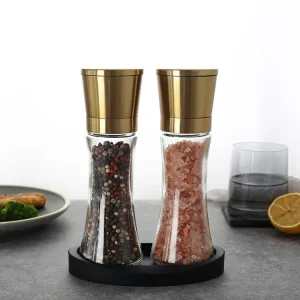
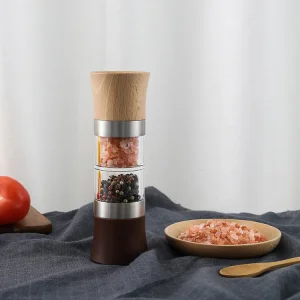
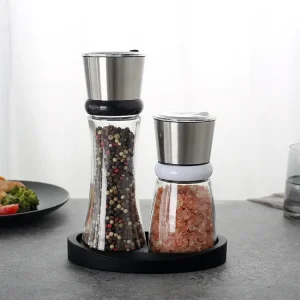
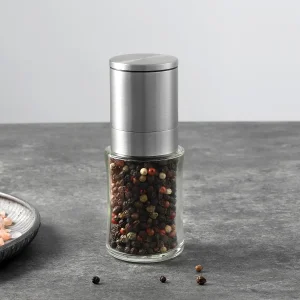
Premium Kitchen Grinder Selection
Explore our flagship manual and adjustable spice milling systems engineered for global distributors.
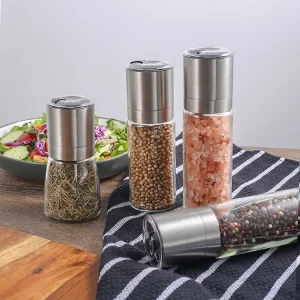
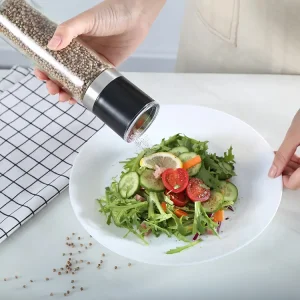
The Global Commercial Landscape of Polymer Kitchenware Dispensing Systems
The global spice mill market is experiencing a profound transition from traditional wood and metal mediums to advanced engineered polymer compounds. Plastic salt and pepper grinders are no longer viewed simply as economical consumer products; instead, they have evolved into critical engineering assets for both commercial food services and high-volume retail sectors. Today, the industrial application of food-safe plastics, such as Acrylonitrile Butadiene Styrene (ABS), Polypropylene (PP), Polymethyl Methacrylate (PMMA), and Tritan copolyesters, allows developers to achieve clarity, structural rigidity, and resistance to environmental stress.
From a market demand perspective, global procurement managers favor plastic mills because they offer transparency—allowing users to easily monitor fill levels—are lightweight, and exhibit high resilience against physical impacts in bustling commercial kitchens. Unlike wooden models, which can warp under high humidity, or metal grinders, which are vulnerable to electrochemical oxidation when exposed to sodium chloride (salt crystals), engineered polymer mills provide unparalleled longevity and environmental defense. Consequently, they have become the industry standard for fast-casual dining, institutional food services, and retail private labels.
"By employing specialized high-grade food plastics like BPA-free SAN/AS and Tritan, manufacturers can deliver luxury aesthetic qualities, mimicking glass-like transparency while achieving the shatter-resistance necessary for rigorous commercial safety requirements."
Furthermore, the incorporation of ceramic grinding mechanisms (burrs) within polymer chassis has revolutionized the performance expectations of mid-to-high-end culinary tools. High-alumina ceramic burrs offer extreme hardness, resistance to friction wear, and immunity to corrosive elements. This technical synergy ensures that the flavor profile of delicate spices is preserved, avoiding the metallic oxidation that often degrades freshly ground peppercorns.
Chinagama's Legacy & Production Footprint
A statistical overview of our manufacturing capacities and industry credentials established over nearly three decades.
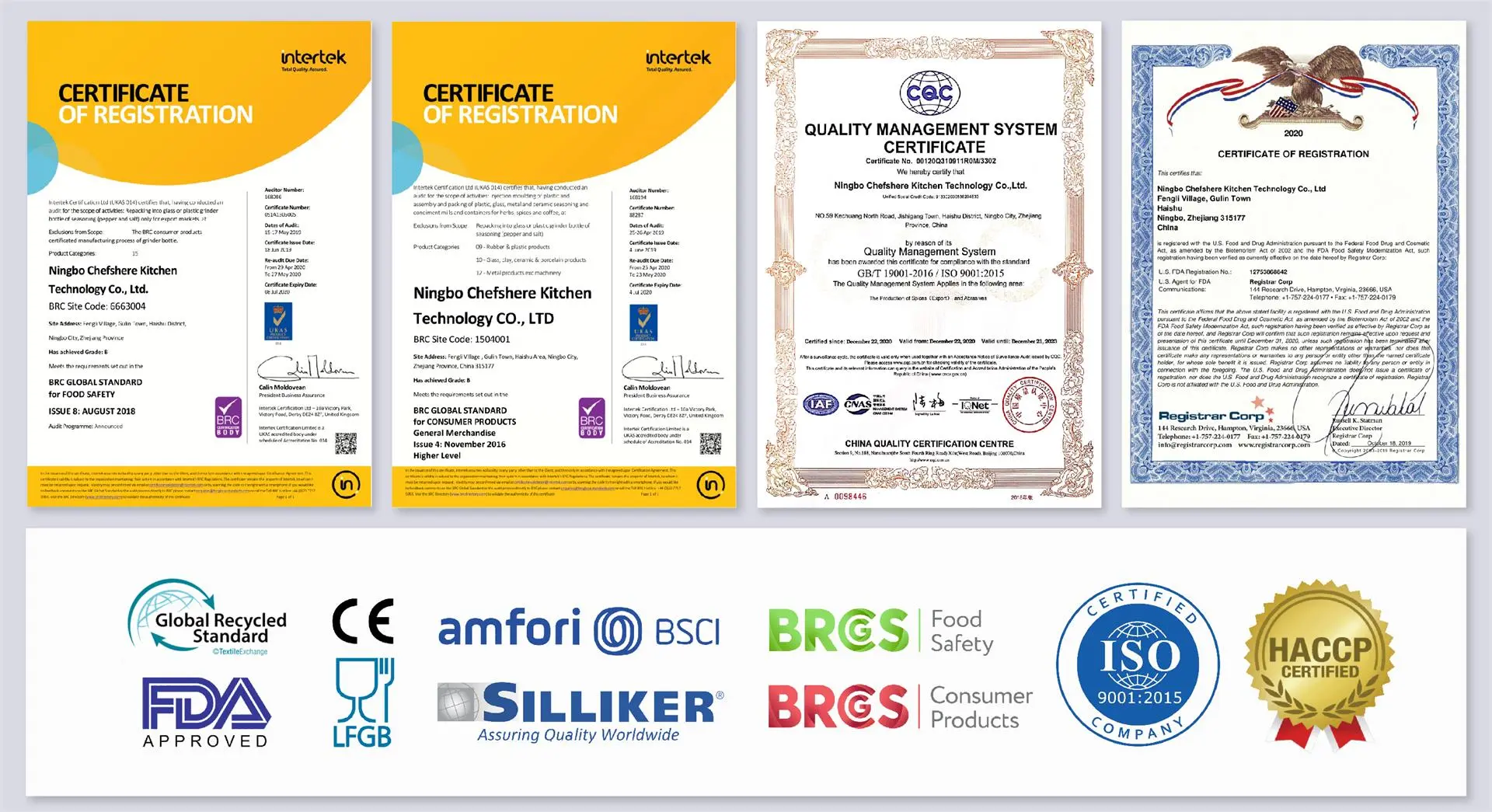
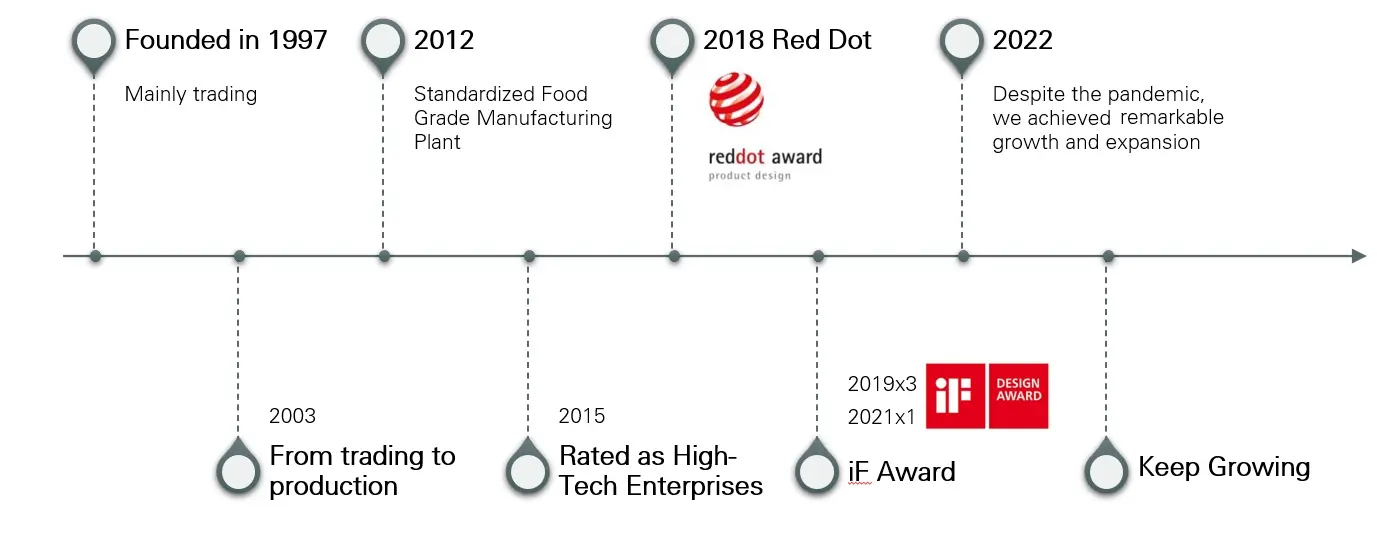
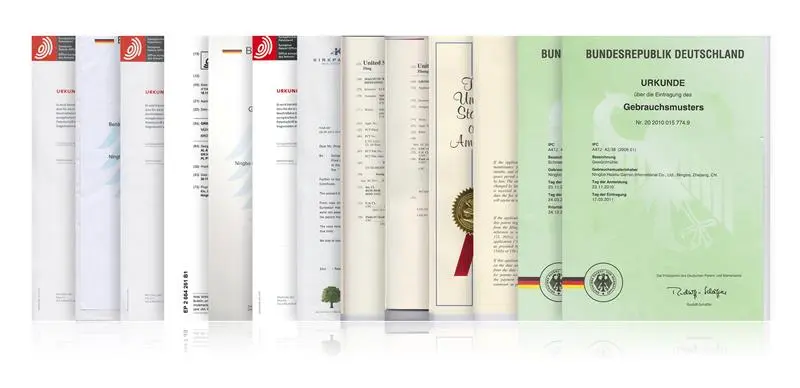
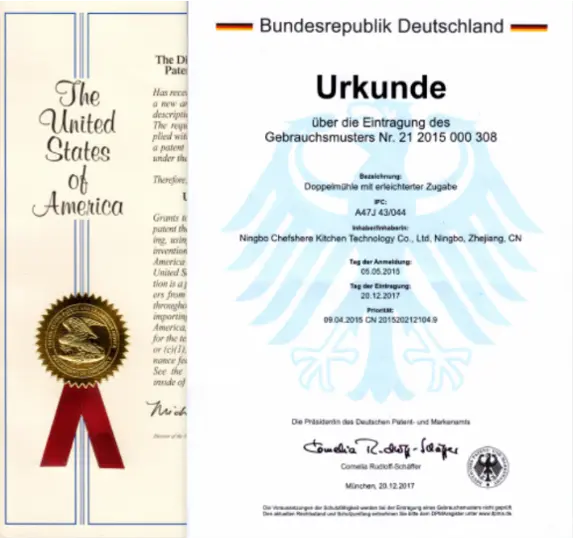
Chinagama Kitchenware, established in 1997, initially focused on export trade before pivoting directly to manufacturing and product development in 2003. Driven by a profound passion for culinary craftsmanship and tool innovation, the company established a state-of-the-art, food-grade manufacturing plant in 2012. Today, Chinagama's operations are a benchmark for precision engineering in the kitchenware sector. Our facilities hold over 300 patents, and our innovative designs have been honored with the prestigious Red Dot and iF Design Awards. Our commitment to quality is validated by third-party certifications including LFGB and FDA, ensuring that every product meets global food-contact safety standards.
Case Studies: Overcoming Material Challenges & Design Breakthroughs
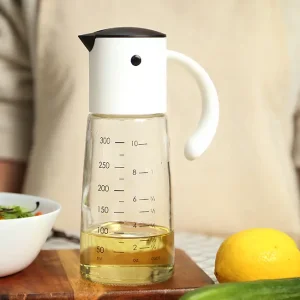
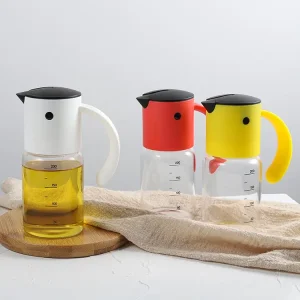
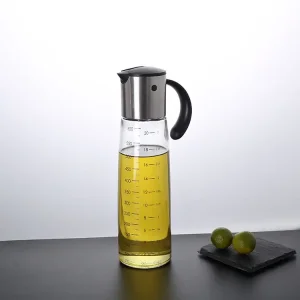
1. The Red Dot-Winning Gravity Bird Spout Dispenser
Market research revealed an increasing consumer preference for one-handed operation and hygienic dispensing in the kitchenware segment. Conventional oil dispensers required manual capping, which often led to messy oil drips and contamination.
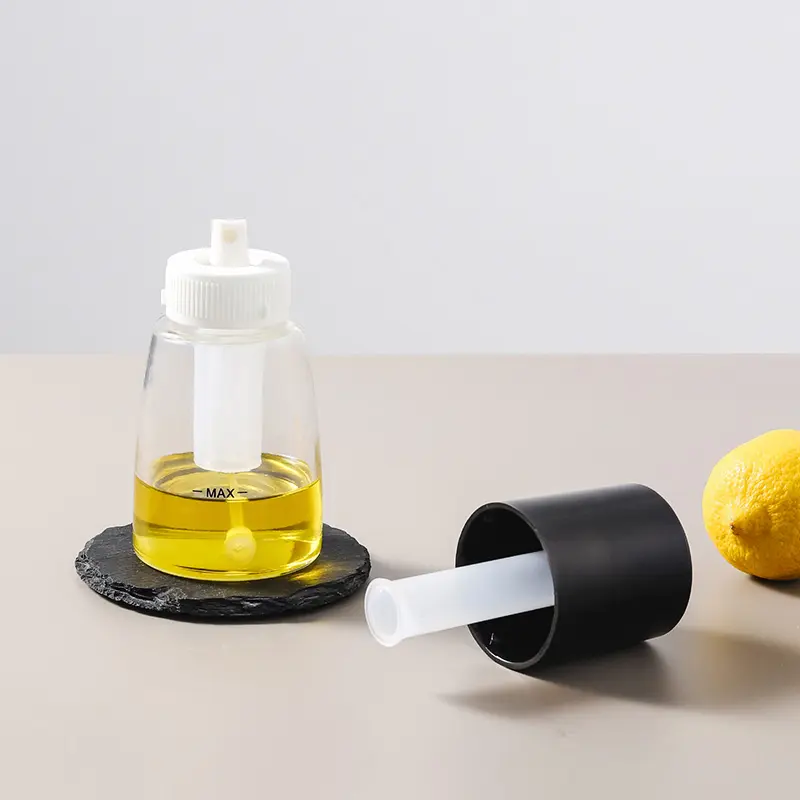
To address this user pain point, Chinagama engineered a gravity-assisted closure system styled as a sleek bird spout. The mechanism automatically tilts open when pouring and seals shut when upright, providing a clean, single-handed, and drip-free operation. This perfect blend of form and function quickly won over consumers and secured the prestigious Red Dot Design Award.

2. Resolving Stress-Cracking in Oil Mist Sprayers
During a joint development project with an international brand, the client requested a high-performance oil mist sprayer capable of maintaining uniform atomization without leaks. However, initial prototypes using ABS and PMMA plastics showed cracking during durability testing.
Our engineering team discovered that exposure to lipids and fatty acids caused environmental stress-cracking in ABS and PMMA under pressure. By shifting the material formulation to a specialized, chemical-resistant PP copolymer, we eliminated structural failures while maintaining full food-contact safety. This technical pivot protected our client's brand reputation and significantly boosted their market share.
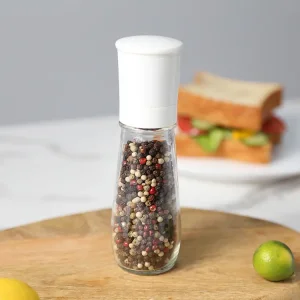
3. Reimagining the Manual Salt & Pepper Mill
The manual grinder market was historically saturated with heavy, overly decorated wooden mills that prioritized antique aesthetics over practical, everyday ergonomics. These bulky designs often suffered from slippage and inconsistent grind sizes.
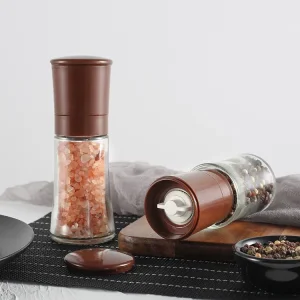
Chinagama addressed this issue by designing a modern, straight-bodied grinder with clean lines and an ergonomic grip. We integrated a patented adjustable ceramic burr system that allows users to select their grind size with ease. This minimalist design proved that practical usability and elegant aesthetics can coexist, earning positive feedback from culinary professionals worldwide.
Strategic Direction: Vision, Mission & Company Timeline
How Chinagama developed from an export agency into an award-winning industry pioneer.
Chinagama commences operations as an export trading enterprise focused on providing global markets with quality Chinese housewares and kitchen goods.
Embracing the digital shift, Chinagama incorporates online platforms into its business model, dramatically expanding its trade footprint and global client reach.
Fueled by a deep passion for product design and quality control, Chinagama moves from pure trade to direct factory production, establishing dedicated milling workshops.
Establishment of a modern, standardized food-grade factory. All manufacturing processes are structured to comply with stringent FDA, LFGB, and ISO guidelines.
Recognized as an official High-Tech Enterprise, Chinagama secures multiple Red Dot and iF Design awards, solidifying its status as a market leader in grinding tools.
Our Vision
To be the premier partner for mid-to-high-end brands globally, setting the standard for quality, design, and performance in spice grinding and kitchenware.
Our Mission
To help clients solve marketplace challenges by providing competitive grinding solutions and ODM/OEM services that elevate and enhance brand equity.
Our Values
Unwavering focus on grinding technology, continuous design innovation, responsible manufacturing, and mutually beneficial partnerships.
The Chinese Factory Advantage: Scale, Automation, and Logistics
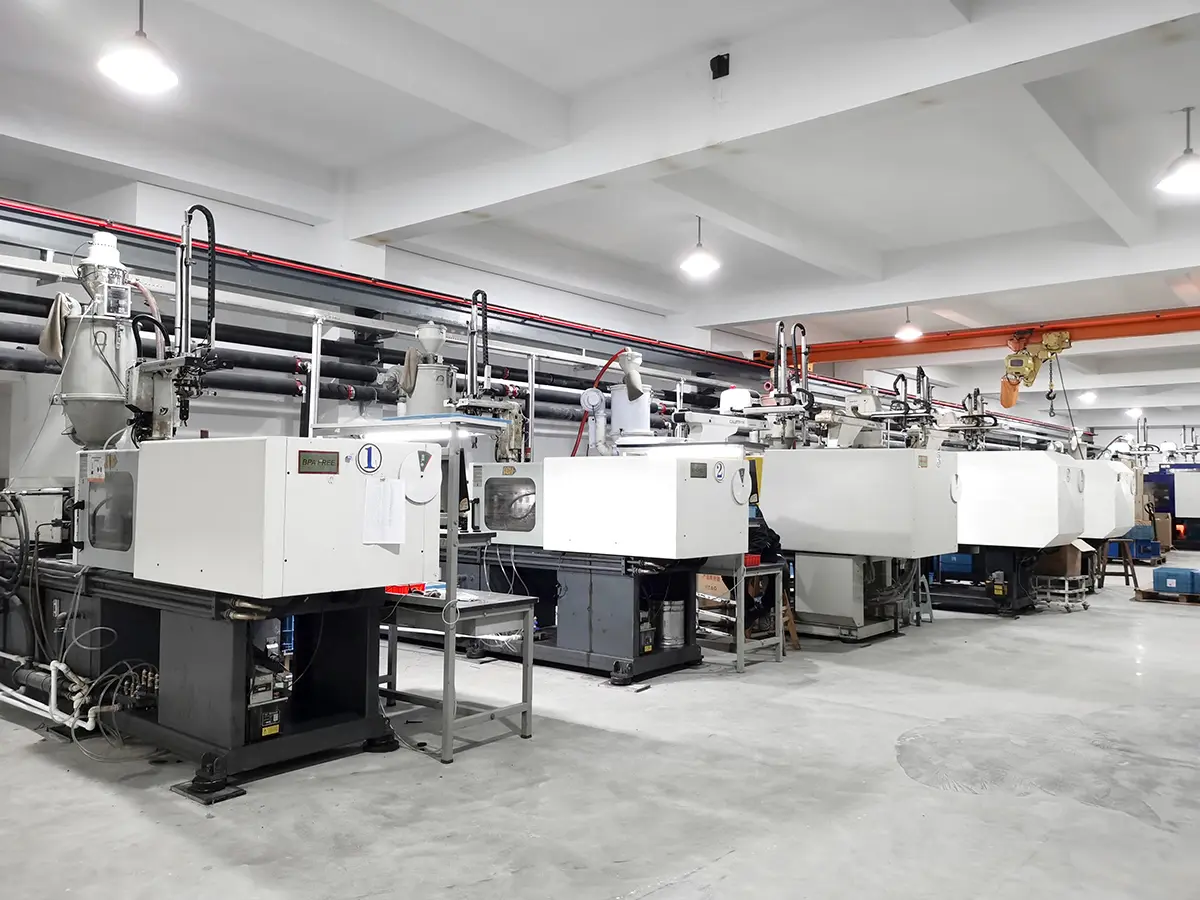
For international procurement managers, sourcing kitchenware products involves balancing quality, lead times, and unit economics. The Chinese manufacturing landscape, particularly in coastal hubs like Ningbo, offers unique structural advantages. At Chinagama, our factory operations leverage automated injection molding, precision mold development, and structured assembly processes to keep production highly efficient.
Automated production lines ensure that critical dimensions are held to tight tolerances. This is particularly important for the mechanical alignment of ceramic burrs within plastic housings, preventing grind misalignment and uneven wear. By using multi-cavity injection molds and automated assembly, we reduce manual labor costs and maintain consistent quality across large-volume orders.
Furthermore, our close proximity to Ningbo and Shanghai ports streamlines global shipping. This regional advantage allows us to offer shorter lead times, lower domestic transit costs, and simplified customs handling, helping our partners optimize their supply chain and keep inventory levels lean.
Advanced Quality Assurance Protocols
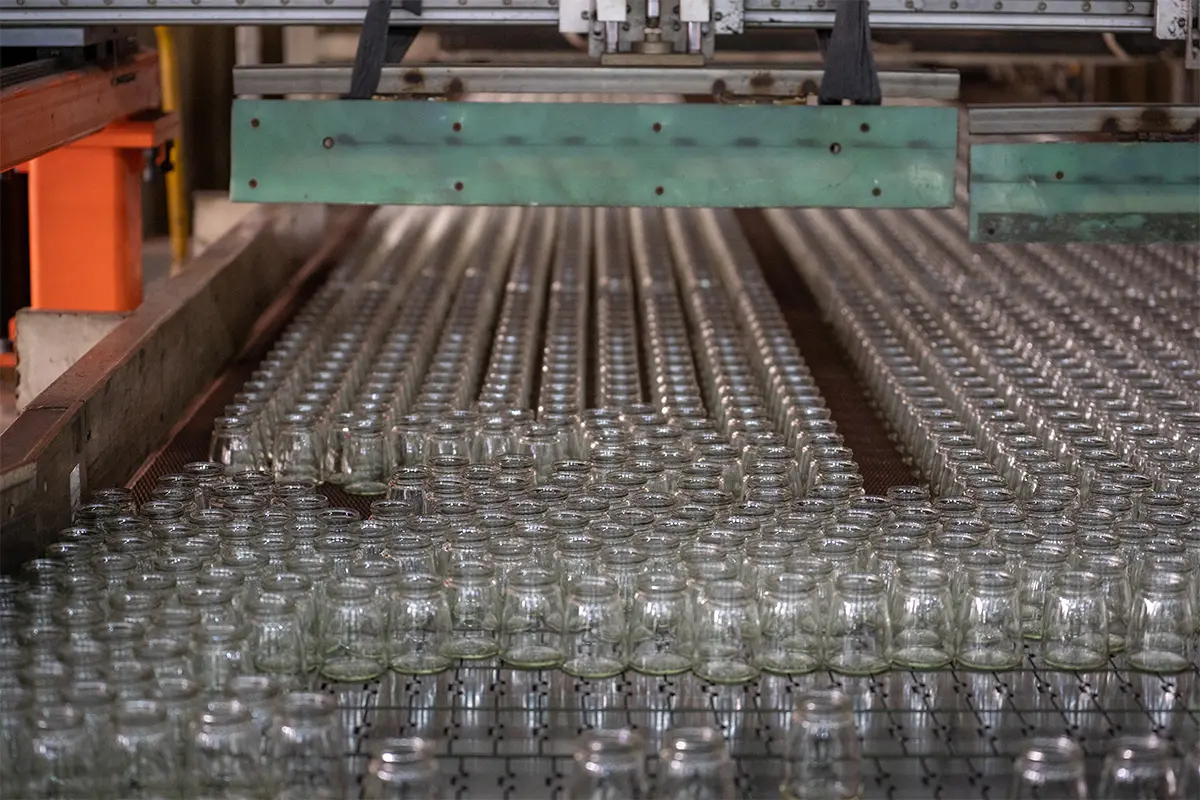
Every production batch undergoes strict quality control checks, including raw polymer inspection, torque tests for grind mechanisms, drop test simulations for packaging resilience, and food-contact compliance tests.
By combining automation with manual spot checks, we keep defect rates below industry standards. This ensures that every shipment of plastic salt and pepper grinders arriving at your warehouse is ready for retail shelf display or commercial kitchen use.
State-of-the-Art Production Environment
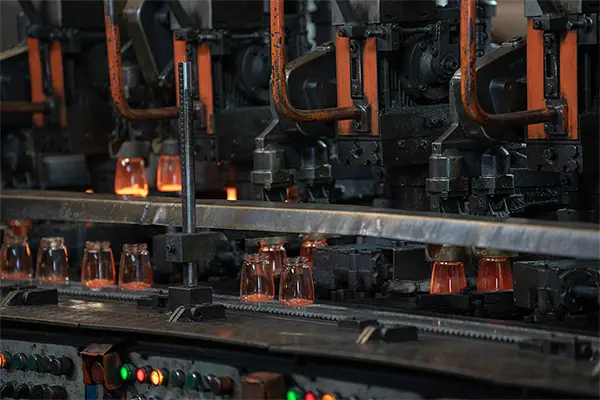
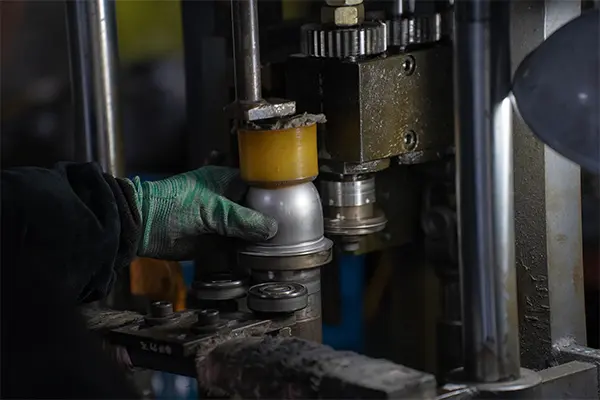
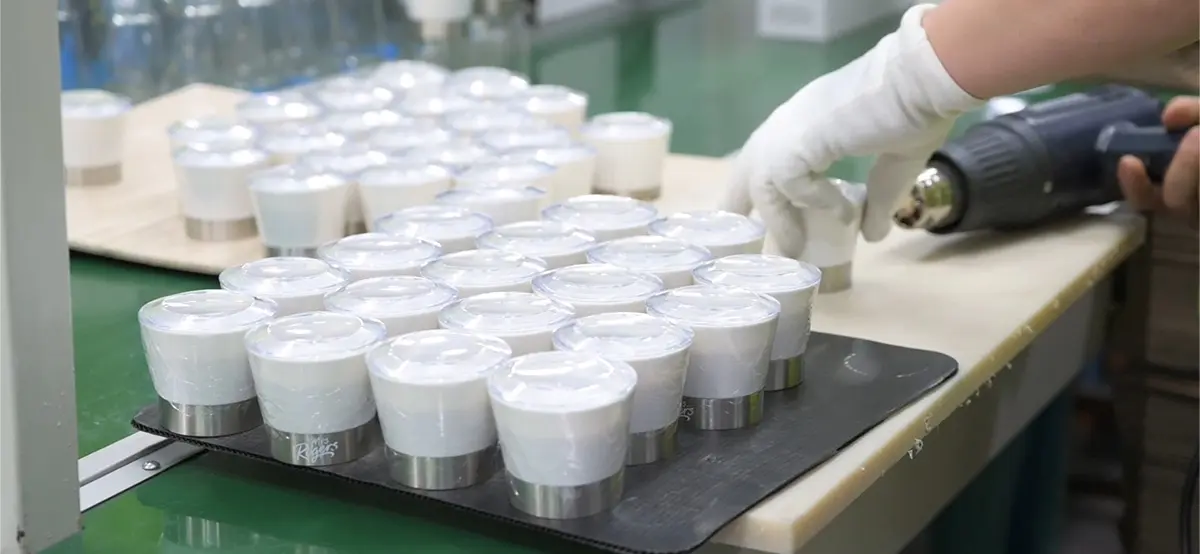
Our production facilities utilize modern equipment to maintain precision and efficiency from design to final packaging.

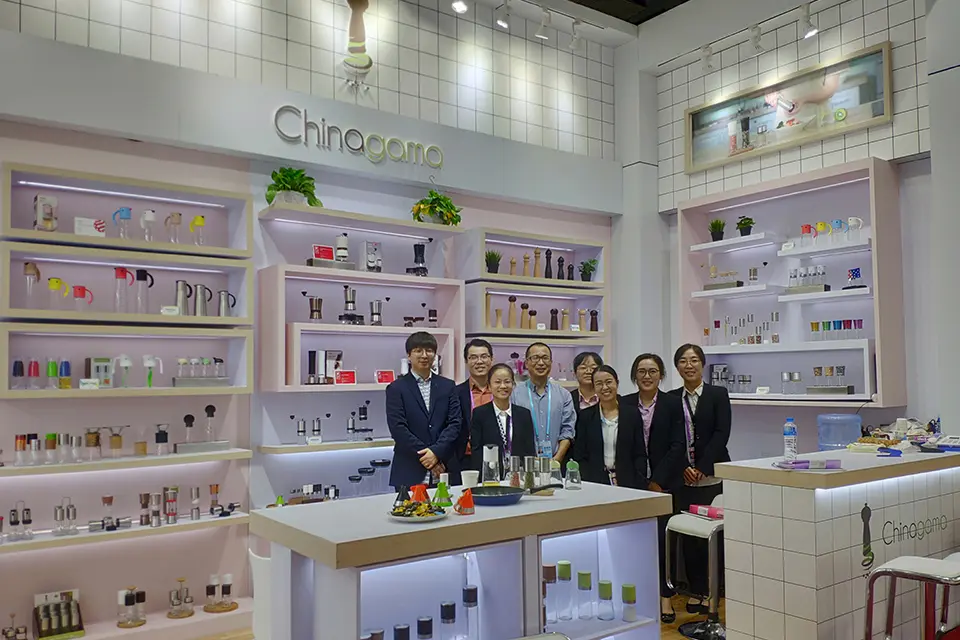

Our manufacturing floor is divided into dedicated zones: material preparation, injection molding, component assembly, and final QC packing. This layout minimizes cross-contamination risk, keeping our production clean and efficient. Our assembly technicians work alongside semi-automated systems to streamline operations and ensure prompt order fulfillment.
Continuous Research & Product Engineering
At Chinagama, our R&D team is focused on developing products that balance visual appeal with long-term reliability. We utilize 3D printing and CAD software to rapidly prototype new ideas, allowing clients to review design geometry before tooling begins. Our research focuses on materials selection, product ergonomics, and grind mechanism optimization.


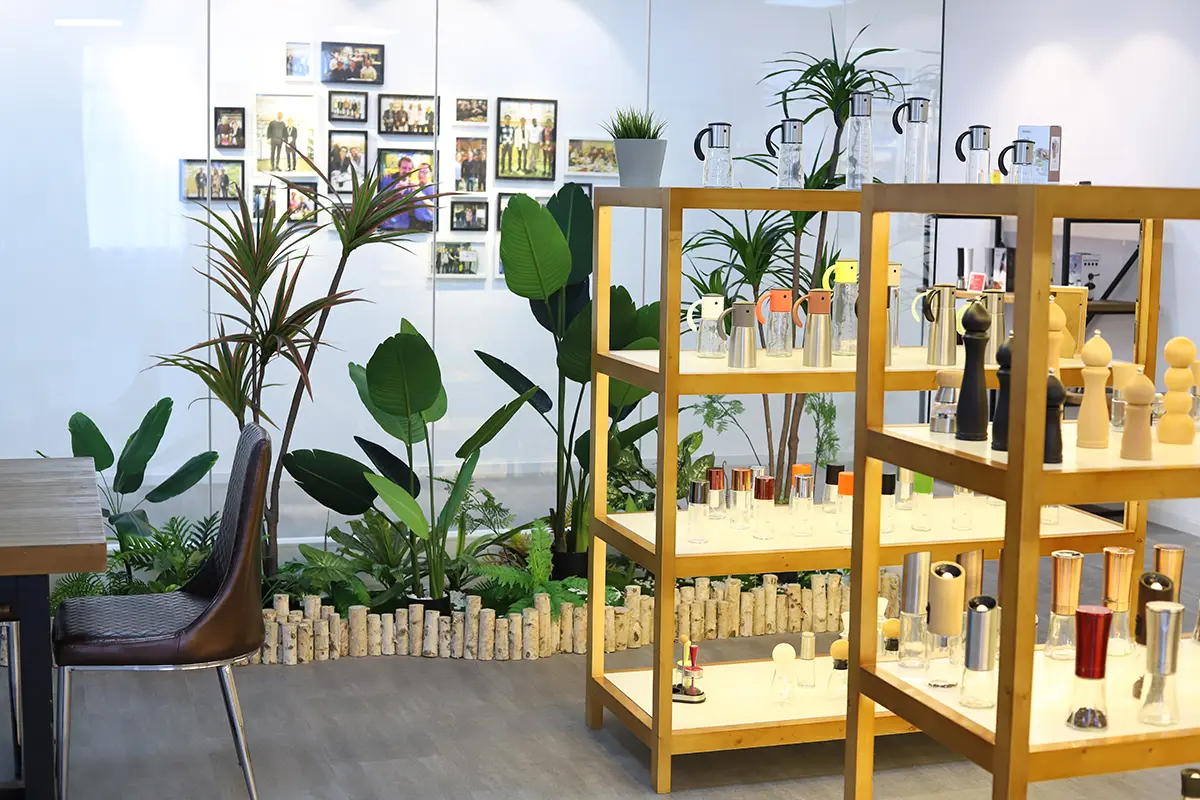
We also optimize the feed channel design in our grinders to ensure consistent spice feeding into the ceramic burrs. This prevents clogging—especially with high-moisture sea salt or oily peppercorns—resulting in a smoother, more reliable grinding experience.
Your Trusted OEM/ODM Manufacturing Partner

As a dedicated manufacturer, Chinagama offers end-to-end custom development services. Whether you need a unique surface finish, custom brand engraving, custom packaging, or a completely new mechanical design, we provide structural engineering support, mold manufacturing, and certification testing.

Customized Solutions for Brand Owners
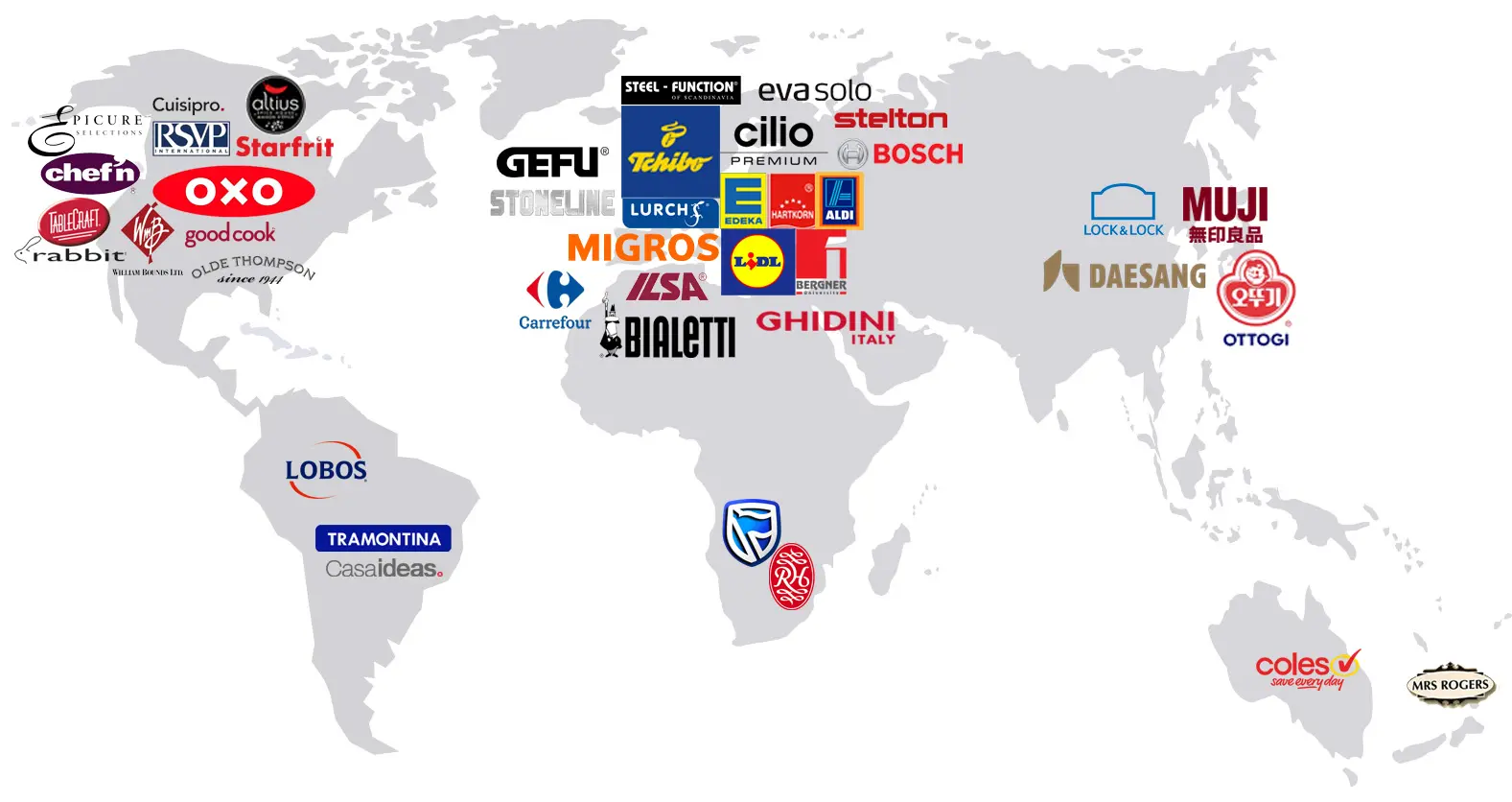
We work with leading kitchenware brands and retail buyers to develop products tailored to their target markets. Our team will guide you through material selection, cost considerations, and shipping logistics to ensure a successful product launch.
Commitment to Quality & Product Durability
By choosing Chinagama as your manufacturer, you gain access to decades of production experience, patented design solutions, and a reliable supply chain.
Product Engineering Case Files
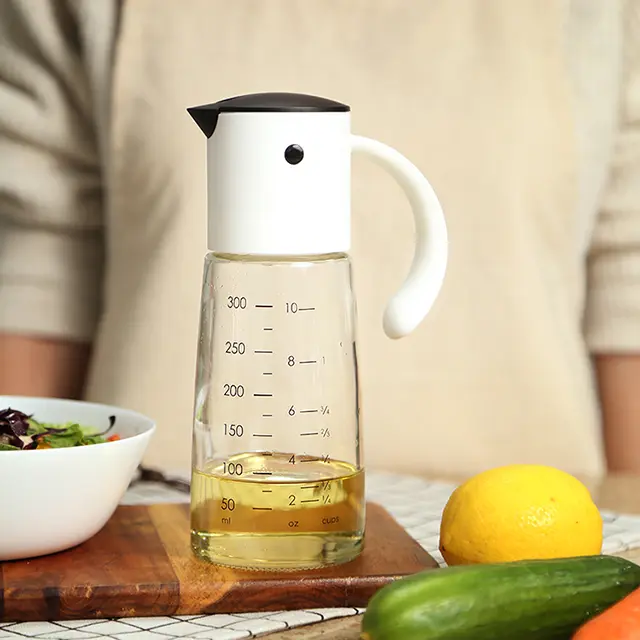
Drip-Free Oil Pourer
Automated gravity lid mechanism that prevents oil spills and drips.
PP Oil Mist Sprayer
Specialized PP construction designed to prevent stress-cracking from oil exposure.
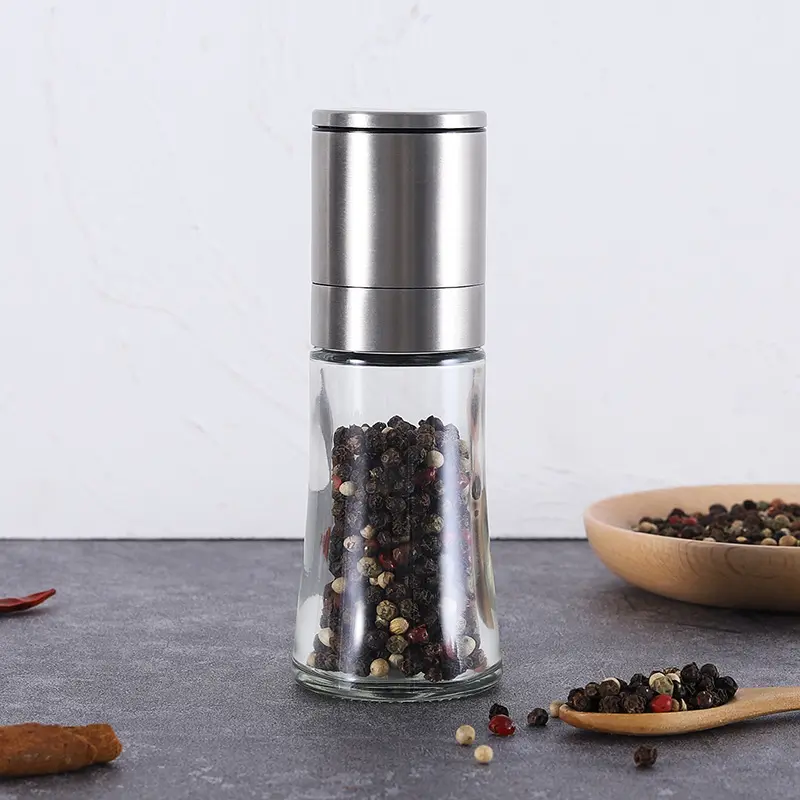
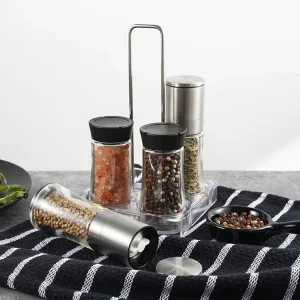
Ergonomic Spice Grinder
Clean, straight-bodied aesthetic with adjustable grind settings.
Diversified Kitchenware Capabilities
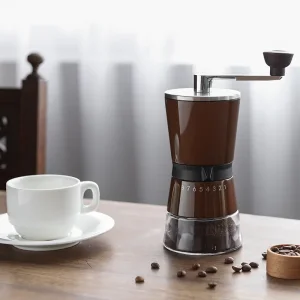
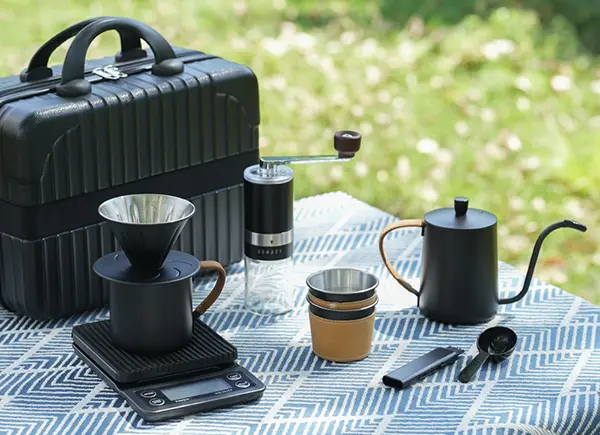
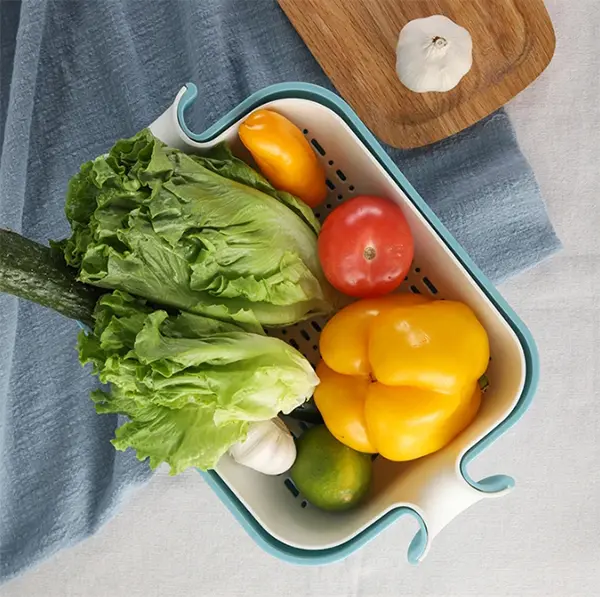
In addition to spice grinders, we design and manufacture a range of kitchen tools, including coffee mills, gravity oil dispensers, soap dispensers, and vegetable baskets. This allows our retail partners to consolidate their kitchenware sourcing under a single manufacturer.
Technical & Sourcing FAQ
Common questions from global procurement managers regarding custom manufacturing, materials, and ordering.
What is the MOQ (Minimum Order Quantity) for OEM/ODM plastic spice grinders?
Our standard MOQ for OEM customized colors or branded silk-screen printing is typically 3,000 units. For fully customized ODM projects requiring new injection molds, MOQ depends on tooling complexity and design, usually starting at 5,000 to 10,000 units. Contact us to discuss your specific project needs.
Which plastic polymers are best suited for salt and pepper grinder bodies?
We recommend PMMA (acrylic) or SAN/AS for designs requiring high transparency and impact resistance. For eco-conscious or high-durability brands, Tritan copolyester is an excellent choice as it is BPA-free, shatter-proof, and highly chemical-resistant. For internal structural components and bases, food-grade PP and ABS provide the best balance of mechanical strength and cost-efficiency.
Why are ceramic burrs preferred over stainless steel or carbon steel for salt grinders?
Salt crystals are highly corrosive to metals. Stainless steel can rust over time when exposed to moisture and salt, while carbon steel will corrode quickly. Ceramic burrs (alumina ceramic) are chemically inert and will not rust or corrode. They are also extremely hard, preserving the purity of both salt and pepper without altering their flavor profiles.
Do your products comply with FDA and LFGB food-contact certifications?
Yes. All materials used in our kitchenware products undergo rigorous food-contact testing. We hold official LFGB and FDA certifications issued by leading third-party testing firms. We provide compliance documentation for all custom production runs to ensure smooth customs clearance in your target markets.
What is the typical lead time for custom production orders?
Standard OEM production runs take approximately 30 to 45 days after design approval and deposit receipt. For new ODM products requiring custom molds, the mold design and trial phases take 35 to 45 days, followed by 30 days for initial mass production.
How does Chinagama ensure consistent quality control in high-volume production?
Our factory utilizes a multi-stage quality control process: Incoming Quality Control (IQC) for raw polymers, In-Process Quality Control (IPQC) on the injection molding and assembly lines, and Final Quality Control (FQC) pre-shipment. We also conduct random drop tests, torque checks, and grind reliability tests to verify mechanical performance.
Additional Spice Mills & Kitchenware Solutions
Explore our extended catalog, featuring wood and metal designs alongside gravity dispensers.