 Chinagama
Cutting-Edge Kitchenware & Dispensing Technology
Explore our top-tier catalog of precision-engineered grinders, dispensers, and shakers customized for global supply chains.
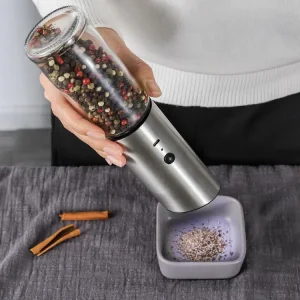
ODM Usb Pepper Grinder with LED Light
Check Details & Price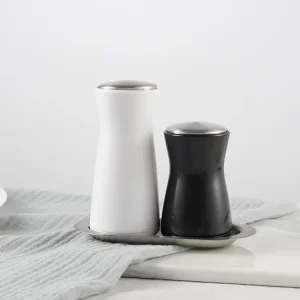
IF Design Award Plastic Spice Shakers Container Set
Check Details & Price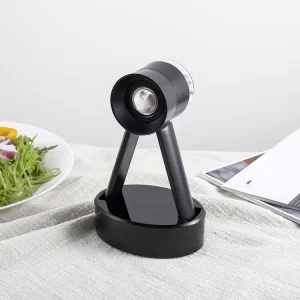
Wholesale Table Salt and Pepper Grinder
Check Details & Price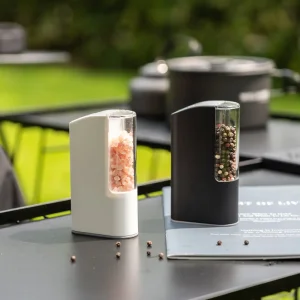
Customized Mini Portable Rechargeable Pepper Mill Set
Check Details & Price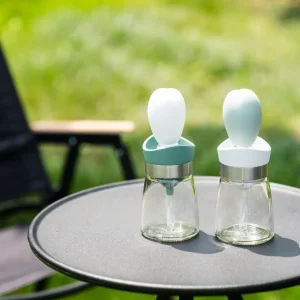
Wholesale Olive Oil Glass Bottle with Silicone Brush
Check Details & Price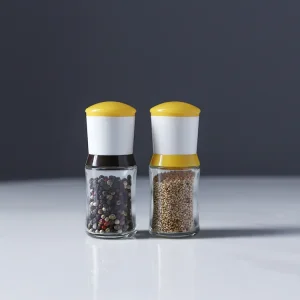
ODM Compact Salt Pepper Grinder With Glass Jar
Check Details & Price
Wholesale Customized Olive Oil Spray Glass Bottle
Check Details & Price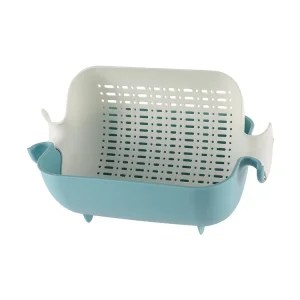
ODM Vegetable and Fruit Washing Basket Company
Check Details & PriceGlobal Trends Shaping the Modern Kitchen Sourcing Industry
How consumer preferences, ergonomic design adjustments, and automation are revolutionizing kitchenware procurement in 2025 and beyond.
Intelligent Electric Sensation
Traditional manual grinding is rapidly shifting toward USB rechargeable, gravity-activated induction systems. Brands that integrate electric grinders with built-in LED lights capture a higher market share in premium retail channels.
Material Safety Compliance
Strict FDA, LFGB, and CE certifications are no longer optional. Industrial buyers demand non-toxic, eco-friendly materials such as borosilicate glass, premium ceramic grinding cores, and BPA-free polymers to satisfy health regulations.
Design-Led Differentiation
Consumer engagement relies heavily on aesthetics. Winning designs honored by international accolades like the iF Design Award and Red Dot Award convert browse interest to higher sales margins on shelves.

Evaluating "New Companies & Pricelists" Structurally
The global kitchenware landscape regularly sees the emergence of new manufacturing startups. While these new companies might offer seemingly aggressive pricelists to win entry into the market, experienced procurement executives know that initial pricing schedules often hide operational risks.
Lower unit quotes can indicate hidden compromises, such as inferior ceramic grinding burrs, standard batteries with high failure rates, or basic plastics susceptible to cracking under environmental stress. It is crucial to evaluate new companies based on structural metrics: R&D maturity, certification authenticity, and supply chain scalability.
A reliable pricelist from an established manufacturer accounts for extensive raw material safety testing, strict QA processes, and compliance checks, ensuring a lower Total Cost of Ownership (TCO) by minimizing defects and consumer returns.
China Industry 4.0: Achieving Operational Resiliency and Unmatched Efficiency
How advanced manufacturing networks and regional clusters safeguard supply stability in a changing global economy.
Smart Automation & Scalability
Modern standardized plants leverage automated plastic injection molding, high-precision assembly equipment, and laser engraving lines. This setup ensures high consistency, minimal dimensional variances, and scalability to manage large wholesale production runs under tight schedules.
Localized Materials Hub
Operating within advanced industrial clusters gives manufacturers direct access to suppliers of raw borosilicate glass, high-grade polymers, and quality ceramic grinders. This proximity reduces domestic transit times, mitigates logistical shocks, and keeps production costs highly competitive.
Welcome to Chinagama: Pioneering Culinary Innovations
At Chinagama, we are passionate about crafting high-quality and stylish kitchenware, specializing in salt and pepper grinders. Additionally, we manufacture other kitchenware sought after by global buyers, including coffee grinders, oil dispensers, soap dispensers, and more.
Since our establishment in 1997, we have been dedicated to delivering exceptional kitchenware development and manufacturing. Over the years, we have achieved over 300 patents. Our meticulously designed and produced kitchen tools have been honored with the prestigious Red Dot Award and iF Design Award. We continue to innovate with new products to cater to evolving market needs.
Our Vision, Mission & Values
Vision: To become the preferred supplier of premium kitchen grinding tools for mid-to-high-end brands around the globe, setting the standard for quality, design, and performance.
Mission: We are committed to helping our customers overcome challenges by providing more competitive grinding solutions and customized services. With a deep understanding of industry needs and continuous innovation, we strive to enhance brand value and become a trusted long-term partner for our customers.
Values: Focus (mastering the art and science of grinding tools), Innovation (sustainable growth via forward-thinking design), Sustainability (prioritizing responsible manufacturing), and Win Together (building partnerships that foster shared success).

Embarking on the Journey
Chinagama embarked on its remarkable journey, initially focusing on international trade work and building industrial connections.
Digital Trade & Production Evolution
Embraced the emerging realm of online trade in 2001. Driven by a passion for cooking and quality kitchen utensils, Chinagama made a transformative shift from trade to production in 2003.
Standardized Food-Grade Facility
Established a standardized food-grade production plant, empowering the brand to continuously innovate, control manufacturing workflows, and introduce new quality-driven products.
High-Tech Recognition & Design Awards
Earned the official title of High-Tech Enterprise. Our products have since been consistently honored with Red Dot Awards and iF Design Awards, affirming our commitment to cutting-edge design and craftsmanship.
Technological Breakthroughs and Engineering Case Studies
A detailed look at how we solve material issues, mechanical hurdles, and design challenges to bring award-winning kitchenware to market.
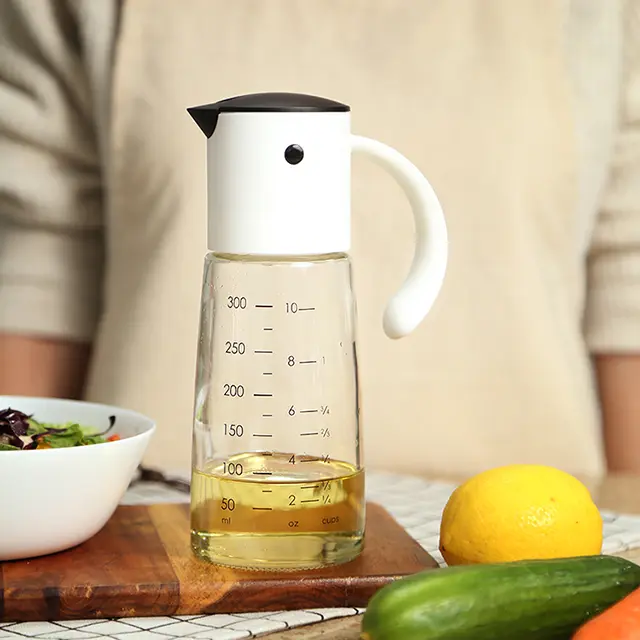
Gravity-Fed Bird Spout Oil Dispenser
The Opportunity: Market research showed growing consumer demand for more unique, humanized oil dispenser designs. Against this backdrop, Chinagama independently developed and launched a gravity-fed bird spout oil dispenser to meet new market needs.
The Breakthrough: Most oil dispensers on the market employed simple designs with few products offering drip-free, gravity-fed spouts. Chinagama set out to create an oil dispenser that could be easily operated single-handed without any drips. After multiple rounds of testing, the bird spout shape was finalized, meeting functional requirements and presenting an appealing aesthetic. The product remains one of our most popular designs.
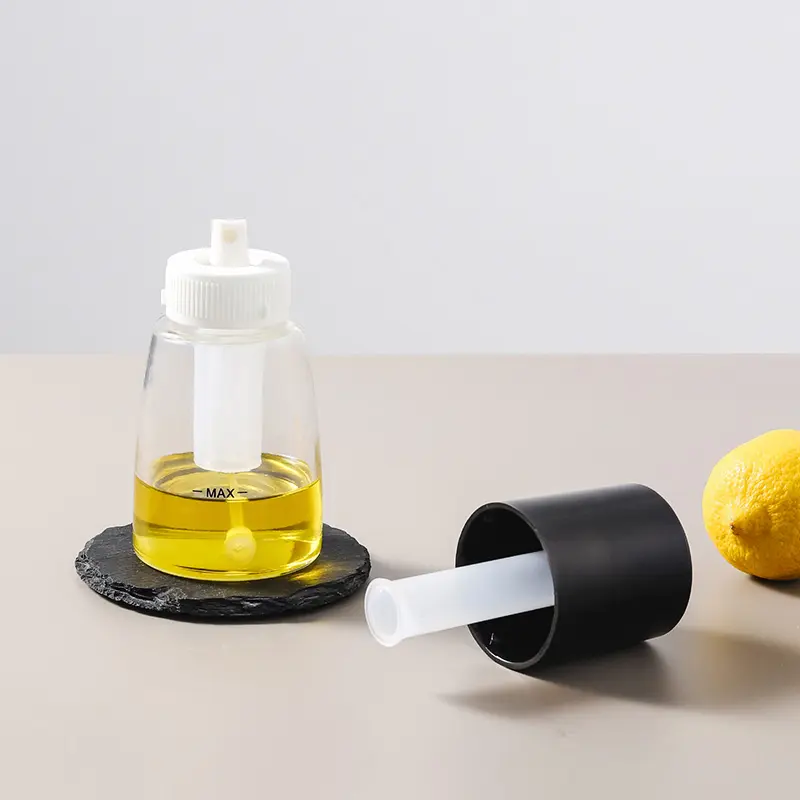
Collaborative Development of Oil Mist Sprayer
The Challenge: Developing an innovative oil mist sprayer with high-performance dispersion and consistent output. The client requested a product that could withstand daily kitchen use while ensuring food safety.
The Breakthrough: During development, our engineering team discovered that ABS and PMMA materials were highly susceptible to stress cracking when exposed to vegetable oil, raising durability concerns. We made the decision to switch to more robust and non-toxic food-grade PP material. This material pivot eliminated stress cracking and secured long-term product durability for the client.
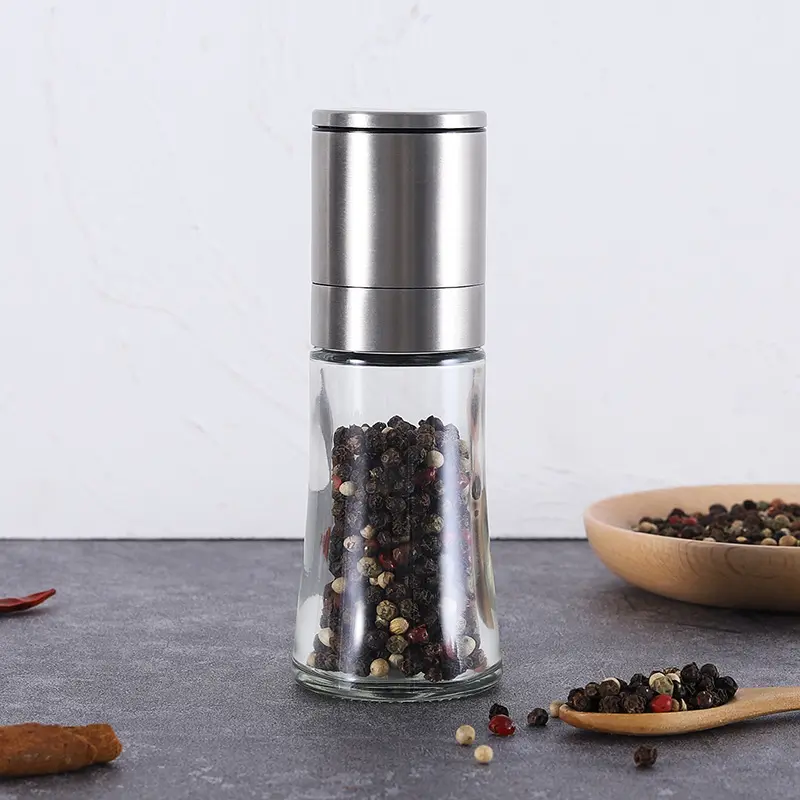
Ergonomic Salt & Pepper Grinder Design
The Challenge: Many traditional manual pepper and salt grinders utilized bulky, complex assemblies that compromised daily usability and kitchen comfort.
The Breakthrough: Chinagama's engineers focused on user ergonomics, designing a compact, straight-profile spice mill. We developed and patented a simplified adjustment mechanism, ensuring smooth rotation and reliable grind settings while maintaining a clean, modern aesthetic. The design received positive market feedback from retail partners and end-users alike.
Tailored Solutions for Diverse Global Sourcing Scenarios
How we customize logistics, packaging, and product features to meet regional market demands and commercial requirements.
E-Commerce & Retail Brands
We provide retail-ready packaging, custom branding options, and drop-test certified boxes. Our team works with FBA sellers and retail brands to ensure products are packaged to minimize logistics damage and maximize out-of-box appeal.
Commercial Foodservice & HoReCa
Commercial venues require durable kitchenware. We engineer spice shakers and oil containers using high-impact materials and heavy-duty ceramic burrs capable of withstanding the demands of busy commercial kitchens.
Custom OEM/ODM Branding
Our experienced R&D department translates sketches into functional 3D models and production molds. We assist with custom colorways, custom logo placement, and unique lid shapes to support brand positioning.
Frequently Asked Questions: B2B Sourcing & Procurement
Answers to common industry questions regarding manufacturing lead times, customization, quality assurance, and pricing structures.
How do you verify the quality and safety of your materials?
All materials used in our manufacturing process undergo rigorous testing. We maintain food-grade compliance with international testing standards, obtaining official LFGB and FDA certifications to ensure all components are safe for direct food contact.
What is the standard lead time for OEM/ODM orders?
Standard manufacturing lead times range from 35 to 45 days after deposit confirmation and sample approval. For customized ODM designs requiring new injection molds, development timelines typically range from 60 to 90 days, including prototype verification.
Why do ceramic grinding mechanisms outperform metal alternatives?
Ceramic grinding mechanisms are chemically inert and rust-proof, making them highly durable. Unlike carbon steel, they do not corrode when exposed to moisture or salt, maintaining a consistent grind size and preventing flavor alteration.
What payment and pricing terms are typical in your pricelist?
We typically work on FOB Ningbo or FOB Shanghai terms. Payment structures generally follow a 30% deposit via T/T with the 70% balance payable against the Bill of Lading (B/L), or L/C at sight, depending on order volume and history.
How do you handle IP protection for custom client designs?
We prioritize IP security. We sign mutual Non-Disclosure Agreements (NDAs) before reviewing custom files, use secure internal CAD management, and register tooling exclusively for the commission client to prevent design leakage.
Further Professional Kitchenware Procurement Selections
High-demand kitchenware styles and classic grinding systems ready for global distribution networks.
ODM Handheld Pepper Grinder with Floral Pattern
Check Details & Price
ODM Customized Spice Grinder by Hand
Check Details & Price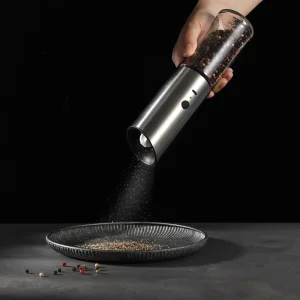
Wholesale Rechargeable Automatic Pepper Grinder
Check Details & Price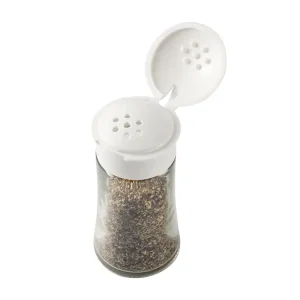
ODM Customized Portable Pepper Salt Shaker with Lid
Check Details & Price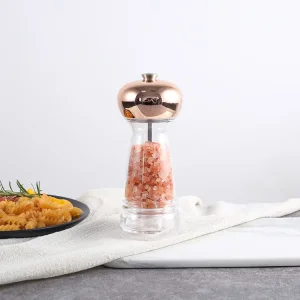
Wholesale Vintage Salt And Pepper Grinder
Check Details & Price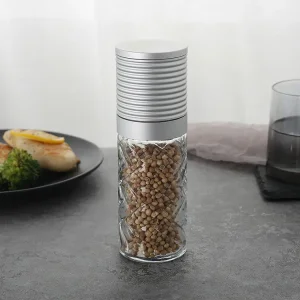
CE Certification ODM Manual Salt Pepper Mill Grinder
Check Details & Price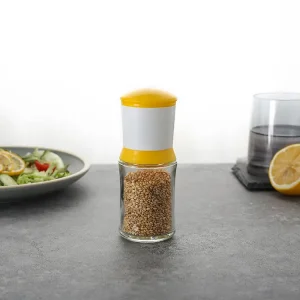
Best ODM Customized Adjustable Sesame Seed Grinder Service
Check Details & Price