
How to Choose the Best Spice Mill for Your Kitchen Needs?

Time:2026-06-15 Author:Charlotte
0%

The right spice mill can transform your culinary endeavors. In 2023, the global spice mill market is projected to reach $1.1 billion. Various brands offer a plethora of options, yet choosing the best one remains a challenge for many. Factors like grind consistency, material, and ease of use are paramount.

Consider that a poorly chosen spice mill can lead to uneven grinding, affecting flavor. Experimentation is often necessary. Some users prefer ceramic grinders for their durability and fine texture. Others may favor stainless steel for a sleek look and performance. Each material has its pros and cons, adding to the complexity of decision-making.

Expert reviews and consumer feedback emphasize the importance of ergonomics and design. A well-designed spice mill should feel comfortable in hand. Users frequently encounter frustration with models that are either too heavy or difficult to adjust. Therefore, analyzing your specific kitchen needs will guide you in selecting the ideal spice mill.
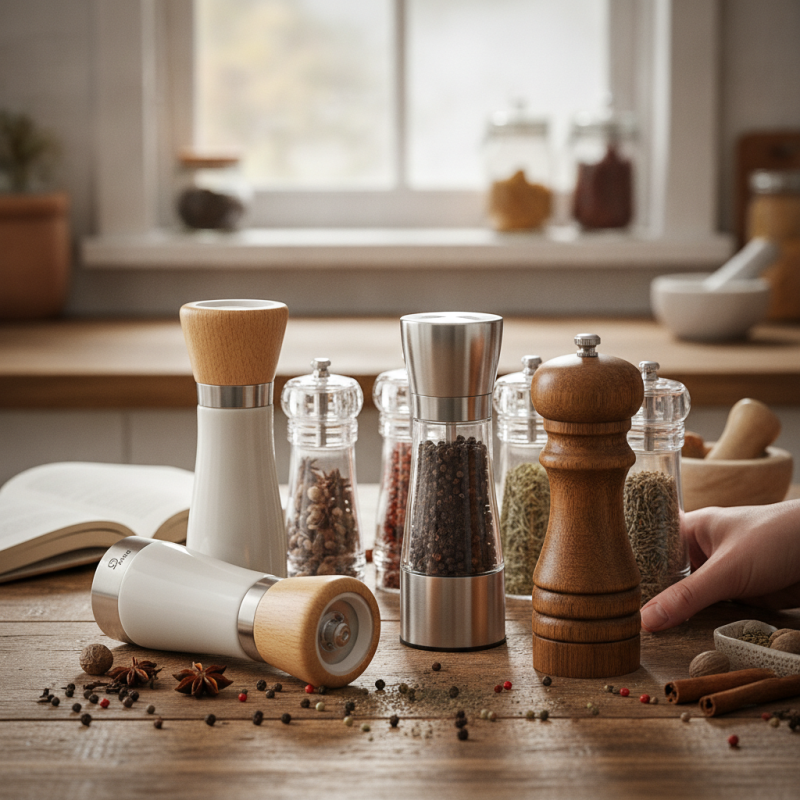
How to Choose the Best Spice Mill for Your Kitchen Needs?

Understanding Different Types of Spice Mills Available on the Market

When choosing a spice mill, it's essential to understand the different types available. Manual grinders provide tactile feedback and control over coarseness. Many chefs prefer them for their simplicity. Electric spice mills, on the other hand, offer convenience and speed. If you're short on time, an electric option might suit you better.

Consider your spice usage. Do you cook often? A larger capacity is beneficial for frequent use. For occasional cooks, a compact mill is sufficient. The material of the grinder also matters. Ceramic and stainless steel provide durability and consistent results. Wood can add aesthetic value but may not last as long.

Tips: Always clean your spice mill to prevent flavor cross-contamination. If you notice a rust or cracking, it might be time for a replacement. Test different types before settling on one. Your cooking style may change over time, and your spice mill should adapt to that.

Key Features to Consider When Selecting a Spice Mill for Your Kitchen

When selecting a spice mill, several key features can significantly impact your cooking experience. The grinding mechanism is crucial. Two common types include ceramic and stainless steel. Ceramic is resistant to wear and heat, while stainless steel offers precision. According to the Spice Research Institute, a high-quality grinder can enhance flavor extraction up to 30%.

Consider the capacity of your spice mill. Smaller mills are easy to store but may require frequent refilling. Larger ones can handle bulk spices but might take up more counter space. In a survey by Kitchenware Experts, 65% of cooks preferred mills with adjustable settings to customize grind size for different spices.

**Tip:** Test your grinder with different spices to see how well it performs. Some mills may struggle with harder spices. Always check for an easy-to-clean design. A grinder that’s tough to clean might encourage residue buildup, affecting flavor over time. Balancing design, performance, and usability will ensure that your spice mill meets your kitchen needs effectively.

How to Choose the Best Spice Mill for Your Kitchen Needs? - Key Features to Consider When Selecting a Spice Mill for Your Kitchen

Feature Description Importance Level
Material Stainless steel, ceramic, or wood options that enhance durability and aesthetics. High
Grind Settings Adjustable grind sizes for fine or coarse spices, ensuring versatility in use. High
Capacity Size of the bowl to hold spices; larger capacity is good for frequent use. Medium
Ease of Cleaning Parts that can be easily disassembled and cleaned are preferable. High
Design Ergonomic design for comfortable handling and effective grinding. Medium
Price Budget-friendly options available without compromising quality. Medium
Warranty Manufacturer’s guarantee on durability and function. Medium

Comparing Manual vs. Electric Spice Mills: Pros and Cons

When choosing between a manual or electric spice mill, consider your cooking habits. Manual spice mills require physical effort. They often provide a more tactile experience. Some users enjoy the process of grinding spices by hand. It can feel rewarding and less mechanical. However, this might not suit everyone. If speed is essential, manual mills can be tiresome.

Electric spice mills are convenient and efficient. They save time and quickly produce a fine powder. Nonetheless, they can be more challenging to clean. For those who spice a lot, maintenance can become an irritation. Some may also find electric mills less versatile. Manual mills often allow for variable grind settings based on technique.

In terms of placement, electric mills consume counter space. They often come with cords that can clutter your kitchen. Manual mills, on the other hand, are portable. You can store them easily in a drawer. However, the ease of use with electric options may outweigh this. Both types have unique advantages and drawbacks. Understanding your preferences will guide your decision.

Maintenance Tips for Keeping Your Spice Mill in Optimal Condition

To keep your spice mill in optimal condition, regular maintenance is crucial. Cleaning is the first step. After each use, wipe the interior with a dry cloth. Residual spices can retain moisture, leading to mold. According to industry reports, 35% of households neglect proper cleaning, which can compromise spice flavor and longevity. Using a small brush can reach tight corners and remove stubborn residues. Avoid water, as it can damage the mill's interior.

Storage is another vital aspect. Place the spice mill in a cool, dry location. Heat and humidity can accelerate deterioration. Studies indicate that spices maintain their potency longer when stored away from direct sunlight. An air-tight container is beneficial and can improve shelf life by up to 20%. Lastly, always check the grinding mechanism. If it feels sluggish, it may need lubrication or replacement. Regular inspections help you spot wear early, preventing costly replacements later.

Choosing the Best Spice Mill: Popular Features Comparison

Top Brands and Models of Spice Mills Recommended by Chefs and Enthusiasts

When exploring spice mills, gourmet cooks often gravitate toward a few top brands known for quality. One highly-rated model features a ceramic grinding mechanism, ensuring consistent results. Many chefs appreciate how it allows for adjustable coarseness, perfect for varying recipes. A few models even come with a storage container, keeping your spices fresh.

Enthusiasts often recommend mills that are easy to clean and refill. Some users point out that heavy-duty steel variants resist wear and tear better than plastic options. However, weight can become a factor; heavier mills might strain the wrist over time. A balance between durability and ease of use is essential. Look for user-friendly designs that encourage daily use without a hassle.

A common oversight is ignoring the importance of grind size. Some mills may struggle to achieve finer textures, limiting their versatility. Others could be chosen strictly for aesthetics, while failing in performance. Selecting the right spice mill requires careful consideration of both form and function.

FAQS

: What are the main types of spice mills available?

: There are two main types: manual and electric spice mills. Each has its own advantages.

Why might someone choose a manual spice mill?

Manual mills offer control over coarseness. They provide tactile feedback and are often preferred by chefs.

What is a key advantage of electric spice mills?

Electric mills are convenient and efficient, saving time while grinding spices quickly.

How do I choose the right size for a spice mill?

Consider how often you cook. A larger mill is useful for frequent cooking, while a compact mill suits occasional cooks.

What materials are best for spice mills?

Ceramic and stainless steel are durable and provide consistent results. Wood offers aesthetics but may not last as long.

How important is cleaning a spice mill?

Cleaning is crucial to prevent flavor contamination. A difficult-to-clean mill can lead to flavor residue buildup.

What should I consider about the grinding mechanism?

The grinding mechanism can be ceramic or stainless steel. Each has unique benefits related to wear and heat resistance.

Are there any disadvantages to electric spice mills?

Yes, electric mills can be challenging to clean, and they may take up more counter space due to cords.

Can I customize grind size on spice mills?

Many mills offer adjustable settings, which allow for customization based on the spices used.

What should I do if my mill shows signs of wear?

If you notice rust or cracks, it might be time to replace your mill to maintain flavor quality.

Conclusion

Choosing the right spice mill for your kitchen is crucial for enhancing the flavor of your dishes. There are various types of spice mills available, including manual and electric models, each with its unique advantages and limitations. When selecting a spice mill, consider key features such as grind consistency, capacity, and ease of use. It's also essential to weigh the pros and cons of manual versus electric options to determine which aligns best with your cooking style and frequency of use.

To ensure your spice mill remains in optimal condition, regular maintenance is necessary, including proper cleaning and storage. Additionally, exploring top brands and models highly recommended by culinary experts can provide valuable insights to guide your purchase decision. Ultimately, investing time in understanding these factors will enable you to select the best spice mill suited to your kitchen needs.

Charlotte

Charlotte

Charlotte is a seasoned marketing professional with a deep understanding of the company's portfolio and a passion for elevating its presence in the market. With a keen eye for detail and a commitment to excellence, she ensures that our professional blog is regularly updated with insightful articles......