 Chinagama
Direct Import Solutions for the Netherlands
Highly customized, food-safe plastic spice mills and tabletop grinding systems engineered to meet strict EU consumer product regulations.
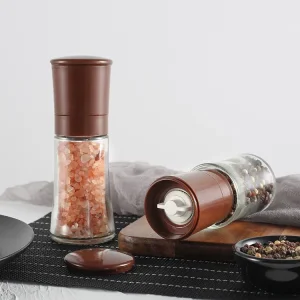
Netherlands High-Output Plastic Handheld Pepper Grinder with Ceramic Burr
View Technical Details →
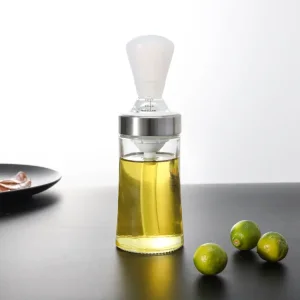
Rotterdam Port Bulk Customized Glass & PMMA Olive Oil Spritzer System
View Technical Details →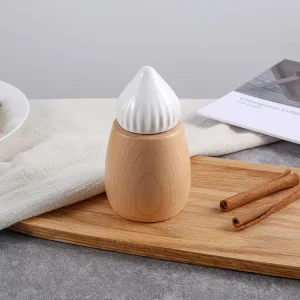
Premium OEM/ODM Composite Wooden & Plastic Salt and Pepper Grinders
View Technical Details →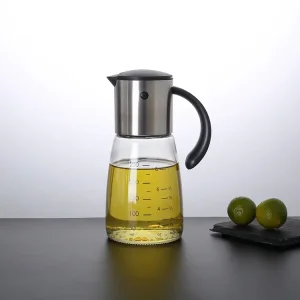
Netherlands Gravity-Fed Oil & Vinegar Dispenser with Drip-Free Spout
View Technical Details →The Netherlands Spices & Housewares Market Dynamics
As Europe's premier logistics gateway, the Netherlands plays a pivotal role in the processing, packaging, and distribution of spices and herbs. The Port of Rotterdam and major logistics clusters in Noord-Brabant act as the entry point for global spice flows. With this high volume comes a sophisticated B2B ecosystem requiring world-class packaging and dispensing mechanisms.
In the Dutch consumer retail and hospitality sector, there is an accelerating demand for high-durability, food-safe plastic salt and pepper mills. Unlike wooden options, which are susceptible to swelling in commercial dishwashing environments, engineered polymers such as PMMA (polymethyl methacrylate), AS, ABS, and PP offer structural integrity, moisture barrier properties, and superior drop resistance.
Dutch importers operate under strict EU regulations. To enter the Netherlands market, plastics must comply with Regulation (EC) No 1935/2004 on materials intended to come into contact with food, and the specific plastic regulation (EU) No 10/2011. Heavy metal migration, bisphenol-A (BPA) restrictions, and primary aromatic amine controls are strictly audited.

EEAT Compliance: Sourcing From Certified Facilities
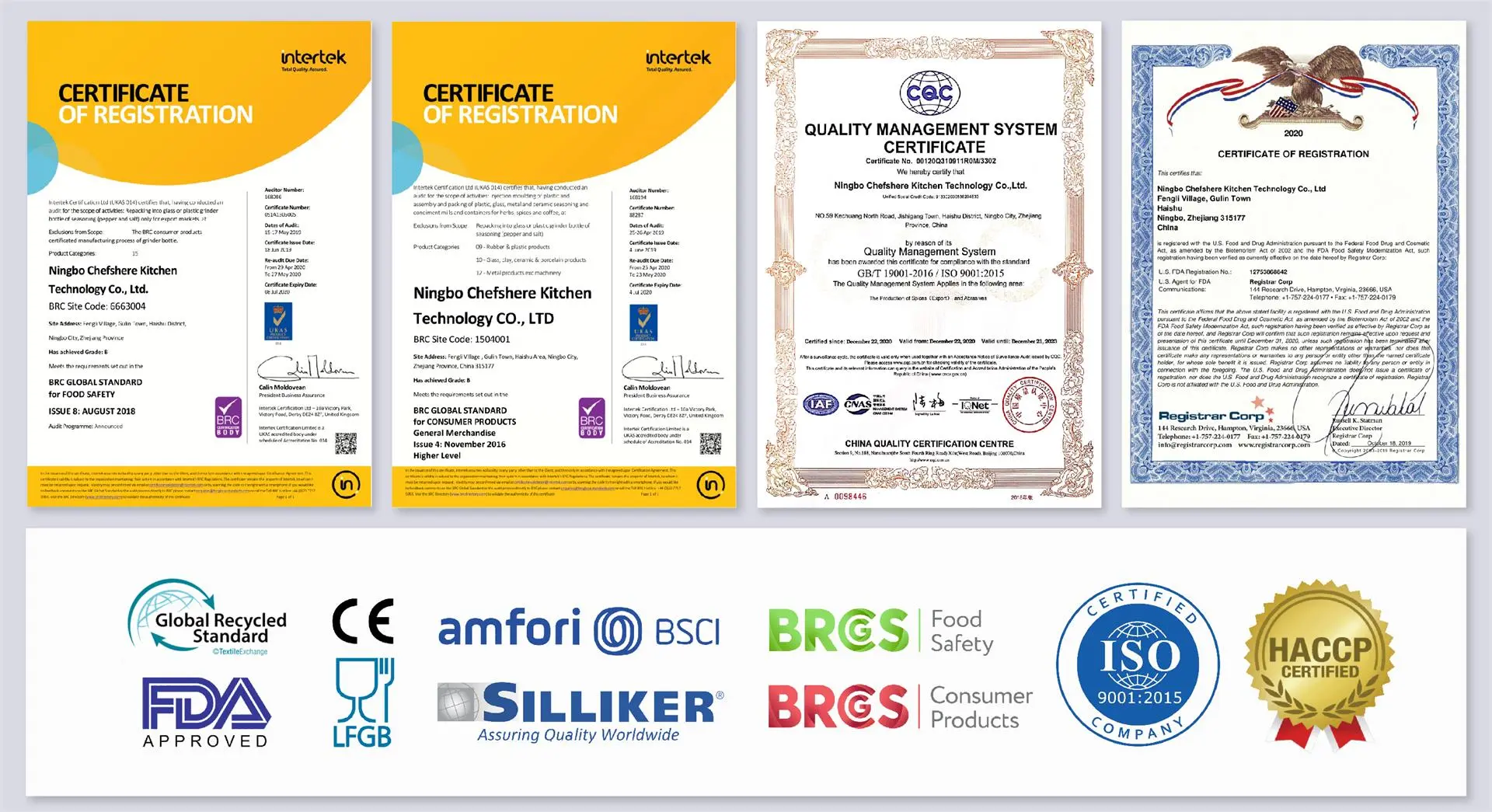
All plastic housewares and spice grinders exported by Chinagama comply with international quality protocols. Our facilities maintain ISO 9001 and BSCI certification, and our products undergo independent, third-party validation by testing bodies such as SGS and TÜV Rheinland to achieve LFGB and FDA food-grade certification.
Technical Specification & Material Science Roadmap
Deploying advanced engineering principles to eliminate spice mill failures, optimize grind consistency, and ensure biological safety.
Material Selection Matrix: Eliminating PMMA Stress Cracking
Standard commercial spice grinders often suffer from stress-corrosion cracking (ESC) when structural polymers interact with volatile organic oils (such as piperine in black pepper or essential oils in spice blends). Our R&D team utilizes high-density PP, copolymer ABS, and specialized Tritan materials. These polymers undergo cyclic heat-humidity aging tests to confirm that structural casings maintain their cosmetic clarity and mechanical shear values without fracturing.
Alumina Ceramic Burr Engineering
The heart of any grinder is its mill mechanism. While metal crushers rust in contact with damp sea salt, and carbon steel elements dull over time, our high-density Alumina (95% Al2O3) ceramic burrs provide unmatched chemical inertness and hardness. The micro-crystallite structure of our ceramic ensures sharp cutting edge retention, transforming coarse crystals and peppercorns into uniform granules without crushing the spice (preserving the delicate aromatic oils).
| Polymer Material | Impact Resistance (Izod) | Chemical Resistance (Spices/Oils) | Clarity / Transparency | Primary Application |
|---|---|---|---|---|
| AS (Acrylonitrile Styrene) | Medium-Low | Good | Excellent (90%+) | Retail spice jars & clear mill bodies |
| ABS (Acrylonitrile Butadiene Styrene) | High | Excellent | Opaque / High Gloss | Structural mill heads & base caps |
| PP (Polypropylene) | Very High | Outstanding | Semi-translucent | Drip-free spouts & flexible oil sprayers |
| PCTG / Tritan (Co-polyester) | Extreme | Exceptional | Premium Glass-like | High-end reusable commercial grinders |
Chinagama: Pioneering Culinary Innovations
At Chinagama, we are passionate about crafting high-quality and stylish kitchenware, specializing in salt and pepper grinders. Of course, we also manufacture other kitchenware items sought after by buyers, including coffee grinders, oil dispensers, soap dispensers, and more.
Since our establishment in 1997, we have been dedicated to delivering exceptional kitchenware development and manufacturing. Over the years, we have achieved over 300 patents and our meticulously designed and produced kitchen tools have been honored with the Red Dot Award and iF Design Award. We continue to innovate with new products to cater to evolving needs.
With the expertise of our dedicated R&D team and the support of our in-house factory, our products undergo rigorous quality control measures from conception to completion, ensuring that each item meets industry standards with precision. As a testament to our commitment, we have garnered recognition from renowned international third-party testing companies, including prestigious LFGB and FDA certifications.
Our Journey & Structural Development
Over two decades of transitioning from structural trading to high-precision engineering manufacturing.
Chinagama embarked on its remarkable journey, initially focusing on domestic and regional kitchenware trade.
Embraced the emerging realm of online trade and digital logistics, establishing pathways to European importers.
Shifted from third-party trade to direct production, acquiring casting and polymer molding equipment to master precision quality control.
Established our standardized, state-of-the-art food-grade production plant, fully dust-free and optimized for automated assembly lines.
Awarded the official status of a high-tech enterprise. Recurrent honors from Red Dot and iF Design Awards followed.

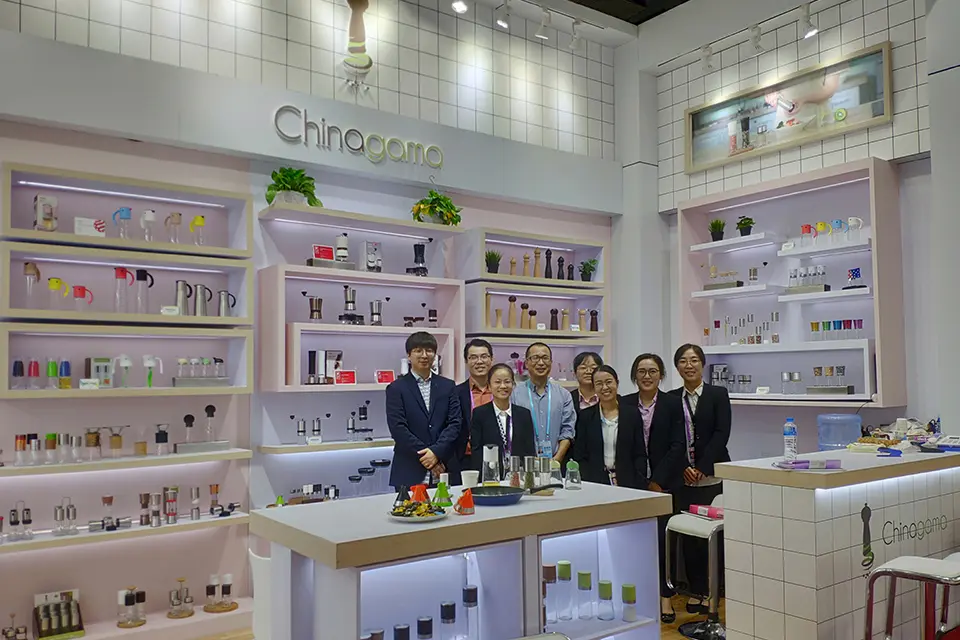
Our Strategic Foundation
Our Vision
To become the preferred supplier of premium kitchen grinding tools for mid-to-high-end brands around the globe, setting the standard for quality, design, and performance.
Our Mission
We are committed to helping our customers overcome challenges by providing more competitive grinding solutions and customized services. With a deep understanding of industry needs and continuous innovation, we strive to enhance brand value and become a trusted long-term partner for our customers.
Our Core Values
- Focus: Master the structural art and materials science of grinding mechanisms.
- Innovation: Deploy continuous technical improvements to generate high competitive differentiation for clients.
- Sustainability: Maximize eco-friendly polymers, circular manufacturing principles, and energy conservation.
- Win Together: Support global buyers through transparent pricing, design support, and supply chain integrity.
Engineering Case Studies: Solved Challenges
How our technical department overcomes real-world design, material, and performance friction points.
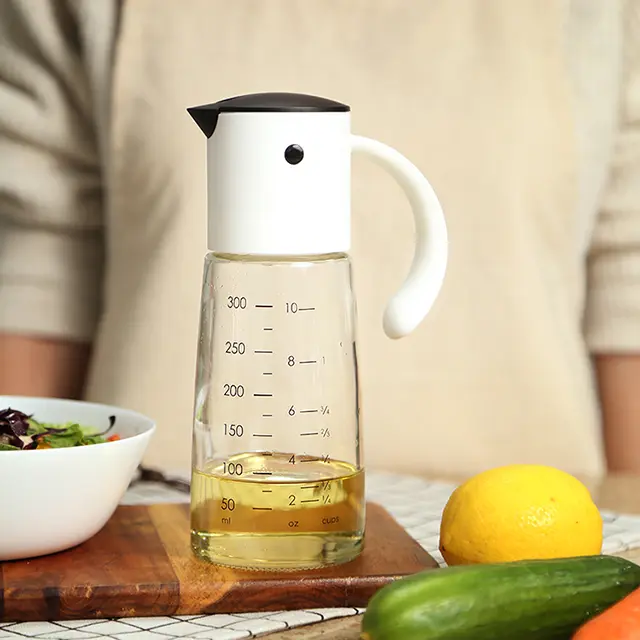
1. Red Dot Award Winning Bird Spout Oil Dispenser
Market Insight: Consumer feedback across Western Europe highlighted growing frustration with typical oil bottles that drip or require two-hand operation.
The Breakthrough: Chinagama developed a gravity-activated, self-closing bird spout mechanism. When tilted, the internal counterweight pivots smoothly, opening the aperture. When set upright, it forms a hermetic seal instantly, eliminating drippage down the exterior container.
The Outcome: The clean, organic form was awarded the prestigious Red Dot Design Award and remains an essential SKU for premium culinary brands worldwide.
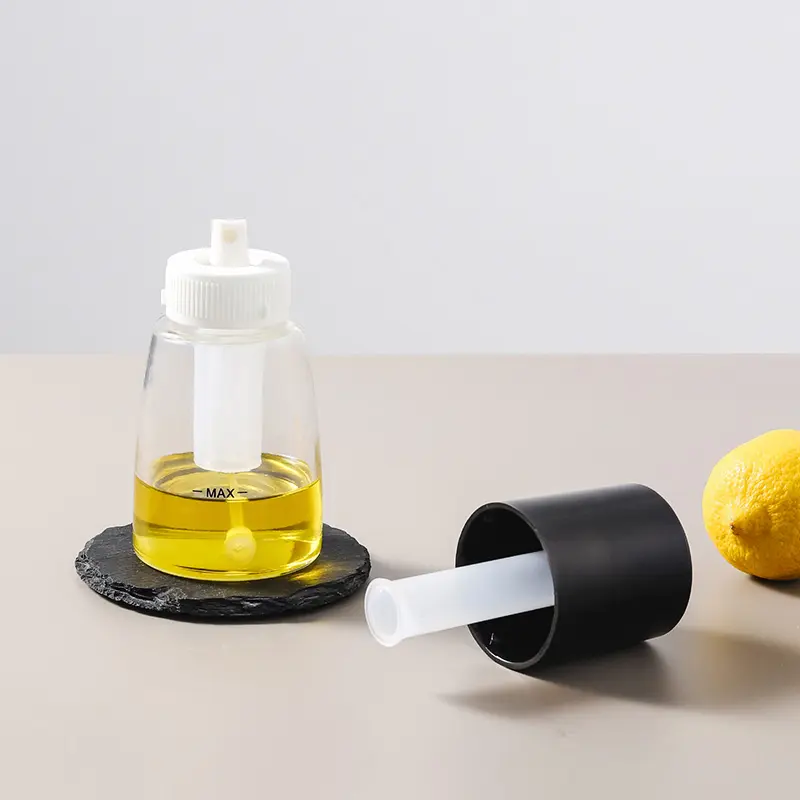
2. Collaborative Development of Oil Mist Sprayer Project
The Challenge: During material qualification of a private-label sprayer, initial PMMA and ABS trial units developed structural micro-cracks (crazing) after 72 hours of exposure to pressurized cold-pressed olive oil, leading to system failure and content leakage.
Engineering Breakthrough: Chinagama's chemical team identified that unsaturated fatty acids cause stress cracking in clear amorphous styrenic polymers under pressure. We pivoted the design to high-crystallinity PP and PCTG polymers, modifying the wall thickness parameters to maintain mechanical stability without compromising transparency.
Project Outcome: The client achieved successful market entry with zero product returns, capturing a significant market share in retail sprayers.
3. High-Durability Miniature Straight Pepper Grinder
Market Challenge: The market was saturated with bulky, complex mills that were heavy and suffered from uneven grind settings, often discharging whole spice fragments into the food.
Design Breakthrough: We engineered a slim, linear grinder profile with an integrated spring-loaded adjustment dial. This allows the user to click between 5 distinct grind profiles (coarse to powder-fine) with tactile feedback. The housing consists of impact-resistant matte ABS co-molded with a food-safe AS viewing window.
Project Outcome: This ergonomic design achieved immediate market commercialization, receiving high consumer satisfaction ratings across regional Dutch retail chains.
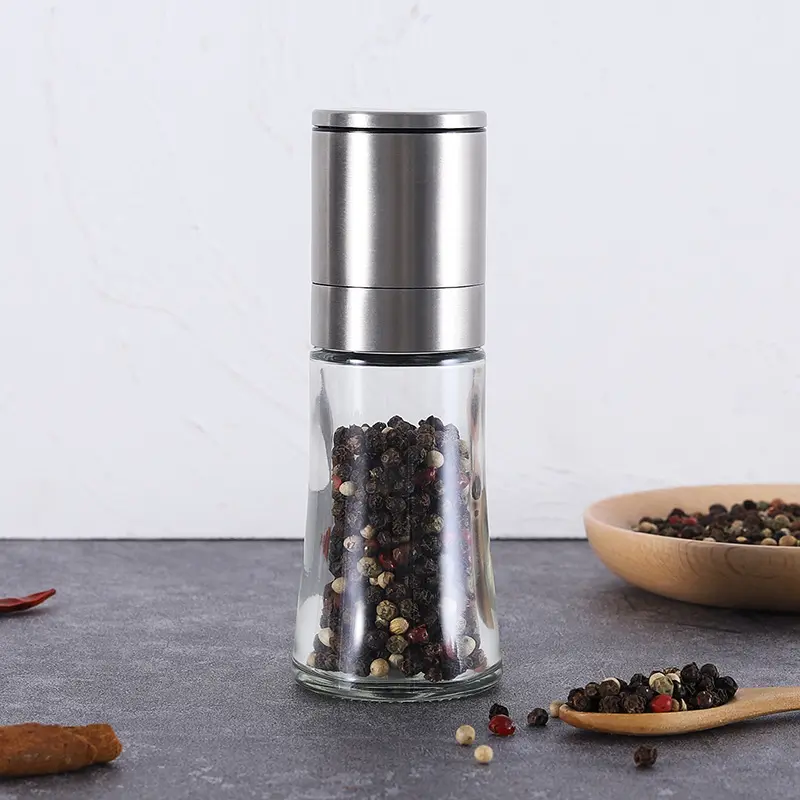
Specialty Culinary Sourcing & Mills
Extending your product lines with specialty milling systems and alternative materials.
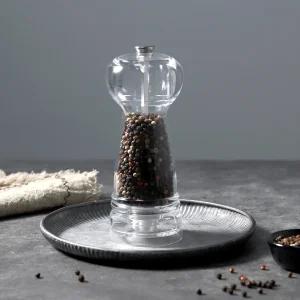
Custom Classic Clear Acrylic Salt and Pepper Grinder Sets
View Technical Details →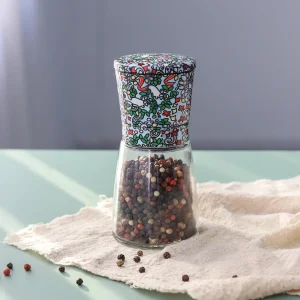
Wholesale High-Corrosion Salt Grinders for Wet Sea Salt
View Technical Details →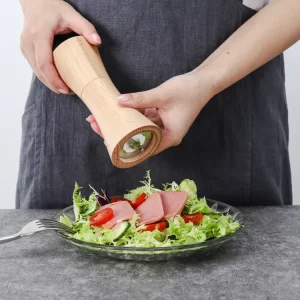
Wholesale Beechwood Adjustable High-Capacity Pepper Grinder
View Technical Details →
ODM Customized Hardwood Hand Burr Coffee Grinder
View Technical Details →High-Tech Production Infrastructure
Investing in robotic injection moulding, material testing labs, and standardized assembly.
Equipment & Automated Systems
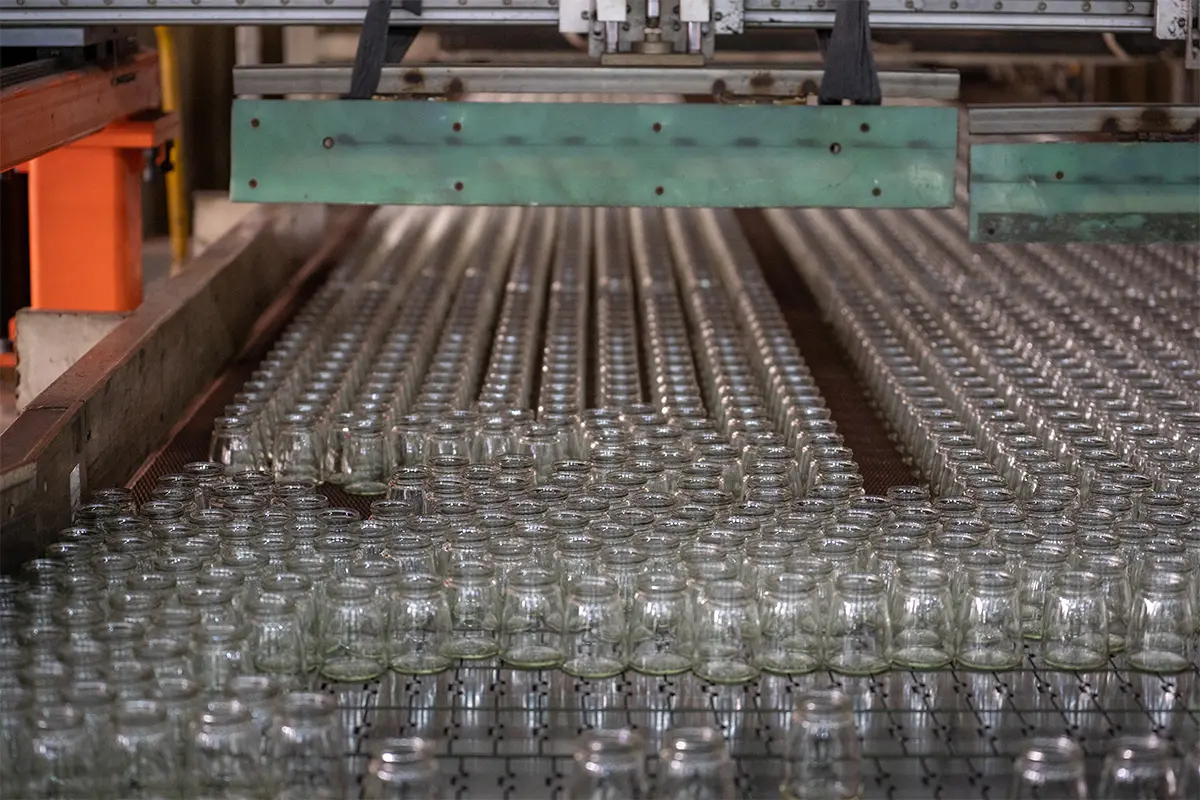
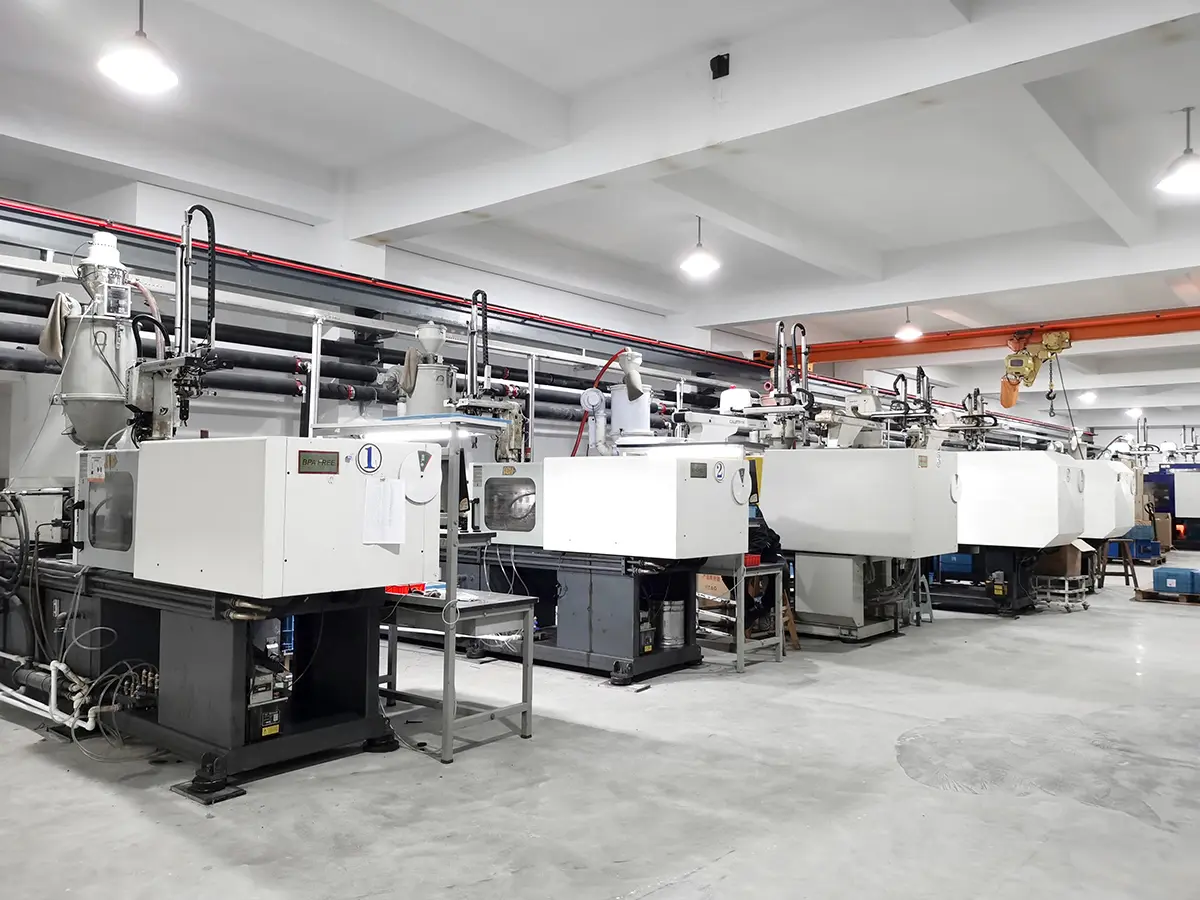
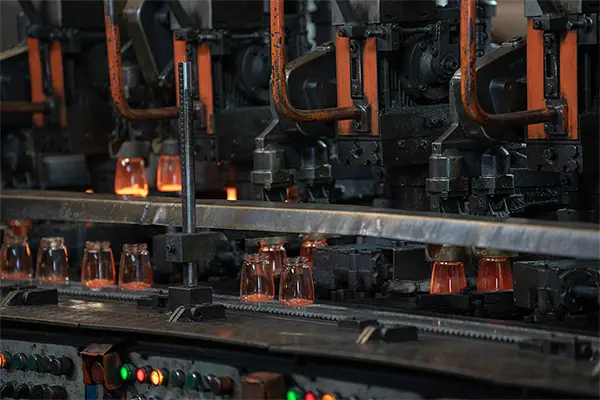
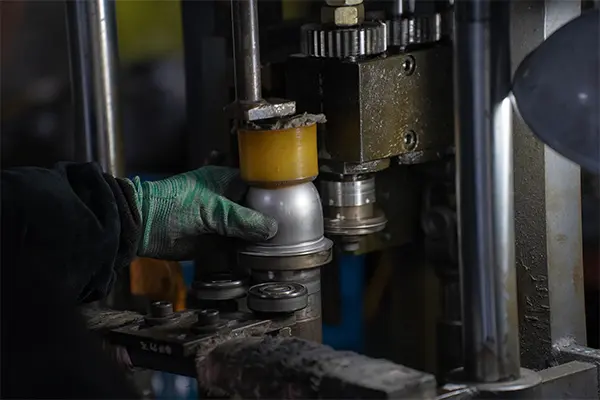
We take great pride in our modern equipment and technology, which are key factors in our success. These tools not only enhance our employees' work efficiency but also ensure the high-quality manufacturing of our products. From creative design to the manufacturing process, our staff can confidently utilize state-of-the-art tools to achieve outstanding results.
Our workshop floor hosts high-speed horizontal injection molding machines, ultrasonic welding bays, and computerized laser marking lines. Every single batch of grinders undergoes visual alignment inspections and motor torque analysis before moving to packaging.
Aligning with the Netherlands 2050 Circular Economy Goal
Adapting kitchenware manufacturing processes to meet Dutch domestic standards for circularity and carbon mitigation.
The government of the Netherlands has set an ambitious target to transition into a fully circular economy by 2050. This involves minimizing raw material extraction and ensuring products are designed for disassembly, repair, and recycling. As high-volume exporters of plastic salt and pepper mills, we support our Dutch brand partners in achieving this objective by focusing on:
- Design for Disassembly: Eliminating permanent chemical glues in favor of snap-fit or threaded assembly systems. This allows end consumers to separate the ceramic burr from the plastic housing for recycling.
- Post-Consumer Recycled (PCR) Integration: Working on material qualification trials to introduce food-grade PCR resins into our outer grinder bodies.
- Reusable Systems: Creating heavy-wall Tritan and glass refill containers that can withstand up to 50 dishwashing cycles, reducing single-use spice container waste in retail networks.
Importers & Distributors FAQ: Netherlands Focus
Detailed answers concerning compliance, shipping logistics to Rotterdam, and OEM/ODM engineering capabilities.
Yes. All food contact surfaces, including structural plastic bodies, gaskets, and Alumina ceramic grinding burrs, comply with Regulation (EC) No 1935/2004 and the specific measures of Regulation (EU) No 10/2011. Our materials undergo rigorous heavy metals and sensory odor transfer testing to secure LFGB approval.
Our mass production cycle is typically 30 to 45 days upon deposit validation. Transit times from our port in Ningbo to Rotterdam range from 28 to 35 days under normal ocean shipping conditions. We offer complete FOB, CIF, or DDP logistic support, accommodating clear container releases at customs.
Absolutely. We accept custom Pantone Matching System (PMS) values. Our technicians blend premium pigment masterbatches with raw polymers to ensure consistent color depth and UV light stability, preventing yellowing or degradation under retail display lighting.
Our standard MOQ for customized plastic grinders ranges between 3,000 to 5,000 units depending on the model's structural components. For non-customized stock configurations, we offer lower MOQ thresholds. Contact our sales office to discuss customized initial test quantities.
Curated OEM/ODM Product Catalog
Explore our technical designs available for immediate private labeling and distribution in the Benelux market.
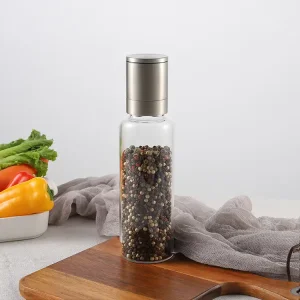
Netherlands Custom Manual Salt and Pepper Grinder Sets
View Technical Details →
Compact Portable Spice Mill with Reinforced Plastic Housing
View Technical Details →
OEM Bulk Compact Stainless Steel & Plastic Composite Pepper Mill
View Technical Details →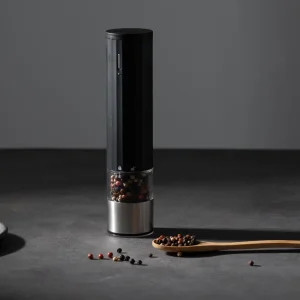
ODM Gravity-Activated Smart Salt and Pepper Grinder (Acrylic Jar)
View Technical Details →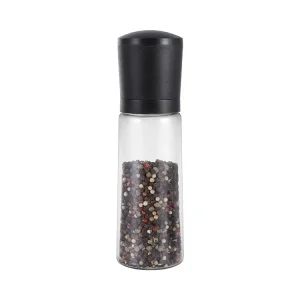
OEM Commercial Heavy-Duty Plastic Grinder for Dutch Catering
View Technical Details →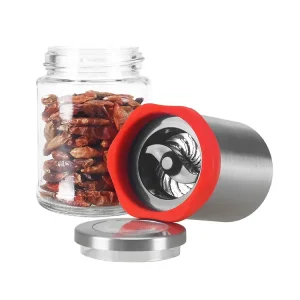
Wholesale High-Precision Stainless Steel Chili & Spice Grinder
View Technical Details →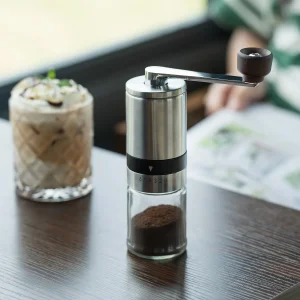
ODM Professional Manual Coffee Grinder with Alumina Ceramic Burr
View Technical Details →