 Chinagama
Premium Kitchenware Series Selection
Explore our flagship OEM/ODM manufactured culinary dispensers, mills, and French presses engineered for commercial grade performance and retail excellence.
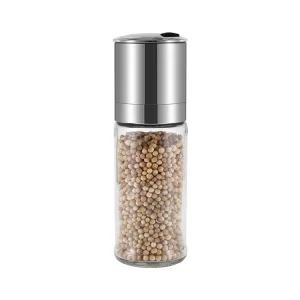
ODM Glass Salt and Pepper Grinder with Rotating Shaker Cap
View Details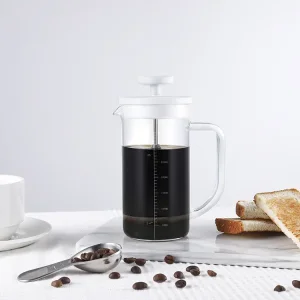
CE Certification Bulk Sale Stylish Glass French Press Product
View Details
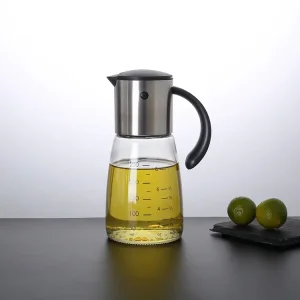
Custom Durable Olive Oil Spray Bottle
View Details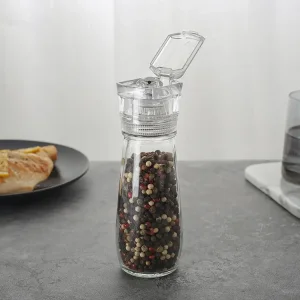
Wholesale Pepper Grinder with Plastic Burr
View Details
Best Bulk Portable Spice Grinder Manufacturers, Exporters
View Details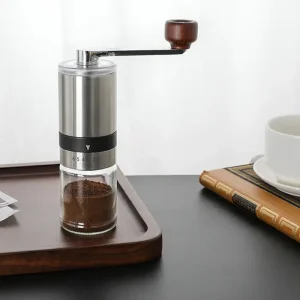
ODM Customized Portable Manual Burr Coffee Grinder
View Details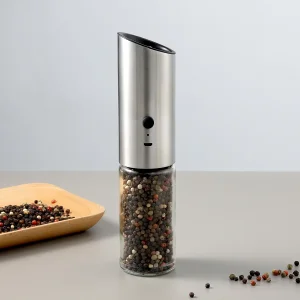
Wholesale Rechargeable USB Gravity Salt and Pepper Grinder
View Details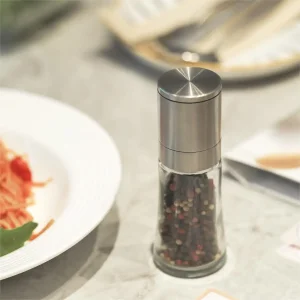
Famous Durable Pepper Mill with Portable Size Supplier
View DetailsB2B Global Procurement Dynamics for Gravity Cruets
The global retail and culinary sectors are experiencing an unprecedented transition toward functional, automated, and hygiene-first dispensing equipment. As premium oils, boutique vinegars, and customized dressings occupy larger consumer market shares, standard screw-top bottles fail to meet the performance criteria demanded by modern residential kitchens and high-end hospitality venues. Commercial buyers—ranging from restaurant supply groups and boutique homeware brands to multinational supermarkets—face significant challenges when vetting a Wholesale Gravity Oil Cruet Supplier.
Key pain points include seal degradation, structural cracking from long-term exposure to acidic or highly viscous liquid compounds, mechanical failure of internal pivot pins, and shipping-related logistics hazards. Understanding these concerns, we offer a manufacturing methodology that integrates material chemistry with ergonomic product design. By optimizing both the functional interface (drip-free, automatic weight-sensing lids) and bulk transport sustainability, we help global commercial brand buyers maintain high user satisfaction metrics and reduce return rates.

Engineering & Material Science of Gravity Dispensation
A technical breakdown of mechanical fluid control, food-safe polymer compatibility, and precision borosilicate glass manufacturing.
Gravity Latching Physics
Utilizing counterweight stainless steel pins, our gravity lids open automatically at a specific angle (typically 35° to 45°). This removes the need for manual button pressing, maintaining surface hygiene and preventing cross-contamination in busy food preparation environments.
Capillary Return Design
Our custom drip-free spouts have a built-in capillary path. This guides excess oil back into the primary chamber, preventing pooling around the rim, keeping surfaces clean, and stopping oil from oxidizing on the container exterior.
Stress Crack Resistance
By switching from standard PMMA/ABS plastic to food-grade Polypropylene (PP), we solve environmental stress cracking (ESC). PMMA and ABS often degrade when exposed to plant-based fatty acids, whereas PP maintains its structural integrity over long-term use.
The Chinagama Manufacturing Standard
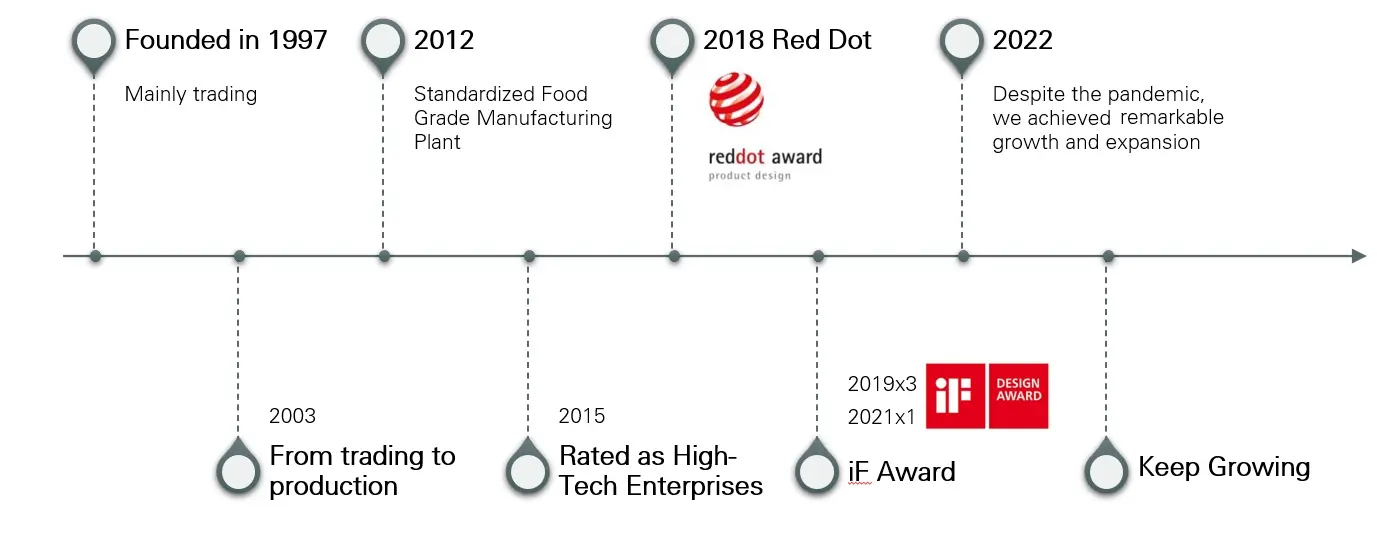
Since 1997, Chinagama has focused on manufacturing precision kitchen tools. What began as a trading venture quickly grew into an advanced production facility. In 2012, we completed construction of our food-grade manufacturing plant to control every step of the process, from tooling development to assembly.
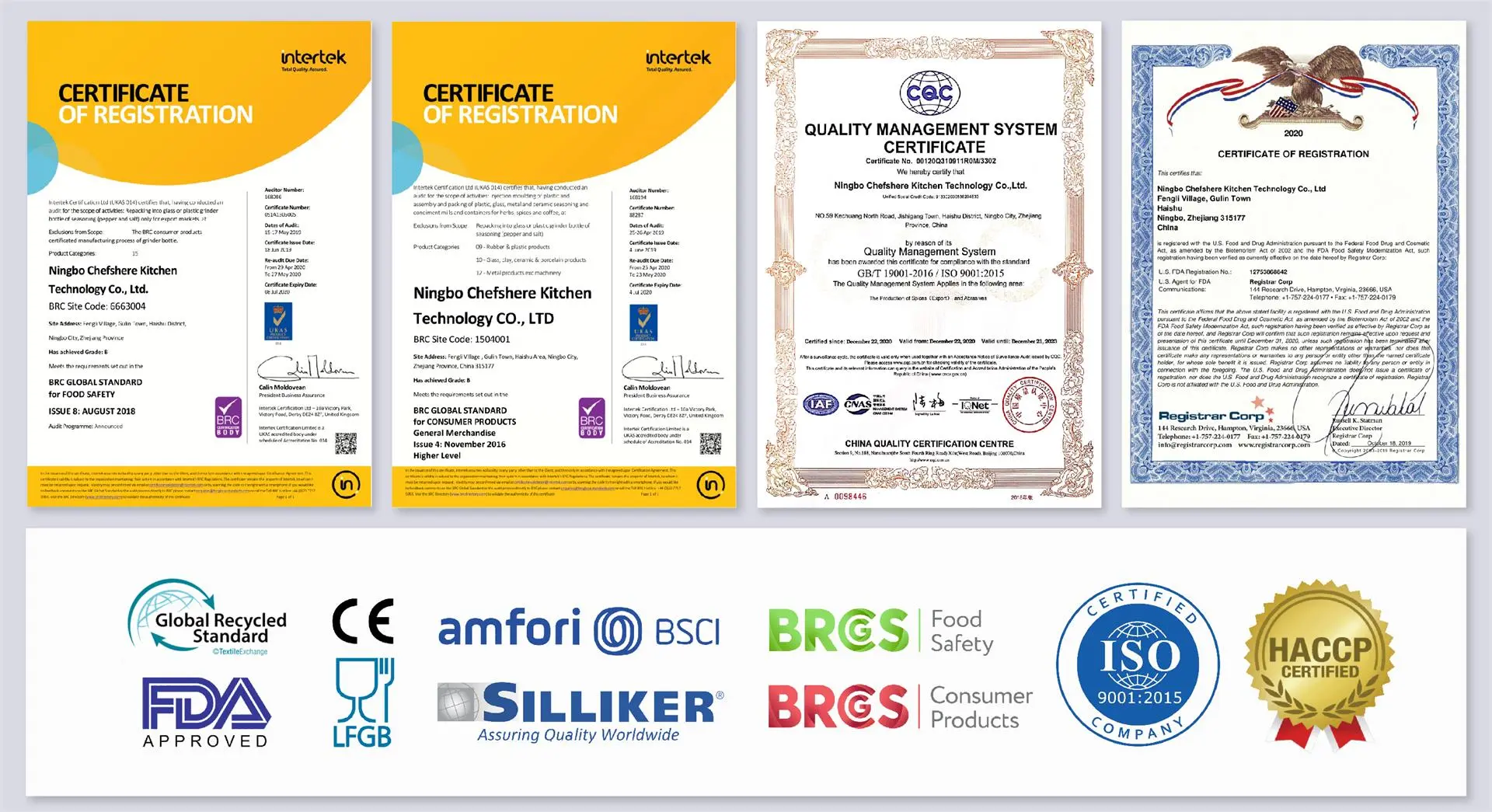
Our design team works alongside our production engineers to turn new concepts into market-ready products. This dedication has earned us over 300 patents, as well as recognition from the international design community, including the iF Design Award and the Red Dot Design Award. We build our business on quality assurance, securing certifications like LFGB, FDA, and ISO9001 to ensure our products meet global safety standards.
Technological Innovations & Future Roadmap
Our plan for advancing kitchenware design through material science, sustainable production, and smart features.
Phase 1: Advanced Material Integration & Biodegradable Resins (Current)
We are expanding our use of high-durability borosilicate glass and introducing biodegradable, plant-based resins for non-structural components. This reduces the carbon footprint of production without compromising the strength or chemical resistance of the cruet.
Phase 2: Precision Variable-Flow Gravity Valves (Q3 2025)
Our team is developing a gravity spout with an adjustable dial. This allows users to control the flow rate based on liquid thickness, making the dispenser equally effective for thin vinegars and thick, high-viscosity infused oils.
Phase 3: Automated Micro-Spraying & Portioned Dispensation (2026)
We are designing mechanical lids with portion control. This mechanism dispenses a pre-measured volume (such as 5ml or 10ml) with a single pour, catering to the growing demand for portion control and healthy meal preparation.
R&D Case Studies & Collaborative Breakthroughs
Real-world examples of how we solve engineering, material, and usability challenges for our global partners.
The Red Dot Award-Winning Bird Spout Oil Dispenser
Market Insight & Design Objective
Consumer research indicated that traditional oil cruets often dripped down the side, creating mess and making the bottle slippery. We set out to design a dispenser that could be used with one hand and offered clean, drip-free pouring.
Engineering Challenges & Prototyping
Developing a gravity-actuated lid that opens easily without relying on complex, failure-prone springs required extensive testing. Our engineers developed a balanced hinge pin that opens the lid automatically using the gravity pull on a stainless steel weight when tilted.
Market Outcomes
The resulting "Bird Spout" design won a Red Dot Design Award. It remains one of our most popular oil dispenser products, demonstrating the value of user-focused engineering.
Oil Mist Sprayer: Solving Material Stress Cracking
Partner Requirements & Performance Benchmarks
A retail partner wanted a non-aerosol oil sprayer that could deliver a consistent mist. The design needed to stand up to heavy daily use in busy kitchens.
Material Identification & Structural Failure Resolution
During initial trials, we discovered that standard ABS and PMMA plastics cracked when exposed to vegetable oils over time. This stress cracking created leaks and structural failures.
Transition to Advanced Polypropylene
Our material team switched the structural parts to a specialized, chemical-resistant PP polymer. This change resolved the cracking issues, ensuring the product remained safe and leak-free throughout its service life.
Ergonomic Simplification of Classic Glass Mills
Addressing Over-Complexity in Grinding Design
The manual grinder market was filled with heavy, overly complex designs that made refills and adjustment difficult for users.
Streamlining the Internal Mechanics
We designed a straight-profile salt and pepper grinder that simplified the internal components. By using fewer parts and a high-strength ceramic burr, we reduced production costs while improving grinding performance.
Global Adoption & Customer Feedback
This design was well-received by our commercial buyers, who valued the clean look, ease of refilling, and reliable performance.

Compliance, Localization & Logistics
Selling food-contact products globally requires strict adherence to regional safety standards. At Chinagama, we manage compliance at every stage of production. All materials—including our borosilicate glass, food-grade silicones, and PP polymers—are tested by independent laboratories like SGS and TÜV. We hold certifications under LFGB (Germany/Europe) and FDA regulations (United States), ensuring our products are safe for global markets.
We also optimize our packaging for international shipping. By using reinforced inner cartons, drop-tested structural inserts, and vibration-resistant packing, we minimize breakage during long-distance transit. We work with our B2B customers to provide custom labeling, barcoding, and direct-to-warehouse logistics support, helping to streamline import procedures.

Frequently Asked Questions
Technical details on customization, ordering, production limits, and quality standards.
Request a Custom Manufacturing Quote
Connect with our engineering team to discuss custom branding, material choices, and volume pricing for your product line.
Contact Our EngineersExtended Kitchenware Solutions
Explore our selection of manual grinders, rechargeable devices, French presses, and glass dispensers designed for high-volume retail supply chains.
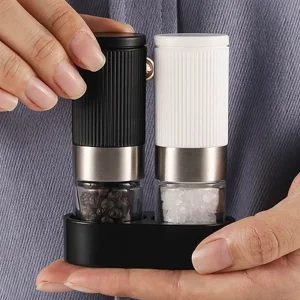
Wholesale Mini Hand Spice Grinder Set
View Details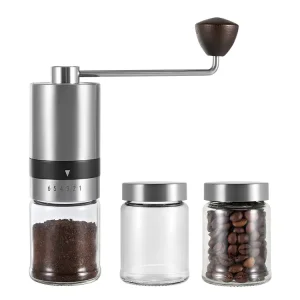
ODM Customized Hand Burr Coffee Grinder
View Details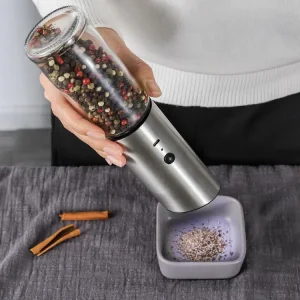
ODM Usb Pepper Grinder with LED Light
View Details
OEM Customized Colorful Handheld Plastic Pepper Grinder Mills
View Details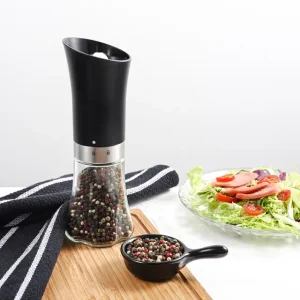
Wholesale Battery Operated Salt and Pepper Grinder
View Details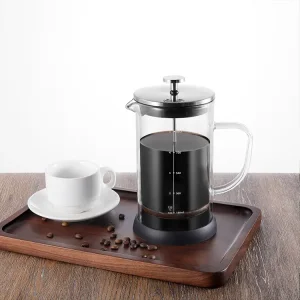
Wholesale Glass French Press Coffee Makers Supplier, Products
View Details
Wholesale Accept Customized Stainless Steel Herb Grinder Company
View Details