 Chinagama
Premium Kitchen Grinding Solutions
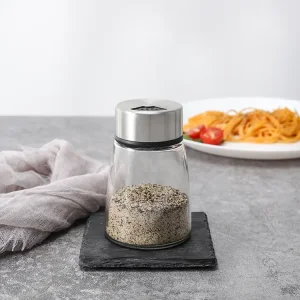
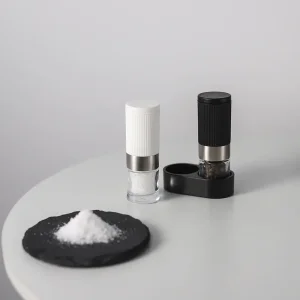
Explore our flagship precision-engineered manual grinders, oil dispensers, and culinary accessories designed for international compliance and premium performance.

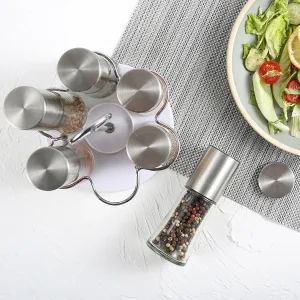
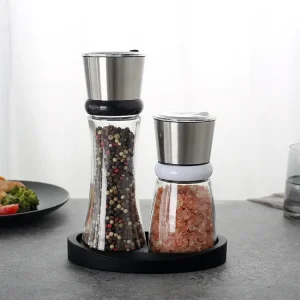
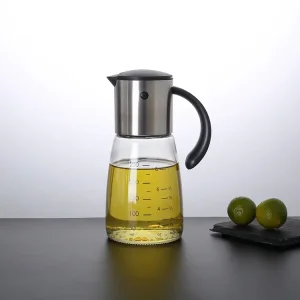

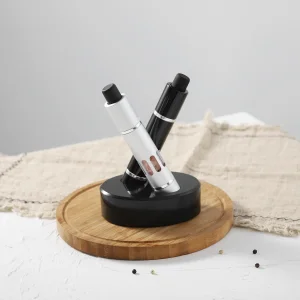
Pioneering Global Culinary Hardware Since 1997
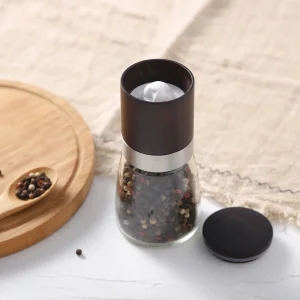
As a leading name in high-end culinary manufacturing, Chinagama has spent over two decades engineering solutions that integrate aesthetics with high-performance utility. Specializing in manual and electric kitchen tools, we develop and manufacture durable salt and pepper mills, coffee grinders, and custom condiment dispensers for premium global brands.
Since our founding in 1997, our dedication to design and utility has earned us over 300 patents alongside design awards like the Red Dot Design Award and the iF Design Award. With a standard food-grade production plant spanning comprehensive manufacturing processes, we turn quality raw materials into premium products trusted by top-tier importers, distributors, and kitchenware retailers across Europe, North America, and the Asia-Pacific region.
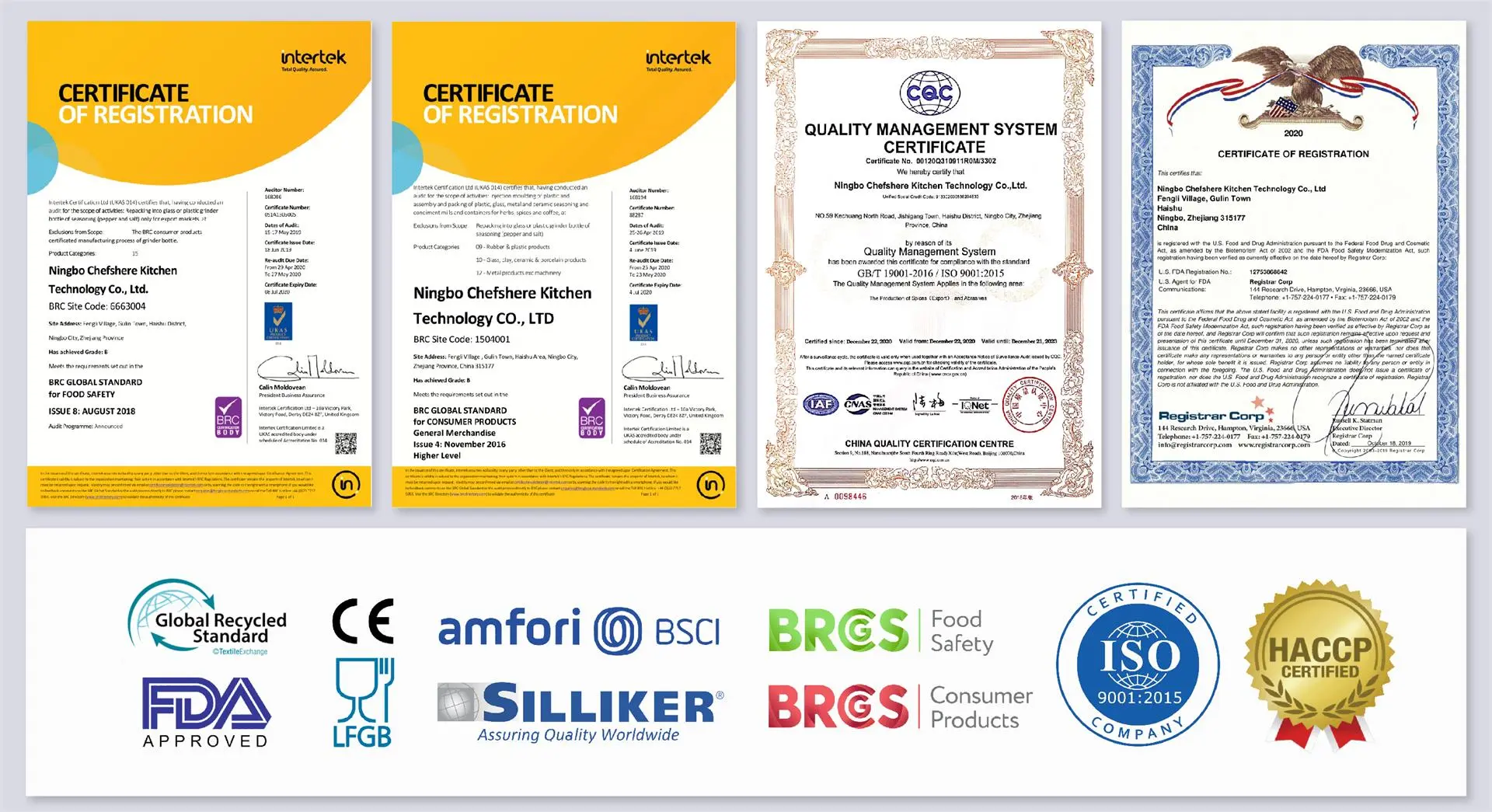
Our operation is characterized by strict material selection and certification standards, including CE Certification, FDA compliance, and LFGB certifications. From wooden pepper mills to electric gravity grinders, every item undergoes strict quality checks to meet global food safety standards and operational life-cycle requirements.

Global Market Dynamics & Procurement Demand
Key market factors driving the evolution of professional-grade spice mills and kitchenware accessories.
Material Safety Compliance
Global distributors must comply with food safety regulations. With the enforcement of German LFGB and US FDA frameworks, manufacturers must ensure all polymer components, ceramics, and wood finishes are lead-free, non-toxic, and free from volatile organic compounds (VOCs).
Mechanization & Automation
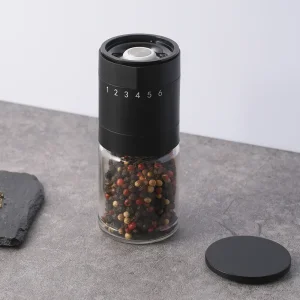
The consumer market is shifting toward hybrid culinary tools. USB-rechargeable grinders, gravity-activated milling systems, and multi-stage adjustable coarseness selectors require robust electronics, precision sensors, and certified batteries to secure CE compliance.
Sustainable Wood & Green Supply Chains
Wooden mills are highly valued in the consumer sector. Procurement directors now prioritize manufacturers utilizing FSC-certified timber, natural beeswax protective oils, and highly wear-resistant ceramic burrs that prevent microplastic contamination in ground seasonings.
China Factory 4.0: Supply Chain Resilience and Efficiency
Managing global shipping challenges and material price changes requires high-efficiency production lines. Chinagama’s manufacturing center uses automated precision assembly, real-time quality control checks, and digital supply chain mapping to stabilize production timelines.
Our ISO 9001-certified factory in Ningbo integrates design, mold development, injection molding, cleanroom assembly, and packaging under one roof. By keeping these production stages in-house, we reduce reliance on external suppliers, maintain strict quality standards, and provide consistent lead times for bulk orders.
Furthermore, our proximity to the Ningbo-Zhoushan port, a major global shipping hub, ensures reliable maritime logistics and streamlined customs processing. This logistics advantage helps our international partners maintain optimized inventory levels and manage supply chain risks effectively.
Engineering Case Studies & Technological Breakthroughs
A detailed look at how we solve material science, mechanical, and industrial design challenges to create award-winning kitchenware.
1. Red Dot Award-Winning Gravity-Fed Bird Spout Oil Dispenser
The Opportunity: Market research indicated a rising demand for drip-free, single-hand operated condiment dispensers that combine clean kitchen spaces with modern visual appeal.
The Engineering Challenge: Devising a mechanism that automatically opens the spout when tilted and seals tightly when upright, preventing drips without complex mechanical parts that are difficult to clean.
The Solution: Chinagama designed a gravity-activated valve system housed inside an styled bird-shaped spout. Using weight distribution and high-density, food-safe silicone rings, the seal operates reliably under daily use. This innovative design won the Red Dot Award and remains a high-demand item in our export catalog.
2. Co-Development of the Oil Mist Sprayer: The Challenge of Material Stress Cracking
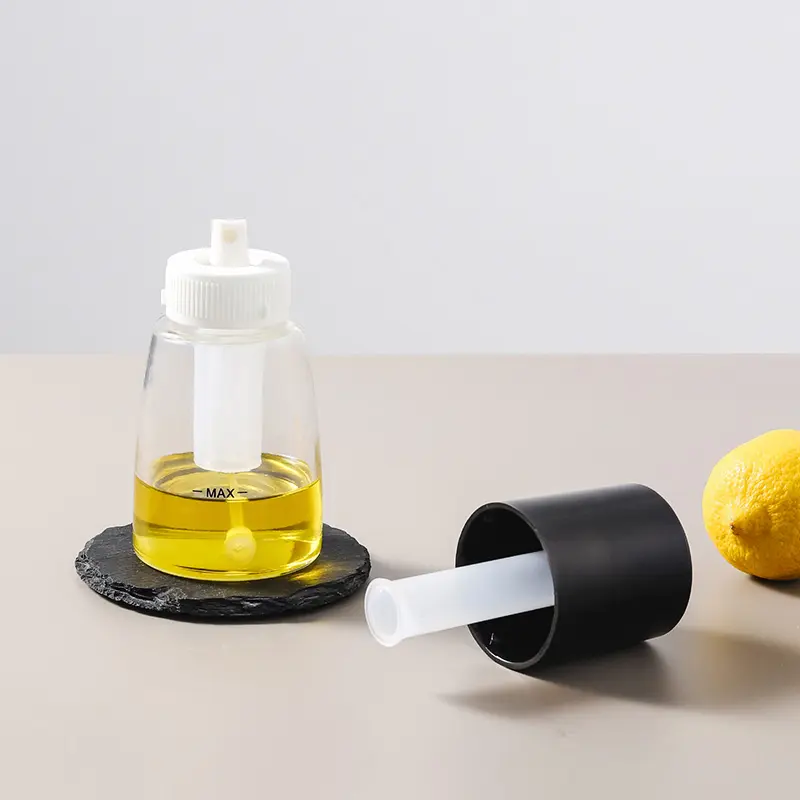
The Opportunity: A leading global kitchenware brand partnered with Chinagama to develop an adjustable oil mist sprayer for healthy cooking.
The Challenge: Early prototypes using standard ABS and PMMA plastics showed stress cracking after contact with organic vegetable oils, posing durability and product safety concerns.
The Solution: Our engineering team analyzed polymer degradation and replaced the brittle materials with a modified, food-grade polypropylene (PP) polymer. This material resists stress cracking from vegetable oils and maintains structural clarity under high pump pressure, ensuring a safe and long-lasting product.
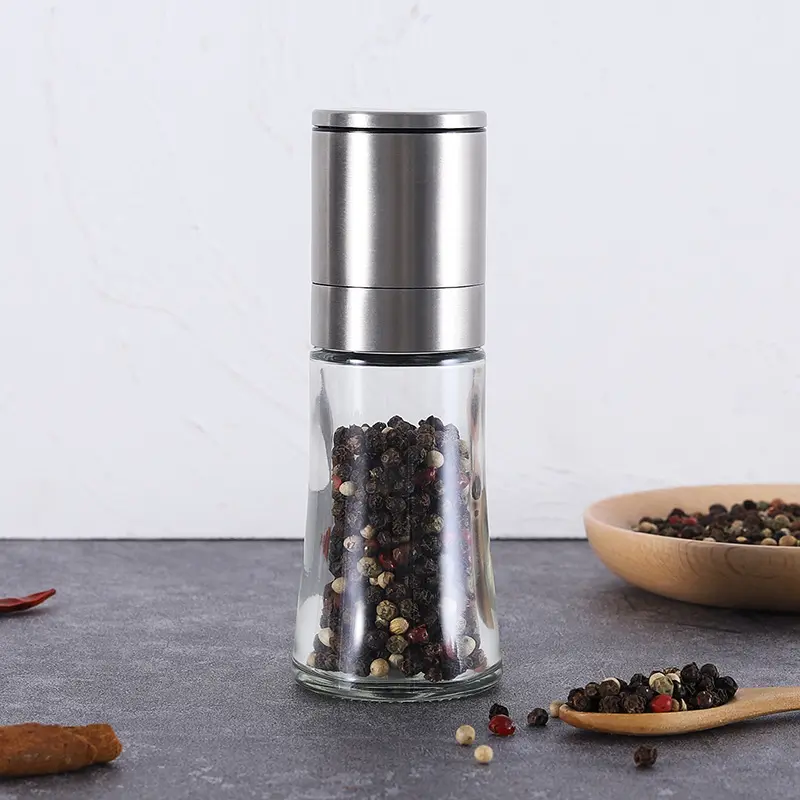
3. Design and Production of a Compact Wooden Salt and Pepper Grinder Set
The Opportunity: The manual spice mill market was saturated with heavy, overly decorated wooden designs that prioritised aesthetics over ergonomic comfort.
The Challenge: Creating a lightweight, compact wooden mill that delivers consistent grind size control without compromising the internal integrity of natural hardwoods.
The Solution: Chinagama designed a straight-profile wooden grinder body combined with a durable ceramic burr mechanism. Our engineers integrated a carbon-steel shaft inside natural beech and acacia woods, stabilized by stainless steel anchors. This construction prevents alignment shifts and provides high durability in a compact form factor.
Our History & Strategic Milestones
A visual history of Chinagama's growth from a local trading partner to a global OEM/ODM manufacturer.
Company Foundation: Chinagama begins operations as a specialized supplier, building partnerships with culinary brands across the region.
Shift to Production: Transitioning from trading to manufacturing, we established our first dedicated production facility to directly manage product quality and design.
Food-Grade Plant Launch: We built a modern, food-grade manufacturing plant with specialized assembly lines and strict sanitation controls to support global distribution.
High-Tech Recognition: Awarded the High-Tech Enterprise status, followed by consecutive Red Dot and iF Design Awards for our proprietary kitchenware solutions.
Localized Application Scenarios
How our certified grinders and kitchenware perform across different food service environments.
Premium Hospitality & Fine Dining
Our wooden spice mills feature natural wood grains and adjustable ceramic cores, making them suitable for upscale hotels and table service where both style and performance are essential.
B2B Private Label Retail
With CE, FDA, and LFGB certifications, our product range is ready for commercial distribution. Brands can apply custom logos, laser engravings, and tailored packaging for fast market entry.
Industrial Food Packing Lines
Our bulk plastic and glass grinder assemblies are designed to fit automated filling lines, offering consistent thread performance and reliable sealing for spice packers and producers.
Frequently Asked Questions
Key information regarding international food compliance, customization capabilities, and B2B ordering procedures.
Explore Our Full Grinder Catalog
Choose from our specialized range of vintage, manual, and automated kitchen grinding tools.