 Chinagama
Premier Tabletop Solutions for Tokyo & Osaka Channels
Engineered to meet the stringent design guidelines and aesthetic principles of Japan's premium retail markets.
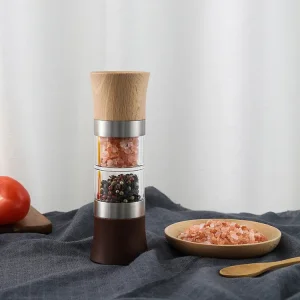
ODM Customized Combined Salt and Pepper Mill (Tokyo Design Edition)
View Details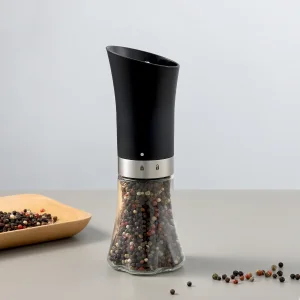
High-Quality Personalized Gravity Electric Salt and Pepper Grinder Quotes, Suppliers
View Details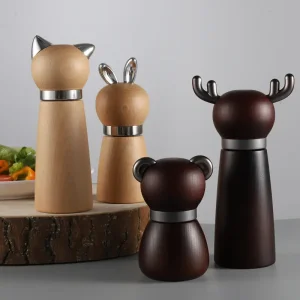
Wholesale ODM Wooden Spice Grinder (Aki-Glow Beechwood Finish)
View Details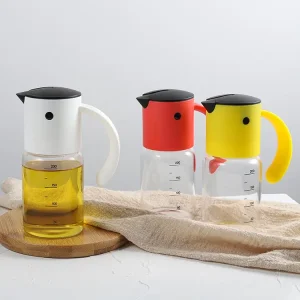
Wholesale Gravity Oil and Vinegar Dispenser (Drip-Free Seal Technology)
View DetailsJapan’s Tableware & Culinary Hardgoods Landscape
The consumer market in Japan demands a rare blend of minimalist design (Muji-style simplicity) and absolute mechanics. Stainless steel pepper mills (known locally as ステンレス製ペッパーミル) are transitioning rapidly from luxury items to standard household essentials. Both in consumer dining tables and high-stress restaurant kitchens, durability and non-corrosive performance are the top priorities.
In Japan, where humidity levels remain consistently high due to geographical conditions, standard carbon steel mechanism pepper grinders are highly prone to oxidation and micro-corrosion. Premium importers in Kanto and Kansai regions now exclusively specify high-grade SUS304 / SUS316 food-grade stainless steel casings, paired with advanced alumina ceramic grinding mechanisms.
Understanding this demand requires addressing not only outer aesthetic refinement but also compliance with the strict Japanese Food Sanitation Act (食品衛生法). Products must undergo rigorous heavy metal leaching tests (lead, antimony, cadmium) to secure clearance at Yokohama or Tokyo port customs. A partner who manages these quality criteria at the factory level provides a major structural advantage to Japanese B2B buyers.
Key Trends: The Shift Toward Ceramic Grinding Cores
While stainless steel defines the exterior structure, the internal burr determines the long-term viability of the mill in Japan's culinary markets. Traditional metallic grinding burrs often release trace metallic ions, which can subtly alter the flavor profile of delicate white and black pepper blends (essential in Japanese fusion cuisine).
Consequently, there is a clear trend toward *Alumina Ceramic Grinding Cores*. These ceramic mechanisms are non-corrosive, inert, and maintain sharpness longer than steel. They also prevent static buildup during operation, allowing the ground spice to exit cleanly without sticking to the output nozzle.
Additionally, Japanese commercial kitchens require instant adjustability. We build step-less or multi-stage adjustable dials into the bottom cap of the mill, allowing chefs to switch from ultra-fine grind (for subtle soups) to coarse cracked peppercorns (for premium Teppanyaki Wagyu beef) with a simple twist.
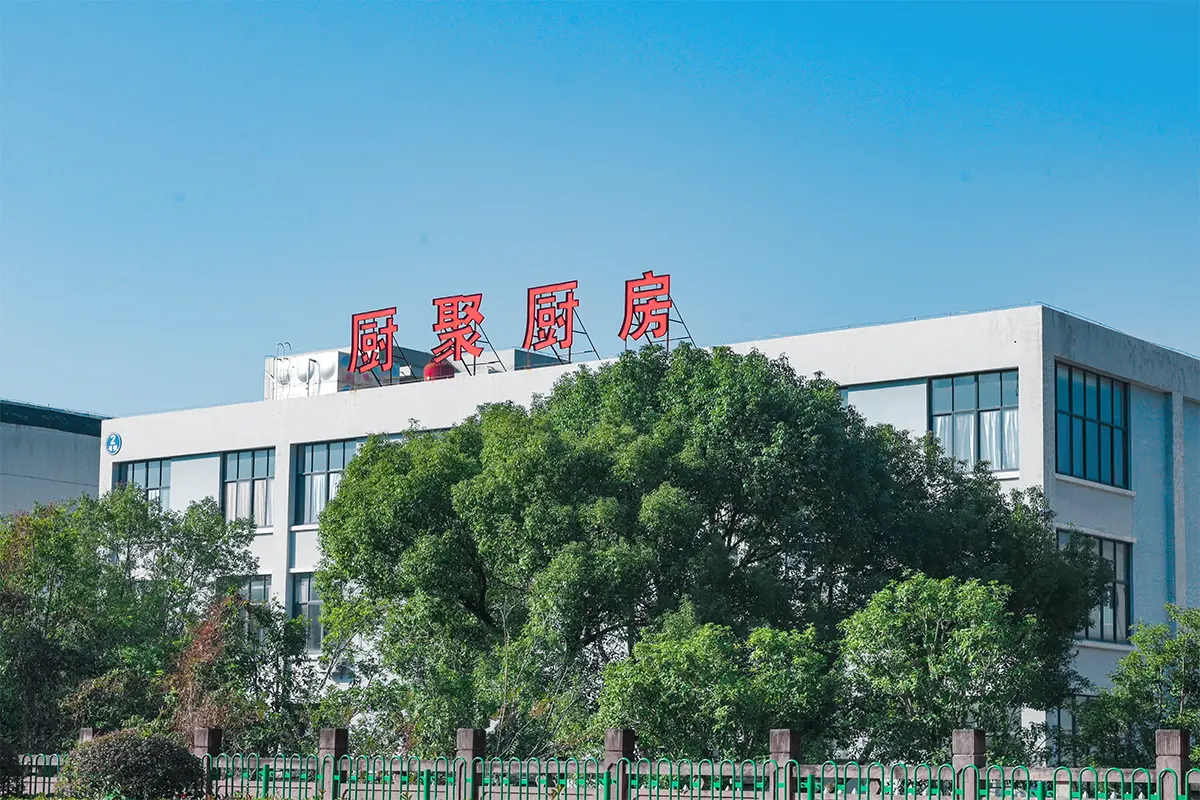
China Factory 4.0: Supply Chain Resilience & Quality Control
How Chinagama integrates advanced automation and material trace systems to fulfill zero-defect delivery contracts for Japan's leading retail brands.
Precision Automated Machining
Automated CNC lines ensure tight dimensional tolerances on every stainless steel shell. This delivers consistent assembly fits, preventing the micro-wobbles common in manual assembly factories.
Certified Material Traceability
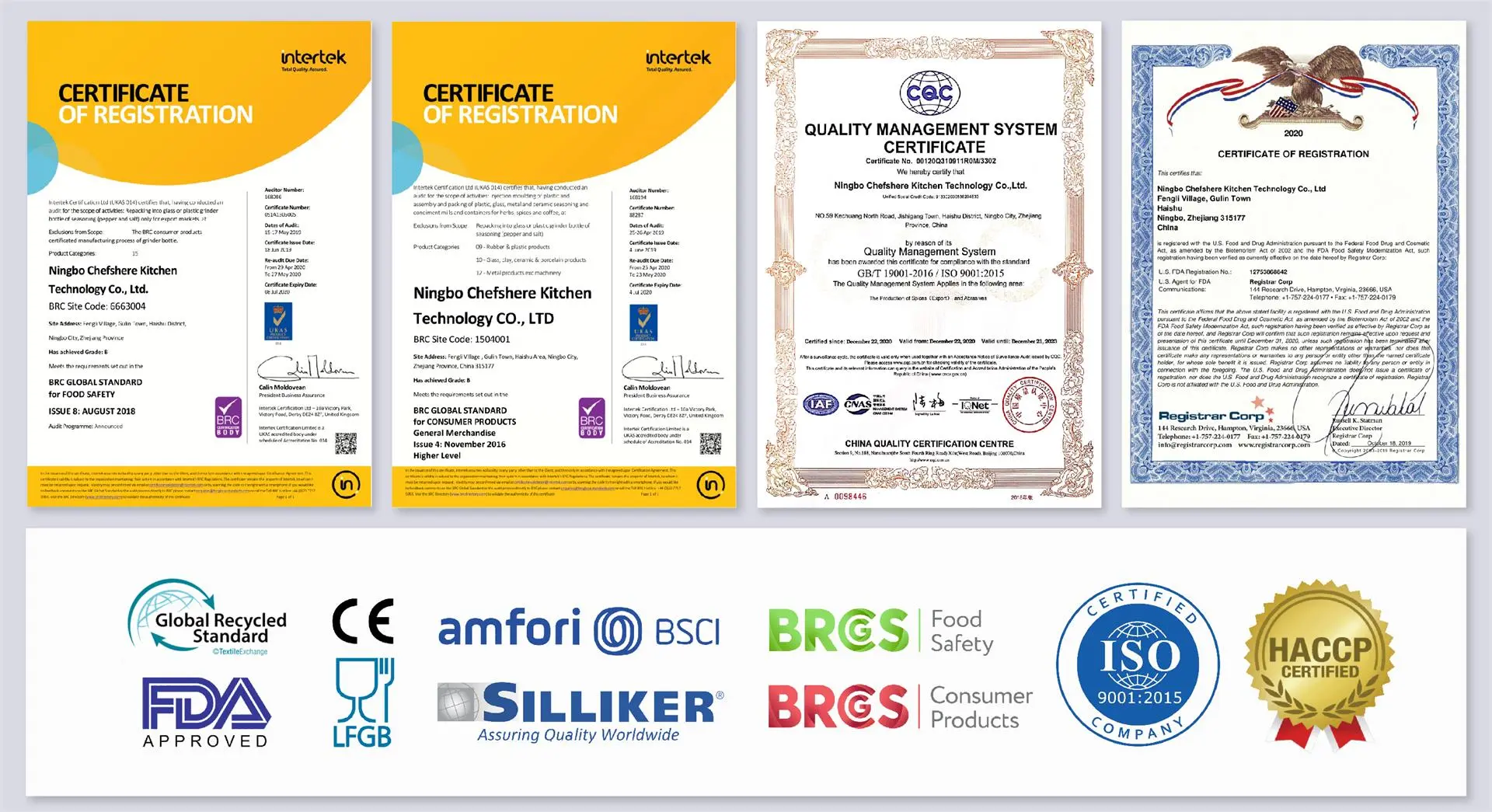
Every batch of raw stainless steel and ceramic parts undergoes spectral analysis. We provide material mill test certificates (MTC) proving compliance with food-grade standards like FDA, LFGB, and Japan Food Sanitation Law.
Agile Supply Logistics
Our integrated logistics network handles booking and customs filings direct to Tokyo and Osaka ports. We maintain raw stock reserves to protect lead times from sudden supply disruptions.
Our Vision, Mission, and Core Corporate Values
Guided by engineering excellence and close customer collaboration to drive shared value across global supply chains.
Our Vision
To become the preferred supplier of premium kitchen grinding tools for mid-to-high-end brands around the globe, setting the standard for quality, design, and performance.
Our Mission
We are committed to helping our customers overcome challenges by providing more competitive grinding solutions and customized services. With a deep understanding of industry needs and continuous innovation, we strive to enhance brand value and become a trusted long-term partner for our customers.
Our Values
- Focus: We are dedicated to mastering the art and science of grinding tools, striving for excellence from concept to production.
- Innovation: We believe that forward-thinking design and technological innovation are key to achieving sustainable growth and long-term value.
- Sustainability: We prioritize responsible manufacturing practices and the development of eco-friendly products to minimize our environmental footprint.
- Win Together: We are committed to building partnerships that create value and foster long term, shared success.
Product Engineering & Innovation Case Histories
A closer look at how our product design teams turn technical challenges into award-winning culinary products.
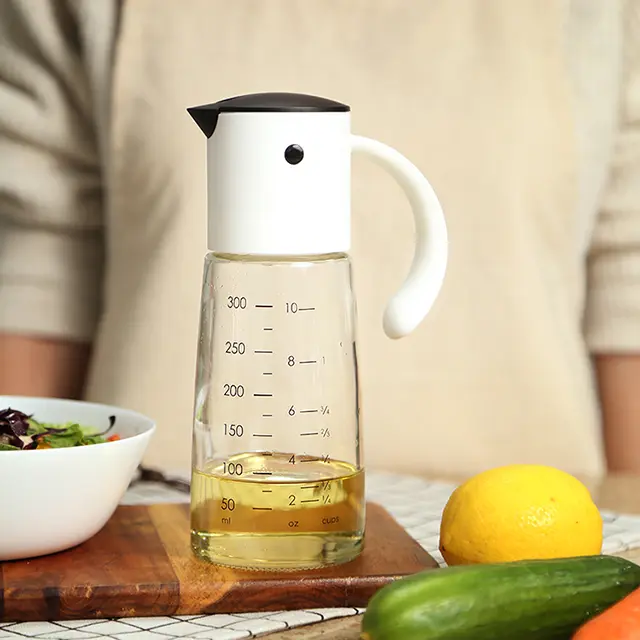
Case Study 1: Red Dot Award-Winning Gravity Bird Spout Dispenser
Target Segment: High-End Minimalist Cookware RetailersMarket Insight: Consumer feedback revealed strong demand for a single-hand operated oil dispenser that would prevent tabletop drips. Chinagama designed the gravity-fed bird spout to meet this specific need.
Engineering Breakthroughs: Standard dispensers relied on manual levers that often dripped. Our engineering team designed an automatic gravity lid closure. After extensive testing, we finalized the bird-spout geometry, delivering a drip-free pour and a clean aesthetic profile.
Project Outcome: The clean styling and functional performance won the prestigious Red Dot Design Award, establishing this model as one of our most popular oil and vinegar dispensers.
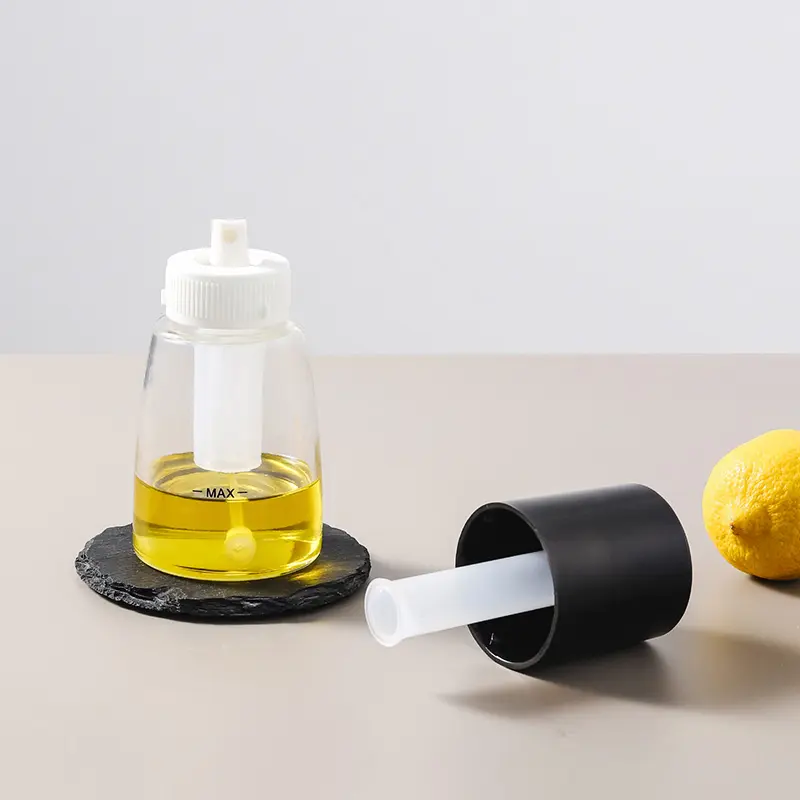
Case Study 2: Material Optimization on High-Output Culinary Mist Sprayers
Target Segment: Industrial OEM Brands & Kitchenware ImportersDevelopment Challenge: A prominent global brand partnered with us to develop a specialized mist sprayer. The client required precise mist volume controls along with strict structural durability.
Engineering Breakthroughs: Early testing revealed that ABS and PMMA plastics were vulnerable to stress cracking when exposed to lipids over long periods. To resolve this safety concern, our engineers transitioned the design to food-grade polypropylene (PP), which provides higher chemical resistance.
Project Outcome: This material upgrade met the client's internal compliance requirements, helping them grow their market share in the cooking spray category.
Case Study 3: Next-Gen Adjustable Grind Core Design
Target Segment: Professional Foodservice & Tableware DistributorsThe Opportunity: Many manual salt and pepper mills are bulky or prioritize aesthetics over practical grinding performance.
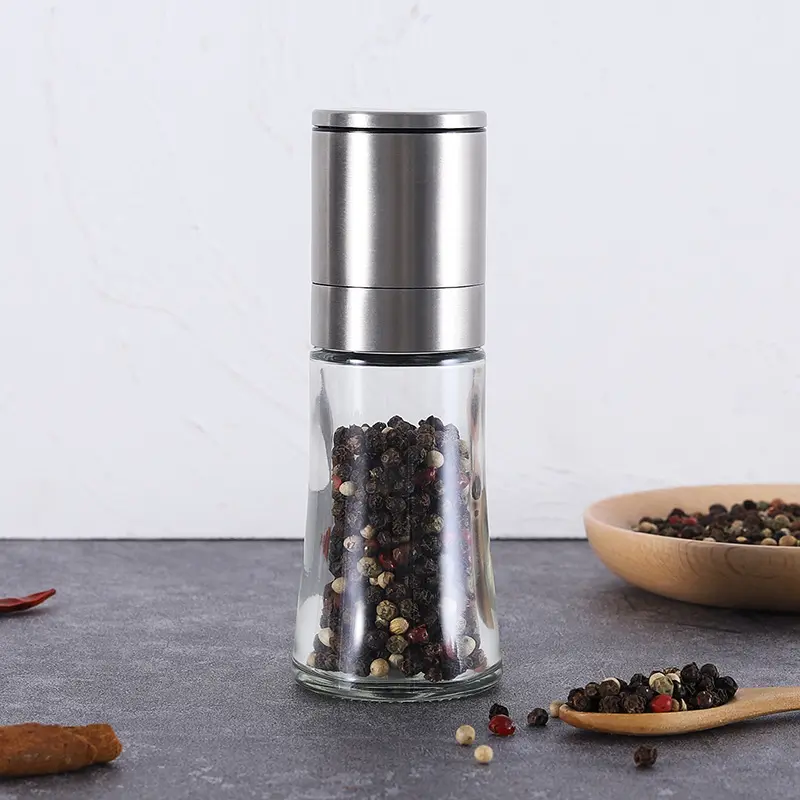
Engineering Breakthroughs: We designed a compact, straight pepper mill featuring a high-torque ceramic burr. Our engineers integrated multiple internal step-stops, ensuring the grind setting remains stable during active use.
Project Outcome: The clean silhouette and reliable grind consistency made this grinder a top-rated choice for both home and professional kitchens.
Localized Culinary Scenarios in the Japanese Market
From high-volume commercial kitchens in Osaka to premium retail shops in Tokyo, our mills are built for diverse uses.
Professional Dining & Teppanyaki Steakhouses
In high-end Teppanyaki restaurants in Tokyo, chefs grind black pepper directly onto sizzling Wagyu beef at high temperatures. The mills must withstand direct steam, moisture, and high heat without jamming or slipping. Our dual-step ceramic burr and SUS304 shell deliver consistent grind performance, even right next to hot flat-top grills.
Premium Department Stores & Gift Sets
In retail stores like Loft or Tokyu Hands, tabletop products must feature high-quality finishes and packaging. We offer custom laser-marked branding on stainless steel casings and build matching salt-and-pepper sets in premium gift boxes, tailored for seasonal gifting traditions (Oseibo and Chugen) in Japan.
Industrial Plant Facilities
We supply bulk spice grinders to Japanese spice packagers and food processing factories. These facilities require grinders that can withstand high-speed automated filling lines without cracked containers or thread failures.
Our glass bottles are engineered to handle high torque caps and top-fill vibration, minimizing production line breakage and downtime.
Frequently Asked Questions: Importing Culinary Mills to Japan
Common regulatory, logistics, and material questions asked by procurement departments and importers in the Japanese market.
Yes. All of our products destined for the Japanese market are manufactured using materials that meet the requirements of the Japan Food Sanitation Act. We use high-quality SUS304 stainless steel, lead-free borosilicate glass, and food-grade polymers. Upon request, we provide detailed material testing reports (including cadmium, lead, and heavy metal leaching tests) to help clear customs at Japanese ports.
Absolutely. For markets with high humidity like Japan, we strongly recommend our premium alumina ceramic grinding cores. They prevent corrosion and preserve the flavor profiles of delicate spices. However, we can also supply hardened carbon steel or specialty stainless steel burrs depending on your target pricing and market requirements.
For standard OEM orders, our production lead time is typically 30 to 45 days after deposit confirmation. For custom ODM orders requiring brand-new tooling, the cycle spans roughly 60 to 75 days. We work closely with major logistics providers to coordinate container loading (FCL/LCL) for direct shipping to major Japanese ports.
Yes. We offer several customization options for brand logos, including high-precision fiber laser etching, silk-screen printing, and custom-embossed steel molds. Laser etching is our most popular option for the Japanese market because it is durable, clean, and aligns with minimalist brand aesthetics.
We maintain an in-house laboratory equipped with salt-spray testing chambers, drop-test platforms, torque testing machines, and food-contact analysis systems. Our quality control team inspects raw materials when they arrive and performs visual and operational checks on every batch before packaging, ensuring we meet a target AQL of 1.5 or lower.
Explore Our Full Range of Culinary Hardware
A comprehensive line of mills and spice accessories designed for international kitchenware brands and food service distributors.
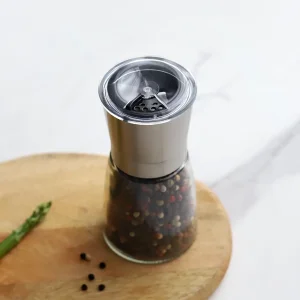
ODM Stainless Steel Salt and Pepper Grinder with Multifunctional Lid
View Details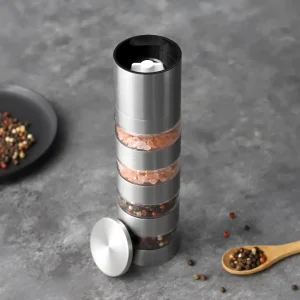
Custom 4 Stacked Refillable Pepper Grinder (Multi-Chamber Tech)
View Details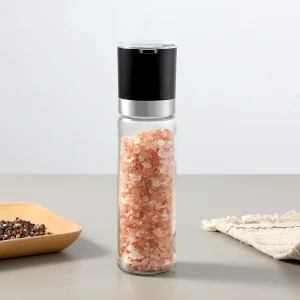
Wholesale Bulk Pepper Grinder with Glass Bottle Products, Exporter
View Details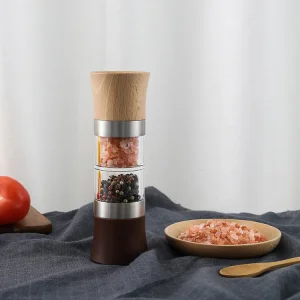
Wholesale 2 in 1 Wooden Salt and Pepper Grinder (Dual-Core Mechanism)
View Details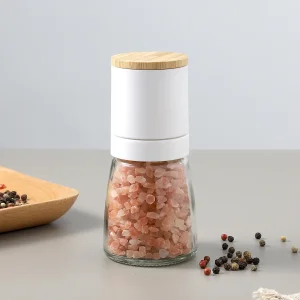
Custom Manual Salt and Pepper Grinder with Bamboo Lid (Eco-Design)
View Details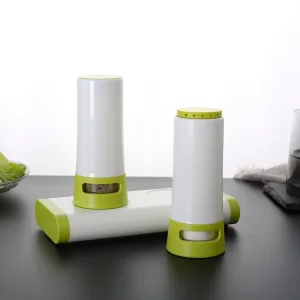
ODM Magic Spice Shaker Set with Plastic Jar (High-Grade Acrylic)
View Details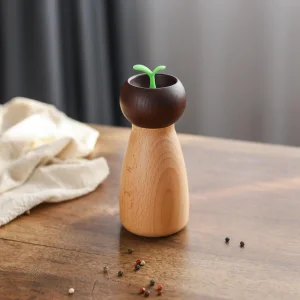
ODM Custom Cute Wooden Pepper Mill (Kawaii Tableware Line)
View Details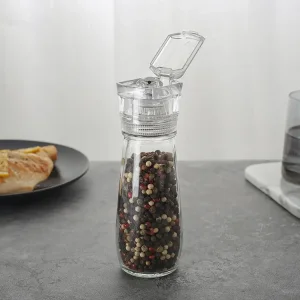
Wholesale Pepper Grinder with Plastic Burr (Entry-Level Promo Line)
View DetailsStart Your Custom OEM/ODM Development Project
Partner with Chinagama to access factory-direct pricing, certified material compliance, and 27 years of kitchenware engineering expertise. Get a personalized quote for your market requirements within 24 hours.
Send Inquiry Now