 Chinagama
Next-Gen Precision Spice Dispensation
Premium selection designed to elevate structural resilience and culinary performance in coastal New Zealand microclimates.
New Zealand’s Commercial Landscape for Premium Kitchenware
The New Zealand culinary and retail markets are currently undergoing a structural transition towards premiumization, driven by the expansion of boutique wineries in Marlborough, upscale bistros in Queenstown, and a highly discerning domestic homeware demographic. Unlike larger, hyper-commoditized regions, New Zealand operators place substantial emphasis on mechanical longevity, tactile experience, and architectural longevity.
In coastal metropolitan hubs like Auckland and Wellington, relative humidity levels often exceed 80%. This saline-dense ambient environment creates accelerated galvanic corrosion challenges for traditional zinc-alloy and lower-grade carbon steel milling cores. As a result, B2B procurement strategies are increasingly focusing on marine-grade, high-alloy 304 (18/8) stainless steel components. The chemical stability of stainless steel, paired with corrosion-resistant ceramic grinders, is the default standard for New Zealand food inspectors operating under MPI (Ministry for Primary Industries) food safety regulations.
Sustainable Procurement & Refillable Infrastructure
New Zealand's circular economy targets have prompted a swift policy shift away from single-use plastics towards refillable kitchenware models. Modern supermarkets and high-end delis are transitioning from pre-packaged, throwaway plastic spice jars to premium refillable stainless steel systems. A durable stainless steel mill represents not only a premium lifestyle accessory but a long-term investment that reduces domestic municipal plastic waste.
Furthermore, global B2B procurement pipelines demand that suppliers demonstrate verifiable environmental footprints. The transition to reusable manual pepper grinders made from recyclable glass and high-grade stainless steel allows retailers to align directly with Kiwi consumer values, resulting in higher brand equity and stronger customer loyalty.
Oceania Compliance Standards
Verifiable food safety standards matching FDA, LFGB, and MPI expectations for mechanical kitchenware components.
Information Gain Perspective
Real-world engineering insights on materials chemistry and stress-corrosion resistance in high-salinity zones.
Advanced Culinary Systems & Specialty Dispensers
Combining design accolades with proven mechanical performance to optimize commercial operations.
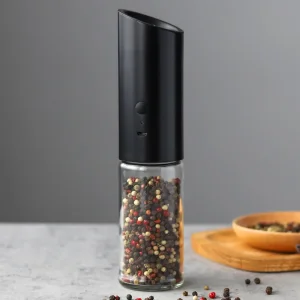
Ceramic Burr Hardness
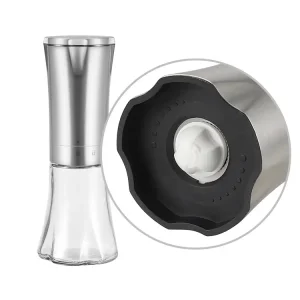
Alumina ceramic burrs rating 9 on Mohs hardness scale guarantee long-term integrity without structural deformation.
LFGB & FDA Certified
Verifiable food-contact testing confirms chemical inertness under acidic or saline contact conditions.
Global Industry Outlook: Material Science & Mechanical Integrity
The global spice-milling industry has transitioned past basic decorative formats into precision industrial-grade components. Modern food science demonstrates that the mechanical compression applied during the grinding phase affects the volatile essential oils (e.g., piperine in black pepper, cuminaldehyde in cumin) released into the food. Coarse, inconsistent shearing crushes the outer layers rather than slicing, causing rapid oxidation and degradation of flavor profiles.
To resolve this issue, top-tier engineering brands like Chinagama utilize high-durability alumina ceramic burrs or hardened carbon steel blades. Alumina ceramic is highly valued in the commercial cooking industry because of its extreme hardness, structural integrity under load, and resistance to corrosion when grinding salt or acidic peppercorns.
High-Grade Stainless Steel Alloys in Humid Environments
When deploying products in maritime zones, the select alloy formulation is critical. Using low-grade stainless steels like 201 or 430 can lead to pitting corrosion when exposed to salts and cleaning chemicals. Chinagama's stainless steel selection relies on authentic 304 (18/8) stainless steel containing a minimum of 18% chromium and 8% nickel.
This specific formulation develops an invisible, self-healing chromium oxide film that protects the deeper metal structure from oxygen-induced degradation. For bulk distributors and high-volume exporters catering to New Zealand and Australian logistics pipelines, this material choice minimizes customer returns, guarantees food-contact compliance, and ensures long-term performance.
China Factory 4.0: Supply Chain Resilience & Efficiency
Strategic integration of smart manufacturing platforms to buffer Oceania supply networks from market volatility.
Verifiable Quality Systems
We deploy intelligent monitoring systems tracking micro-tolerances within 0.05mm across all automated injection molding and steel milling lines.
Lead Time Optimization
By leveraging an in-house tool manufacturing workshop, our development-to-production lifecycle runs up to 30% faster than typical OEM peers.
Strategic Logistics
Direct integration with major freight pipelines from Ningbo to major maritime hubs like Auckland, Tauranga, and Lyttelton.
Our manufacturing facilities are built on agile assembly lines, allowing us to pivot production capacities quickly to handle sudden peak holiday demands without risking structural component delivery failures.
Request Factory Audit DossierWelcome to Chinagama: Pioneering Culinary Innovations Since 1997
At Chinagama, we are passionate about crafting high-quality and stylish kitchenware, specializing in salt and pepper grinders. Of course, we also manufacture other kitchenware items sought after by buyers, including coffee grinders, oil dispensers, soap dispensers, and more.
Since our establishment in 1997, we have been dedicated to delivering exceptional kitchenware development and manufacturing. Over the years, we have achieved over 300 patents, and our meticulously designed and produced kitchen tools have been honored with the Red Dot Award and IF Design Award. We continue to innovate with new products to cater to evolving needs.

Our Commitment to Quality
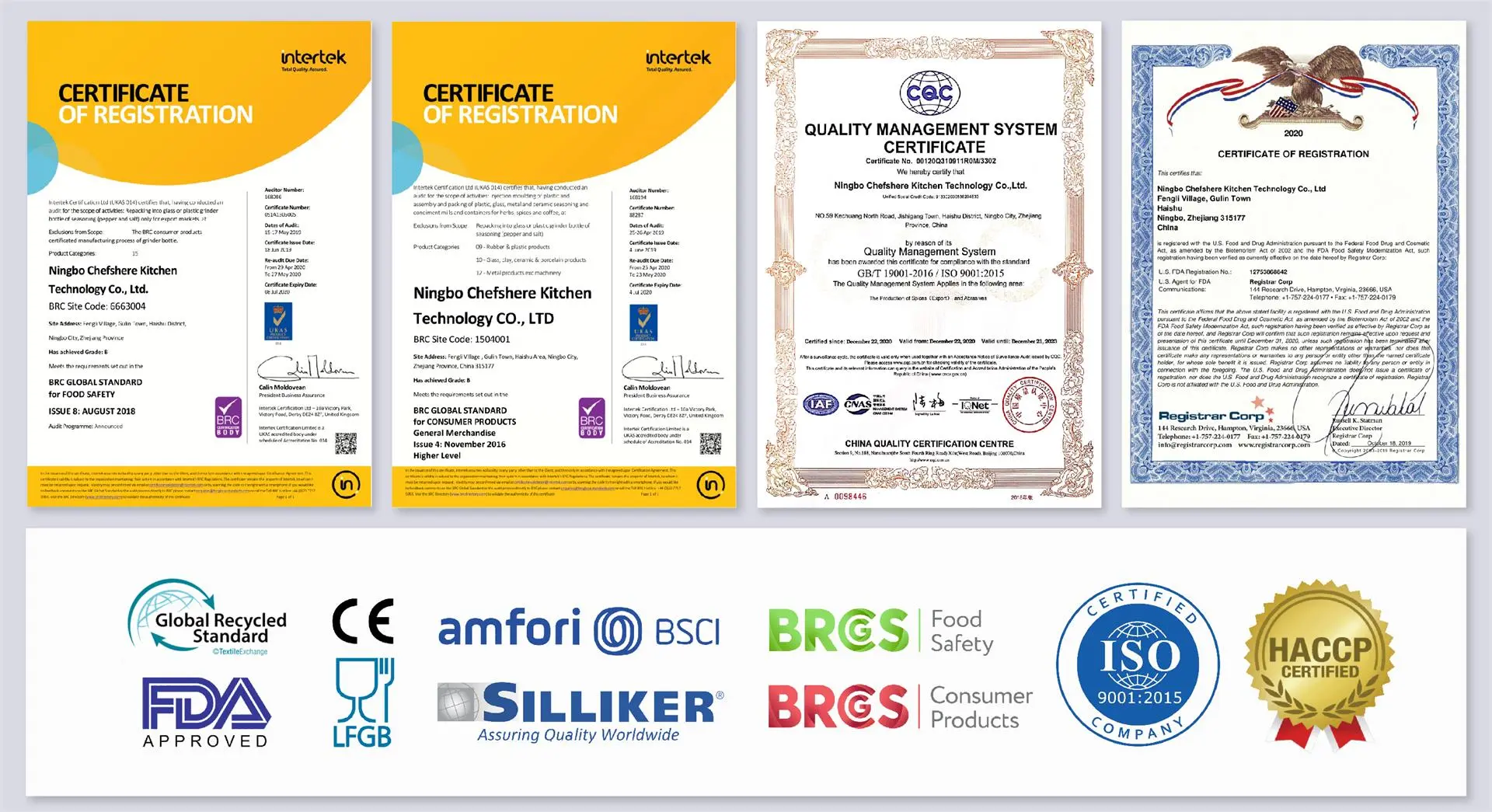
With the expertise of our dedicated R&D team and the support of our in-house factory, our products undergo rigorous quality control measures from conception to completion, ensuring that each item meets industry standards with precision. As a testament to our commitment, we have garnered recognition from renowned international third-party testing companies, including prestigious LFGB and FDA certifications. This validates the exceptional quality of our products and reinforces our dedication to delivering excellence to our customers.
Global Success Stories
With a strong emphasis on quality, Chinagama has fostered successful partnerships with global clients, selling over 12 million pepper grinders annually. Every three seconds, a Chinagama product finds its way into the hands of satisfied customers worldwide.
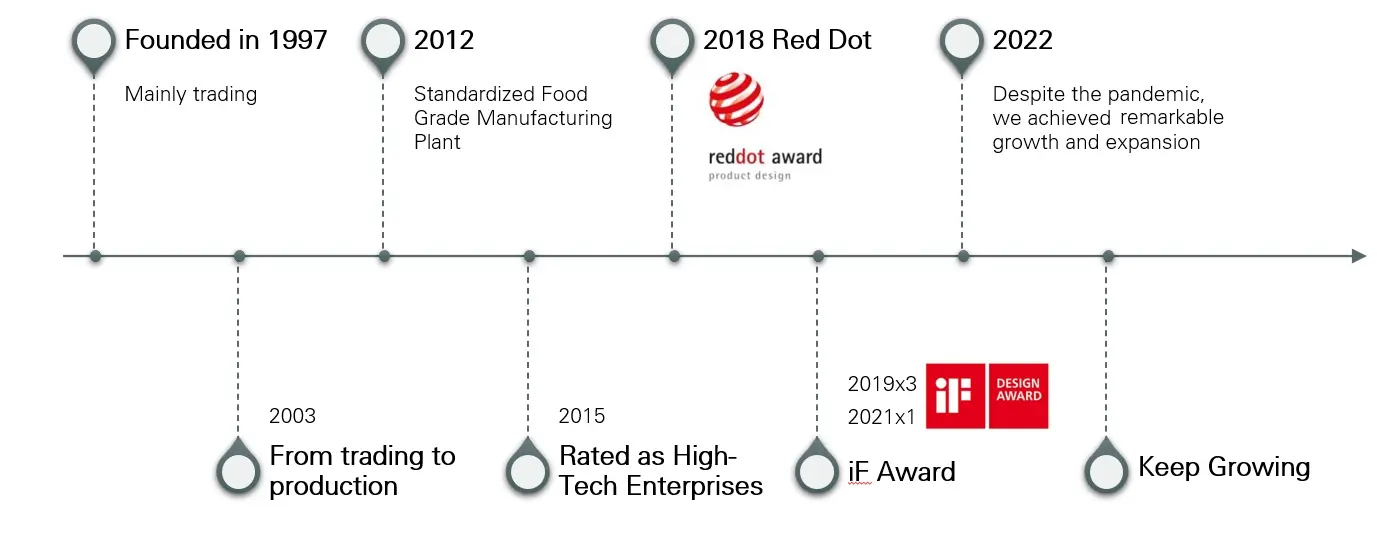
Chinagama embarked on its remarkable journey, initially focusing on trade work. With a keen eye for opportunities, we set out on a path of vigorous development.
Driven by our passion for cooking and kitchen utensils, we made a transformative shift from trade to production. This pivotal decision led us to establish a standardized food-grade production plant in 2012.
Our relentless pursuit of excellence was rewarded as we earned the prestigious title of a high-tech enterprise, consistently securing Red Dot and IF Design Awards.
We continue to forge ahead, driven by a steadfast dedication to surpassing expectations and delivering exceptional kitchenware solutions to our global customers.
Our Vision
To become the preferred supplier of premium kitchen grinding tools for mid-to-high-end brands around the globe, setting the standard for quality, design, and performance.
Our Mission
We are committed to helping our customers overcome challenges by providing more competitive grinding solutions and customized services.
Our Core Values
Focus: Mastery of the art and science of grinding tools.
Innovation: Sustainable growth through design excellence.
Sustainability: Minimizing our eco-footprint.
Win Together: Fostering shared B2B successes.
27+
Years R&D Experience
12M+
Annual Grinder Production
300+
Patents Earned
150+
Cooperation Brands Globally
100%
Food-Grade Safe Materials
Engineering Case Dossiers: Design Thinking & Breakthroughs
A closer look at how Chinagama resolves practical manufacturing challenges to create commercial value.
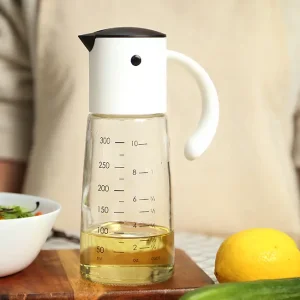
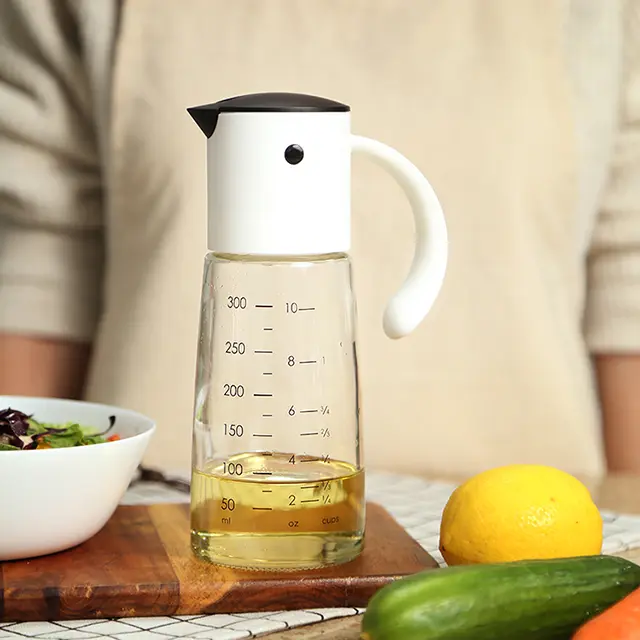
The Red Dot Award Gravity Bird Spout Project
Traditional cooking oil pourers present frequent cleanliness issues, such as oil dripping down the neck and accumulating on kitchen counter surfaces. Market research showed growing consumer demand for more unique, humanized oil dispenser designs. Against this backdrop, Chinagama independently developed and launched a gravity-fed bird spout oil dispenser to meet new market needs.
At the time, most oil dispensers on the market employed simple designs with few products offering drip-free, gravity-fed spouts. Chinagama set out to create an oil dispenser that could be easily single-hand operated without any drips. After multiple rounds of testing, the bird spout shape was finalized, not only meeting functional requirements but also being more aesthetically appealing.
With its excellent design and functionality, this breakthrough was quickly met with market acclaim and later won the prestigious Red Dot Design Award. To this day, the product remains one of Chinagama's most popular oil dispenser products.
Collaborative Oil Mist Sprayer Development
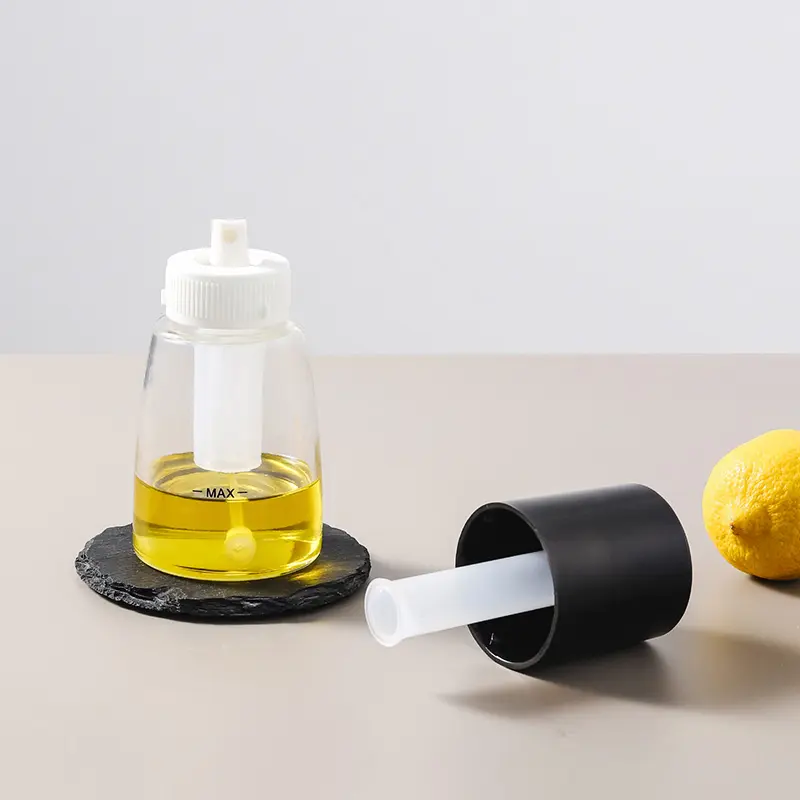
A high-profile OEM client approached us requesting a heavy-duty oil mist sprayer capable of maintaining fine particle distribution with high-viscosity oils. The engineering team ran into immediate materials challenges during initial prototyping phases. Under persistent hydrostatic pressure, common ABS and PMMA resins cracked when exposed to vegetable oils, creating chemical safety and mechanical durability risks.
After rigorous testing, we transitioned the internal fluid housing assemblies to highly resistant, food-grade polypropylene (PP). This material change prevented environmental stress cracking, providing long-term structural integrity and compliance with international food contact regulations.
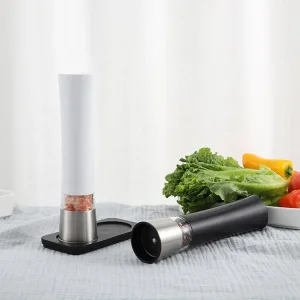
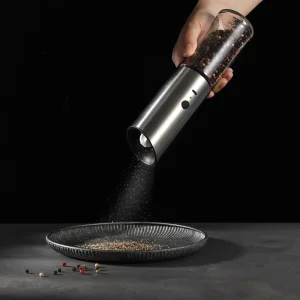
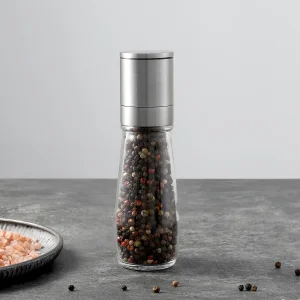
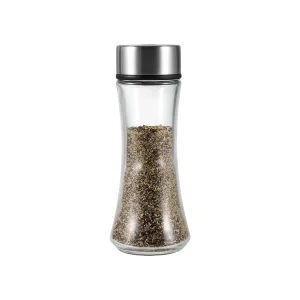
The Professional Stainless Steel & Culinary Series
Premium B2B bulk offerings matching rigorous mechanical standards for international markets.

Frequently Asked Questions: B2B Procurement Specifications
Technical details on materials, safety compliance, manufacturing lead times, and logistical integration for Oceania markets.
Begin Your Custom Procurement Pipeline Today
Contact our specialist team to receive free CAD design drawings, material safety data sheets (MSDS), and customized bulk pricing structures.
Send Inquiry Now