 Chinagama
Exclusive Tokyo Collection: High-Demand Dispensing Systems
Curated space-saving designs selected for premium Ginza dining establishments, offering unparalleled ergonomic control and material longevity.
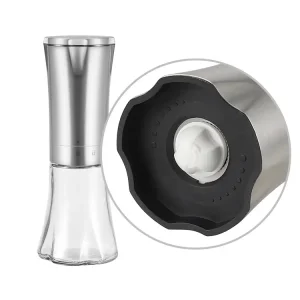
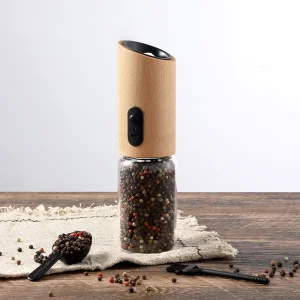
Wholesale Battery-Powered Lotus Flower Spice Grinder
Ideal for tableside service in dense dining rooms; features soft LED illumination and a quiet, high-torque motor.
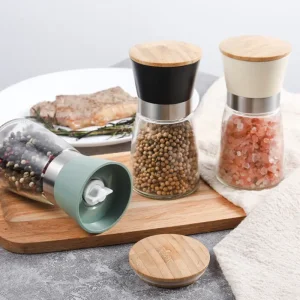
Best Bulk Sale Colorful Salt and Pepper Mill Products, Product
Vibrant exterior options aligned with modern, thematic Tokyo gastropubs. Advanced variable adjustment dial.

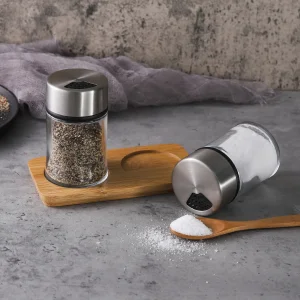
ODM Borosilicate Glass Salt & Pepper Grinder
Ultra-durable, thermal-shock resistant glass. High transparency optimized for premium rock salt display.
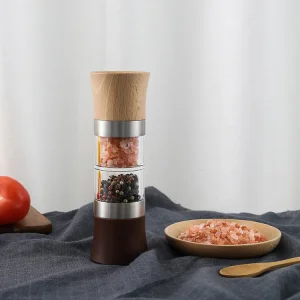
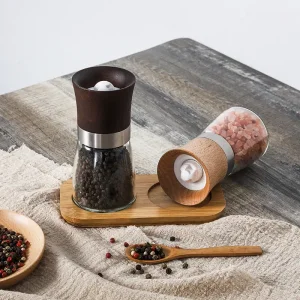
Wholesale 2 in 1 Wooden Salt and Pepper Grinder
Compact dual-chamber wooden housing. Maximizes valuable table real estate in micro-dining venues.

Market Analysis: Hospitality Demands & Regulations in Tokyo
The culinary ecosystem of Tokyo represents a unique operational landscape. Boasting the highest density of Michelin-starred restaurants globally, Tokyo's food service sector runs on uncompromising metrics: durability, precision, and strict environmental compliance.
Under the Japanese Food Sanitation Act (JFSL Article 10 and 16), any materials coming into contact with food substances must strictly guarantee zero chemical migration. Traditional plastic materials containing volatile stabilizers are subject to heavy inspection. Chinagama addresses this regulatory environment with premium-grade borosilicate glass, food-grade SUS304/316 stainless steel, and pure alumina ceramics.
- Compliance with Japanese Food Sanitation Law (JFSL) standards
- Extreme resistance to degradation caused by high humidity in commercial kitchens
- Compact footprint optimization tailored for Japanese dining counter layouts
- Exceptional wear resistance to process volatile Japanese Sansho and black peppers
Proven Manufacturing Excellence & R&D Credentials
Delivering world-class kitchen tools and patented grinding technologies since 1997.
Rigorous Quality Assurance & Design Recognition
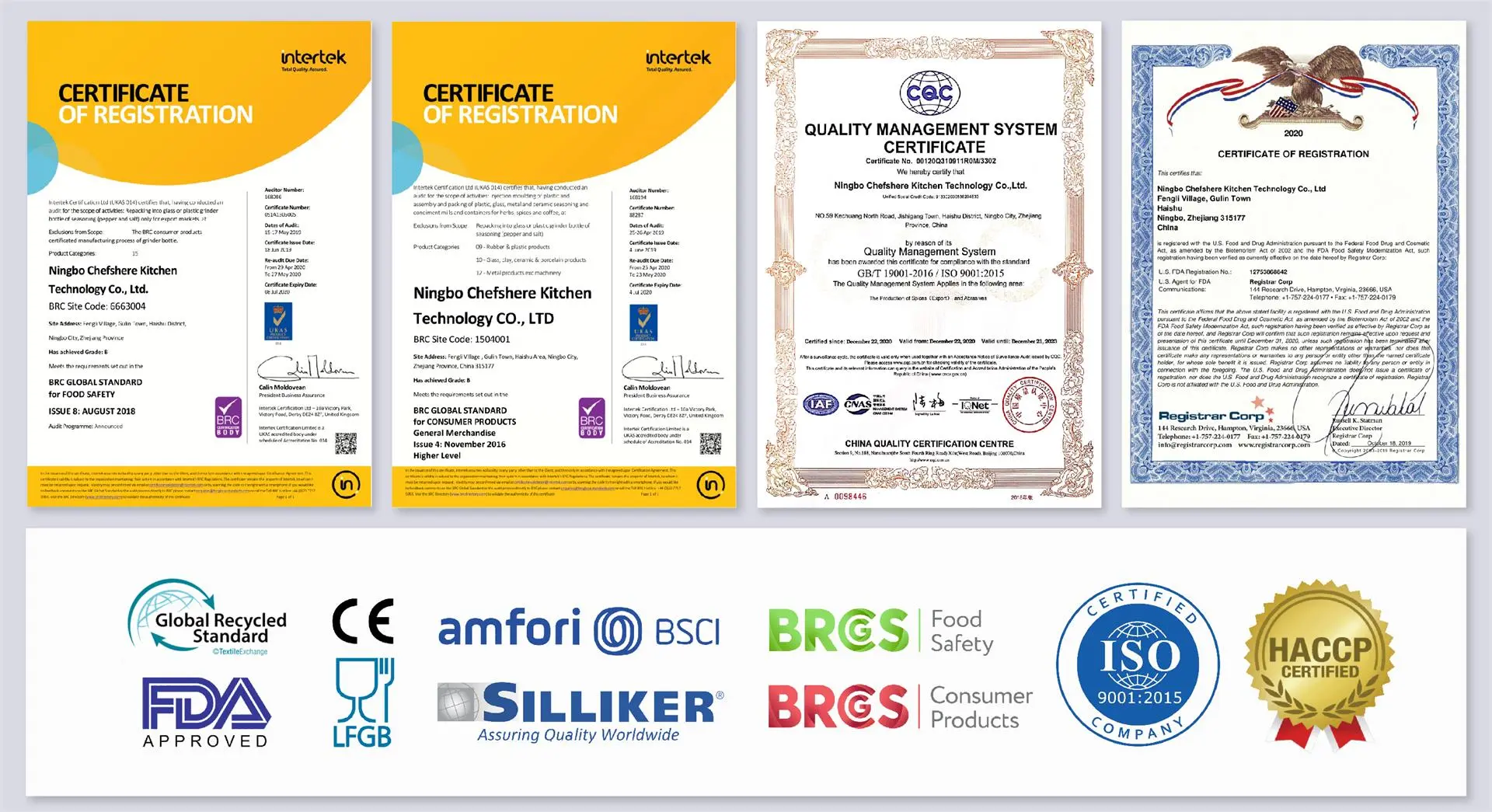
Our products undergo strict multi-stage quality control checks at every stage of the manufacturing process. From raw material sourcing to final packaging, we ensure that every single batch meets international regulatory criteria, including LFGB, FDA, and JFSL certifications.
Our engineering breakthroughs have repeatedly won the prestigious German Red Dot Design Award and the iF Design Award, highlighting our design capability to merge aesthetic appeal with heavy-duty commercial utility.
Mechanical Engineering & Material Analysis
The comparative difference between Chinagama's advanced ceramic burrs and standard marketplace grinding elements.
| Performance Metric | Chinagama Alumina Ceramic Burrs | Standard Carbon Steel Burrs | Molded Plastic Mechanisms |
|---|---|---|---|
| Mohs Hardness Value | 9.0 (Diamonds are 10.0) | 6.5 - 7.0 | < 3.0 |
| Corrosion Resistance | Absolute (Immune to salts, acids, moisture) | Low (Highly prone to rusting from salt exposure) | Medium (Prone to structural warping) |
| Micro-Particulate Shedding | 0.00% under heavy commercial pressure | Traces of metal oxide oxidation particles | High risk of microplastic contamination |
| Expected Service Life | > 100,000 Grinding Cycles | ~ 20,000 Grinding Cycles | < 5,000 Grinding Cycles |
| Heat Generation Rate | Ultra-Low (Preserves delicate spice aromas) | Medium (Can scorch delicate volatile spice oils) | Low (Friction-based structural failure risk) |
Global Engineering Case Studies
Real-world engineering challenges solved through iterative industrial design and collaborative development.
1. The Red Dot-Winning Gravity Oil Dispenser
The Opportunity: Industry analysis highlighted standard market demand for an oil dispenser that could operate single-handedly without messy drips, a common complaint in commercial settings.
The Breakthrough: Chinagama designed a balanced gravity-fed mechanism. The physical layout utilizes an internal weighted hinge that smoothly reveals the spout when tilted, closing completely as the bottle returns to an upright position. The ergonomic curvature prevents trace droplets from accumulating outside the nozzle.
The Outcome: High praise from culinary directors and winner of the Red Dot Award. Today, this remains a benchmark product for premium oil service in hospitality spaces worldwide.
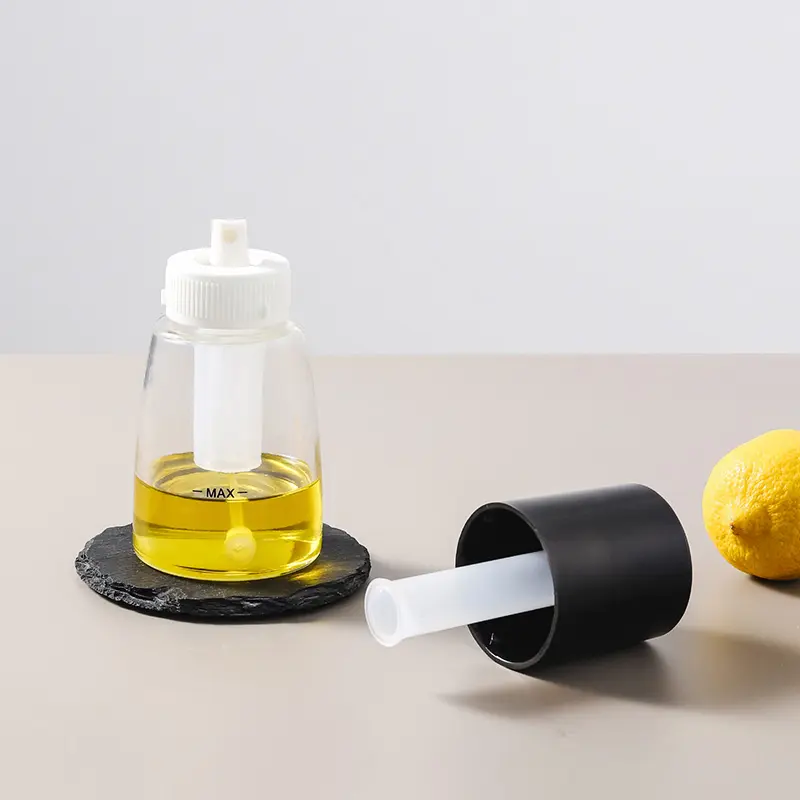
2. Precision Oil Mist Sprayer Material Optimization
The Challenge: A global partner requested an oil mist sprayer that could handle viscous liquids without leaking. The initial prototypes utilized common ABS and PMMA resins, which showed high vulnerability to stress-cracking under direct contact with complex botanical oils.
The Engineering Solution: Our chemistry team evaluated stress responses and swapped to highly robust, non-toxic, and crack-resistant Polypropylene (PP). Additionally, the nozzle geometry was engineered to maintain structural integrity under high back-pressure.
The Outcome: Improved structural reliability and zero chemical migration. The client secured a significant increase in local market share for commercial cooking sprayers.
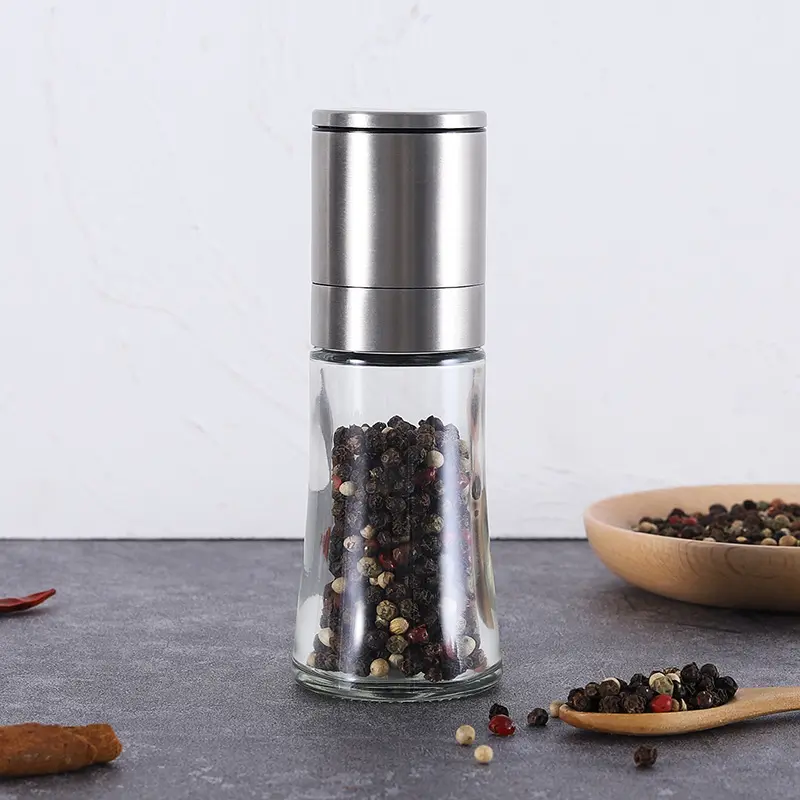
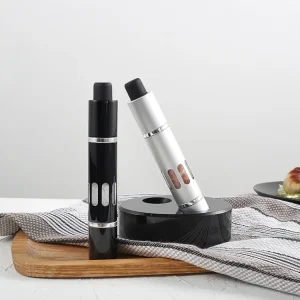
3. Ergonomic Small Straight Grinder Redesign
The Opportunity: Traditional table grinders frequently suffer from bulky aesthetics, excessive weight, and difficult adjustment steps, frustrating diners and operations staff alike.
The Solution: Chinagama engineered a sleek, straight cylindrical body housing a high-ratio ceramic gear assembly. Our engineers patented a tool-free bottom adjuster, allowing users to switch from coarse crack to fine powder effortlessly.
The Outcome: Immediate success upon release. Restaurant owners noted reduced clutter, improved table styling, and exceptional durability over years of constant daily service.
Commercial Grinder Directory for Tokyo & Global Markets
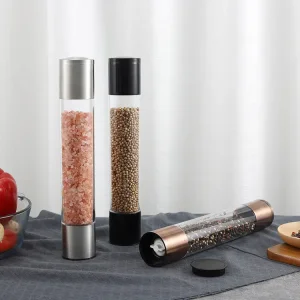
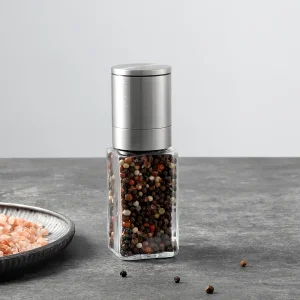
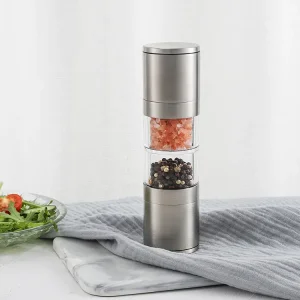
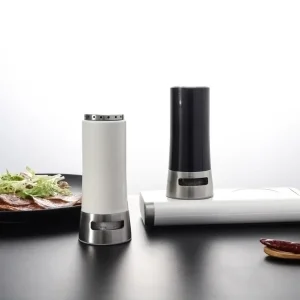
Comprehensive B2B product selections including patent-protected designs, electric USB charging units, and vintage classic mills.



Our OEM & ODM Development Workflow
A transparent engineering roadmap detailing how we customize products for global culinary standards.
Phase 1: Concept & Aesthetic Ideation
We conduct demographic market analyses and study aesthetic preferences across target markets (e.g. minimalist profiles in Japan, robust styles in North America) to draft aligned concepts.
Phase 2: Finite Element Prototyping
Using advanced 3D CAD modeling and finite element stress simulations, we design grinding assemblies that optimize torque efficiency while preventing stress-related damage.
Phase 3: Material & Compliance Testing
Prototypes undergo rigorous mechanical testing (drop-impact resistance, thermal expansion testing) and chemical profiling to confirm compliance with FDA, LFGB, and Japan Food Sanitation Laws.
Expert Procurement Q&A
Technical guidance and answers for purchasing managers, importers, and culinary brands looking to source high-quality grinding systems.
Ready to Upgrade Your Kitchenware Lineup?
Partner with an industry-leading manufacturer with over 300 patents, offering custom designs, certified food safety compliance, and reliable logistics to the Tokyo market and beyond.