 Chinagama
Selected B2B Grinding Mechanisms for Berlin Sourcing Teams
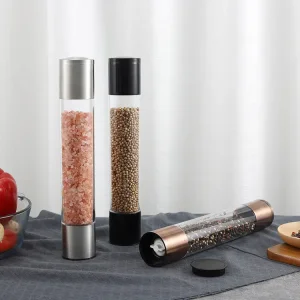
Wholesale Battery-Powered Lotus Flower Spice Grinder (Berlin Edition)
Request Spec & Quotes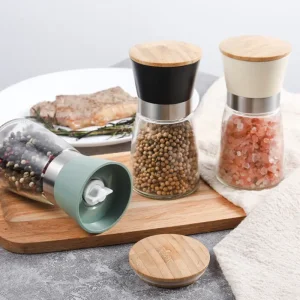
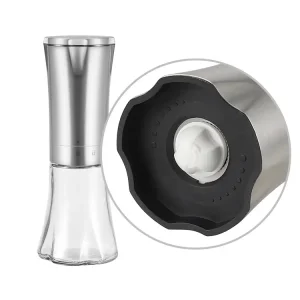
Best Bulk Sale Colorful Salt and Pepper Mill Products (Berlin Gastronomy)
Request Spec & Quotes
ODM Borosilicate Glass Salt & Pepper Grinder (Berlin Eco-Design)
Request Spec & Quotes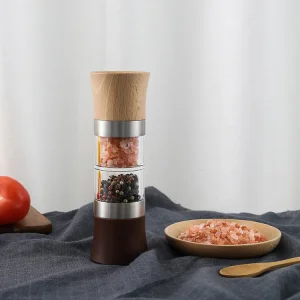
Wholesale 2 in 1 Wooden Salt and Pepper Grinder (Berlin Classic Series)
Request Spec & QuotesBerlin's Culinary Evolution and B2B Sourcing Demands
Berlin has firmly established itself as a vanguard of European culinary innovation. From Michelin-starred venues in Charlottenburg to the high-concept vegan bistros of Kreuzberg, the demand for high-caliber kitchenware has shifted. Sourcing directors and hospitality supply chains in Germany require products that conform strictly to LFGB (Lebensmittel- und Futtermittelgesetzbuch) food safety regulations, with a profound focus on aesthetic appeal, carbon footprint reduction, and structural longevity.
The B2B demographic in Berlin—comprising culinary wholesalers, private label home decor merchants, and commercial hospitality suppliers—demands localized flexibility. As businesses look to stand out in a saturated market, direct factory integration becomes imperative. Our export services directly link custom manufacturing capacities with Berlin's strict distribution standards, bringing premium, customized culinary tools to Germany's capital.

Welcome to Chinagama: Pioneering Culinary Innovations
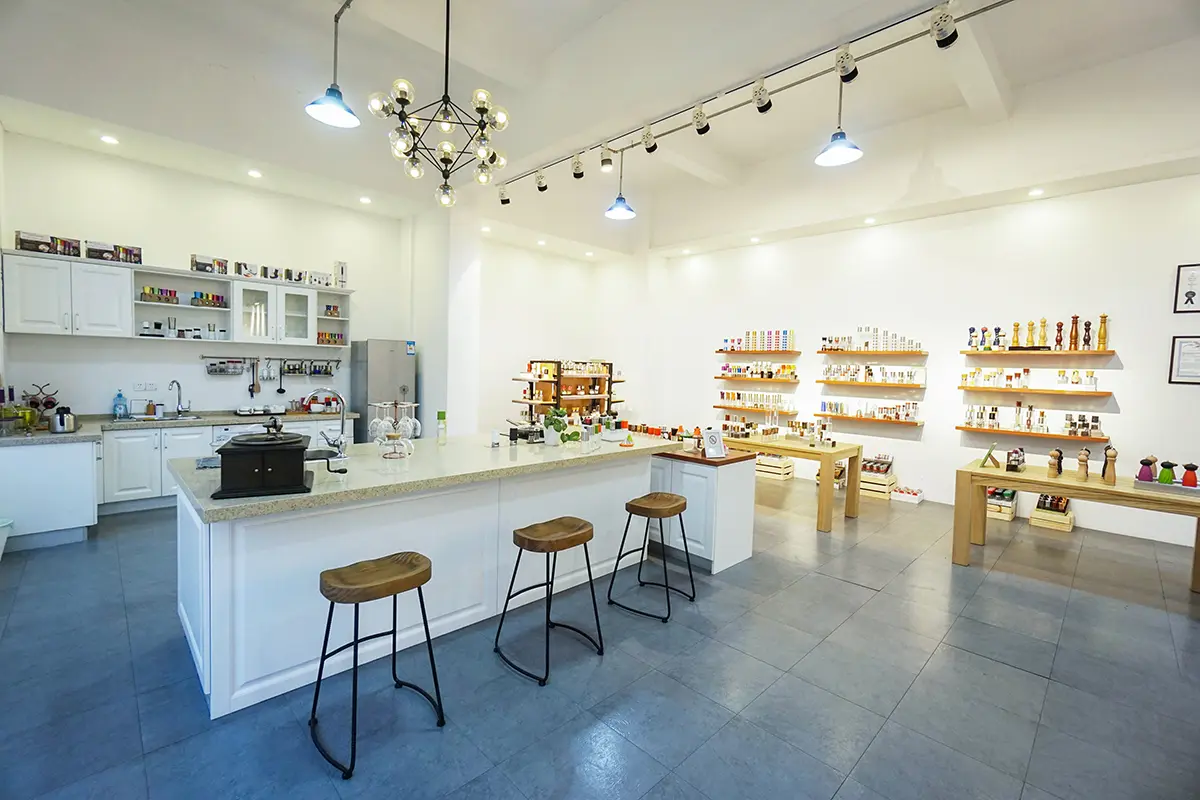
At Chinagama, we are passionate about crafting high-quality and stylish kitchenware, specializing in salt and pepper grinders. Of course, we also manufacture other kitchenware items sought after by global buyers, including premium coffee grinders, precision oil dispensers, soap dispensers, and more.
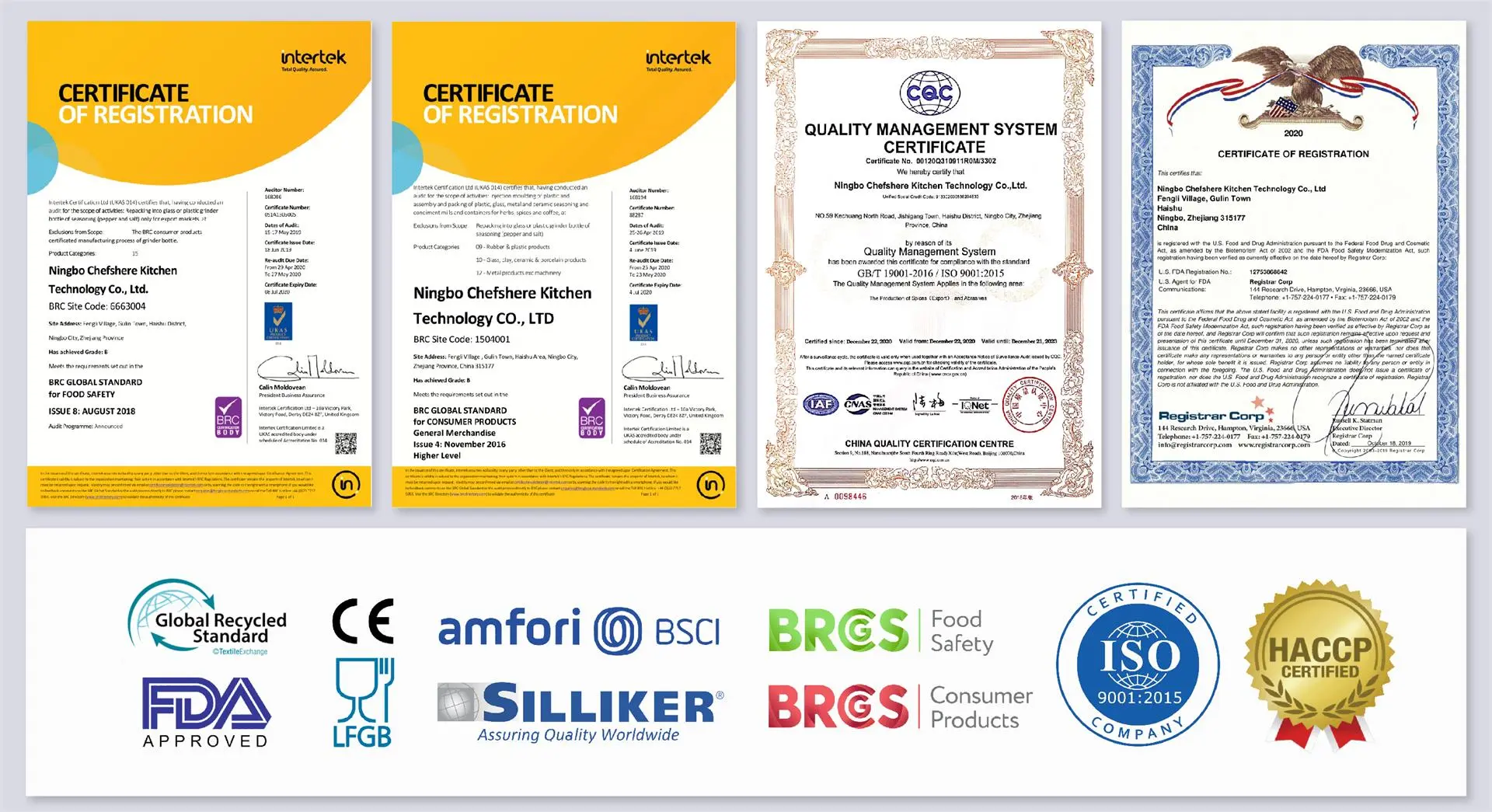
Our Commitment to Quality & Compliance
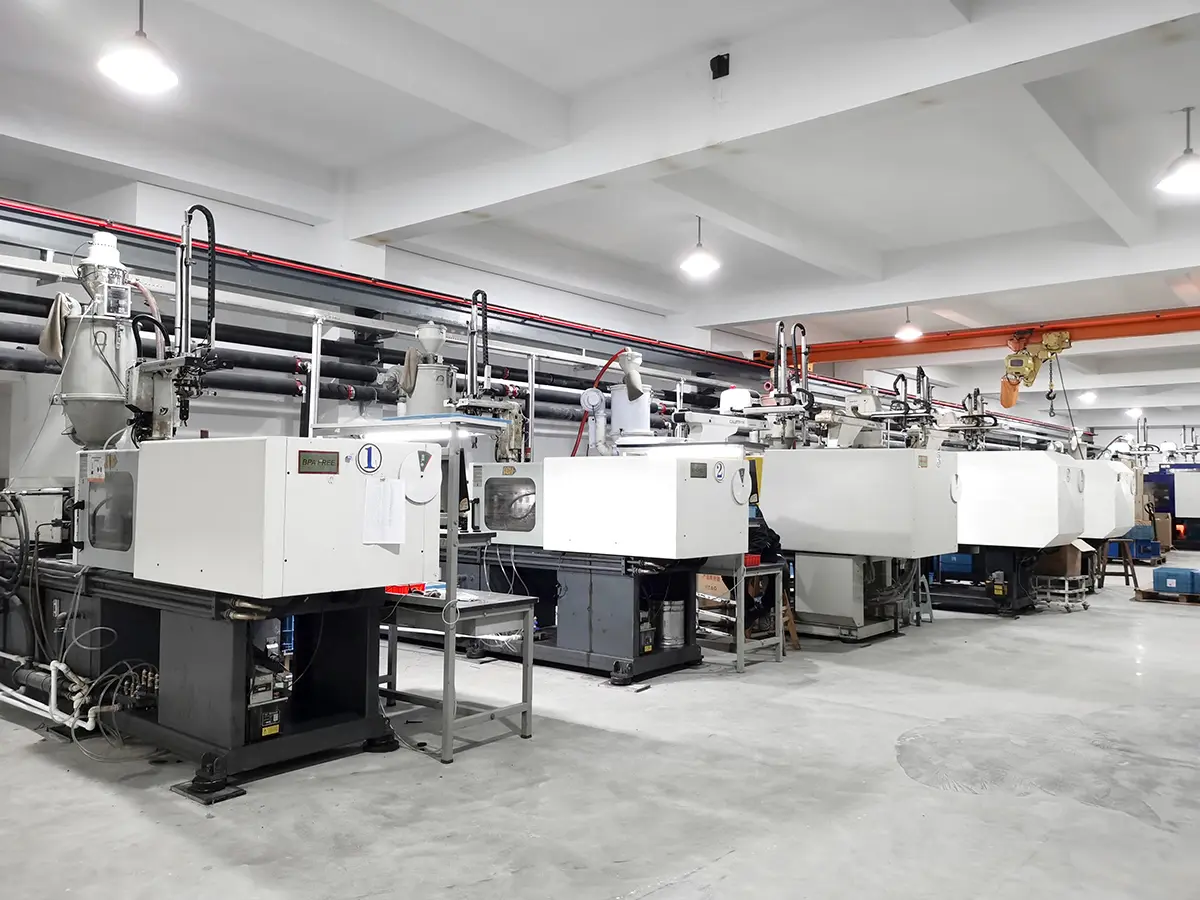
With the expertise of our dedicated R&D team and the support of our in-house manufacturing base, our products undergo rigorous quality control protocols from initial conception to completion, ensuring that each item meets industrial standards with precision.
As a testament to our manufacturing compliance, we have garnered recognition and verification from renowned international third-party testing labs, including prestigious LFGB, FDA, and SGS certifications. This validates the exceptional quality of our products and reinforces our dedication to delivering B2B excellence to our customers in Berlin and worldwide.
The China Factory Advantage: Scaling and Engineering Value
For commercial partners in Berlin, navigating local European supply networks can present bottlenecks regarding scalable volume and personalization costs. Partnering with a specialized Chinese manufacturer offers distinct, measurable advantages:
Unmatched Manufacturing Scalability
Over 27 years of optimization allow us to run high-speed automated production pipelines that turn out 12+ million grinders per year. We accommodate micro-runs for bespoke projects as well as high-volume B2B orders.
Advanced Mechanism Engineering
We implement proprietary ceramic grinding burrs fired at 1650°C, offering diamond-like hardness. These burrs are highly resistant to moisture-induced corrosion compared to generic carbon steel mechanisms.
Complete Customization (OEM/ODM)
From custom-molded ergonomic bodies, integrated LED illumination, and customized magnetic base structures, we translate concepts into functional physical prototypes in record time.
| Mechanism Type | Material Composition | Corrosion Resistance | Ideal Culinary Application | German LFGB Approval Status |
|---|---|---|---|---|
| Alumina Ceramic Core | 95% Alumina Ceramic (Al2O3) | Inert (100% Rust-proof) | Coarse Sea Salt, Spices, Black Pepper | Certified Compliant |
| Stainless Steel Burrs | SUS304 / SUS420 Food Grade | Moderate (High against organic compounds) | Coffee Beans, Peppercorns, Nutmeg | Certified Compliant |
| Carbon Steel Mechanism | High-Carbon Case Hardened Steel | Low (Susceptible to salt oxidation) | Dry Black Peppercorns Only | Restricted for damp settings |
Our Growth Journey & Global Footprint
A Historical Legacy of Kitchenware Innovation
Chinagama began its journey in 1997, initially operating as an export trading house. Responding to shift signals in the consumer goods space, in 2003, the company pivoted directly into industrial production, launching localized factories. By 2012, we established a standardized food-grade manufacturing complex, laying the groundwork for our global distribution footprint.
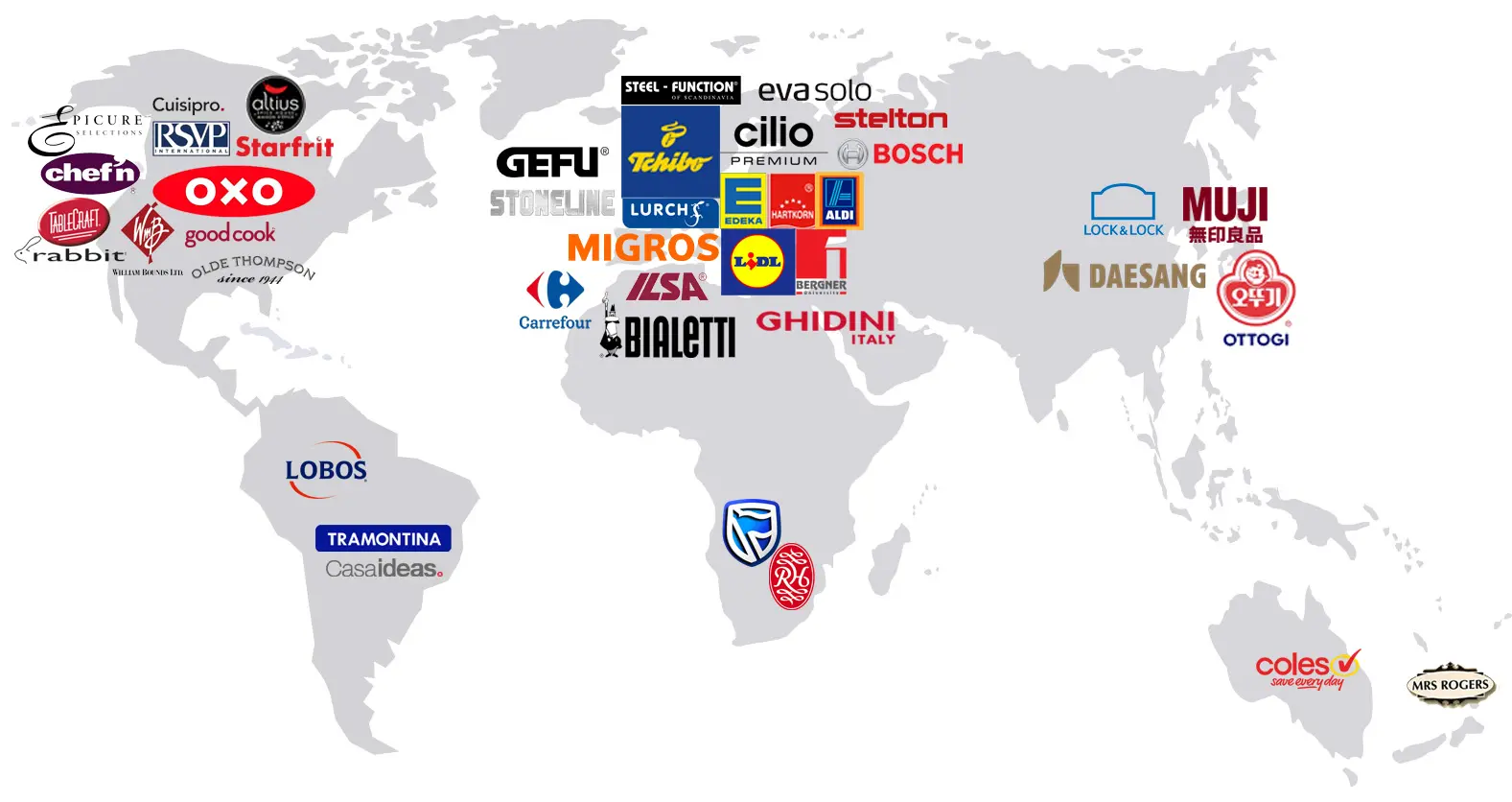
In 2015, Chinagama was officially designated a high-tech enterprise, pioneering technical design advancements that have earned multiple Red Dot Awards and iF Design Awards. Today, we supply kitchen grinding devices to over 150 partner brands globally, cementing a reputation for reliability.
Our Vision
To become the preferred supplier of premium kitchen grinding tools for mid-to-high-end brands around the globe, setting the benchmark for quality, design, and performance.
Our Mission
To help clients resolve operational friction by providing highly competitive grinding mechanisms and tailored custom services, fostering brand equity growth.
Our Core Values
We practice continuous focus, creative technological innovation, environmental sustainability, and collaborative development (Win Together) with global partners.
Industrial R&D Case Studies & Product Solutions
Case Study 1: Red Dot Award Winning Bird Spout Oil Dispenser Project
Background: Broad market research highlighted consumer demand for elegant, one-handed oil dispensers. Conventional dispensers suffered from leaks and uneven flow control. To resolve these complaints, we initiated the independent development of a gravity-activated system.
Design Breakthrough: Most oil dispensers on the market employed simple manual caps, prone to dripping. Chinagama engineered a dripless gravity-fed beak spout. After multiple testing iterations, the bird spout shape was finalized, delivering drip-free operation and an appealing visual footprint.
Outcomes: The bird spout dispenser gained wide recognition and was honored with the Red Dot Design Award. It remains one of our top-selling liquid dispensing systems.
Case Study 2: Material Science Breakthrough in Oil Mist Sprayer Project
Background: Partnering with a premier kitchenware brand, our goal was to engineer a high-performance oil mist sprayer capable of uniform, pressurized liquid dispersion without chemical propellants.
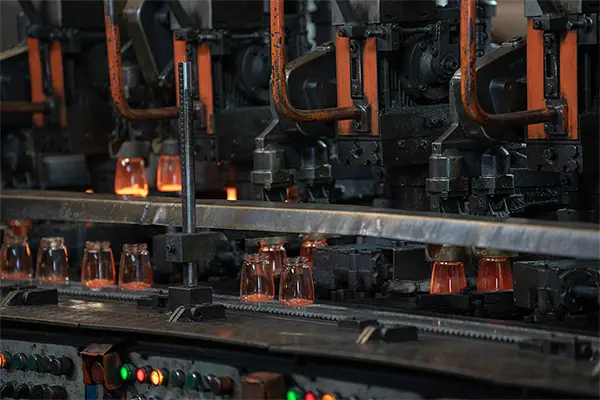
Challenges & Engineering Solutions: During material selection, our quality assurance team identified stress-cracking in ABS and PMMA plastics when exposed to natural oils over time, creating a chemical integrity hazard. Consequently, our materials team pivoted to a robust, food-safe polypropylene (PP) material, eliminating stress-cracking risks.
Outcomes: This material engineering shift ensured safety compliance, and the resulting product helped our B2B partner capture significant market share in the premium home accessories category.
Case Study 3: Small Straight Pepper and Salt Grinder Ergonomics
Background: Many manual salt and pepper mills are bulky, heavy, or focus on aesthetic elements at the expense of user ergonomics. We aimed to create a slim, compact option tailored for tabletop service and casual dining environments.
Design & Engineering: Our engineering team applied patented drive connections to reduce rotation resistance, providing smooth grinding action even in a smaller footprint. The minimalist cylinder design integrates easily into modern kitchen displays.
Outcomes: The compact grinder series received positive feedback from restaurant chains, proving that compact ergonomics can deliver reliable tabletop performance.
Macro Industry Trends: The Smart and Eco-Friendly Kitchen
The global culinary tool market is moving toward smart, electrified, and sustainable products. Consumers in Berlin and throughout Western Europe are increasingly choosing USB rechargeable electric grinders over single-use battery models. Sourcing departments can capture this trend by introducing models equipped with Lithium-Ion batteries and modern Type-C charging ports.
Simultaneously, environmental focus remains key. Wooden mills sourced from FSC-certified bamboo and sustainable acacia wood, combined with inert glass spice jars, are replacing plastic bodies. These materials align with regional eco-friendly preferences and project a premium brand image. Our catalog offers customizable options that balance clean styling, durable mechanisms, and eco-friendly components.
Berlin B2B Sourcing FAQ: Salt & Pepper Grinders
What certifications do your salt and pepper grinders carry for the German market?
Our product lines conform to European food contact directives, carrying full LFGB and FDA approvals certified by accredited bodies like SGS. All raw plastics are BPA-free, and glass elements are premium borosilicate glass, ensuring compliance with strict European retail guidelines.
What is the Minimum Order Quantity (MOQ) for custom OEM/ODM grinder orders shipped to Berlin?
For standard production designs, the baseline MOQ is 1,000 units. For fully customized styles requiring custom molds, color matching, or specific packaging adjustments, the MOQ is 2,000 to 3,000 units, depending on material specifications.
Why are alumina ceramic grinding burrs preferred over stainless steel or carbon steel?
Ceramic mechanisms are inert and will not oxidize or rust when exposed to moisture from coarse sea salt. Unlike carbon steel, which can corrode, or stainless steel, which can dull over time under high-mineral stress, ceramic burrs maintain their edge and prevent metal shavings from entering food.
What is the typical prototype and production lead time for European B2B orders?
Standard product orders are processed and prepared for shipping within 35 to 45 days. For custom OEM/ODM projects, initial 3D renderings are delivered within 7 business days, with physical samples prepared within 25 days, and mass production completed 45 to 60 days following sample approval.
Do you support DDP (Delivered Duty Paid) shipping to logistics warehouses in Berlin?
Yes, we work with experienced European maritime and air freight partners to coordinate customs clearance, import tax processing, and inland delivery directly to your facility in Berlin under DDP terms, or we can ship under FOB/CIF terms depending on your preference.
Can we customize the grinding adjustment settings for specific spice varieties?
Yes, our grinders feature adjustable dials that allow users to select coarse, medium, or fine outputs. We can configure the mechanism tolerances to suit specific spices, such as fine-milled pink Himalayan salt or coarser dried chili flakes.
Explore Our Industrial Product Line & Quotes
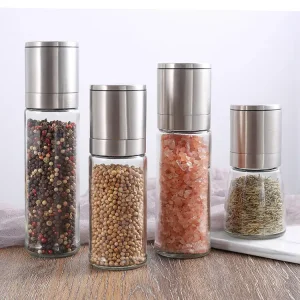
China Wholesale Contemporary Salt and Pepper Mills (Berlin Contemporary Series)
Request Spec & Quotes
ODM Vintage Salt And Pepper Grinders (Berlin Antique Design)
Request Spec & Quotes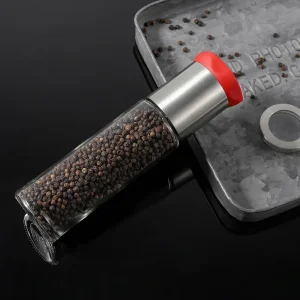
Best PCT Patent Chili Mill with Dual Stainless Steel Blades (Berlin Kitchen Series)
Request Spec & Quotes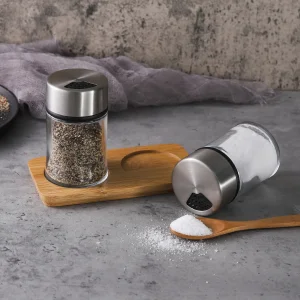
OEM Bulk Sale Salt And Pepper Shaker Set with Bamboo Base (Berlin Eco-Line)
Request Spec & Quotes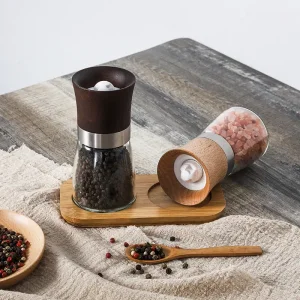
Wholesale Salt and Pepper Mill Set with Bamboo Base (Berlin Organic Bistro)
Request Spec & Quotes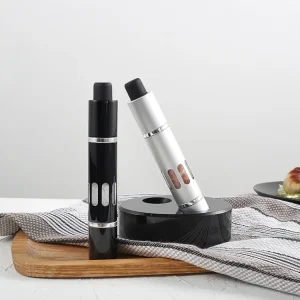
ODM Thumb-Press Mini Spice Grinder Set (Berlin Catering Edition)
Request Spec & Quotes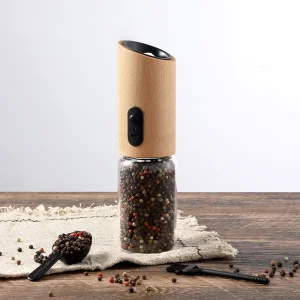
Wholesale USB Rechargeable Electric Wooden Pepper Mill (Berlin Tech Series)
Request Spec & Quotes