 Chinagama
Featured Precision Grinding Solutions for Germany
1. The German Culinary & Commercial Kitchenware Market Landscape
Germany represents one of the most sophisticated consumer goods and kitchenware markets in Europe. Guided by the principles of functional elegance, durability, and absolute hygiene safety, German commercial buyers and retail brands demand exceptional performance parameters. Across Germany’s retail spaces—ranging from high-end supermarket chains such as Edeka and Rewe to specialty department stores like Karstadt—there is an increasingly pronounced push toward ergonomic product architecture and high-performance plastic assemblies.
In terms of B2B distribution, German importers look for customizable private-label solutions that align with the regional focus on food preparation and high-quality cooking accessories. The HoReCa (Hotel, Restaurant, and Catering) segment across major German metropolitan hubs like Berlin, Munich, Frankfurt, and Hamburg demands robust design features: mechanical longevity, resistance to kitchen oils, ease of cleaning, and repeatable grinding accuracy.
Macro Insights: Material Preferences in the German Market
Consumers in the DACH region prioritize high-impact durability and sustainability. They show a clear preference for food-contact safe polymers (such as Tritan co-polyester, ABS, or eco-friendly PP composites) coupled with ultra-hard ceramic mechanism cores that prevent degradation over multi-year operational lifetimes.
2. Technical Roadmap & Advanced Engineering in Grinder Design
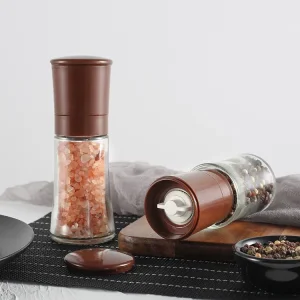
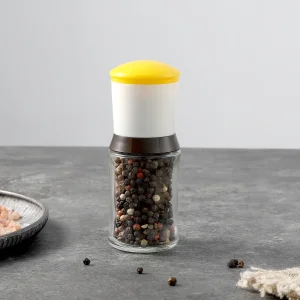
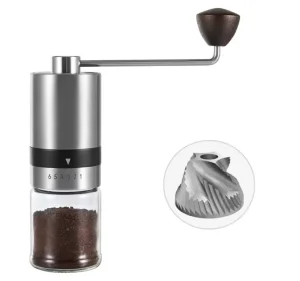
The engineering of contemporary plastic salt and pepper mills goes far beyond basic injection molding. At the heart of our research and development framework lies the optimization of structural dynamics and material science. A primary element of this roadmap is the integration of premium ceramic burrs rather than standard carbon-steel options. Ceramic grinding cores are highly resistant to moisture-induced corrosion (essential when handling hygroscopic sea salts) and maintain their structural edge profile under long-term shearing stresses.
Adjustable Coarseness Engineering
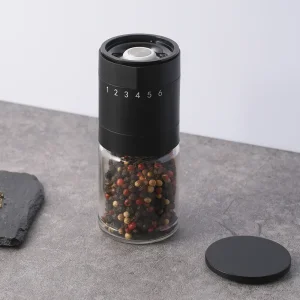
We utilize precision mechanical click-step dial designs. These adjusters allow professional users to shift seamlessly from coarse cracked peppercorns to an ultra-fine spice powder. The internal spring assemblies are engineered from SUS304 stainless steel, preventing setting shifts and guaranteeing uniform output across millions of rotations.
Polymer Technology
To meet high transparency requirements, we utilize premium polymers that offer glass-like optical clarity alongside high impact resistance. In our manufacturing lines, we formulate polymers that prevent stress cracking when exposed to the high concentration of natural essential oils found in black pepper, cloves, and cardamom.
3. Compliance, Standardization, and Food Contact Regulatory Framework
For German importers, regulatory compliance is non-negotiable. German food contact regulations are governed by the strict guidelines of the LFGB (Lebensmittel-, Bedarfsgegenstände- und Futtermittelgesetzbuch), which in many parameters exceeds the baseline European Union (EU Regulation No. 10/2011) standards and standard US FDA requirements. Our export programs are systematically tailored to meet these stringent protocols:
- LFGB Section 30 & 31 Certification: All polymers undergo strict migration testing (including global migration and specific chemical release limits) to guarantee zero sensory transfer to spices.
- BPA-Free Verification: Comprehensive structural testing ensures that no Bisphenol compounds are present in the structural components or product casings.
- REACH & RoHS Compliance: Strict limits on plasticizers, heavy metals, and polycyclic aromatic hydrocarbons (PAHs) are validated by internationally recognized third-party agencies (SGS, TÜV Rheinland, and Intertek).
Enterprise-Grade Quality Assurance
Our in-house laboratories feature advanced quality control facilities. Every raw batch of engineering plastics is subjected to spectrophotometry, stress-tension loading, and environmental chamber testing to simulate decades of exposure to humid kitchen environments.
This systematic commitment to regulatory engineering ensures that global brands can launch our products across EU retail networks without encountering compliance delays or custom hold-ups.
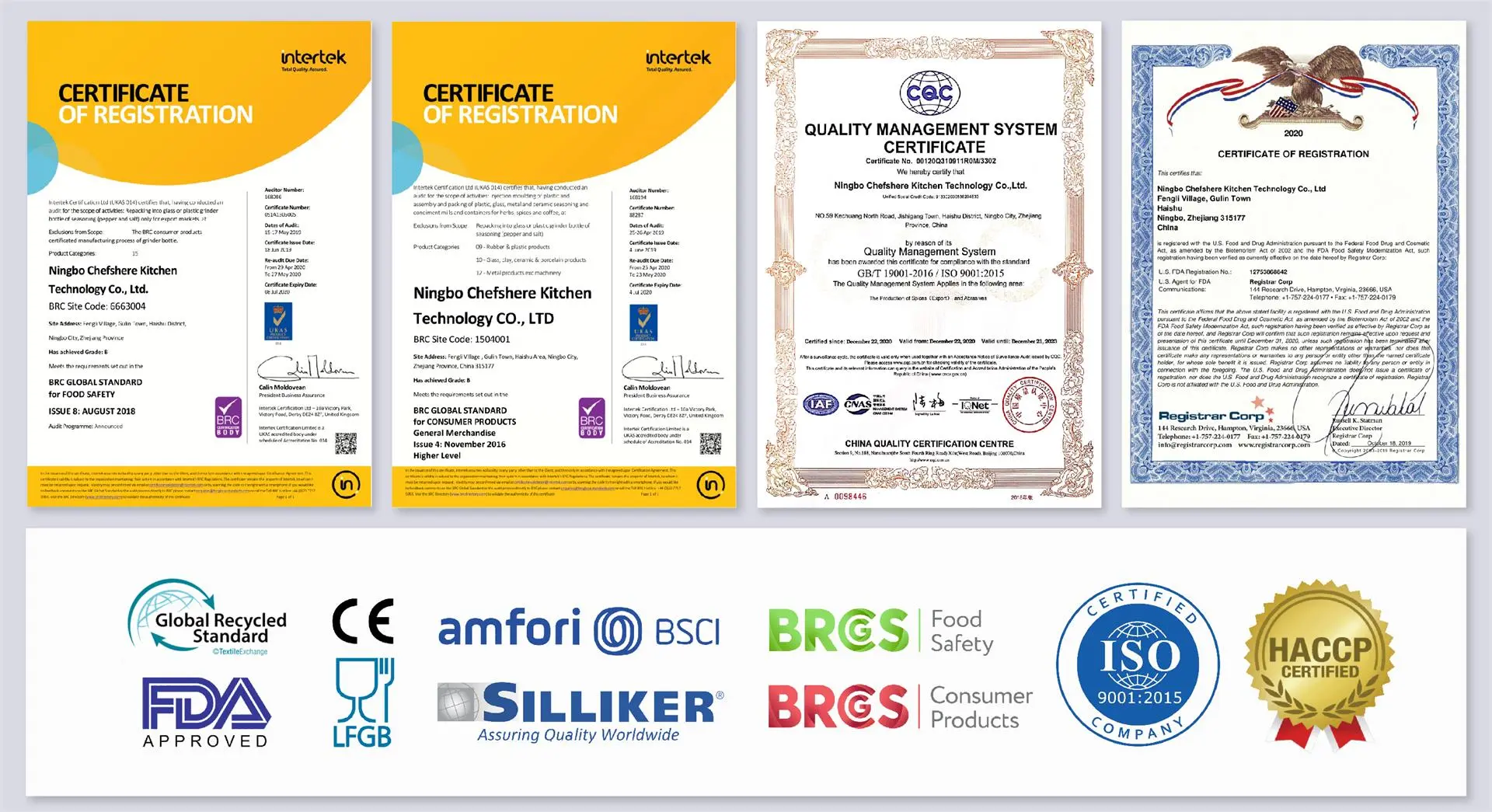
4. China Factory 4.0: Supply Chain Resilience & OEM/ODM Excellence
Established in 1997, Chinagama has evolved from a traditional trade company into an integrated manufacturing and engineering group. Our standardized food-grade facilities run on smart manufacturing principles, offering excellent scalability, repeatability, and supply chain transparency. Through automated plastic injection systems, mechanical assembly cells, and real-time Quality Management Systems (QMS), we keep lead times stable and eliminate manufacturing defects.
Our factory processes are structured to support both complex OEM partnerships and fast-turnaround ODM requests. By maintaining close partnerships with primary resin suppliers and managing in-house mold production shops, we mitigate typical supply chain bottlenecks and shield our partners from sharp market fluctuations.
B2B Case Studies: Innovation in Partnership
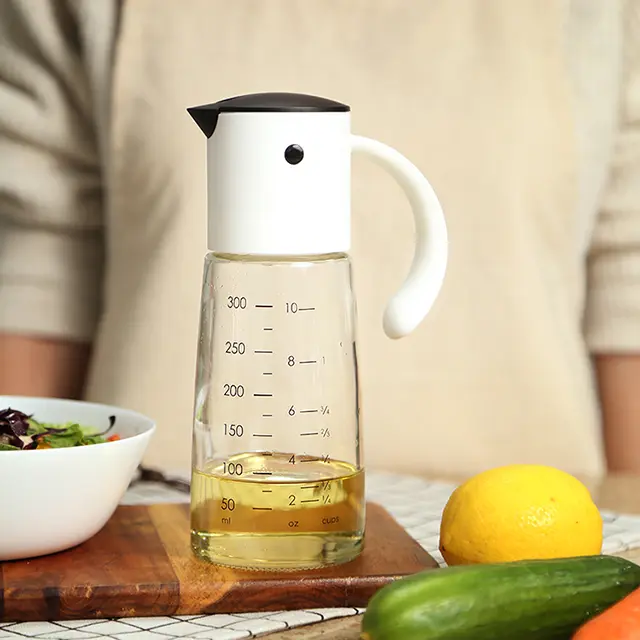
Bird Spout Oil Dispenser
Developed to address growing consumer demand for drip-free, single-hand operated oil dispensers. Achieved market acclaim and was honored with the Red Dot Design Award.
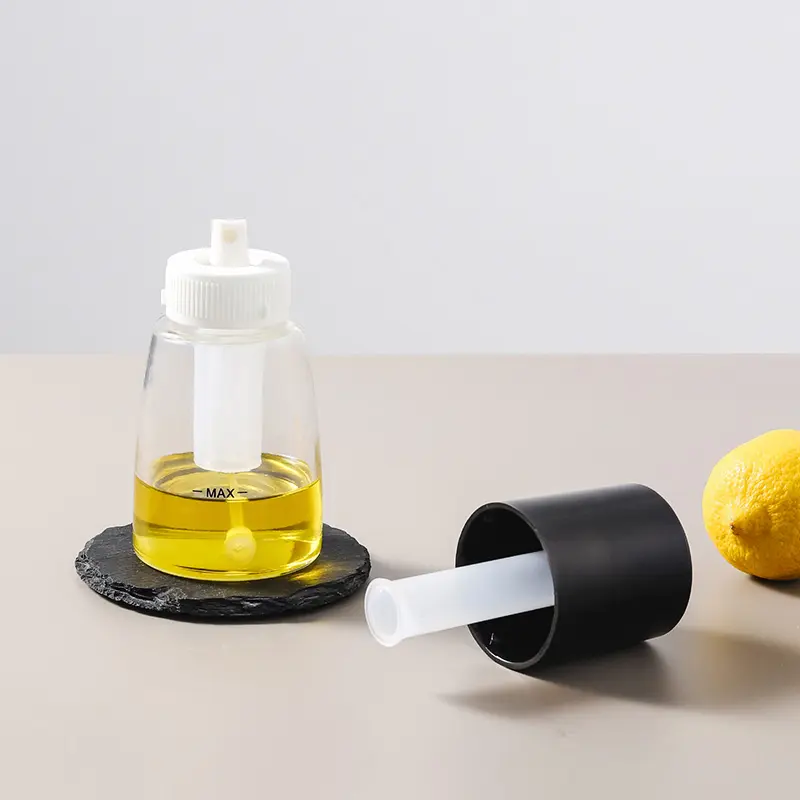
High-Performance Oil Sprayer
Collaborative project with a premium kitchenware brand. Overcame material challenges by switching to highly chemical-resistant PP material, ensuring total food safety.
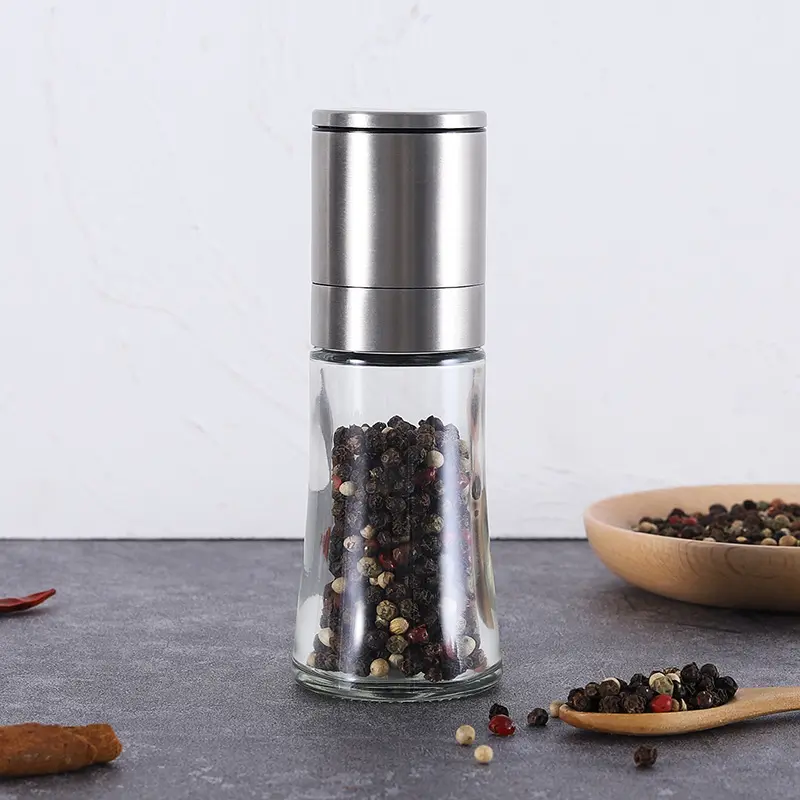
Ergonomic Grinder Redesign
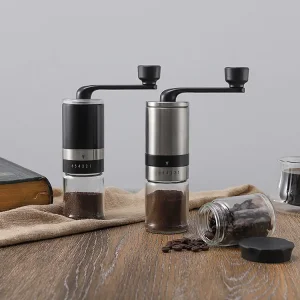
Re-engineered the standard manual mill mechanism, simplifying internal assemblies to provide a lightweight, comfortable grind experience with high reliability.
5. Global Enterprises Procurement Criteria
In B2B sourcing, the initial unit cost represents only a single variable in the overall Total Cost of Ownership (TCO). Procurement managers at leading German retail networks prioritize partners that can provide comprehensive manufacturing documentation, stable delivery logistics, and post-sales technical support. Standard requirements include:
- Consistent Color Matching: Precise compliance with Pantone and RAL color standards via spectrophotometric control for plastic bodies.
- Flexible Packaging Architecture: Custom shelf-ready retail boxes, FSC-certified cardboard options, and bulk industrial packaging to support high-speed distribution setups.
- Flexible MoQ Scales: Phased volume runs supporting regional product testing, seasonal brand promotions, and market verification programs.
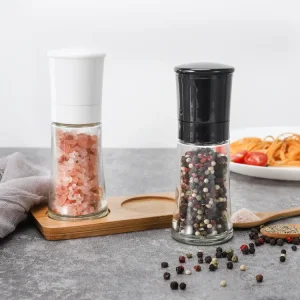
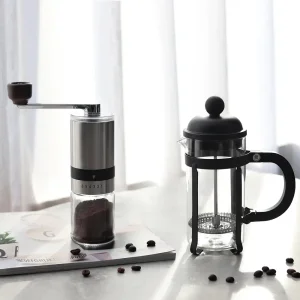
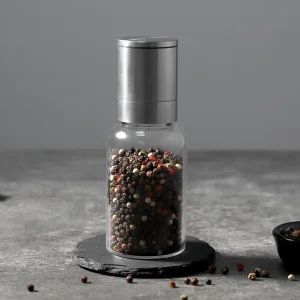
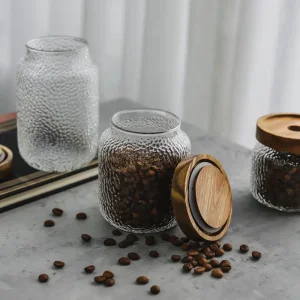
Extensive OEM/ODM Catalog for Germany
Additional Specialized Culinary Vessels
Frequently Asked Questions (FAQ)
What food-safety certifications do your plastic components carry for Germany?
All materials are fully compliant with German LFGB requirements (specifically Sections 30 & 31), EU Regulation No. 10/2011, and FDA standards. Third-party test certifications from SGS or TÜV are available upon contract initiation.
Can you manufacture custom brand designs (OEM/ODM)?
Yes. With our in-house engineering team and mold workshop, we offer complete customization—from initial industrial design and rapid prototyping to high-precision steel tooling production.
What is the standard production and shipping lead time for European ports?
Standard mass production lead time is 35 to 45 days post design confirmation. Maritime shipping from Ningbo/Shanghai ports to Hamburg, Bremen, or Wilhelmshaven typically takes between 30 and 40 days, depending on shipping line scheduling.
Why is a ceramic mechanism better than carbon steel for salt grinding?
Ceramic mechanisms are completely chemical-resistant and do not oxidize when exposed to salt crystals and atmospheric humidity. Carbon steel will rust in salt environments, making ceramic the industry standard for premium, long-lasting mills.
Ready to Enhance Your Product Line?
Connect with our engineering and B2B pricing desks today to receive tailored product specs, compliance catalogs, and competitive pricing proposals.
Send Inquiry Now