 Chinagama
Hot-Sourcing Spanish Market Innovations
Selected high-performance grinding mills optimized for Spain's premium HORECA sectors and domestic gourmet spaces.

Understanding Spain's Grinder Market Dynamics
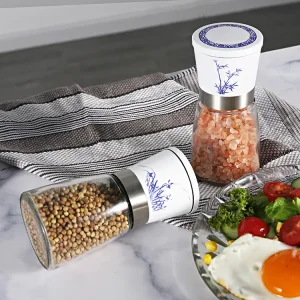
The culinary identity of the Iberian Peninsula stands as a global beacon of gastronomic excellence. From the rustic wood-fired grills of Basque Country to the sophisticated Michelin-starred establishments of Madrid and Catalonia, the demand for precise seasoning solutions has skyrocketed. In Spain, spice manipulation is considered an art form. The modern consumer and commercial procurement channels are shifting aggressively from pre-ground seasonings to fresh-ground mills, preserving the essential oils of black pepper, sea salt, rosemary, and dried peppers.
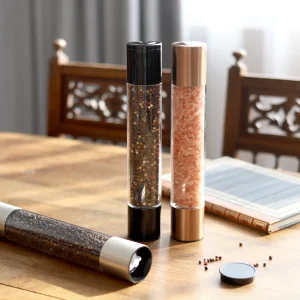
This culinary shift defines a major search intent pattern for Spanish kitchenware distributors, hotel supply chains, and B2B buyers: they seek robust, highly customizable, and sustainable pepper mill sets that can withstand intense service hours while matching modern Spanish aesthetics. The incorporation of ceramic grinding mechanisms, adjustable coarseness thresholds, and non-corrosive metals is no longer optional—it is a critical baseline for commercial viability.

Global Industry Architecture & Chinese Efficiency
Navigating the global supply chain for high-volume spice mills requires an understanding of raw material logistics, design innovation, and manufacturing margins. While many European brands claim historical design heritage, the massive engine of global supply relies on specialized Chinese industrial corridors. Advanced factories in China, such as Chinagama, bring unparalleled structural efficiency, combining raw material sourcing (such as sustainable bamboo, food-grade acrylics, and precision ceramic burrs) with automated assembly pipelines.
Chinagama's state-of-the-art production plants leverage centralized component logistics, cutting down turnaround times by up to 40% compared to Western manufacturers. By integrating design prototyping (via rapid CAD/CAM modeling), injection molding, precision burr tolerances, and comprehensive ISO-compliant testing under one roof, we eliminate intermediate handling fees, delivering unparalleled pricing power to global distributors and Spanish sourcing organizations.
For Spanish businesses importing kitchenware, this means lower minimum order quantities (MOQs) for highly custom designs, shorter lead times to key European ports like Barcelona, Valencia, and Bilbao, and absolute consistency in product dimensions and cosmetic finishes.
Industrial Scale & Global Performance Benchmarks
Empowering B2B supply chains through tested capacities, industry-leading design breakthroughs, and validated global scale.
Chinagama Kitchenware: Leading Culinary Innovation Since 1997
Our structured evolution from an international trade group into an award-winning, patent-holding manufacturer.
Red Dot Winning Concept: The Bird Spout Project
Market research within Europe indicated a sharp B2B demand for drip-free, ergonomic oil dispensers. Standard designs on the market suffered from messy oil drips and poor physical handling. To solve this, Chinagama designed and built the **Bird Spout Gravity Oil Dispenser**.
By implementing a gravity-sensitive lid that opens and closes seamlessly during pouring, our design team resolved consumer frustration. The striking design was awarded the prestigious **Red Dot Design Award** and has remained a cornerstone of premium retail line extensions throughout Europe and Spain.
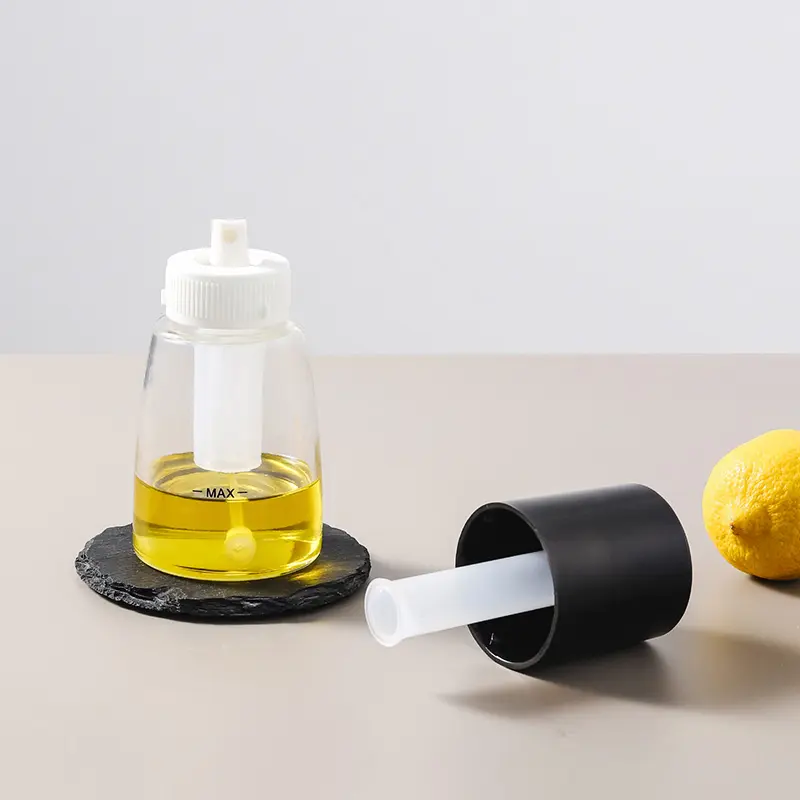
Material Research Breakthough: Oil Mist Sprayer
Collaborating with a prominent kitchenware importer, our R&D engineers set out to manufacture a continuous-mist oil sprayer. Early prototype batches constructed with standard ABS and PMMA plastics experienced micro-fractures and stress cracking when exposed to lipids over long cycles.
Through systematic stress testing, our material science lab replaced the brittle polymers with food-safe, high-impact **PP (Polypropylene)**. This alteration eliminated stress cracking entirely, ensuring the product passed strict EU LFGB and US FDA food contact inspections, safeguarding the partner's brand reputation.
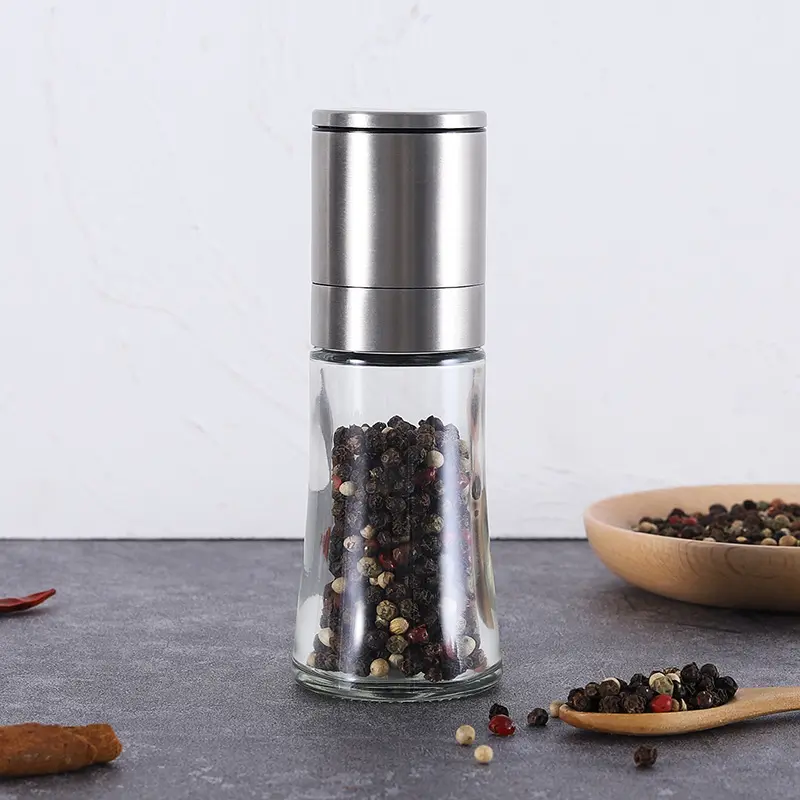
Ergonomic Manual Spice Mills: Resolving Hand Fatigue
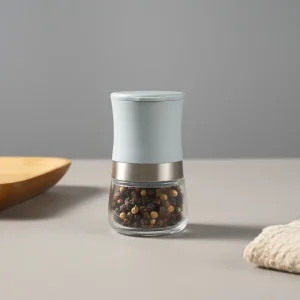
Traditional wood pepper mills are often overly bulky, making them difficult to operate for children, the elderly, or busy kitchen staff. Chinagama responded by patenting a straight-profile, high-ratio internal gearing system that minimizes the rotational force needed to grind tough spices.
This design combines sleek modern aesthetics with physical ease of use, establishing a highly functional line of compact grinders that have captured substantial market share within European residential kitchenware retail networks.
Local Application Scenarios & Emerging Market Trends
How B2B buyers in Barcelona, Seville, and Madrid customize their spice mills to capture local buyer demographics.
Eco-Conscious Retail
Spanish buyers are shifting toward zero-plastic consumer products. Grinder bodies crafted from bamboo, FSC-certified beechwood, or innovative recycled ocean plastic (RPET) are seeing high growth on store shelves.
Smart Automation
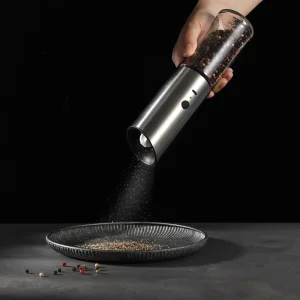
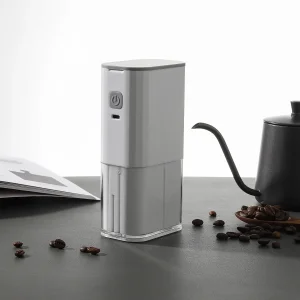
One-handed cooking convenience has accelerated the demand for gravity-activated and USB-rechargeable automatic grinders in modern apartments and tapas prep lines.
Regulatory Conformity
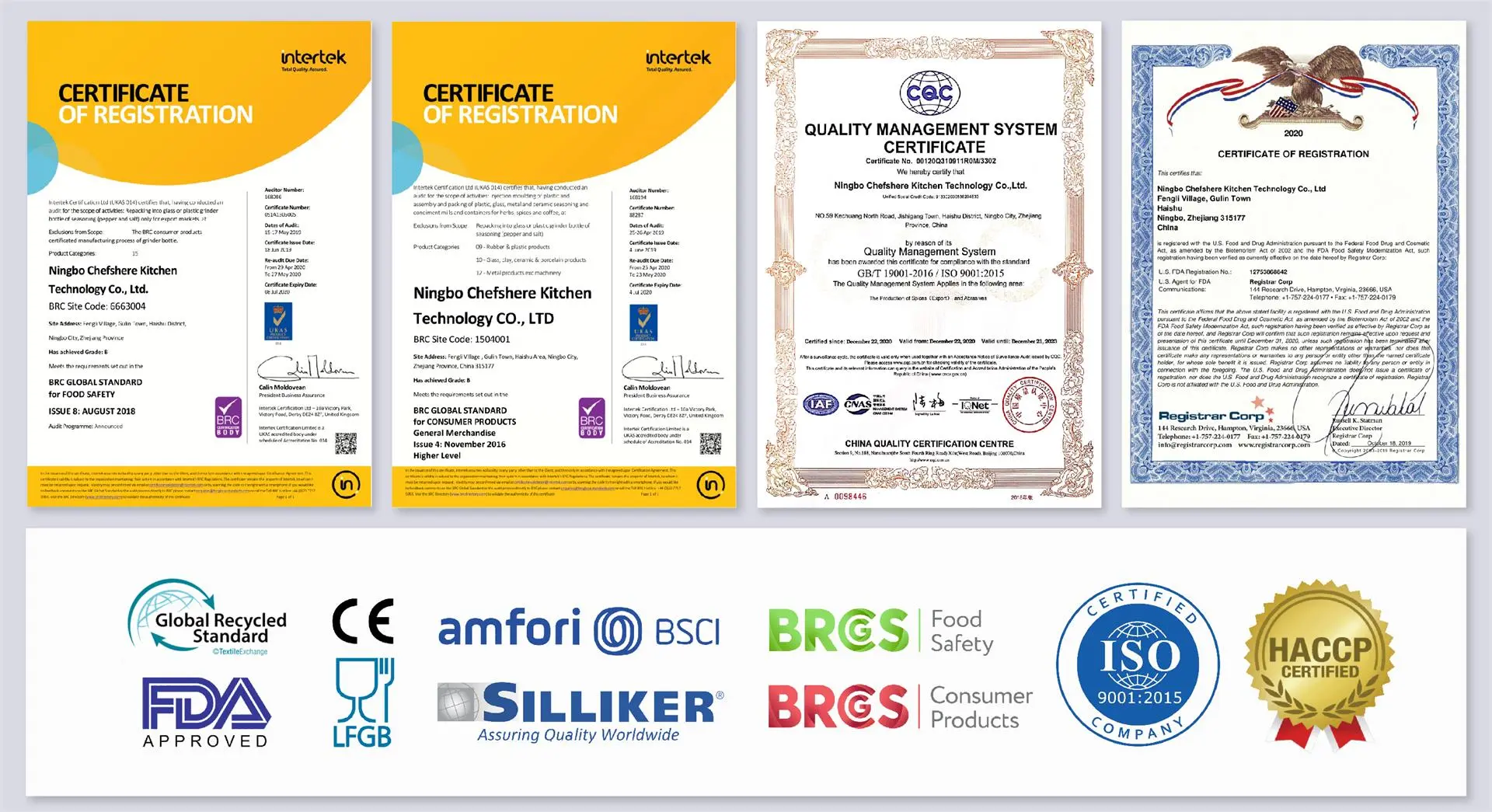
Custom items must bear clear certification marks. Chinagama provides complete CE, LFGB, and FDA raw materials verification for every order shipped into Spain.
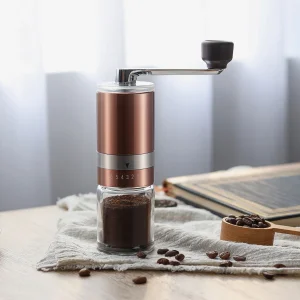
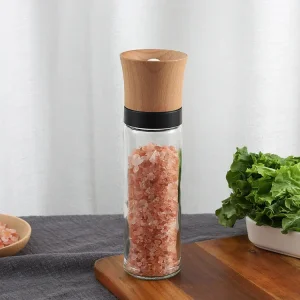
Premium Bulk Sourcing Catalog
Expand your commercial inventory with high-margin, market-tested manual and electric grinders.




Compliance & Specialized Kitchenware Catalogs
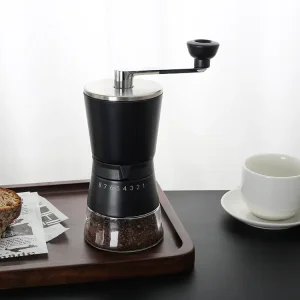
Engineered to conform with rigid international food safety systems and dynamic multi-purpose utility design.

Frequently Asked Questions: Sourcing Pepper Mill Sets from China to Spain
Get immediate answers to logistics, quality regulations, customization capacity, and manufacturing pipelines.