 Chinagama
Premium Kitchen & Storage Solutions For Portugal
A curated selection of high-demand culinary tools, advanced borosilicate glass systems, and automation solutions engineered for European quality standards.


The Industrial & Commercial Landscape of Portugal
Portugal's domestic market is undergoing an unprecedented modernization wave, heavily driven by its thriving tourism, hospitality (HoReCa), and design-centric retail sectors. Key economic hubs like Lisbon, Porto, and the Algarve region have become global benchmarks for culinary sophistication and high-end consumer experiences. This economic shift has directly altered procurement parameters: traditional, single-use, low-durability utensils are being phased out rapidly in favor of ergonomic, highly aesthetic, and food-safe custom kitchenware.
Furthermore, stringent European Union regulatory frameworks regarding plastic reduction and food contact materials (EU Regulation No 10/2011, LFGB, and FDA guidelines) require importers to seek manufacturing partners capable of providing complete material transparency. Exporters targeting the Iberian Peninsula must integrate these strict compliance mechanisms directly into their core manufacturing pipelines.

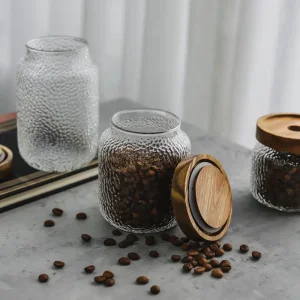
Strategic Insight: As European Union green policies tighten, Portuguese commercial buyers are moving towards circular-economy compliant packaging and table settings. Incorporating high borosilicate glass, natural acacia wood, and 304 stainless steel is no longer an option—it is an entry ticket to the European market.
Global Enterprise Procurement Dynamics: The Search for Information Gain
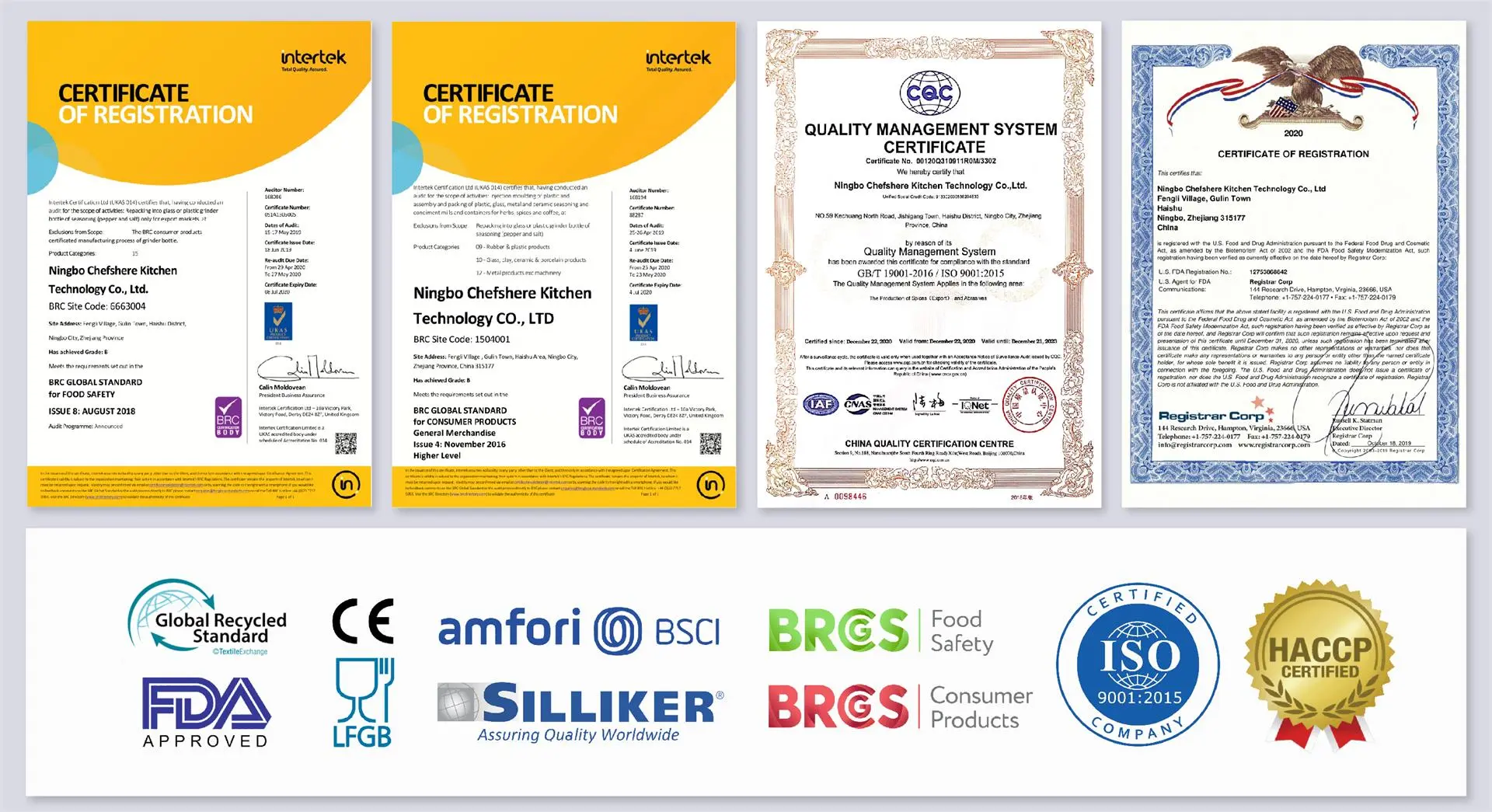
Modern global sourcing directors no longer evaluate suppliers solely on unit pricing. In the age of semantic search and intent-driven b2b pipelines, the modern procurement cycle prioritizes product durability, design patents, and regulatory validation. Exporters who provide comprehensive documentation, certifications (such as LFGB, FDA, CE), and verifiable testing reports achieve a significant competitive advantage.
Chinagama addresses these high-intent requirements through a robust R&D framework that guarantees product innovation while minimizing risks. By delivering physical "information gain"—in the form of original patented mechanisms, ergonomic design layouts, and certified toxin-free materials—we ensure that Portuguese importers and international brands can capture market share rapidly, confident in their product's integrity.
China Factory 4.0: Supply Chain Resilience & High Efficiency
Combining automation, lean manufacturing, and robust supply networks to shield global brands from regional market disruptions.
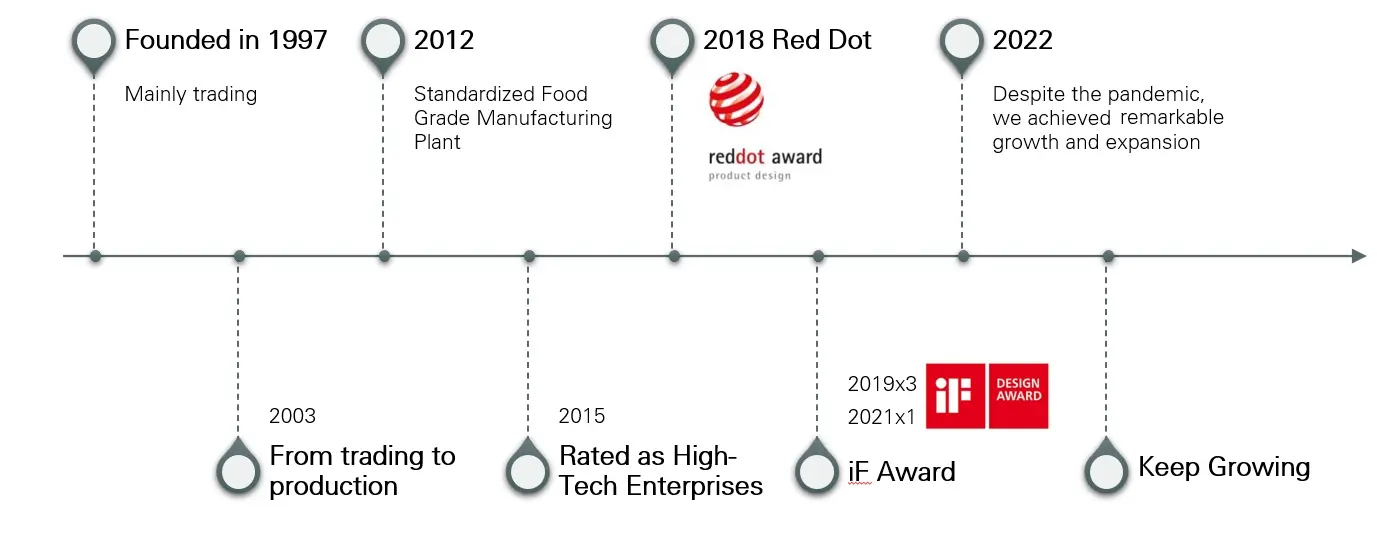
Industrial scalability relies heavily on supply chain transparency. At Chinagama, our transition from a traditional trading firm in 1997 to a high-tech manufacturing leader in 2003 established a paradigm for modern B2B kitchenware supply. Through our state-of-the-art facility founded in 2012, we combine advanced automation with stringent quality gates. This vertical integration allows us to produce high-precision grinding systems and storage solutions that withstand thermal, chemical, and physical stresses, safeguarding the reputations of our partners in Lisbon, Porto, and beyond.
Pioneering Culinary Innovations: The Design Journey
Examining our legacy of patented kitchenware engineering, from initial user research to global commercial success stories.
Red Dot Award Winning Bird Spout Oil Dispenser
Context & Research: Extensive consumer insight studies showed that traditional kitchen oil bottles suffered from messy leaks, unstable flow control, and unsanitary exposed spouts. Recognizing this, Chinagama set out to engineer an elegant, gravity-activated dispenser that opened and closed automatically when tilted, preventing messy drips.
Engineering Innovations: Our R&D team engineered a unique gravity lever mechanism integrated directly inside the food-grade silicone and stainless-steel spout. During trials, we analyzed multiple spout profiles to optimize pour speed and flow consistency. The finalized bird-shaped spout design ensures a clean pour every time, without messy residue buildup on the container exterior.
Market Impact: The product received immediate market acclaim, earning the prestigious Red Dot Design Award. It remains one of our most requested ODM products for brands looking to provide a premium user experience.
Technological Breakthroughs: The Oil Mist Sprayer Project
Collaborative R&D: A global kitchenware brand partner approached us with a high-performance oil mist sprayer concept designed for health-conscious consumers. The project required the development of a reusable container capable of aerosolizing oils without chemical propellants.
Material Selection Challenge: During initial testing, standard plastics like ABS and PMMA showed stress cracking under continuous contact with active vegetable oils. Recognizing the potential hazard, our engineering team pivoted to high-grade polypropylene (PP) and borosilicate glass. The result was a highly durable, food-safe, and pressurized pumping mechanism that creates a fine, consistent mist.
Outcomes: The new design allowed our partner to capture a dominant market share in the premium home accessories space, demonstrating our commitment to structural safety and mechanical precision.
Milestones of Quality & Innovation
How we grew from a regional trade specialist into a globally trusted OEM/ODM developer with over 300 patents.
1997 - The Journey Begins
Chinagama starts its operations, initially focusing on general trade. Early experience with global customers helped us recognize the rising international demand for durable kitchenware.
2003 - Strategic Focus on R&D
Driven by a passion for culinary design, we shift from trading to manufacturing, establishing a dedicated engineering team for custom spice grinders and coffee mills.
2012 - Food-Grade Smart Factory
We built our state-of-the-art manufacturing plant, streamlining production with automated assembly lines and clean-room injection molding areas.
2015 - Tech Enterprise & Design Awards
Chinagama is recognized as a national high-tech enterprise. Our designs earn the German Red Dot and IF Design Awards, solidifying our reputation in the industry.
Localized Application Scenarios in Portugal
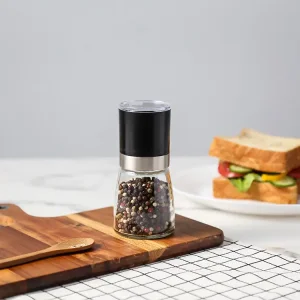
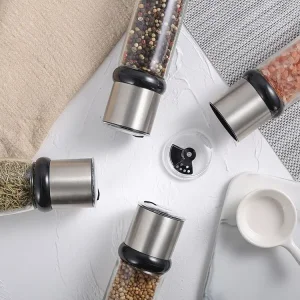
Portuguese culinary traditions demand tools that can handle tough, coarse sea salt harvested from the Algarve and robust local spices like piri-piri. Standard plastic grinding cores quickly wear out under these conditions. Our adjustable ceramic and carbon-steel grinding mechanisms are engineered to resist rust and mechanical wear, making them ideal for heavy usage in busy Lisbon bistros and Porto seafood houses.
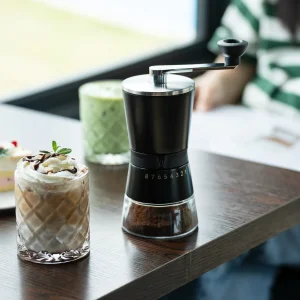
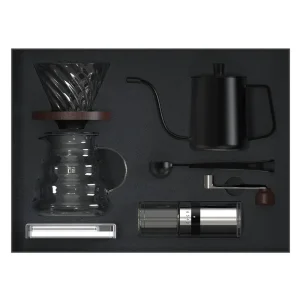
Additionally, Portugal's renowned coffee culture requires precise, consistent grinds to preserve the delicate flavors of traditional espressos. Our hand-burr coffee grinders and customized pour-over sets provide baristas and home enthusiasts with the control they need to extract the perfect cup. From kitchen storage to tabletop spice mills, our products are built to elevate daily dining experiences across Portugal.

Comprehensive Exporter Catalog Serving Portugal
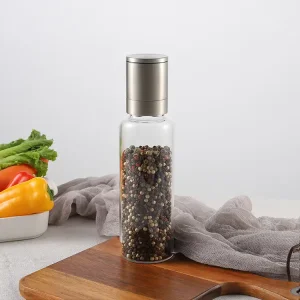
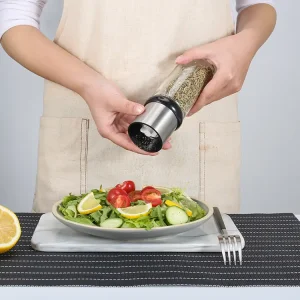
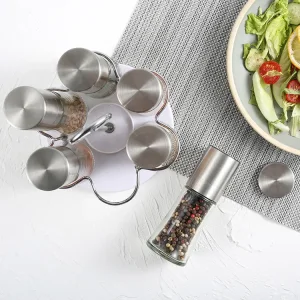
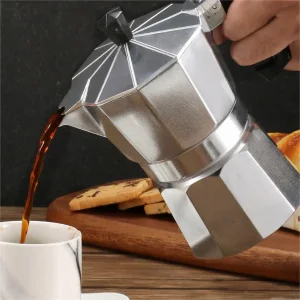
Explore our full range of customizable, patent-protected culinary equipment and storage containers, optimized for European compliance.




Expert Q&A: Global Sourcing & Regulatory Compliance
Get answers to common regulatory, customisation, and logistical questions about importing kitchenware and storage solutions to Portugal and the European Union.
What safety certifications are required for exporting glass and grinding items to Portugal?
To export food-contact items into Portugal and the wider European Union, products must comply with the Regulation (EC) No 1935/2004 framework. This includes passing rigorous testing for heavy metal leaching and plasticizers, as detailed under the German Food, Commodities and Feed Code (LFGB) standards and the French DGCCRF directives. High borosilicate glass jars and 304 stainless steel kitchenware are highly recommended due to their chemical stability and natural resistance to corrosion.
How does Chinagama ensure product quality and mechanical consistency in high-volume orders?
Our manufacturing processes follow strict quality standards at every step, from material inspection to automated assembly. Each batch of ceramic and carbon steel grinding mechanism undergoes stress tests to ensure long-term durability. By managing production in our own facility, we keep defective rates below 0.2%, providing reliable kitchenware solutions for our global brand partners.
Can products be customized for specific branding requirements?
Yes, we offer comprehensive OEM and ODM customization. This includes custom brand engraving, customized outer packaging, and choosing specific structural materials (such as plantation-grown acacia wood, bamboo, premium glass, or matte-finished metal). Our R&D team can also modify design features to align with the unique aesthetic preferences of your regional market.
How does importing from a Chinese Factory 4.0 benefit Portuguese supply chains?
Partnering with a Factory 4.0 manufacturer improves supply chain resilience. Through production scheduling, automated quality control, and direct logistics integration, we help reduce lead times and buffer brands against local market volatility. This ensures a steady, reliable supply of high-end kitchenware and storage solutions for importers.