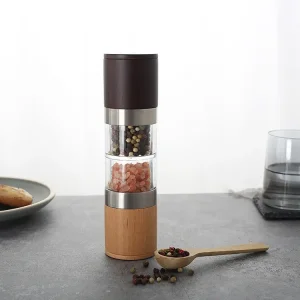
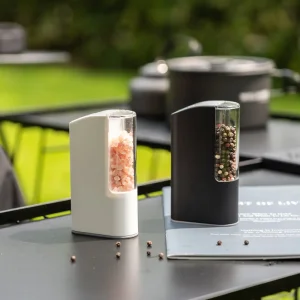
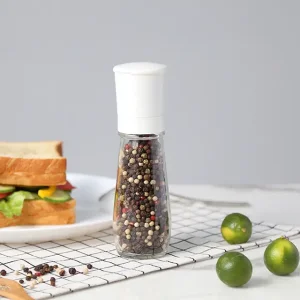
 Chinagama
Featured Manila Market Kitchen Essentials
High-volume ODM components meticulously designed to target Manila’s modernizing food preparation and retail sectors.
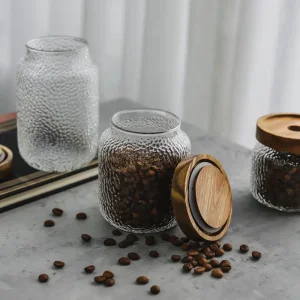


1. Manila’s Sourcing Transformation: The Commercial & Industrial Landscape
As the primary economic gateway of the Philippines, the Metropolitan Manila region is undergoing a massive shift in its retail, hospitality, and home goods sectors. Driven by a robust urban population and a surging commercial food service industry, regional demand for high-tier kitchenware and home products has reached historic heights. Distributors, restaurant suppliers, and consumer-goods importers in Manila are moving away from cheap, single-use alternatives and transitioning toward highly durable, aesthetically refined products that satisfy both consumer and regulatory safety standards.
The modernization of retail centers in districts like Makati, Bonifacio Global City (BGC), and Ortigas, combined with the expansion of local e-commerce networks across Luzon, has created a sophisticated class of buyers. These buyers demand exceptional design (such as Red Dot & IF Design Award recognition), rigorous safety compliance, and consistent supply chain reliability. For local wholesale firms, finding global manufacturing partners with state-of-the-art tooling capabilities and OEM/ODM flexibility is the key to maintaining market dominance.
The Shift Towards High-Quality Kitchen Sourcing
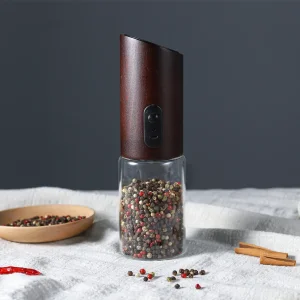
For decades, Manila relied on lower-grade bulk merchandise. Today, modern supermarkets, department stores, and specialty home brands expect certified food-contact safety materials (FDA, LFGB compliant), ergonomic designs, and functional innovations. Kitchen tools like manual pepper mills, oil dispensers, and storage containers are no longer just utilitarian objects; they are key design statements in contemporary households and premium dining tables across Manila.
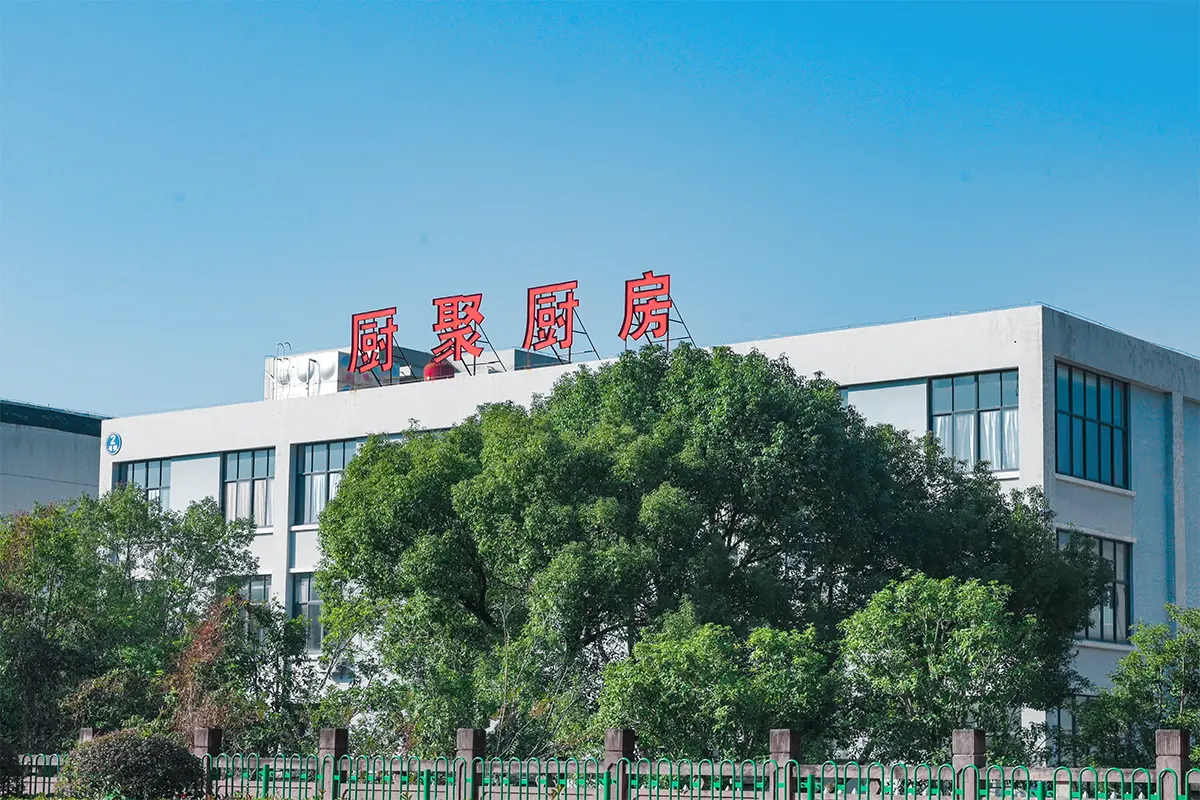
2. Technical Roadmap & Future Sourcing Outlook
In the B2B kitchenware domain, staying ahead of design trends and materials science determines market longevity. Our engineering team focuses on continuous innovation, integrating technology with culinary culture. Our technical roadmap focuses heavily on structural durability, high-efficiency mechanical designs, and environmentally sustainable materials to meet global market demands.
Smart Grinding Tech
Implementation of adjustable, wear-resistant ceramic burrs and food-grade stainless steel shafts, enabling smooth, dust-free grinding for spices and coffee beans.
Eco-friendly Materials
Phasing out standard plastics for Acacia wood, high borosilicate glass, and non-toxic food-grade PP polymers to support circular economy initiatives globally.
Ergonomic Controls
Gravity-activated dispensing and single-hand push button systems designed to streamline culinary workflows in home kitchens and fast-paced commercial bistros.
Over the next decade, we anticipate a sharp rise in connected smart kitchens and eco-conscious procurement. Our R&D efforts are actively targeted toward combining renewable materials with high-efficiency automation. For importers in Manila, aligning with this roadmap ensures a catalog that meets tomorrow’s safety laws and consumer trends.
Manufacturing Scale & Global Influence
Quantifiable verification of our global production efficiency, industrial dominance, and client trust.
3. The Journey of Chinagama: Designing the Future of Kitchenware
A legacy built on precision engineering, shifting from general trade to high-tech international manufacturing excellence.
1997
Chinagama begins its trade operations, laying down a strong network and identifying structural gaps in the global distribution of home products.
2003
Strategic shift from trading to dedicated manufacturing, establishing key production centers to satisfy global design standards.
2012
Inaugurated a fully standardized, state-of-the-art food-grade factory, paving the way for international food safety certifications.
2015 - Present
Recognized as an official High-Tech Enterprise, securing over 300 design and engineering patents, winning multiple Red Dot and IF Design awards.
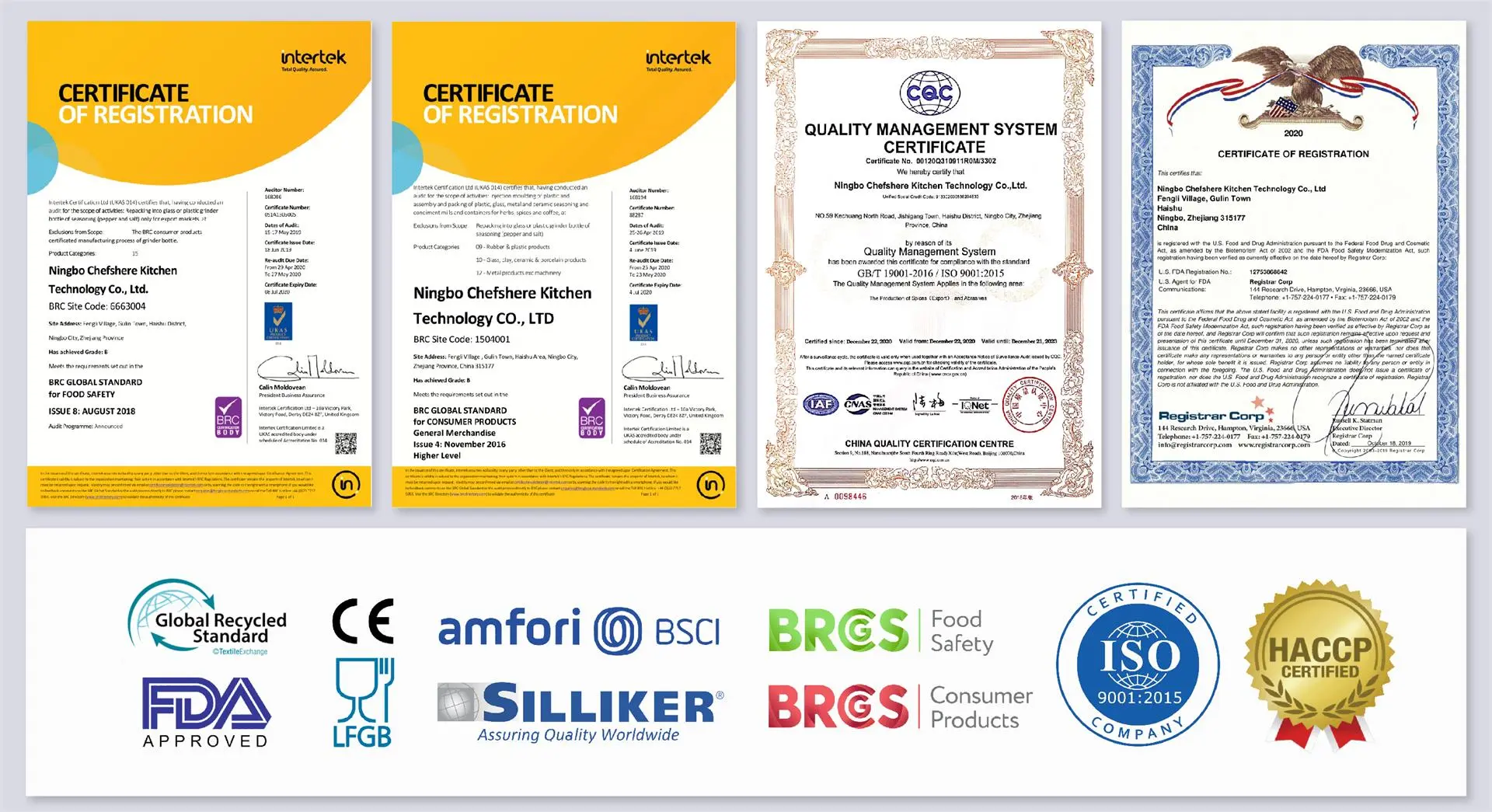
Commitment to Global Standards & Reliability
Our manufacturing processes operate under strict, multi-tiered quality control checks. From raw materials selection to final custom packaging, each production run undergoes intense testing. This standard is validated by international third-party certifications including LFGB, FDA, and SGS audits, ensuring compliance and peace of mind for Manila B2B buyers and their end consumers.
4. China Factory 4.0: Supply Chain Resilience & Cost-Efficiency Advantages
Modern international retail requires absolute agility. Through our automated "Factory 4.0" production lines, we combine high-volume output with precision manufacturing. Utilizing automated injection molding, high-precision robotic assembly, and digitalized quality tracking, we reduce lead times and maximize cost efficiencies.
For Manila importers, this level of automation mitigates traditional manufacturing risks like delayed shipments or high reject rates. With a production output exceeding 12 million units annually, our supply chain guarantees consistent product supply even during peak seasonal demands.
Optimal Maritime Logistics and Tariff Strategy
Located within close proximity to major deep-water ports (Ningbo & Shanghai), we optimize shipping routes directly to the Port of Manila (North/South Harbor). This maritime positioning allows us to minimize inland logistics costs, secure favorable sea freight rates, and offer structured documentation for fast customs clearance.
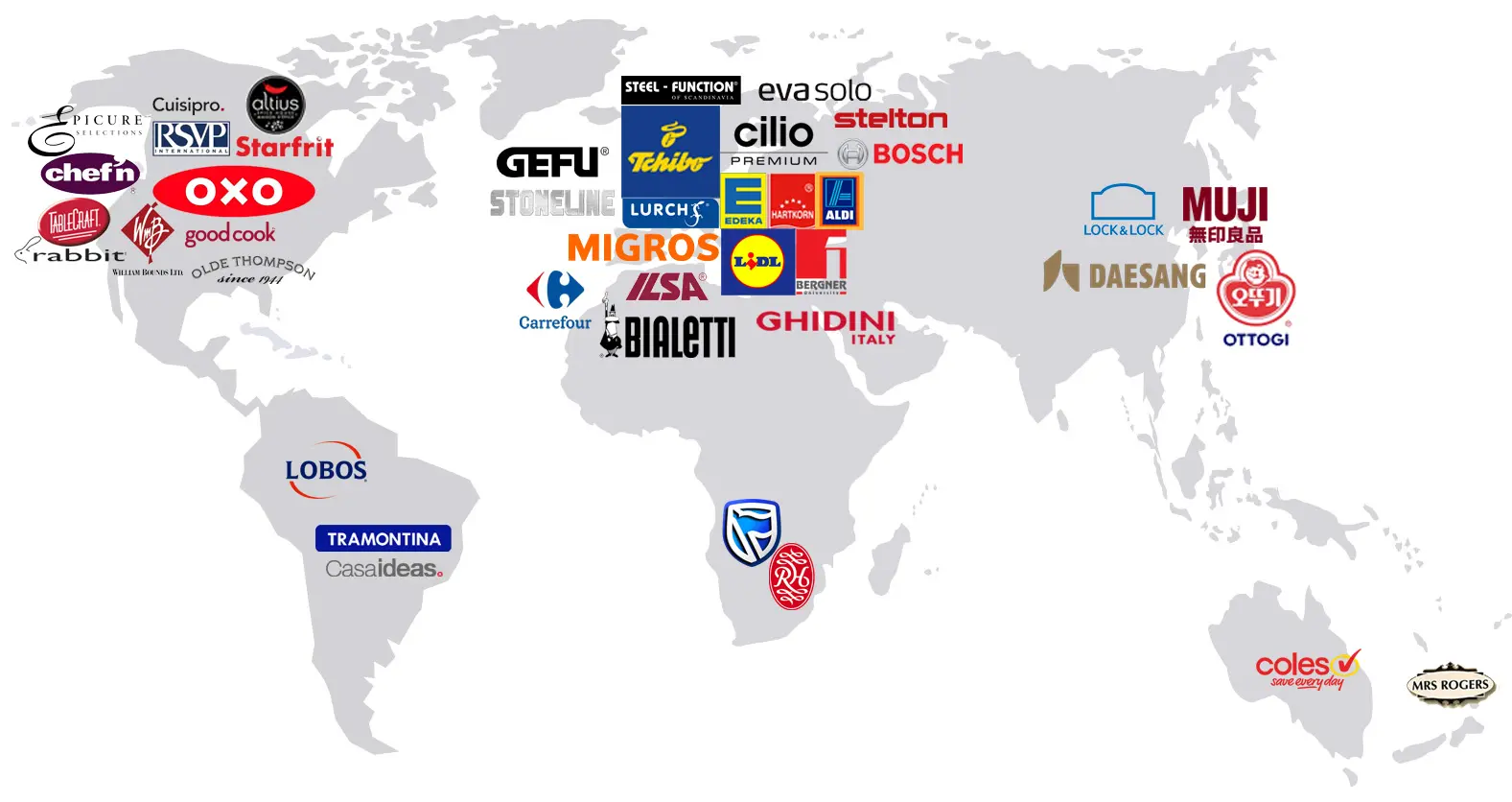
5. Engineering Excellence: Inside Our Collaborative Development Success
Our R&D division acts as an extension of our clients' teams, translating complex product ideas into market-ready consumer goods. Below are three case studies highlighting our engineering solutions and material safety controls.
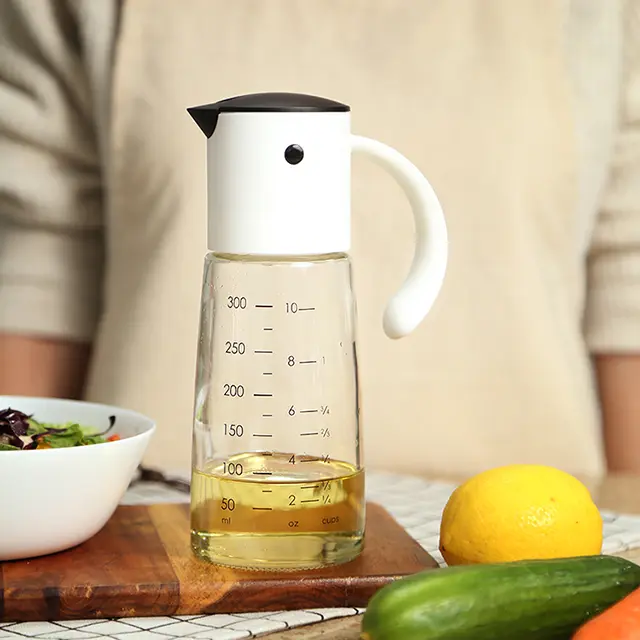
Case Study 1: Red Dot Award Bird Spout Oil Dispenser
The Objective: Market research identified a growing demand for a gravity-fed oil dispenser that prevented spills and operated with one hand.
The Design Solution: We developed a bird-spout profile utilizing a mechanical pivot weight. As the user tilts the vessel, the lid opens automatically, pouring with zero dripping. This design achieved high market success and earned the prestigious Red Dot Design Award.
Case Study 2: Material Innovation in High-Performance Oil Mist Sprayers
The Challenge: High-performance kitchen oil sprayers require robust structural integrity. Early tests with ABS and PMMA polymers revealed vulnerability to stress cracking when exposed to lipids, posing product life risks.
The Engineering Pivot: We replaced those polymers with high-grade, non-toxic PP (Polypropylene) material. This adjustment eliminated structural degradation, ensuring long-term product durability and chemical safety.

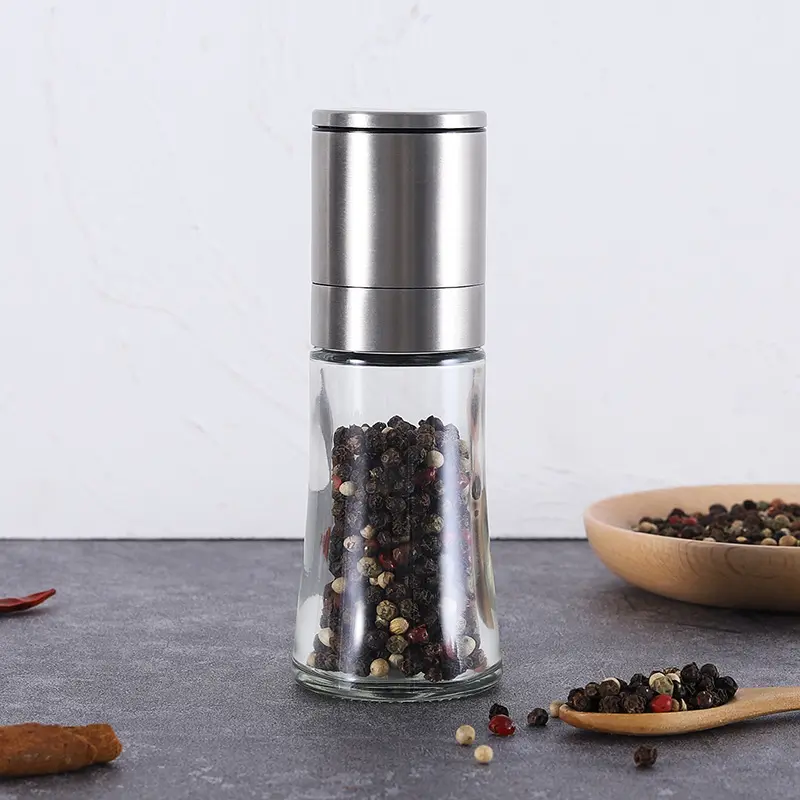
Case Study 3: Redefining the Classic Pepper & Salt Grinder
The Design Focus: Traditional spice mills often featured overly complex designs that compromised durability and user experience.
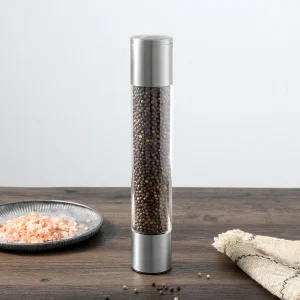
The Breakthrough: Our engineers designed a compact, straight-profile grinder utilizing a patented ceramic grinding mechanism. This integration reduced physical footprint while maximizing grinding performance, earning positive feedback from global culinary professionals.
6. Localized Support & Compliance for the Philippine Market
Importing kitchenware and electrical devices into Manila requires deep alignment with the Philippine Bureau of Customs (BOC) rules, Food and Drug Administration (FDA Philippines) standards, and domestic retail trends. Chinagama provides complete export documentation compliance to guarantee smooth custom clearances.
Documentation Assurance
Provision of Certificate of Origin, detailed test reports, and fully compliant shipping manifests to prevent delays at the Port of Manila.
Custom Packaging & Branding
Localized packaging options, multilingual assembly instructions, and barcoding designed to integrate seamlessly into SM, Robinsons, and online platforms like Lazada and Shopee.
Flexible MOQs & Logistics
Strategic LCL (Less than Container Load) and FCL (Full Container Load) support tailored to match the seasonal procurement cycles of local Manila distributors.
7. Frequently Asked Sourcing Questions (FAQ)
Professional sourcing advice for corporate buyers, restaurant suppliers, and distributors in Metro Manila.
Explore Our Full ODM & OEM Product Catalog for Manila
Preserving original URLs, localized titles, and structural dimensions for wholesale and retail procurement.