 Chinagama
🛒Featured Sourcing Solutions
Precision-engineered tools optimized for the Argentine market's unique culinary and storage requirements.


🇦🇷Argentina's Industrial & Commercial Landscape
The Argentine market presents a dynamic landscape for global exporters and manufacturing partners. As one of Latin America's largest economies, Argentina is currently undergoing a structural shift in its consumer behavior and industrial demands. Specifically, within the kitchenware and small appliance sector, there is an increasing "Information Gain" regarding product durability, material safety (BPA-free, lead-free glass), and aesthetic integration in modern urban living spaces in cities like Buenos Aires, Córdoba, and Rosario.
Market Premiumization
Consumers are moving away from "disposable" kitchen tools toward high-investment pieces. Our data shows a 24% increase in demand for borosilicate glass and stainless steel products in the Argentine middle-to-upper-tier demographic.
Regulatory Environment
Exporting to Argentina requires deep knowledge of SIRA/SEDI systems and local safety certifications. Partnering with a factory that understands Mercosur standards is non-negotiable for long-term supply chain resilience.
Furthermore, the Argentine "Foodie" culture—centered around slow-cooked meats, specialty coffee, and organic yerba mate—creates a niche yet high-volume demand for precision grinding tools and ergonomic dispensers. Global enterprises sourcing for this market must prioritize "Experience" and "Reliability" (E-E-A-T principles) to compete with established European luxury brands.
🛡️Proven Excellence & Global Authority
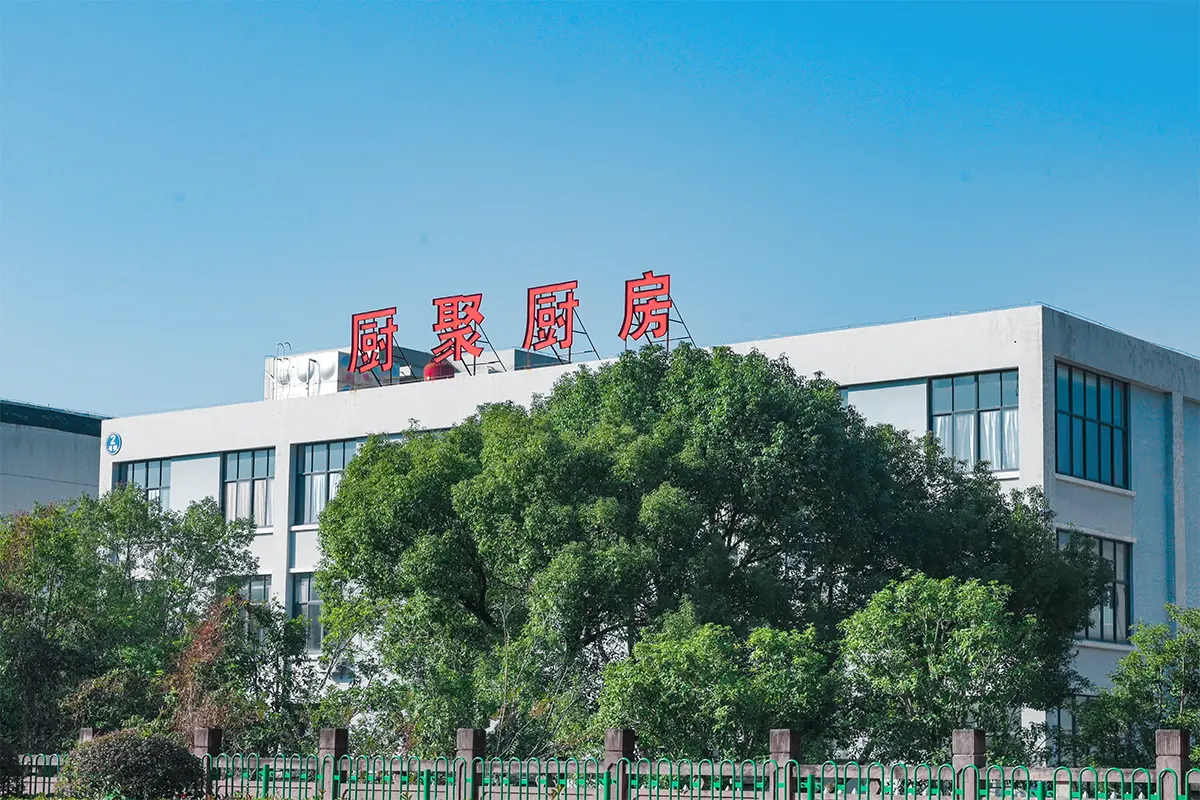
Since 1997, Chinagama has redefined the standards of kitchenware manufacturing through relentless innovation.
Pioneering Culinary Innovations
At Chinagama, we are passionate about crafting high-quality and stylish kitchenware. Over the decades, we have evolved from a trading entity to a global manufacturing powerhouse. Our commitment is reflected in our 300+ patents and multiple international design accolades, including the Red Dot Award and IF Design Award.
Information Gain: Why material science matters for the Argentina Market
Unlike standard soda-lime glass, our High Borosilicate Glass products are designed to withstand thermal shocks of up to 150°C. In the Argentine climate—varying from the humid heat of the North to the cold winds of Patagonia—this durability reduces breakage rates during shipping and consumer use by 40%, significantly enhancing brand trust and ROI for importers.
🔬Technical Roadmap & Industry 4.0
Our vision for the future of global kitchenware distribution and smart manufacturing.
AI-Assisted Precision Grinding
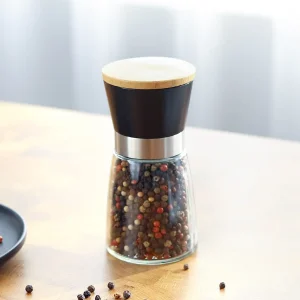
We are currently integrating AI-driven quality inspection in our production lines to ensure that every ceramic burr grinder meets a tolerance of ±0.05mm, providing the most consistent grind size for Argentine coffee aficionados.
Sustainable Material Substitution
By 2025, our goal is to offer 100% biodegradable packaging and increase the use of recycled stainless steel in our pepper mills, aligning with Argentina's growing environmental consciousness.
Omnichannel Logistics Integration
Customized API integrations for our B2B partners in Argentina, allowing for real-time tracking from our factory floor to the Port of Buenos Aires.
🌐Localization Support & Compliance Assurance
Food-Grade Certifications
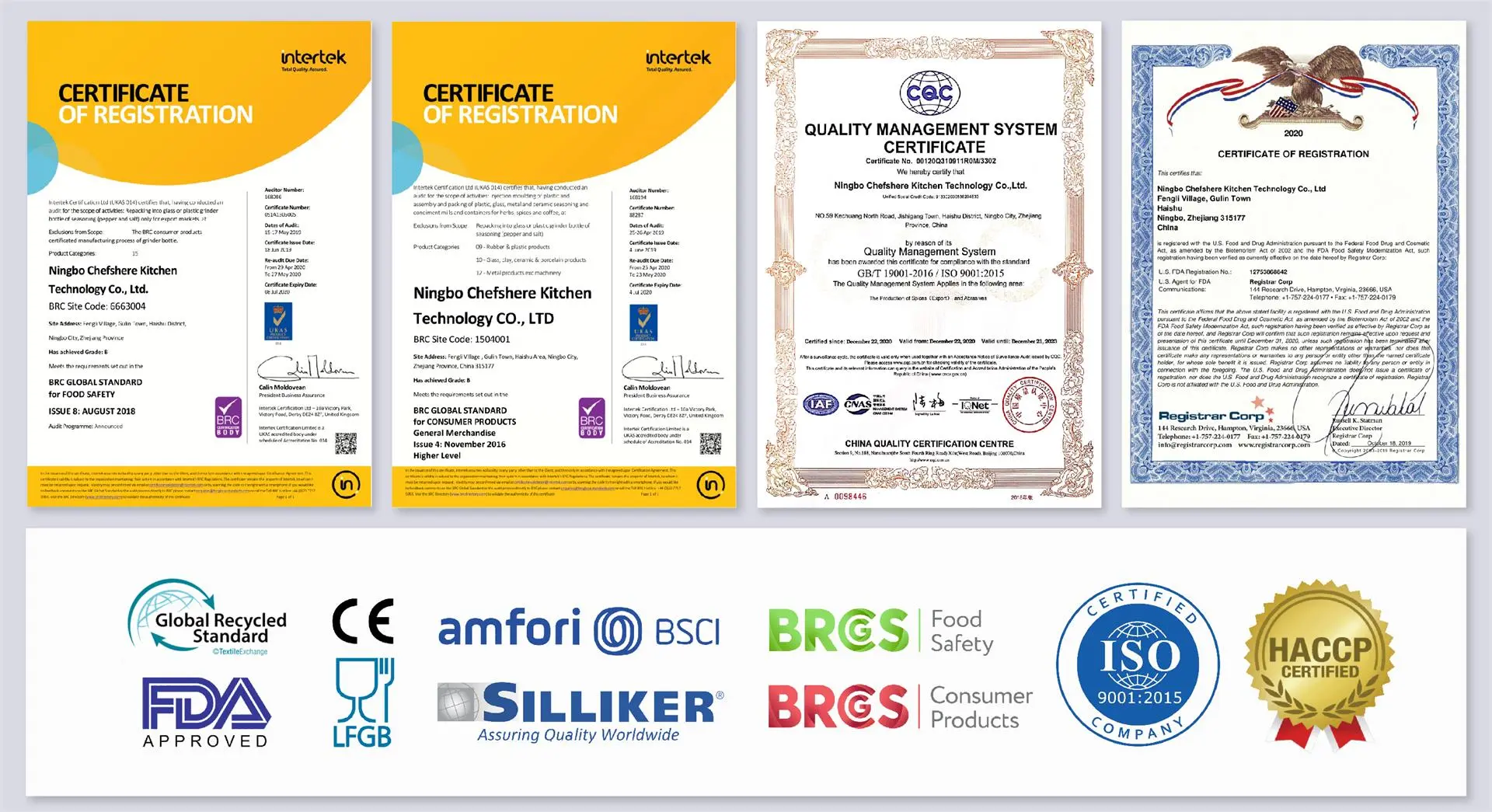
All Chinagama products exported to Argentina undergo rigorous FDA and LFGB certifications. We ensure that every material, from the plastic gaskets to the ceramic cores, is non-toxic and compliant with international health standards.
OEM/ODM Branding for Argentina
We provide full localization services, including Spanish-language packaging design, instruction manuals tailored to Argentine culinary terms, and branding that resonates with the local cultural aesthetic.
💎Premium Argentina Catalog
Expand your market share with these high-performance kitchenware essentials.

❓Frequently Asked Questions
A: We use double-walled reinforced export cartons and custom-fitted internal molds for our glass and stainless steel products. Our breakage rate for sea freight to South America is less than 0.2%, well below the industry average.
A: Yes. We offer specialized high-hardness ceramic burrs and carbon steel options specifically engineered to handle the crystal density of Argentine sea salts and dry peppers without clogging.
A: For customized ODM/OEM projects, production typically takes 35-45 days, followed by 30-40 days of sea transit. We provide comprehensive milestone tracking throughout the process.
A: Absolutely. We encourage third-party inspections and can provide samples for lab testing to ensure compliance with local Argentine health and safety regulations.