 Chinagama
Premium Kitchenware Innovations for Sri Lanka
A handpicked selection of our top-tier oil and vinegar dispensing technologies configured for domestic distribution and commercial hospitality venues across Colombo, Kandy, and Galle.
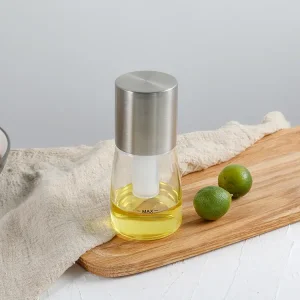
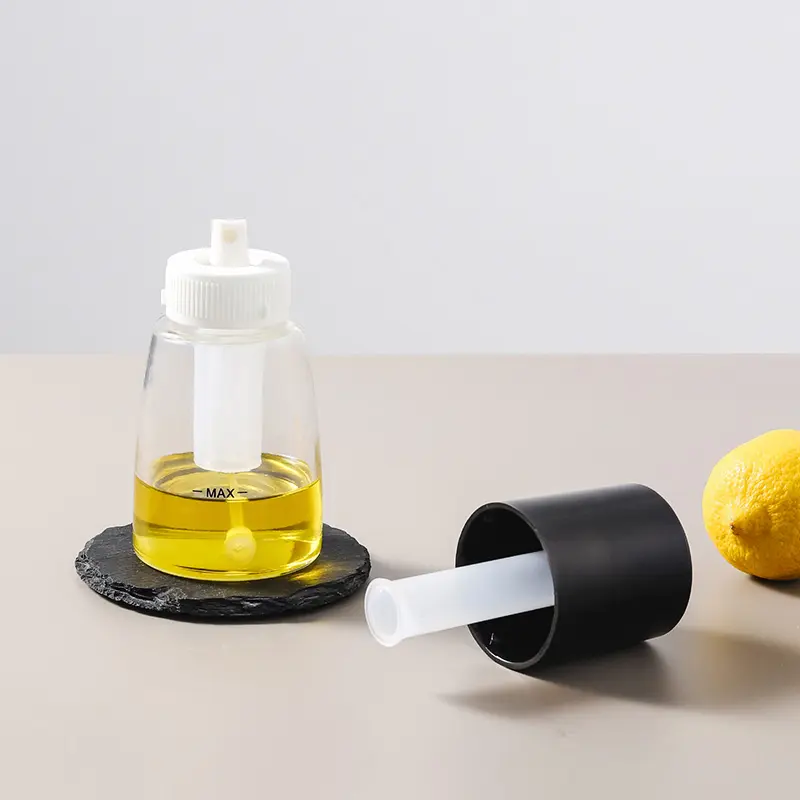
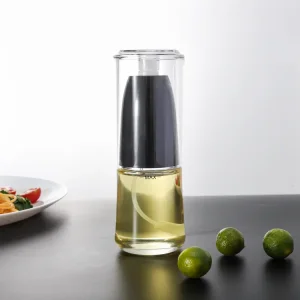
ODM Glass Oil Mist Sprayer for Culinary Creations
Explore Specifications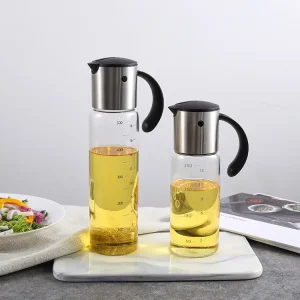
Famous Bulk Sale Stainless Steel Gravity Oil Dispenser Manufacturer, Factories
Explore Specifications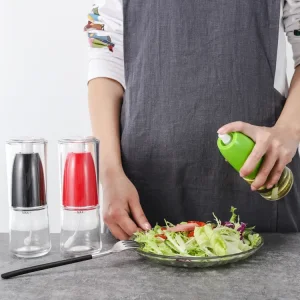
ODM Glass Oil Sprayer with Plastic Top
Explore Specifications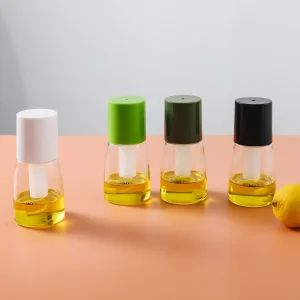
Best Olive Oil Mist Sprayer Bottle for Cooking Manufacturers, Pricelist
Explore SpecificationsSri Lanka's Glass Condiment Dispenser Market: Macro Trends & Opportunities
Over the past decade, Sri Lanka’s hospitality and residential kitchen sectors have undergone a significant evolution. Fueled by a thriving tourism economy along the coastlines of Galle and Weligama, and urban expansions within Colombo, consumer expectations for culinary aesthetics and utility have soared. Condiment storage is no longer viewed merely as functional storage; it has transformed into a critical element of table presentation and dining experiences.
Sri Lankan cuisine features a vast array of oils, such as extra-virgin coconut oil and sesame oil, alongside artisanal vinegars derived from coconut sap (toddy vinegar). These liquid condiments present distinct storage challenges due to their varying viscosity levels and susceptibility to rancidity when exposed to light, air, and low-quality plastics. In response, high-borosilicate glass and grade-304 stainless steel have emerged as the preferred materials for high-end importers, retail chains, and hotels.
Information Gain Insight: Standard polymers like ABS and PMMA frequently suffer from environmental stress cracking (ESC) when they come into contact with the volatile compounds present in vegetable and spice oils. Chinagama’s engineering transition to chemically inert materials such as Borosilicate Glass and Food-Grade Polypropylene (PP) provides wholesalers with products built to last, preventing leaks and chemical contamination.

Global B2B Supply Chains and the Sri Lankan Import Market
As international supply chains optimize, Sri Lankan distributors require partners that offer reliable ODM and OEM production. Choosing a manufacturer that handles both R&D and final assembly helps minimize the typical delays associated with sourcing from multiple suppliers. Chinagama supports Sri Lankan B2B partners by offering customized packaging solutions, port-to-port container optimization, and compliance documentation for all major trade channels.
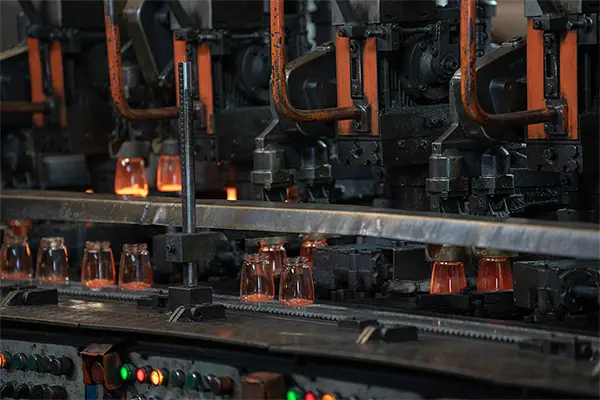
By leveraging advanced automated assembly lines, we maintain production volumes exceeding 16 million units annually. This scale enables us to absorb raw material cost fluctuations, providing Sri Lankan wholesalers with competitive pricing structures and reliable delivery timelines.
Engineering Case Studies and Structural Breakthroughs
A transparent look at how Chinagama solves real-world mechanical and material challenges to engineer kitchenware that stands up to daily use.
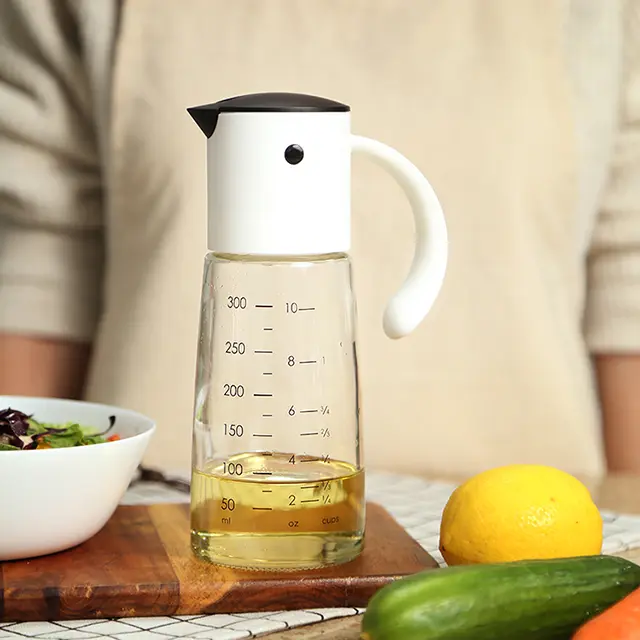
1. The Award-Winning Gravity Spout Dispenser Project
The Opportunity: Through market research, we identified a growing consumer demand for kitchen tools that balance clean aesthetics with one-handed usability. Traditional oil cruets often required manual opening or suffered from slow, messy drips that ran down the side of the bottle.
The Breakthrough: Chinagama designed a gravity-fed "bird spout" mechanism. Utilizing a counterweight closure, the lid swings open automatically when tilted and seals shut when placed upright, preventing countertop messes. This innovative marriage of form and function earned the prestigious Red Dot Design Award and remains a top choice for premium private labels globally.
- One-handed pour activation via weighted pendulum lever.
- Integrated drip-return system prevents external run-off.
- Borosilicate body is heat-resistant and easy to clean.
2. Overcoming Chemical Stress Cracking in Oil Mist Sprayers
The Challenge: During the collaborative development of a high-pressure oil mist sprayer with a key partner, we ran into structural issues. Our early prototypes used ABS and PMMA polymers for the pump housing. Under constant contact with vegetable oils, these materials degraded, resulting in micro-cracks and pressure loss.
The Solution: Our engineering team analyzed the chemical interactions and switched the fluid-contact components to high-density Polypropylene (PP) and Tritan. These food-grade, BPA-free plastics offer excellent chemical resistance, ensuring the sprayer retains its pressure and structural integrity over years of regular use.
- Replaced degraded polymers with premium, food-safe PP components.
- Optimized internal gaskets to handle high-viscosity oils.
- Ensured compliance with strict FDA and LFGB international regulations.
Tailored Solutions for Sri Lankan Business Models
How our product engineering integrates directly into Sri Lanka's domestic markets, hospitality chains, and export structures.
Hospitality & Luxury Resorts
Five-star hotels and boutique resorts in locations like Bentota and Kandy require tabletop accessories that match their high standards of service. Our gravity-fed dispensers and drip-free spouts keep tables clean and elevate the guest dining experience.
Retail & Supermarket Chains
Sri Lanka’s modern retail sector is growing, and consumers are looking for premium kitchenware. Our retail-ready packaging and customizable branding options help distributors capture shelf space and offer distinct value in a competitive market.
Condiment Packaging & Exports
Sri Lankan brands that export premium oils and vinegars can add value by packaging their products in high-quality glass dispensers. Providing a reusable, drip-free bottle helps premium brands stand out and attract international buyers.
Our Comprehensive Vinegar and Oil Dispenser Catalog
Explore our full range of customizable containers, gravity-fed bottles, and dual-purpose kitchen dispensers, built to meet global food safety standards.
ODM Customized Modern Gravity Oil & Vinegar Dispenser
Explore Specifications
Wholesale Olive Oil Bottle with Silicone Brush
Explore Specifications
Wholesale Breakfast Tools Honey Jam Glass Jars with Spoon
Explore Specifications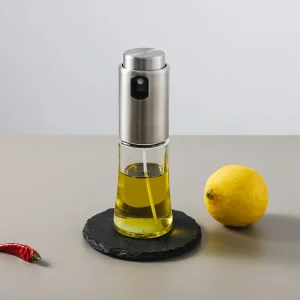
Wholesale Bulk Sale Mini Cooking Oil and Vinegar Sprayer Products, Factories
Explore Specifications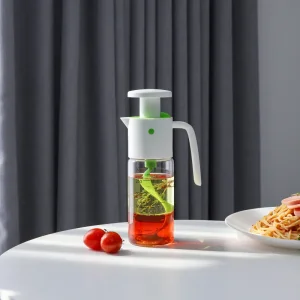
Famous IF Design Award Salad Dressing Mixer Bottle Factory, Suppliers
Explore Specifications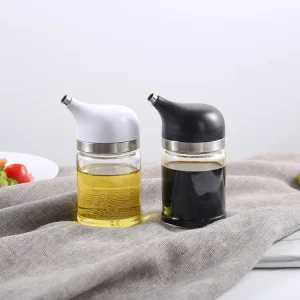
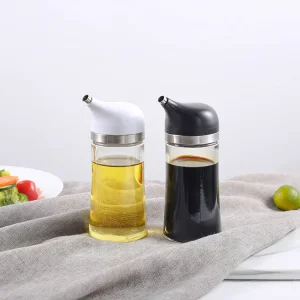
High-Quality Customized Adorable Glass Oil and Vinegar Dispenser Manufacturer, Product
Explore Specifications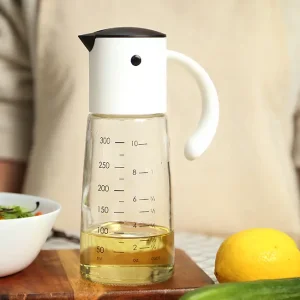
OEM Red Dot Design ODM Gravity Oil Dispenser Companies, Quotes
Explore Specifications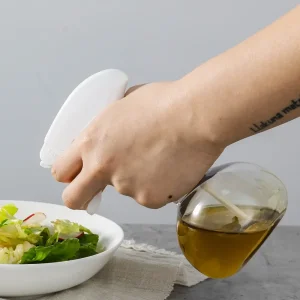
Buy Bulk Sale Handheld Pump Misty Olive Oil Sprayer Service, Factory
Explore Specifications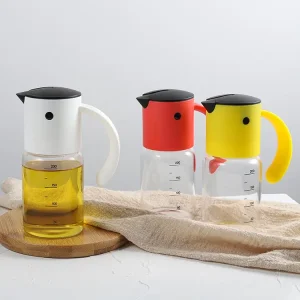
Materials Roadmap & Manufacturing Standards
A breakdown of the strict quality benchmarks, material selections, and safety certifications behind every Chinagama product.
Advanced Polymeric and Glass Engineering
For kitchenware brands looking to establish a reliable product line, material selection is critical. Over years of research, our design team has refined our materials to address common durability issues:
- Borosilicate Glass: Chosen for its resistance to thermal shock and chemical corrosion, ensuring it remains clear and free of residues over time.
- Tritan Copolyester: Provides the clarity of glass with the impact resistance of plastic, offering a durable, shatterproof solution for busy kitchens.
- Food-Grade Stainless Steel (SUS304): Used in our structural components and pour mechanisms to resist corrosion from acidic vinegars and salty marinades.
Quality Assurance and Global Certification Compliance
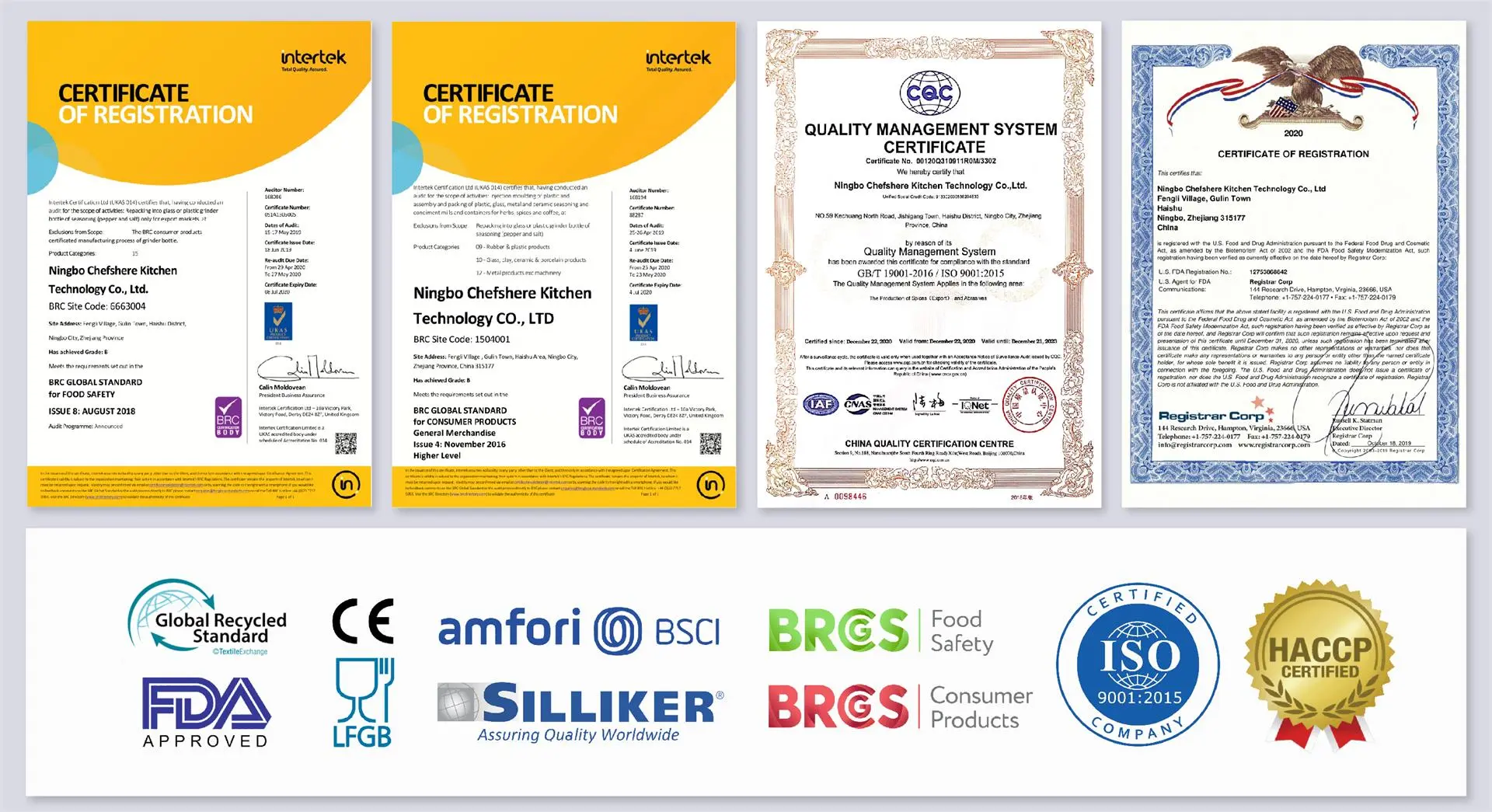
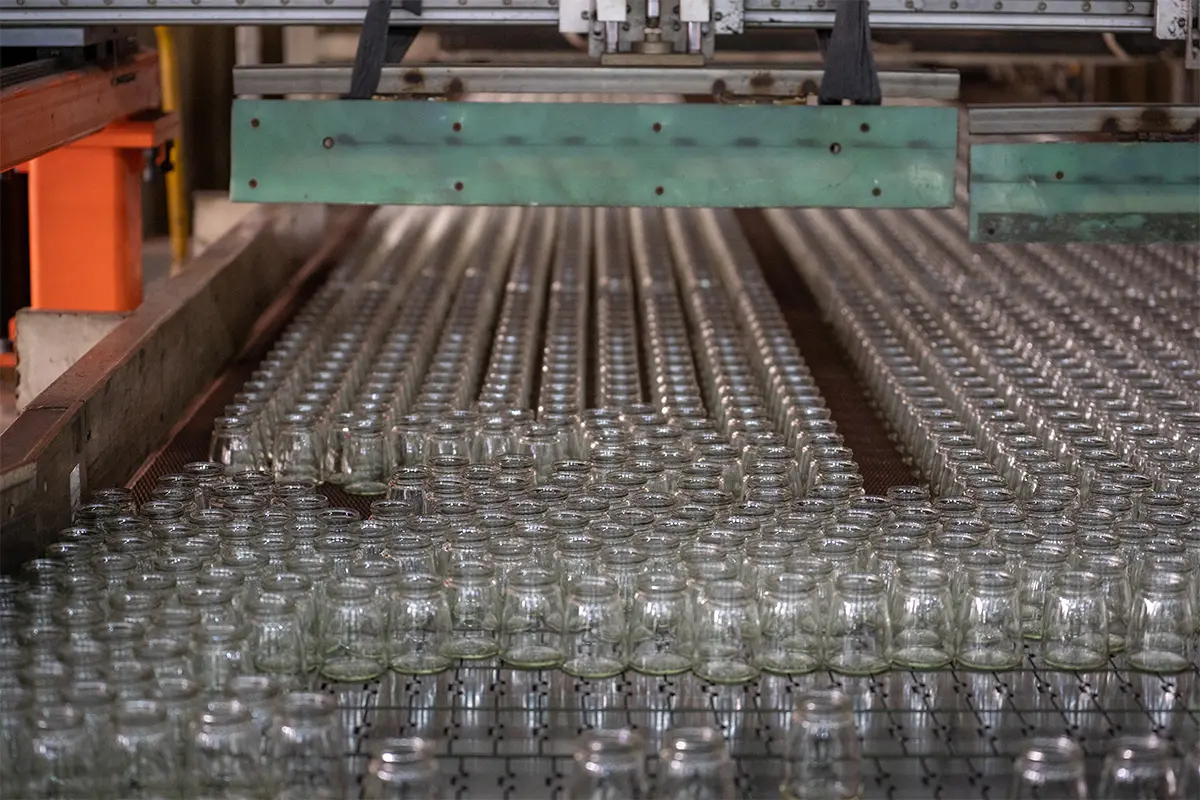
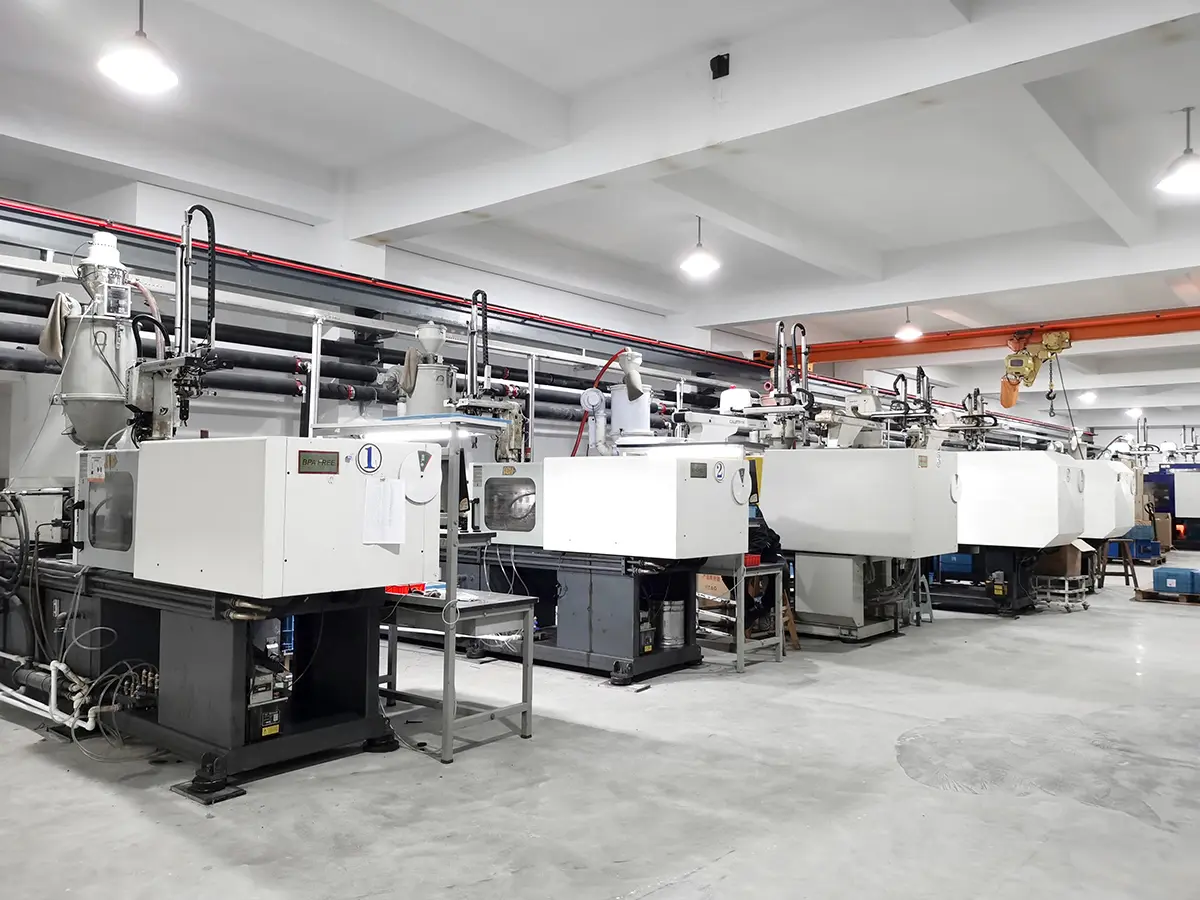
Our ISO 9001-certified factory in Ningbo utilizes automated manufacturing lines to ensure consistency across every run. To support our distributors in demanding markets, our products undergo regular independent testing to secure key certifications:
We work with leading third-party testing organizations to certify our products for both food safety and environmental standards, including FDA, LFGB, and CE compliance. For Sri Lankan B2B buyers, these certifications help streamline the local customs clearance and quality verification processes.
Sustainable Supply Chains & Eco-Friendly Packaging
Aligning global manufacturing processes with modern environmental expectations and resource management.
Our Commitment to Reducing Waste
As single-use plastics face increasing restrictions worldwide, food brands and hotels in Sri Lanka are seeking sustainable alternatives. Reusable, high-durability glass oil and vinegar bottles offer a practical way to reduce plastic waste across food service operations.
By using durable borosilicate glass and recyclable metals, we design products that help hotels and restaurants transition away from single-use packaging. Our modular designs also allow components to be disassembled and recycled individually at the end of their lifecycle.
Sustainable Manufacturing Goals:
1. Target 100% recyclable glass and metal alloys across our catalog.
2. Minimize plastic packaging in transit carton designs.
3. Reduce energy consumption at our main assembly facility through solar integration.
4. Optimize container volume to lower transportation footprints for Sri Lankan shipments.
Frequently Asked Questions
Key information regarding ordering, material safety, customization, and logistics for B2B buyers in Sri Lanka.