 Chinagama
Top Innovative Dispenser Selection
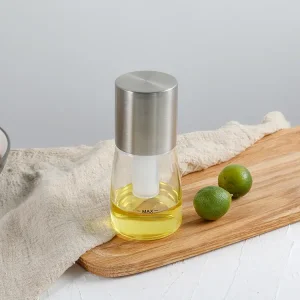
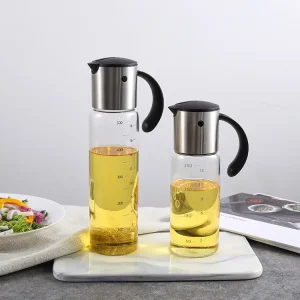
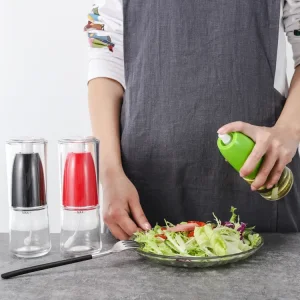
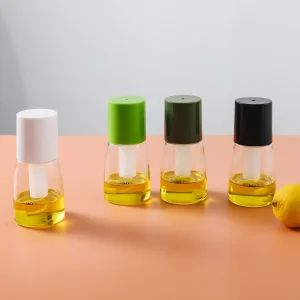
Optimized for Brazil's culinary standards, featuring high durability and drip-free designs.
Executive Analysis:
The Brazil B2B Olive Oil & Vinegar Packaging Landscape
Brazil represents one of the fastest-growing markets for premium culinary products in South America. With a surging middle class and a dynamic gourmet food culture centered around cosmopolitan hubs like São Paulo, Rio de Janeiro, and Belo Horizonte, the consumption of high-quality olive oils and specialty vinegars (such as imported balsamics) has reached record volumes. Consequently, domestic packaging manufacturers and major food brands face a critical challenge: securing containers that maintain the sensory and chemical integrity of their products.
Our comprehensive market intelligence confirms that Brazilian B2B importers prioritize leak-proof designs, long-term chemical compatibility, and strict compliance with local regulatory bodies (such as ANVISA). As a specialized global exporter, Chinagama bridges the gap between state-of-the-art glassware engineering and Brazilian commercial expectations, providing customized solutions that enhance brand equity on local supermarket shelves.
Key Drivers in the Brazilian Market
- Socio-Economic Shift: Growing consumer inclination towards healthy Mediterranean diets, demanding precise mist sprayers to manage daily caloric/lipid intake.
- E-Commerce Growth: Surge in direct-to-consumer gourmet subscription boxes requiring impact-resistant borosilicate glass packaging.
- Sustainability Directives: National policies urging the substitution of low-grade single-use plastics with reusable, food-grade glass and metal systems.
- Hospitality Sector Demands: Strict aesthetic and hygienic requirements in high-end churrascarias and bistros across major Brazilian cities.
Pioneering Culinary Innovations Since 1997
Building global consumer trust through exceptional design, state-of-the-art production, and rigorous quality assurance.
At Chinagama, we are passionate about crafting high-quality and stylish kitchenware. Over the years, our meticulously designed and produced kitchen tools have been honored with the prestigious Red Dot Award and iF Design Award. We continue to innovate with new products to cater to evolving culinary needs globally.
Request a Custom QuoteGlobal B2B Supply Chain & Sourcing Standards
Navigating technical requirements, logistics challenges, and material standards for international distributors.
Optimized Shipping & Logistics
We streamline shipping processes from international ports directly to critical Brazilian gateways, including the Port of Santos and the Port of Paranaguá. Utilizing impact-resistant custom export cartoning prevents cargo loss and lowers total cost of ownership (TCO).
Advanced Material Safety
Our raw material supply chain guarantees traceably sourced borosilicate glass, food-safe high-density plastics, and premium corrosion-resistant 304/316 stainless steel, meeting stringent international direct-contact compliance regulations.
Comprehensive Certifications
Products are manufactured in strict compliance with ISO 9001 and BSCI standards. Finished products carry certifications from world-renowned third-party laboratories, guaranteeing compliance with FDA, LFGB, and European Union food-contact norms.
Technical Roadmap & Engineering Excellence
A closer look at how we design functional glass and metalware that prevents chemical breakdown and mechanical wear.
The Chemistry of Oil and Vinegar Storage
Standard consumer dispensers often utilize low-grade plastics like standard ABS or PMMA for their pumping or pouring components. Over time, high-fat substances like olive oil acts as stress-cracking agents. The interaction between lipid molecules and the amorphous polymer chains under constant stress leads to micro-fracturing (esc-cracking) in ordinary plastic fittings, leading to leaks, performance failure, and toxic chemical leaching.
To solve this critical flaw, Chinagama's material science laboratory has established a strict manufacturing protocol. All functional plastic components in direct contact with lipids are engineered from customized food-grade Polypropylene (PP) or Tritan (Copolyester), which are structurally immune to oil-induced stress cracking. This guarantees that Brazilian brands can market these dispensers for high-end oils and acids without risk of structural breakdown.
Precision Gravity Mechanisms & Hermetic Seals
Our gravity-fed series incorporates an internal, counterweighted shutter system. The shutter is tuned to open and close smoothly based on tilt angles between 35 and 45 degrees, providing clean pouring and hermetic resealing to prevent insect entry and oxidation.
Additionally, custom silicone seal rings with customized hardness parameters maintain a secure fit against the high-borosilicate glass mouth. These design steps prevent dripping down the side of the container, ensuring cleaner kitchens and commercial tables.
Industrial Case Studies & Design Breakthroughs
Real-world examples of how our engineering team solves design challenges and scales market success for our clients.
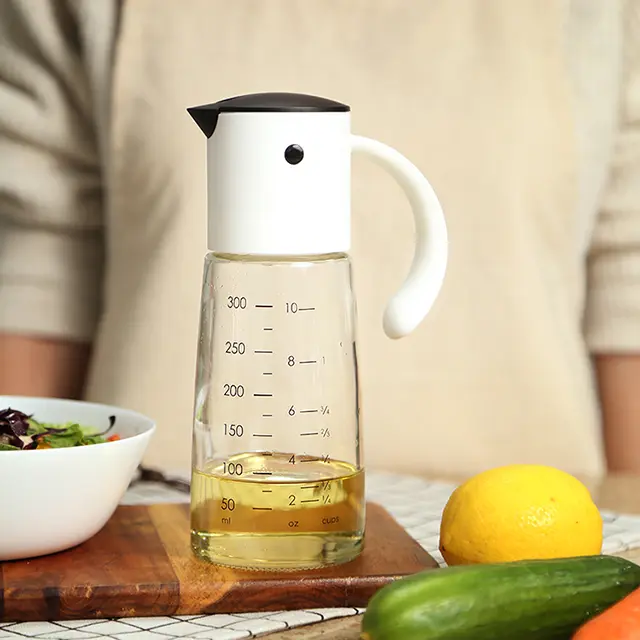
Red Dot Award-Winning Gravity Bird Spout Dispenser
The Challenge: Market research showed growing consumer demand for more unique, humanized oil dispenser designs. Standard models often leaked or required messy two-handed operations.
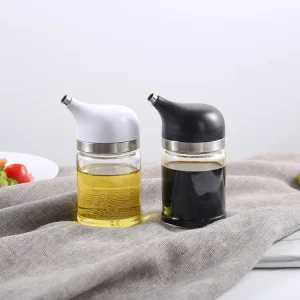
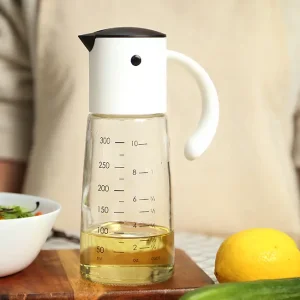
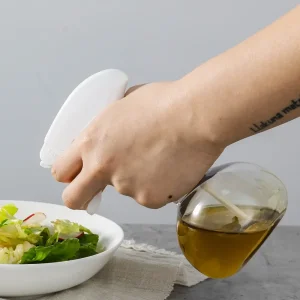
The Solution: Chinagama developed a gravity-fed, bird-spout dispenser designed for single-handed pouring. By utilizing precise counterweight calculations, the spout opens automatically when tilted and closes when upright.
Outcome in Brazil: Highly sought-after by retail chains in São Paulo, the design remains one of our most popular exports, combining visual appeal with clean performance.
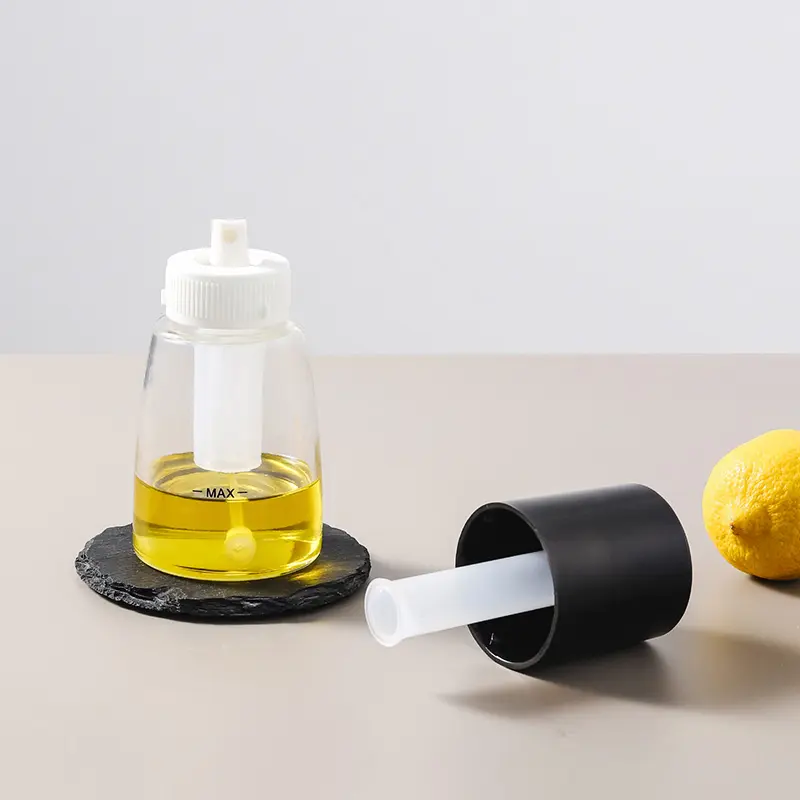
Collaborative Development of the Oil Mist Sprayer
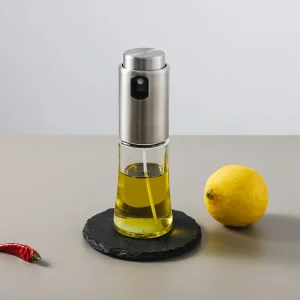
The Challenge: A global partner requested an oil mist sprayer to handle high-density vegetable oils. Initial designs using ABS and PMMA plastics experienced stress cracking when exposed to lipids.
The Solution: Our engineering team transitioned to food-grade, impact-resistant Polypropylene (PP) and Tritan. This eliminated structural cracking risks while optimizing the spray nozzle for a fine, uniform mist.
Outcome in Brazil: This solution helps brands enter the health-conscious market segments in Brazil, meeting consumer demand for controlled, lower-calorie oil usage.
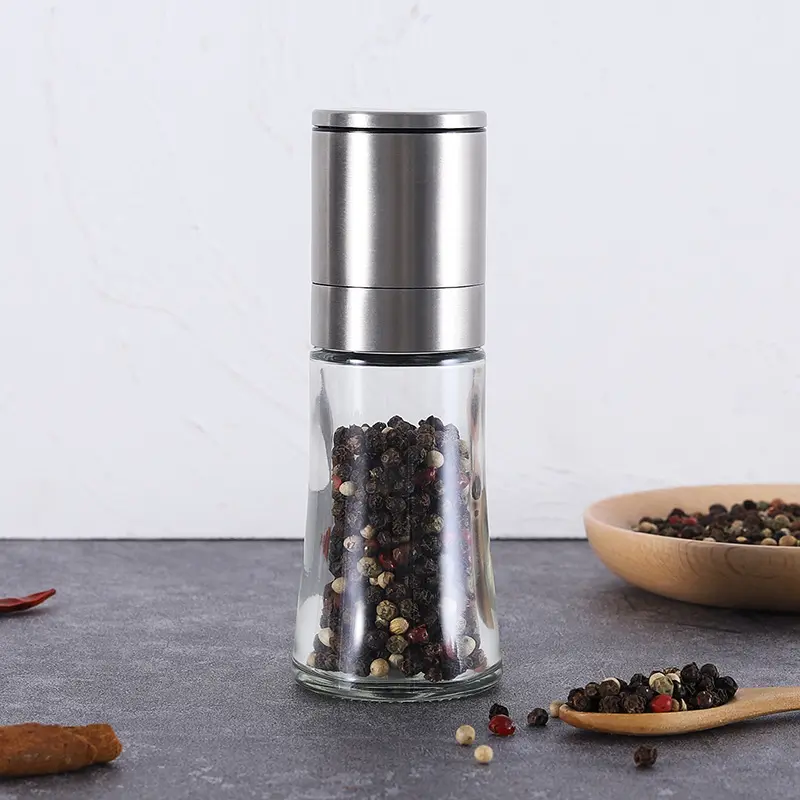
Ergonomic Salt & Pepper Grinder Systems
The Challenge: Traditional grinders were often too heavy, complex to clean, or wore down quickly under high-humidity conditions (a major issue in coastal Brazilian markets).
The Solution: Chinagama designed a compact, straight-profile grinder utilizing a reinforced ceramic grinding core, which is resistant to corrosion from humidity and salt.
Outcome in Brazil: Successfully launched across South American culinary brands, this grinder offers reliable durability even in humid climates.
Localization Support & Compliance for Brazil
Ensuring smooth customs clearance and regulatory alignment for Brazilian importers.
ANVISA RDC compliance
Our materials comply with ANVISA's food-contact regulations, including RDC n° 326/2019 and RDC n° 56/2012, which regulate plastic and metal migration limits.
Customs Clearance Support
We provide full documentation for RADAR and Siscomex procedures in Brazil, including detailed commercial invoices, packing lists, and correct NCM coding.
Direct Logistics Tracking
From factory floor to the Port of Santos, we coordinate shipment schedules and logistics to maintain predictable lead times and reliable planning.
Frequently Asked Questions
Key information regarding importing, logistics, and compliance for buyers serving the Brazilian market.
What is the typical lead time for custom OEM orders bound for Brazil?
For customized OEM or ODM products, production generally ranges from 30 to 45 days after design approval. Shipping to the Port of Santos or Port of Paranaguá typically adds 35 to 45 days, depending on shipping schedules.
How does Chinagama ensure compliance with ANVISA regulations?
We ensure compliance by utilizing food-grade raw materials (Tritan, high-borosilicate glass, and SUS304/316 stainless steel) that pass rigorous migration tests. We supply complete test certificates from third-party labs like SGS to assist your import compliance process.
What are the minimum order quantities (MOQ) for custom logo branding?
Our standard MOQ for custom packaging, color adaptations, or screen-printed logos ranges from 1,000 to 3,000 units depending on the model. We also offer flexible MOQ stages for trial orders to support market entry.
Can the dispensers be used for higher viscosity liquids like honey or dressings?
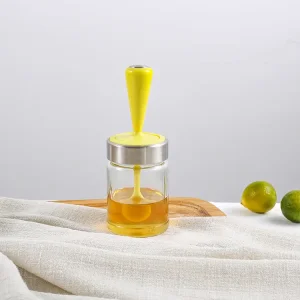
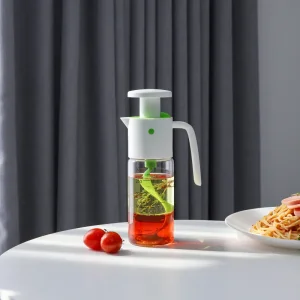
Yes. While sprayers are optimized for oils and vinegars, our gravity-fed spouts and wide-mouth glass jars (such as our salad dressing series) are designed to handle thicker dressings, soy sauce, and honey without clogging.
Commercial Product Catalog
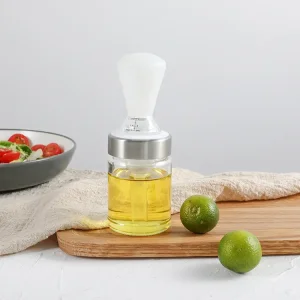
A full range of high-performance dispensers, mist sprayers, and grinders for retail and food service brands in Brazil.
Ready to Partner with a Leading Global Exporter?
Get in touch with our engineering and logistics specialists today to discuss customization, ANVISA compliance documents, or to request a sample pack tailored to the Brazilian market.