 Chinagama
Seattle Market Trending Hardware Selection
Direct factory-to-importer culinary solutions optimizing distribution and local shelf appeal across Washington State.
The Seattle Culinary Ecosystem & Supply Chain Demands
The Pacific Northwest, anchored by the Seattle metropolitan area, has long been a foundational hub of American beverage and culinary innovation. Beyond its status as the birthplace of modern coffee retail, Seattle has nurtured a sophisticated community of gourmet spice blenders, private label coffee roasters, organic food packaging firms, and high-end department store headquarters. Local market leaders seek structural enhancements in their hardware sourcing pipelines to support premium pricing and meet consumer demand for sustainable products.
This local commercial concentration creates a critical demand for modern kitchen accessories. For Seattle food brands, custom-engineered grinding mechanisms are essential to maintain the structural integrity of specialty salts, black pepper, and artisanal coffee blends. Local consumer trends prioritize materials such as high-borosilicate glass, sustainably farmed wood elements, and biodegradable polymers. Importing entities require reliable factory partners capable of navigating clean-label regulatory frameworks while maintaining stable logistics pathways through the Port of Seattle.

Leveraging Zhejiang's Advanced Manufacturing Clusters
How direct integration with specialized Chinese factories provides a strategic cost and design advantage for global culinary brands.
1. Vertical Integration
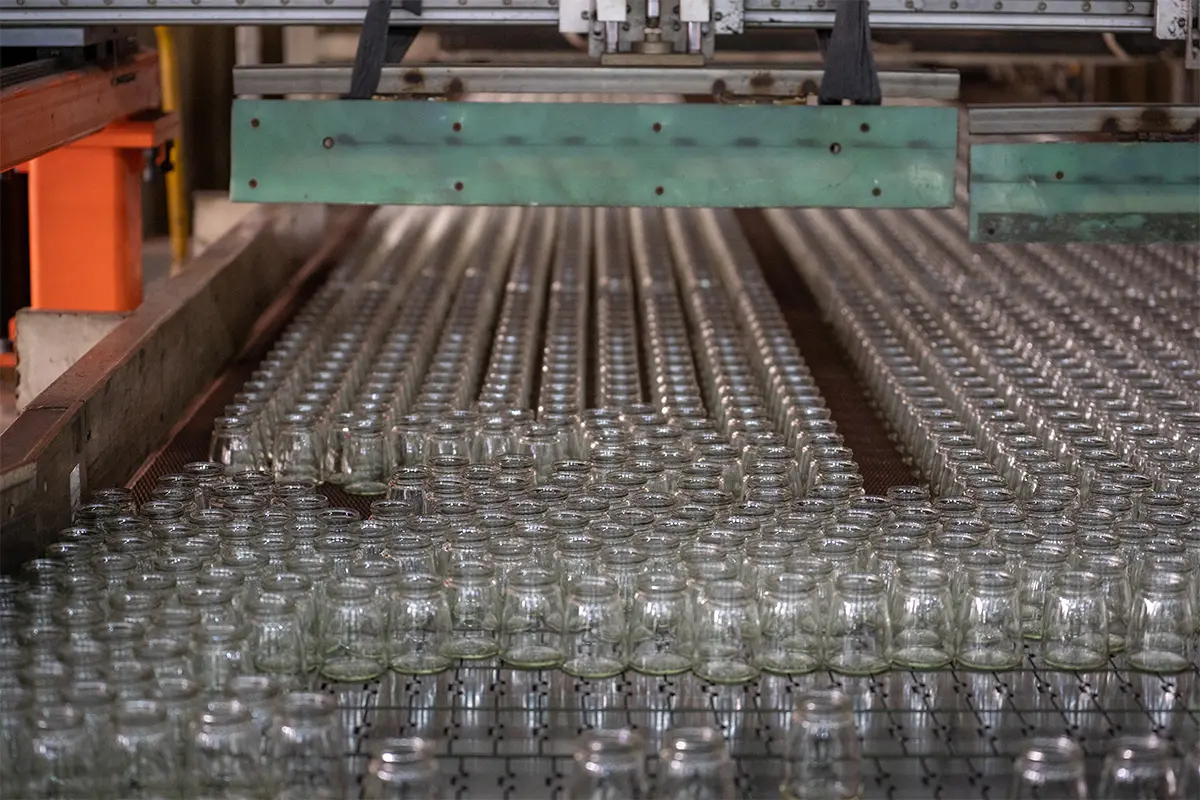
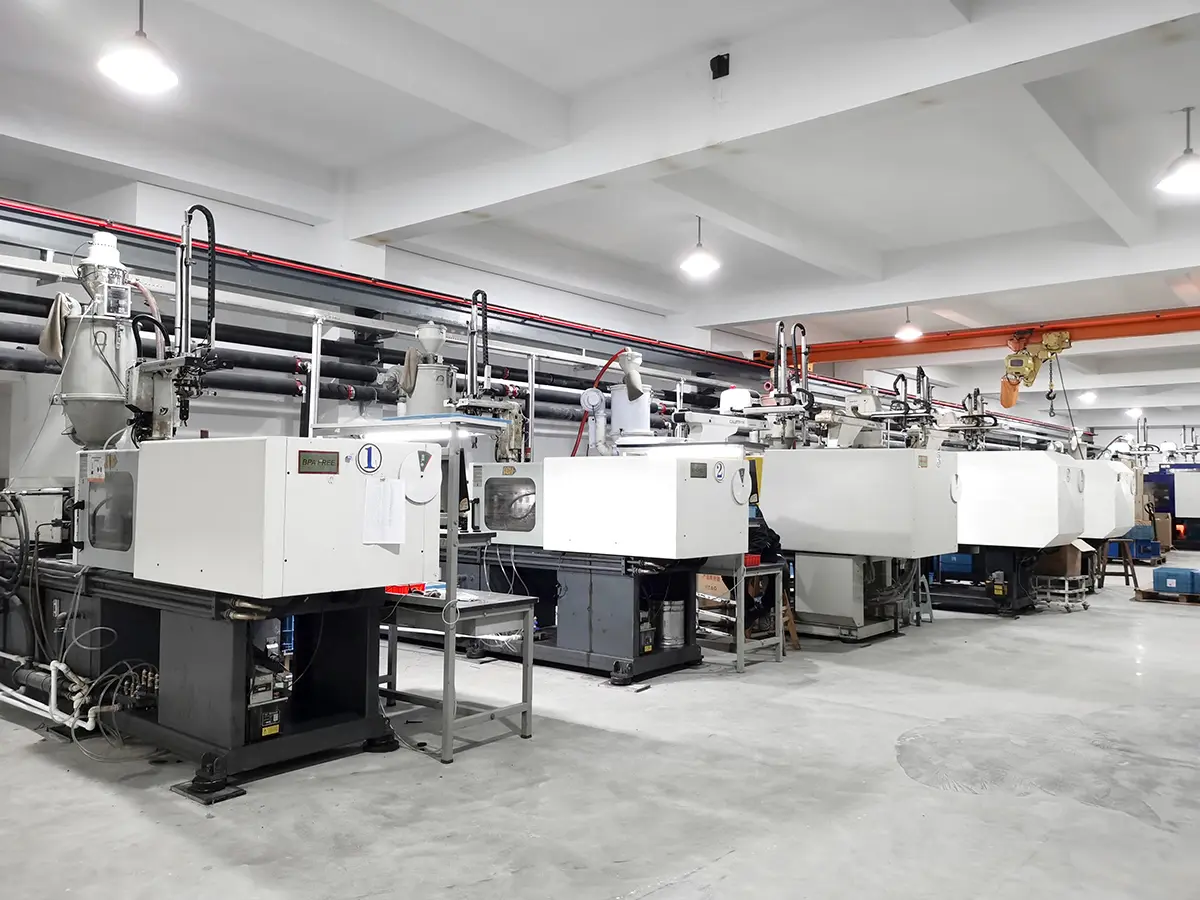
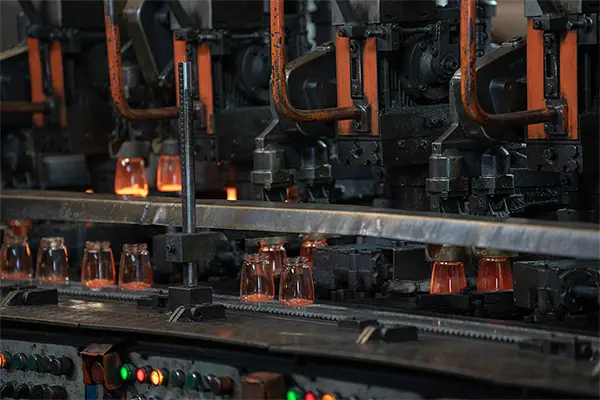
Our facility handles production from raw material preparation to injection molding, automated surface finishing, assembly, and quality verification, ensuring quality control and shorter lead times.
2. Intellectual Property Portfolio
With over 300 patents, our R&D department creates products that avoid patent infringement issues in highly regulated markets such as North America and the European Union.
3. Rapid Scale
With an annual capacity of over 12 million units, our lines scale dynamically, allowing us to manage large retail seasonal orders without compromising design details.
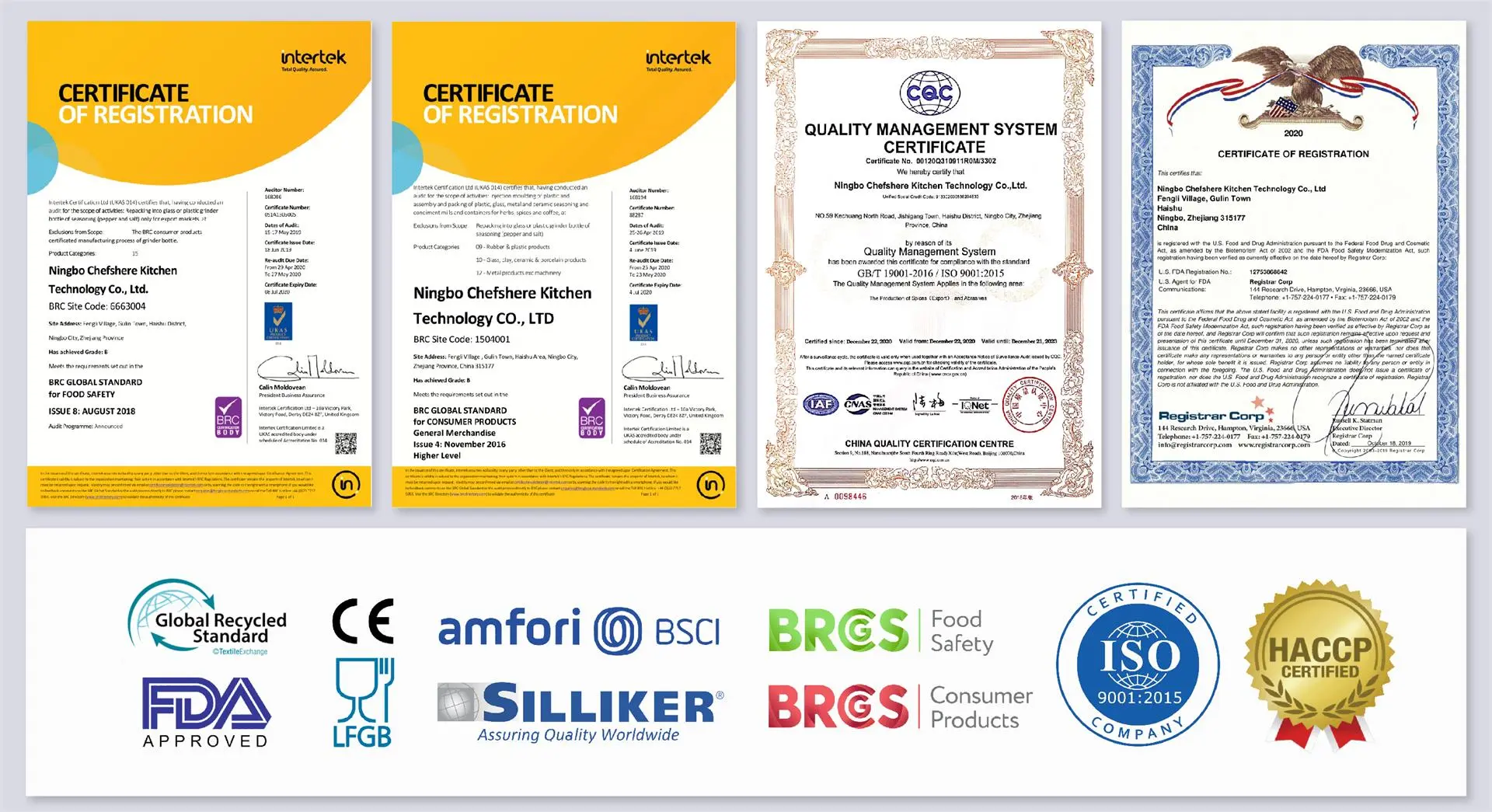
Our Commitment to Quality
With the expertise of our dedicated R&D team and the support of our in-house factory, our products undergo rigorous quality control measures from conception to completion, ensuring that each item meets industry standards with precision.
As a testament to our commitment, we have garnered recognition from renowned international third-party testing companies, including prestigious LFGB and FDA certifications. This validates the exceptional quality of our products and reinforces our dedication to delivering excellence to our customers. We monitor incoming raw materials and conduct final product audits to ensure all units comply with international standards.
Global Supply Footprint & Our Journey
A timeline of culinary hardware innovation, engineering precision, and international brand partnerships.
The Chinagama Milestones
In 1997, Chinagama embarked on its journey, initially focusing on trade work. Recognizing market demands, in 2001, we embraced the emerging realm of online trade and set forth on a path of development. Driven by our passion for cooking and kitchen utensils, in 2003, we transitioned from trade to production. This decision led us to establish a standardized food-grade production plant in 2012, empowering us to introduce new, quality-driven products.
In 2015, we were recognized as a high-tech enterprise. Since then, our products have been consistently honored with the coveted Red Dot Awards and IF Design Awards, affirming our commitment to design and craftsmanship.
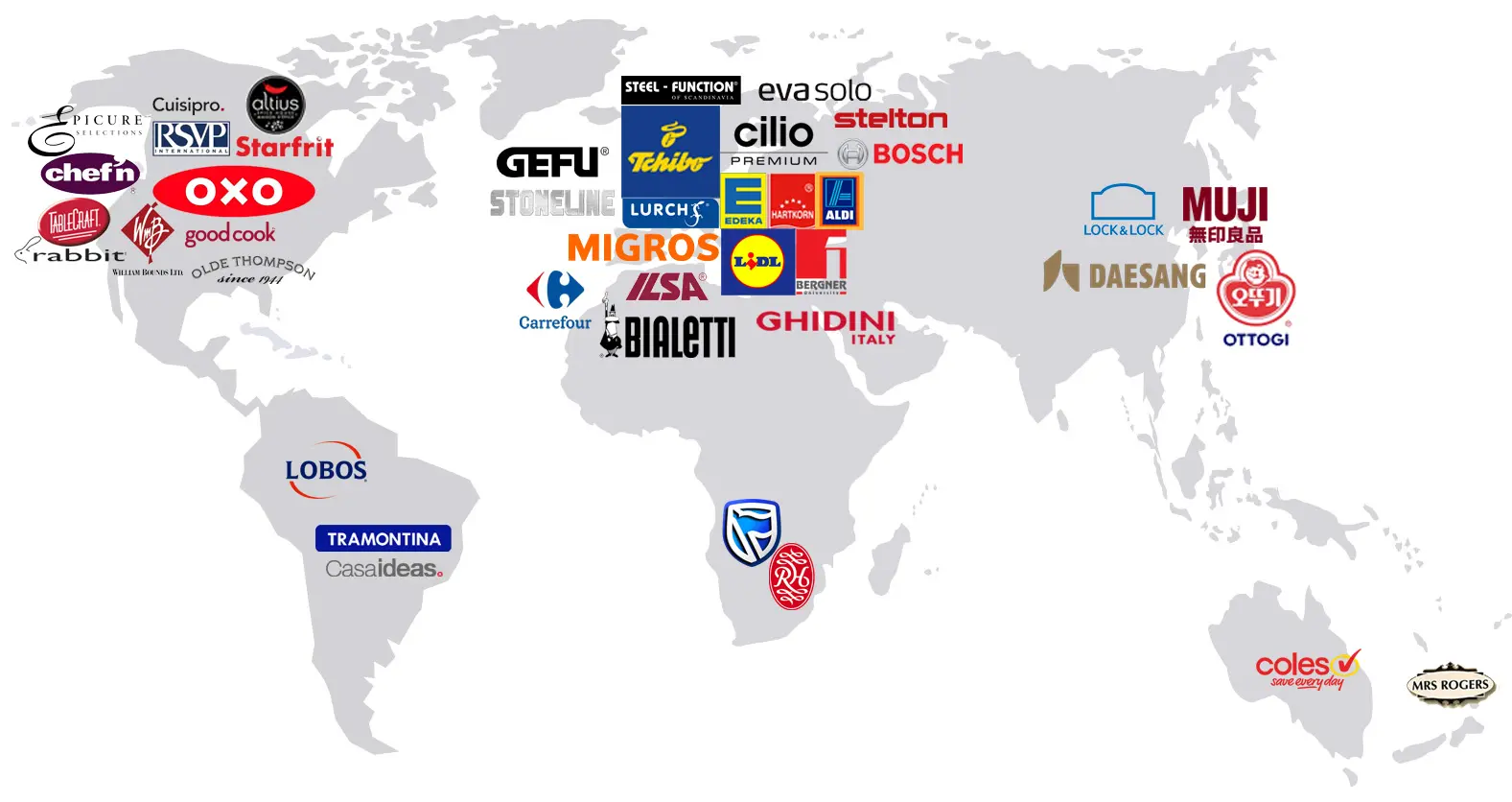
Every three seconds, a Chinagama product is used by customers worldwide. We produce over 12 million pepper grinders annually for international brands.
Engineering Case Studies & Design Breakthroughs
How our R&D solutions resolve practical retail challenges and enhance end-user functionality.
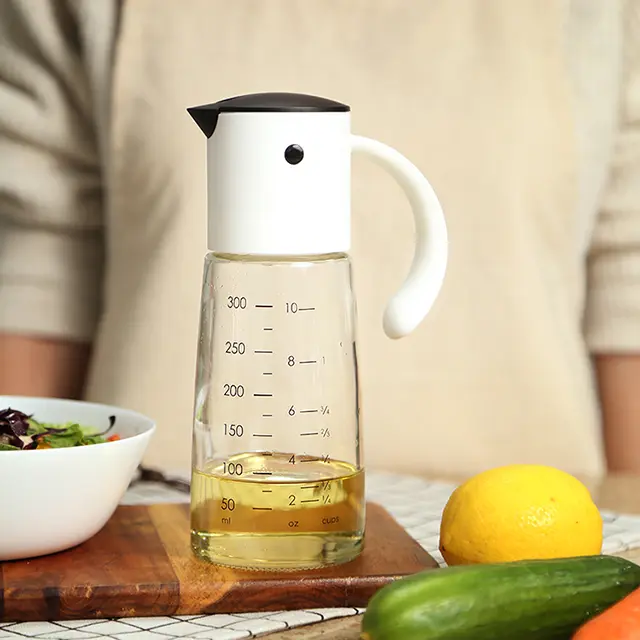
Red Dot Award: Gravity-Fed Oil Dispenser
The Context: Market research identified consumer demand for convenient, clean-pour oil dispensers. In response, Chinagama developed a gravity-fed bird spout oil dispenser to address these market needs.
Technological Breakthroughs: Most standard oil dispensers require manual cap removal or suffer from leaks. Chinagama designed a lid mechanism that opens automatically under tilt and closes when upright. Selecting durable materials resolved cracking issues, creating a robust dispenser suitable for consumer kitchens.
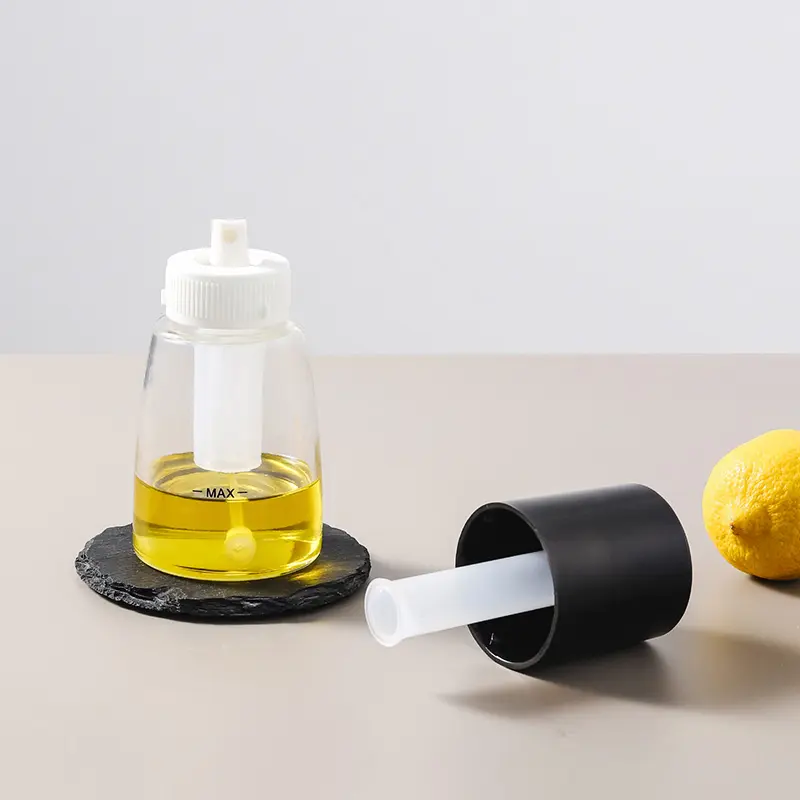
Collaborative Design: High-Consistency Oil Sprayer
The Challenge: Partnering with a global brand, we aimed to develop a uniform misting pump capable of dispensing vegetable oils without utilizing chemical propellants.
Material Innovation: Initial designs utilizing ABS and PMMA polymers developed stress micro-fractures when exposed to organic oils. Our material scientists replaced these with food-grade polypropylene (PP) and high-borosilicate glass, improving durability and product lifespan.
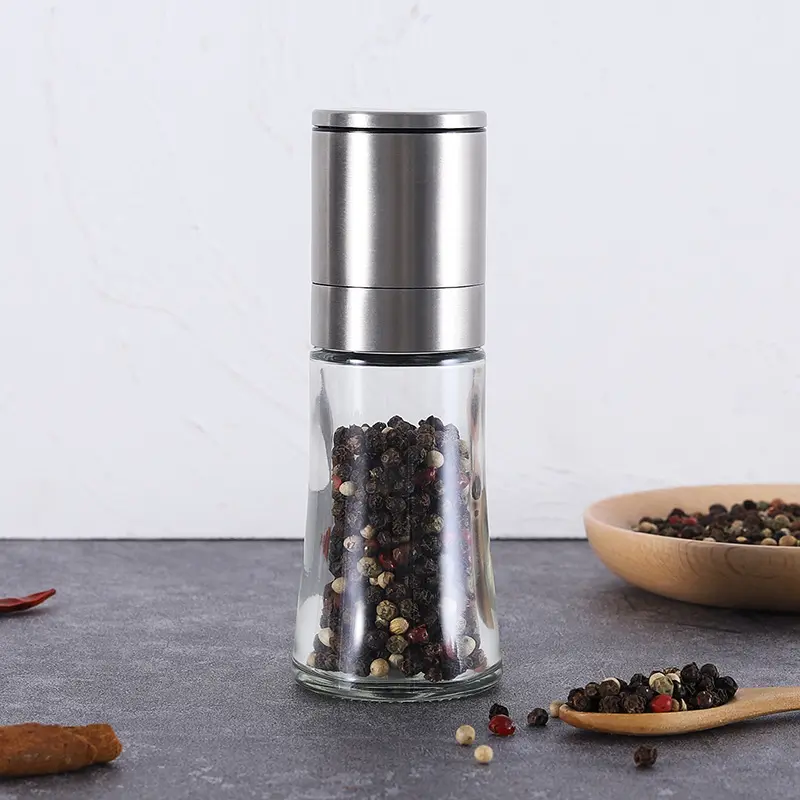
Ergonomic Enhancements: Precision Salt & Pepper Grinders
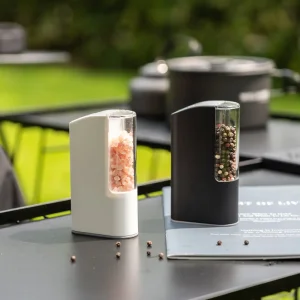
The Vision: Traditional pepper mills often feature heavy designs or complex mechanisms that can be difficult for consumers to operate. We aimed to create a lightweight, high-output grinder.
Outcome: By engineering a high-hardness alumina ceramic burr system housed within an ergonomic body, we reduced the required grinding torque while maintaining consistent particle distribution. This design has received positive feedback from culinary retailers across the Pacific Northwest.
Modern Equipment & R&D Infrastructure
How our manufacturing lines and technical teams support stable global supply chains.
Precision Design & Styling
Using 3D modeling and structural analysis tools, we convert concept sketches into functional prototypes, focusing on ergonomics and aesthetic appeal.
Tooling & Mold Production
Our in-house CNC mold manufacturing shop allows us to produce high-tolerance production molds quickly, reducing startup times for OEM/ODM projects.
Automated Assembly Lines
Automated assembly systems verify spring tension, motor torque, and alignment tolerances, helping us maintain consistency across high-volume production runs.
ODM Pepper Grinders & Manual Coffee Grinders
Innovative designs optimized for durability and style, providing customized options to match brand identity.
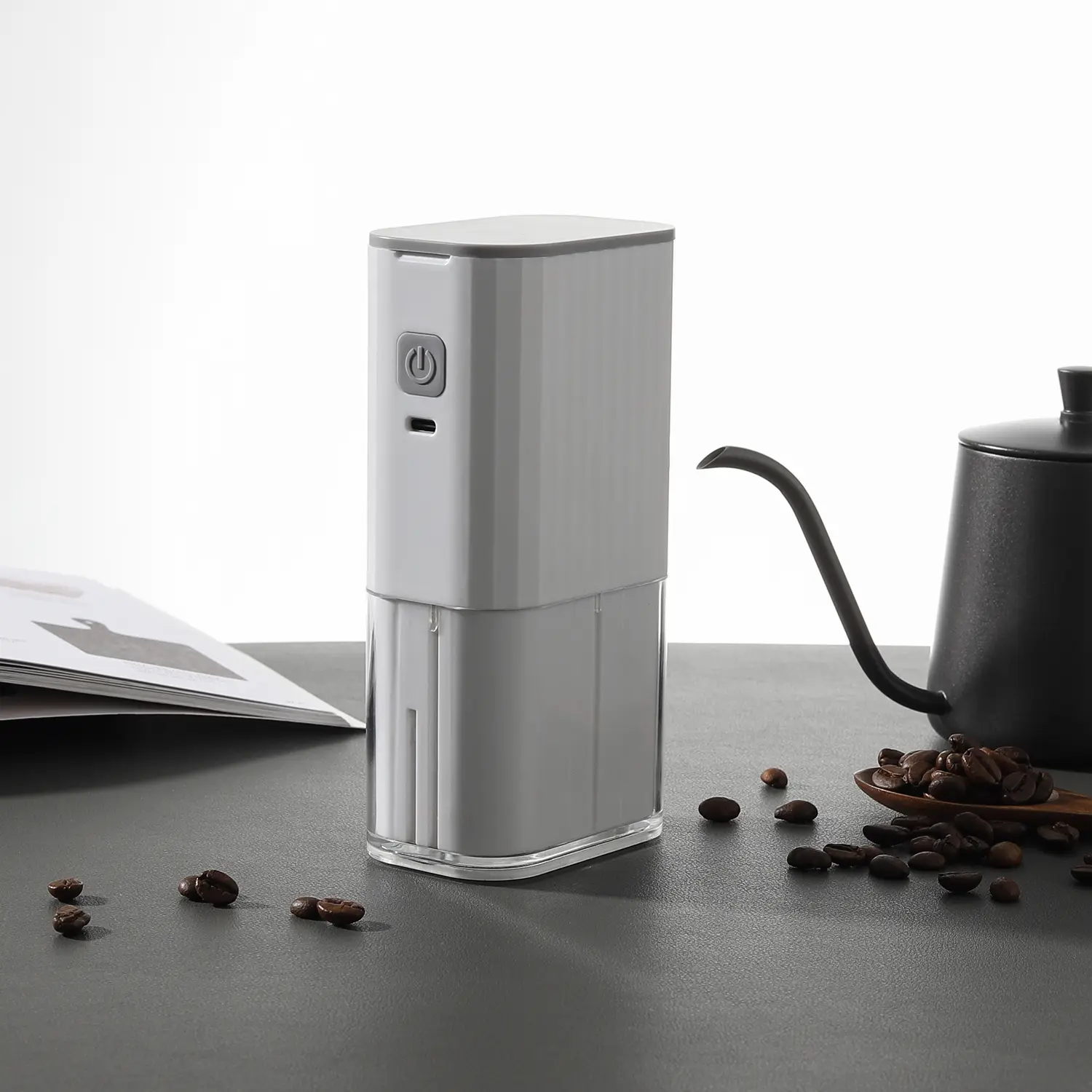
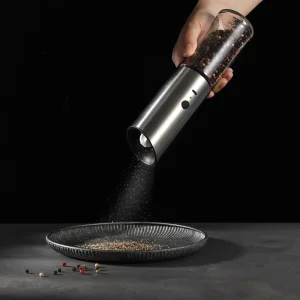
USB Coffee Grinder
Portable size, smooth and quiet grinding. Features durable burrs and a USB rechargeable battery, making it suitable for travel, camping, or office use.
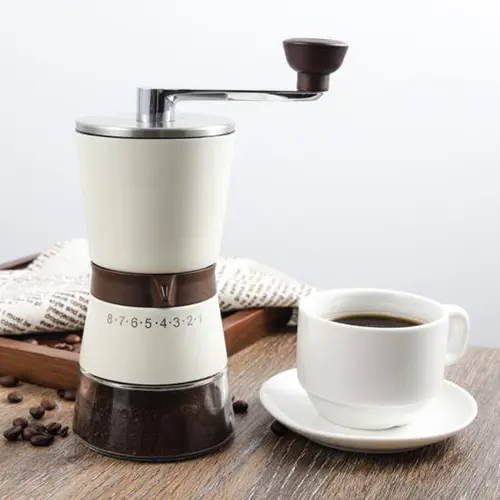
Manual Coffee Grinder
External adjustment design with an ergonomic grip for straightforward grinding. Allows users to adjust particle size for espresso, drip, or cold brew.
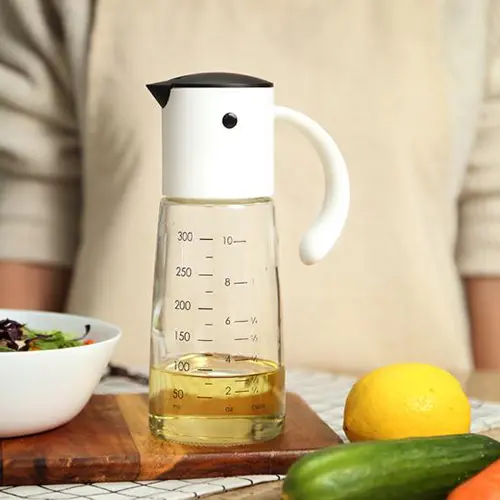
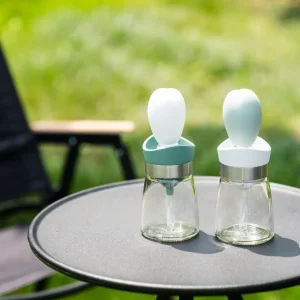
Oil and Vinegar Dispenser
Provides precise oil control without leakage. Features a modern borosilicate glass body with a drip-free spout to help keep prep counters clean.
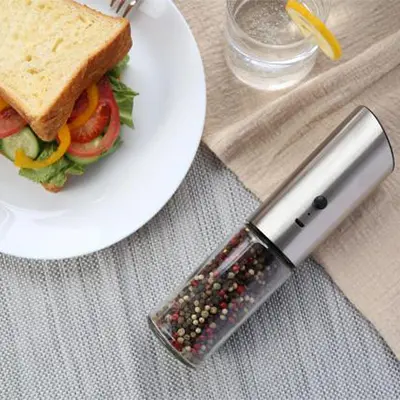
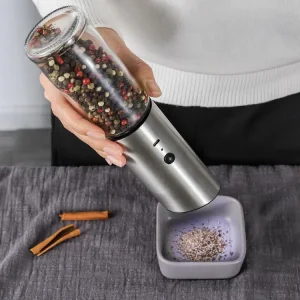
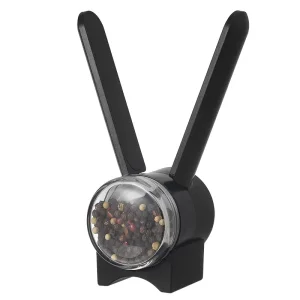
Gravity Salt & Pepper Grinders
Electric grinding with convenient single-hand tilt operation. Integrated gravity sensors activate the ceramic mill automatically when turned upside down.
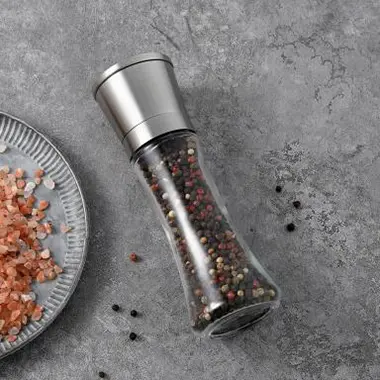
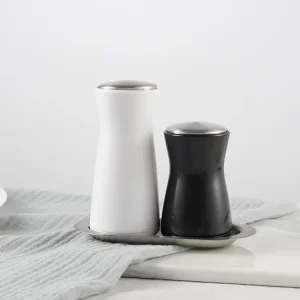
Stainless Steel Pepper Mills
Adjustable grind settings to help preserve spice freshness. Encased in a brushed 304 stainless steel housing suitable for home and commercial environments.
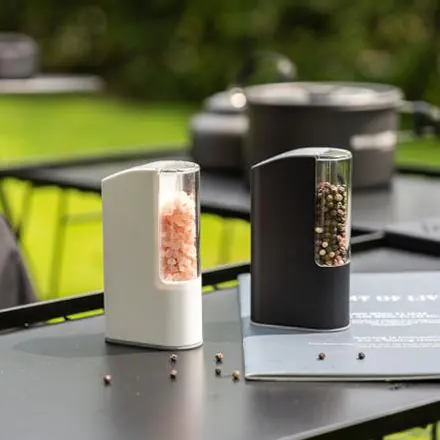
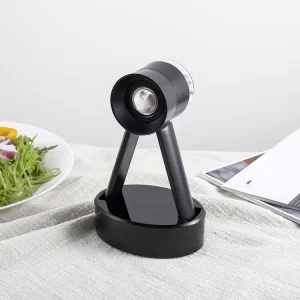
Customized Mini Rechargeable Mill Set
Compact, rechargeable, and portable design. Includes a charging dock suitable for modern kitchen countertops and dining tables.
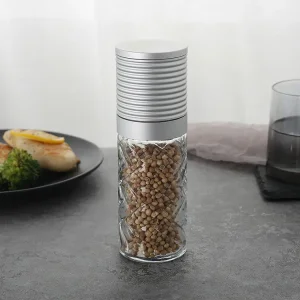
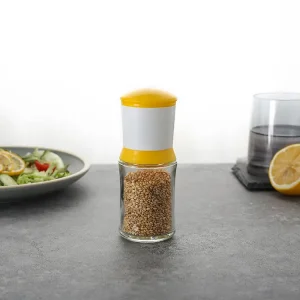
Global Wholesale Product Catalog
A comprehensive selection of patented, food-safe kitchenware available for OEM customization and bulk distribution.




Navigating International Sourcing & Standards Compliance
Understanding testing protocols, food safety certifications, and logistics for shipments entering North American ports.
Regulatory Compliance and Testing Standards
Kitchenware destined for commercial or residential use in North America must comply with strict safety regulations. Testing protocols verify that materials in contact with food do not leach chemicals or heavy metals. The US Food and Drug Administration (FDA) and European LFGB set standard limits for food-contact materials.
For spice mills, this requires testing ceramic grinding cores, PMMA storage chambers, and silicone seals. Partnering with factories that maintain updated compliance certifications helps prevent cargo holds at the Port of Seattle.
Logistics Management & Ocean Transport
Shipping goods from manufacturing hubs in East China (such as Ningbo and Shanghai ports) to the Pacific Northwest takes advantage of established sea lanes. Ocean freight transit to Seattle/Tacoma ports typically takes 14 to 20 days.
Maintaining structured communications, optimized packaging, and pallet configuration helps reduce transit damage and ensures consistent distribution to warehouse networks across Washington State.
Frequently Asked Questions & Buyer Guide
Answers to common questions regarding regulatory compliance, customized tooling processes, MOQ requirements, and ocean logistics.
Partner with an Established Kitchenware Manufacturer
Ready to optimize your supply chain, reduce tooling costs, or request samples? Contact our team for detailed pricing, packaging options, and design support.