 Chinagama
Premium Grinding Equipment & Accessories
Engineered for high performance, consistent extraction, and industrial reliability. Perfect for the developing café culture and commercial food sector in Chittagong.
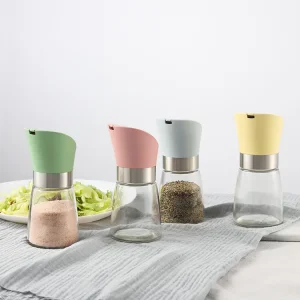
Chittagong Storage Glass Bottle Sugar Spice Shaker
View Details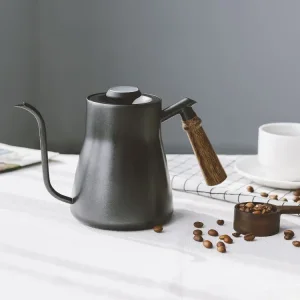
Chittagong High-Capacity Gooseneck Stainless Steel Coffee Kettle
View Details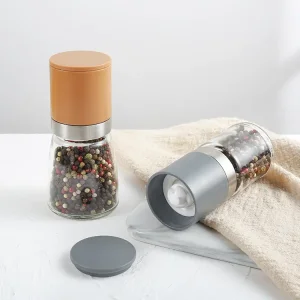
Chittagong Adjustable Premium Pepper & Coffee Grinder Glass Jar
View Details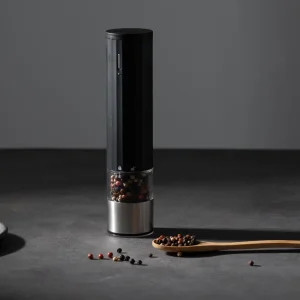
Chittagong Gravity Sensor Smart Salt and Pepper Grinder
View DetailsSection 1: Chittagong's Industrial Landscape & Strategic Port Logistics
Chittagong, serving as the commercial capital and largest port city of Bangladesh, is the economic heartbeat of the nation, managing over 90% of maritime export and import volumes. As urban development accelerates and disposable incomes rise, Chittagong is transitioning from its traditional base in textiles and heavy industries to sophisticated retail, consumer goods, and high-end hospitality sectors. The explosion of contemporary coffee culture and international-standard food establishments in commercial neighborhoods such as GEC, Agrabad, and Nasirabad has fueled a significant demand for professional-grade beverage processing equipment and culinary grinding mechanics.
For global supply chains, Chittagong Port is a vital maritime corridor connecting South Asia to major manufacturing centers in China. Importers and commercial enterprises in Bangladesh require kitchenware products that can withstand high humidity and frequent use. This context highlights the critical importance of selecting moisture-resistant, food-grade materials, such as non-corrosive stainless steel and high-durability alumina ceramics, for coffee grinder burrs and storage canisters.
Global Port Connectivity
Chittagong Port provides direct access for ocean carriers originating from Far East manufacturing networks, ensuring consistent, high-volume supply chain delivery.
Commercial Coffee Growth
The rise of micro-roasters and upscale cafés across Bangladesh has driven double-digit annual growth in demand for commercial grinders and brewing accessories.
Strict Compliance Demand
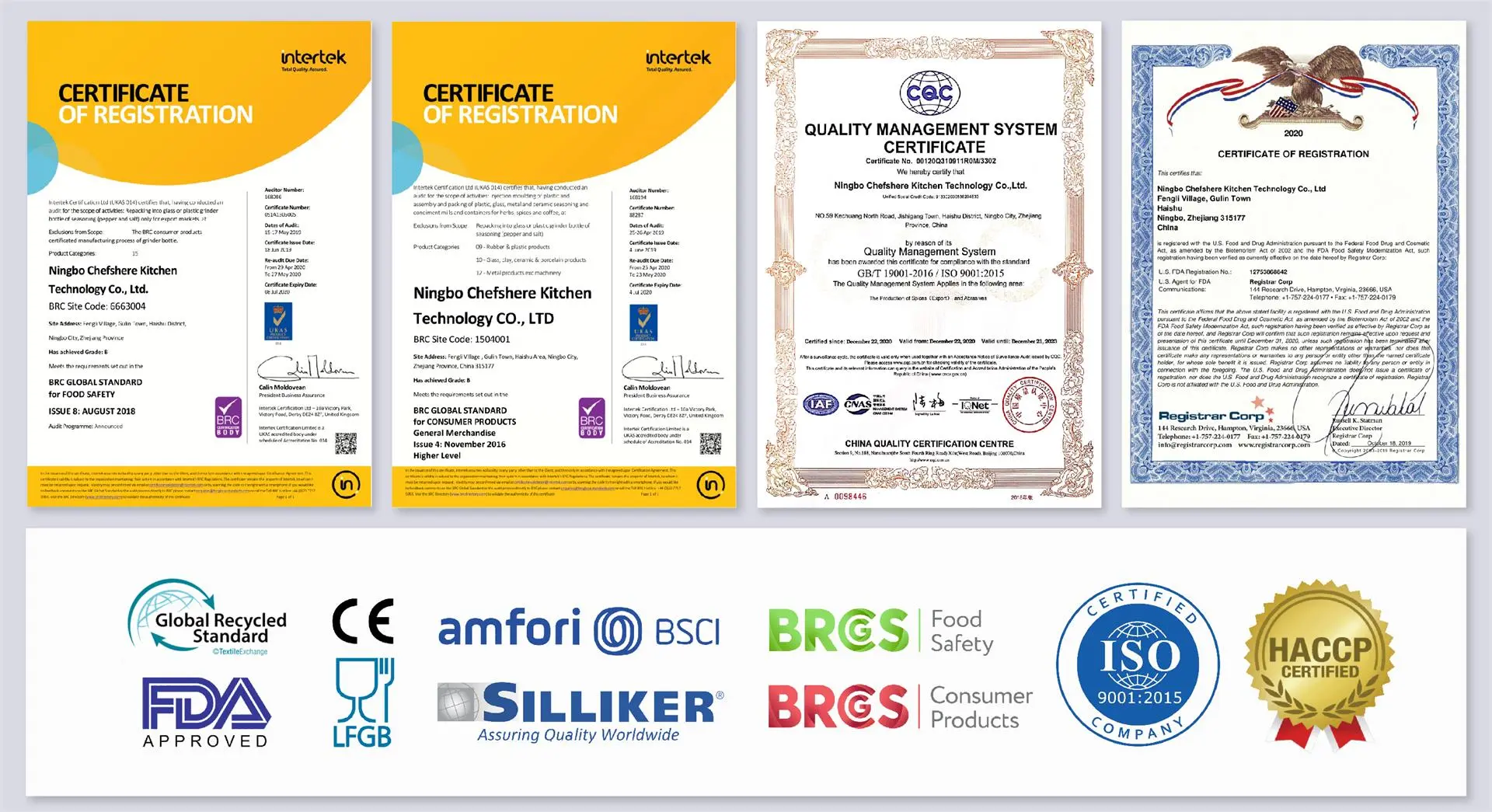
Commercial importers and custom brokers require products verified by FDA, LFGB, and ISO certifications to clear local customs protocols efficiently.
Section 2: Technical Architecture of Precision Grinding Mechanisms
The core performance of any coffee or spice grinding accessory depends on its internal geometry and material composition. As an industry leader with over 300 patents, Chinagama specializes in developing two main types of grinding elements: Alumina Ceramic Burrs and CNC-Milled Stainless Steel Burrs. Understanding the mechanical differences between these options is essential for commercial distributors planning their bulk import strategies for Chittagong.
Technical Insight: Ceramic burrs are fired at extremely high temperatures to achieve exceptional hardness (exceeding 80 HRC), making them highly resistant to wear and rust in humid coastal environments. Stainless steel burrs, by contrast, offer superior sharpness for uniform particle size distribution, making them ideal for espresso extraction methods.
In high-volume commercial establishments, thermal management during grinding is critical. Friction generates heat, which can prematurely release the volatile oils in coffee beans and ground spices, affecting the final flavor profile. Alumina ceramics feature low thermal conductivity, keeping the grind area cool and preserving the volatile aromatics. For precision brewing applications, our CNC-machined SUS304 and SUS420 stainless steel burr assemblies deliver highly uniform particle sizes, reducing the generation of fine particles that can lead to over-extraction and bitterness.
Specialized Regional Distribution Commodities
Leveraging high-grade materials and ergonomic design, these commercial products are optimized for major distributors, brand importers, and large-scale retailers across Bangladesh.

Chittagong Dual-Purpose Combined Salt and Pepper Mill
View Details
Chittagong Versatile Commercial Fruits Slicer
View Details
Chittagong Commercial Bulk Pepper Grinder Glass Bottle
View Details
Chittagong Traditional Celadon Pattern Adjustable Spice Mill
View DetailsSection 3: Chinagama's Journey & Engineering Excellence
Since our founding in 1997, Chinagama has evolved from a dedicated trading enterprise into a globally recognized manufacturing powerhouse. We specialize in the R&D and precision fabrication of salt and pepper grinders, manual coffee mills, oil/vinegar dispensers, and premium kitchen accessories. Our commitment to design and functional innovation has led to more than 300 patents, as well as prestigious international design awards, including the Red Dot and iF Design Awards.
1997 - The Foundation
Chinagama started its journey with a focus on trading, building deep insights into global kitchenware market demands and consumer preferences.
2003 - Transition to Production
Driven by a passion for culinary engineering, the company transitioned from trading to direct manufacturing, establishing full control over product quality.
2012 - Food-Grade Smart Plant
Established a state-of-the-art food-grade factory, implementing clean-room protocols, automated testing, and comprehensive QC mechanisms.
2015 & Beyond - Design Accolades
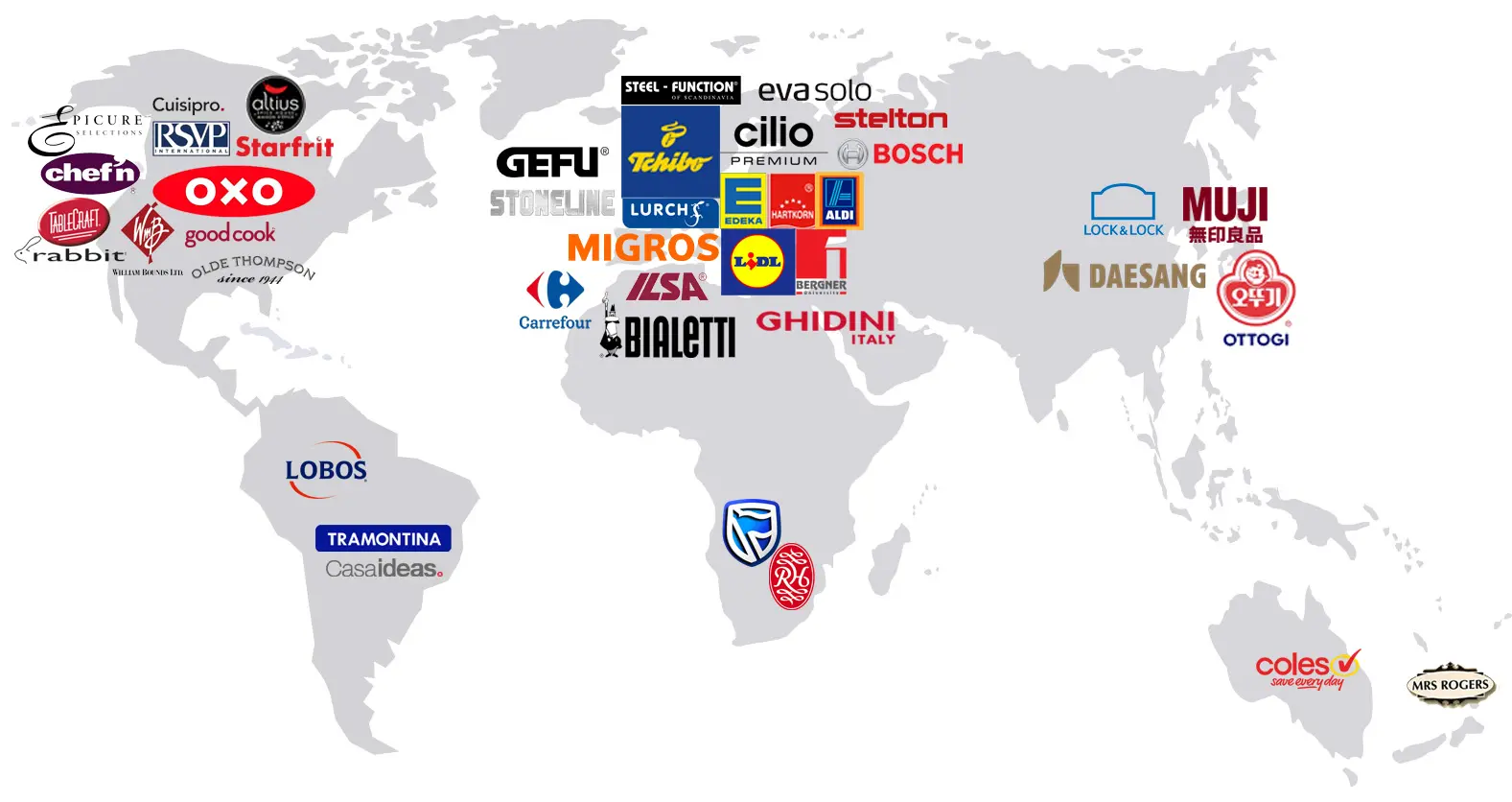
Recognized as a national high-tech enterprise. Chinagama's innovations received Red Dot and iF Design Awards, securing partnerships with over 150 leading global brands.
30+ Yrs
OEM & ODM Expertise
16M+
Annual Production Output
400+
Patents & Innovation Certs
150+
Global Partner Brands
100%
Food-Safe Certifications
Section 4: Macro Industrial Solutions for Chittagong's Commercial Buyers
For retail sourcing managers and commercial importers in Chittagong, managing supply chain risk and ensuring consistent quality is paramount. Chinagama addresses these challenges by offering comprehensive manufacturing services, from custom packaging design to raw material sourcing and logistics coordination through the Port of Chittagong. This integrated approach minimizes lead times and helps protect client operations from supply chain volatility.
Additionally, our production flexibility allows us to offer customized branding solutions, including personalized laser engraving, custom-molded colors, and unique packaging configurations. Partnering with a verified manufacturer like Chinagama helps importers in Bangladesh mitigate high tariff rates and import processing fees through efficient loading plans and container utilization strategies that reduce total landed costs.
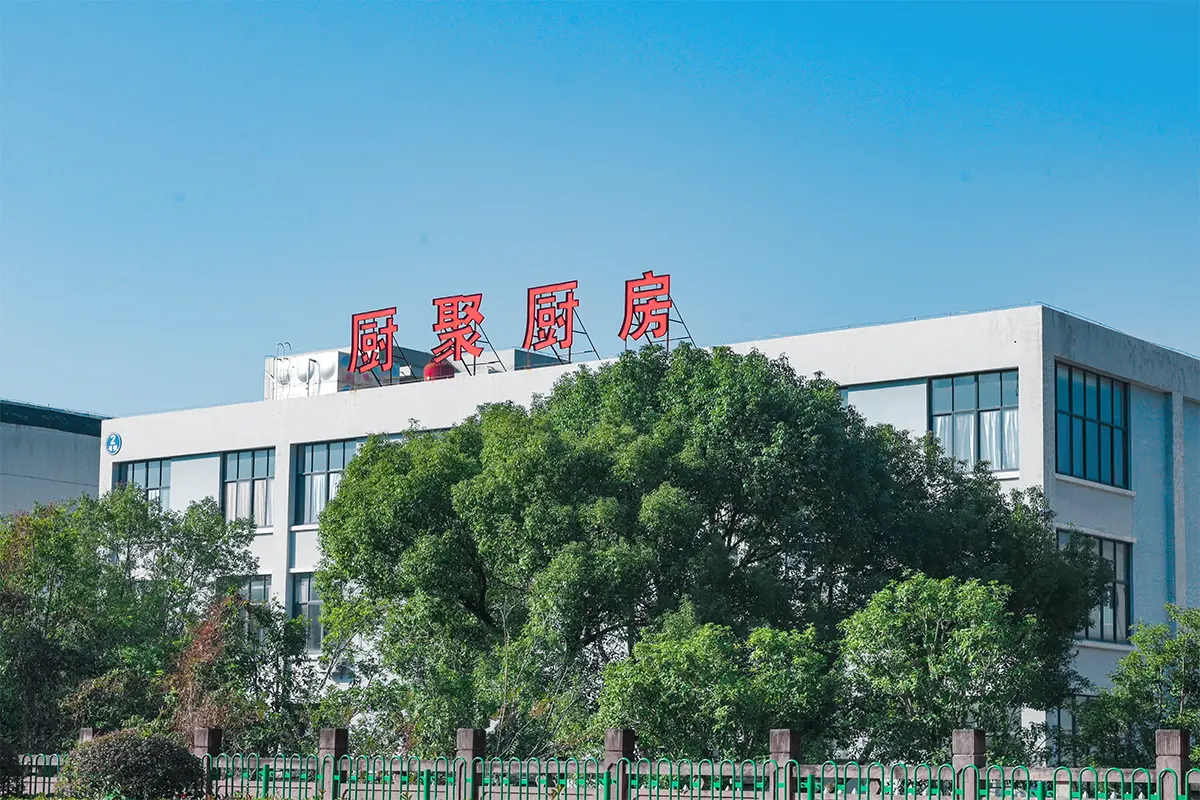
Chinagama Head Office & R&D Hub: Driving Global Innovation in Culinary Grinding Technology
Section 5: Engineering Case Studies & Material Science Innovations
Chinagama's success is built on solving complex engineering challenges through advanced design and rigorous material testing. The following case studies showcase our focus on quality, safety, and performance.
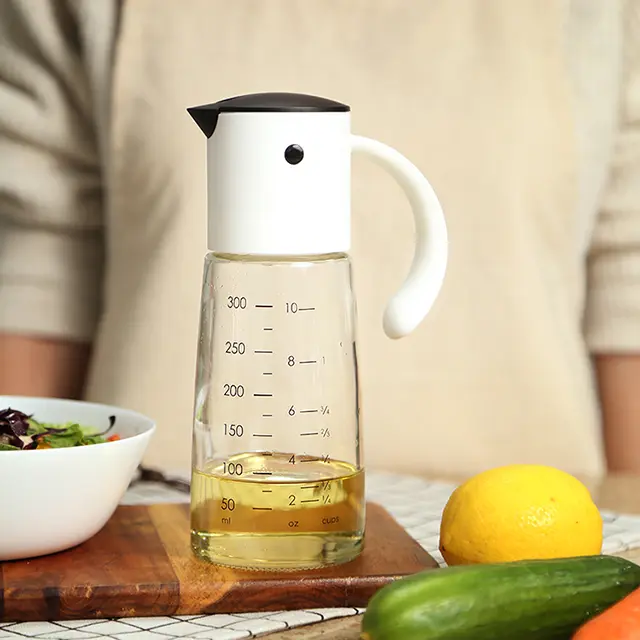
Case Study 1: The Red Dot Winning Bird Spout Oil Dispenser
Through deep market analysis, our R&D team identified a consumer demand for a clean, single-handed oil dispenser. The resulting design features a gravity-activated bird spout that dispenses oil smoothly and seals shut automatically to prevent drips. This innovative design was awarded the Red Dot Design Award and remains a favorite among global kitchenware brands.
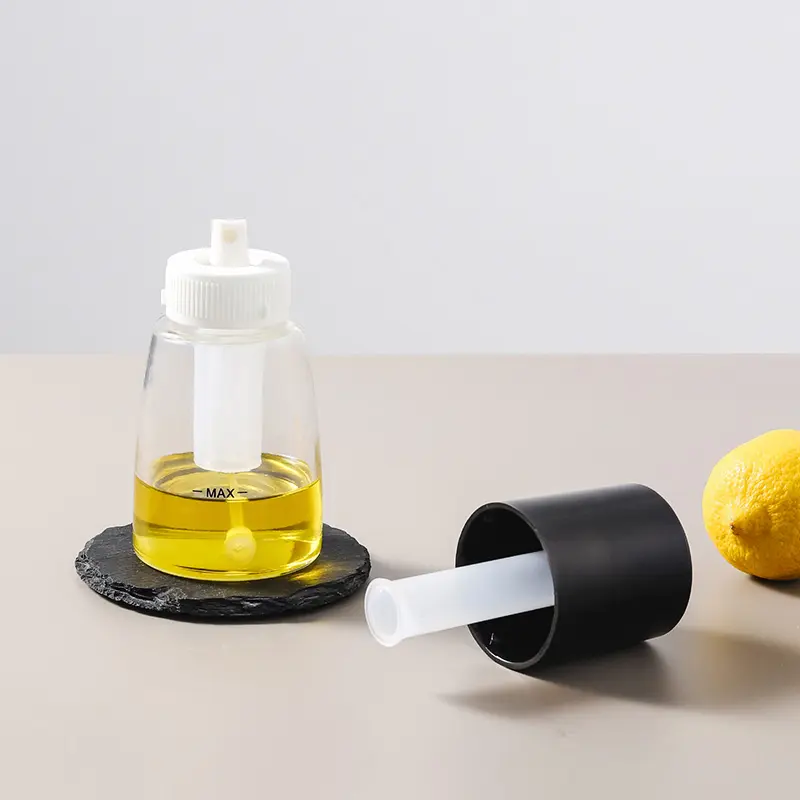
Case Study 2: Material Science Pivot in the Oil Mist Sprayer
During the development of our high-performance oil mist sprayer, initial prototypes using ABS and PMMA plastics showed vulnerability to stress cracking when exposed to lipids over time. To ensure product longevity and food safety, our engineering team switched to food-grade Polypropylene (PP). This choice resolved the structural issues and met stringent FDA compliance standards.
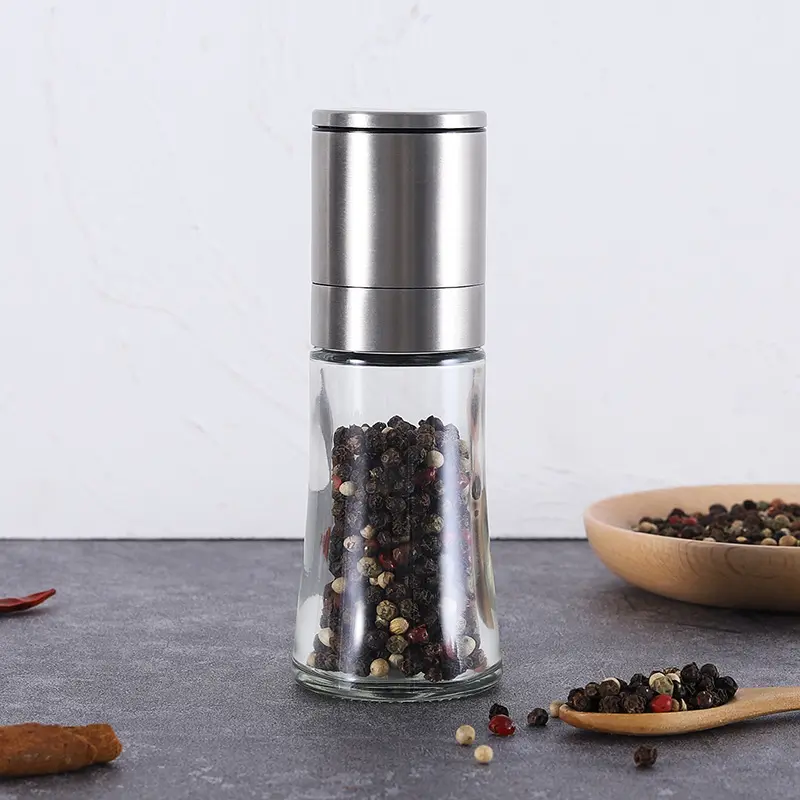
Case Study 3: Ergonomic Improvements in Pepper & Salt Grinders
Traditional manual grinders can be difficult to operate during extended use. Chinagama addressed this by developing a straight-profile grinder with a high-torque internal core. By optimizing the grinding angle and torque transfer, we reduced the force required to operate the grinder by 30%, improving the user experience for both home kitchens and professional environments.
State-of-the-art testing facility ensuring mechanical durability and food-grade safety compliance.
Section 6: China Factory 4.0: Resilient and High-Efficiency Sourcing
Chinagama's manufacturing system is built on the principles of Smart Factory 4.0, integrating automation, data analysis, and advanced quality control systems. Our facility features high-speed automated injection molding machines, automated burr alignment systems, and electronic torque testers. These tools allow us to achieve tight manufacturing tolerances, ensuring high consistency and low defect rates across large production runs.
This automated approach helps stabilize production costs, shielding buyers from rising labor and material expenses. By choosing Chinagama, partners in Chittagong and greater Bangladesh gain access to a reliable, scalable supply chain that supports long-term business planning.
Advanced automated assembly line optimizing production throughput and precision quality control.
Section 7: Regulatory Compliance and Verification Frameworks
Safety and regulatory compliance are critical for food-contact items. Chinagama works with independent testing agencies, including SGS and TÜV Rheinland, to verify that our products meet global safety standards. All materials—from the high-alumina ceramics and food-grade plastics to the SUS304 stainless steel—are certified under LFGB and FDA guidelines, assuring our partners that they are importing safe, reliable kitchenware.
Frequently Asked Questions & Procurement Support
Technical details, import logistics, and customization options for corporate buyers in Chittagong and international markets.
How do ceramic burrs perform compared to stainless steel burrs in humid coastal environments like Chittagong?
Ceramic burrs are highly resistant to rust and corrosion, making them suitable for humid coastal regions. They generate minimal heat during grinding, which helps preserve the flavor of coffee and spices. Stainless steel burrs offer a faster grind and precise grind sizes, making them popular for high-volume coffee service, but they require regular cleaning in humid climates to prevent moisture-related build-up.
What are the Minimum Order Quantities (MOQs) for custom OEM and ODM orders?
Our standard MOQ for custom orders is 2,000 units. This volume allows us to optimize manufacturing schedules and handle custom packaging, color matching, and laser branding efficiently. We can discuss smaller test quantities for initial market trials in Bangladesh under specific terms.
How does Chinagama ensure compliance with FDA, LFGB, and other international standards?
We use certified raw materials and conduct regular audits of our manufacturing processes. In-house test labs verify material composition, chemical resistance, and physical durability, and we partner with independent labs to verify compliance with global food safety standards.
What are the shipping and transit routes from your facility to Chittagong Port?
We arrange shipping from nearby ports, including Ningbo-Zhoushan, with direct routes to Chittagong Port. Typical maritime transit times range from 14 to 21 days, depending on carrier schedules and port conditions. We provide complete documentation to assist with customs clearance in Chittagong.
Can we obtain custom color packaging and manual translations for the Bangladeshi market?
Yes. Our in-house design team can help adapt packaging to include local languages, compliance symbols, and regional branding to support your local distribution channels.
Comprehensive Product Catalog & High-Value Inventory
A broad selection of manual coffee grinders, multi-chamber spice mills, and premium kitchen accessories designed for commercial and retail distribution.

Chittagong Double-Wall Stainless Steel French Press Coffee Maker
View Details
Chittagong USB Rechargeable Electric Salt and Pepper Grinder Set
View Details
Chittagong Manual Spice & Pepper Grinder Precision Ceramic Burr
View Details
Chittagong Multi-Compartment Custom Spice Shaker Independent Lids
View Details
Chittagong Compact Handheld Spice Grinder Ceramic Burr
View Details
Chittagong Wholesale Mini Travel Hand Coffee & Spice Grinder Set
View Details
Chittagong Heavy-Duty Food-Grade Plastic Manual Pepper Grinder
View Details