 Chinagama
Premium Kitchenware & Custom Grinder Series
Explore our foundational range of customizable, high-durability kitchen tools designed for modern culinary requirements.
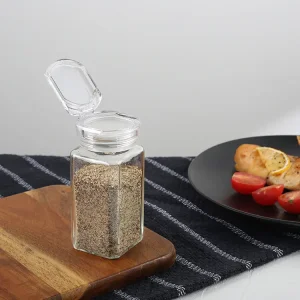
CE Certification Bulk Glass Sprinkler Bottle For Spices Service, Companies
Learn More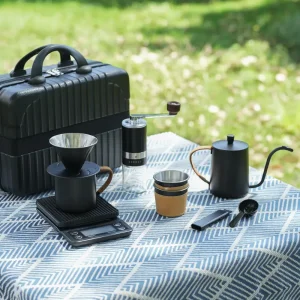
Custom Portable Hand Burr Coffee Grinder Set
Learn More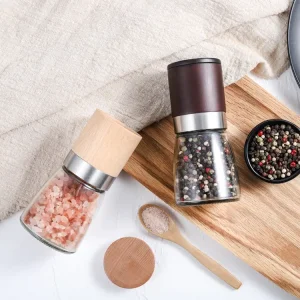
High-Quality Personalized Wood Dry Pepper Grinder with Beech Wood Cap Supplier, Product
Learn More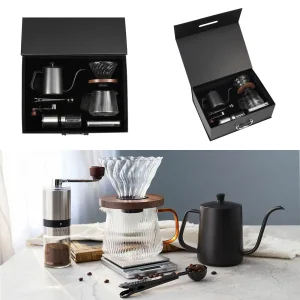
Custom Bulk Sale Portable Coffee Gift Set Exporter, Quotes
Learn More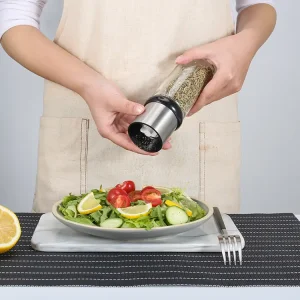
ODM Stainless Steel Manual Spice Mill with Adjustable Ceramic Burr
Learn More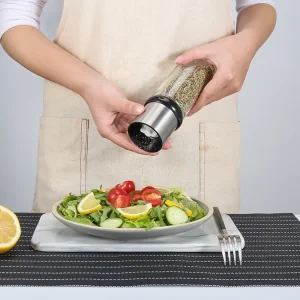
Custom Manual Stainless Steel Salt and Pepper Grinder
Learn More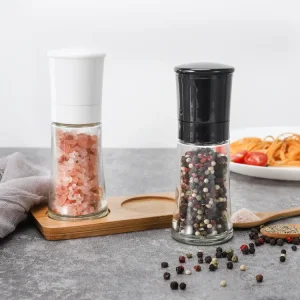
Wholesale Pepper Salt Grinder Set with Bamboo Base
Learn More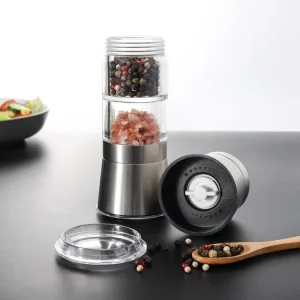
Wholesale Accept Customized Salt and Pepper In One Grinder Exporters, Pricelist
Learn MoreChinagama Kitchenware: A Legacy of Engineering Excellence
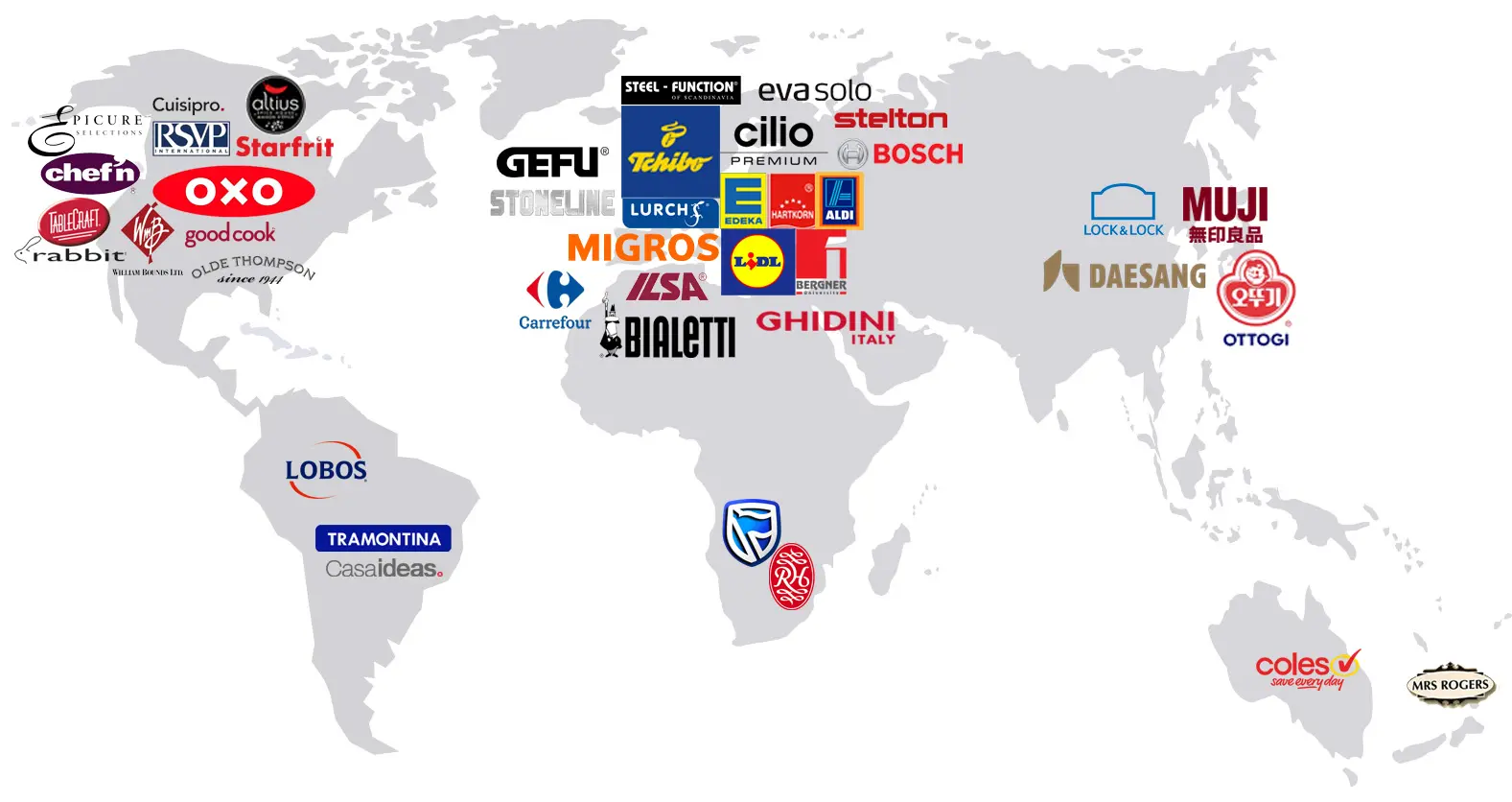
Established in 1997, Chinagama has progressed from a focused trading venture into a global, high-tech manufacturing leader in culinary tools. Operating our proprietary, food-grade manufacturing plant since 2012, we specialize in high-caliber OEM and ODM partnerships. We develop and manufacture solutions for global mid-to-high-end kitchenware brands.
Our core product portfolio spans high-performance salt and pepper mills, coffee grinding mechanisms, and advanced oil and vinegar dispensing systems. Our in-house research and development infrastructure has yielded more than 300 technology patents, with multiple products receiving prestigious international recognitions including the German Red Dot Design Award and the iF Design Award.
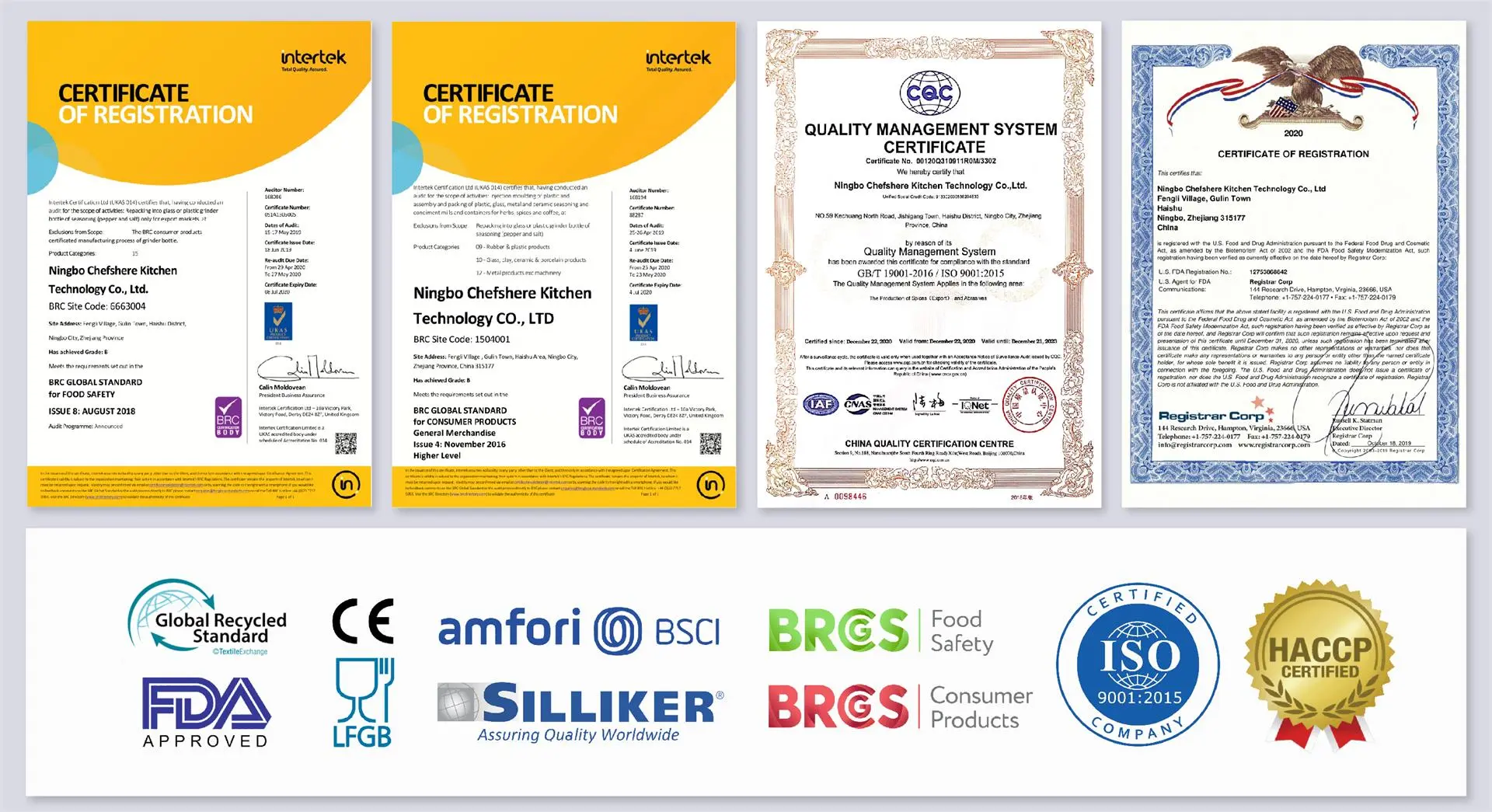
Our facilities carry out meticulous quality inspections in accordance with ISO 9001 protocols, assuring compliance with European LFGB and US FDA food contact certifications.

Industrial Guide to Vinegar and Oil Dispenser Materials
Critical challenges in manufacturing containers for highly acidic liquids like vinegar, shoyu, and citrus infusions.
1. Acid Resistance & Chemical Compatibility
Vinegar typically contains 4% to 8% acetic acid. This causes accelerated degradation in standard plastics (such as cheap polystyrene or low-density polyethylene) and rusts low-grade metals (like 201 stainless steel).
Chinagama utilizes high-borosilicate glass and premium 304/316 grade stainless steel. These alloys feature stable oxide layers to resist chemical erosion and preserve liquid purity.
2. Precision Flow Control & Mechanics
Controlled dispensing of low-viscosity liquids is critical. Standard pourers cause messy dripping, which leads to bacterial growth and residue buildup.
We implement automated gravity lids and drip-return channels. When a user tilts the dispenser, the integrated counterweight opens the spout smoothly, closing it instantly when returned upright to prevent external contamination.
3. Zero-Leaching Food Safety Compliance
Under harsh storage conditions, low-grade plastic containers can leach harmful monomers or plasticizers (like phthalates and BPA) into acidic liquids.
All polymers used by Chinagama (such as polypropylene spouts and silicone gaskets) are verified via LFGB and FDA leach testing. We guarantee zero chemical migration under varying storage temperatures.
The Chinese Kitchenware Supply Chain Edge
Manufacturing complex dispenser parts, such as gravity hinges and precise glass containers, requires a highly integrated supply chain. Our industrial complex in Zhejiang provides unmatched design and engineering advantages:
- Tooling and Molds: In-house CNC machining and EDM wire-cutting ensure mold dimensional accuracy down to ±0.01mm. This prevents leaks at critical connection points.
- Material Sourcing: Direct partnerships with top-tier raw material suppliers guarantee stable costs and traceabilities for high-borosilicate glass tubes and virgin resin granules.
- Scalability & Automation: Automated injection molding and mechanical packing lines allow us to maintain a production capacity of over 1.3 million products per month. This helps cushion buyers against volatile supply disruptions.
Engineering Case Studies: Overcoming Technical Challenges
An inside look at how Chinagama engineers and collaborates with global brands to resolve real-world product challenges.
The Red Dot Award-Winning Gravity Spout Dispenser
The Opportunity: Market research showed growing consumer demand for more unique, ergonomic oil and vinegar dispensers. Traditional pouring spouts often require manual opening or suffer from messy exterior dripping.
The Technical Challenge: Creating a gravity-fed spout that opens and closes smoothly using only fluid force and a simple counterweight, without relying on springs or complex metal joints that rust when exposed to vinegar.
The Solution: Chinagama designed and developed an innovative "bird spout" mechanism. The geometry leverages gravity to actuate the seal automatically. Using specialized, non-stick polymer spouts, we successfully eliminated the surface tension that causes drips. This breakthrough earned the Red Dot Design Award and remains a global best seller.
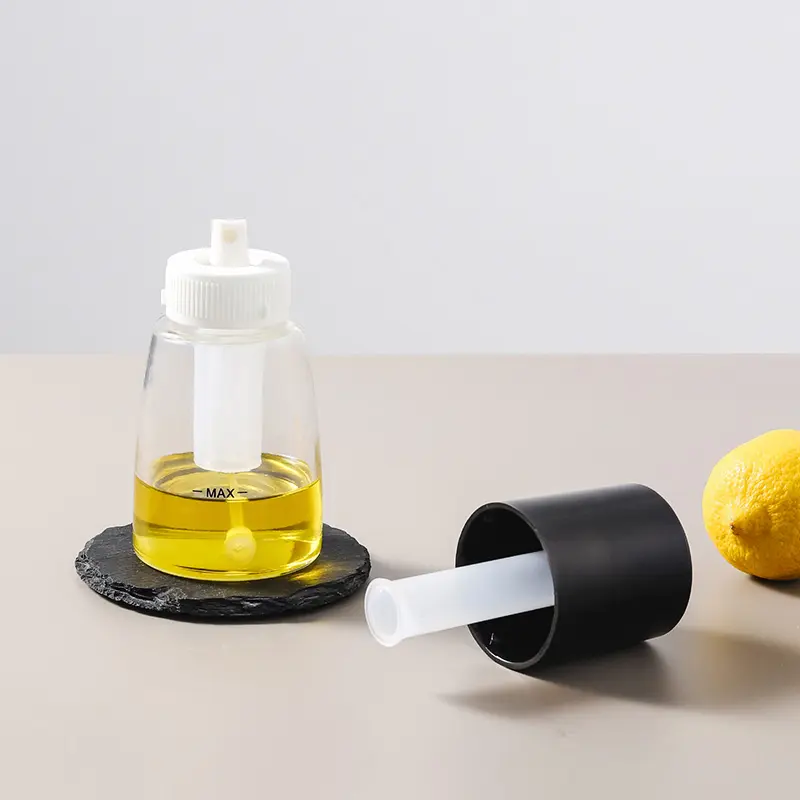
Preventing Stress Cracking in Oil & Vinegar Sprayers
The Opportunity: A leading kitchenware brand partnered with us to create an oil and vinegar mist sprayer. This device allows users to apply precise amounts of dressing to salads and cooking surfaces.
The Technical Challenge: During early tests with common acrylics like ABS and PMMA, we noticed micro-fractures (stress cracking) forming in the pressurized chambers when exposed to vegetable oils and acetic acid.
The Solution: Our engineering team conducted extensive material trials and switched to a robust, modified Polypropylene (PP) and Tritan co-polyester configuration. This combination offers high impact resistance and chemical inertness. The resulting sprayer met the client's rigorous durability standards, driving strong sales and market share growth.
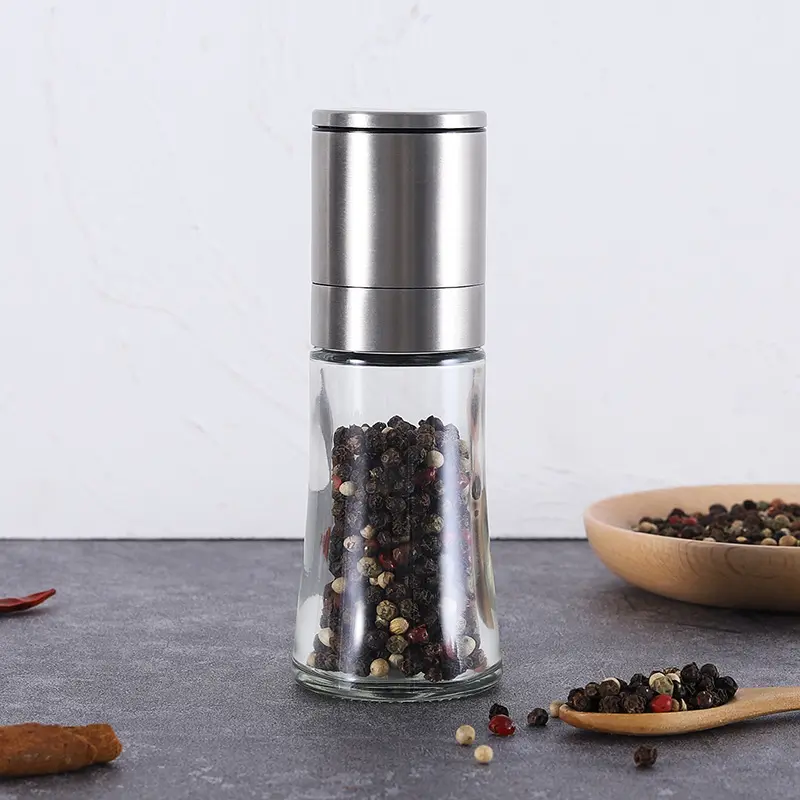
The Small Straight Grinder: Balancing Design and Usability
The Opportunity: In a mature spice mill market, products often featured bulky structures, unnecessary weight, or complex adjustments. Our goal was to create a sleek, minimalist grinder with superior mechanical performance.
The Technical Challenge: Fitting a high-torque ceramic grinding burr and an adjustment dial into a narrow, straight cylinder without compromising spice storage space or structural stability.
The Solution: Our engineering team patented a space-optimized drive shaft and integrated top adjustment mechanism. This layout minimizes friction and stabilizes the ceramic burrs. The resulting compact grinder provides consistent particle output and has received praise from B2B partners and consumers alike.
Evolution of Our Manufacturing Milestones
Over two decades of continuous innovation, growing from a regional exporter to an internationally recognized factory partner.
1997 - Inception & Trading
Chinagama started its journey, establishing partnerships and exporting household products to meet early international market demands.
2003 - Focus on Production
Transitioned from general trading to dedicated manufacturing, setting up our own assembly lines to guarantee quality control.
2012 - Food-Grade Facility Expansion
Opened our modern, standardized food-grade factory. We upgraded our production lines to meet strict European LFGB and US FDA food contact standards.
2015 - High-Tech Enterprise Recognition
Certified as a High-Tech Enterprise by the government. Over the next decade, our designs won numerous Red Dot and iF Design Awards.
Advanced Manufacturing & Quality Control Infrastructure
Deploying advanced equipment and strict QC procedures to ensure consistent, defect-free production runs.
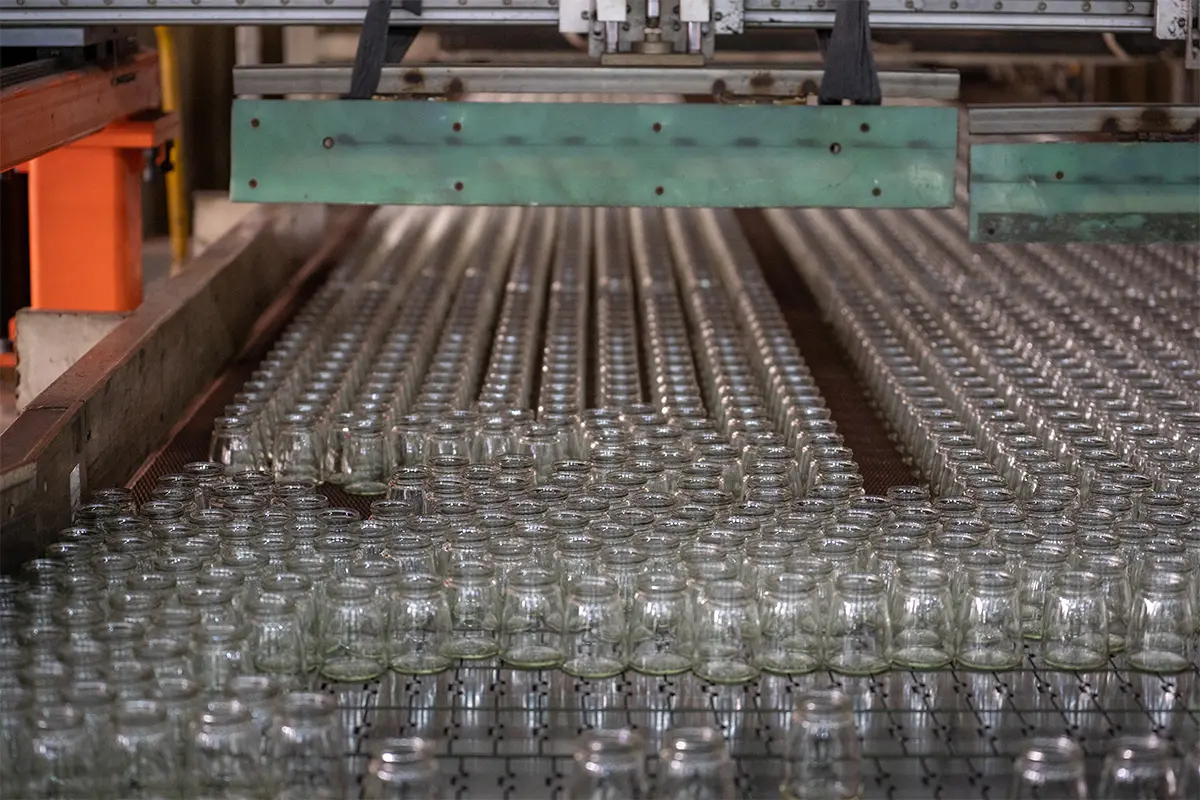
Precision Injection Molding
We operate high-precision injection molding machines. These ensure all plastic components (such as spouts and caps) meet precise structural tolerances.
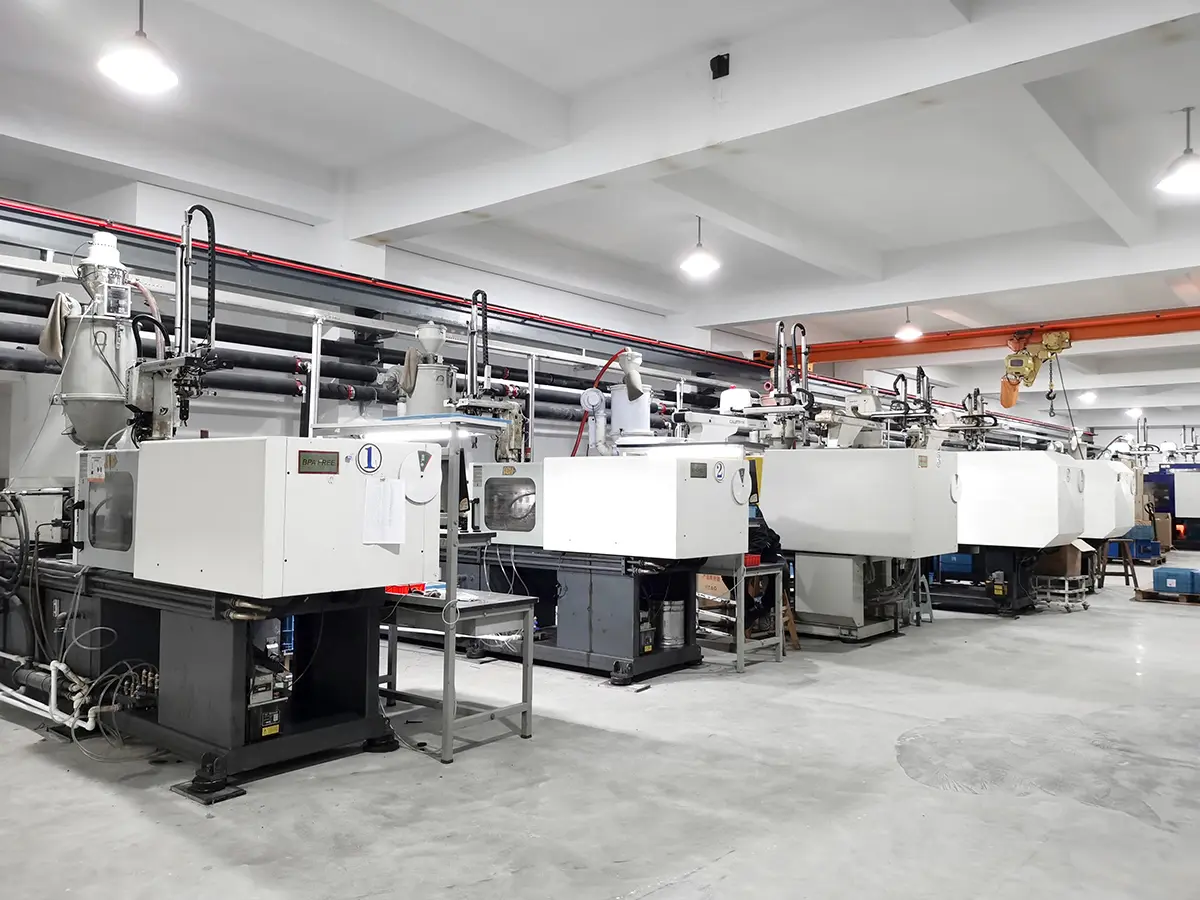
Monitored Assembly Lines
Our production staff uses customized tooling and test fixtures at every stage, verifying fluid seal performance and hinge operation.
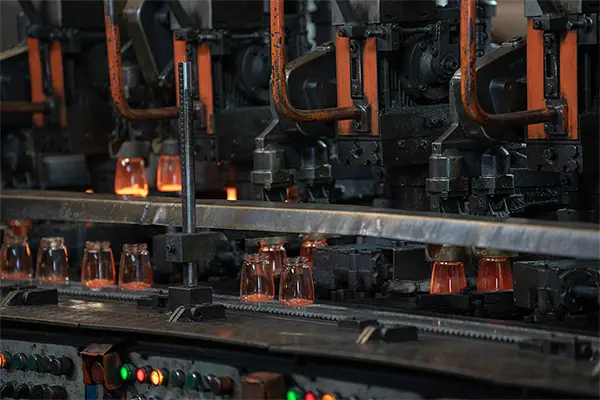
In-House Testing Labs
Equipped with drop testers, torque testers, and salt spray chambers, our lab checks mechanical wear and corrosion resistance before shipping.
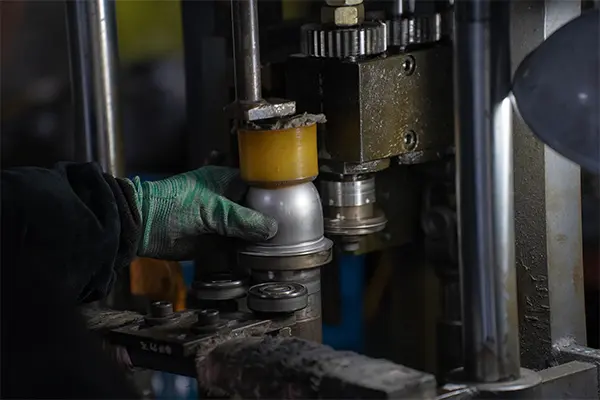
Glass Thermal Treatment
We use controlled annealing processes to relieve internal stress in high-borosilicate glass, enhancing mechanical strength and thermal shock resistance.
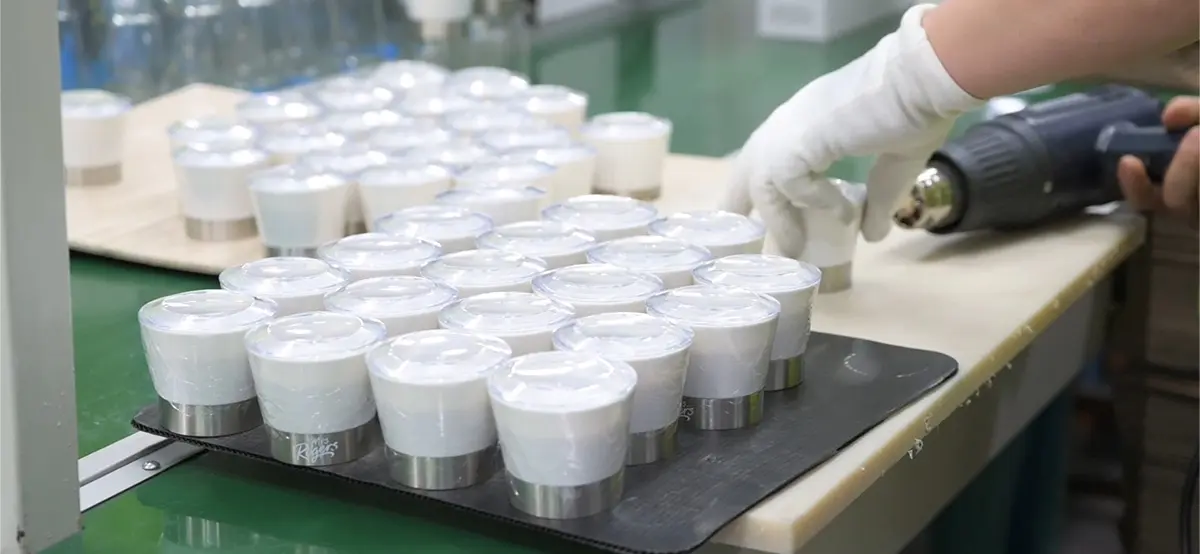
Ultrasonic Cleaning & Drying
All glass bottles are cleaned using ultrasonic water baths. This ensures they are free of dust and micro-particles prior to assembly.

Secure Packaging & Warehousing
We use corrugated, drop-resistant export cartons and customized pallets. These safeguard your shipment during international transit.
Ensuring Compliance & Logistics Support for Global Enterprise
How we help global kitchenware importers manage regional regulatory differences and maintain stable supply chains.
Regulatory Advisory Services
B2B buyers face strict regional regulations, such as California Prop 65, European REACH, and Germany's LFGB Food Contact Chemical Safety requirements.
Chinagama provides full documentation support. We share material test reports and certification records for glass, metals, and plastics to simplify customs clearance and retail approval.
B2B Logistics & Warehousing Support
To help our partners mitigate ocean shipping delays and container price swings, we coordinate with reliable forwarders and support various delivery options, including FOB, CIF, and DDP.
We also offer consolidated shipping options. This allows buyers to mix pepper mills, oil pourers, and coffee grinders into a single container to optimize logistics costs.
Custom Design Partnerships
Our in-house design team collaborates closely with your brand coordinators, utilizing 3D CAD modeling and rapid SLA prototyping.
We quickly refine ergonomics, test flow dynamics, and produce physical mockups within 7 to 10 working days, helping you speed up time-to-market.
B2B Procurement FAQ: Vinegar & Oil Dispenser Manufacturing
Get answers to common technical, compliance, and custom molding questions from retail category buyers.
Q1: Why is high-borosilicate glass preferred over soda-lime glass for vinegar dispensers?
Vinegar contains acetic acid, which can gradually react with the trace alkaline components in standard soda-lime glass, leading to cloudiness over time. High-borosilicate glass contains silica and boron trioxide, creating a chemically inert structure. It offers superior resistance to acid corrosion and handles thermal shocks up to 150°C, preventing cracks during high-temperature sterilization.
Q2: What steel grades do you use for spouts and lids, and how do you prevent rusting?
We use premium SUS304 (18/8) and SUS316 stainless steels for our spouts, lid coverings, and hinge pins. These materials contain high levels of chromium and nickel, forming a passive chromium oxide layer that prevents corrosion. We avoid low-grade 201 or 430 steels in liquid-contact zones, as they rust quickly when exposed to acetic acid or salt water.
Q3: What is the typical Minimum Order Quantity (MOQ) for ODM vinegar dispenser customization?
For standard glass shapes with customized colors or laser-etched branding, our typical MOQ starts at 2,000 to 3,000 units. For completely custom ODM designs requiring new injection or blowing molds, the MOQ is generally 5,000 to 10,000 units, depending on the tooling complexity. We also support split production runs for strategic long-term partners.
Q4: How does Chinagama ensure compliance with LFGB and FDA food safety regulations?
All raw materials are tested for food contact safety. Our supplier batches come with traceable chemical certificates. Finished products are periodically sent to independent labs like SGS and TÜV Rheinland. They undergo overall migration tests, heavy metal extraction checks, and sensory evaluations to ensure our products never leach harmful compounds into food.
Q5: Can you develop custom pour mechanisms, like dual-spouts or pressurized sprayers?
Yes, custom mechanism design is a core specialty. Our engineering team has created and patented multiple dual-chamber dispensers, automatic gravity closures, and high-efficiency oil mist sprayers. We design components to prevent clogging and messy dripping, while ensuring they are easy for consumers to clean.
Q6: What is the timeline for custom ODM projects from initial concept to shipment?
A typical custom project follows this schedule: 3D CAD modeling and design approval take about 1 to 2 weeks. Creating SLA prototype mockups requires 1 week. Tooling and mold fabrication take 30 to 45 days. Finally, mass production and quality assurance inspections take 35 to 45 days. Overall, a new custom project takes approximately 3 to 4 months to prepare for export.
Q7: How do you prevent oil and vinegar from leaking during long-term storage or shipment?
We use high-grade silicone seals with excellent elastic recovery. This ensures a tight fit between the glass bottle and the plastic pourer. Each product batch undergoes vacuum leak tests and horizontal pressure evaluations to ensure seal integrity during transportation and everyday use.
Q8: Do you support localized packaging and custom labeling for large retail chains?
Yes. We offer complete packaging support, including drop-test certified color boxes, sustainable pulp trays, PDQ display bins, and barcode labeling. Our designs comply with European and North American retail requirements, ensuring your products are shelf-ready upon arrival.
Premium Mills & Brewing Accessories Showcase
Explore our advanced grinding and brewing products, manufactured to the same high standards as our kitchenware lines.
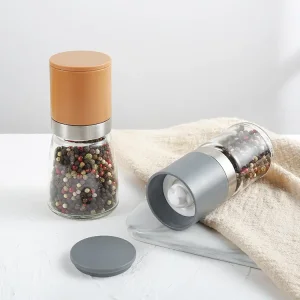
Wholesale Hand Salt and Pepper Grinder Mill
Learn More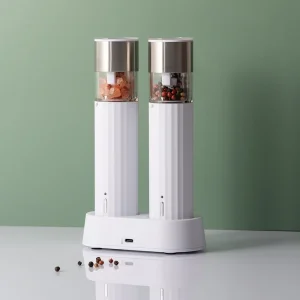
Custom Electric Salt and Pepper Grinder Set with Wireless Charging Base
Learn More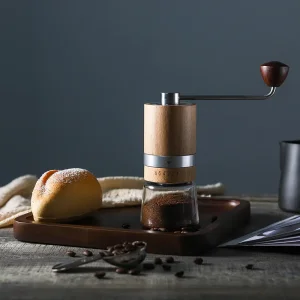
Wholesale Wooden Hand Coffee Grinder with Adjustable Grinding Design
Learn More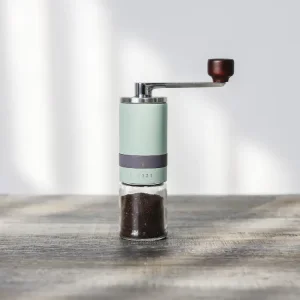
Wholesale Colorful Hand Coffee Grinder Ceramic Burr
Learn More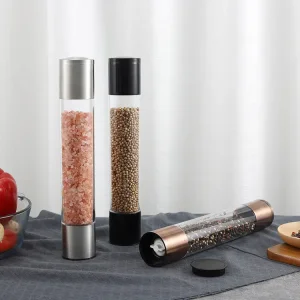
ODM Customized Big Pepper Grinder
Learn More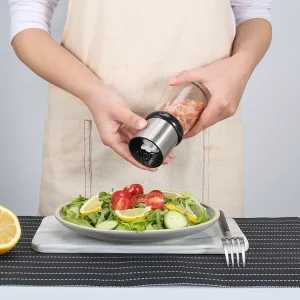
OEM Customized Metal Modern Salt Pepper Grinder Exporters, Suppliers
Learn More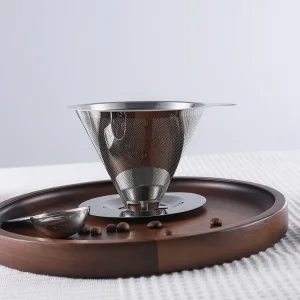
OEM Bulk Stainless Steel Pour Over Coffee Dripper Service, Company
Learn More