 Chinagama
Featured Product Line (OEM/ODM Showcase)
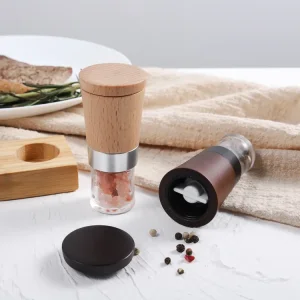
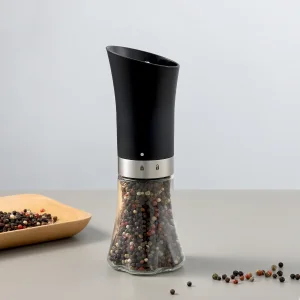
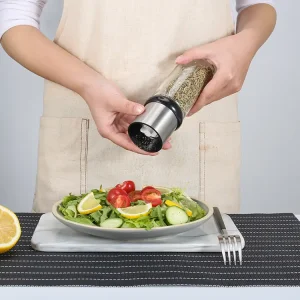
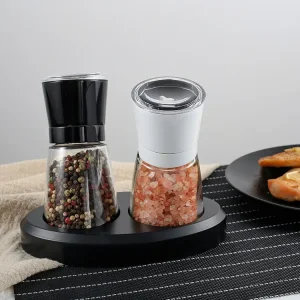

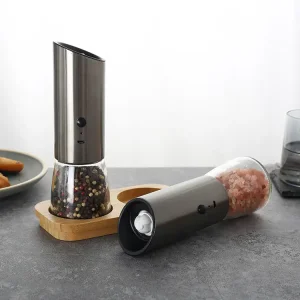
The Global Evolution of Gravity Grinder Systems
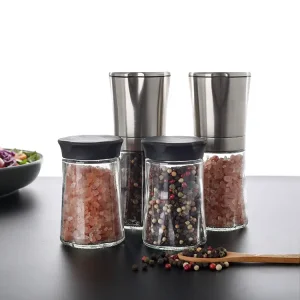
In the modern culinary landscape, ergonomic efficiency and sanitary touchless technology have evolved from luxury attributes to standard expectations. The **Wholesale CustomGravitySpiceGrinderSupplier** industry is witnessing a significant paradigm shift driven by user intent analysis: commercial buyers demand devices that eliminate cross-contamination, streamline one-handed operation, and maintain precision grind particle distribution.
Traditional kitchen implements require dual-handed rotation, which is inefficient in busy commercial kitchens and presents a hurdle for consumers with limited dexterity. Gravity-sensing grinders solve these challenges using a built-in micro-switch activated by tilt angles. When tilted past 45 degrees, the internal motor automatically initiates grinding, dispensing fresh spices with zero manual effort.
Chinagama, a global leader in kitchenware design and R&D since 1997, is at the forefront of this technological shift. By combining material engineering, ergonomic design, and automated manufacturing, we deliver customized systems that enhance brand value and product lifecycle reliability for mid-to-high-end global brands.

Industrial Output & Technological Standards
Our operational structure is built to support scale, quality control, and ongoing design innovation for global retailers, importers, and brand owners.
China Manufacturing Advantages: Precision at Scale
When sourcing **Wholesale CustomGravitySpiceGrinderSupplier** systems, global buyers prioritize cost efficiency without sacrificing quality control. The cluster effect of kitchenware manufacturing in China, combined with advanced technology, provides unique benefits:
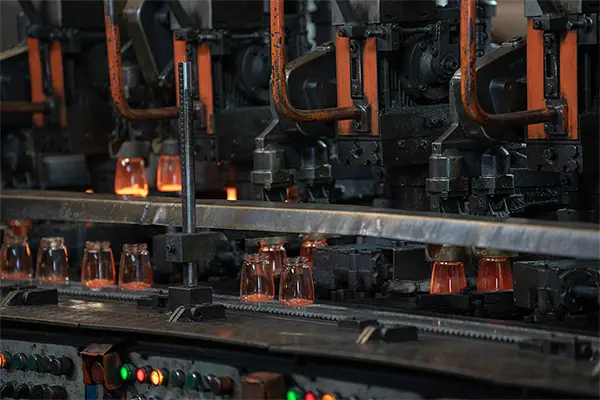
- Vertical Integration: We handle everything from initial mold design and toolmaking to injection molding, motor winding, assembly, and quality assurance in-house, minimizing third-party production risks.
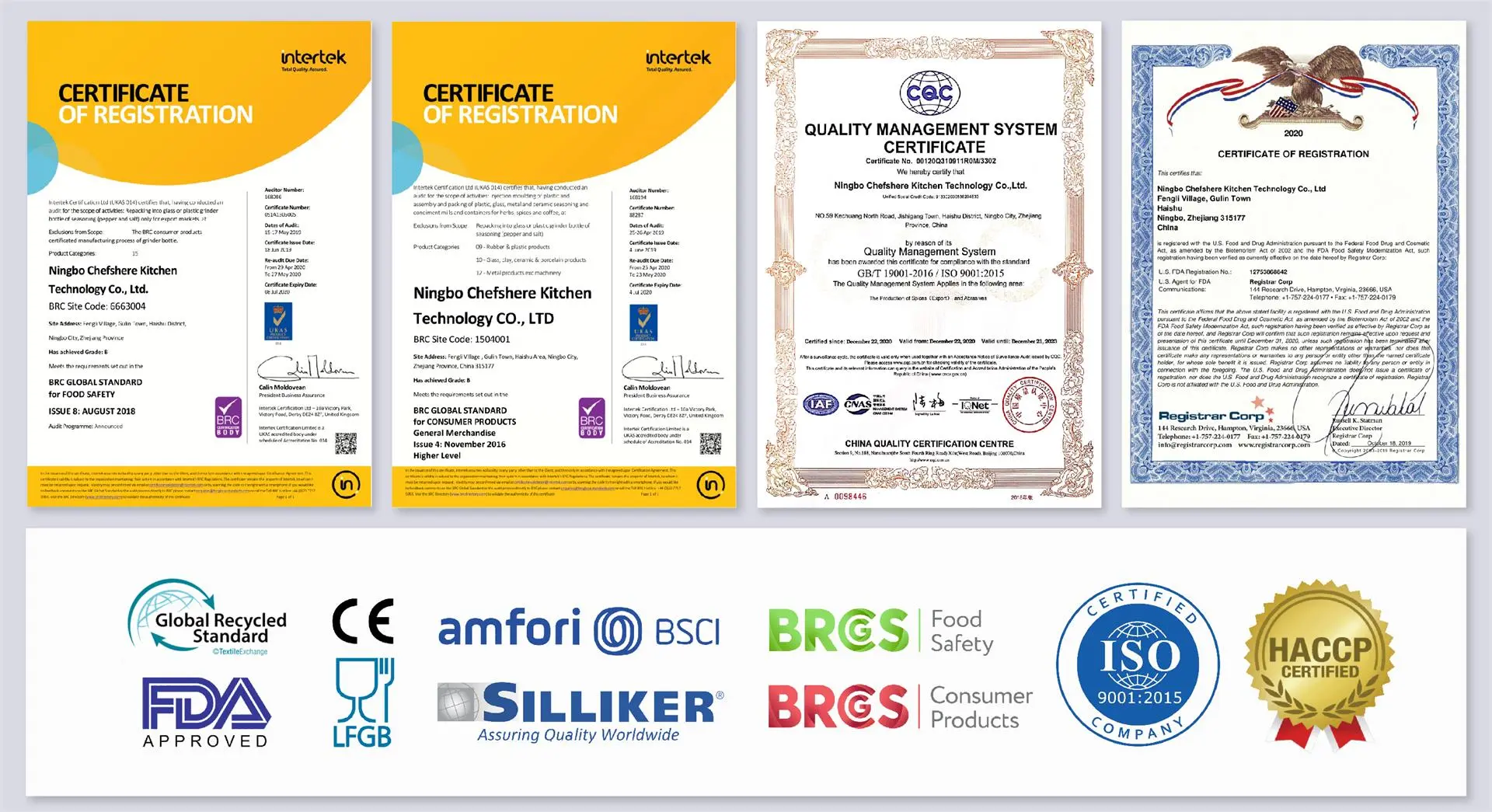
- Strict Regulatory Compliance: Our manufacturing processes align with FDA, LFGB, CE, and RoHS requirements. Materials used in direct food contact undergo regular extraction testing.
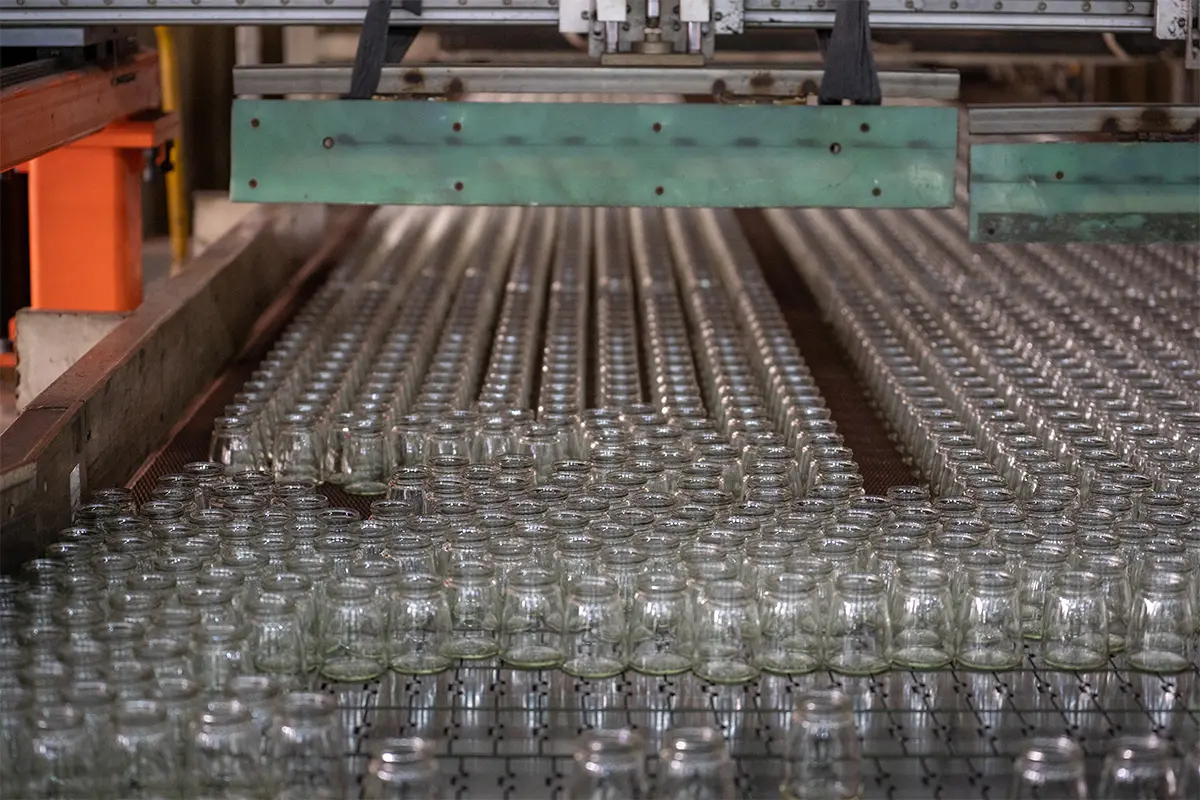
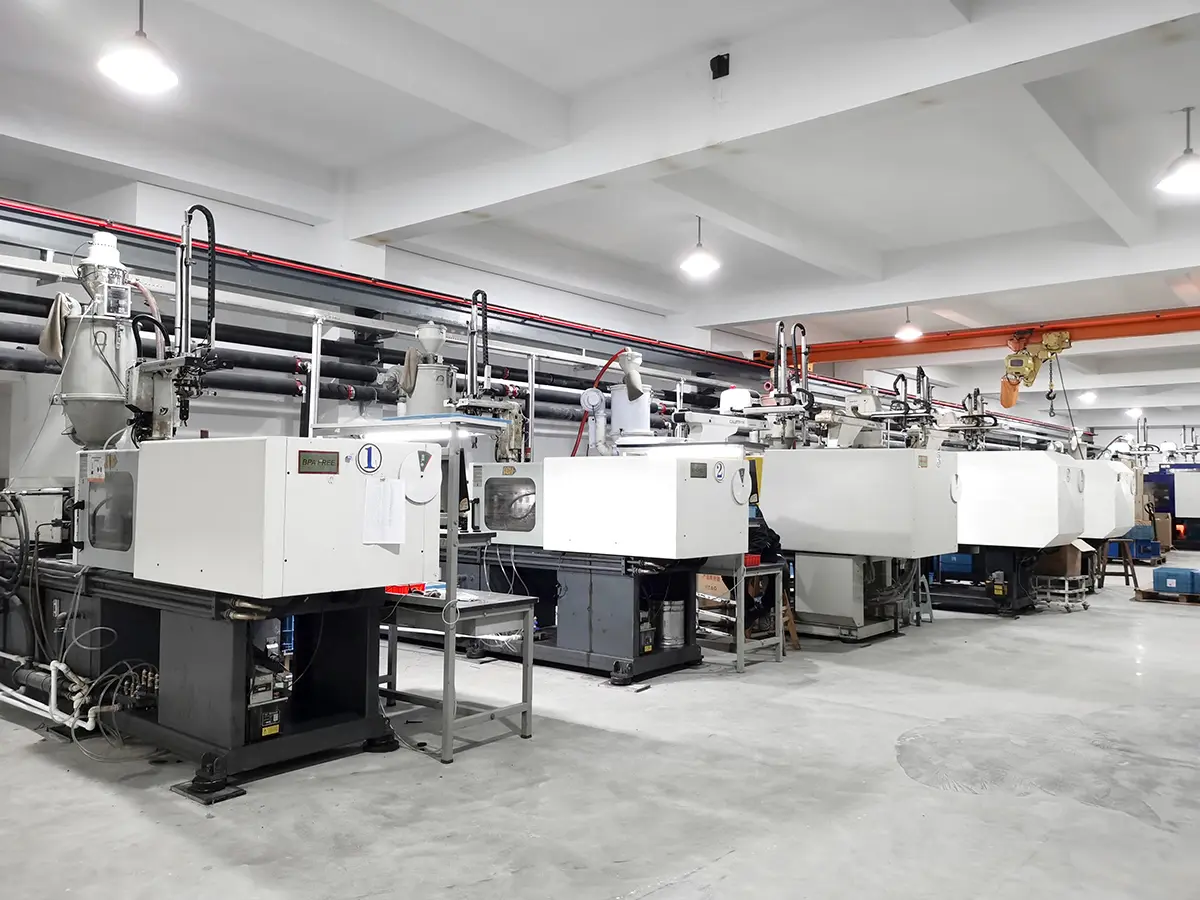
- Advanced Automation: High-speed injection presses, automated ultrasonic welding, and computerized optical inspection equipment ensure consistent tolerances across high-volume production runs.
This integrated infrastructure allows us to maintain a low scrap rate and deliver cost-competitive solutions to our global partners, ensuring stable pricing and reliable delivery schedules.
Engineering Core: What Sets Our Systems Apart
Wear-Resistant Ceramic Burrs
Unlike steel burrs that corrode when processing sea salt, our high-alumina ceramic grinding cores are non-corrosive and retain their cutting edge longer, preserving pure spice flavors.
Advanced Gravity Sensing
Utilizing micro-gravity activation mechanisms, our grinders initiate operations at a 45-degree angle. This reduces battery drain, prevents accidental triggers, and operates smoothly.
Modular Customization
Our OEM and ODM solutions allow you to choose from premium wood caps, glass jars, stainless steel finishes, or custom plastic housings, aligning the design with your brand's aesthetic.
The Journey of Kitchenware Engineering
Established in 1997, Chinagama began as a sourcing and trading company. Recognizing the growing global demand for higher standards of reliability, we pivoted to in-house manufacturing in 2003. This transition culminated in the establishment of our food-grade manufacturing plant in 2012, designed to meet global supply chain requirements.
In 2015, we were recognized as a high-tech enterprise. Over the years, our development teams have secured over 300 patents, and our designs have earned industry accolades, including the Red Dot Design Award and the iF Design Award. Today, we supply international brands, helping them optimize their product offerings and streamline sourcing logistics.
Chinagama commences operations, focusing on trade and local sourcing dynamics for culinary products.
Transitioned from trade to direct production, building specialized lines for salt and pepper mills.
Established a standardized food-grade facility, implementing clean-room assemblies and automated quality control.
Awarded High-Tech Enterprise status, expanding globally and selling over 12 million units annually with award-winning designs.
Engineering Resolutions: Solving Real-World Kitchen Challenges
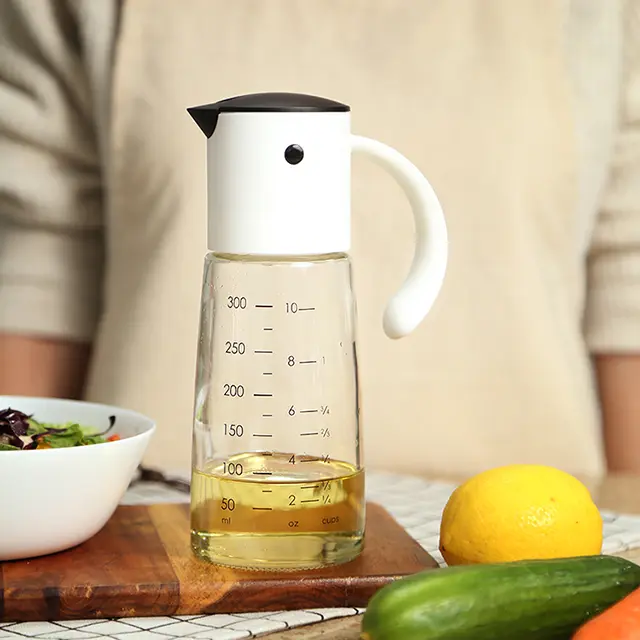
The Gravity-Fed Bird Spout Oil Dispenser
Market Insight: Consumer feedback highlighted a common issue with traditional oil dispensers: drips causing messy counters and slippery handles.
The Innovation: Chinagama developed a gravity-fed, bird-spout mechanism that opens and closes automatically based on tilt. By leverage-balancing the spout cover, it opens when tilted to pour and seals instantly when placed upright.
The Outcome: The clean, drip-free operation resolved a major user frustration and went on to win the Red Dot Design Award, remaining a top seller in our oil dispenser line.
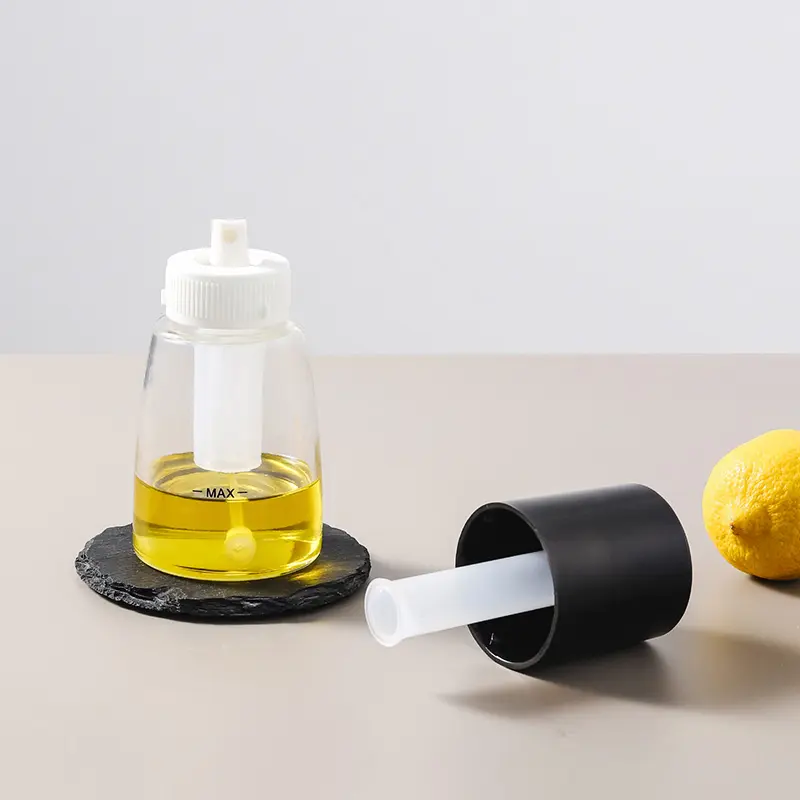
Solving Material Stress Cracking in Oil Spray Systems
The Challenge: During the development of an oil mist sprayer, initial prototypes using ABS and PMMA plastics experienced stress cracking when exposed to certain botanical oils, compromising structural integrity.
The Solution: Our engineering team analyzed chemical compatibility and transitioned to food-grade Polypropylene (PP). PP provides superior chemical resistance to oils and fats, eliminating stress cracking.
The Outcome: The material optimization allowed us to deliver a durable, chemical-resistant sprayer that met our partner's strict safety standards and captured market share.
Optimizing the Ergonomic Salt & Pepper Grinder
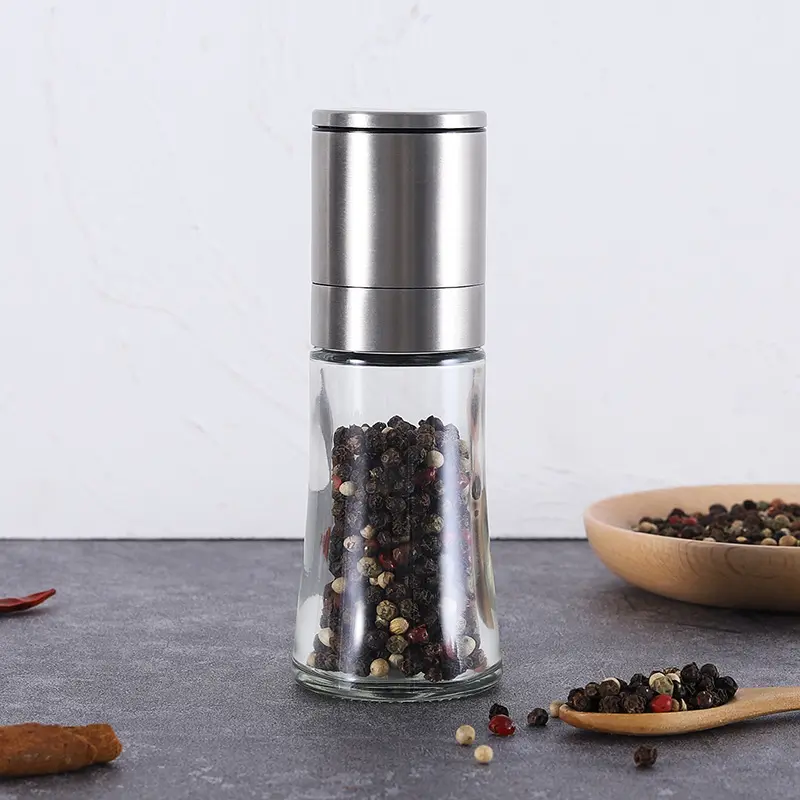
Market Challenge: Many traditional manual mills are bulky, heavy, or require significant grip strength to operate, making them less user-friendly.
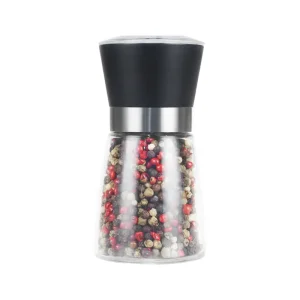
The Innovation: We developed a compact, straight-profile grinder utilizing a patented low-friction internal drive shaft. This design maximizes leverage, allowing the user to grind easily.
The Outcome: The optimized design received positive feedback from both commercial kitchens and retail buyers, showing that simplicity and ergonomics drive market success.
Precision Injection Molding & Assembly
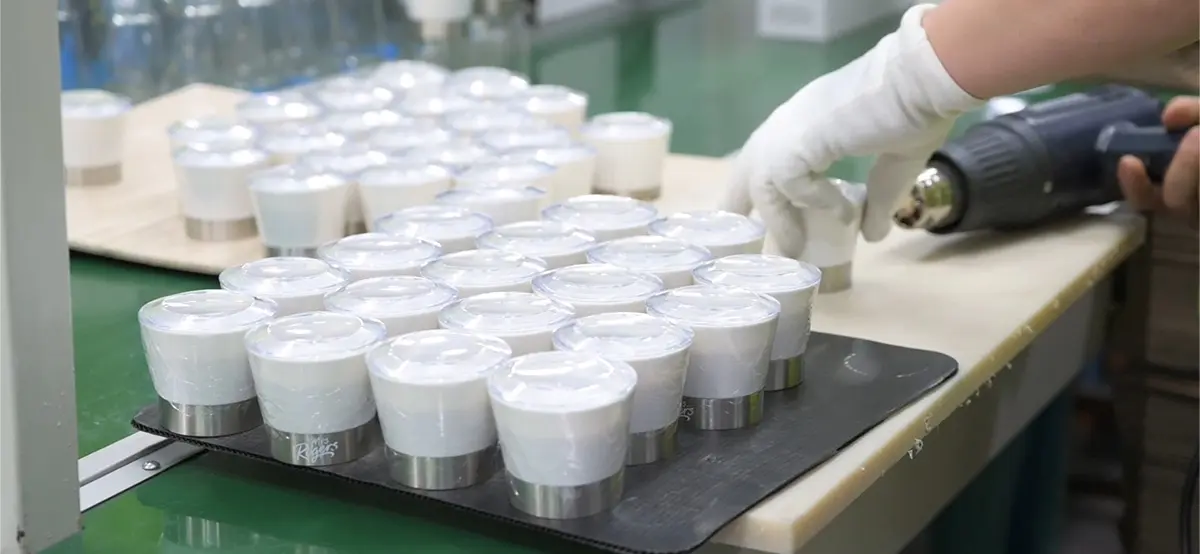
A reliable grinder relies on consistent component tolerances. Our manufacturing facility utilizes high-speed injection molding machines, automated ultrasonic welding, and multi-stage testing rigs.
Our in-house tool shop allows us to rapidly prototype and refine designs. By maintaining control over tooling tolerances down to 0.02mm, we ensure that every ceramic burr, battery compartment cover, and gravity sensor aligns perfectly, preventing internal friction and reducing return rates for our buyers.
Additionally, all food-contact surfaces undergo strict vetting. We conduct regular migration testing for plastics, silicones, and ceramic components to maintain compliance with FDA and LFGB directives.