 Chinagama
Premium Kitchenware Showcase - Batch I
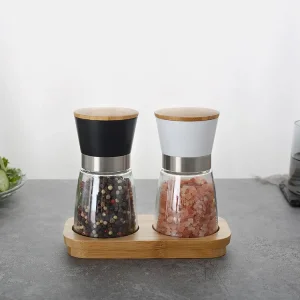
Explore our elite array of high-grade grinding tools and custom culinary accessories designed for international markets.
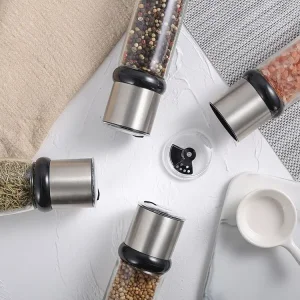
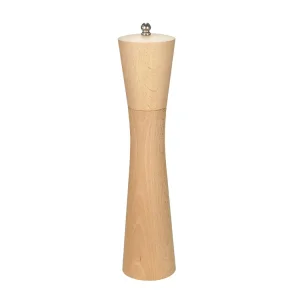
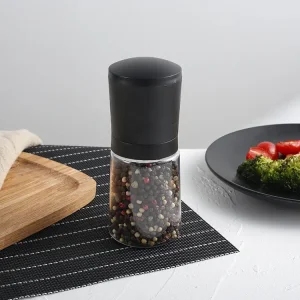
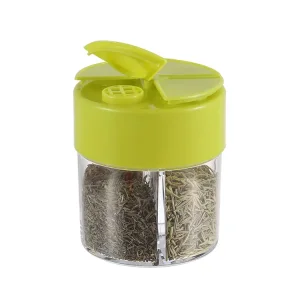
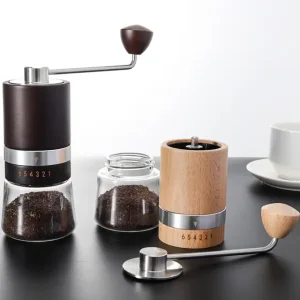
Global Industry Overview: The Evolution of Premium Grinding Mechanism Technologies
Within the modern consumer goods landscape, the demand for precision kitchenware has undergone a massive paradigm shift. No longer viewed as mere static tabletop accessories, products like manual salt and pepper grinders have transformed into symbols of functional technology. As culinary habits emphasize freshness, aroma preservation, and ergonomic utility, global consumer brands require advanced grinding systems capable of maintaining consistency and longevity.
Historically, low-tier manufacturers relied on basic carbon steel or cheap plastic grinding mechanisms that degraded rapidly, contaminating spices with particulates and altering natural flavors. Today, the culinary standards mandate adjustable alumina ceramic cores and high-grade stainless steel burrs. These advanced materials provide exceptional chemical stability, corrosion resistance, and structural integrity under high torque, ensuring a uniform grind size distribution necessary for both residential and commercial kitchens alike.

B2B Procurement Realities: Addressing Supply Chain Demands & Technical Needs
What global procurement officers evaluate when vetting kitchenware manufacturing partners.
Rigorous Compliance & Certification
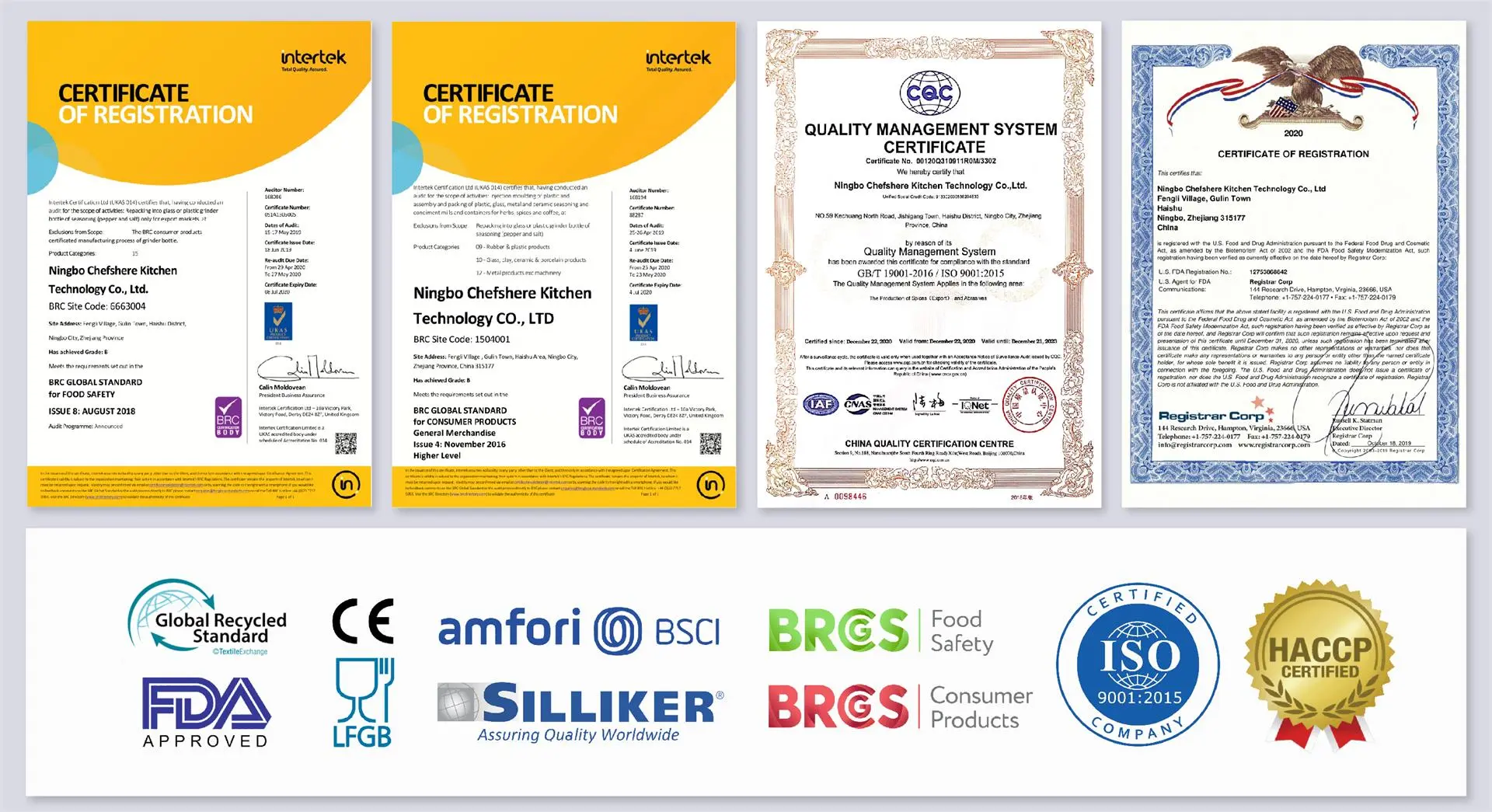
Importers across Europe, North America, and Japan face strict regulatory frameworks regarding food contact safety. Partners must hold verifiable LFGB, FDA, and EU chemical compliance certifications to guarantee no heavy metals or toxic polymers leach into ground spices.
Material Innovation & Durability
Modern consumers actively avoid single-use or fragile components. Top-tier brands prioritize heavy-duty materials including 18/8 (SUS304) stainless steel, robust borosilicate glass, BPA-free acrylics, and FSC-certified natural hardwoods (such as acacia and oak) to deliver high tactile value and wear resistance.
Product Engineering & OEM Customization
To capture premium market share, brands require highly customized products with unique profiles, functional adjustments, and customized colors. Suppliers must possess extensive R&D capacity to translate physical concepts into ready-to-manufacture designs with integrated engineering solutions.
China Industry 4.0: The Competitive Landscape of Modern Manufacturing
China's kitchenware manufacturing has transitioned from labor-intensive manual assembly to high-precision smart factories. This paradigm shift ensures incredible quality consistency, cost optimization, and supply chain agility. Factories utilize automated plastic injection molding machines, automated mechanical assembly arms, and laser engraving technologies to minimize human error and ensure strict adherence to engineering tolerances.
Furthermore, China’s complete localized supply chain clusters—extending from raw steel extraction to advanced ceramic sintering—guarantee that logistics bottlenecks and material shortages are minimized. This structural setup enables high manufacturing agility, allowing factories to rapidly scale up production volumes during global seasonal peaks while keeping tooling lead times to a minimum.
About Chinagama: Pioneering Culinary Innovation & Trust
A look at the credentials that make Chinagama an industry-leading OEM/ODM manufacturer.
Since our establishment in 1997, Chinagama has been dedicated to delivering exceptional kitchenware development and manufacturing. Over the years, we have achieved over 300 patents, and our meticulously designed and produced kitchen tools have been honored with the prestigious Red Dot Award and iF Design Award. We continue to innovate with new products to cater to evolving market needs.
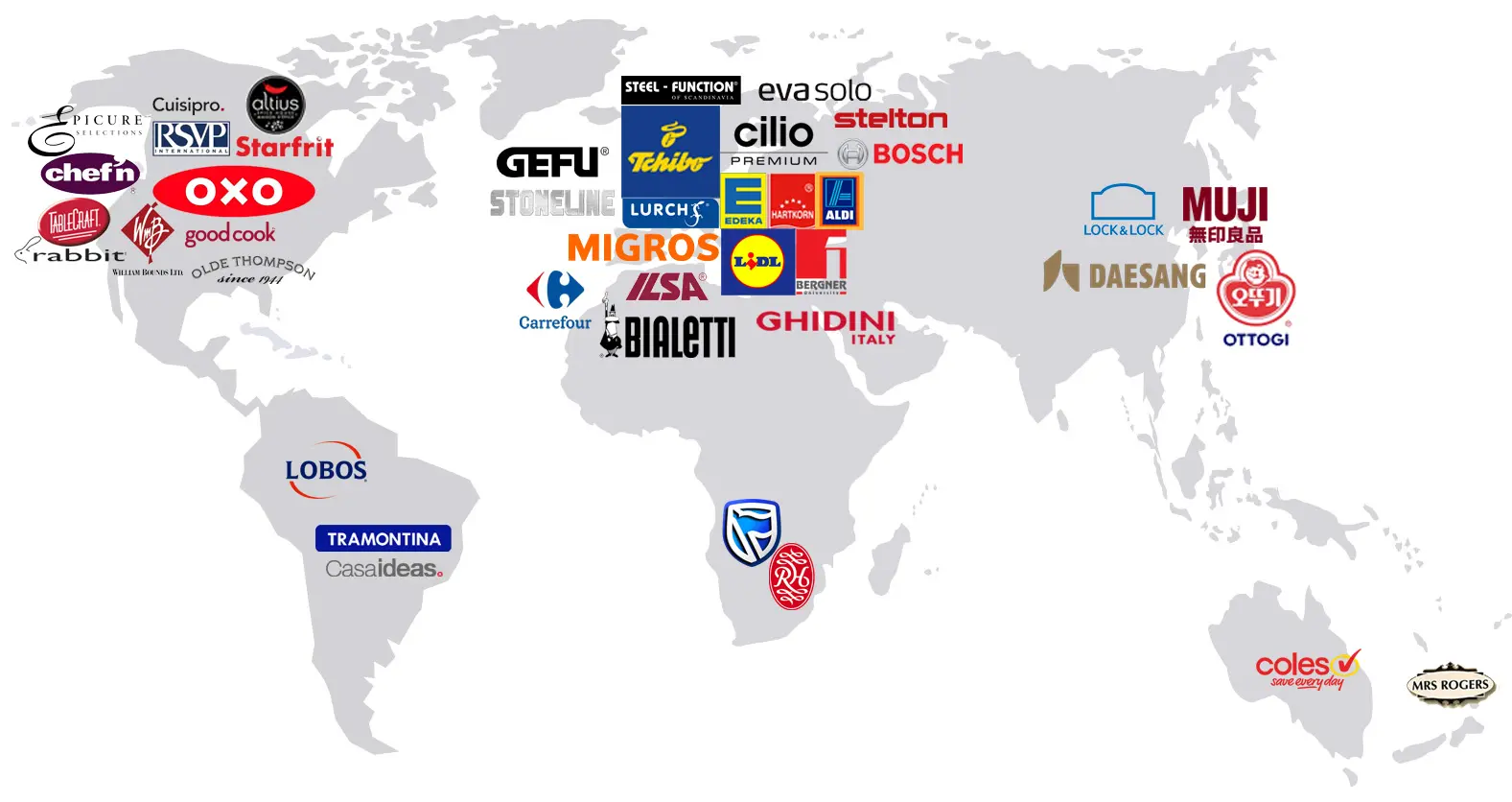
With a strong emphasis on quality, Chinagama has fostered successful partnerships with global clients, selling over 12 million pepper grinders annually. Every three seconds, a Chinagama product finds its way into the hands of satisfied customers worldwide. Under our core mission to become the preferred supplier of premium kitchen grinding tools for mid-to-high-end brands globally, we continuously implement rigorous Quality Control measures from conception to completion.
Our Strategic Journey of Technological Evolution
Tracking the growth of Chinagama from a regional trading agent to a globally recognized ODM pioneer.
Chinagama embarked on its remarkable journey, initially focusing on general kitchenware trading and export operations, establishing basic relationships with global importers.
Embraced emerging online trade channels. Driven by a deep passion for culinary excellence, we made a strategic transition from trade to direct production, establishing our first manufacturing lines.
Established our modern, standardized food-grade production plant, fully equipped to meet strict FDA and LFGB compliance audits for international markets.
Honored with the national high-tech enterprise designation. Awarded multiple Red Dot Design and iF Design awards, confirming our status as a market leader in grinding technology.
Engineering Case Studies: Problem Solving in Kitchenware Innovation
Demonstrating our R&D ability to translate real-world market problems into award-winning, functional solutions.
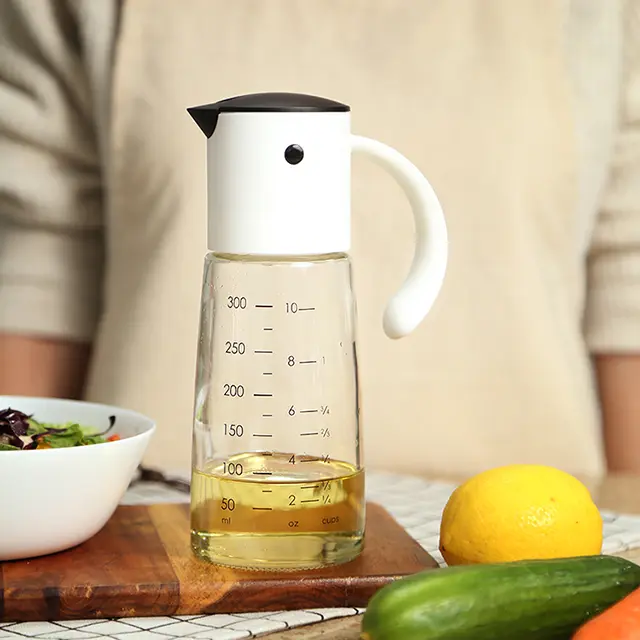
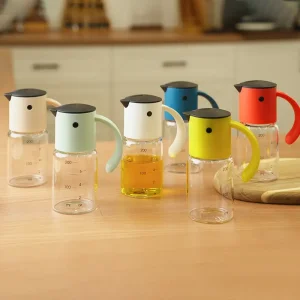
The Red Dot Award-Winning Bird Spout Oil Dispenser
The Opportunity: Market research showed growing consumer demand for more unique, humanized oil dispenser designs. Against this backdrop, Chinagama independently developed and launched a gravity-fed bird spout oil dispenser to meet new market needs.
The Breakthrough: Most oil dispensers on the market employed simple designs with few products offering drip-free, gravity-fed spouts. Chinagama set out to create an oil dispenser that could be easily single-hand operated without any drips. After multiple rounds of testing, the bird spout shape was finalized, not only meeting functional requirements but also being more aesthetically appealing.
The Outcome: With its excellent design and functionality, this breakthrough was quickly met with market acclaim and later won the prestigious Red Dot Design Award. To this day, the product remains one of Chinagama's most popular oil dispenser products.

Collaborative Development: Oil Mist Sprayer Project
The Opportunity: Chinagama collaborated with a renowned kitchenware brand to conceptualize and develop an innovative oil mist sprayer. The client had high-performance requirements and proposed many innovative ideas, necessitating major technological breakthroughs.
The Breakthrough: Capping off several weeks of in-depth research, our engineering team made a critical discovery regarding ABS and PMMA materials: their susceptibility to stress cracking when exposed to vegetable oil over extended periods. Consequently, we made the decisive switch to a more robust, non-toxic, and crack-resistant PP formulation.
The Outcome: The project demonstrated Chinagama's capabilities in pursuing engineering excellence and ensuring product safety. Developing and manufacturing a high-quality product meeting the client's stringent standards bolstered their market share growth in oil mist sprayers.
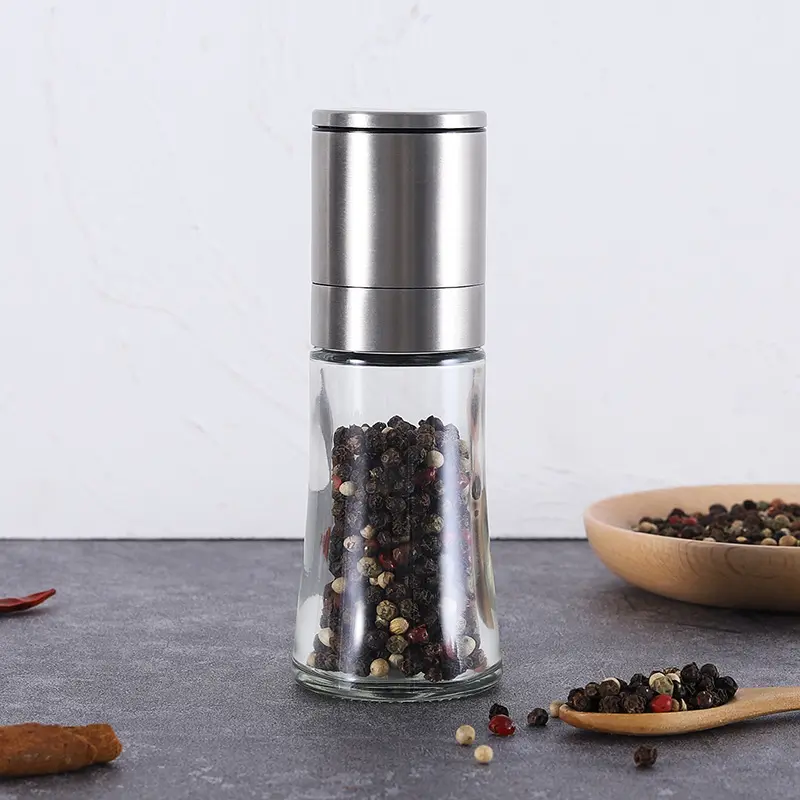
Ergonomics & Practicality in Pepper Grinder Engineering
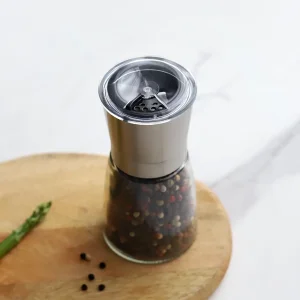
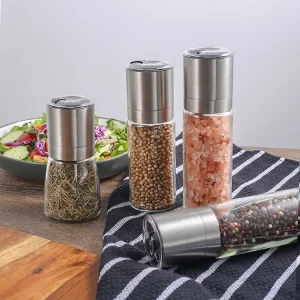
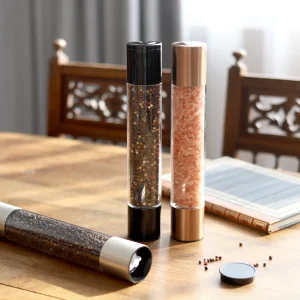
The Opportunity: In the past manual pepper and salt grinder market, products often employed overly complex designs, added unnecessary weight, or pursued attractiveness at the expense of practicality, neglecting users' real needs.
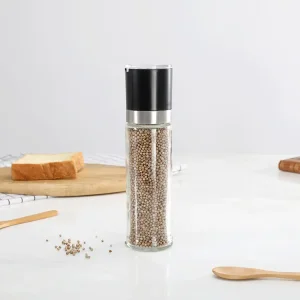
The Breakthrough: Chinagama's engineers pioneered new technical patents to resolve traditional grinding predicaments, developing a distinctive, small, straight pepper and salt grinder that optimized internal volume while prioritizing ease of use and a clean, elegant look.
The Outcome: The successful launch of this pepper salt grinder garnered extensive market attention and recognition, proving that simplicity combined with high-precision mechanics delivers superior long-term value.
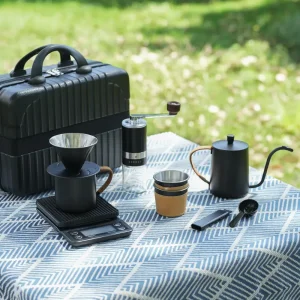
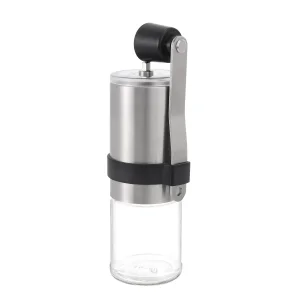
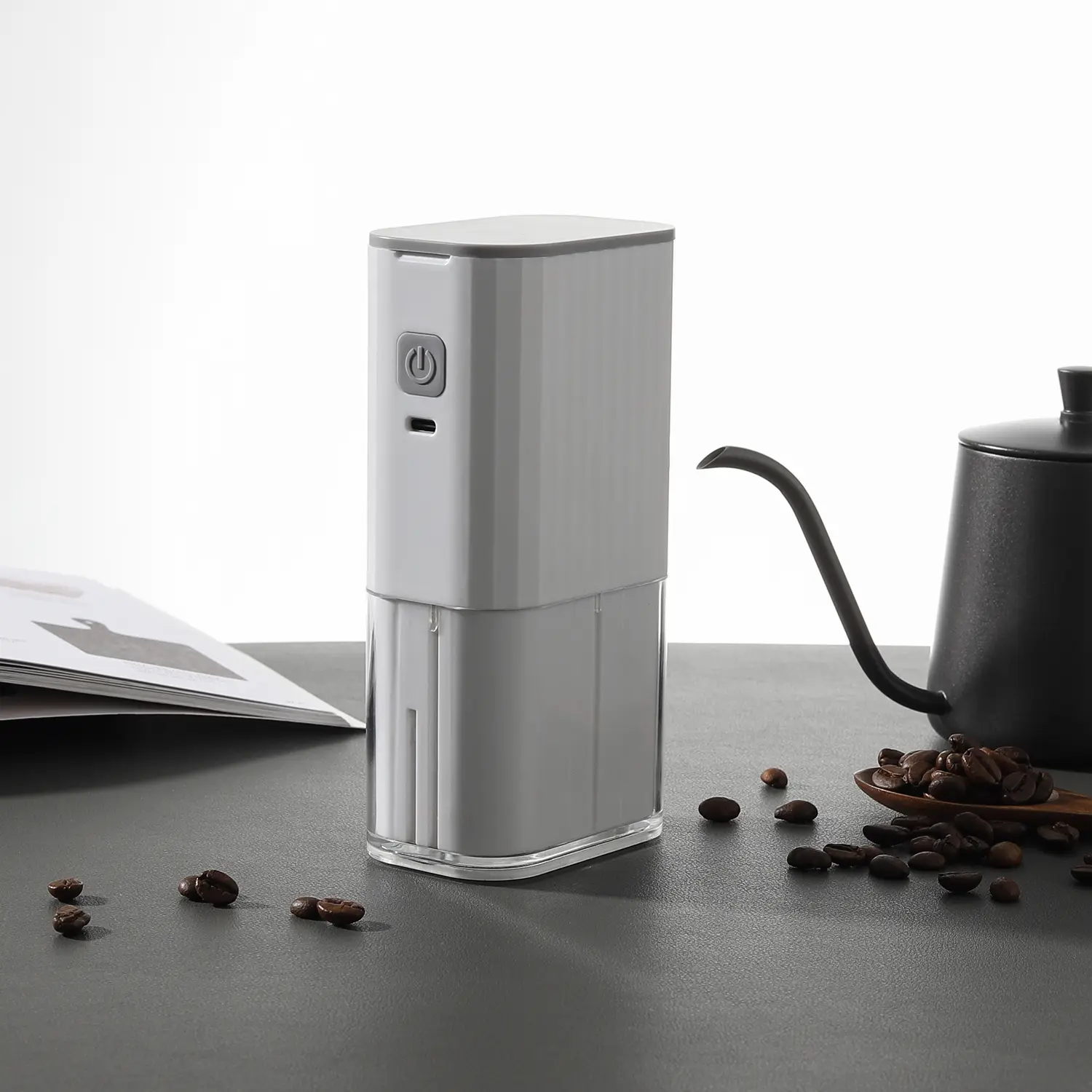
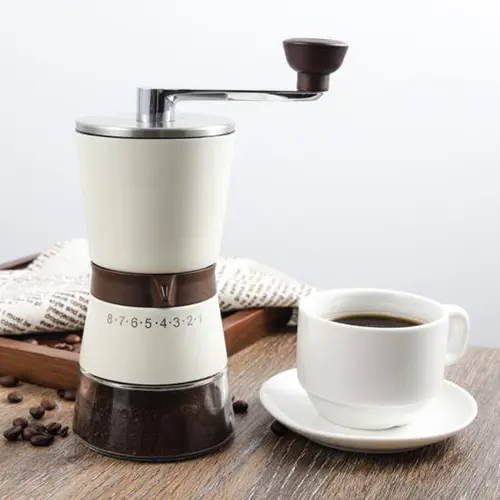
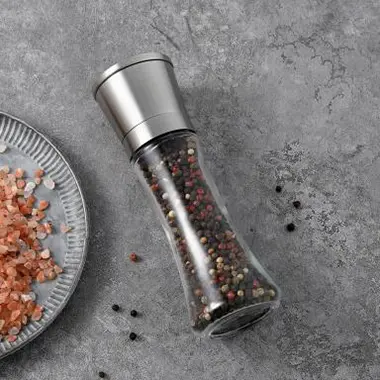
ODM Pepper Grinder & Manual Coffee Grinder
Custom designs crafted to match international aesthetic preferences and mechanical requirements.



Optimized for Diverse B2B Commercial Applications
How our custom designs cater to different segments of the international marketplace.
Hospitality & Commercial Kitchens
For fine dining establishments and hotels, durability and speed are critical. High-torque electric grinders and large capacity manual mills enable kitchen staff and guests to distribute spices with speed and zero physical strain.
Retail Chains & Private Labels
Aesthetically striking wooden and glass spice mills capture attention on retail shelves. Our customizable branding options (laser etching, silk screen printing, custom color matching) allow global brands to establish high visual identity.
Eco-Conscious Household Brands
With consumers shifting toward sustainable living, our bamboo, wood, and glass models provide a biodegradable or recyclable alternative to all-plastic single-use grinders, supporting green brand initiatives.
Expert Procurement FAQ: Navigating Kitchenware Sourcing
Addressing crucial technical and logistical questions for global sourcing managers.
What makes Alumina Ceramic cores superior to Carbon Steel mechanisms in spice mills?
Alumina ceramic is completely inert and corrosion-resistant, which means it will not rust when exposed to salt or high-humidity environments. Additionally, ceramic cores maintain structural hardness over decades of use, preserving the precise cutting edge to deliver consistent particulate distribution without metallic odor contamination.
How does Chinagama enforce Quality Control throughout the production life cycle?
We conduct strict QA protocols across four stages: Incoming Quality Control (IQC) for raw materials, In-Process Quality Control (IPQC) during assembly, Final Quality Control (FQC) for visual and mechanical metrics, and Outgoing Quality Control (OQC) before container loading. Our facility undergoes annual audits to retain ISO9001 and food safety standards.
What is the typical lead time for custom OEM/ODM product tooling and manufacturing?
For new design mold creation, prototyping takes roughly 15 to 25 days. Once the pre-production sample is approved by the client, bulk tool forging requires about 30 to 40 days. Standard recurring production orders are completed and dispatched within 35 days, depending on packaging complexity.
How are materials vetted for global food contact regulations (FDA, LFGB)?
All materials—including polymers, glass, wood finishes, and metallic components—are sourced exclusively from verified partners. Raw material samples are sent to independent third-party laboratories (such as SGS or TÜV) to test for heavy metal residues, volatile compounds, and food compatibility before bulk production starts.
Need Custom Engineering for Your Kitchenware Brand?
Consult with our engineering team today to review your designs, get a customized tooling quote, or request physical samples.
Request a Custom QuotePremium Kitchenware Showcase - Batch II
Review our specialized spice mills, portable dispensers, and culinary sets tailored for premium brands.