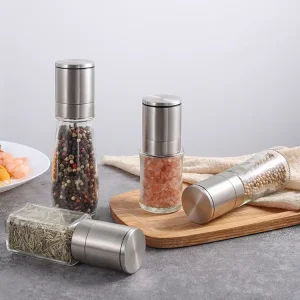
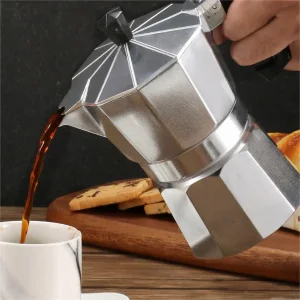
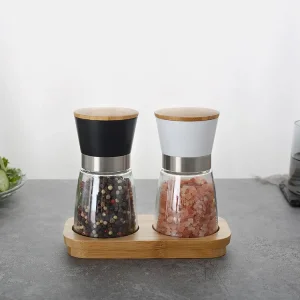
 Chinagama
Our Featured Culinary Hardwares
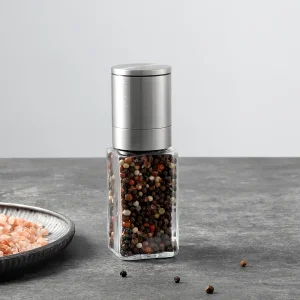
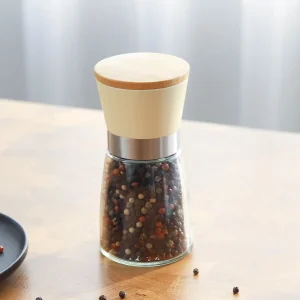
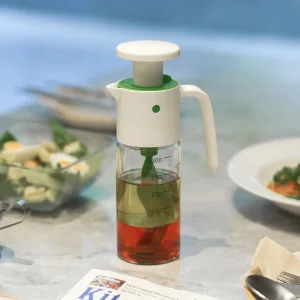
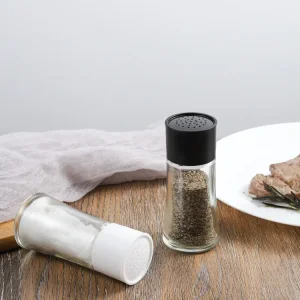
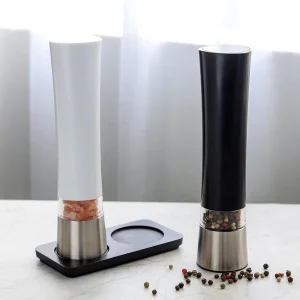
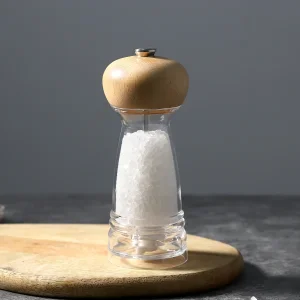
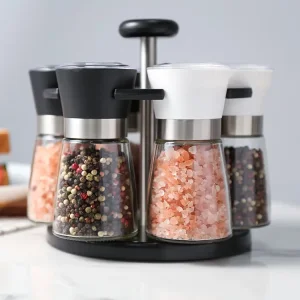
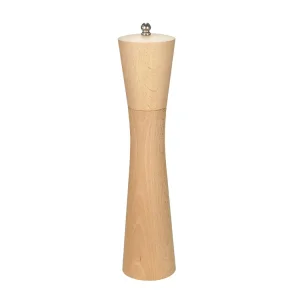
Explore our elite selection of OEM & ODM customized salt and pepper mills, coffee grinders, and gravity-fed liquid systems.

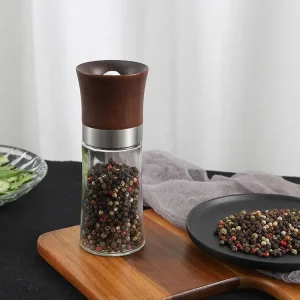

Chinagama at a Glance: Strategic Capabilities
Decades of engineering prowess, automated production pipelines, and design-led innovations in the global kitchenware space.
B2B Sourcing Guide: Gravity Oil Drizzlers
An authoritative exploration of mechanical engineering, material selection, and global compliance criteria for brand procurement.
In the competitive landscape of kitchenware sourcing, brand managers and procurement executives demand products that combine functional superiority with striking aesthetics. The gravity oil drizzler represents a quantum leap in user-centric dispensing. Unlike standard manual-pour bottles that suffer from post-pour drips, complex cleaning requirements, and rapid oxidation, the gravity oil drizzler employs a sophisticated counterweighted lid mechanism. It responds dynamically to changes in tilt, offering a hands-free, automated pouring experience that seals completely when set flat.
Technical Architecture of Gravity Dispensing Systems
The core challenge in engineering a gravity drizzler lies in balancing fluid dynamics and structural seal durability. At Chinagama, our research and development teams design these systems with specific attention to three architectural pillars:
- Automatic Gravity-Sensing Flap: Utilizes a stainless steel counterweight, precisely balanced on a pivot axis. The lid opens when the container is tilted for pouring and automatically swings back to a sealed state when returned to an upright position. This preserves volatile flavor compounds and shields oils from oxygen degradation.
- Dual-Chamber Drip-Return Channel: A crucial pain point for consumers is the accumulation of residual oil on the exterior spout. Our bird-spout and specialized drizzler designs utilize a small return channel that routes any remaining droplets back into the main chamber, eliminating messy leaks.
- Thermal Shock & Chemical Stability: Utilizing lead-free high-borosilicate glass ensures the bottle body can withstand sudden temperature changes (up to 120°C / 248°F) and resist chemical reactions when storing high-acidity liquids like infused vinegars, soy sauce, and organic olive oils.
| Material Type | BPA-Free Status | Stress Cracking Resistance | Primary Application Area |
|---|---|---|---|
| High-Borosilicate Glass | Yes (100% Lead-Free) | Excellent (Zero degradation) | Main reservoir for premium oils and acidic dressings |
| 18/8 Stainless Steel (SUS 304) | Yes (100% Metal) | Exceptional (Structural) | Gravity spout assemblies and outer protective shells |
| Polypropylene (PP) | Yes | High (Ideal replacement for ABS) | Spout bodies, internal counterweight guides |
| ABS / PMMA Plastics | Variable | Low (Prone to cracking under lipids) | Non-oil contacting external trim elements |
Chinagama's Innovation Journey & Engineering Case Studies
Since our founding in 1997, Chinagama has grown from a specialized trade firm to a global manufacturer producing over 12 million grinders and kitchenware tools annually. Our success is built on resolving real-world engineering issues through rigorous material science and design-forward solutions.
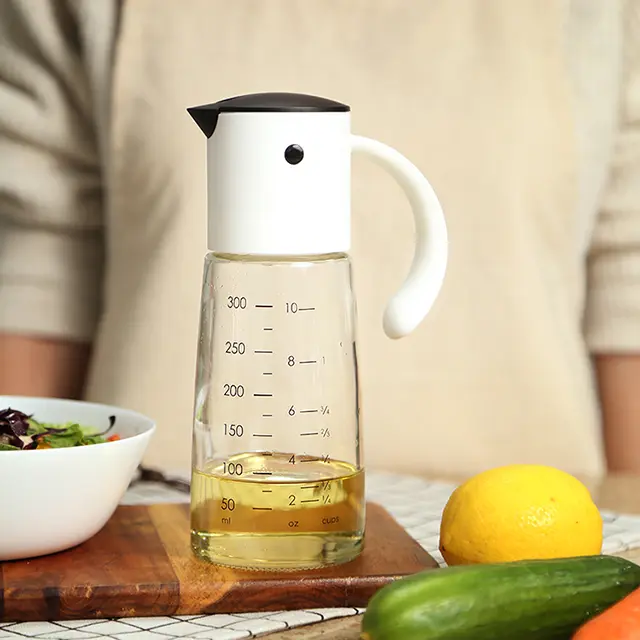
Case Study 1: The Red Dot Award-Winning Bird Spout Gravity Dispenser
Market research indicated a growing consumer shift toward single-handed kitchen tools that kept prep areas clean. Traditional gravity spouts on the market were bulky and prone to dripping. Chinagama addressed this by developing a gravity-fed bird-spout oil dispenser. Our engineers designed an internal baffle system that controls flow speed, matched with a counterweighted flap modeled after a bird's beak. The resulting product balances high-end functionality with award-winning design, earning both the **Red Dot** and **IF Design Award**.
Case Study 2: Material Pivot in the Oil Mist Sprayer Project
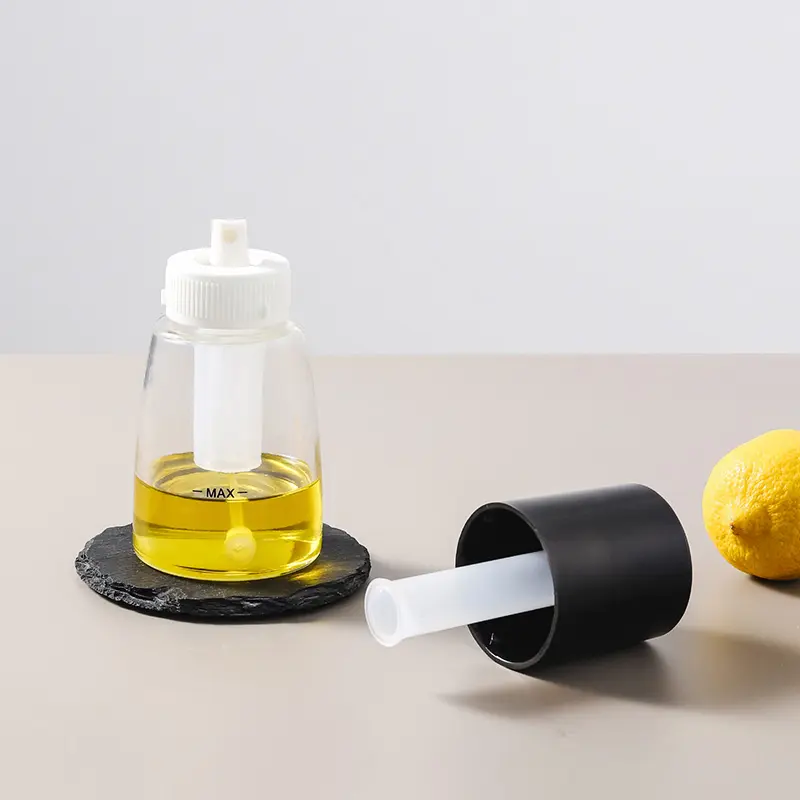
Collaborating with a global brand to develop an oil mist sprayer, our engineering team initially encountered mechanical stress cracking during quality control testing. Research revealed that ABS and PMMA plastics undergo micro-stress fractures when exposed to certain organic lipids found in cooking oils. To address this safety concern, our team switched to high-performance food-grade Polypropylene (PP) and redesigned the mold parameters. This adjustment eliminated cracking, ensured product safety, and helped our client secure a leading share in their market segment.
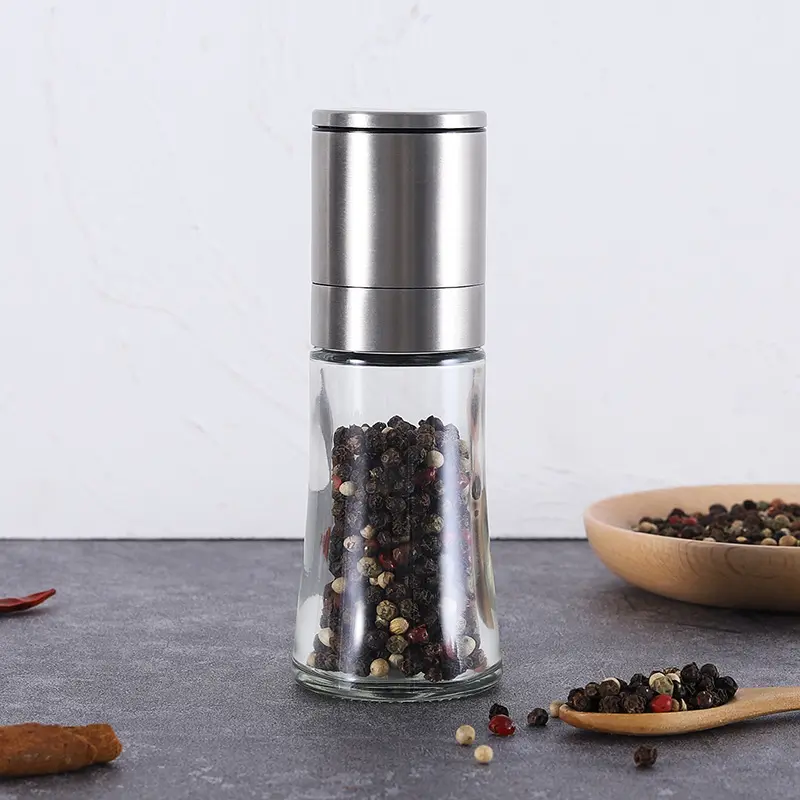
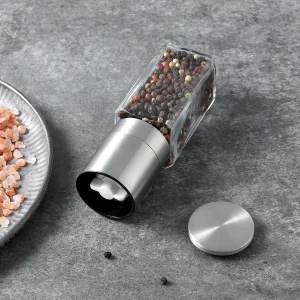
Case Study 3: Small Straight Pepper & Salt Grinder Design
In many markets, grinders were over-designed, heavy, and difficult for users with smaller hands to operate. Chinagama redesigned the internal grinding core mechanics, patenting a compact adjustment system that fit into a slim, straight profile. By optimizing the torque requirements of the ceramic mechanism, we delivered a lightweight grinder that didn't compromise on output. This design has since become a staple product for our retail partners worldwide.
China Factory 4.0: Supply Chain Resilience
Our standardized manufacturing base utilizes automation and continuous quality checks to secure stable pricing and consistent product quality.
Automated Precision Molding
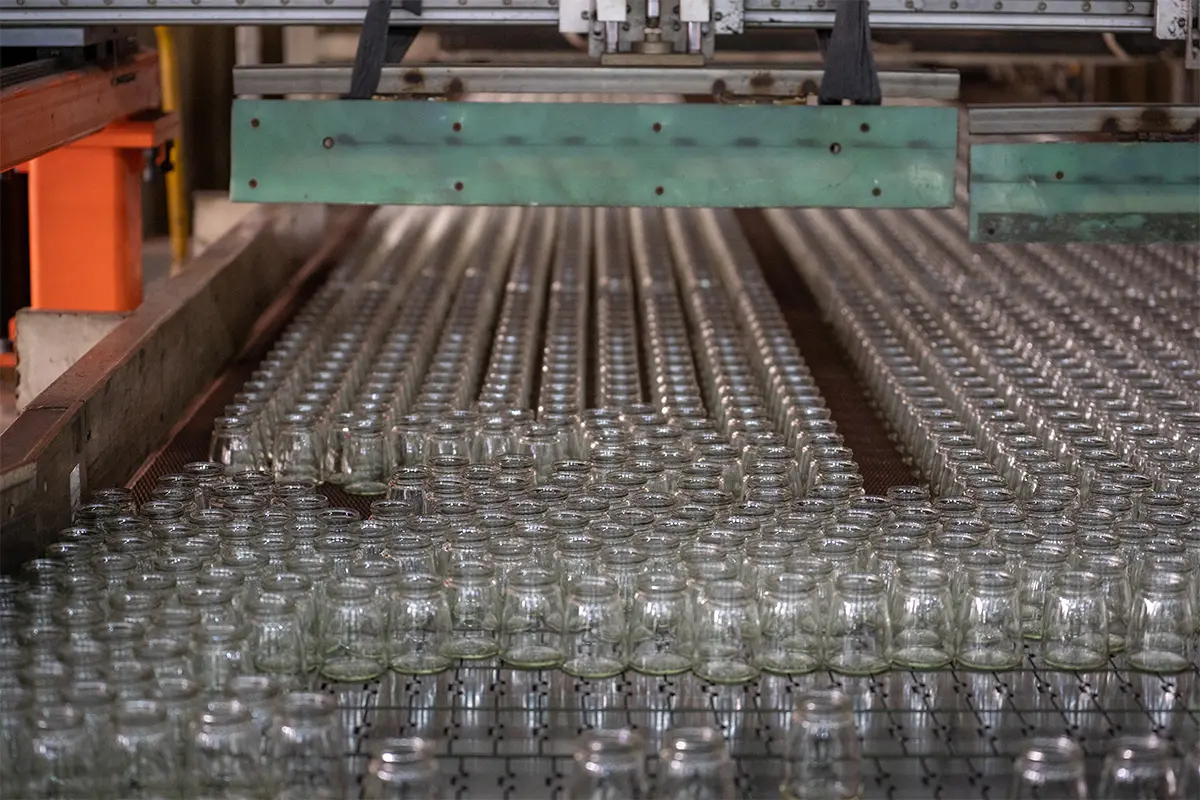
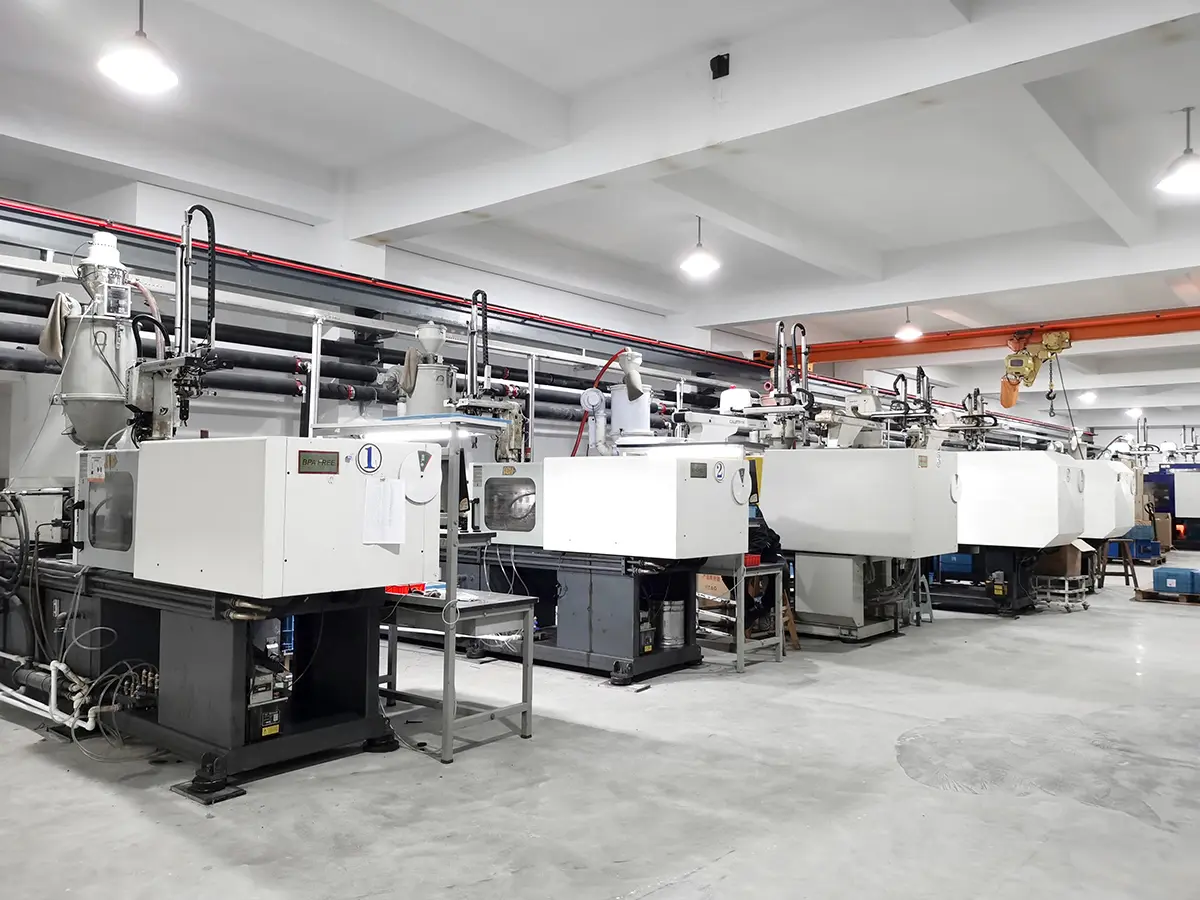
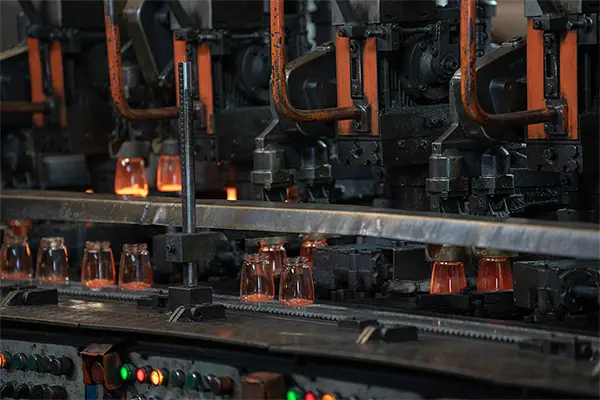
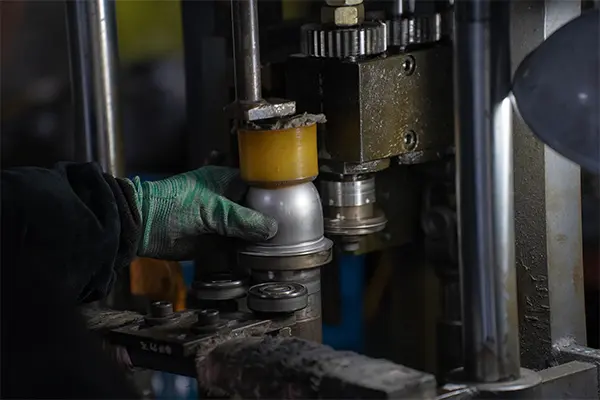
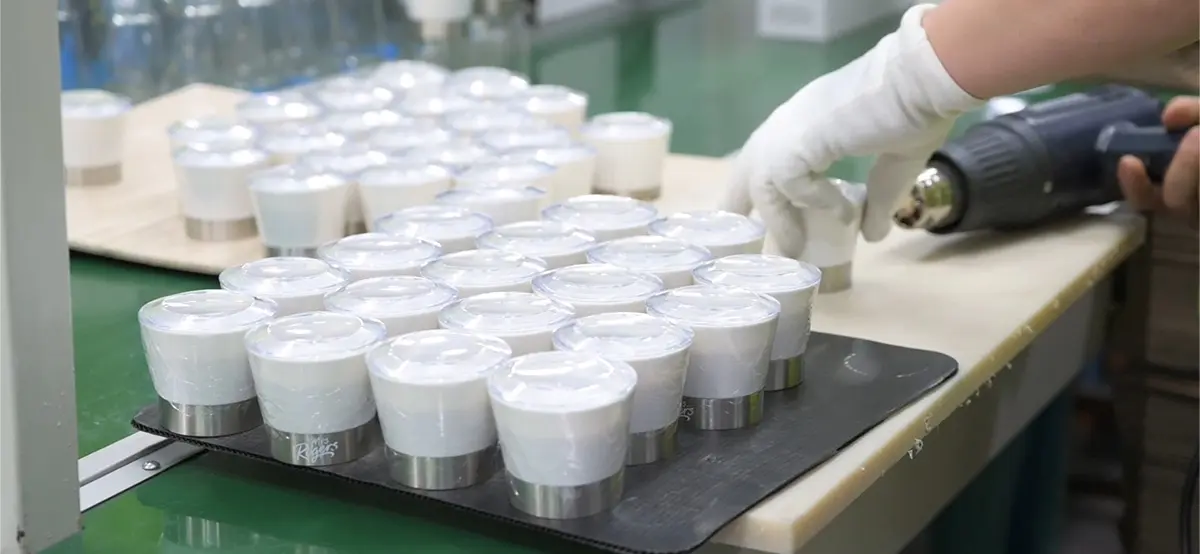
Our facility runs automated injection molding and glass tempering equipment, keeping dimensions uniform across production batches. This minimizes defects and ensures consistent seal tolerances for high-volume orders.
Rigorous In-House Testing
We maintain dedicated testing labs where our products undergo thermal shock cycles, simulated wear testing, and stress tests. Our quality control processes help us maintain certifications from international bodies, including FDA, LFGB, and BPA-Free standards.
Integrated Logistics & Packing
With an annual output of over 16 million units, we manage a structured logistics and packaging network. This ensures orders are safely packed and dispatched on time, providing reliable supply chain support for global retail partners.
Technological Roadmap & Future Outlook
Where kitchenware engineering meets smart technologies and ecological sustainability.
As smart home ecosystems and health-focused dining habits grow globally, the culinary dispenser industry is adapting. Chinagama's product roadmap focuses on three main developments:
1. Bio-Composite Materials & Circular Economy Integration
We are actively researching biodegradable and compostable plastics to replace traditional PP and ABS in non-structural components. By combining plant-based binders with wood fibers, we aim to produce durable, food-safe parts that maintain high aesthetic appeal while lowering carbon footprints. This aligns with strict eco-design directives in Europe and North America.
2. Integrated Micro-Aerosol Mist Delivery
Building on our experience with oil mist sprayers, we are developing a new range of dual-mode dispensers. These units will allow users to switch between a traditional gravity pour and a fine aerosol-free mist. This helps consumers control portion sizes and reduce oil usage, catering to modern health and dietary trends.
3. High-Precision Flow Rate Regulators
To accommodate oils of varying viscosities (such as heavy olive oils versus lighter sesame oils and vinegars), our future designs will include adjustable flow dials. This enables users to customize flow rates without needing to swap components, offering a more versatile dispensing experience.
Strategic Sourcing & Global Enterprise Solutions
How we support sourcing agents, international distributors, and premium kitchenware brands.
1. Custom Tooling & Mold Design
We work with brand owners to develop unique shapes and patterns. Our in-house mold shop handles the design and production of custom tooling, saving client resources and reducing time-to-market.
2. Compliance & Localization
We supply necessary documentation and testing data (including LFGB, FDA, and REACH reports) to help clients navigate local customs and safety inspections without delays.
3. Private Labeling & Brand Customization
We offer diverse branding options, including laser engraving, pad printing, and custom box designs, allowing brands to present a cohesive look across their product lines.
Industry FAQ (Frequently Asked Questions)
Detailed answers to the most common technical and logistics questions from procurement managers.
Complete Kitchenware Sourcing Catalog
Select from our range of salt & pepper mills, glass coffee tools, and seasoning grinders, all built for durable performance.