 Chinagama
Global Product Lineup & Manufacturing Portfolio
Direct access to our engineered kitchenware products, manufactured with precise standards and fully customizable for your brand.

China ODM Customized Glass Oil Mist Sprayer
View Details →
Bulk Handheld Pump Misty Olive Oil Sprayer
View Details →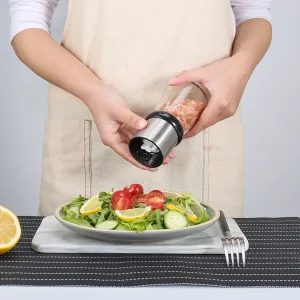
OEM&ODM Stainless Steel Manual Salt and Pepper Grinder
View Details →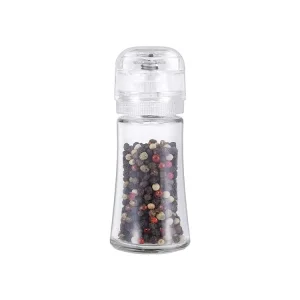
OEM Wholesale Plastic Spice Mill with Ceramic Burr
View Details →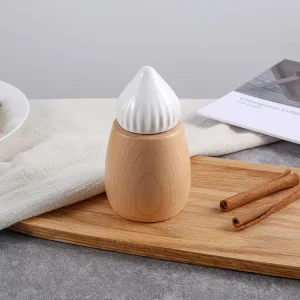
Wholesale OEM/ODM Wooden Salt and Pepper Grinders
View Details →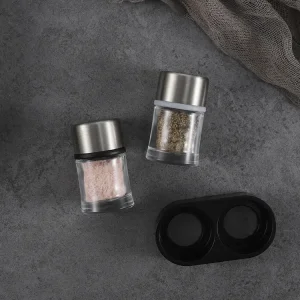
China Customized Mini Salt and Pepper Shaker Set
View Details →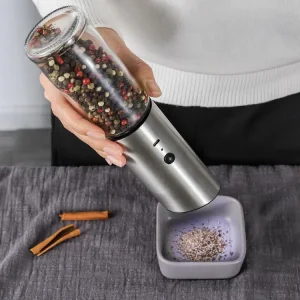
ODM USB Pepper Grinder with Integrated LED Light
View Details →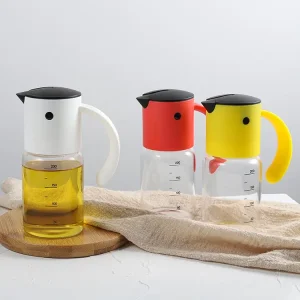
Wholesale Gravity Oil and Vinegar Dispenser
View Details →Industrial Demands & The Specialty Coffee Boom
Analyzing the structural shift toward precision manual grinding systems in commercial and retail channels.
In the contemporary global beverage market, specialty coffee has evolved from a niche subculture into a major industrial segment. Central to this evolution is the focus on bean freshness and grind consistency. Industrial statistics indicate that the market for manual coffee mills is undergoing robust growth. Modern coffee consumers and B2B buyers now demand high-precision devices that minimize thermal transfer and particle irregularity during grinding. This shift has placed OEM Stainless Steel Coffee Grinder Manual manufacturers at the center of the hardware supply chain.
Historically, manual coffee mills utilized plastic or ceramic burrs, which often struggled to maintain consistency at coarser settings (such as French press or cold brew) and generated excessive fines in the fine range (espresso). The modern B2B standard has shifted decisively toward food-grade stainless steel housings integrated with CNC-machined metal burr sets. For importers, brand managers, and retail distributors, sourcing premium stainless steel manual grinders has become a strategic necessity to satisfy the expectations of specialty coffee consumers.
High-Precision CNC Milling
Manual coffee grinders utilizing CNC-cut stainless steel burrs deliver a highly uniform grind size distribution, reducing bitter fines and sour over-extraction particles.
Thermal Dispersion Stability
Unlike high-RPM electric grinders, stainless steel manual grinders keep heat generation near zero, protecting the volatile aromatic oils inside specialty single-origin beans.
Long-Term B2B Durability
Designed with SUS304/SUS420 steel, these manual grinders offer exceptional resistance to drop damage, thread wear, and moisture-induced corrosion.

Welcome to Chinagama: Pioneering Culinary & Grinding Innovations
At Chinagama, we design and manufacture high-quality, stylish kitchenware, with a specialized focus on precision manual grinding mechanisms. Our production expertise spans manual coffee grinders, spice mills, oil carafes, and soap dispensers, making us a trusted partner for mid-to-high-end brands globally.
Since our founding in 1997, we have transitioned from a trade-focused organization into a modern, integrated manufacturing enterprise. Our facility features food-grade production lines, CNC machining setups, and an in-house quality assurance center. Guided by continuous innovation, we have secured over 300 design and utility patents. Our work has been recognized with the Red Dot Award and the iF Design Award, highlighting our team's commitment to industrial excellence.
Our Commitment to Rigorous Quality Control
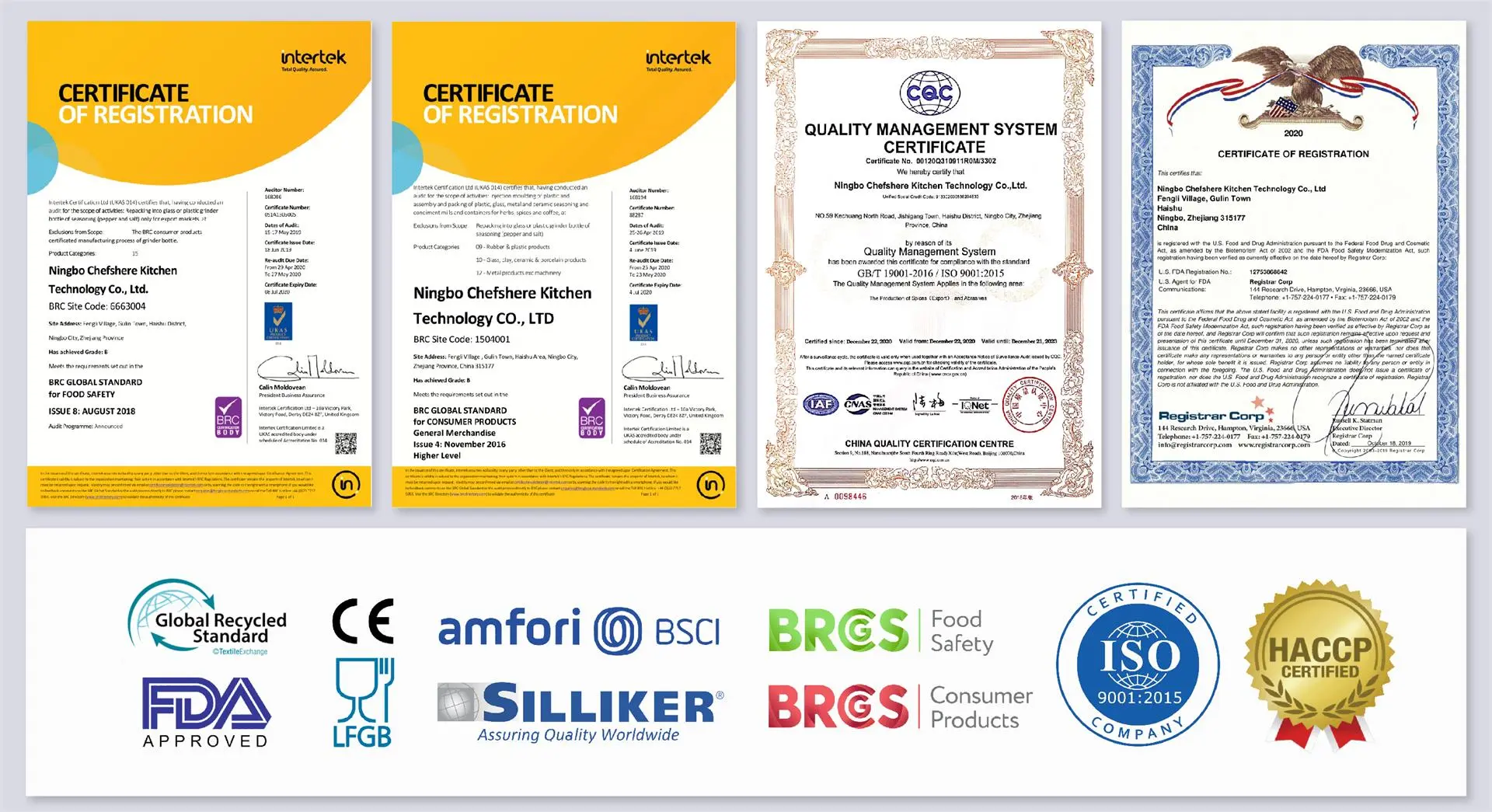
With an experienced R&D team and an in-house production facility, Chinagama implements strict quality control measures at every stage of the manufacturing process. From raw material sourcing to final packaging, our products are checked for precision tolerances and reliable performance.
To support our global customers, our materials and designs are regularly audited and certified by leading third-party testing organizations, earning compliance certifications such as FDA, LFGB, and RoHS. These certifications verify that our products are food-safe and built to last, giving our B2B partners confidence when selling in highly regulated markets.
Precision Anatomy of a Stainless Steel Manual Grinder
Examinations of material specs, burr cutting angles, and dual-axis alignment systems.
SUS420 Martensitic Burr Sets
We utilize high-hardness SUS420 stainless steel for our burrs, heat-treated to over 55 HRC. This keeps the cutting edges sharp through years of daily use, ensuring clean cuts rather than crushed beans.
Dual-Bearing Stabilization
By securing the central driveshaft with dual ball bearings, we reduce axial play. This design ensures consistent burr spacing even under the resistance of hard, light-roasted coffee beans.
External Micrometer Adjustment
Our manual grinders feature clear, indexed adjustment rings. This lets users easily change grind settings between Turkish, espresso, pour-over, and cold brew with repeatable accuracy.
Burr Geometry: Pentagonal vs. Hexagonal Cutting Edges
When customizing manual grinders for retail brands, choosing the right burr geometry is critical. Our R&D team offers two main paths: Pentagonal (5-star) and Hexagonal (6-star) steel burrs. Pentagonal burrs cut at a steeper angle, grinding slightly faster and producing a balanced particle distribution suitable for pour-over filters. Hexagonal burrs provide a more controlled grind rate, generating fewer micro-fines at finer settings, making them ideal for espresso extraction.
Chinagama's CNC machinery achieves tolerances within ±0.02mm, ensuring consistent alignment between the inner cone burr and outer ring burr. This level of precision is key to preventing uneven extraction, helping brands build a strong reputation for performance.
B2B Application Scenarios & Localization
How different regional markets and customer segments use and customize manual stainless steel grinders.
The Outdoor Specialty Market
For outdoor gear and camping brands in North America and Europe, manual grinders must be lightweight, durable, and compact. We manufacture options with collapsible handles and slim bodies that easily fit into travel bags, allowing users to grind fresh coffee on the go.
Home Coffee Stations
In urban markets across Asia and Europe, manual grinders are popular for home brewing. B2B buyers often request aesthetic customizations like real wood accents, anodized finishes, or glass catch cups to match modern home kitchen decor.
Commercial Cupping & Training
Professional roasting labs and barista schools use high-end manual mills for small-batch cupping sessions. These settings require easy-to-clean chambers and minimal grind retention, ensuring flavor purity between different bean samples.
Milestones of Manufacturing Innovation
From our trade origins in 1997 to a modern, high-tech manufacturing enterprise.
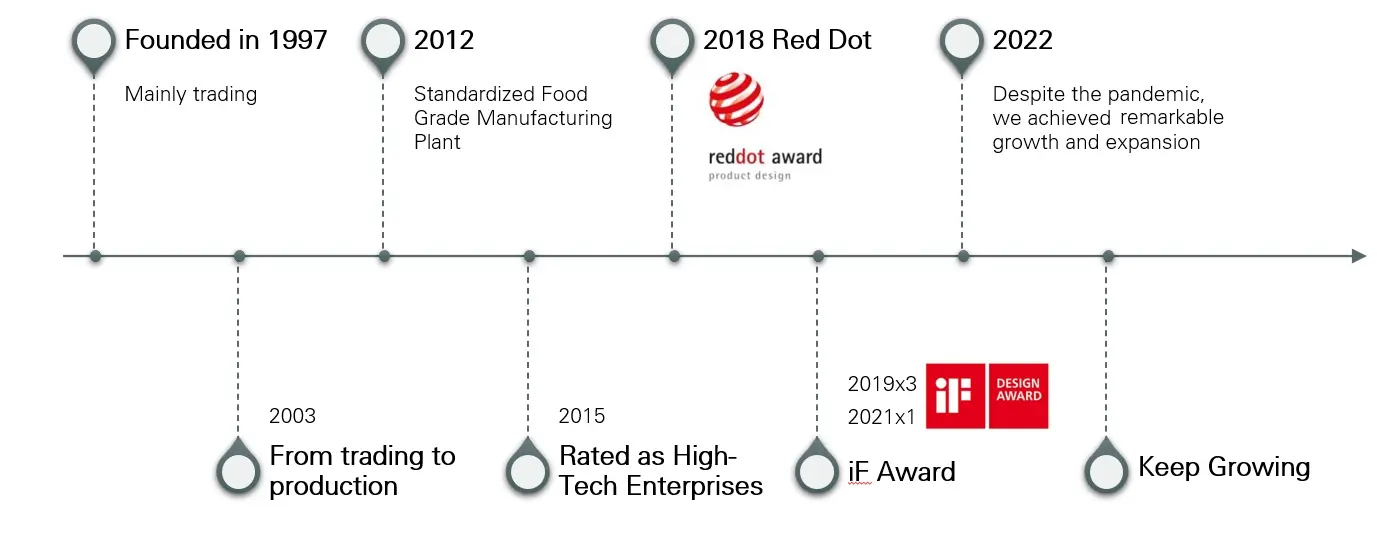
1997 - The Foundation
Chinagama began as a trading company, developing a deep understanding of international kitchenware demand and global supply chain standards.
2003 - Transition to Manufacturing
Driven by a focus on quality control and product design, we shifted from trading to direct manufacturing, establishing our own production facilities.
2012 - Modern Food-Grade Facility
We built a modernized, food-grade factory. This allowed us to scale up production while meeting strict international food safety standards.
2015 & Beyond - Design & High-Tech Recognition
Certified as a national High-Tech Enterprise, Chinagama has won multiple Red Dot and iF Design Awards. We now supply premium grinding solutions to leading brands worldwide.
Successful Product Development & Partnerships
Exploring how our R&D team works with brands to design, solve engineering challenges, and manufacture products.
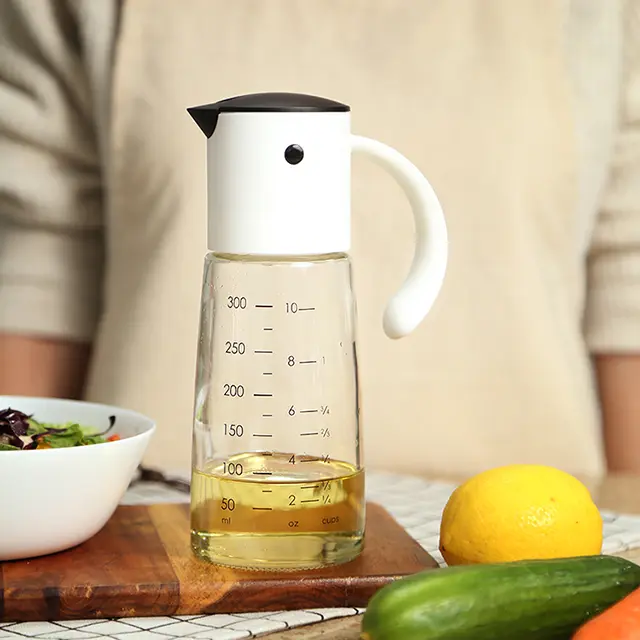
The Gravity-Fed Bird Spout Oil Dispenser
The Opportunity: Market research showed growing consumer demand for clean, one-handed oil dispensers that didn't drip. Chinagama developed an auto-open gravity bird spout oil carafe to address this need.
The Engineering Challenge: Ensuring a consistent, drip-free return flow of oil without relying on complex, hard-to-clean internal valves. After prototyping and testing various pour angles, our team finalized the bird-spout shape, creating an appealing and highly functional kitchen tool.
The Result: The design won the Red Dot Award and remains a top seller, showing how user-focused design can drive market success.
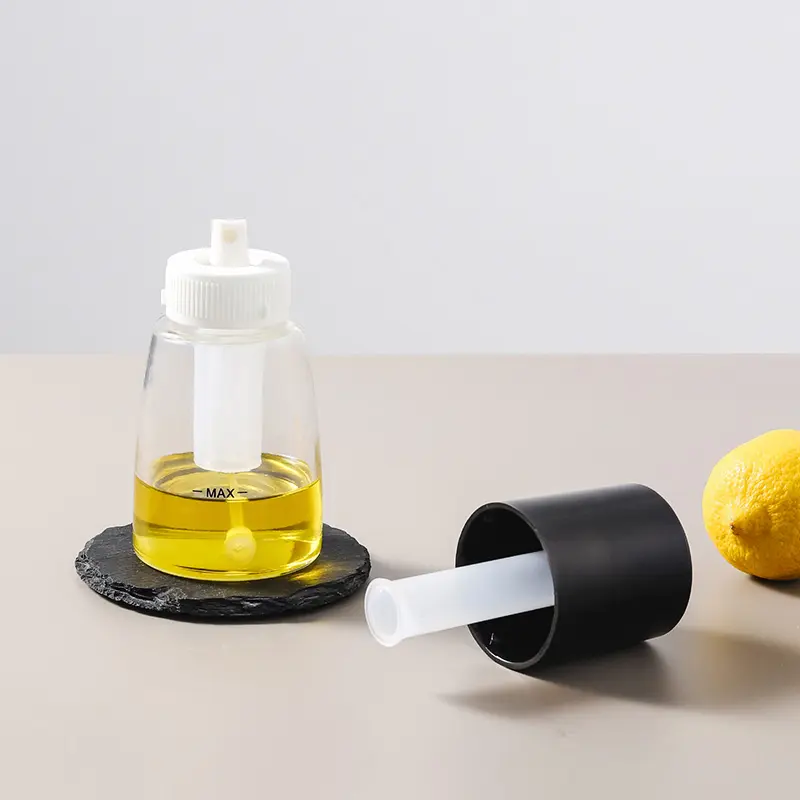
Collaborative Development of a Non-Clog Oil Mist Sprayer
The Challenge: A premium kitchenware brand wanted an oil sprayer that could produce a consistent mist without using chemical propellants. During early testing, we discovered that standard ABS and PMMA plastics cracked when exposed to vegetable oils over time.
The Solution: Our engineering team tested different food-safe plastics and transitioned the design to high-grade polypropylene (PP) and borosilicate glass. We also redesigned the pump mechanism to handle higher pressures without leaking.
The Outcome: The sprayer met all durability and performance requirements, helping our client grow their market share in the healthy cooking spray category.
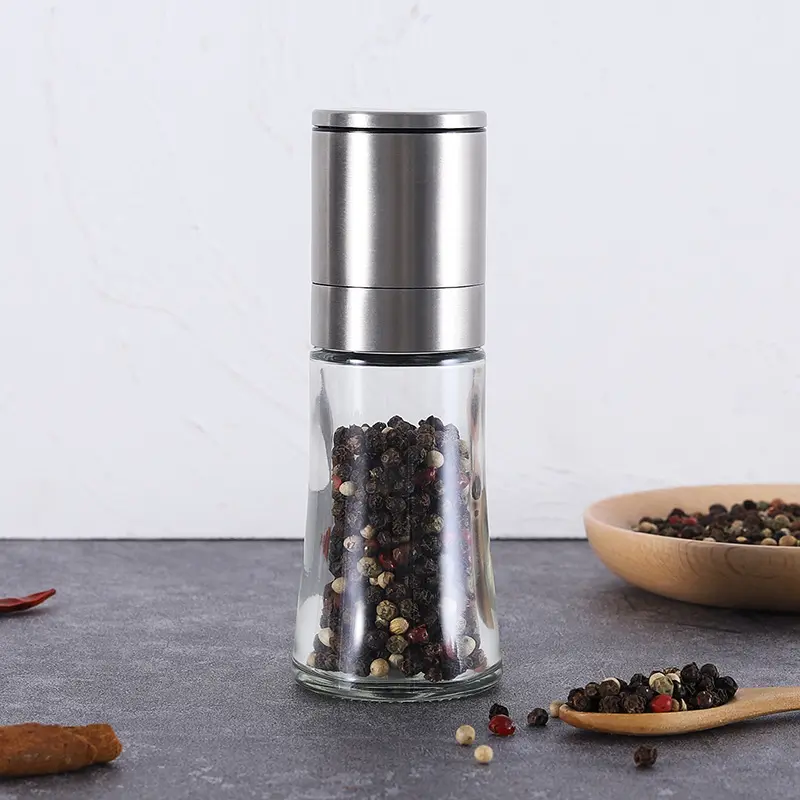
Developing an Elegant, Practical Salt & Pepper Grinder
The Challenge: Many traditional spice mills prioritized styling over ergonomics, resulting in designs that were difficult to grip or turn, particularly for older users.
The Solution: We designed a straight, textured grinder that provides a secure grip. We also integrated a high-torque ceramic grinding mechanism to reduce the physical effort needed to grind coarse salts and peppercorns.
The Result: The product received positive market feedback and high customer satisfaction ratings, highlighting the value of focusing on the end-user experience.
R&D Capabilities & Manufacturing Infrastructure
Ensuring manufacturing quality and design innovation through advanced equipment and skilled engineering.
Advanced Manufacturing
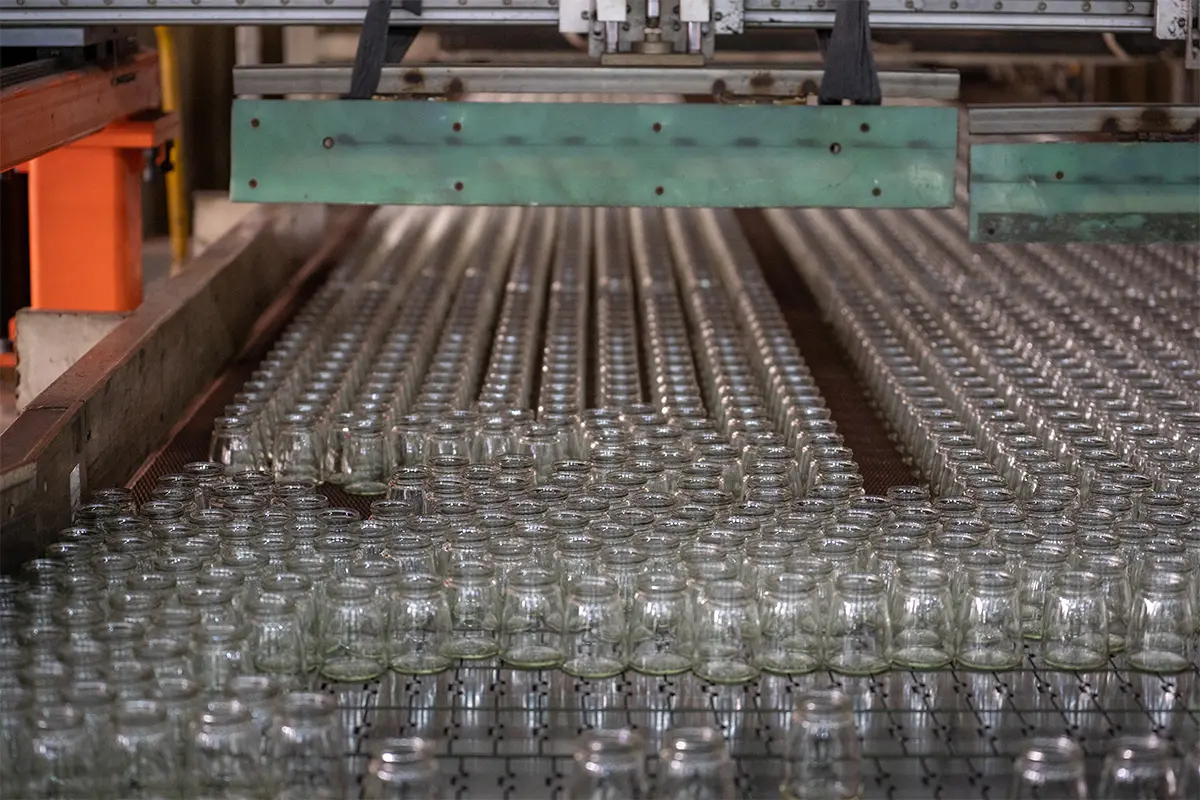
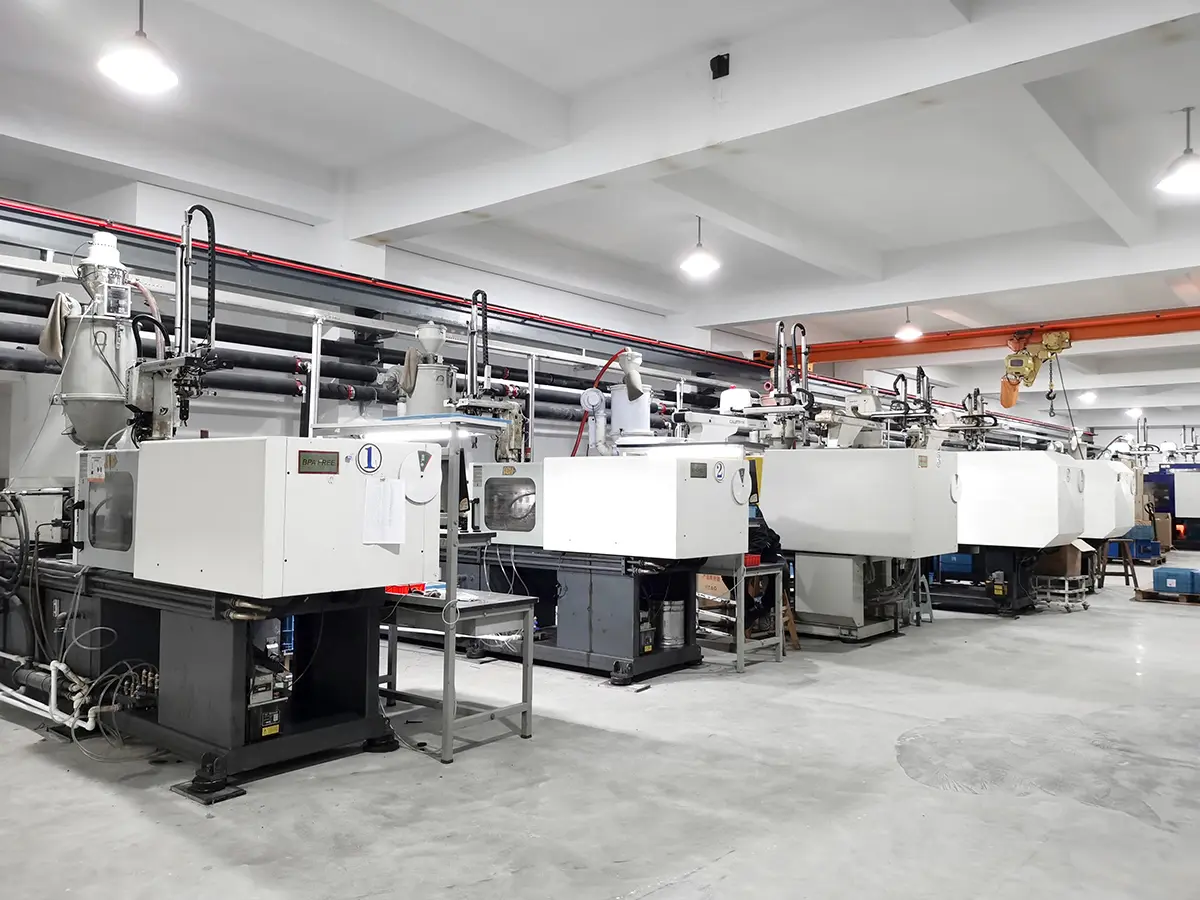
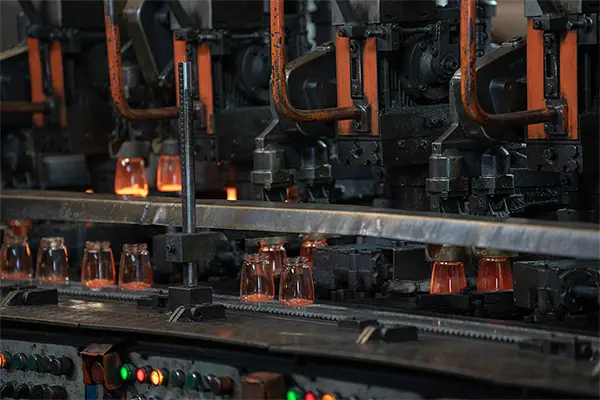
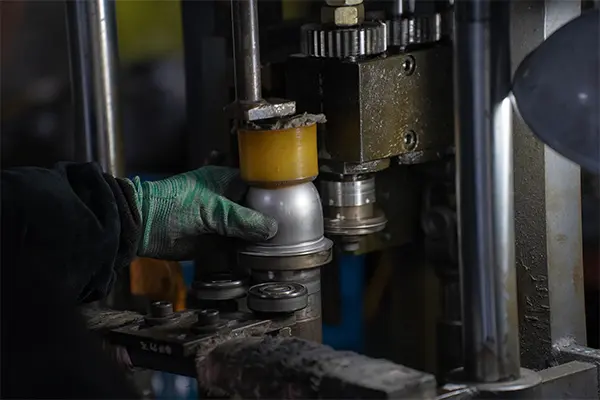
Our facility features automated assembly lines, high-pressure injection molding machines, and specialized testing gear to maintain consistent quality and meet global B2B volume requirements.
Collaborative R&D
We work closely with our partners' design teams, using 3D prototyping and CAD modeling to turn custom product concepts into functional, manufacturable designs.
Custom OEM Solutions
We provide full customization options, including custom laser engraving, unique surface treatments (anodizing, powder coating), and bespoke packaging options to fit your brand identity.
More Kitchenware & Grinding Solutions
Browse our range of wooden mills, contemporary shakers, and specialty kitchen tools available for OEM customization.
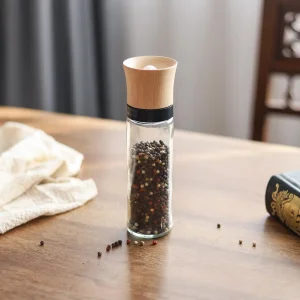
Customized Large Wooden Spice Grinder
View Details →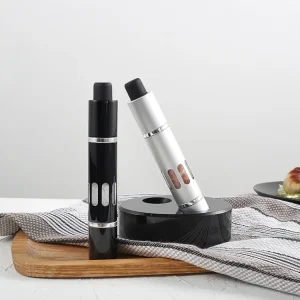
ODM Thumb-Press Mini Spice Grinder Set
View Details →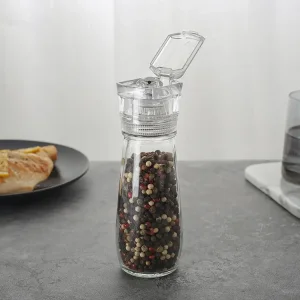
Wholesale Pepper Grinder with Plastic Burr
View Details →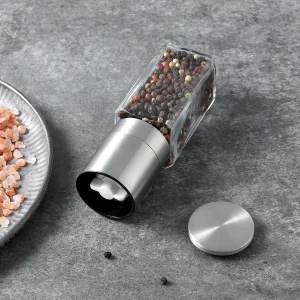
OEM 18/8 Stainless Steel Adjustable Pepper Grinder
View Details →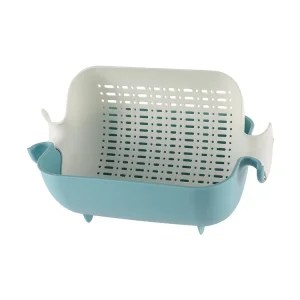
ODM Bulk Sale Vegetable and Fruit Washing Basket
View Details →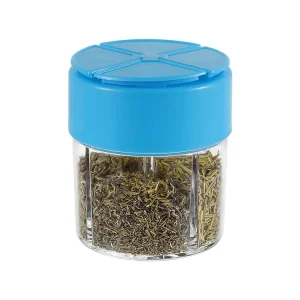
Plastic Pepper & Salt Shaker with 4 Compartments
View Details →
China Wholesale Contemporary Salt and Pepper Mills
View Details →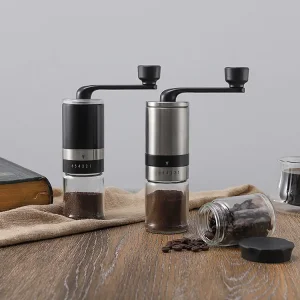
Wholesale Hand Coffee Grinder with Plastic Handle
View Details →OEM Coffee Grinder Manufacturing: Frequently Asked Questions
Answers to common questions about materials, customization, minimum order quantities (MOQ), and shipping logistics.
SUS420 martensitic stainless steel can be heat-treated to high hardness levels (often exceeding 55 HRC), which keeps the cutting edges sharp through long-term use. This allows the burr to cut coffee beans cleanly rather than crushing them. As a result, it produces fewer fines, ensures a more uniform grind size distribution, and reduces the physical effort required to grind. While ceramic burrs are cost-effective and corrosion-resistant, they are more brittle and prone to chipping if they contact small stones occasionally found in raw beans.
We operate our own ISO9001-certified factory, ensuring control over the entire production cycle. All materials used in our manual grinders—including plastics, glass, and metals—undergo testing to confirm they meet global food-contact safety standards. Our products carry FDA and LFGB certifications, ensuring compliance for import into North American and European markets.
MOQ requirements depend on the level of customization needed. For standard models with custom laser-engraved logos, our MOQ typically starts at 1,000 units. For orders requiring custom injection colors, anodized finishes, or unique structural designs, the MOQ generally starts at 2,000 to 3,000 units. We encourage B2B partners to contact our sales team to discuss specific customization needs and pricing.
Yes. Our in-house R&D team can develop custom 5-star, 6-star, or 7-star burr geometries using 3D modeling and CNC prototyping. We work with brands to optimize the grinding surface to produce specific particle profiles, whether the goal is maximizing speed for filter coffee or minimizing fines for espresso.
For standard OEM orders, our production lead time is generally 35 to 45 days after deposit confirmation and design approval. Custom ODM projects requiring new molds may take an additional 30 to 45 days for tooling and sample verification. Shipping times vary depending on the destination port and shipping method (ocean freight, air cargo, or rail).
Ready to Scale Your Brand's Grinder Lineup?
Contact our sales engineers today to receive detailed OEM product catalogs, sample units, and wholesale manufacturing quotes.
Request B2B Quote