 Chinagama
Premium Manufacturing Portfolio - Top Featured Hardware
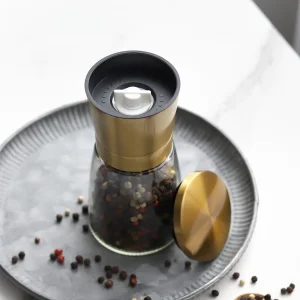
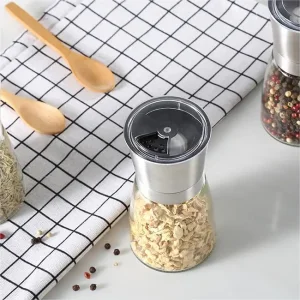
Global Industrial Landscapes for Gravity Dispensing Technologies
How automation, ergonomics, and material safety are redesigning high-end consumer and B2B kitchenware supply chains.
Universal Procurement Shifting
Procurement managers from North America to the EU are transitioning from legacy, manual-cap olive oil pourers to auto-flip gravity sensor systems. This transition is motivated by kitchen automation trends, the rise of touchless home devices, and a market demand for clean, spill-free food storage.
E-E-A-T Quality Benchmarks
Modern B2B sourcing requires strict adherence to food contact material standards. Authoritative manufacturing partners guarantee certified BPA-free polymers, heavy-metal-free high borosilicate glass, and non-reactive 304/316 stainless steel to comply with global LFGB and FDA food-grade directives.
Addressing Stress Cracking Risks
A primary point of failure for lower-grade oil dispensers is material degradation. Research shows that vegetable oils can cause environmental stress cracking (ESC) in ABS and PMMA plastics over time. High-tier ODM partners systematically employ PP and PCTG to eliminate cracking liabilities.

Welcome to Chinagama: Pioneering Culinary Innovations
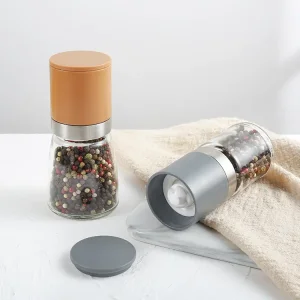
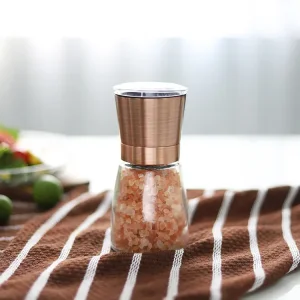
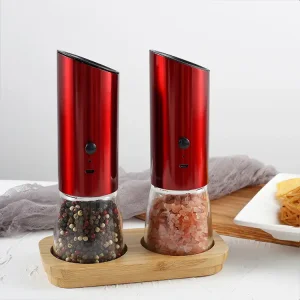
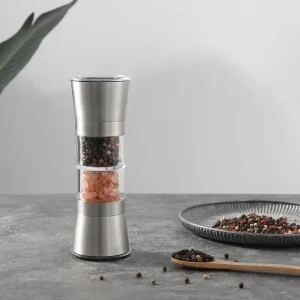
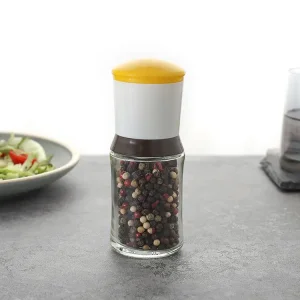
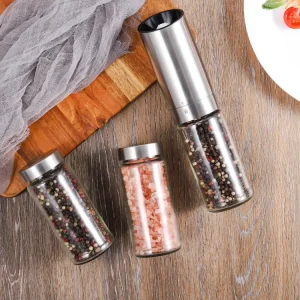
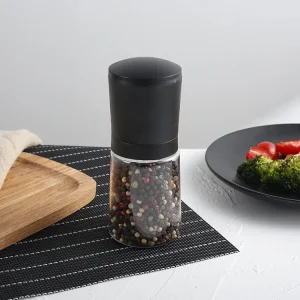
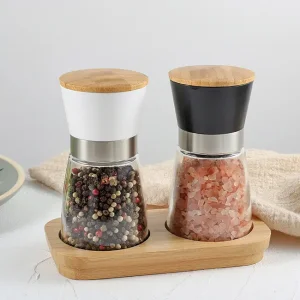
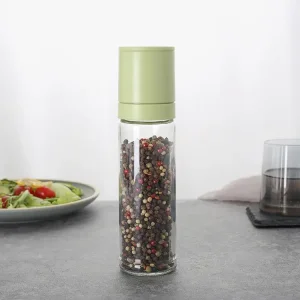
At Chinagama, we are passionate about crafting high-quality and stylish kitchenware, specializing in salt and pepper grinders. Of course, we also manufacture other kitchenware items sought after by buyers, including coffee grinders, oil dispensers, soap dispensers, and more.
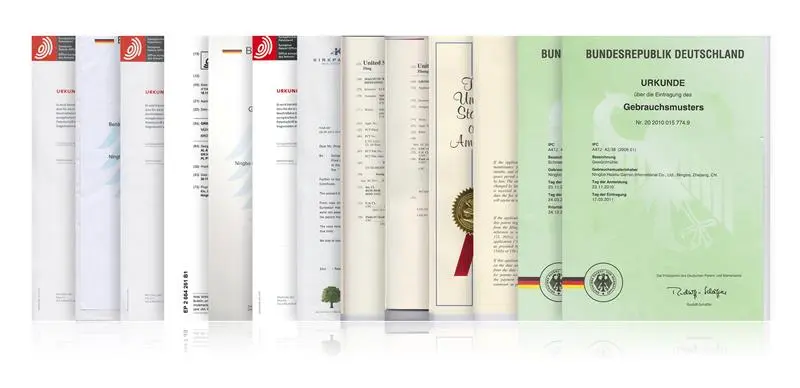
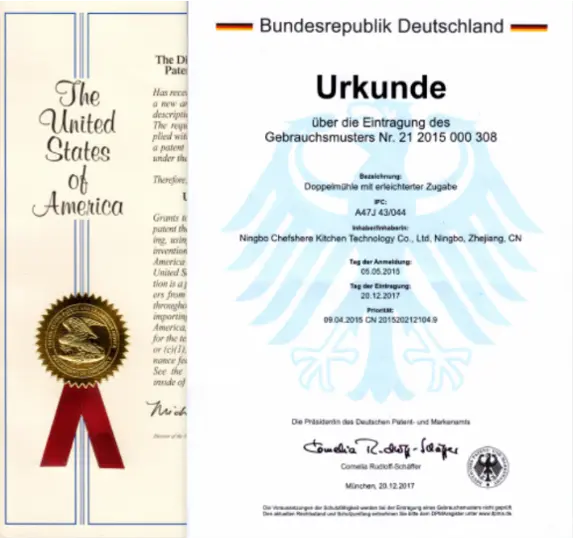
Since our establishment in 1997, we have been dedicated to delivering exceptional kitchenware development and manufacturing. Over the years, we have achieved over 300 patents and our meticulously designed and produced kitchen tools have been honored with the Red Dot Award and IF Design Award. We continue to innovate with new products to cater to evolving needs.
Our large-scale manufacturing plant handles all stages of production, from structural design to tooling and final assembly, ensuring stable unit economics and fast turnarounds for our global B2B clients.
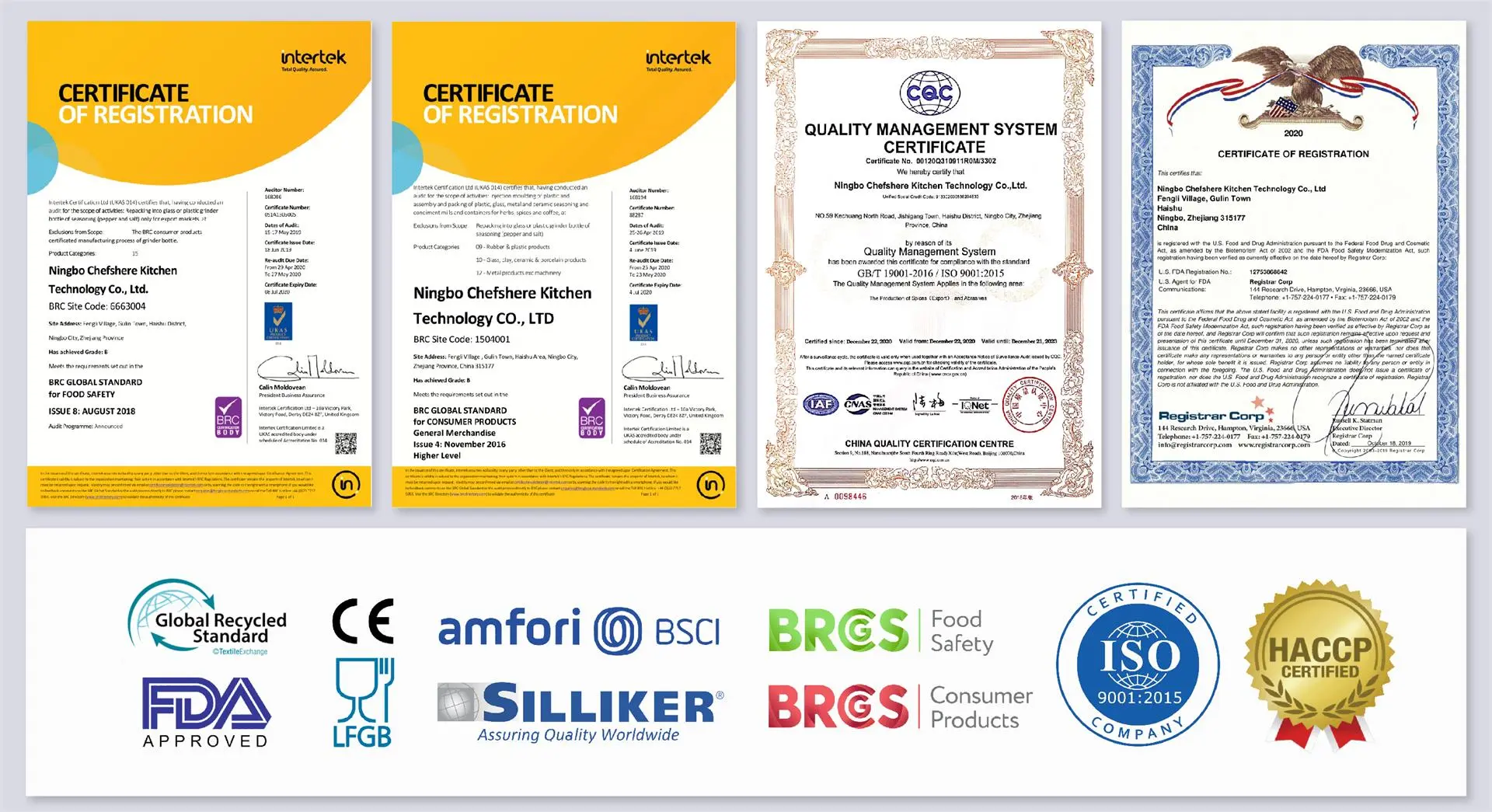
Our Rigorous Commitment to Quality Assurance
With the expertise of our dedicated R&D team and the support of our in-house factory, our products undergo rigorous quality control measures from conception to completion, ensuring that each item meets industry standards with precision. As a testament to our commitment, we have garnered recognition from renowned international third-party testing companies, including prestigious LFGB and FDA certifications. This validates the exceptional quality of our products and reinforces our dedication to delivering excellence to our customers.
Our QA laboratory executes performance and stress tests, verifying spring-actuated mechanism durability, drop resistance on borosilicate glass, and the lifecycle durability of auto-gravity metal hinges, ensuring consistently reliable field performance.
Why Partner with a Chinese Gravity Oil Dispenser Factory?
Analyzing the supply chain factors that establish China as a global leader in high-performance kitchenware manufacturing.
Vertical Integration & Cost Control
Chinese industrial clusters integrate glassblowing, injection molding, metal stamping, and assembly within small geographic radiuses. This proximity reduces logistical friction, optimizes material handling, and lowers production costs for global distributors.
Rapid Tooling & Prototyping
Leveraging advanced CAD/CAM processes and CNC tooling stations, our engineering department designs, refines, and delivers custom structural molds within 30 to 45 days, significantly reducing time-to-market compared to western counterparts.
Global Regulatory Compliance
Chinese manufacturing facilities are audited for ethical and quality operations under BSCI and ISO 9001 frameworks. Modern manufacturing processes ensure every batch meets LFGB, FDA, and EU food contact standards.
Our Journey of Growth & Professional Milestones
How Chinagama evolved from a specialized trading company into an award-winning global kitchenware innovator.
In 1997, Chinagama embarked on its journey, initially focusing on trade. With a keen eye for market opportunities, in 2001, we embraced the emerging realm of online trade and set forth on a path of rapid development.
Driven by our passion for cooking and kitchen utensils, in 2003, we made a transformative shift from trade to production. This decision led us to establish a standardized, food-grade production plant in 2012, empowering us to continuously innovate and introduce new, quality-driven products.
In 2015, our pursuit of engineering excellence was rewarded as we earned the prestigious title of a high-tech enterprise. Since then, our products have been consistently honored with the coveted Red Dot Awards and IF Design Awards, confirming our commitment to design and craftsmanship.
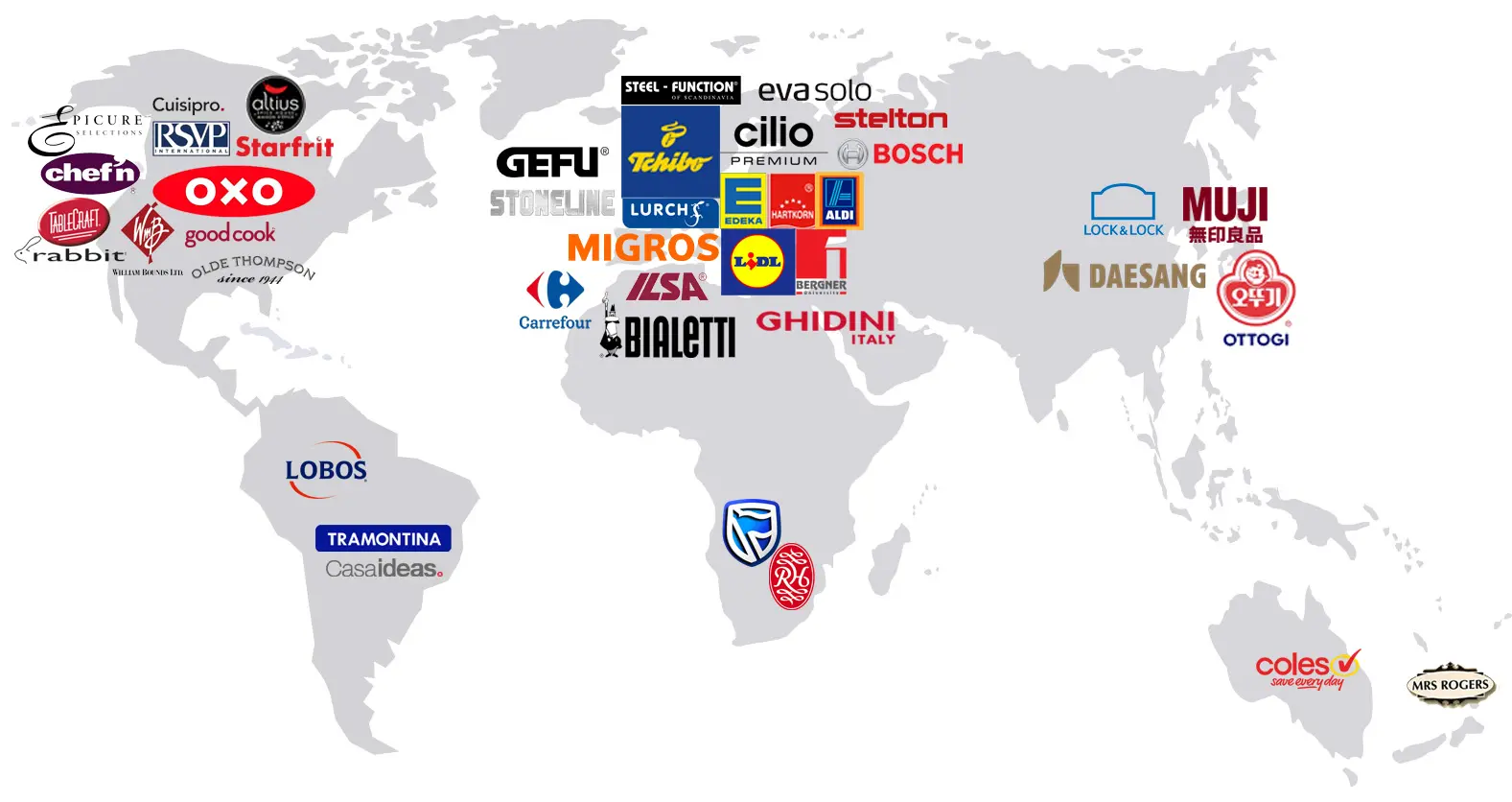
Our journey continues. We remain dedicated to serving mid-to-high-end brands globally by providing competitive grinding and liquid dispensation solutions, ensuring shared long-term success.
Corporate Values & Technological Infrastructure
A look at the principles, people, and advanced equipment that drive our high-volume production capabilities.
Our Vision
To become the preferred supplier of premium kitchen grinding tools for mid-to-high-end brands around the globe, setting the standard for quality, design, and performance.
Our Mission
We are committed to helping our customers overcome challenges by providing more competitive grinding solutions and customized services. With a deep understanding of industry needs and continuous innovation, we strive to enhance brand value and become a trusted partner.
Our Core Values
Focus: Mastering the art and science of grinding tools.
Innovation: Forward-thinking design drives sustainable growth.
Sustainability: Prioritizing responsible manufacturing practices.
Win Together: Building partnerships that foster shared success.
Advanced Production Equipment & Facility Personnel
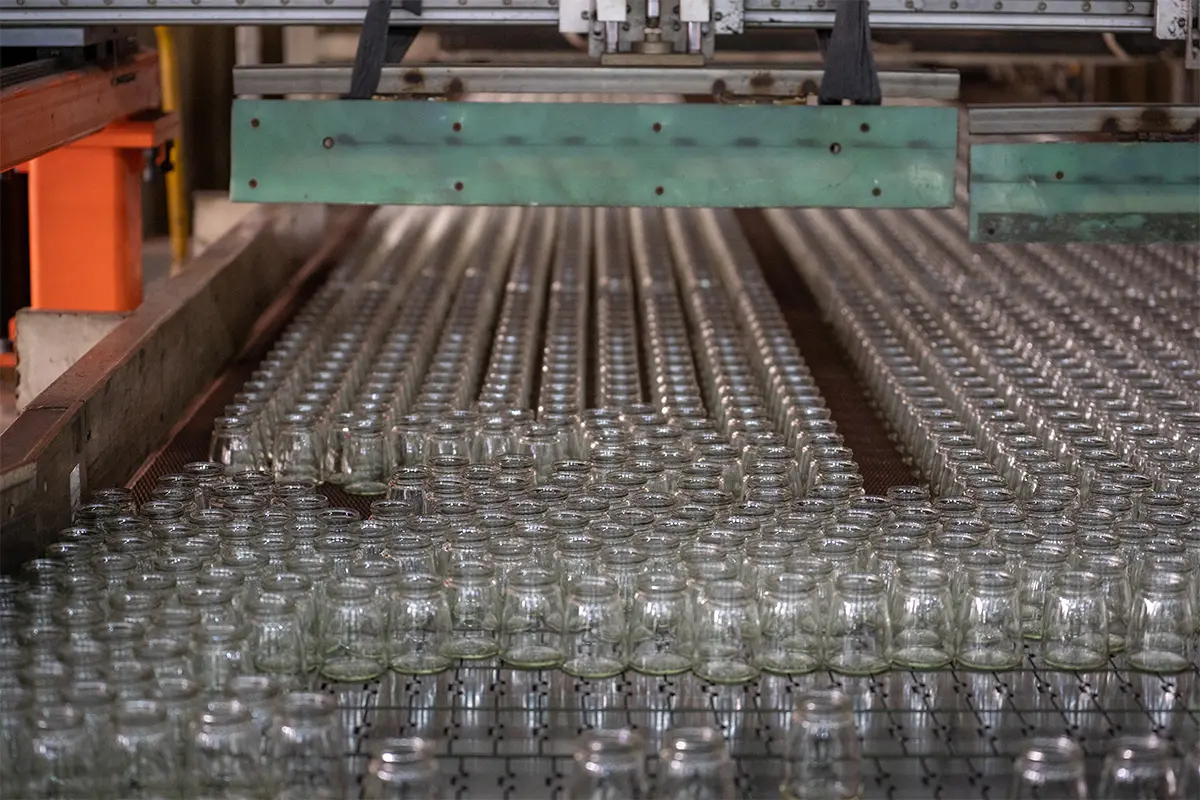
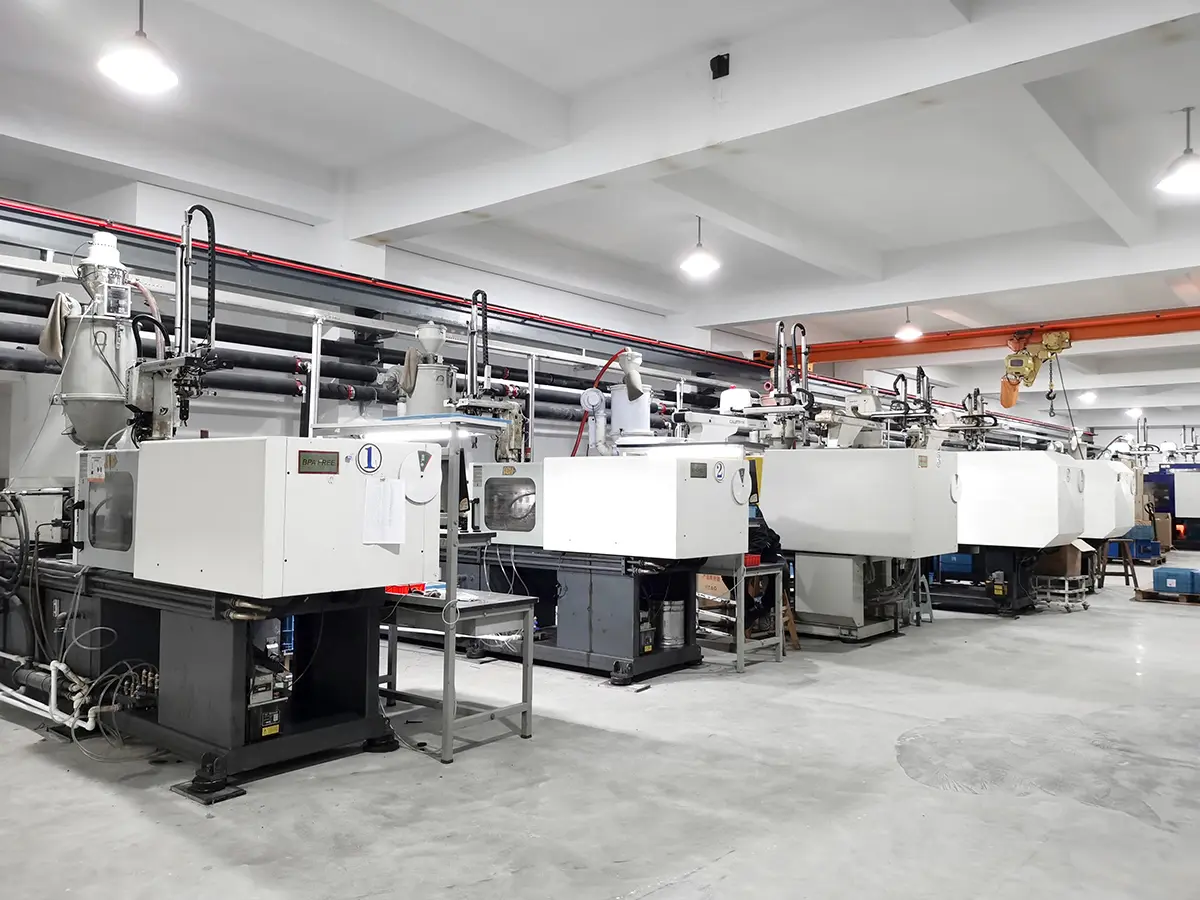
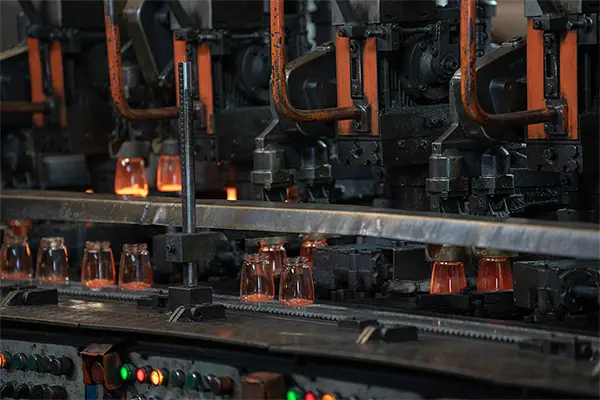
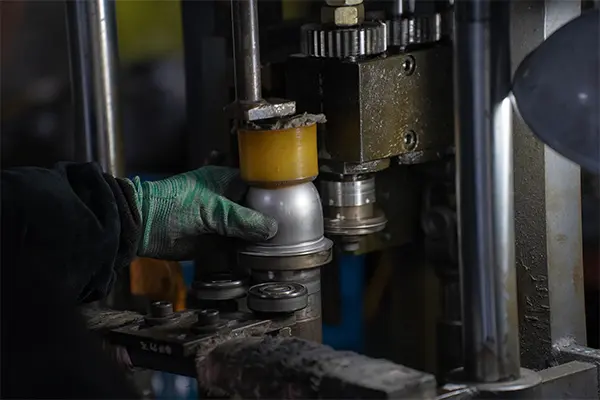
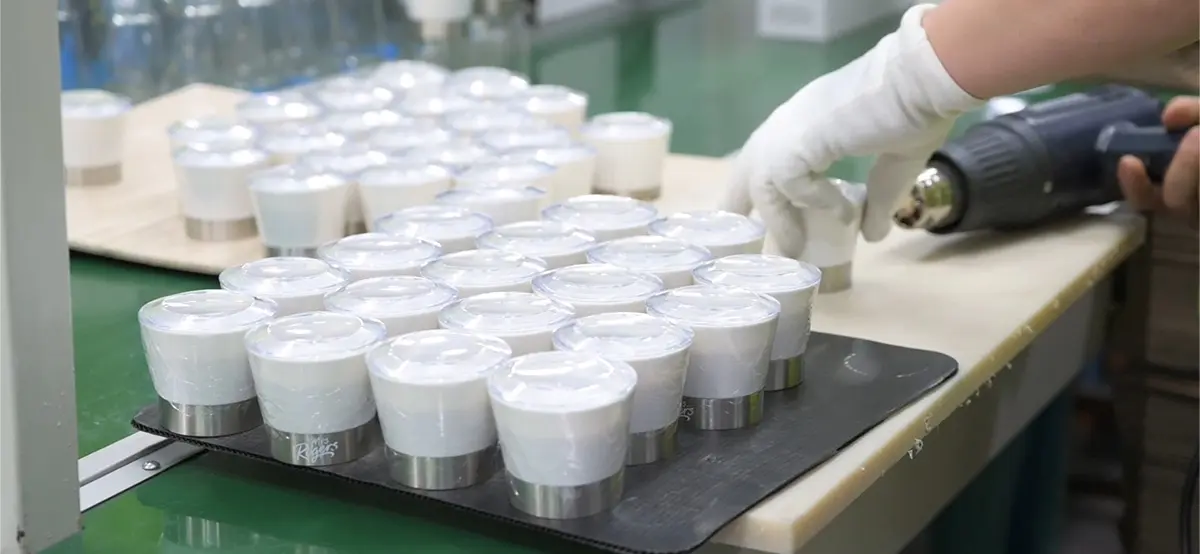
We take great pride in our modern equipment and technology, which are key factors in our success. These tools not only enhance work efficiency but also ensure high-quality manufacturing. From creative design to the manufacturing process, our staff utilizes state-of-the-art tools to achieve outstanding results.
Research & Development Engineering Excellence
Exploring how our internal engineering team collaborates with partners to translate market insights into award-winning culinary designs.
Patented Engineering Focus
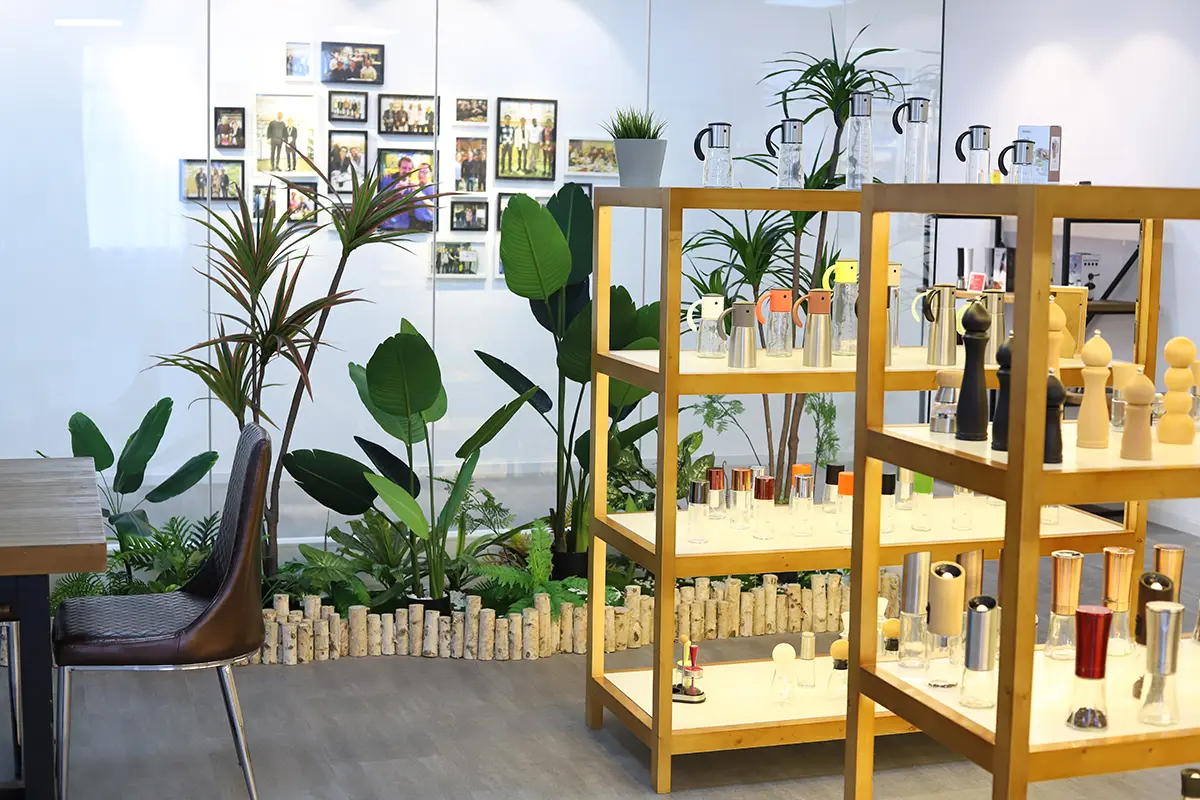
We have a dedicated R&D team, and our products designed by them have been awarded the German Red Dot Design Award and IF Design Award. Additionally, with our focus on kitchenware development and production, we have obtained over 300 patents. Please trust that we can assist you in achieving the style and design you desire.


Our Collaborative Development Philosophy
Chinagama believes that to establish long-term partnerships and develop competitive products, we must understand aesthetic preferences and trends across different regions and conduct detailed competitive analysis. We continuously enhance our R&D and production capabilities, perform rigorous quality testing, and deliver products that balance utility and visual appeal.
Field Case Studies: Engineering Under Pressure
Real examples showing how our R&D team addresses design challenges and material science complexities.
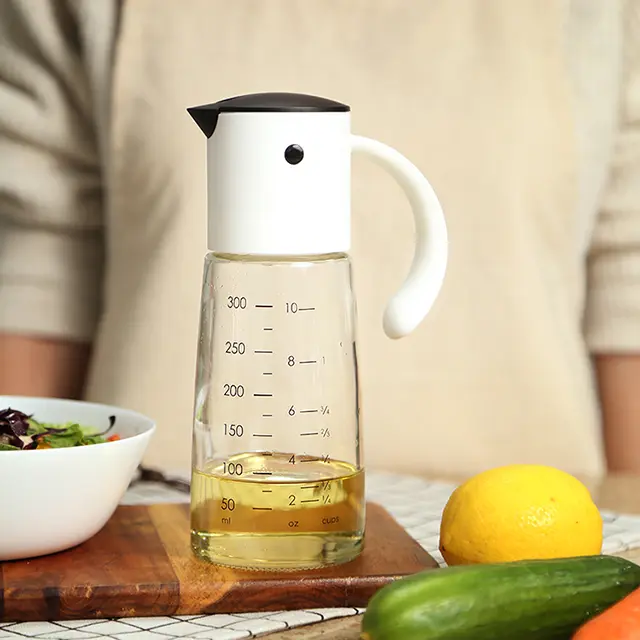
Red Dot Award-Winning Bird Spout Oil Dispenser
Market Research: Market research showed growing consumer demand for more unique, humanized oil dispenser designs. Against this backdrop, Chinagama independently developed and launched a gravity-fed bird spout oil dispenser to meet new market needs.
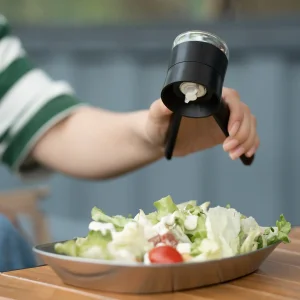
Technological Breakthroughs: At the time, most oil dispensers on the market employed simple designs with few products offering drip-free, gravity-fed spouts. Chinagama set out to create an oil dispenser that could be easily single-hand operated without any drips. After multiple rounds of testing, the bird spout shape was finalized, meeting functional requirements and enhancing visual appeal.
Project Outcomes: With its excellent design and functionality, this breakthrough was quickly met with market acclaim and later won the prestigious Red Dot Design Award. To this day, the product remains one of Chinagama's most popular oil dispenser products.
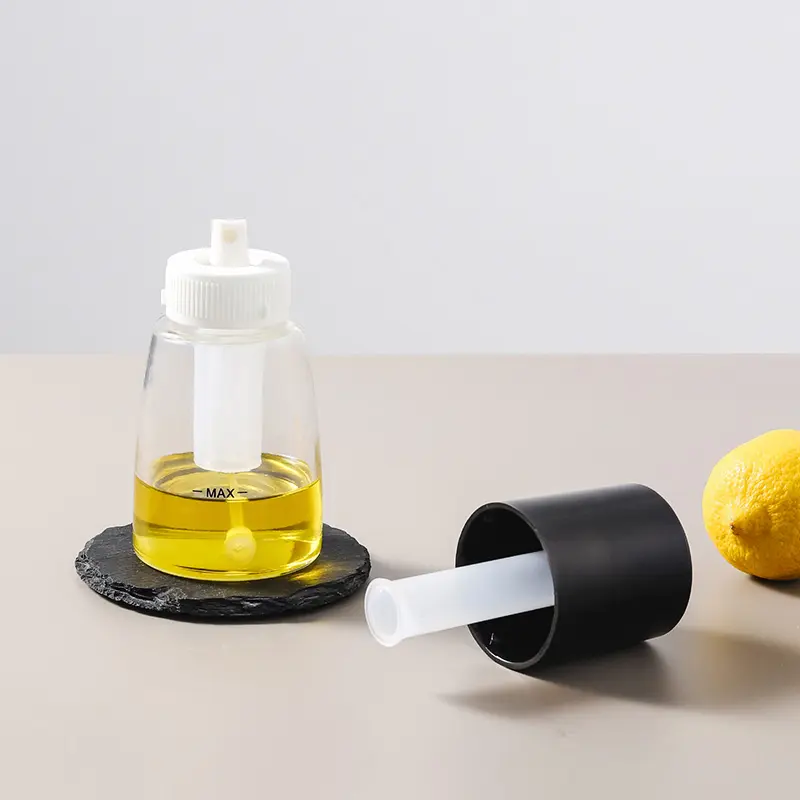
Collaborative Development of Oil Mist Sprayer
Collaboration: Chinagama collaborated with a renowned kitchenware brand to conceptualize and develop an innovative oil mist sprayer. The client had high-performance requirements and proposed many innovative ideas, necessitating major technological breakthroughs.
Challenges & Breakthroughs: After several weeks of research and exploration, our engineering team achieved significant breakthroughs. While we successfully mastered the manufacturing techniques, the process of selecting the right material presented challenges. After extensive testing, we uncovered a critical issue with ABS and PMMA materials: their susceptibility to stress cracking when exposed to vegetable oil, raising safety concerns. Consequently, we made the decisive switch to the more robust and non-toxic PP material, setting the stage for a triumphant product development.
Project Outcomes: The oil mist sprayer project demonstrated Chinagama's capabilities in pursuing engineering excellence and ensuring product safety. Developing and manufacturing a high-quality product meeting the client's stringent standards bolstered their market share growth in oil mist sprayers.
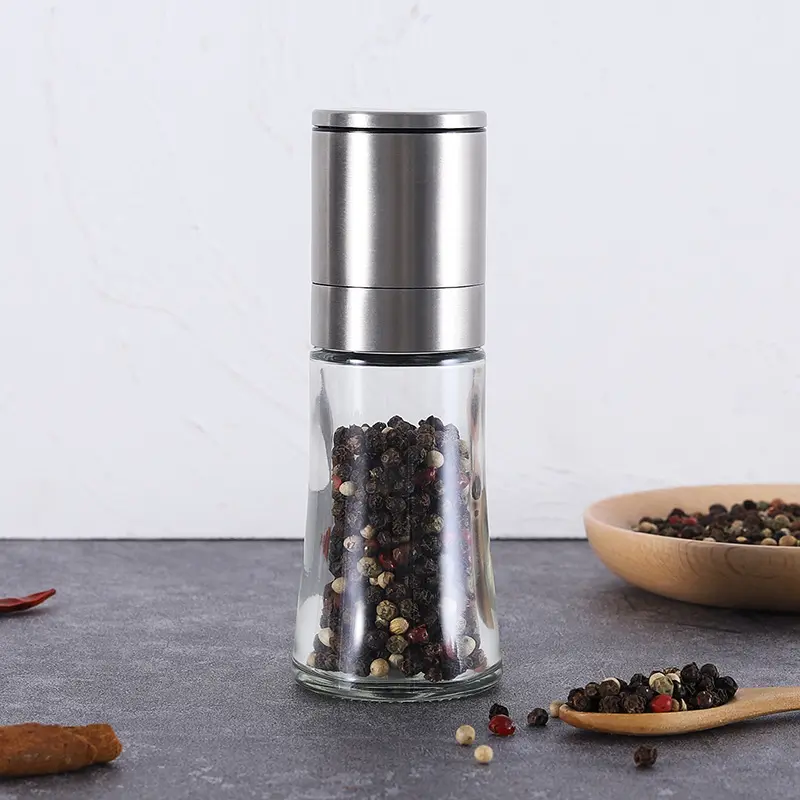
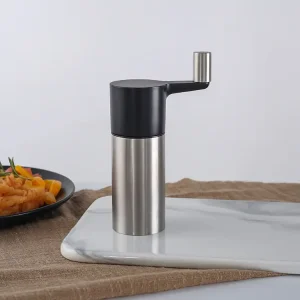
Design & Production of Straight Salt and Pepper Grinder
Problem Statement: In the past manual pepper and salt grinder market, products often employed overly complex designs, added unnecessary weight, or pursued attractiveness at the expense of practicality, neglecting users' real needs. This sparked our desire for innovation.
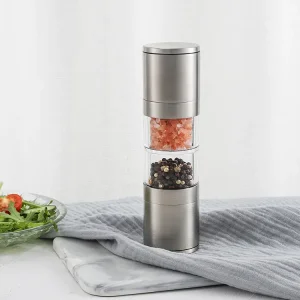
Challenges & Breakthroughs: At Chinagama, we believe a grinder's design should prioritize user experience. So we set out to develop a distinctive small straight pepper and salt grinder. To ensure ease of use and deliver superior user experience, Chinagama's engineers pioneered many new technical patents to resolve traditional grinding predicaments and imbue it with a clean, elegant look.
Project Outcomes: The successful launch of this pepper salt grinder garnered extensive market attention and recognition. Crucially, our customers and users highly rated its ease of operation, which remains our greatest motivation.
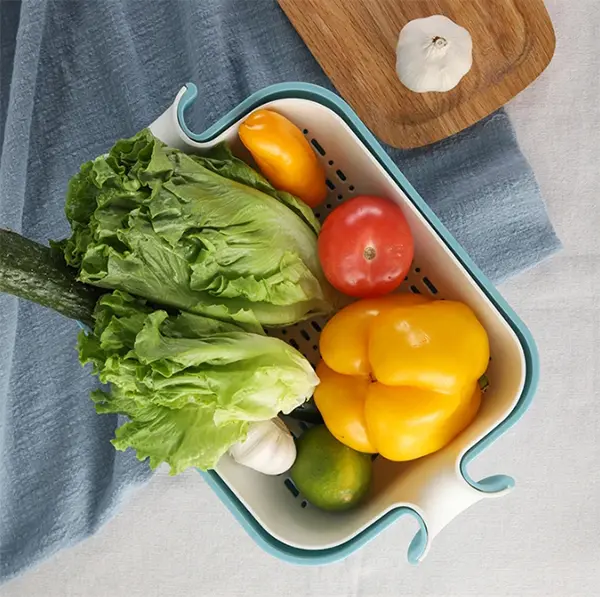
Broad Kitchenware Category Collaborations
Category Extension: As a leading kitchenware manufacturer, we produce and customize various kitchen essentials, including vegetable washing baskets, soap dispensers, knife sharpeners, and more.
Delivery Capability: Chinagama possesses advantages in research and development and ensures on-time production with top-notch product quality. We also have a robust logistics system to guarantee timely delivery of goods to global ports.
Localized Market Integration & Industry Trends
Adapting gravity-lid dispensing systems to meet regional cooking preferences and functional requirements.
North American High-Volume Demand
The North American B2B market favors high-capacity containers (500ml+) suitable for intensive grilling and home cooking. Products must feature clear measurement gradients, dishwasher-safe borosilicate bodies, and wide bases to prevent accidental tipping on granite countertops.
European Minimalist & Eco Focus
European importers prioritize space-saving, 250ml slimline profiles with metal details. Compliance demands are high, requiring REACH and LFGB test certificates. The use of recyclable wood accents (like FSC beech) and plastic-free packaging is highly valued by consumers.
Asia-Pacific High-Viscosity Applications
In Asian cuisines, dispensers hold high-viscosity liquids like soy sauce, sesame oil, and vinegar. Dispenser nozzles must feature anti-drip return-hole systems to manage thicker liquids without clogging or residue build-up on the exterior shell.
Future Industry Trends (2025-2030)
As culinary tools evolve, next-generation gravity dispensers will focus on integrated precision flow control (such as dialing specific pour rates in milliliters) and bio-based plastics to reduce carbon footprints. Advanced surface coatings (like hydrophobic nanotech) are also being tested to ensure oil glides off spouts without leaving residues.
Global Enterprise Procurement Checklist
Key parameters for B2B procurement managers to evaluate gravity oil dispenser suppliers.
1. Material Composition & Safety Verification
Confirm the factory uses borosilicate glass rather than soda-lime glass, which can suffer thermal shock under sudden temperature shifts. Verify that the plastic elements are made of polypropylene (PP) or Tritan to prevent stress cracking from food contact.
2. Auto-Gravity Lid Lifespan Testing
Ask suppliers for cycle-test data on their gravity hinges. Reliable auto-flip mechanisms should withstand at least 20,000 opening cycles without failure, ensuring long-term utility for home and commercial buyers.
3. Tooling and Structural Customization Options
Ensure your ODM partner owns and manages its CNC mold shop. Direct control over tooling enables rapid CAD modifications, faster prototyping, and lower setup fees for customized private-label runs.
4. Compliance Audits & Certifications
Confirm the factory holds valid BSCI, ISO 9001, and Sedex certifications, and can provide raw test reports for FDA, LFGB, and REACH compliance to streamline customs clearance.
Frequently Asked Questions (FAQ)
Answers to common B2B queries regarding design, supply, and custom manufacturing of gravity-fed dispensers.