 Chinagama
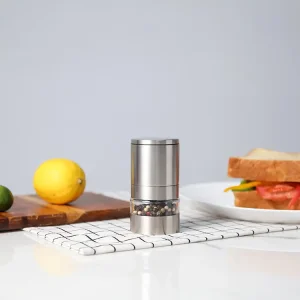
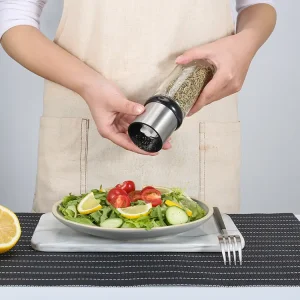
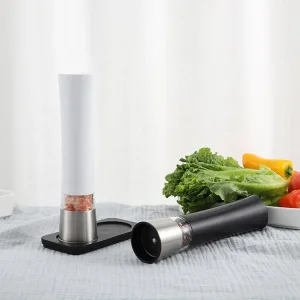
Featured B2B Precision Grinder & Dispenser Line (Upper Showcase)

1. Global Business and Industrial Landscape of Coffee & Spice Grinding Systems
The global landscape for culinary grinding technology has transitioned from basic mechanical utility to precision industrial physics. Driven by specialty coffee culture and the rapid expansion of artisanal culinary consumerism, brands worldwide require highly consistent, durable, and cleanable grinding architectures. Today's commercial manual coffee grinders and domestic multi-use kitchen mills are no longer afterthought accessories—they are high-precision components designed to achieve uniform particulate distribution.
In the current international B2B marketplace, leading brands demand localized, robust supply chain solutions that minimize runout tolerance in conical burrs. High-end manual coffee grinders are now scrutinized by their Particle Size Distribution (PSD) charts, meaning that raw manufacturing facilities must ensure micro-level alignment during high-volume production.
As industrial leaders in China’s premium kitchenware manufacturing zone, Chinagama addresses this paradigm by combining state-of-the-art automation with food-grade tribology and polymer physics. By maintaining absolute control over the casting, machining, and final assembly processes, we guarantee high-efficiency outputs for global OEMs.

2. Macro-Level Industrial Solutions for Kitchen & Coffee Brands
Mid-to-high-end culinary brands require comprehensive engineering platforms that offer both agility and scalability. Standard catalog suppliers often fail to address localized demographic demands. Chinagama’s ODM/OEM ecosystem bridges this gap by acting as an extension of our client's own engineering departments.
Customized Particle Uniformity
We offer selectable burr profile designs—ranging from high-nitrogen stainless steel flat burrs to wear-resistant alumina ceramic conical burrs—ensuring specific particulate size profiles tailored for espresso, pour-over, or Turkish coffee.
High-Yield Automation Pipelines
Deploying state-of-the-art injection molding and CNC milling systems, our factories maintain a high-yield standard, drastically decreasing lead times for large container-level batches while preventing product defects.
Aesthetic Differentiation
Our products feature award-winning design languages, earning prestigious Red Dot and iF Design accolades. We help B2B partners develop unique design profiles that stand out on retail shelves and online storefronts.
3. The Chinagama Story: A Legacy of Industrial Metamorphosis
Our journey showcases a continuous path of technological evolution, moving from localized trading operations to operating state-of-the-art manufacturing plants.
Chinagama establishes its operations, originally focusing on global trade. This period provided our founders with deep insights into international kitchenware standards and quality expectations.
Driven by a passion for culinary engineering, we transition from trade to direct production, ensuring complete control over the manufacturing and quality of our products.
We set up a standardized food-grade production facility, adopting international manufacturing standards and implementing clean-room assemblies to meet global compliance requirements.
Recognized as a high-tech enterprise, Chinagama’s products win prestigious international awards like the Red Dot and iF Design Awards, securing over 300 patents in grinding and kitchenware technology.
4. Engineering Case Studies and Product Innovation Breakthroughs
Our approach to product development relies on solving real-world challenges with rigorous material testing and structural engineering. The following projects showcase how we turn user challenges into market-leading products:
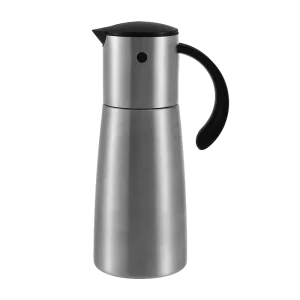
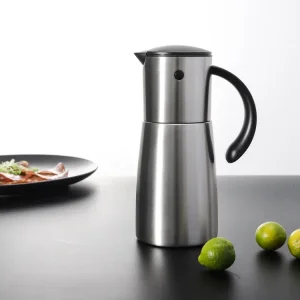
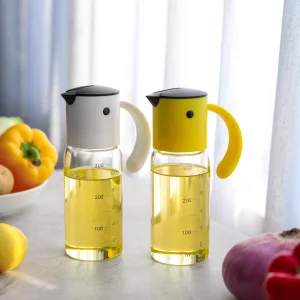
The Red Dot Award-Winning Bird Spout Oil Dispenser
The Challenge: Most liquid dispensers on the market suffered from messy oil drips and required two hands to operate.
The Solution: Chinagama developed a gravity-sensitive auto-spout system shaped like a bird's beak. The lid mechanism opens automatically when tilted and seals shut when upright, ensuring a drip-free user experience.
The Outcome: This design secured the Red Dot Design Award and remains one of our top-performing products in international markets.
Resolving Material Stress-Cracking in Oil Mist Sprayers
The Challenge: During collaborative testing of a high-performance oil sprayer, standard PMMA and ABS containers showed stress-cracking when exposed to vegetable oils.
The Solution: Our engineering team analyzed chemical interactions and replaced the materials with a food-grade, high-density polypropylene (PP) structure. We optimized wall thickness to resist pressure changes during use.
The Outcome: The modified sprayer passed all durability tests, providing our brand partner with a highly reliable product.
Ergonomic Precision Manual Grinding Core
The Challenge: Standard manual spice and coffee grinders often require significant physical force, resulting in inconsistent grinds.
The Solution: Our team developed a low-torque shaft support system featuring dual-bearing alignment. This mechanism maintains burr stability even under heavy resistance.
The Outcome: The new mechanism delivers a highly consistent grind with minimal effort, earning strong feedback from culinary professionals worldwide.
5. Localization Support and Regulatory Compliance
Navigating international food-contact regulations can be a major challenge for global supply chains. Chinagama ensures compliance by design, helping our partners meet strict regional safety standards.
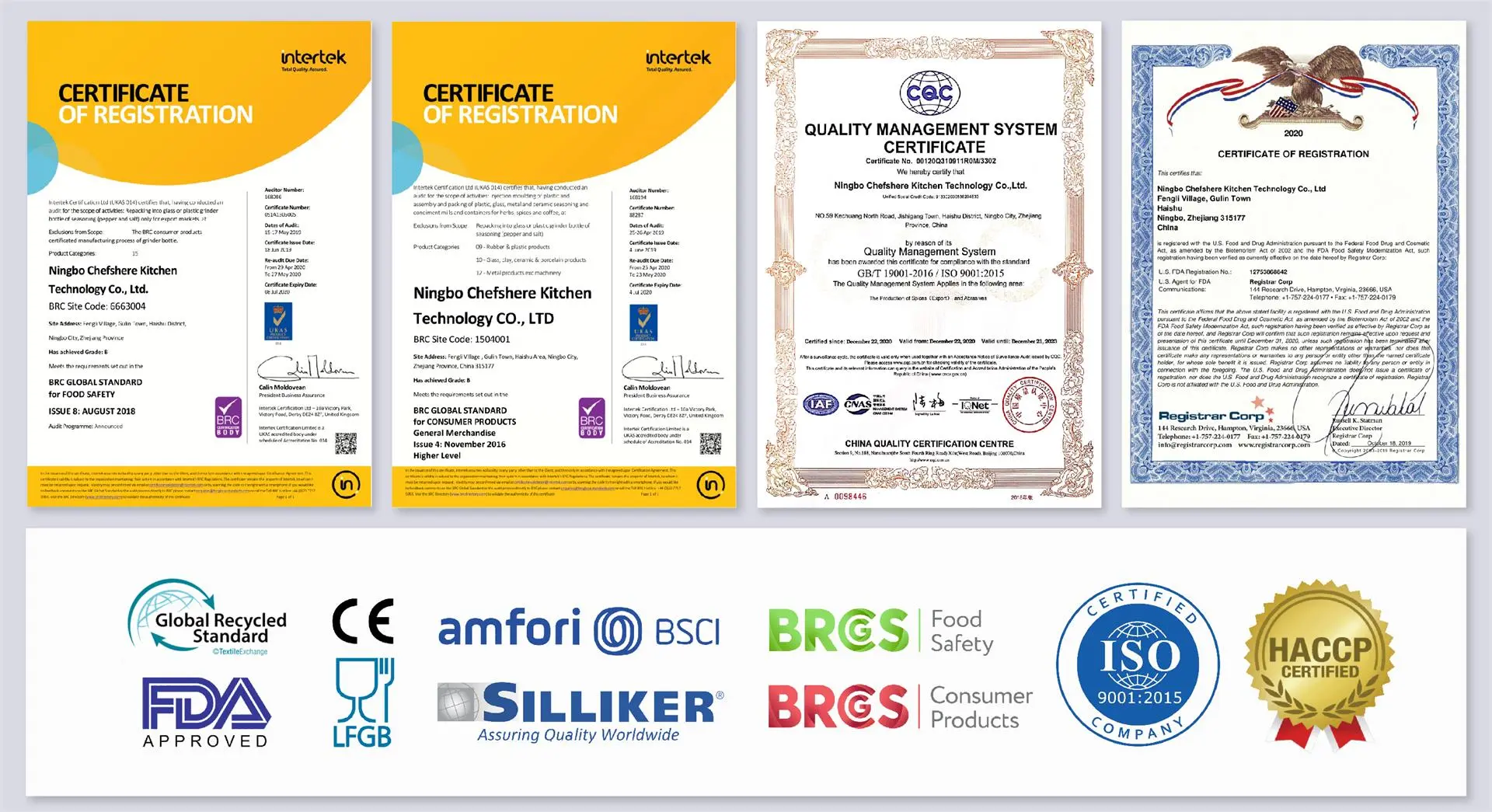
Every product we manufacture—from precision manual coffee grinders to glass storage units—is built in compliance with international food-contact guidelines, including FDA, LFGB, and CE certifications. We regularly test our materials with independent third-party labs (like SGS and TÜV) to confirm they are free from heavy metals, BPA, and other restricted chemicals.
We also offer localization options to match regional market preferences. Whether it is adjusting product sizes for North American hands, refining aesthetics for European tastes, or modifying packaging for Japanese retail shelves, our team adapts designs to fit regional consumer habits perfectly.

6. Future Technology Roadmap: Next-Gen Kitchenware Engineering
The next generation of kitchenware will focus on sustainability, precision mechanics, and smart features. Chinagama’s development roadmap prioritizes eco-friendly materials and advanced grinding designs.
1. Biodegradable & Recycled Materials
We are integrating ocean-bound recycled plastics and wood-fiber biocomposites into our production lines, reducing dependency on fossil-fuel based polymers without compromising physical durability.
2. Next-Gen Conical Burr Alignments
Our engineers are working on micro-aligned steel burr geometries that minimize grind friction. This reduces heat generation, preserving the delicate aromas of specialty coffee beans.
3. Smart Home Integrations
We are developing battery-powered, torque-sensing electric grinders that adapt motor speed to bean density. This guarantees consistent results across a variety of coffee roasts.
7. Technical and Supply Chain Q&A
Complete Industrial Product Catalog (Lower Showcase)