 Chinagama
Featured Grinding Systems & Kitchenware
Explore our flagship precision-engineered solutions tailored for global commercial markets and culinary brands.
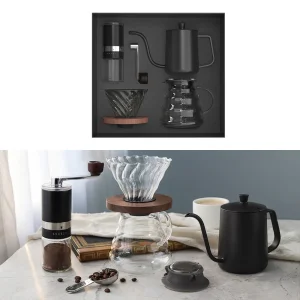

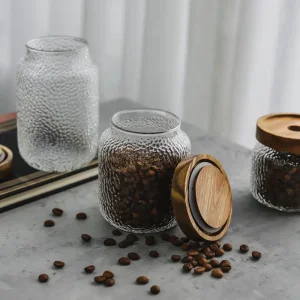
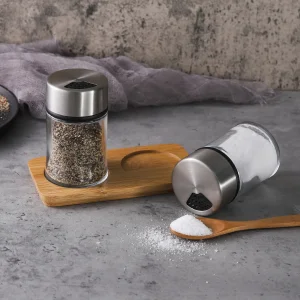
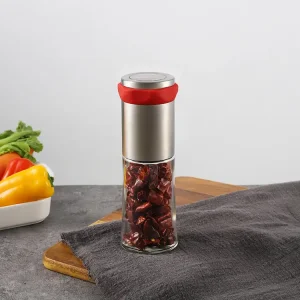
Global Status & Industrial Landscape of Wooden Spice Mills
Understanding the transition from traditional tabletop utilities to precision-engineered culinary instruments.
The global market for premium kitchenware has experienced a notable paradigm shift. In an era dominated by mass-produced plastics, high-grade wooden spice mills have re-emerged as the benchmark of professional and domestic culinary spaces. This resurgence is driven by structural shifts in consumer values, highlighting sustainability, tactile ergonomics, and superior mechanical durability. Modern buyers expect their wooden spice mills to serve as statement design pieces that perform consistently under rigorous, high-temperature, and moisture-heavy kitchen environments.
From an industrial perspective, manufacturing these products requires deep expertise in materials science and mechanical engineering. Seasoning the wood is a critical phase; blocks of premium beechwood, acacia, rubberwood, and walnut must undergo kiln-drying to reduce moisture levels to a strict 8% to 12% threshold. This prevents warping, splitting, and internal decay when exposed to salt-induced moisture extraction or kitchen steam. Furthermore, the design of the grinding mechanism—whether ceramic, carbon steel, or high-performance stainless steel—directly affects the torque profile and particle-size distribution of the ground spices.
For global B2B procurement professionals, identifying a top-tier ODM (Original Design Manufacturer) is critical to maintaining a competitive market position. Global supply chains require partners who offer complete customization—from bespoke laser-etched branding and customized mechanical adjustments to certified food-safe coatings. Chinagama stands out in this market by providing comprehensive engineering capabilities that transform standard wooden spice mill designs into award-winning, brand-specific products.
Welcome to Chinagama: Pioneering Culinary Innovations
Our commitment to excellence in kitchenware design, engineering, and manufacturing since 1997.

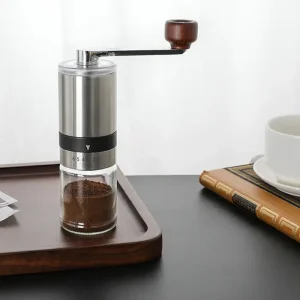
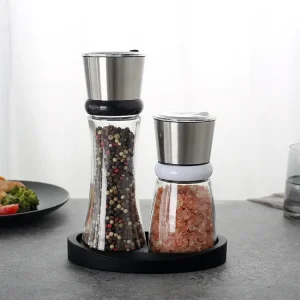
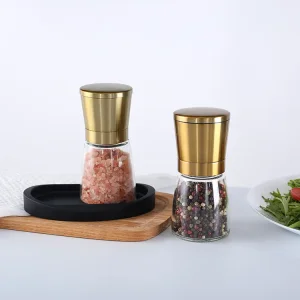
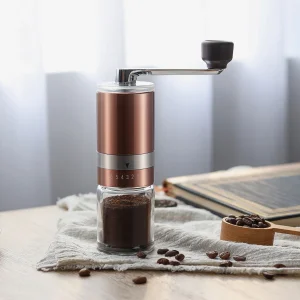
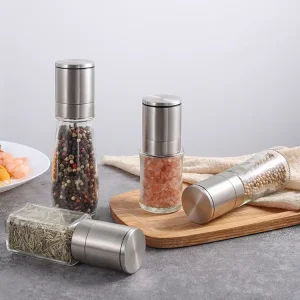
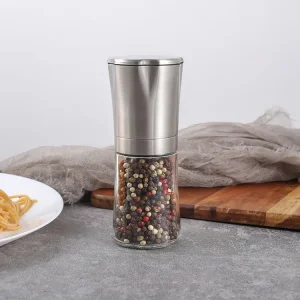
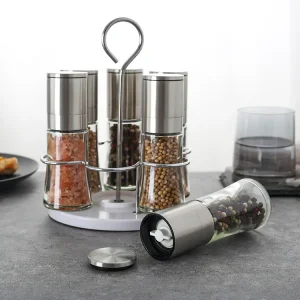
At Chinagama, we are passionate about crafting high-quality and stylish kitchenware, specializing in salt and pepper grinders. Our product range also extends to other in-demand kitchen tools sought by international buyers, including manual and electric coffee grinders, oil dispensers, soap dispensers, and premium storage jars.
Established in 1997, we have dedicated ourselves to exceptional kitchenware development and manufacturing. Over the years, our commitment to design has led to over 300 patents. Our kitchen tools have also received recognized industry honors, including the prestigious Red Dot Award and iF Design Award. We continuously innovate to meet the changing needs of global consumers and culinary brands.
Our Journey: Milestones of Innovation
How we grew from a regional trade specialist into a global leader in high-end culinary manufacturing.
The Foundation
Chinagama begins its commercial journey, initially focusing on regional trade operations and establishing early supplier networks.
Transition to Digital Trade & Production
In 2001, we adopted digital trade platforms to connect with international partners. Driven by a passion for culinary excellence, we transitioned in 2003 from trade to direct manufacturing, laying the groundwork for our own production facilities.
Standardized Food-Grade Production Plant
To meet global regulatory standards, we built a standardized, state-of-the-art food-grade manufacturing facility. This step secured critical certifications, including FDA and LFGB, establishing our reputation for reliable production.
High-Tech Enterprise Designation & Design Awards
Chinagama was officially recognized as a High-Tech Enterprise. During this period, our engineering and R&D efforts were validated with multiple Red Dot and iF Design Awards, confirming our place at the forefront of product design.
Leading Global Brands into the Future
We produce over 12 million pepper grinders annually. Statistically, a Chinagama-crafted grinding tool is purchased somewhere in the world every three seconds, supporting mid-to-high-end culinary brands across continents.
Our Vision, Mission, and Core Values
The guiding principles that shape our production, client partnerships, and technological developments.
Our Vision
To be the preferred global supplier of premium kitchen grinding tools for mid-to-high-end brands, setting industry benchmarks for quality, design, and performance.
Our Mission
We are dedicated to helping our customers overcome product challenges by providing competitive, reliable grinding solutions and customized OEM/ODM services that build brand value.
Our Core Values
Focus: Mastering grinding mechanics from concept to production.
Innovation: Driving growth with design.
Sustainability: Minimizing our footprint.

Advanced Equipment & R&D Capabilities
How our technical infrastructure and engineering team ensure consistent quality and product reliability.
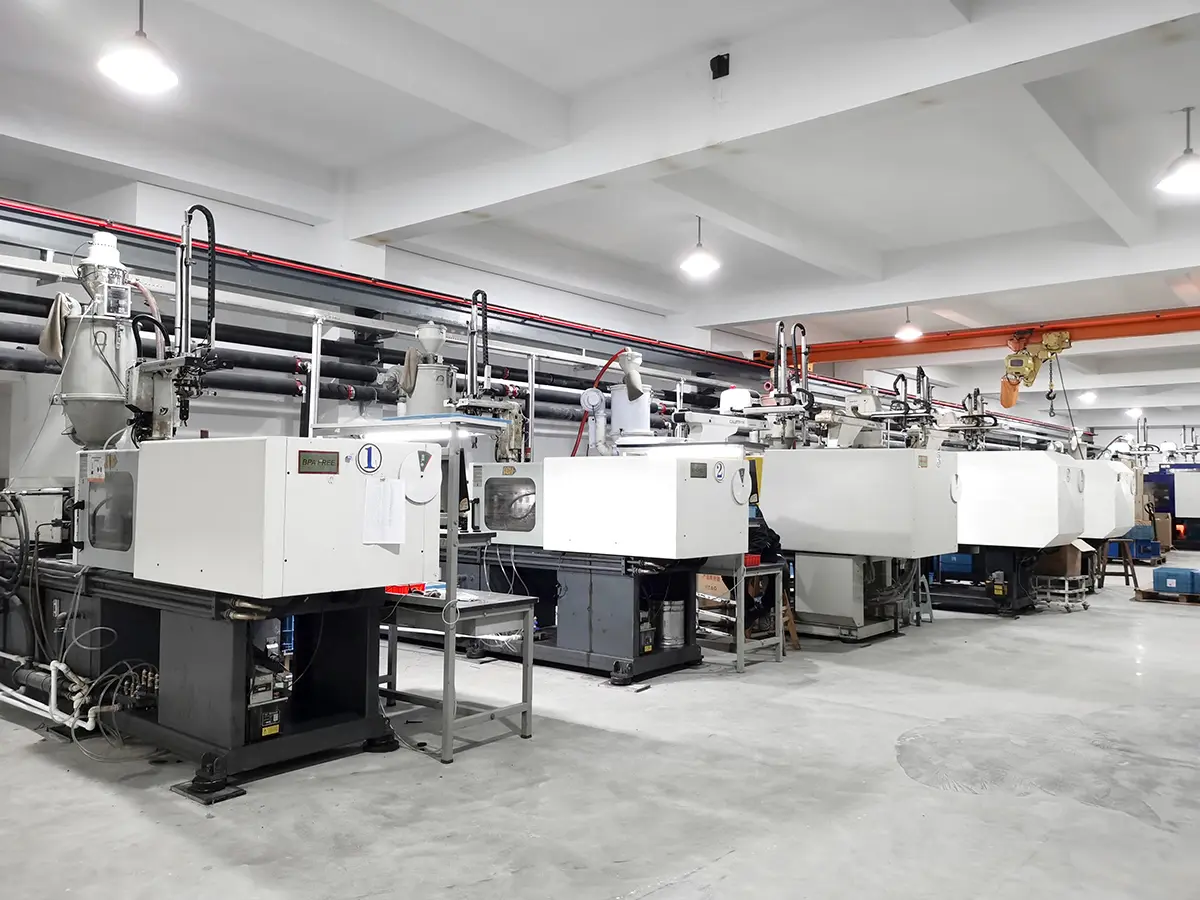
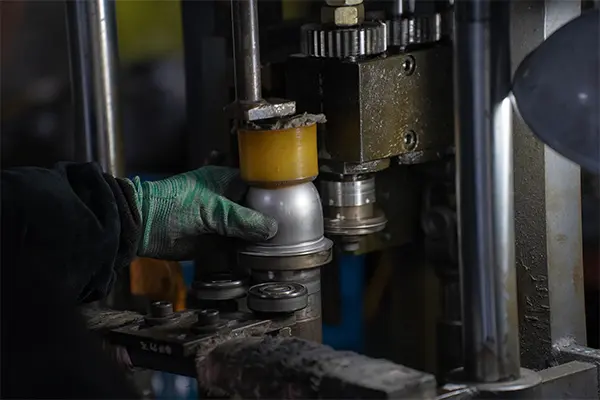
Consistent high-volume production requires state-of-the-art machinery and structured workflows. At Chinagama, we invest in advanced automated injection molding systems, high-precision CNC machining tools for metal component finishing, and specialized laser-marking systems for branding. By combining these manufacturing technologies with a skilled workforce, we ensure that every batch of spice mills matches the precision of the initial prototype.


Our dedicated R&D division is key to our innovation, helping us secure design patents and international recognition. We focus on mechanical improvements to the grinding core, developing mechanisms that reduce the physical effort needed to grind tough spices, such as black peppercorns or coarse Himalayan salt, while preserving the spice's essential oils and aromas.
Our Commitment to Quality & Materials Safety
Rigorous verification procedures and certified processes that guarantee food contact safety.
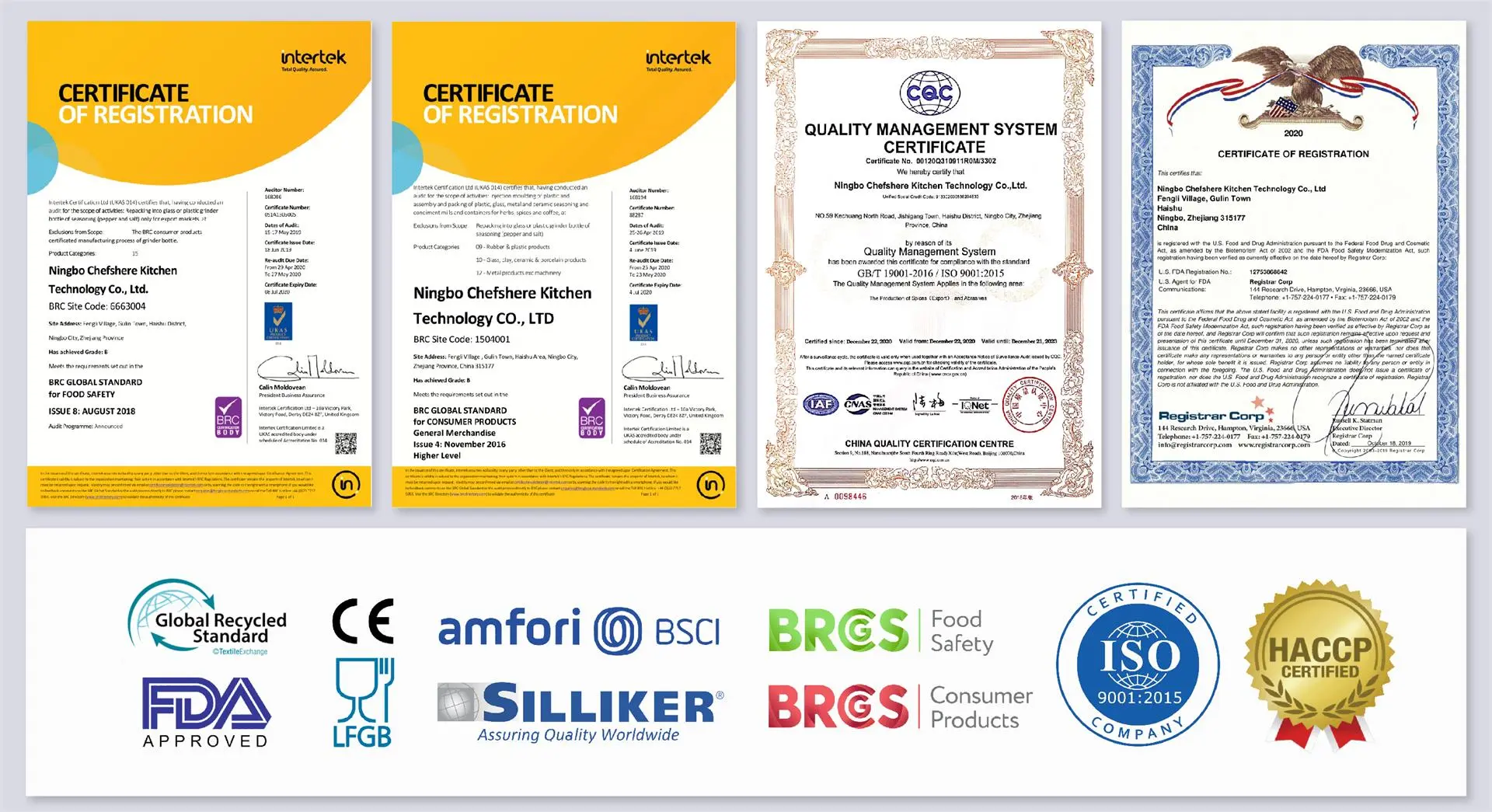
Chinagama operates with a strict quality-first philosophy. Our products undergo food contact safety evaluations that align with European and American standards. Our raw materials—including sustainably sourced wood, high-strength ceramics, food-safe borosilicate glass, and 304-grade stainless steel—are tested for chemical purity and mechanical longevity. This rigorous control allows us to maintain both LFGB and FDA certifications, providing peace of mind to our B2B partners and retail buyers.
We work with leading third-party testing agencies (such as SGS and TÜV) to verify that our components are free from harmful chemical migration. Additionally, we run durability tests that simulate years of everyday kitchen use, ensuring that our grinders and spice mills deliver consistent performance over time.
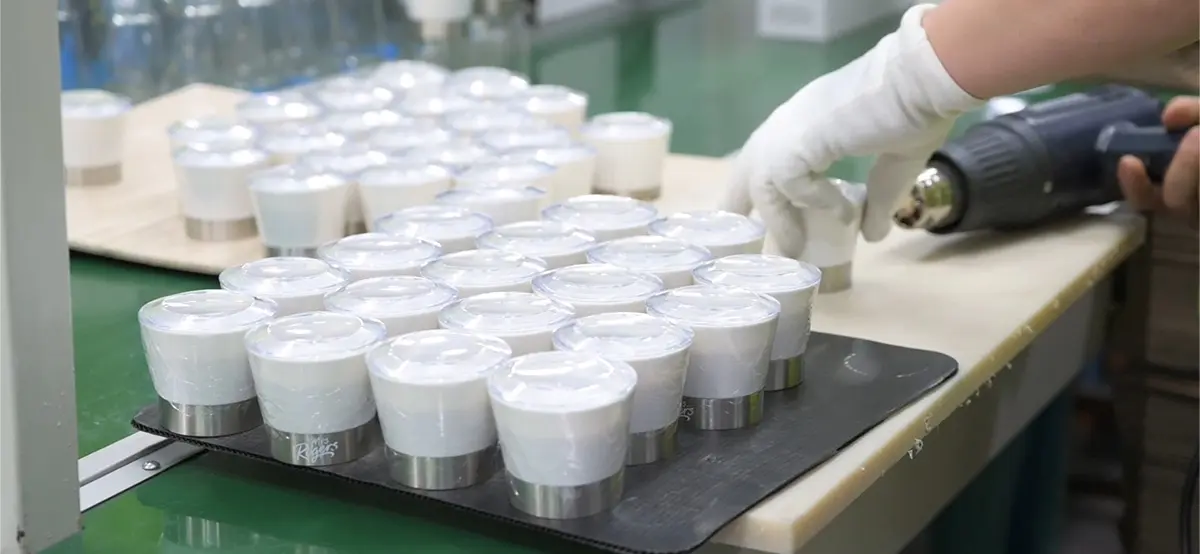
Our Quality Management System governs every step of production, from evaluating incoming materials to final packaging. By using high-precision calibrated instruments to inspect grinding components, we ensure that every batch of mills maintains the precise tolerances required for consistent performance.
Product Engineering Case Studies
How we solve real-world design and performance challenges for kitchenware brands.
The Gravity-Fed Bird Spout Oil Dispenser
Challenge: Market research showed growing consumer demand for clean, easy-to-use oil dispensers. Traditional options often suffered from messy drips and required two hands to operate.
Solution: Chinagama designed a gravity-fed spout that opens and closes automatically based on the tilt angle, allowing for easy, one-handed operation. The shape was carefully refined to ensure a clean, drip-free pour.
Outcome: The resulting design won a Red Dot Design Award and quickly became one of our most popular oil dispenser products, demonstrating our focus on functional innovation.

Developing a Durable Oil Mist Sprayer
Challenge: Developing an oil sprayer that delivers a consistent mist without relying on chemical propellants. Finding the right plastic was also a challenge, as some common materials can crack when exposed to cooking oils over time.
Solution: Our engineering team tested several materials before transitioning from ABS/PMMA to a more chemical-resistant, food-safe Polypropylene (PP). This solved the cracking issue while maintaining a clean, steady spray pattern.
Outcome: The new design met our client's safety and performance standards, helping them grow their market share in the cooking spray category.
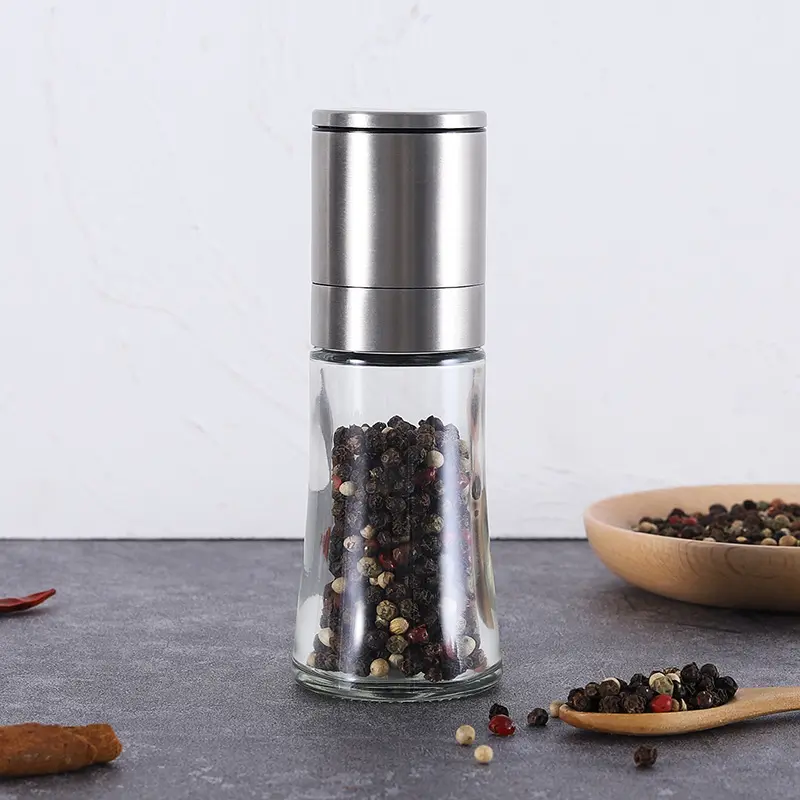
The Small Straight Pepper and Salt Grinder
Challenge: Many traditional wooden and metal spice mills are bulky, heavy, or focus on appearance at the expense of ease of use.
Solution: We developed a compact, straight-profile grinder with a clean, classic aesthetic. We integrated patented adjustments to the internal grinding mechanism, making it easier to turn while still delivering a consistent grind.
Outcome: The product received strong market feedback for its balance of simple, modern styling and reliable, everyday performance.
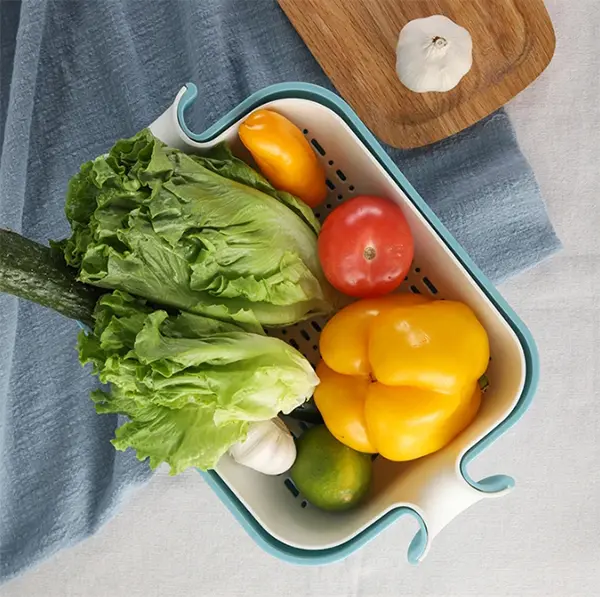
Broadening Our Kitchenware Range
Challenge: Our brand partners often want to source multiple product categories from a single supplier to simplify their logistics and maintain design consistency across their lines.
Solution: We expanded our R&D and production capabilities to offer a wider variety of kitchenware, including vegetable washing baskets, soap dispensers, and knife sharpeners.
Outcome: This product diversity allows us to serve as a comprehensive manufacturing partner, streamlining the supply chain and ensuring consistent quality across different product lines.
Technical Roadmap & Future Outlook
Staying ahead of the curve through smart manufacturing and eco-friendly practices.
The culinary tools industry is evolving, and Chinagama is committed to leading that progress. Our development roadmap centers on three key areas: material sustainability, precision grinding mechanics, and smart technology integration.
In terms of materials, we are expanding our use of certified sustainably sourced hardwoods, such as FSC-certified beechwood and acacia. We are also exploring bio-based resins and solvent-free finishes to create eco-friendly products that meet the expectations of environmentally conscious consumers. In mechanical engineering, we are refining our ceramic and high-carbon steel grinding cores to improve grind consistency and wear resistance.
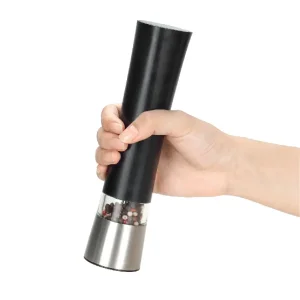
Looking ahead, we are also developing electric and sensor-assisted grinding systems designed for both smart home kitchens and commercial food service. These designs prioritize ease of use, making high-quality grinding accessible to a wider range of users while maintaining the classic styling of traditional spice mills.


Wholesale Pricing Framework & Procurement
Understanding cost structures, materials, and customization variables in commercial sourcing.
When sourcing wooden spice mills at volume, wholesale pricing depends on several factors: the wood species selected, the complexity of the internal grinding mechanism, custom design features, and order volume. For example, standard rubberwood mills with ceramic mechanisms offer a cost-effective option for mid-market retail, while premium walnut or acacia wood mills with carbon steel cores serve high-end luxury brands.
The table below outlines our standard wholesale pricing structure. Please contact our sales team for a detailed quote tailored to your brand's specific requirements.
| Wood Type | Grinding Mechanism | Estimated FOB Price (USD) | Standard MOQ | Best Suited For |
|---|---|---|---|---|
| Rubberwood | Alumina Ceramic | $1.80 - $3.20 | 1,000 Units | Mass Market Retailers & Starter Sets |
| Beechwood | Reinforced Ceramic / Stainless Steel | $2.50 - $4.50 | 1,000 Units | Mid-Tier Culinary Brands & Gift Sets |
| Acacia Wood | High-Carbon Steel / Ceramic | $3.80 - $6.50 | 500 Units | Premium Retail & Professional Kitchens |
| Walnut / Olive Wood | Helical Cut Carbon Steel | $5.50 - $9.80 | 500 Units | High-End Brands & Specialty Kitchenware |
Additional cost factors include custom laser engraving, custom-painted finishes, bespoke metal adjustment knobs, and custom packaging designs. Our team works closely with you during the design phase to align the final product with your target retail price and brand positioning.

Frequently Asked Questions (FAQ)
Answering common questions about sourcing, customization, and quality standards for wooden spice mills.
Looking to develop a custom spice mill line? Contact our engineering team today.
Request a Customized Quote & Digital SampleComplete Kitchenware Collection
Discover our range of customizable wooden mills, manual coffee grinders, and kitchen storage essentials.