 Chinagama
Pioneering Culinary Innovations & Manufacturing Integrity Since 1997
At Chinagama, we are passionate about crafting high-quality and stylish kitchenware, specializing in salt and pepper grinders, coffee grinders, and high-performance oil and vinegar dispensers. Over 27 years, we have built a manufacturing ecosystem that merges culinary ergonomics with rigorous engineering standards. Holding over 300 patents and recognized with the Red Dot Award and iF Design Award, we have established ourselves as the preferred industrial partner for premium global brands.
Our operational framework matches the global consumer shift towards clean, reliable, and functional kitchen gear. By utilizing strict factory audits, state-of-the-art materials like Tritan polymers and borosilicate glass, and advanced design protocols, we make sure that our oil dispensers meet both aesthetic expectations and food contact safety standards globally.

Premium Kitchen Grinders & Oil Dispensers Selection
Explore our engineering-focused product lines, manufactured under strict quality standards and optimized for premium international brands.
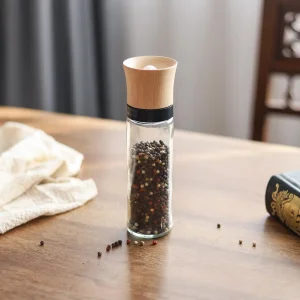
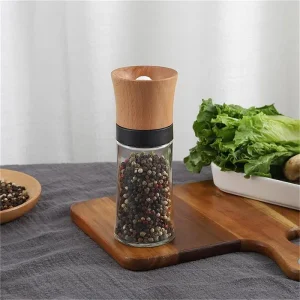
Customized Large Wooden Spice Grinder
View Details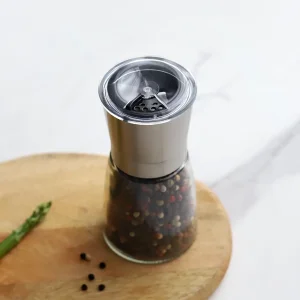
ODM Stainless Steel Salt and Pepper Grinder
View Details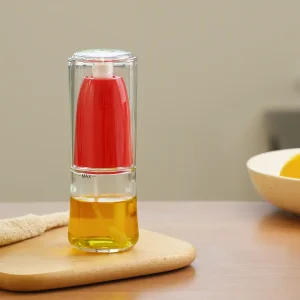
Custom Olive Oil Spray Bottle
View Details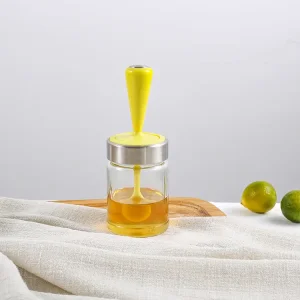
Wholesale Honey Jam Glass Jars with Spoon
View Details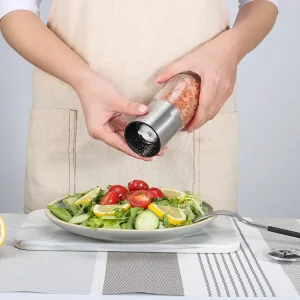
ODM Stainless Steel Salt & Pepper Shaker Lid Grinder
View Details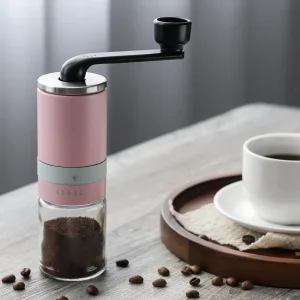
Custom Colorful Hand Burr Coffee Grinder
View Details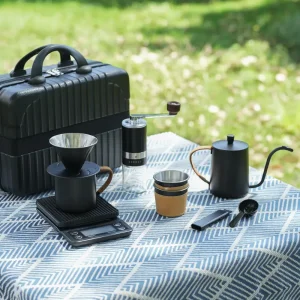
Custom Portable Hand Burr Coffee Grinder Set
View Details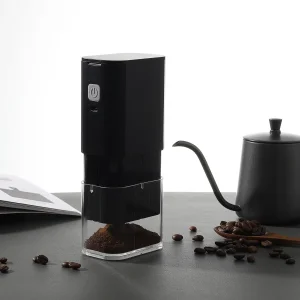
Wholesale Customized Portable Electric Coffee Mill
View DetailsCommercial and Industrial Landscape of Liquid Food Storage
The global market for premium oil dispensers is undergoing structural transformations. Modern consumers demand products that keep olive oil fresh by protecting it from oxidation. For global distributors, supplying high-quality oil dispensers requires balancing regulatory compliance, mechanical reliability, and modern aesthetics.
At Chinagama, our research shows that liquid food dispenser development requires focus on two areas: chemical compatibility of plastic and silicone parts with agricultural lipids, and ergonomic flow control. Poorly designed oil bottles suffer from stress cracking, messy dripping, and poor seal integrity, which degrade the product's value. Chinagama addresses these issues with advanced material selection and mechanical engineering, ensuring long-term product durability.
Material Science: Preventing Stress Cracking in Polymer Components
A key challenge in oil dispenser manufacturing is the choice of plastic materials. Many manufacturers use Acrylonitrile Butadiene Styrene (ABS) or Polymethyl Methacrylate (PMMA) for clear spouts and container walls. However, vegetable oils trigger environmental stress cracking (ESC) in these polymers under mechanical load, causing component failure and leakage.
Chinagama's material testing engineers resolved this by using high-grade Polypropylene (PP) and Eastman Tritan™ copolyesters in our non-drip oil dispensers. These materials resist oil degradation, are BPA-free, and comply with international regulations like FDA CFR 21 and LFGB food contact safety guidelines. Our products are durable and safe for long-term food storage.
Chinagama by the Numbers
Our manufacturing capacity, industry partnerships, and engineering awards show our commitment to quality.
Innovative Design & Development Pipeline
How we turn customer research and materials engineering into award-winning culinary tools.
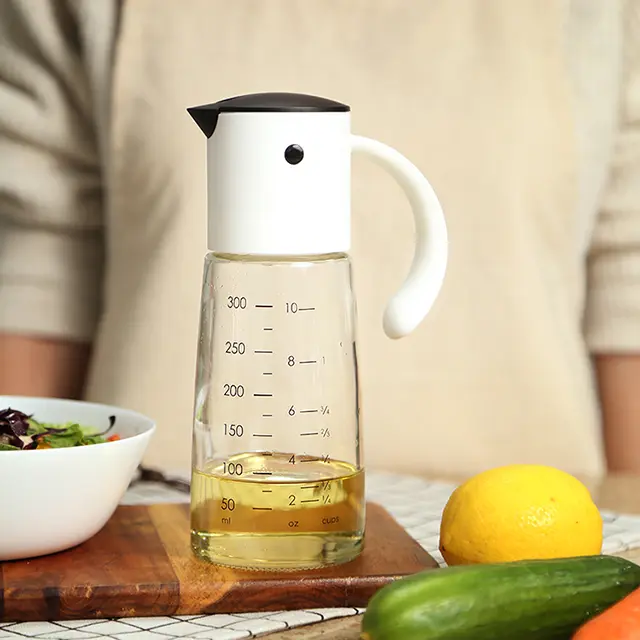
Red Dot Award-winning Bird Spout Project
Designed to address consumer frustration with messy kitchen oil drips, Chinagama developed a gravity-operated bird-spout mechanism. The lid automatically opens when tilted and seals tight when set upright. This single-handed operation prevented leakage, earning market success and a prestigious Red Dot Design Award.
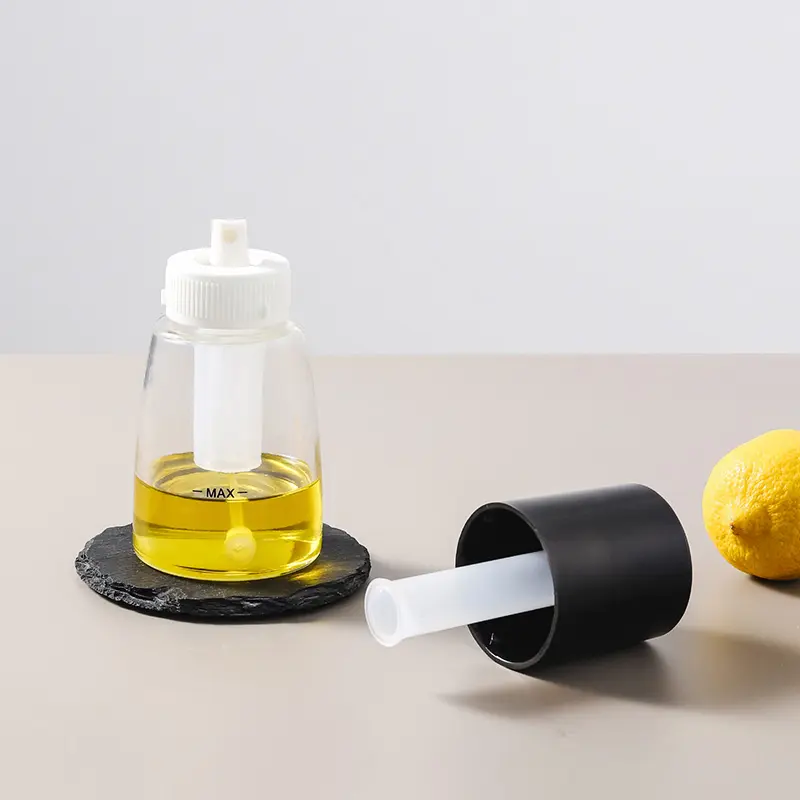
Collaborative Development: Oil Mist Sprayer
Partnering with a leading global brand, we designed a high-efficiency oil mist sprayer. After initial PMMA and ABS prototypes suffered cracking from food acid and lipid exposure, we transitioned the design to food-safe PP and Eastman Tritan. This improved the sprayer's structural integrity and mist output consistency.
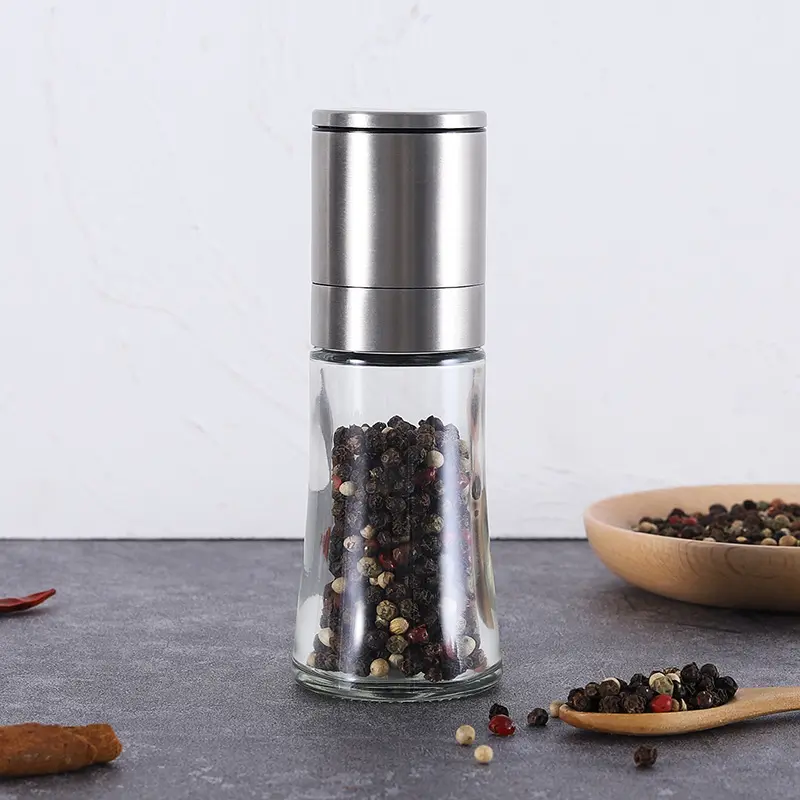
Precision Spice Grinder Design Project
Traditional grinders often prioritize styling over ergonomic efficiency. Chinagama redesigned the internal grinding core by adjusting the ceramic burr geometry and shaft stability. The result is a lightweight, high-output grinder that requires minimal torque, offering a premium user experience.
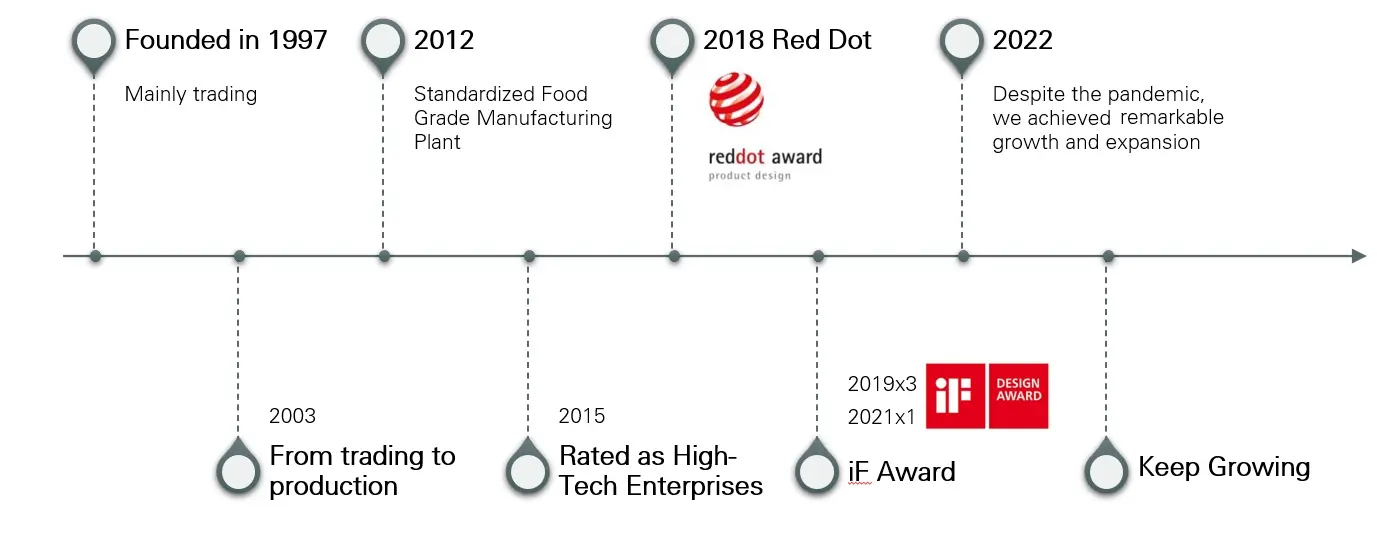
From International Trade to High-Tech Enterprise
Founded in 1997, Chinagama began as a kitchenware trading company. Recognizing the potential of global digital trade, we pivoted our business model. In 2003, driven by a passion for culinary design, we shifted from trading to direct manufacturing, establishing a dedicated factory to control every step of production.
By 2012, we completed construction on our modern, food-grade production facility, standardizing our assembly processes. In 2015, we were officially recognized as a High-Tech Enterprise. Today, our research teams focus on developing sustainable, high-precision kitchenware, shipping millions of units worldwide annually.
Integrated R&D and Advanced Manufacturing Facility
Combining human expertise with precision manufacturing technology to deliver global kitchenware solutions.
Advanced Engineering Tools & Clean-room Assembly
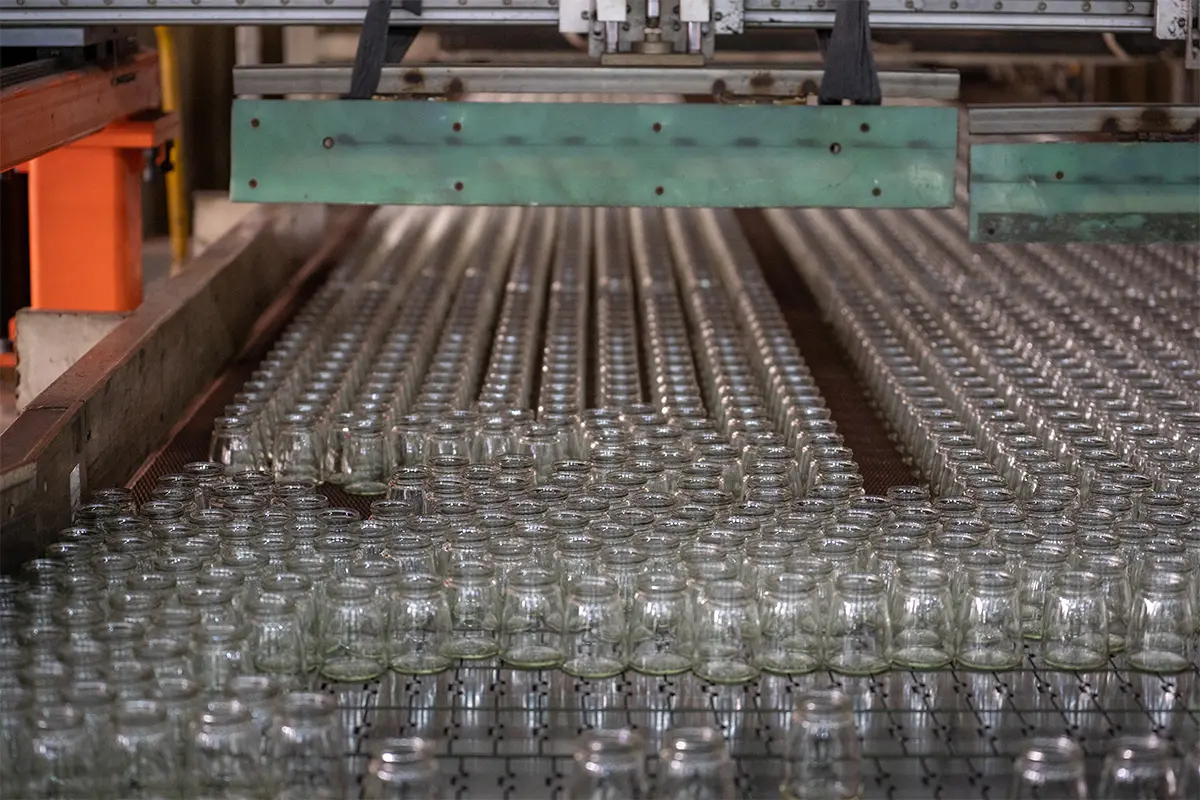
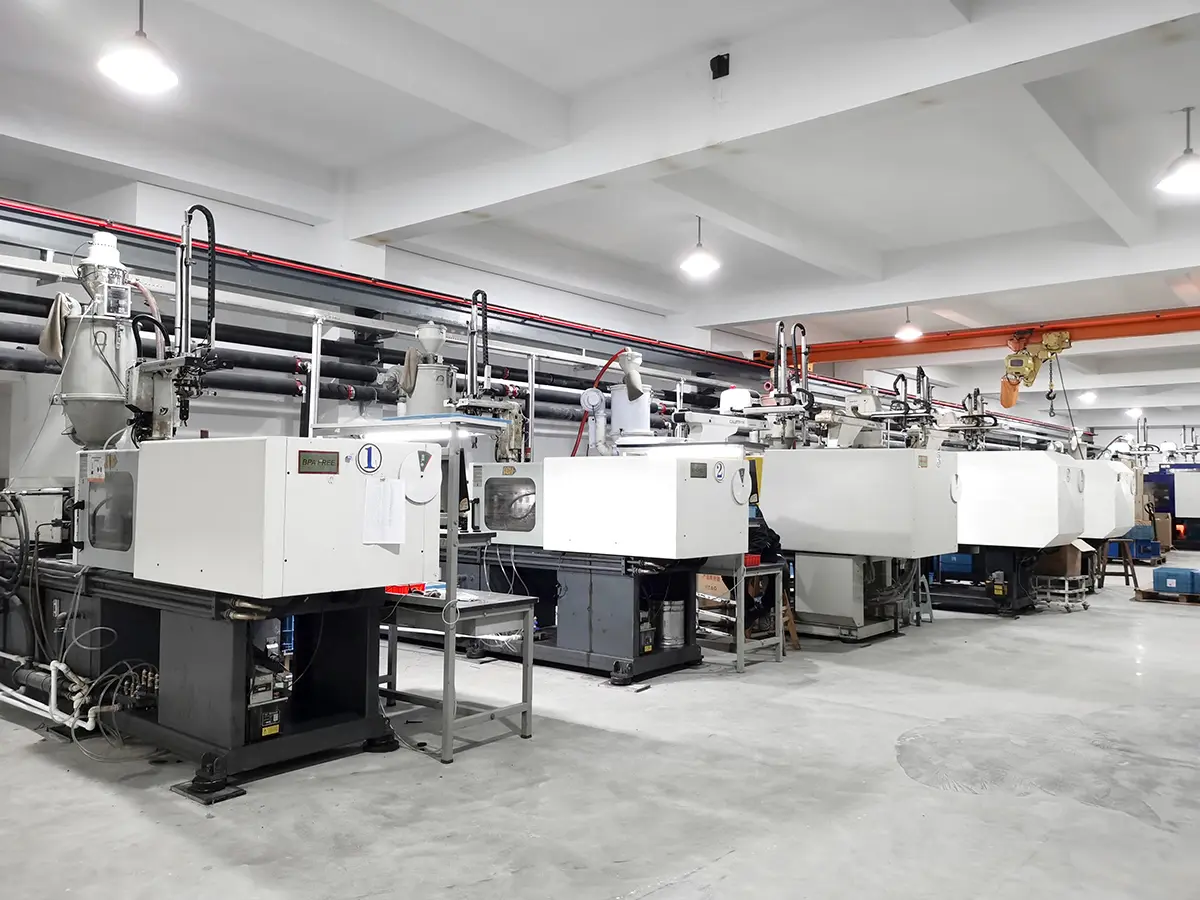
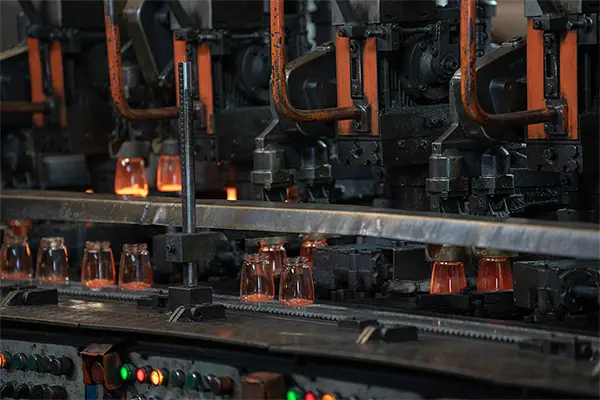
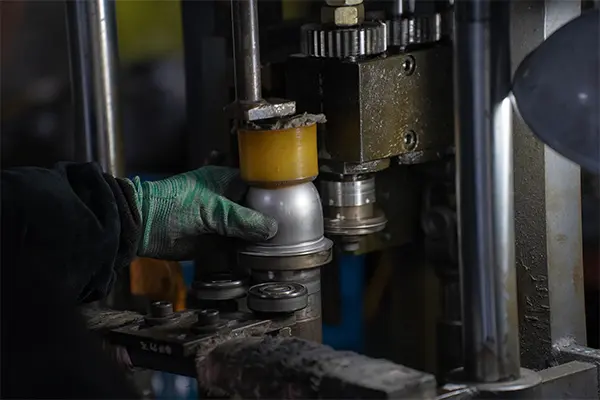
We believe that top-tier manufacturing tools are essential for producing reliable products. Our facility features semi-automated assembly lines, computerized injection-molding presses, and quality-testing laboratories. These investments allow our technicians to work efficiently and ensure dimensional accuracy across high-volume production runs.
Our R&D division includes mechanical engineers, industrial designers, and material analysts. By keeping our R&D and manufacturing facilities integrated, we can quickly refine prototypes and shorten production lead times, giving our business partners a competitive edge.
Technical Standards & Materials Formulation
To help sourcing managers choose the right products, the table below outlines our material selection, mechanical tolerances, and regulatory compliance standards for our premium oil dispenser collections.
| Product Component | Standard Material Choice | Optional Upgrades | Regulatory Compliance |
|---|---|---|---|
| Container Body | High-Borosilicate Glass / Food-grade PP | Eastman Tritan™ Copolyer | FDA 21 CFR, LFGB, EU 10/2011 |
| Pourer Spout & Cap | Food-Grade PP / SUS304 Stainless Steel | SUS316 Medical-Grade Steel | FDA Compliant, BPA-Free |
| Internal Gasket Seals | Platinum-Cured Liquid Silicone Rubber | Fluoropolymer Elastomers | FDA Flammability & Chemical Resistance |
| Gravity Valve Hinge | Stainless Steel Pin with Gravity Actuator | Synthetic Frictionless Sleeves | Mechanical Life Test (100k Cycles) |
*Note: Chinagama offers custom material formulations tailored to brand specifications, ensuring compliance with local food safety laws in your target market.
Strategic Direction: Vision, Mission, and Core Values
How we build long-term value and growth with our global retail partners.
OUR VISION
To become the preferred supplier of premium kitchen grinding tools for mid-to-high-end brands around the globe, setting the standard for quality, design, and performance.
OUR MISSION
We are committed to helping our customers overcome challenges by providing more competitive grinding solutions and customized services. With a deep understanding of industry needs and continuous innovation, we strive to enhance brand value and become a trusted long-term partner for our customers.
OUR CORE VALUES
Focus: Mastering grinding and dispensing technologies.
Innovation: Developing functional designs to build value.
Sustainability: Reducing production waste and using green polymers.
Win Together: Supporting shared customer growth.
Expert QA: Professional Insights into Oil Dispenser Manufacturing
Get answers to common technical, manufacturing, and regulatory questions from our product engineers.
Q What causes plastic stress cracking in oil dispensers?
Stress cracking is caused by vegetable oils interacting with specific polymers, such as ABS or PMMA, under physical stress. The lipids weaken the polymer chain bonds, creating microscopic fractures that expand over time. Replacing these plastics with food-grade Polypropylene (PP) or Tritan™ copolyester prevents this degradation.
Q How does the gravity lid mechanism prevent air exposure?
Our gravity lid mechanism uses a balanced physical hinge. When tilted, the force opens the valve automatically. When upright, gravity closes the lid, creating a seal that limits air contact, slowing oil oxidation and keeping the oil fresh.
Q Are Chinagama oil dispensers dishwasher safe?
Yes, models made with borosilicate glass, Tritan™, or high-temperature PP can withstand standard dishwasher cycles. We recommend hand washing components with metal elements or soft-touch silicone seals to preserve their finish over time.
Q What customizations are available for OEM/ODM clients?
We provide design services, customized packaging, color matching via Pantone, custom mold engineering, and branding through laser etching or silk-screen printing on glass, plastic, and steel surfaces.
Q How does Chinagama ensure international regulatory compliance?
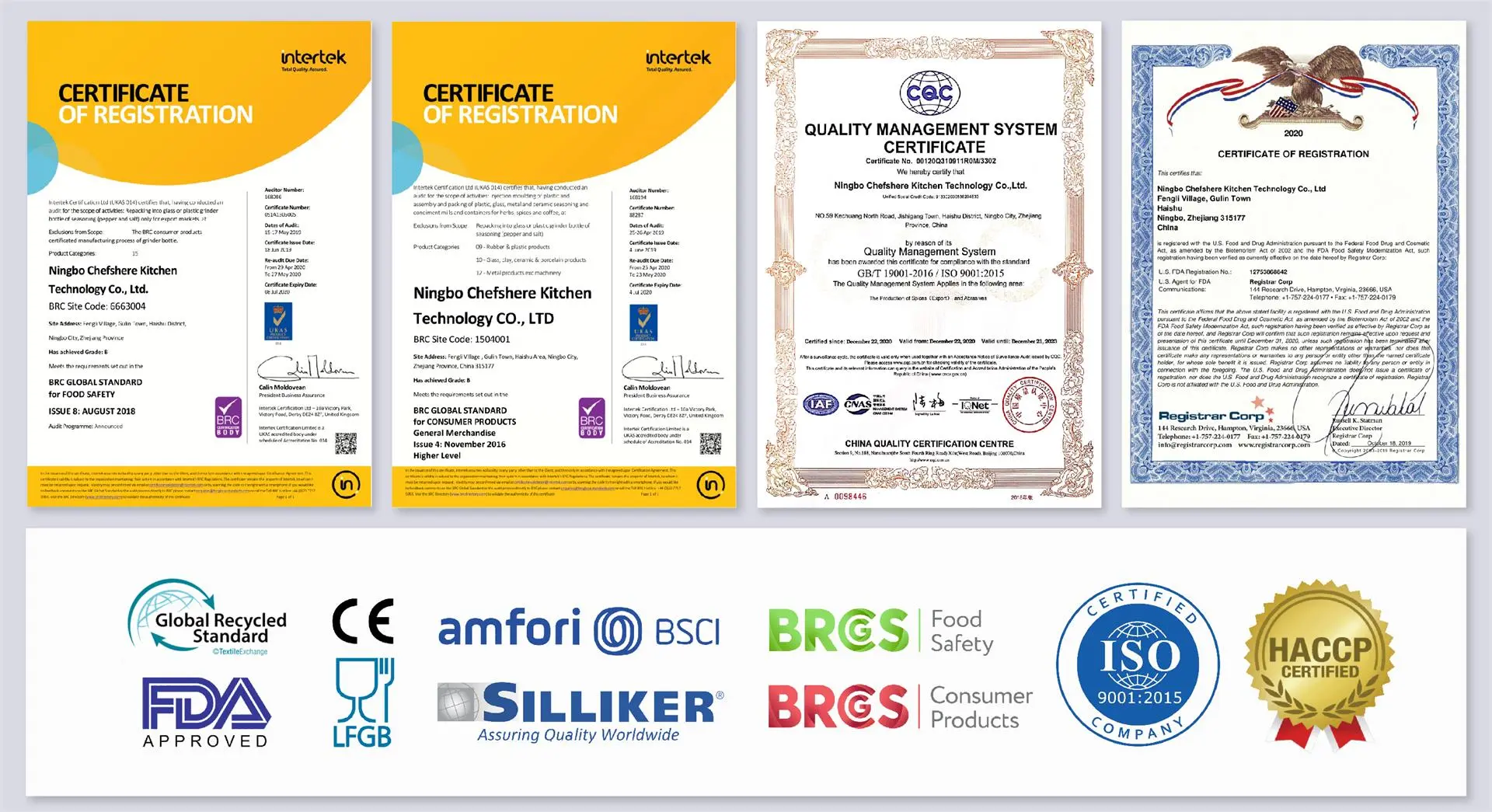
Our production lines follow ISO 9001 and BSCI standards. All food contact components undergo testing by third-party laboratories (like SGS, TÜV, or Intertek) to confirm compliance with FDA, LFGB, and EU REACH regulations.
Q What is the typical lead time for custom production orders?
For existing tooling, production takes 35 to 45 days after deposit confirmation. Custom OEM projects with new molds require an additional 30 to 45 days for prototyping and initial product approval.
Professional Culinary Grinders & Dispenser Series
Premium kitchenware solutions engineered for reliability, safety, and modern kitchen environments.

ODM Customized Handheld Pepper Grinder (Floral Pattern)
View Details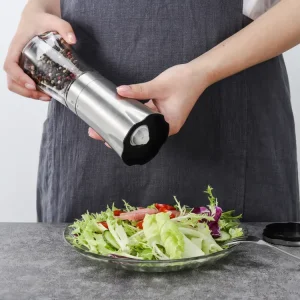
Custom Metal Battery Operated Pepper Grinder
View Details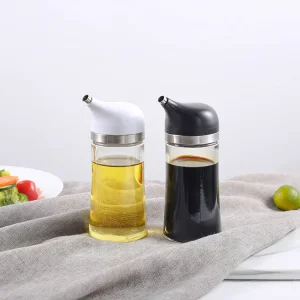
Wholesale Tritan Non-Drip Oil Dispenser
View Details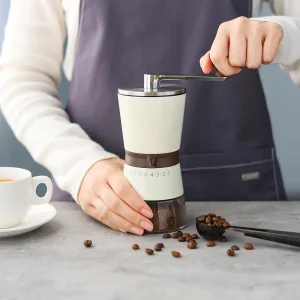
ODM Premium Coffee Mill with Glass Bottle
View Details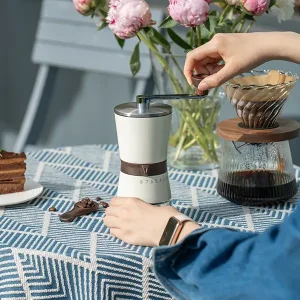
Custom Coffee Burr Grinder (8 External Adjustments)
View Details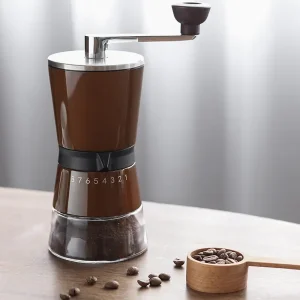
ODM Customized Manual Coffee Mill Grinder
View Details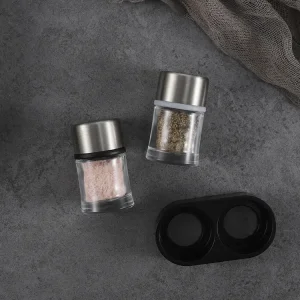
Customized Mini Salt & Pepper Shaker Set
View Details