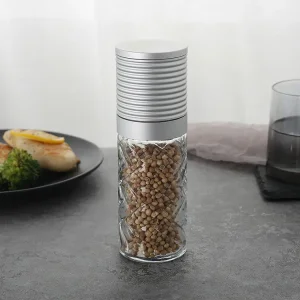
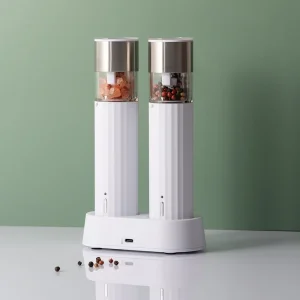
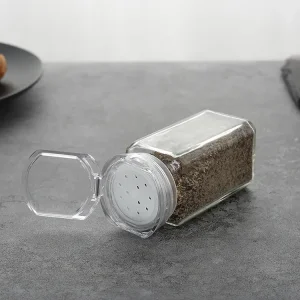
 Chinagama
Featured Culinary Preparation & Oil Dispensing Instruments
Explore our initial series of award-winning engineering breakthroughs, trusted by top-tier global kitchenware brands for exceptional accuracy, usability, and durability.
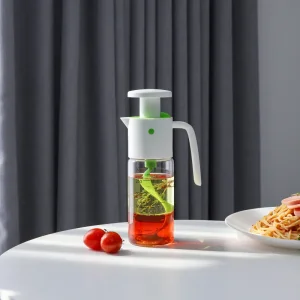



Pioneering Culinary Innovations: The Chinagama Legacy
Since our inception in 1997, Chinagama has stood at the forefront of the global kitchenware R&D and manufacturing industry. Originally founded as a trade-focused enterprise, we quickly recognized the transformative shift towards sophisticated design and technological integration. In 2003, we transitioned fully from trade to advanced production, culminating in the establishment of a standardized, food-grade manufacturing plant in 2012. Our relentless pursuit of engineering excellence and customer-centric customization earned us the title of national High-Tech Enterprise in 2015.
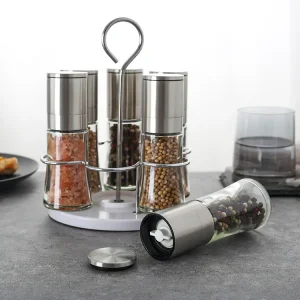
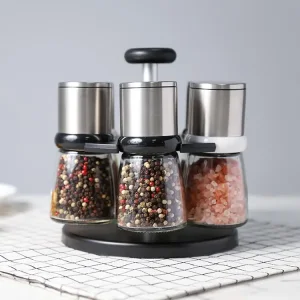
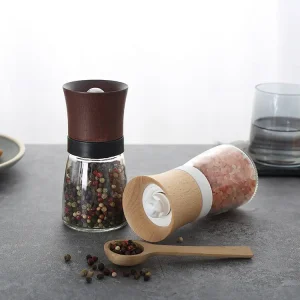
Today, our specialized product scope spans the design, patent acquisition, and mass assembly of high-grade kitchenware—principally focusing on advanced spice mills, coffee grinders, soap dispensers, and our flagship product category: gravity oil dispensers. Over our 27+ years of operations, we have amassed more than 300 invention and utility patents. Our designs have consistently caught the eyes of elite culinary design panels, earning the world-renowned Red Dot Design Award and iF Design Award.
Development Trends in Custom Gravity Oil Dispenser Products
The culinary container market is undergoing a significant paradigm shift driven by user convenience, sanitation protocols, and fluid conservation. Traditional squeeze bottles or manual-cap dispensers are rapidly losing ground to automated, ergonomically responsive mechanisms. Chief among these innovations is the gravity oil dispenser, which utilizes weighted leverage systems to open the pour spout automatically when tilted and seal it tight when returned to an upright position.
1. Hermetic Preservation & Anti-Oxidation
High-quality culinary oils, such as extra virgin olive oil, avocado oil, and specialty nut oils, are highly sensitive to ultraviolet light and atmospheric oxidation. Modern gravity-fed caps must ensure an airtight seal when not in use. Custom formulations of silicone rings and food-grade polymer hinges allow dispensers to preserve the nutritional profiles and flavor highlights of expensive culinary liquids, extending product shelf life for the consumer.
2. High-Tech Ergonomic Physics
Consumers now demand seamless "one-handed" control over their kitchen operations. Utilizing gravity-assisted steel levers or custom bird-spout mechanisms allows the pouring nozzle to open automatically. The angle of opening must be engineered precisely (typically between 35° to 45°) to prevent accidental leakage while ensuring a laminar flow that does not splash or drip down the container neck.
3. Aesthetic Adaptation & High-End Glass
Kitchen accessories are increasingly treated as home decor. Gravity oil dispensers must balance industrial efficacy with residential sophistication. The global trend involves combining Borosilicate or high-density soda-lime glass with premium accents—such as matte-finished stainless steel, wood finishes, or custom colored PP shells—allowing them to fit seamlessly into modern luxury spaces.
Global Enterprise Procurement Landscape & Demands
For mid-to-high-end kitchenware brands, retailers, and hospitality suppliers in North America, Western Europe, and East Asia, sourcing culinary containers is not merely a question of unit price. Rather, it centers on the strict criteria of materials compliance, IP safety, batch consistency, and social responsibility.
Regulatory Certification & Safety Compliance
Because these products come into continuous contact with food substances, compliance with FDA (Food and Drug Administration) and LFGB (Lebensmittel- und Futtermittelgesetzbuch) regulations is mandatory. Global buyers require verification of heavy-metal-free glass, BPA-free polymers, and stable stainless steel grades (such as SUS304) that will not degrade or leach under exposure to high-acid vinegars or alkaline dressings.
Patent Protection & Design Integrity
Global brands risk massive legal fees and platform delistings (e.g., on Amazon or major retail outlets) if their products violate local patents. Choosing a manufacturer like Chinagama, which maintains over 300 independent patents and handles design engineering internally, protects procurement pipelines from copyright and design infringement risks.
Scalability and Logistics Resilience
With an annual capacity of 12 million pepper grinders and millions of oil dispensers, our operations guarantee stable shipping lead times. A delay of one week in the retail sector can mean tens of thousands of dollars in lost promotional placement, making supply chain reliability the cornerstone of premium global partnerships.
China Factory 4.0: Achieving Global Supply Chain Resilience
The concept of "China Factory 4.0" is defined by the integration of automation, digital supply chain transparency, and local industrial clustering. Located within Ningbo's robust manufacturing sector, Chinagama leverages a localized ecosystem of material suppliers, mold makers, and shipping terminals to lower total cost of ownership (TCO) while elevating overall product quality.

Advanced Automated Production Facilities
Our food-grade facility operates state-of-the-art injection molding machines, glass annealing chambers, and automated assembly apparatus. Automation ensures that structural components, such as gravity lids and non-drip spouts, are manufactured to a tolerance of within 0.05mm. This extreme precision minimizes leakage and assembly friction, guaranteeing a high level of performance throughout the product's lifespan.
Furthermore, digitalized ERP systems trace every production batch back to its raw material source. If a failure is detected in a shipment, we can trace it down to the raw material load, ensuring rapid resolution and unmatched transparency for our global partners.

Intelligent R&D and Stress Testing Protocols
Before any gravity oil dispenser or grinding mill enters the market, it undergoes rigorous stress tests in our engineering labs. Using pneumatic cylinders, we test gravity lid hinges through 20,000 open-and-close cycles to confirm mechanical longevity. Our glass elements are subjected to thermal shock tests (sustaining abrupt temperature variances of up to 120°C) and drop tests on reinforced flooring. This ensures that the containers withstand the wear and tear of both commercial kitchen settings and home use.
Engineering Case Studies: Turning Challenges into Award-Winning Products
Our success in the global B2B kitchenware market stems from our capacity to resolve structural, material, and design challenges. Below are three of our most notable development projects, illustrating our commitment to E-E-A-T principles and market-oriented innovation.
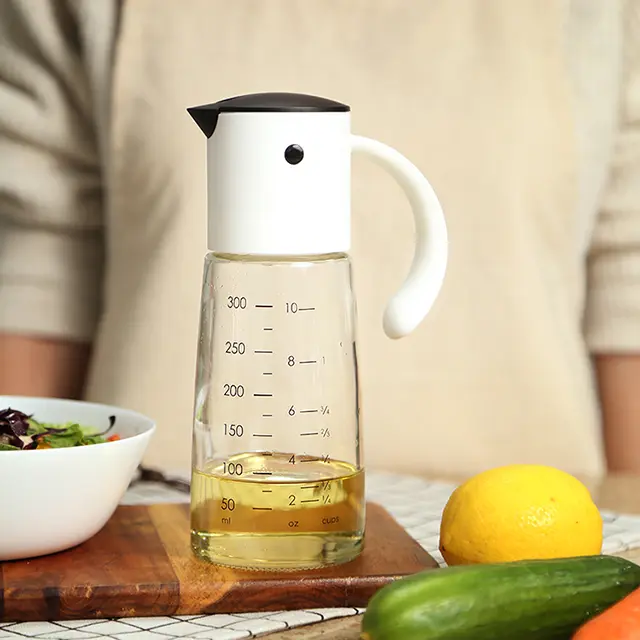
Case Study 1: The Red Dot Award-Winning Bird Spout Gravity Oil Dispenser
The Opportunity: Market research identified growing demand for high-end, humanized oil dispensers. Most existing options used simple cap mechanisms that dripped oil down the glass, creating messy surfaces and compromising product hygiene.
The Breakthrough: Chinagama developed a gravity-fed bird-spout dispenser. To address the challenge of creating a drip-free flow, our engineering team refined the interior geometry of the spout to encourage capillary fallback. When tilting ceases, the remaining oil is drawn back inside the vessel instead of dripping outside.
The Outcome: The project received critical acclaim for both its aesthetics and performance, culminating in the prestigious Red Dot Design Award. Today, it remains one of our most popular and copied gravity-flow designs globally.
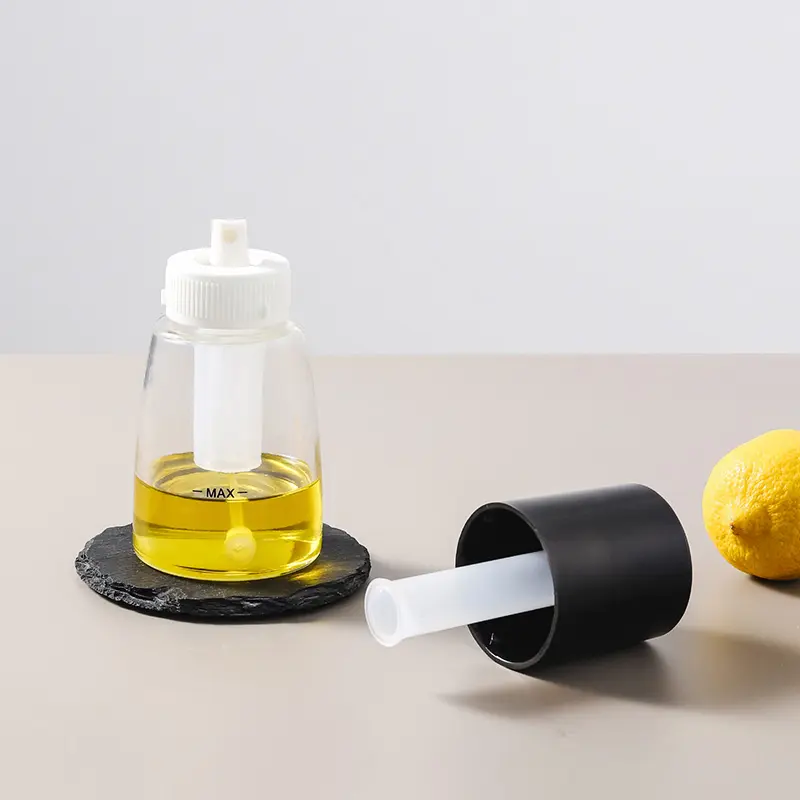
Case Study 2: Collaborative Development of the Oil Mist Sprayer Project
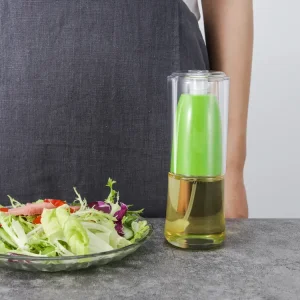
The Opportunity: Partnering with a top-tier international kitchenware brand, we aimed to develop a high-performance oil mist sprayer capable of handling viscous vegetable oils without clogging or losing pressure.
The Material Challenge: During testing, we discovered that standard ABS and PMMA plastics were highly susceptible to stress cracking when exposed to lipids over long periods. This posed safety and longevity risks for the consumer.
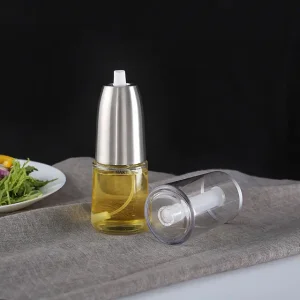
The Solution: Chinagama's material engineers made a strategic transition to non-toxic, chemical-resistant PP polymers. We redesigned the compression chambers to handle high-viscosity fluids, ensuring a fine, consistent mist.
The Outcome: The redesigned oil mist sprayer met our client's safety standards and helped them capture a significant share of the global healthy-cooking accessories market.
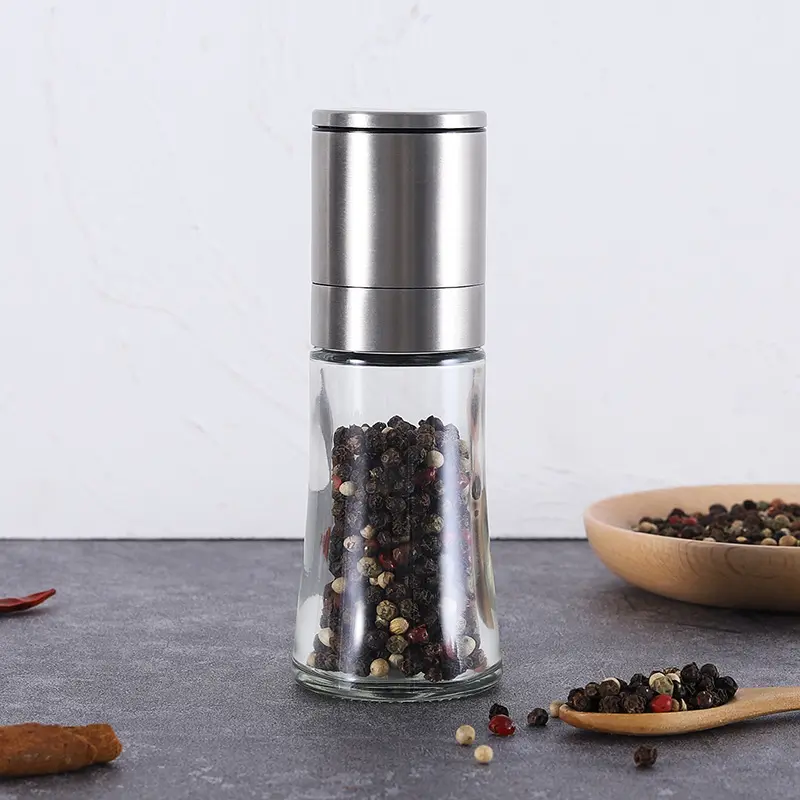
Case Study 3: Design & Production of the Straight Salt & Pepper Grinder Series
The Opportunity: Many manual grinders on the market featured over-engineered profiles, excessive weight, and difficult-to-adjust grind settings that frustrated consumers.
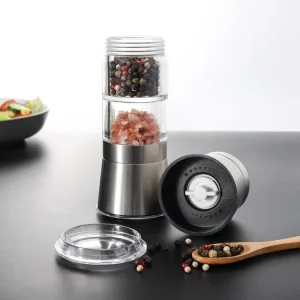
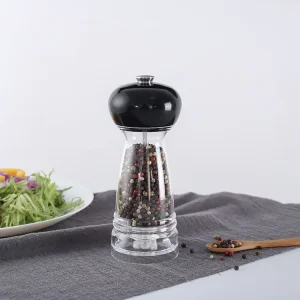
The Engineering Breakthrough: Chinagama designed a compact, straight-bodied grinder featuring a high-durability ceramic core. Our engineers integrated a step-less dial system at the base of the grinder, allowing users to adjust the grind setting from fine to coarse with minimal resistance.
The Outcome: This ergonomic configuration received praise from culinary brands for its ease of use and clean aesthetic. Our client saw high consumer ratings, cementing the grinder's success.
Localized Application Scenarios: Where Performance Meets Purpose
Custom gravity oil dispensers and kitchen containers serve a variety of commercial and domestic environments. Adapting our designs to these specific use cases ensures optimal performance and user satisfaction.
Commercial Restaurant Environments
In high-volume restaurant kitchens, speed and sanitation are vital. Chefs require fast, one-handed oil flow to speed up meal prep. The automatic gravity seal prevents airborne contaminants, steam, and food particles from entering the dispenser, helping commercial kitchens maintain strict hygiene codes.
Home Kitchens & Table Dining
For home cooks, aesthetics and control are paramount. The clean, modern look of a gravity dispenser makes it a welcome addition to dining tables and countertops. Precision flow control prevents over-pouring, helping health-conscious consumers manage their oil intake.
Industrial Food Packaging
Industrial food processors use our durable glass components and custom screw-thread closures to package premium oils directly. Our containers are built to withstand automated vacuum-sealing lines, ensuring safe transit and appealing shelf presentation.
Frequently Asked Questions: B2B Procurement Operations
Everything you need to know about our custom gravity oil dispensers, OEM/ODM processes, and compliance standards.
Complete Precision Grinding & Dispensing Collection
Browse our extended range of professional grinders, mill sets, and oil sprayers, designed to meet the rigorous standards of international brands and professional kitchens.