 Chinagama
Featured Culinary Instruments - Series A
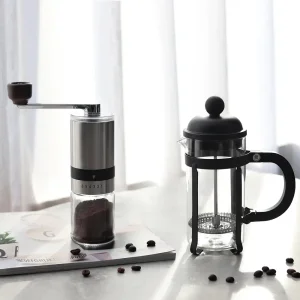
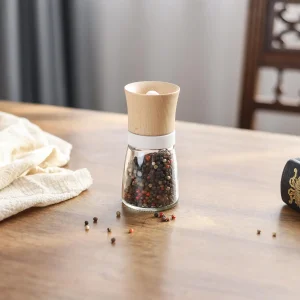
Explore our internationally certified kitchen grinding mechanisms, engineered with state-of-the-art ceramic cores and premium sustainability certifications.


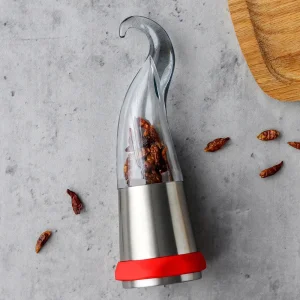

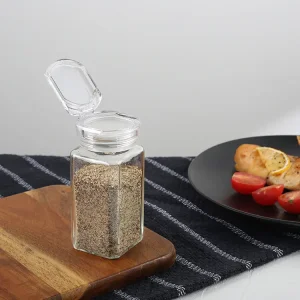

Welcome to Chinagama: Pioneering Culinary Innovations Since 1997
At Chinagama, we are passionate about crafting high-quality and stylish kitchenware, specializing in salt and pepper grinders. Of course, we also manufacture other kitchenware items sought after by global buyers, including coffee grinders, oil dispensers, soap dispensers, and more.
Since our establishment in 1997, we have been dedicated to delivering exceptional kitchenware development and manufacturing. Over the years, we have achieved over 300 patents, and our meticulously designed and produced kitchen tools have been honored with the prestigious Red Dot Award and iF Design Award. We continue to innovate with new products to cater to evolving culinary and retail needs.

Our Commitment to Global Quality Standards
With the expertise of our dedicated R&D team and the support of our in-house factory, our products undergo rigorous quality control measures from conception to completion, ensuring that each item meets industry standards with precision. Our factory operates under strict ISO 9001 and BSCI compliance to ensure ethical and standard manufacturing processes.
As a testament to our commitment, we have garnered recognition from renowned international third-party testing companies, including prestigious LFGB and FDA certifications. This validates the exceptional quality of our products and reinforces our dedication to delivering excellence to our customers.
By conducting internal material assessments and implementing stress testing protocols, we guarantee that all wooden components, particularly those sourced for wooden salt shakers, are seasoned, non-toxic, and crack-resistant under extreme relative humidity changes.
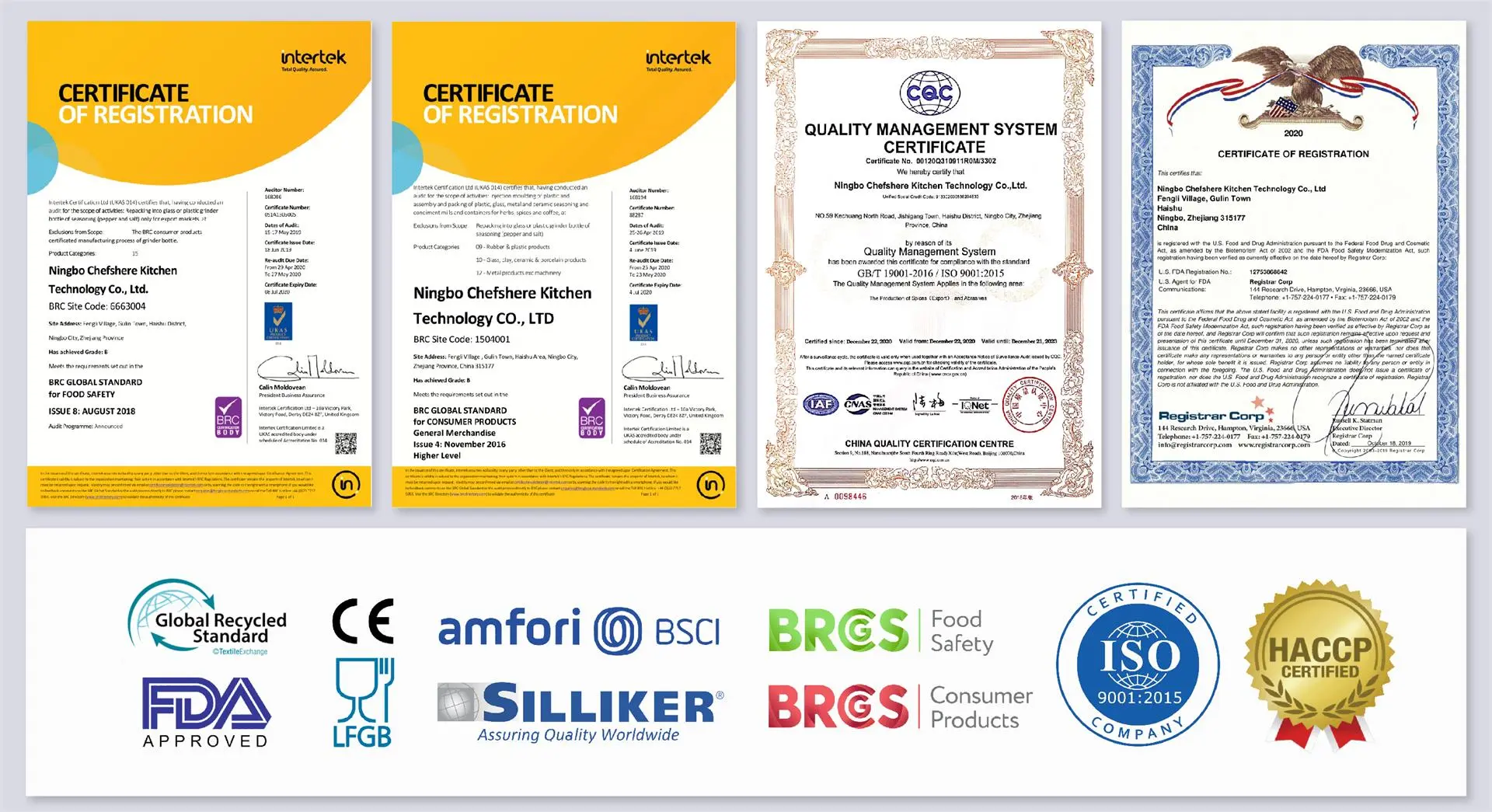
Our Facility & Team Engineering Competence
Combining automated woodturning lathes, precise laser engraving, and custom assembly technologies to supply top-tier kitchen tools.
We take great pride in our modern equipment and technology, which are key factors in our success. These tools not only enhance our employees' work efficiency but also ensure the high-quality manufacturing of our products. From creative design to the manufacturing process, our staff can confidently utilize state-of-the-art tools to achieve outstanding results.
We have a dedicated R&D team, and our products designed by them have been awarded the German Red Dot Design Award and iF Design Award. Additionally, with our focus on kitchenware development and production, we have obtained over 300 invention patents. Therefore, please trust that we can assist you in achieving the style and design you desire.
With a strong emphasis on quality, Chinagama has fostered successful partnerships with global clients, selling over 12 million pepper grinders annually. Every three seconds, a Chinagama product finds its way into the hands of satisfied customers worldwide.
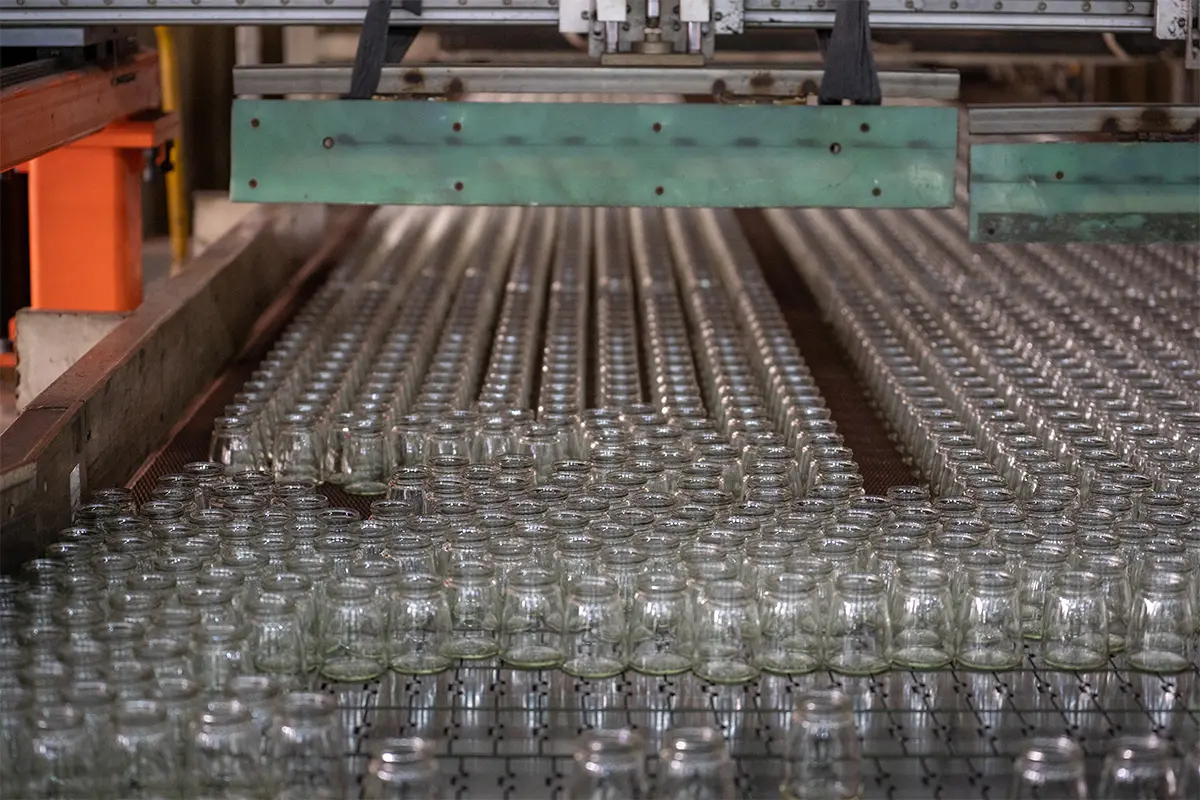


Deep Dive: China Wood Salt Shaker Manufacturers Strategic Strengths
Understanding why leading global homeware brands choose China as their core manufacturing hub for high-end wooden mill assemblies.
China's proximity to sustainably managed forests allows manufacturers to source top-tier Oak, Beech, Ash, and Rubberwood. By adhering to the Forest Stewardship Council (FSC) standards, factories ensure that wood is ethically harvested, dried through computerized kiln systems to reach ideal moisture percentages (typically between 8% to 12%), avoiding cracking or warping in extreme climates.
From raw log processing to precision CNC lathe turning, internal sand-polishing, multi-layered food-safe lacquer application, and custom ceramic core installation—everything happens in centralized clusters. This level of vertical integration lowers intermediate logistics costs, reduces lead times, and guarantees strict physical control over dimensional tolerances.
Modern manufacturers utilize sophisticated CAD/CAM modeling tools to bring custom 3D concepts to life. This allows for intricate laser branding, customized shape profiles (ergonomic waist curves, classic traditional spindles, and color clash options), and custom color finishes matching clients' seasonal Pantone palettes.
Emerging Industry Trends (2024–2030)
How global design trends and functional technologies are reshaping the wooden grinding tools sector.
While consumers cherish the classic, rustic tactile feeling of premium natural wood, there is an increasing demand for hybrid systems. Examples include electric USB rechargeable grinding systems encapsulated in a high-grade wooden casing, and gravity-activated auto-grinding mechanisms. Chinagama leads in these hybrid categories, blending visual warmth with effortless functionality.
Modern buyers demand micro-adjustments for their spice mills. Traditional systems only allowed coarse tuning by adjusting the top nut. The industry is rapidly pivoting toward bottom dial systems with stepless adjustments (ranging from fine powder to coarse cracked granules), utilizing highly resilient ceramic and high-carbon stainless steel burrs.
Regulations in North America and Western Europe have set rigorous standards for substances migrating from food contact products. Manufacturers are replacing heavy metal and solvent-based paints with plant-based mineral oils, natural beeswax coatings, and water-based, solvent-free lacquers, ensuring compliance with strict European REACH and American FDA thresholds.
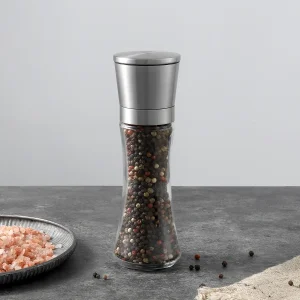
Monolithic wooden designs are giving way to mixed-media pieces. Consumers gravitate toward combinations of wood and glass, wooden tops with acrylic bodies (to check spice levels visually), and color-clashed painted wood. This provides an elevated artistic vibe for modern tablescapes.
Real-World Engineering Achievements
Three concrete examples of how Chinagama solves challenging client requirements through R&D, material science, and design intelligence.
Market Challenge: Standard kitchen oil dispensers suffered from messy drips, required two hands to operate, and lacked aesthetic refinement.
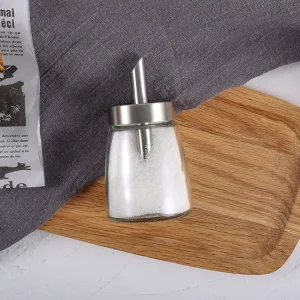
Technological Breakthrough: Chinagama independently developed and launched a gravity-fed bird spout oil dispenser. Through intensive modeling, the engineering team designed an automatic lid mechanism that opens smoothly with gravity upon tilt and seals drip-free instantly. Its success highlighted our keen consumer insights and won the prestigious Red Dot Design Award.
Market Challenge: Traditional sprayers using ABS and PMMA plastics frequently developed hairline cracks and leaked when exposed to specific vegetable oils, raising major safety concerns.
Technological Breakthrough: Chinagama's engineering team tested several materials and made the decisive switch to a food-grade, robust PP material. By modifying internal pump pressures and gaskets, we delivered a clean, continuous mist without risk of stress cracking.
Market Challenge: The existing manual spice mill market was dominated by bulky, heavy products that prioritized aesthetics over functional comfort.
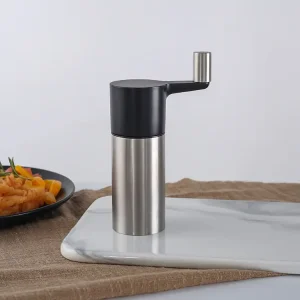
Technological Breakthrough: We developed a compact, straight silhouette mill that prioritizes user hand fatigue mitigation. By utilizing state-of-the-art ceramic burrs and a lightened internal core assembly, we provided a highly durable, lightweight grinder that fits modern kitchens.
Global Enterprise Sourcing Framework
A structured approach for sourcing managers to mitigate risk, optimize costs, and secure top-tier products.
Always request detailed blueprints highlighting tolerances. Ensure the ceramic grinding burrs are made of High-Alumina Al2O3 ceramics, which resist abrasion, maintain sharpness, and never rust when processing corrosive rock salts.
Before placing bulk orders, verify the factory’s wood kiln facility. Wood with high humidity levels will contract and split when shipped to dry Western climates. Insist on a moisture level of 8%-12% and check for non-toxic, lead-free food coatings.
Ensure your manufacturer maintains updated third-party audits, including BSCI for labor standards, ISO 9001 for quality control, and LFGB/FDA testing certifications for all food-contact surfaces.
Frequently Asked Questions (FAQ)
Detailed explanations regarding materials, manufacturing, customization, and logistics in the wooden mill sector.
Featured Culinary Instruments - Series B
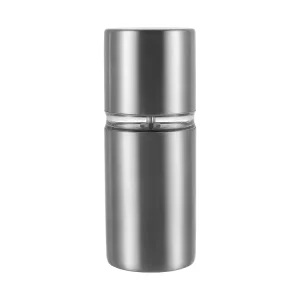
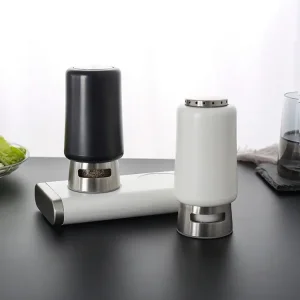
Review our extended line of modern kitchen devices, incorporating custom adjustments, glass dispensers, and solid-wood accents.