 Chinagama
Premium Design Series: High-Performance Grinding Solutions
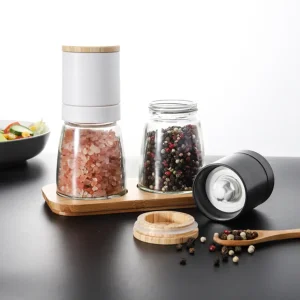
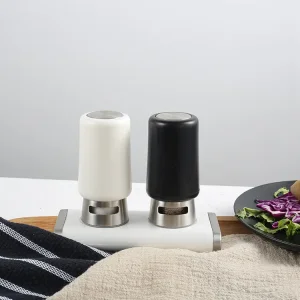
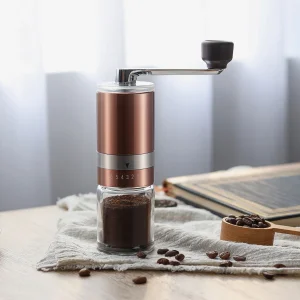
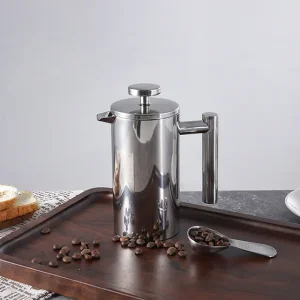
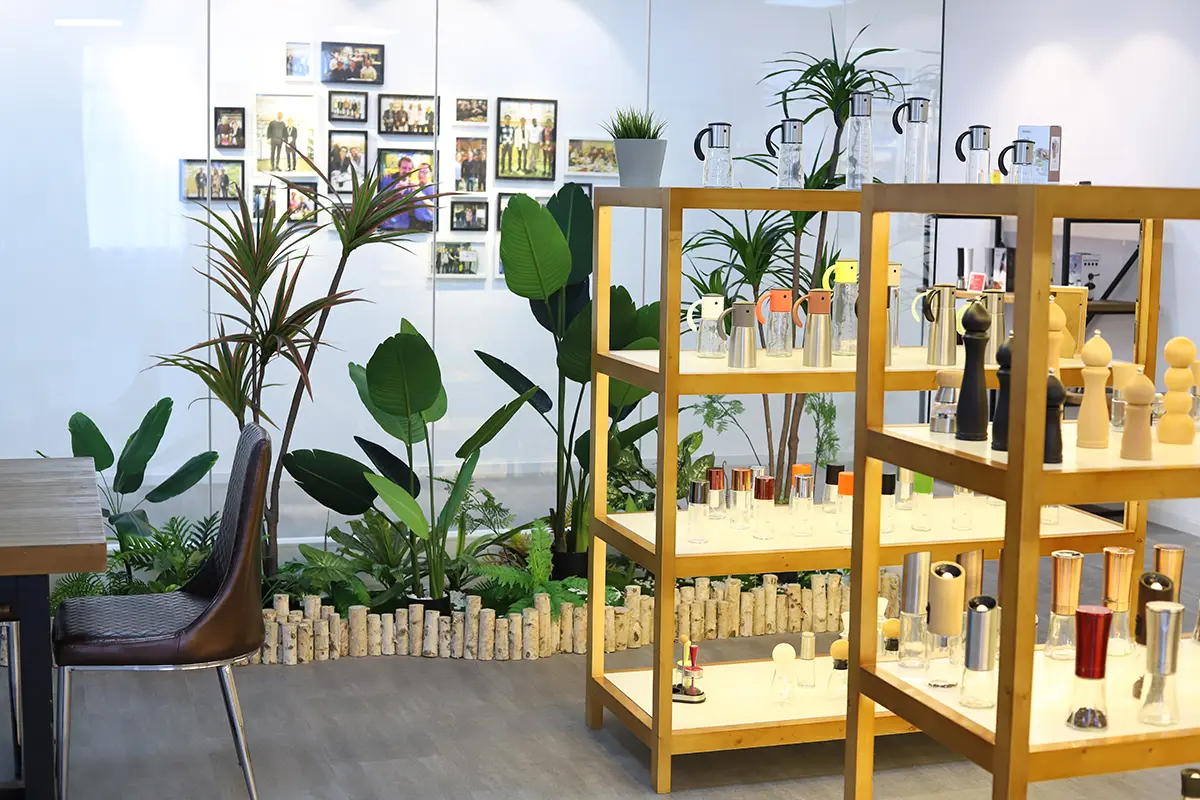
Explore our flagship customizable engineering models across wooden, stainless steel, glass, and gravity-fed kitchen mills.


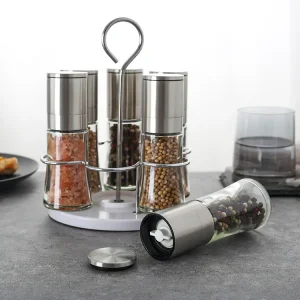
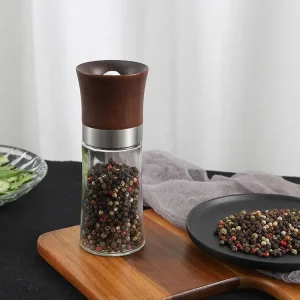


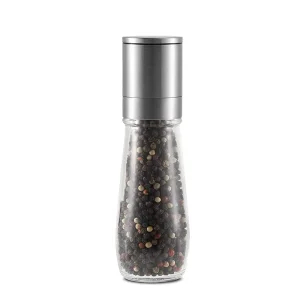

Global Culinary Demands & The Precision Wooden Grinder
Analyzing the Convergence of Organic Materials, Ceramic Mechanical Engineering, and Brand Performance in High-End Markets.
In the modern gourmet spice segment, the wooden grinder remains a timeless symbol of culinary prestige and tactile excellence. For premium kitchenware brands, global hotel chains, and retail giants, finding a reliable manufacturing partner that balances raw wood artistry with robotic high-precision internal mechanisms is critical. A high-quality wooden spice grinder must do more than look elegant; it must withstand thousands of rotational cycles, resist structural degradation from moisture, and deliver a consistent particle distribution across fine, medium, and coarse profiles.
The choice of wood species—such as FSC-certified sustainable acacia, rubberwood, oak, or walnut—directly influences the mechanical longevity of the grinder housing. Behind the classic aesthetic lies a complex system of CNC turning, multi-stage kiln drying to prevent warping, and the integration of food-grade grinding cores (typically specialized Alumina ceramic or heavy-duty carbon steel). Understanding this interplay is essential for brands seeking to maximize customer loyalty and minimize international product returns.

Pioneering Culinary Innovations: The Chinagama Legacy
Established in 1997, our journey highlights the transition from a specialized trading partner to a global manufacturing powerhouse.
Continuous Technological Breakthroughs
Since 1997, Chinagama has dedicated its resources to upgrading industrial capabilities. Initially operating as an export trading firm, we quickly identified the market demand for superior, ergonomic kitchen devices. In 2003, we completed our transformation into a full-scale manufacturing plant. By 2012, we had constructed a state-of-the-art food-grade production facility, certified to meet international standards.
Today, our technical strength is backed by over 300 patented technologies. Our designs have consistently won prestigious design honors, including the international Red Dot Design Award and the iF Product Design Award. With a production output of over 12 million units annually, a Chinagama grinder reaches a global customer somewhere in the world every 3 seconds.
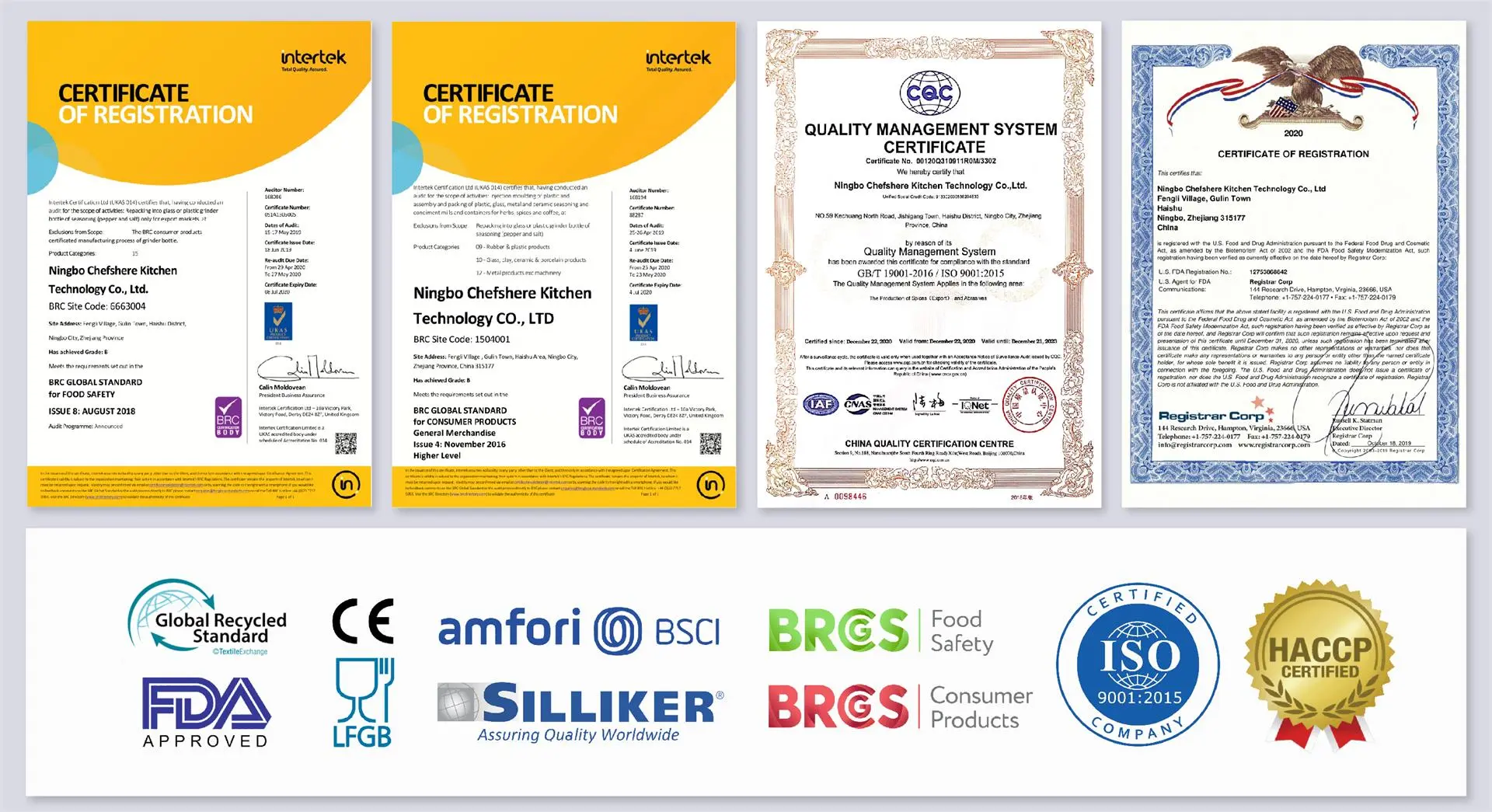
Our development strategies remain grounded in the strict implementation of food contact safety regulations. We collaborate directly with organizations like LFGB and the FDA to ensure that all raw materials—from the outer wood to the internal stainless steel shafts and ceramic burrs—remain free of contaminants, heavy metals, and microplastic particulates.
Supply Chain Resilience & Modern Factory Efficiency
Why sourcing wooden grinders from premium Chinese manufacturing clusters provides unmatched business advantages.
Integrated Material Sourcing and Drying Systems
The core challenge of wooden manufacturing lies in raw material stability. Wood is a living, hydroscopic substance that reacts to changes in humidity, leading to warping, splitting, and alignment failure of internal shafts. Our factory addresses this challenge through advanced timber processing. By sourcing high-quality beechwood, oak, and rubberwood from certified sustainable forests, we ensure every block meets strict density standards.
Before shaping, raw logs undergo computerized kiln-drying processes. Moisture levels are systematically reduced to an optimal range of 8% to 12%, specifically calibrated for the target export market's regional climate. This level of processing reduces the risk of structural warping during oceanic transit and long-term kitchen use, protecting your brand reputation from quality-related issues.
Precision Mechanical Manufacturing
Traditional artisanal woodworking often leads to minor dimensional variances. To eliminate these issues, we utilize automated CNC lathe turning machines to shape our wooden grinder bodies. This robotic control guarantees outer dimensional tolerances within +/- 0.1mm, ensuring that internal ceramic parts sit snugly without lateral movement.
Our assembly lines utilize Japanese-engineered mechanical components, combining raw timber with precision-tooled drive shafts made from high-strength stainless steel. The result is a grinder that remains smooth to turn and maintains a consistent output throughout its lifetime.
Global Industrial Landscape & B2B Market Demands
Strategic analysis of wooden spice mill consumption trends, raw material regulations, and consumer preferences.
Sustainability Demands
Consumers are increasingly rejecting single-use plastics and acrylic kitchen tools in favor of biodegradable, high-end natural materials. Real hardwood products offer a path toward circular economies.
Advanced Core Customization
B2B brands require customizable grinding mechanism designs. We offer specialized setups, including high-density alumina ceramic for corrosive sea salts and carbon steel for peppercorns.
Evolving Regulatory Landscape
With strict international customs checks on agricultural timber imports, factories must guarantee verified wood fumigation processes, phytosanitary certification, and complete trace documentation.
Engineering Roadmap & Tech Future
How we are combining classic wood design with smart grinding systems and eco-friendly coatings.

Modern Coatings and Smart Integration
Our development roadmap focuses on incorporating eco-safe sealants, nano-protective coatings, and ergonomic mechanical layouts. Conventional wood lacquer coatings often contain high levels of VOCs (volatile organic compounds), which degrade under acidic kitchen environments. Our team uses food-safe, solvent-free plant oils and water-based polymers that cure under UV light, protecting the wood grain while meeting strict global safety standard certifications.
Looking forward, our R&D is exploring hybrid designs: combining classic wood exteriors with USB-rechargeable electric motors, bringing convenience to traditional table styles. These designs feature adjustable speed control, anti-static spice chambers, and integrated LEDs to elevate the dining experience.
Additionally, we are expanding our circular material program by sourcing fast-growing bamboo species and agricultural timber by-products, ensuring we can meet your brand's strict ESG requirements without compromising structural integrity.
Industrial Project Reports & Design Case Studies
Detailed analysis of how we solve engineering challenges and deliver award-winning products.

Development of the Gravity-Fed Bird Spout Oil Dispenser
The Opportunity: Market research highlighted growing consumer interest in clean, drip-free liquid seasoning dispensers. Standard bottles suffered from sticky residues and required two hands to operate.
The Solution: Chinagama designed a gravity-activated pouring lid shaped like a bird's bill. This lid automatically opens when tilted and seals shut when upright. Our engineering team went through multiple design phases to refine the pouring angle, ensuring a smooth flow rate with zero leaks.
The Result: The product was recognized with a Red Dot Design Award and remains a top-selling item in our global dispenser portfolio, demonstrating our ability to solve common consumer frustrations through smart design.

Material Optimization for High-Performance Oil Mist Sprayers
The Opportunity: A leading international kitchenware brand partnered with us to manufacture a pressurized oil mist sprayer. The client needed a durable design that could handle high oils and frequent use without degrading.
The Challenge: Early prototypes using ABS and PMMA resins experienced stress cracking when exposed to lipids, raising concerns about long-term durability and chemical safety.
The Solution: After extensive material stress testing, our team switched to a high-grade, non-toxic PP resin compound. We modified our injection molds to accommodate this material, adjusting cycle times and temperatures to prevent warping.
The Result: The modified sprayer passed all stress tests and complied with global safety regulations, helping the client capture a larger share of the wellness kitchen market.

Re-Engineering the Classic Pepper Mill Profile
The Opportunity: Many traditional wooden grinders are heavy, uncomfortable to hold, or rely on complex adjustments that confuse users.
The Solution: We created a slim, modern wood grinder with a straight silhouette that fits comfortably in the hand. The design incorporates a patented bottom adjustment dial, allowing users to easily choose their grind size without loosening the top screw.
The Result: This model received positive feedback from both commercial kitchens and home users, highlighting the success of combining classic materials with smart, user-friendly improvements.
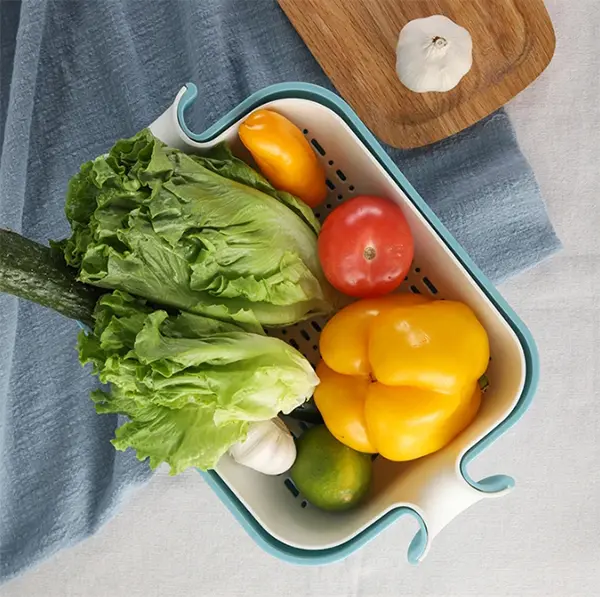
Diversifying the Culinary Accessories Portfolio
The Challenge: Global brands often prefer sourcing their kitchen products from a single, reliable supplier to simplify logistics and maintain consistent quality standards.
The Solution: We expanded our production capabilities to manufacture a wider range of kitchenware accessories, including stainless steel sink organizers, food storage containers, knife sharpeners, and soap dispensers.
The Result: Our broad manufacturing capabilities allow clients to consolidate their purchasing, ensuring consistent quality across their entire kitchenware range.
Advanced Production Capacity & Logistics
Take a look inside our high-capacity production facility, designed for fast turnaround times and consistent quality control.


Our facility is equipped to handle large-scale global demands, featuring automated assembly systems and specialized wood-turning machinery. In-house testing laboratories continuously monitor material stress, grind performance, and durability. By keeping our manufacturing, testing, and packaging operations under one roof, we are able to maintain competitive pricing, reliable lead times, and strict quality standards for partners around the world.
Local Application Scenarios & Compliance Standards
How we tailor wooden spice mills to meet regional requirements, environmental standards, and target markets.
Retail and Commercial Adaptability
Wooden grinders are highly versatile kitchen tools, popular in both home dining rooms and busy commercial restaurants. For home kitchens, buyers often prefer warm wood grain finishes, such as acacia or walnut, that coordinate with modern tableware. These home models generally prioritize simple adjustment mechanisms and comfortable shapes.
In contrast, commercial kitchens require highly durable grinders that can withstand heavy daily use. For these settings, we design mills with reinforced stainless steel shafts, larger spice capacities, and high-output ceramic grinding cores that dispense spice quickly and efficiently.
Compliance Sourcing & Certifications
Different regions maintain distinct product safety and environmental regulations. Sourcing from our factory ensures that your products comply with local import requirements:
Europe (LFGB & REACH): All materials in direct contact with food are certified free of heavy metals and harmful chemicals. Our wood coatings pass migration tests to verify they are completely food-safe.
North America (FDA): Our components are manufactured and tested in accordance with FDA standards. In addition, our timber meets local wood imports regulations to ensure trouble-free customs entry.
Industrial Equipment & Technical Capabilities
Explore the manufacturing equipment and quality control processes that support our production lines.

Automated Precision Cutting: Laser alignment and CNC cutting machines ensure high dimensional consistency across both wood and metal components, reducing structural tolerances to a minimum.

Robotic Assembly Systems: Automated assembly systems join metal drive shafts and ceramic grinding cores with outer wood bodies, ensuring a consistent fit and reliable operation.
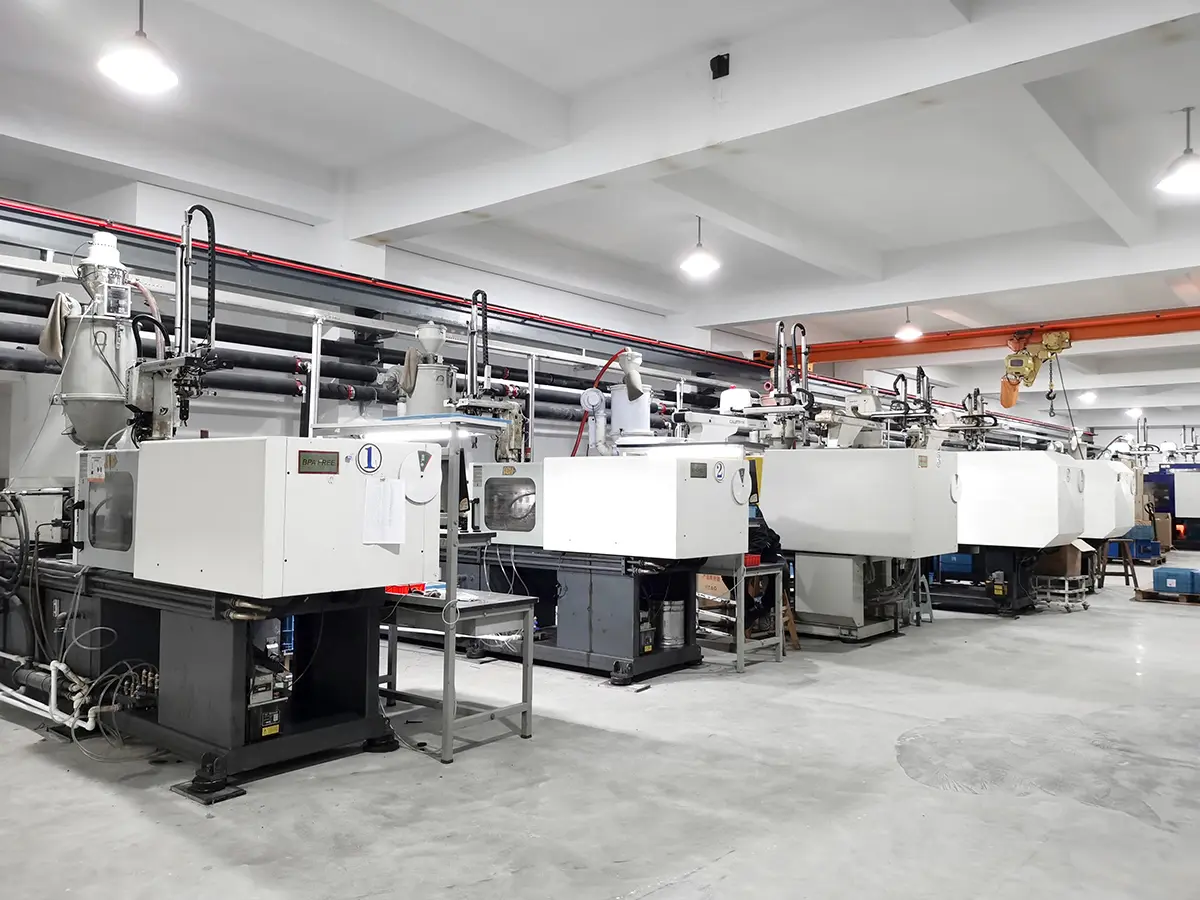
Quality Control Testing: Every batch undergoes strict quality control, including drop-testing, lifecycle rotation tests, and moisture level verification before packaging.
B2B Customization (OEM & ODM) Partnership Model
A step-by-step overview of our partnership process, from initial design concepts to final mass production.
1. Conceptualization and 3D Modeling
Our industrial design team collaborates with your brand to create detailed 3D CAD files. We analyze ergonomics, styling preferences, and target price points to design a grinder that fits your product line.
2. Prototyping and Functional Testing
We produce functional prototypes using rapid 3D printing and wood-turning processes. These prototypes are tested for grinding performance, adjustment precision, and overall mechanical durability.
3. Mass Production and Automated Assembly
Once approved, we move to mass production using our automated CNC turning and assembly lines. This ensures fast production speeds, consistent dimensions, and competitive manufacturing costs.
Expert Woodworking and Assembly Systems
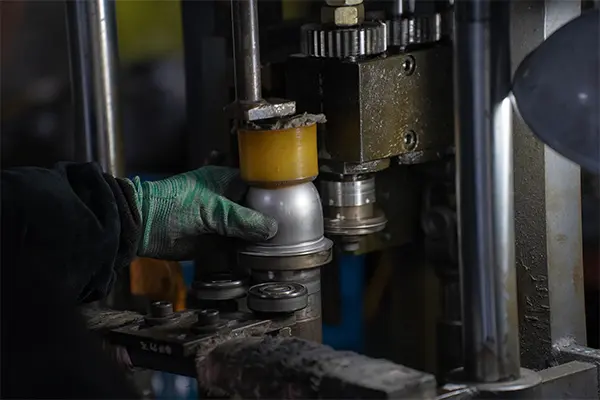
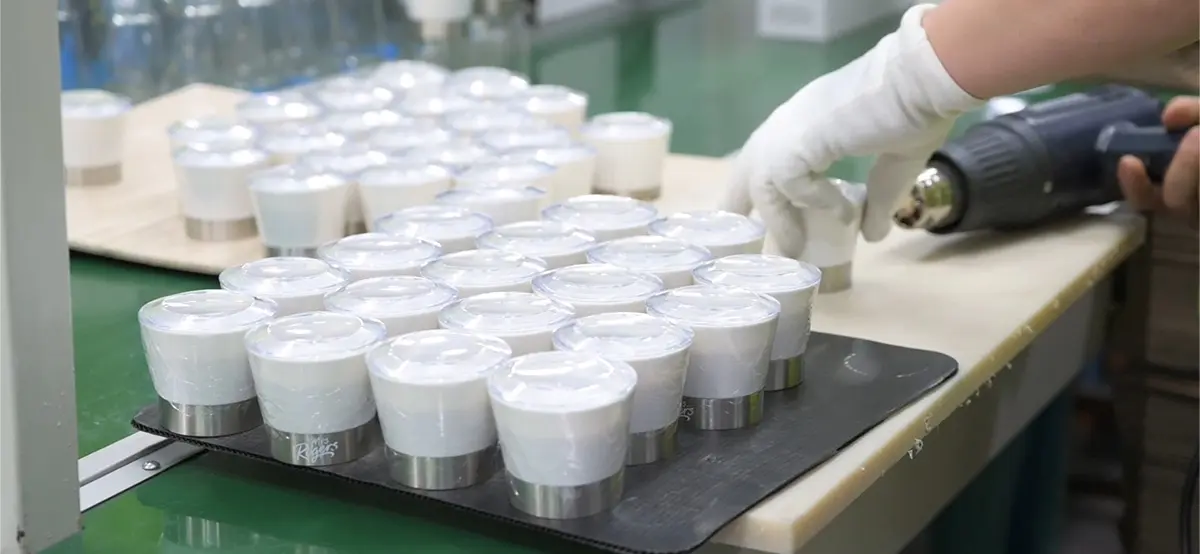
Inside our specialized production facility, where raw timber is turned into high-end culinary tools.

Collaborative R&D and Patent Portfolio
Learn how our design team works to create products that stand out in competitive retail environments.
Patented Engineering Solutions
With a strong focus on technical development, our engineering team has secured over 300 patents, particularly for grinding cores and adjustment mechanisms. These designs are engineered to resolve common usage issues, such as slipping adjustment knobs, inconsistent output, and premature gear wear.
Our designers constantly analyze market trends and regional consumer preferences, ensuring our product catalog stays aligned with modern kitchen design. This proactive approach helps our clients introduce products that offer real value and stand out on retail shelves.


Expert Q&A: Sourcing & Manufacturing Wood Spice Mills
Get answers to common B2B questions about wood selection, manufacturing processes, and quality assurance.
Which wood species are best for kitchen spice grinders?
Acacia, beechwood, rubberwood, and oak are the most popular choices due to their density and durability. Beechwood and rubberwood offer uniform grain structures that are easy to turn and finish, while acacia and walnut provide rich, natural grain patterns that appeal to high-end retail markets.
How does the factory prevent wood from warping or splitting?
We use computerized kiln-drying processes to reduce raw timber moisture levels to 8%-12%. This level is optimal for preventing warping or splitting during international transit and storage in climates with varying humidity.
What are the advantages of ceramic vs. carbon steel grinding cores?
Ceramic cores are highly resistant to corrosion, making them ideal for salt and wet spices. Carbon steel cores are harder and offer sharp cutting edges, which is preferred for dry peppercorns but can rust if exposed to salt and moisture.
What is the standard lead time for OEM/ODM wooden grinder orders?
For standard designs with customized branding, lead times typically range from 35 to 45 days. For completely new custom designs requiring new tooling and molds, the process takes approximately 60 to 75 days, including design validation and prototyping phases.
How does the factory ensure food safety compliance for wood coatings?
We use food-safe, solvent-free plant oils and water-based coatings that comply with FDA and LFGB safety standards. These coatings are tested to ensure they do not transfer chemical residues to the spices.
Can you supply FSC-certified wooden products?
Yes, we can source FSC-certified timber upon request, providing full chain-of-custody documentation to support your brand's environmental and sustainability initiatives.
Industrial Production Lines & Quality Control
How we combine advanced automated machinery with strict QC processes to deliver high-quality products.


Additional Kitchenware Series: Classic & Modern Designs
Explore our wider range of kitchenware options, from combined manual mills to glass spice containers and French presses.