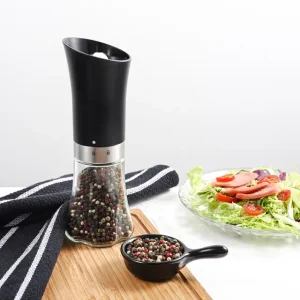
 Chinagama
Premium Grinding Systems & Utility Ware
Engineered with precision ceramic cores, professional-grade seals, and dynamic ergonomic systems customized for leading culinary brands globally.
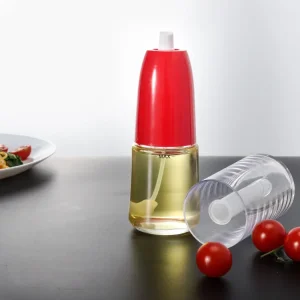
Wholesale Customized Portable Kitchen Oil Sprayer with Glass Jar
Learn More / Inquire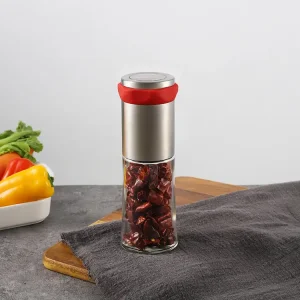
Wholesale Stainless Steel Dry Chili Grinder
Learn More / Inquire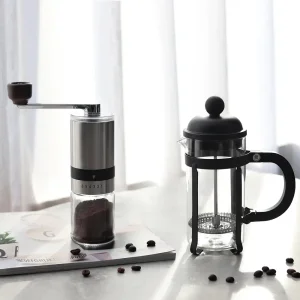
CE Certification Accept Customized Glass Coffee Set Companies, Pricelist
Learn More / Inquire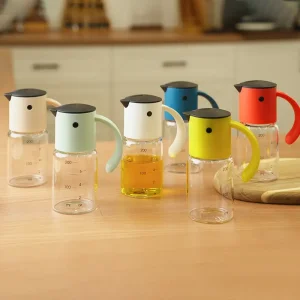
High-Quality OEM&ODM Portable Colorful Gravity Kitchen Oil Dispenser Exporters, Exporter
Learn More / Inquire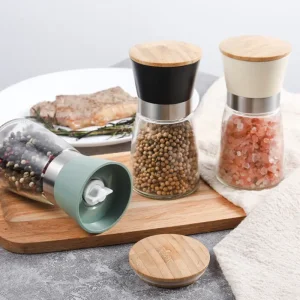
Best Bulk Sale Colorful Salt and Pepper Mill Products, Product
Learn More / Inquire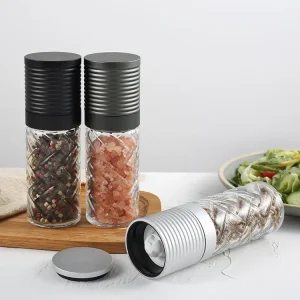
High-Quality Customized Aluminum Alloy Hand Salt and Pepper Grinder Service, Product
Learn More / Inquire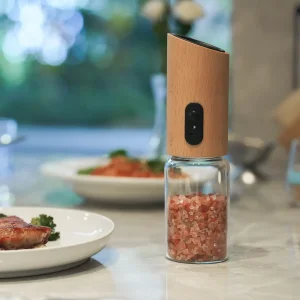
CE Certification ODM Customized Gravity Wooden Pepper Mill Company, Suppliers
Learn More / Inquire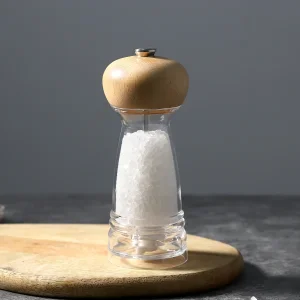
Custom Classic Pepper Grinder with Wood Cap
Learn More / InquireIndustrial Analysis: China's Ceramic Burr Technology Evolution
A deep dive into structural performance, raw material matrices, and custom production dynamics in the precision grinding apparatus market.
Introduction to the Ceramic Burr Manufacturing Ecosystem
In the global kitchenware and specialty coffee sectors, precision is the primary arbiter of product value. The phrase ChinaCoffeeGrinderCeramicBurr represents a specialized technological intersection: the union of advanced engineering ceramic materials with specialized grinding geometry. High-purity Alumina (Al₂O₃) and Zirconia-toughened Alumina (ZTA) ceramic burrs have replaced conventional steel burrs across many consumer and light commercial applications due to their high thermal stability, neutral chemical reactivity, and long-term durability. At Chinagama, established in 1997, our development focus has been to refine these ceramic assemblies to meet the quality standards demanded by high-volume global brands.
From our early days as a trade firm in 2001 to establishing food-grade plants in 2012, Chinagama has focused on manufacturing research. We have achieved over 300 patents, and our designs have earned awards including the Red Dot Award and IF Design Award. In this paper, we outline the structural and strategic mechanics that enable high-precision manufacturing, validating our processes against global standards like LFGB and FDA.

The Engineering Behind ChinaCoffeeGrinderCeramicBurr Components
The mechanical performance of a coffee or spice grinder depends on its burr material. Ceramic burrs are manufactured using dry pressing and high-temperature sintering, yielding structures with high hardness (typically over 9 on the Mohs scale). This prevents wear and keeps the cutting edges sharp over long operational cycles.
Thermal Stability
Unlike steel burrs, which conduct and generate heat during continuous grinding, ceramic materials have a low thermal conductivity. This limits heat transfer to coffee grounds or spices, preventing oil degradation and preserving volatile aromas.
Corrosion & Acid Resistance
Ceramic is chemically inert and does not rust or corrode when exposed to essential oils, moisture, or acidic compounds. This makes it highly versatile for dry chili, sesame, salt, pepper, and coffee beans.
Uniform Particle Size
High-precision ceramic molds ensure exact tooth configuration. This uniform design reduces fines and control grind consistency, critical for espresso extraction and pour-over brewing.
Technical Insight: Sintering ceramic burrs at temperatures exceeding 1600°C produces a high-density crystal structure. This ensures the material remains stable under mechanical stresses during grinding.
Quality Control and Manufacturing Standards
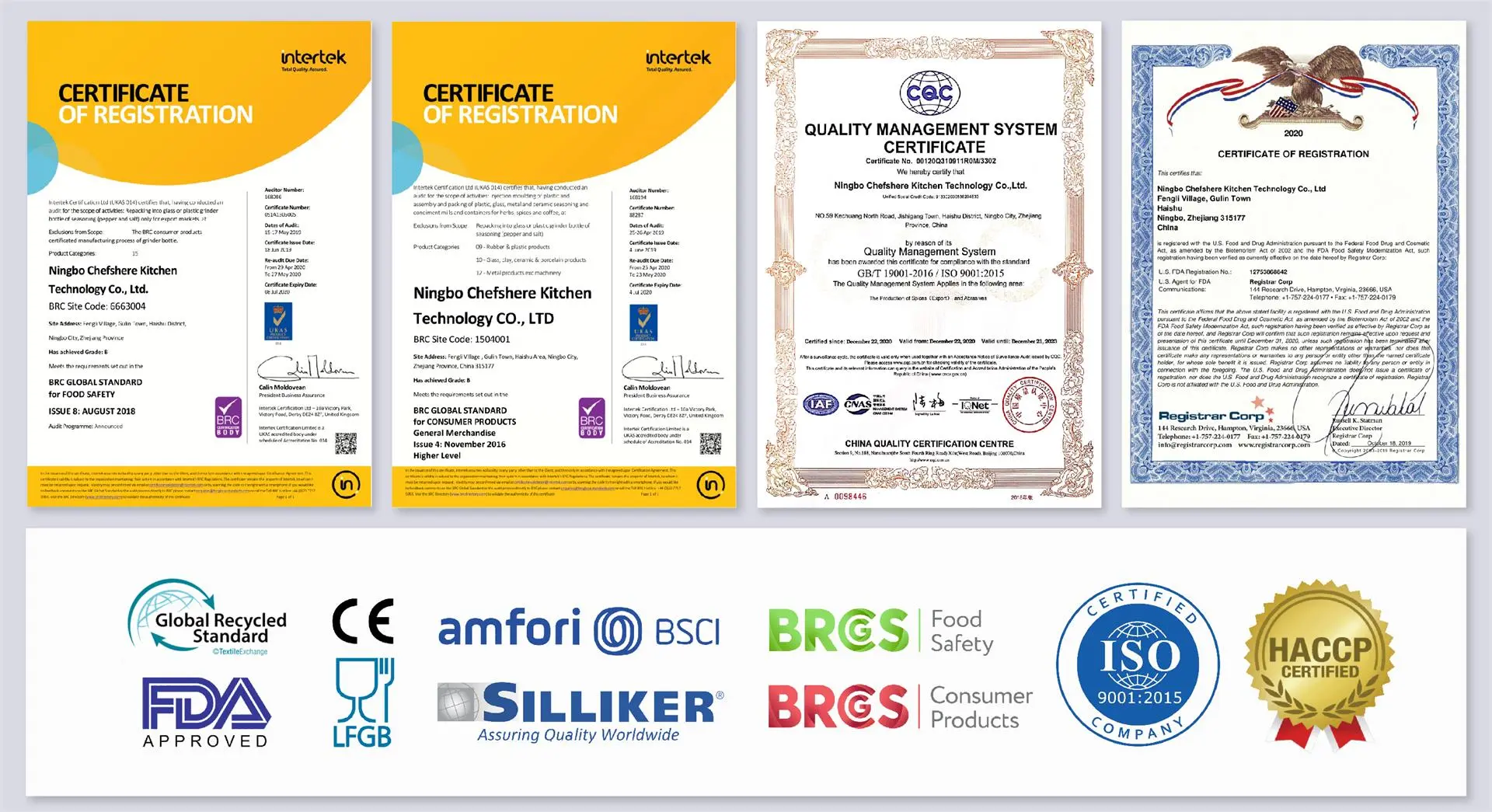
At Chinagama, our R&D and QA teams enforce multi-step quality control. From sourcing raw alumina powder to post-sintering visual and dimensional checks, each step is controlled for consistency. This process has helped us secure certifications from international testing agencies, confirming compliance with LFGB and FDA food-grade requirements.
These standards prevent chemical contaminants from entering food. Additionally, our automated production lines maintain dimensional tolerances within microns, ensuring that every batch of OEM/ODM orders meets identical technical specifications.
Global Sourcing Strategy: Managing Supply and Custom Molds
For B2B importers, coffee roasters, and brand owners, choosing a manufacturing partner requires balancing capacity, engineering experience, and compliance. Chinagama coordinates design, tooling, production, and logistics in-house to reduce lead times and production risk.
Scalable Global Supply Chains
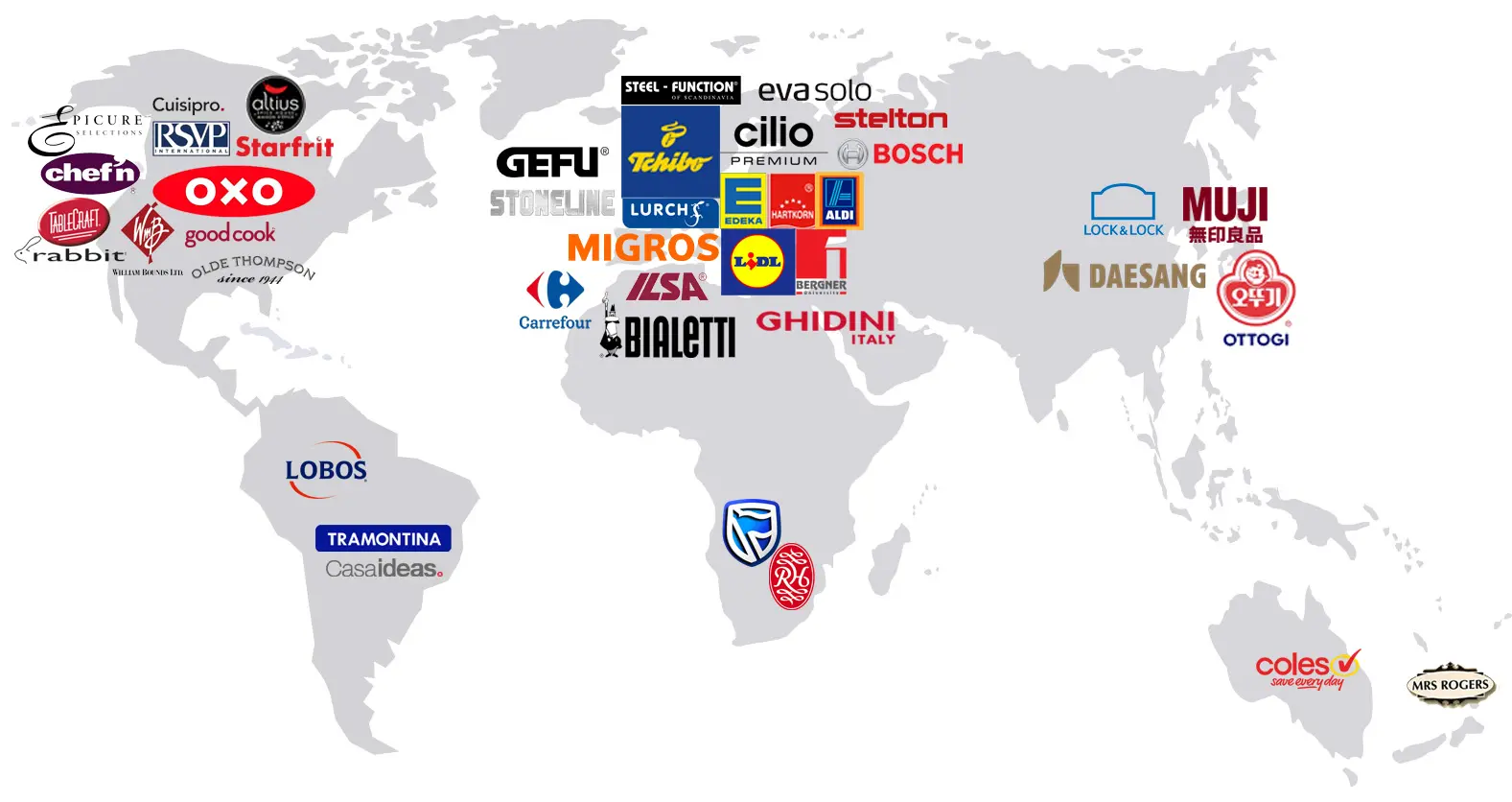
Chinagama sells over 12 million pepper grinders and coffee mills annually, with a production system designed to adjust scale based on demand. By manufacturing in-house, we control costs and protect intellectual property. Our clients receive consistent product quality, helping them avoid supply disruptions.
Our goal is to build long-term partnerships as a reliable supplier of premium kitchenware and grinding tools for mid-to-high-end brands globally, setting standards for quality, design, and performance.
Our Journey: Development Milestones
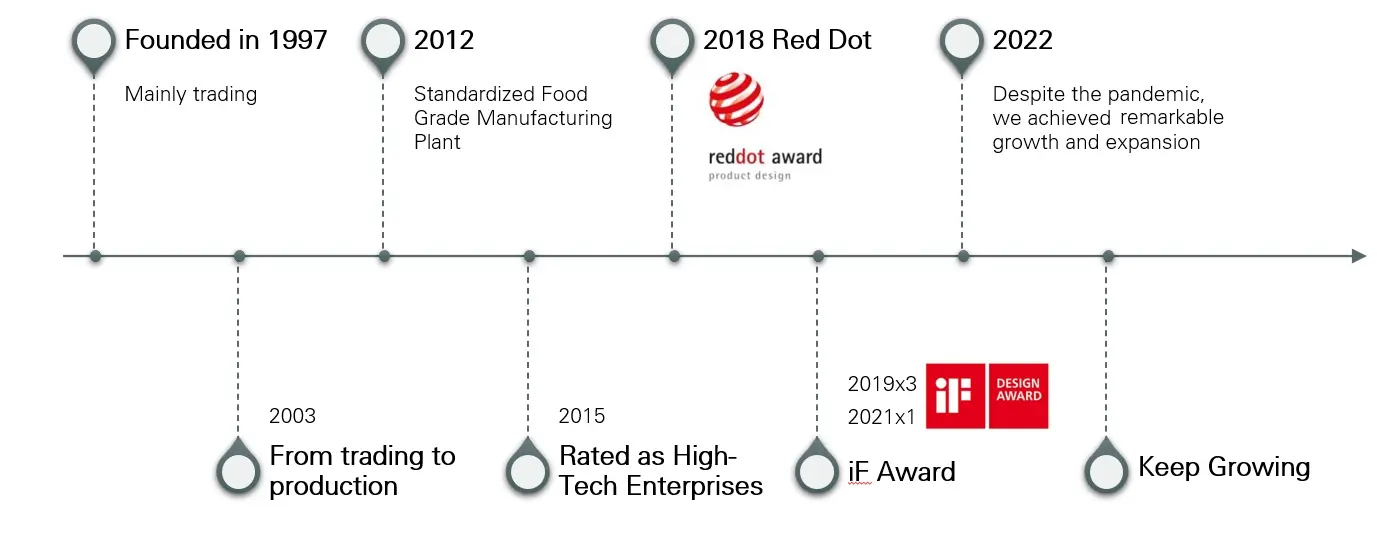
1997 - Foundation
Began kitchenware trade and market research, building relations with material suppliers and industrial designers.
2003 - Strategic Shift
Shifted from trading to direct manufacturing, establishing our first manufacturing plant to control quality and customize designs.
2012 - Food-Grade Facility Expansion
Built a modern, standardized, food-grade factory with automated assembly to meet rising global demand.
2015-Present - High-Tech Status
Recognized as an official high-tech enterprise, securing Red Dot and IF Design awards for our product lines.
Technical Case Studies: Engineering Solutions & Design Success
Chinagama's design process is guided by market data and structural engineering. Below are three case studies that illustrate our approach to solving product development challenges.
1. Red Dot-Winning Gravity Spout Oil Dispenser
The Challenge: Market research showed growing demand for clean, one-handed oil dispenser designs. Traditional pourers often drip, leaving messy residues on kitchen counters.
The Solution: Chinagama developed a gravity-activated bird-spout mechanism. This design uses a mechanical counterweight to open when tilted and seal when upright, preventing drips without manual contact.
The Outcome: The clean design and reliable function won a Red Dot Design Award, and the dispenser remains a top-selling product in our catalog.
2. Materials Engineering for the Oil Mist Sprayer
The Challenge: During the development of an oil mist sprayer, initial prototypes using ABS and PMMA plastics showed stress cracking when exposed to standard vegetable oils, posing safety risks.
The Solution: Our engineering team analyzed the chemical interactions and switched to high-grade, non-toxic Polypropylene (PP). PP provides the required resistance to oil stress cracking and maintains mechanical integrity under pressure.
The Outcome: The material upgrade resolved structural cracking issues, ensuring the product passed global food safety audits and helping the client build market share.

3. Compact Salt & Pepper Grinder Ergonomics
The Challenge: Traditional salt and pepper mills are often bulky and visually dated, prioritizing styling over comfortable grip and smooth torque delivery.
The Solution: We developed a compact, straight-profile grinder featuring a refined ceramic core. We engineered a customized adjustment knob that allows users to shift from coarse to fine grinds with minimal resistance.
The Outcome: The design received positive user feedback and strong repeat orders from our wholesale partners.
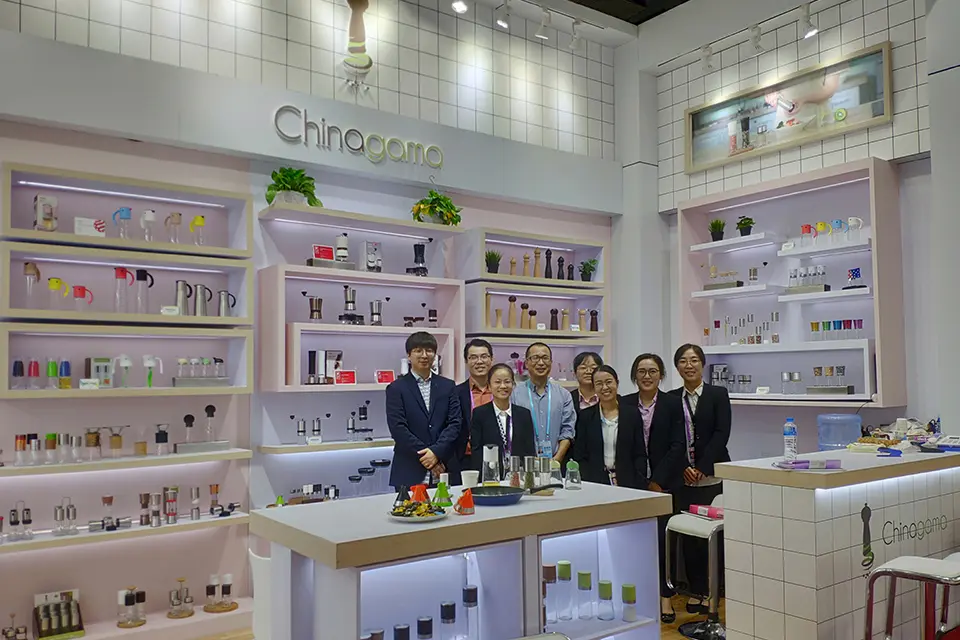
Advanced Equipment and Modern Production Facilities
Precision manufacturing requires state-of-the-art production machinery. Our facilities combine automated manufacturing systems with rigorous manual QA inspection points to verify quality at every phase.
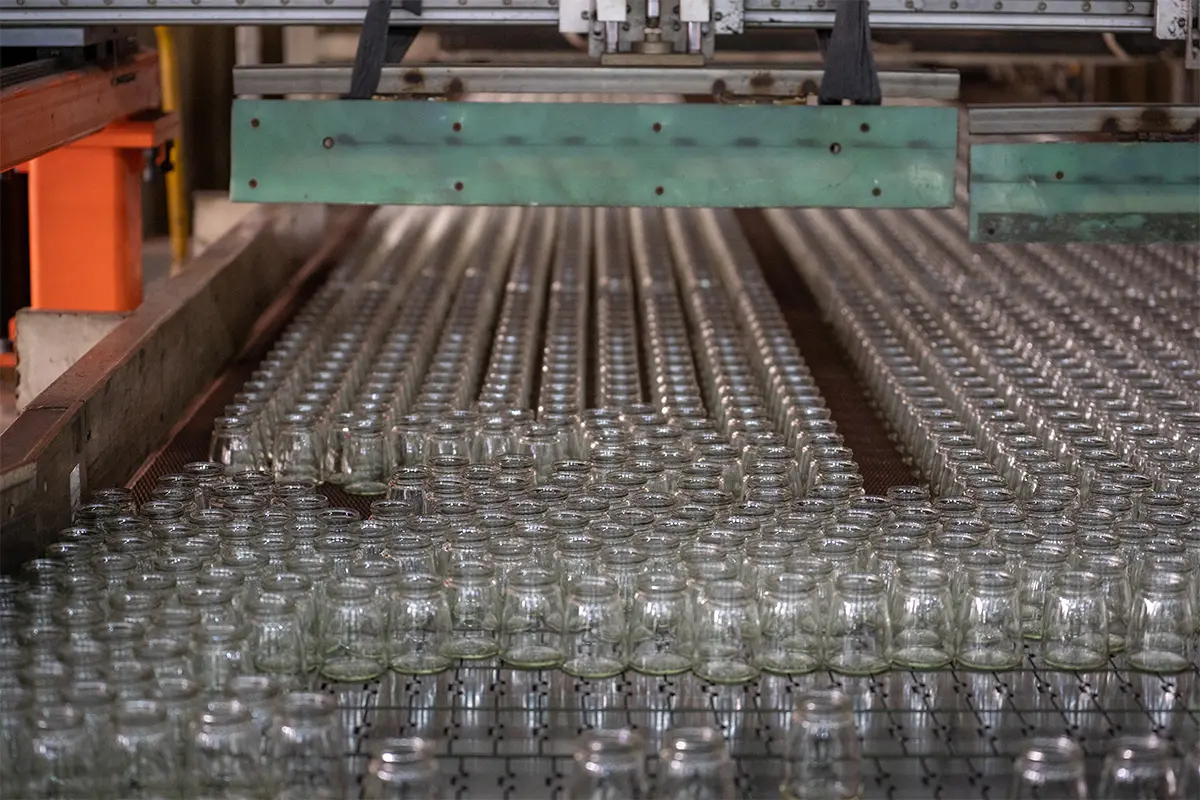
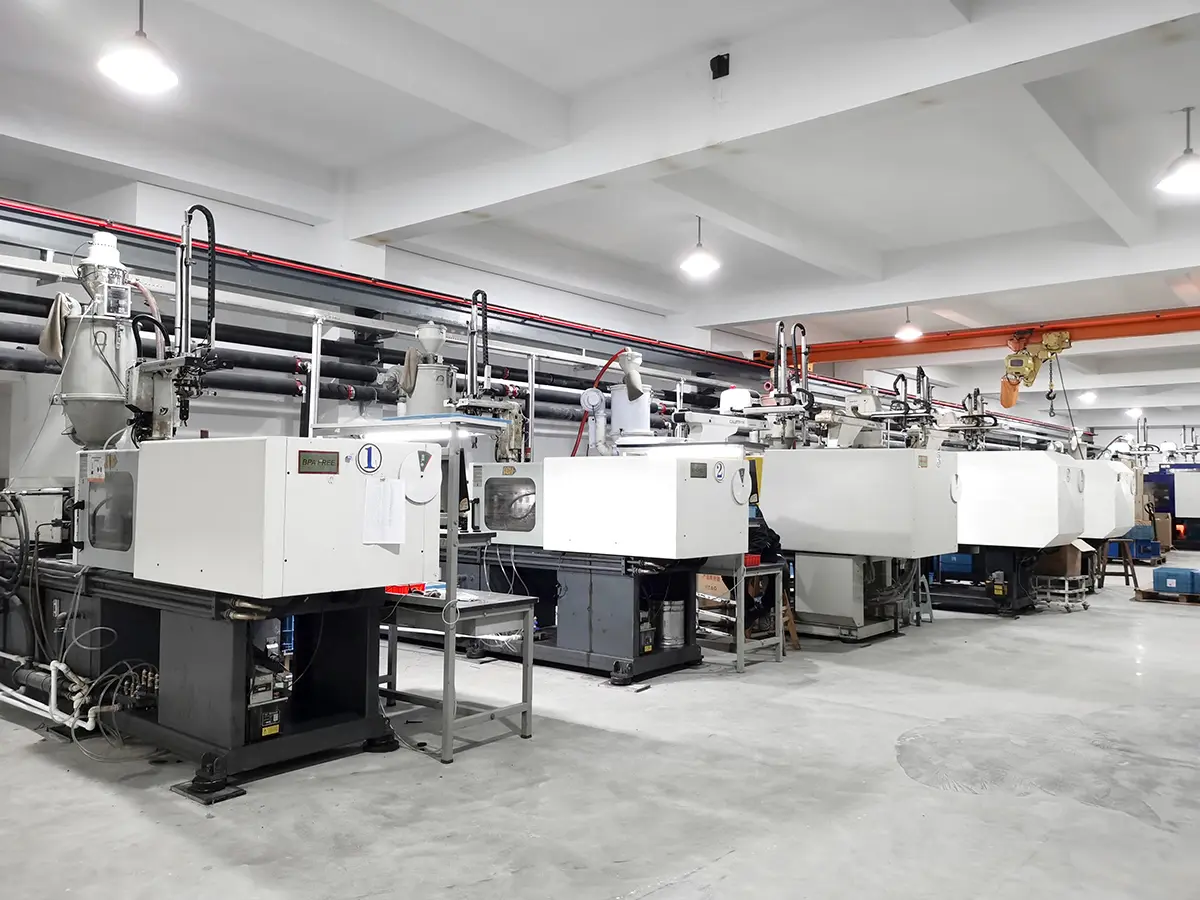
Our production environment is optimized for food safety and efficiency. We utilize high-speed injection molding machines, automated ultrasonic welding, and precise laser engraving to maintain consistent tolerances. These tools allow our technical team to confidently convert designs into finished products that perform reliably over time.
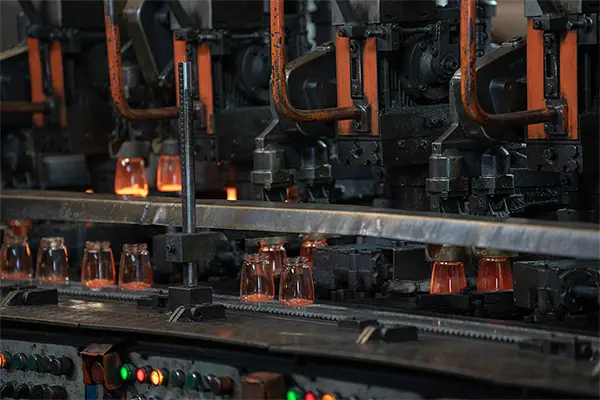
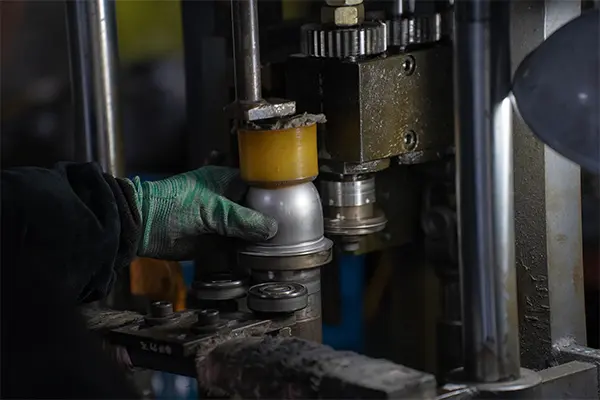
Additionally, our logistics setup supports on-time shipping for both LCL and FCL orders. By managing logistics from our central facility, we help global clients avoid supply delays and coordinate freight transport reliably.
Sustainable and Recyclable Material Design
We prioritize environmental responsibility in our material choices. Chinagama is developing eco-friendly kitchenware options, including biodegradable bioplastics and post-consumer recycled (PCR) resins. These materials maintain structural strength while reducing carbon footprints, helping brands meet their sustainability goals.
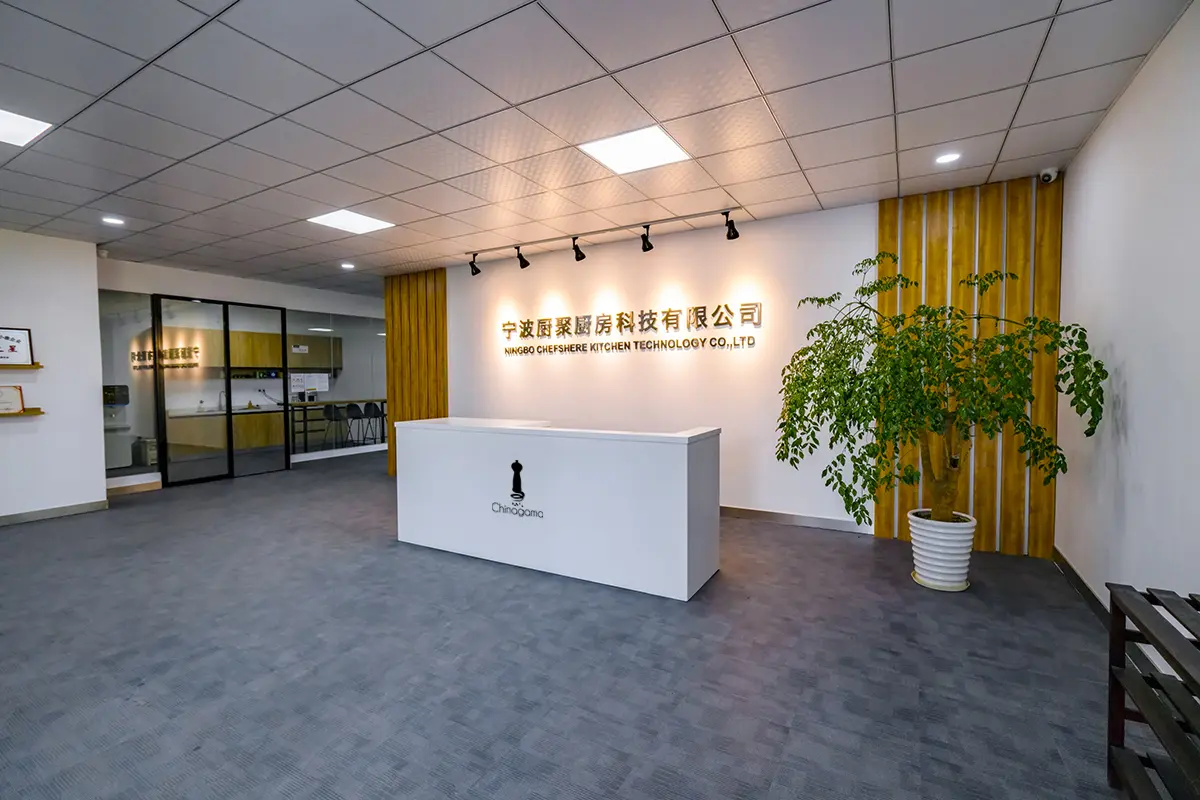
Technology Roadmap & Future Design Directions (2025-2030)
The manual coffee grinder and culinary tool markets continue to demand higher grind speed, consistency, and material safety. Our technical roadmap highlights the key innovation areas we are pursuing:
Next-Gen Diamond Ceramic Burrs
We are developing ceramic compounds with diamond-like carbon (DLC) coatings. These materials offer increased wear resistance and maintain grind consistency under heavy usage.
Stepless Micrometric Adjustment
Future iterations of our coffee grinders will feature stepless adjustability. This allows baristas to make micrometric changes to particle sizes, optimizing extraction for diverse brew styles.
Integrated Sensor Calibration
By embedding smart sensors in our electric grinders, we aim to measure real-time torque and speed. This data enables automated adjustments to prevent clogging and motor strain.
Localization, Compliance, and Supply Chain Protection
Distributing kitchenware internationally requires strict compliance with food-safety standards and customs rules. Chinagama helps clients navigate these regulatory landscapes smoothly.


We work with third-party verification agencies like SGS and TÜV to certify that our grinders meet LFGB, FDA, and CE requirements. This ensures our products are safe for food contact and compliant with the import standards of European Union and North American markets.
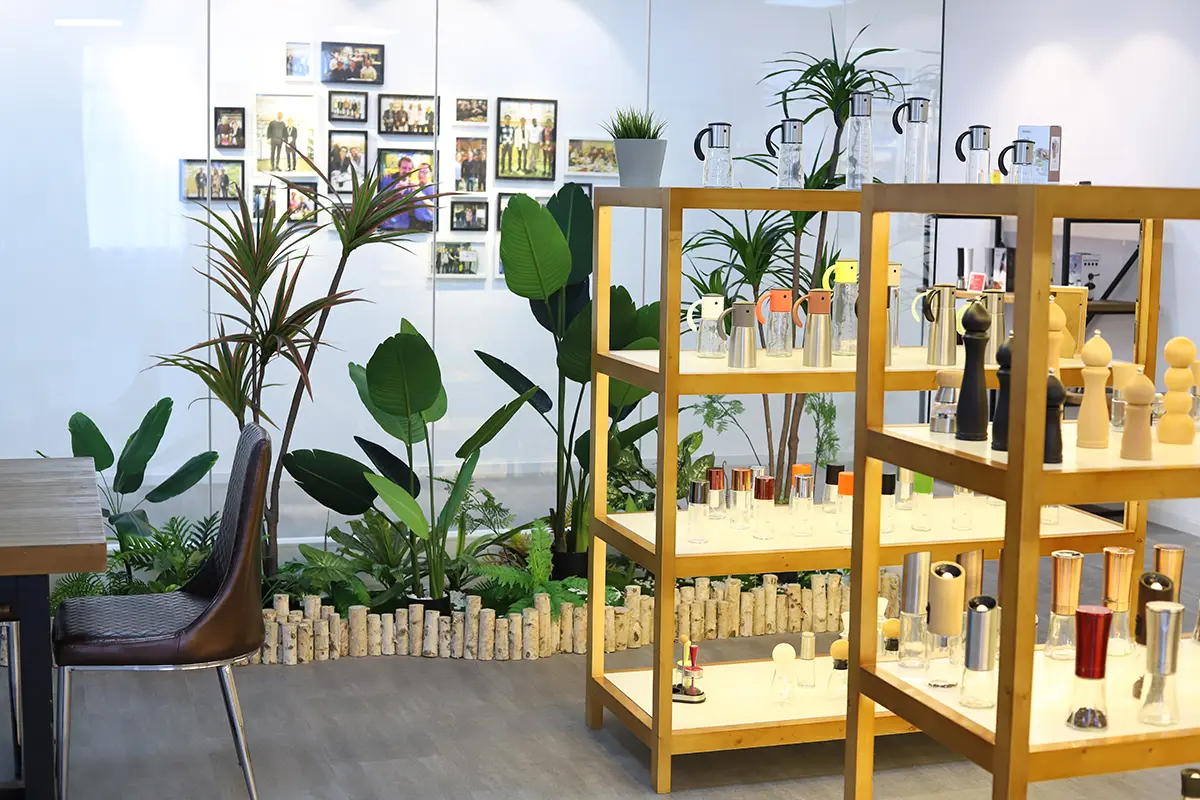
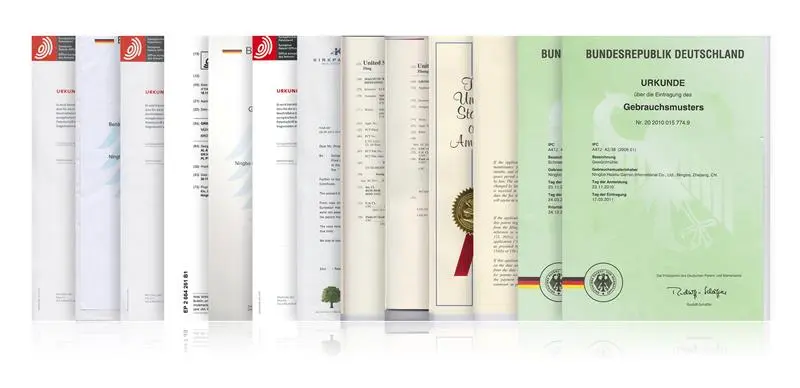
Additionally, we offer customized localization options. We assist clients with region-specific instruction manuals, retail packaging, localized product labeling, and customs documentation. We also offer patent-sharing options to protect our partners' intellectual property in their local markets.
Need Custom Grinding Solutions for Your Brand?
Work with our engineers to build custom products tailored to your market needs.
Request a Custom QuoteFrequently Asked Questions
Answers to common technical, manufacturing, and logistics questions from our B2B procurement partners.
Q1: Why are ceramic burrs preferred over stainless steel for manual coffee grinders?
Ceramic burrs generate less heat during grinding, preserving volatile oils and flavor in the coffee grounds. They are also rust-proof, chemically inert, and cost-effective, making them well-suited for entry-to-mid-level commercial and consumer grinders.
Q2: Can Chinagama develop custom burr profiles for unique grinding requirements?
Yes. Our in-house R&D team can design custom molds and tooth configurations to achieve specific grind profiles for sesame, specialized salts, or fine espresso powder. We manage the tooling, sintering, and testing phases under one roof.
Q3: What is the typical Minimum Order Quantity (MOQ) for custom grinding products?
MOQs vary depending on the customization level. Standard catalog designs with custom colors or logos typically require 1,000 to 2,000 units. Projects requiring new tooling or structural modifications usually require higher minimum orders, which we evaluate case-by-case.
Q4: How does your factory ensure compliance with LFGB and FDA food safety regulations?
We manufacture using high-purity alumina ceramics and food-grade plastics (like PP and Tritan). All materials undergo chemical migration testing by third-party auditors like SGS to certify they are free from BPA, lead, and other heavy metals.
Q5: How do you handle patent licensing and protect brand design designs?
We protect our clients' intellectual property carefully. We sign mutual Non-Disclosure Agreements (NDAs) before starting design work, and we can register localized utility patents to shield custom products from copying in target markets.
Q6: What is the lead time for standard wholesale orders and custom OEM projects?
Standard wholesale orders typically ship within 30 to 45 days. Custom OEM projects require additional time: 30 days for design, prototype, and mold creation, followed by 35 to 45 days for initial production and quality testing.
Industrial Grade Spice and Herb Processing Systems
Explore our range of adjustable spice grinders and custom kitchenware engineered for durability and reliable performance.
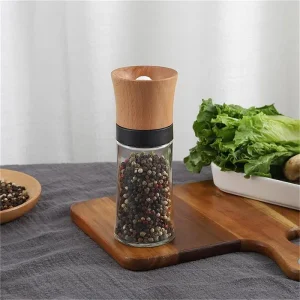
Wholesale Customized Wood Spice Grinder by Hand
Learn More / Inquire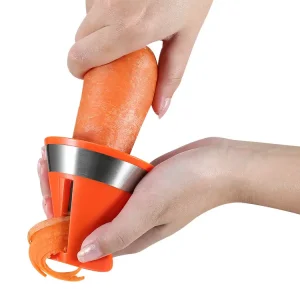
Buy Bulk Versatile Mini Vegetables Fruits Slicer Companies, Factories
Learn More / Inquire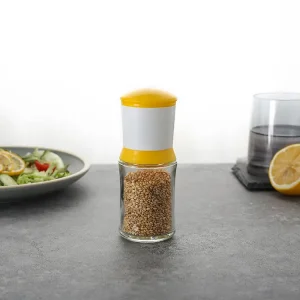
Best ODM Customized Adjustable Sesame Seed Grinder Service, Products
Learn More / Inquire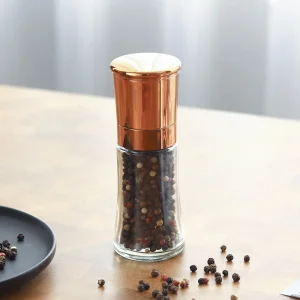
High-Quality Bulk Colorful Small Grinder for Spices Manufacturers, Companies
Learn More / Inquire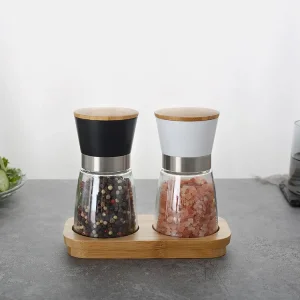
ODM Manual Adjustable Salt and Pepper Grinder Set with Bamboo Lid
Learn More / Inquire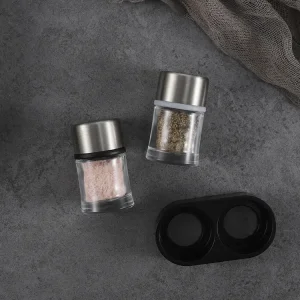
China Customized Mini Salt And Pepper Shaker Set Exporters, Factories
Learn More / Inquire
CE Certification Customized Glass Salt And Pepper Grinder Set Factories, Suppliers
Learn More / Inquire