 Chinagama
Featured Precision Grinders & Culinary Hardware (Set I)
Explore our top-tier commercial-grade mechanisms engineered for ergonomic reliability and aesthetic longevity.
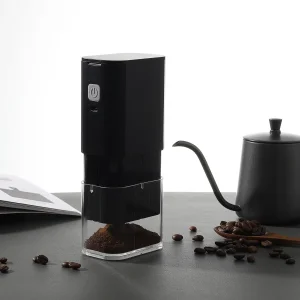

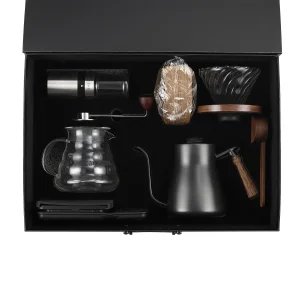
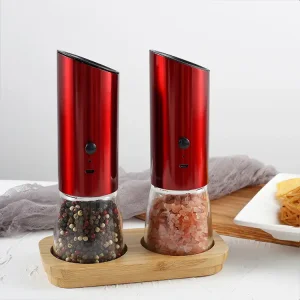
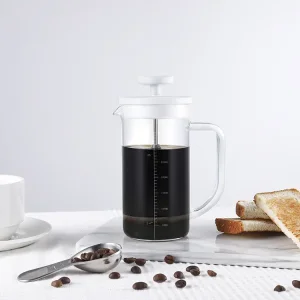
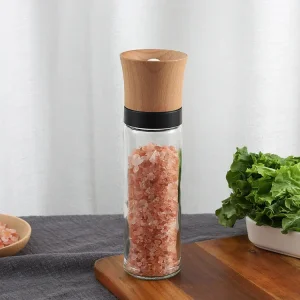
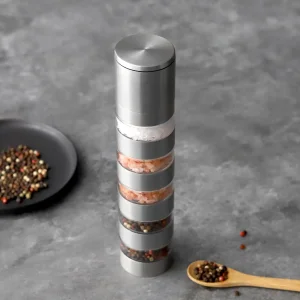
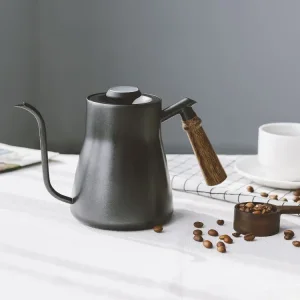
Human-Centric Engineering in Modern Kitchenware Factories
The culinary tool industry is undergoing a structural transition. Mechanical efficiency is no longer sufficient; human factors and user safety are critical requirements. Commercial chefs, domestic consumers, and corporate buyers demand grinding solutions that limit physical strain while maintaining dynamic performance. High-volume spice processors seek tools with reduced torque requirements, optimized gear ratios, and advanced materials.
At Chinagama, we resolve these challenges using precision-machined ceramic cores and custom mechanical leverage. By studying wrist dynamics and torque absorption, we design manual and electric spice mills that improve operational speed while reducing required physical effort by up to 35%. This combination of ergonomic design and performance underpins our production standards.

Welcome to Chinagama: Pioneering Culinary Innovations
Established in 1997, our journey spans over two decades of R&D achievements, premium design awards, and client-centric manufacturing.
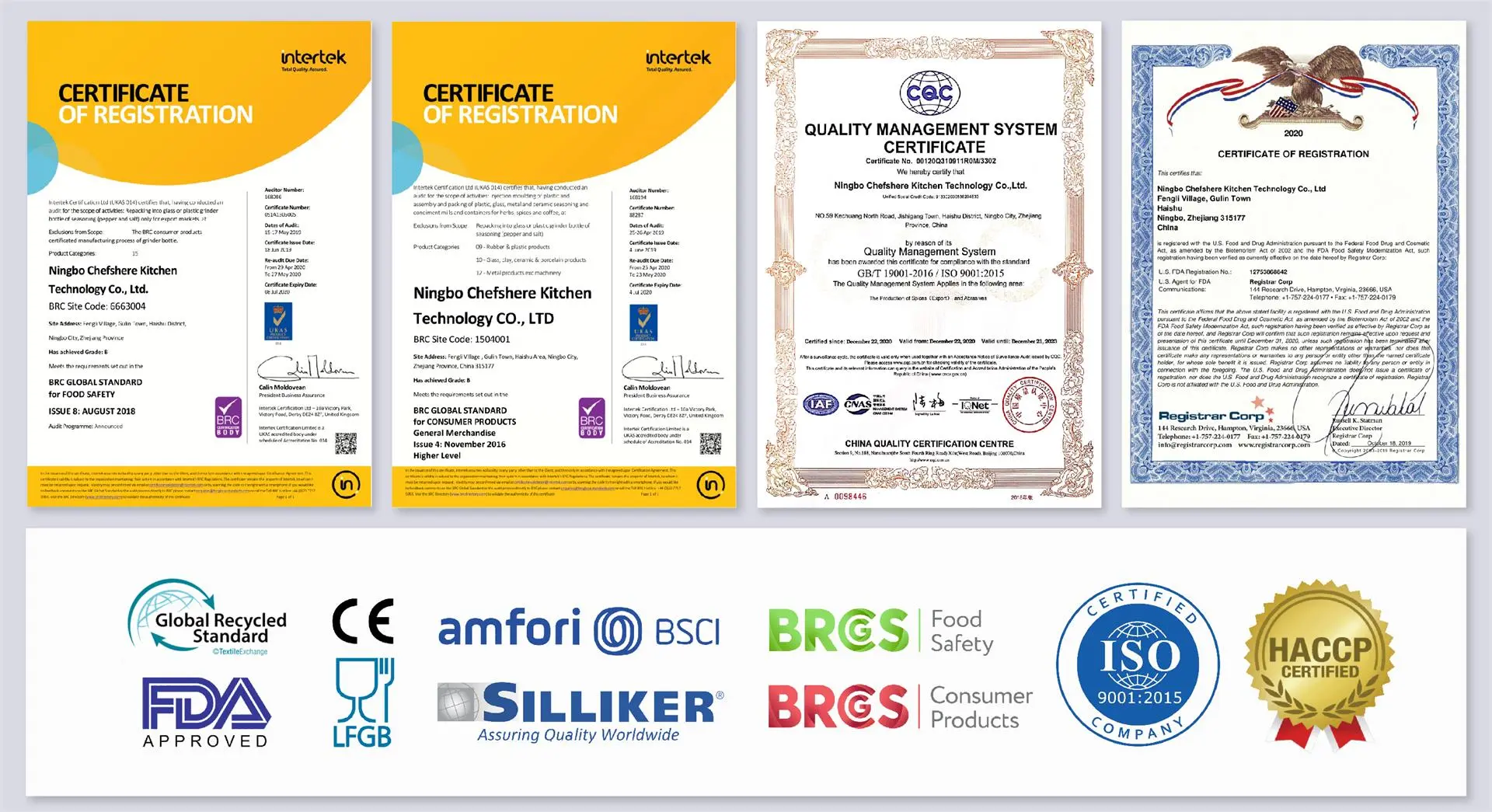
Our Commitment to Quality & International Standards
With our dedicated R&D team and in-house manufacturing facilities, Chinagama products undergo strict quality checks from concept design through to bulk packaging. We use precise testing instrumentation to check wear resistance, torque failure points, and food-contact safety.
Our commitment is verified by third-party testing firms. Our products carry LFGB and FDA certifications, ensuring compliance with international food safety standards. These credentials support our partners when entering demanding global retail markets.
We hold over 300 patents, and our designs have received international recognition, including the German Red Dot and iF Design Awards. We continuously update our design language and mechanisms to match changing market preferences.
Our Journey: Decades of Evolution
From a trading supplier to a vertically integrated, high-tech manufacturing leader.
1997 - Inception
Chinagama begins trading, identifying gaps in global supply chains for specialized kitchenware and grinding tools.
2001 - Digital Integration
Adoption of online B2B trading platforms, establishing long-term customer partnerships across Europe, North America, and Southeast Asia.
2003 - Strategic Shift to Production
Transition from trading to in-house manufacturing, establishing a dedicated R&D department to control quality and customize designs.
2012 - Food-Grade Standardization
Opening of a modern, standardized food-grade production plant, optimizing assembly lines and cleanliness standards.
2015 - National High-Tech Designation
Awarded National High-Tech Enterprise status. Chinagama designs earn German Red Dot and iF Design Awards for engineering excellence.
Global Success & Core Strategic Focus
A trusted supplier to global mid-to-high-end brands, with over 12 million grinders sold annually.
Our Vision
To be the preferred global supplier of premium kitchen grinding tools for mid-to-high-end brands, setting industry standards for build quality, design, and physical performance.
Our Mission
We help our clients overcome challenges by providing competitive grinding mechanisms and custom design services. Through targeted R&D, we build long-term value for our brand partners.
Our Values
Focusing on mechanical excellence, prioritizing green and recyclable manufacturing processes, and cooperating closely with clients to achieve shared commercial success.
Advanced Facilities & In-House Engineering
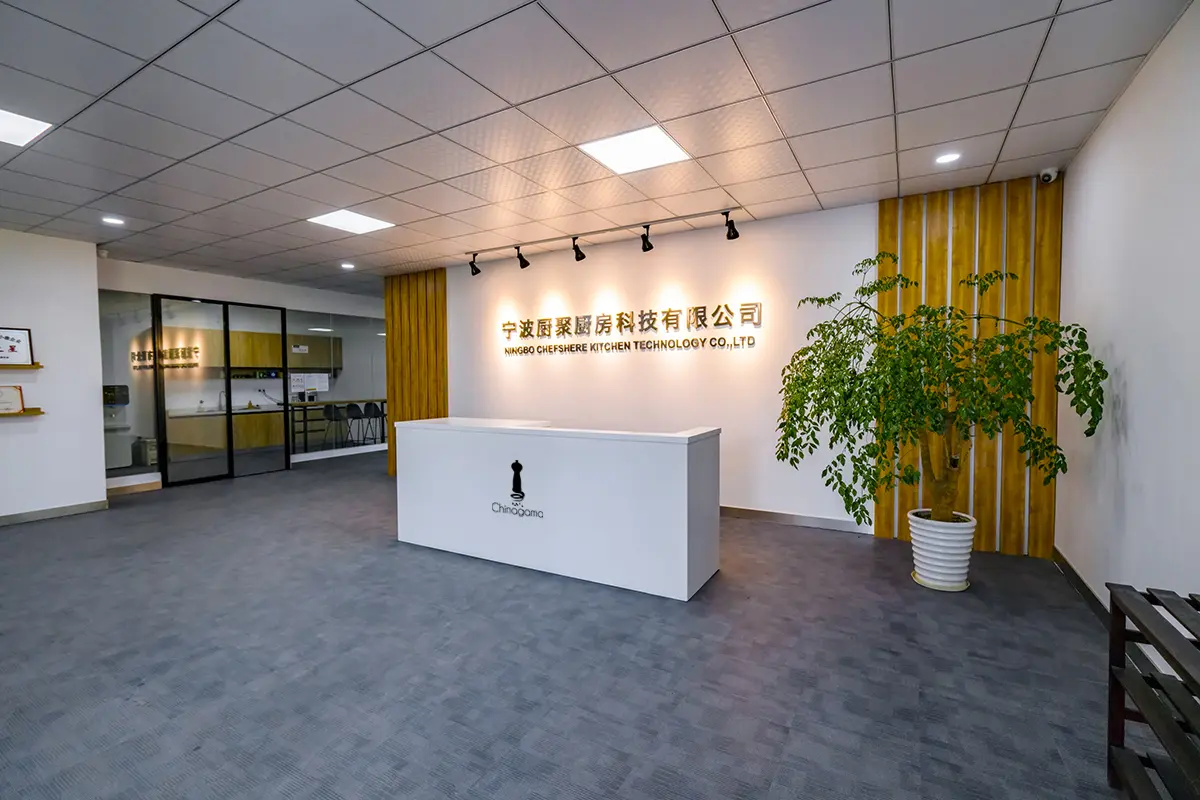
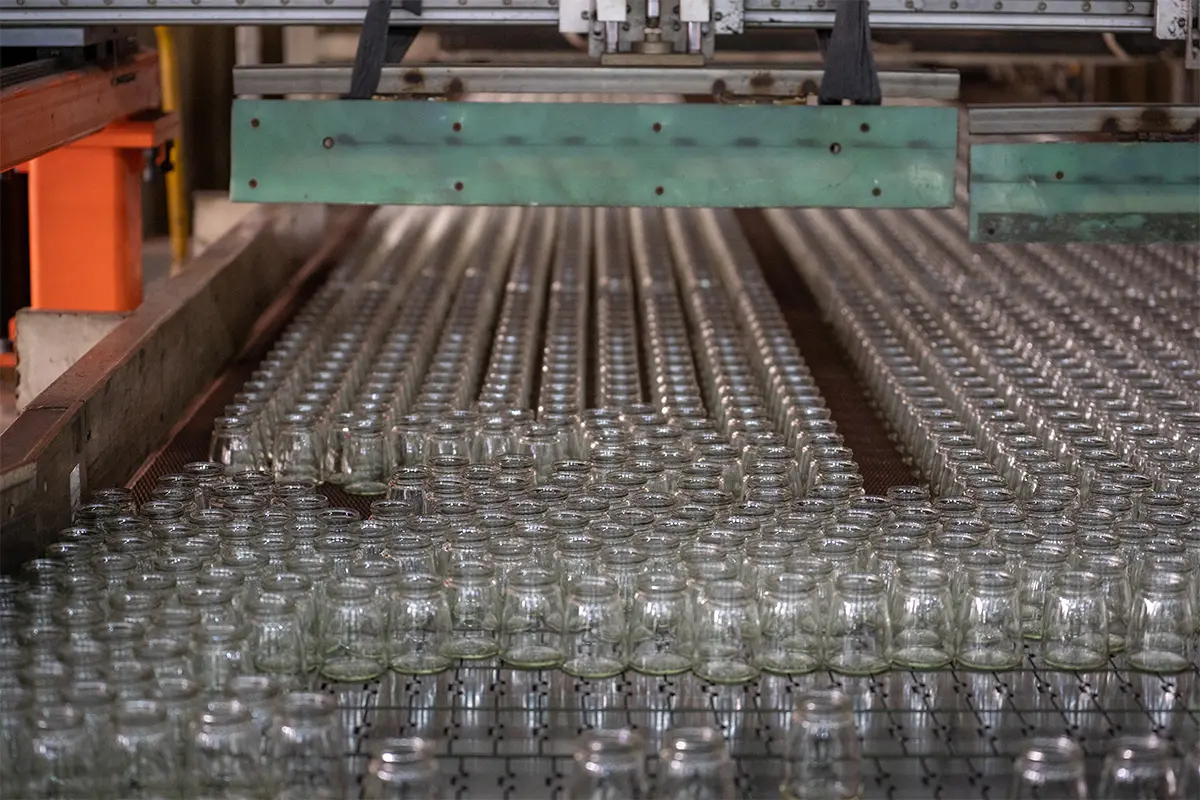
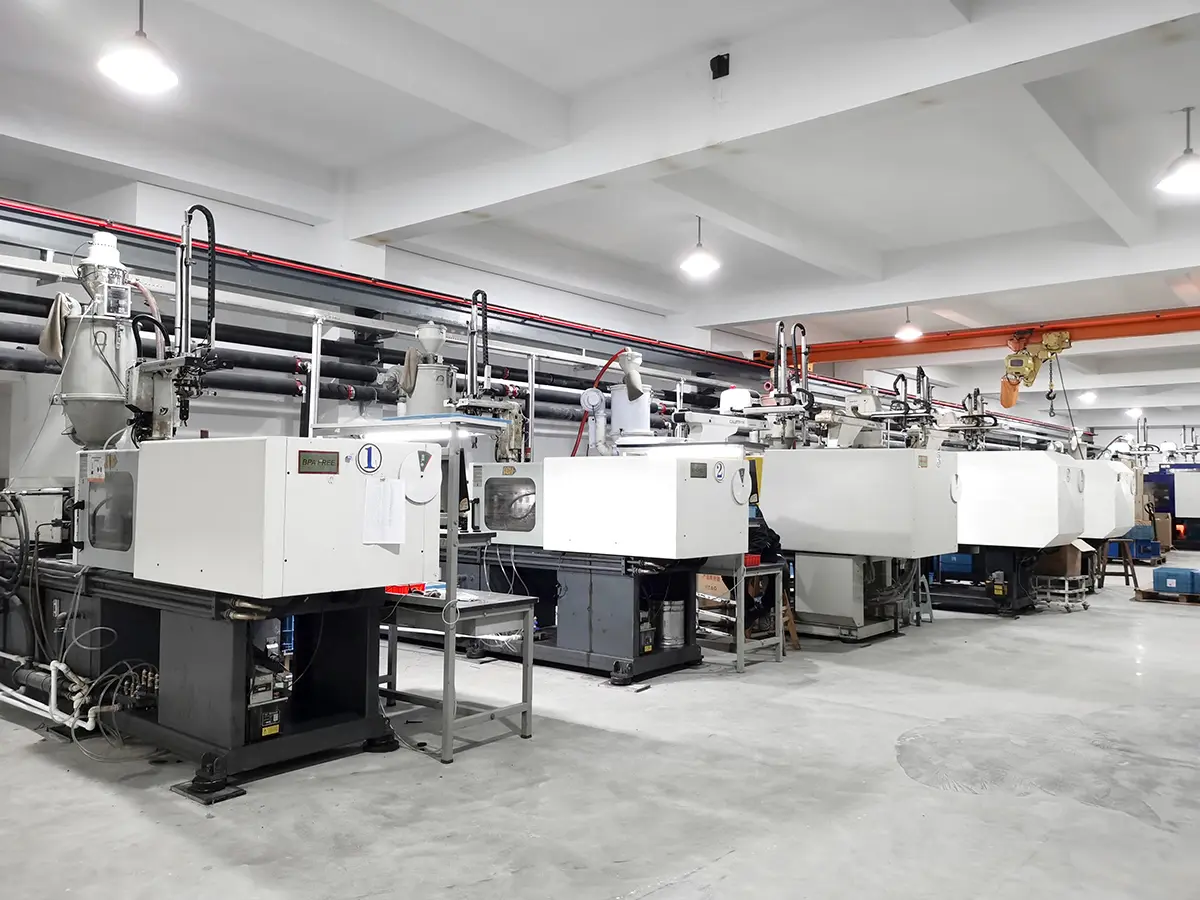
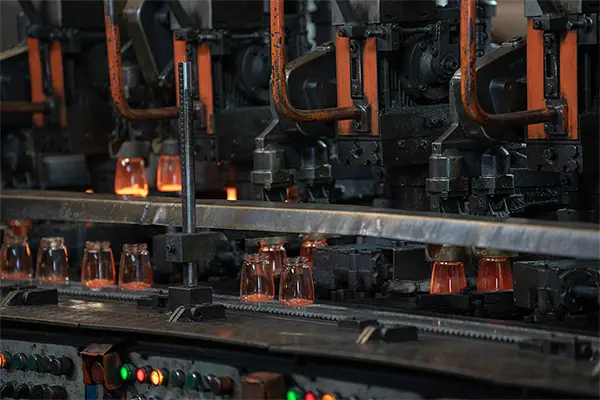
Our manufacturing facility utilizes modern injection molding equipment, automated assembly lines, and specialized tool-making gear. These systems improve production efficiency and help maintain tight dimensional tolerances for our components.
Our engineers use 3D printing and CAD software to turn concepts into physical prototypes in days instead of weeks. This speeds up design feedback and helps our clients launch new products to market faster.
Practical Engineering Case Studies
Detailed examples of how we solve engineering, material selection, and ergonomics challenges for B2B kitchenware.
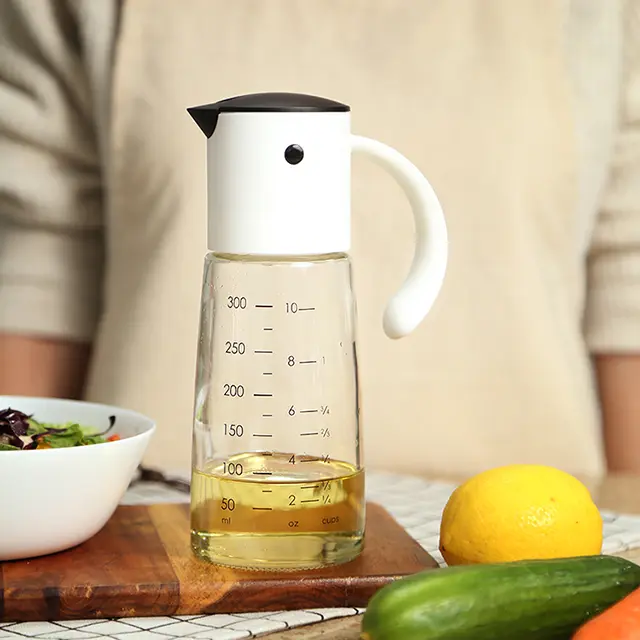
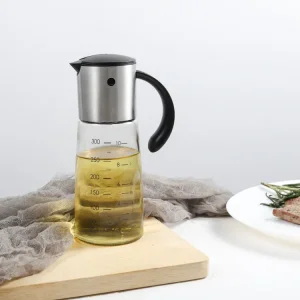
Case Study 1: Red Dot Award-Winning Bird Spout Oil Dispenser
Context & Insight: Market research identified consumer demand for clean, easy-to-use oil dispensers. Traditional options often caused dripping or required two-handed operation. We set out to design a drip-free, gravity-activated dispenser operated with one hand.
Design Solutions: We developed a customized gravity lid mechanism. The spout cover opens automatically when tilted for pouring and closes when returned to an upright position. The bird-spout contour provides smooth liquid flow and cuts off clean to prevent drips.
Outcome: The functional design was awarded a German Red Dot Design Award and remains one of our most popular kitchenware items globally.
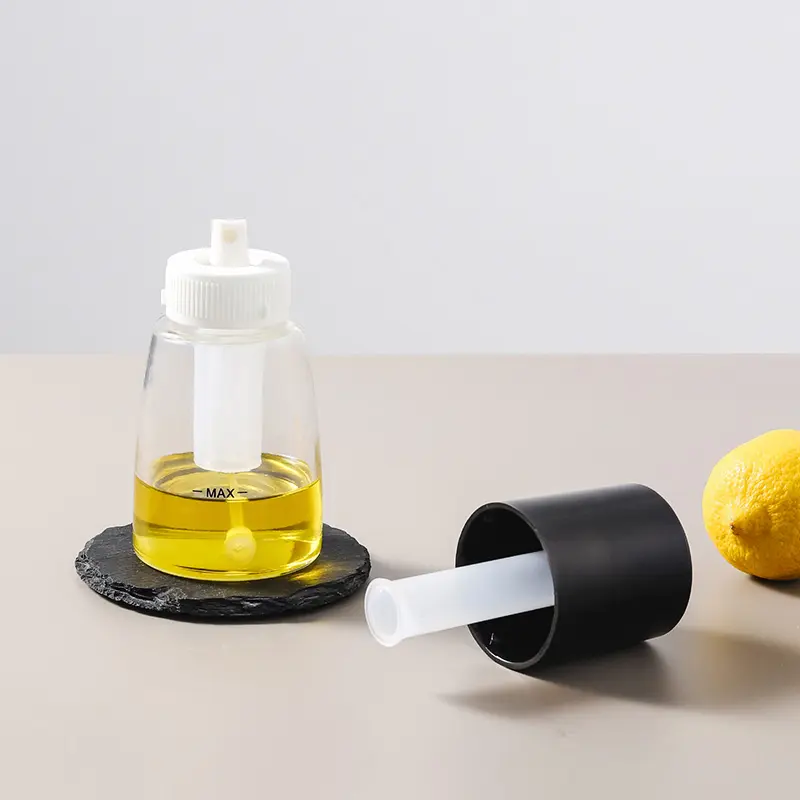
Case Study 2: Solving Material Cracking in Oil Mist Sprayers
Context & Insight: Partnering with a global brand, we designed a reusable cooking oil sprayer. The spray mechanism required high pressure to achieve a fine mist without chemical propellants.
Engineering Challenge: Early prototypes using ABS and PMMA plastics cracked under pressure when exposed to common vegetable oils. This stress-cracking presented quality and safety issues.
Material Solution: After chemical compatibility testing, our materials team switched the structural parts to specialized Polypropylene (PP). This material is resistant to lipids, maintains structural strength under pressure, and complies with food safety laws.
Outcome: The modified product met all client durability metrics and grew their market share in oil sprayers.
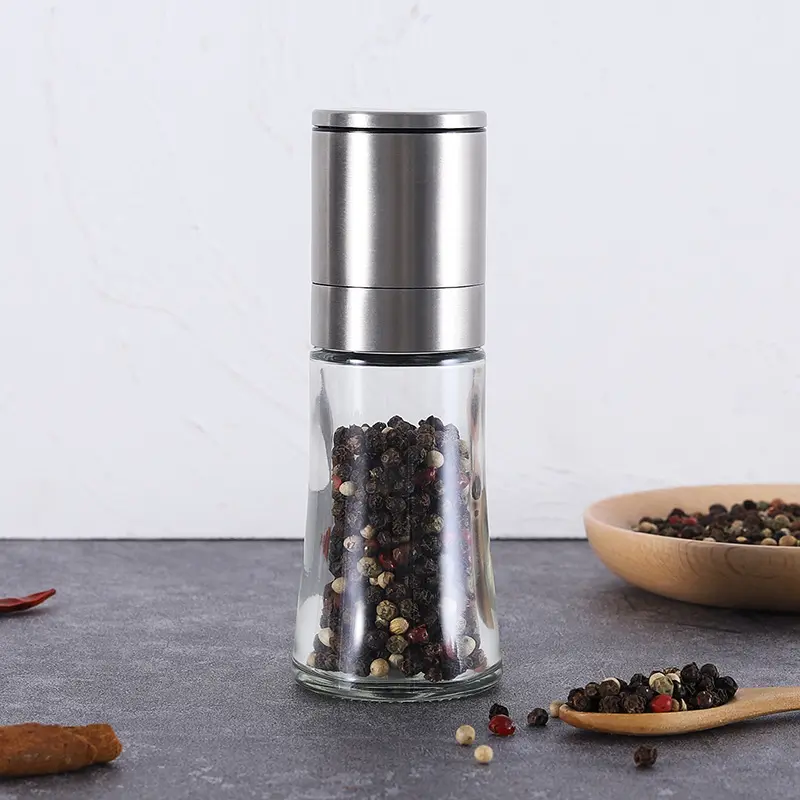
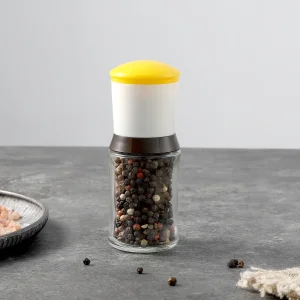
Case Study 3: Straight Ergonomic Pepper & Salt Grinder
Context & Insight: Classic pepper mills are often bulky and difficult to turn, especially for users with limited grip strength.
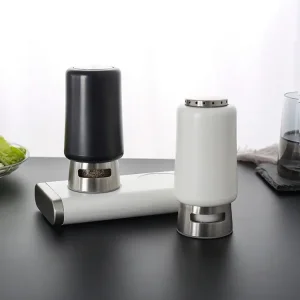
Design Solutions: We developed a compact, straight-bodied grinder utilizing a high-efficiency ceramic grinding core. The profile provides a comfortable grip, and the internal driveshaft alignment helps reduce rotational friction.
Outcome: This design achieved high sales volume in retail tests, receiving positive feedback for its compact design and easy operation.
Macro Industry Outlook: The Future of Grinding Mechanisms
Global sourcing is shifting focus toward product durability and supply chain transparency. Standard plastic grinders are being replaced by wear-resistant ceramic and food-grade stainless steel mechanisms. These materials resist corroding from salt and oil, ensuring longer service life.
At the same time, commercial buyers are looking for eco-friendly designs. This includes sourcing renewable FSC-certified wood, bamboo, and recycled polymers for grinder bodies. Brands also prioritize packaging reduction to lower shipping emissions and logistics costs.
Technological Development and Roadmap
1. Material Science R&D
Researching high-purity alumina ceramics and carbon steel burrs to optimize hardness. This maintains sharp cutting edges and reduces dust generation during operation.
2. Precise Adjustability
Developing stepped click-adjustment systems for grinders. This allows users to reliably choose and repeat grind settings, from espresso-fine to coarse french press.
3. Motorized Efficiency
Designing high-torque, energy-efficient micro-motors for USB rechargeable grinders. Our designs focus on quiet operation and long battery life.
FAQ: B2B Sourcing & Technical Support
Answers to common purchasing questions, material specifications, and OEM/ODM options.
Q: What is the typical MOQ for custom OEM salt mills?
A: Minimum order quantities depend on tooling and material requirements. Standard designs with custom logos typically require 1,000 to 3,000 units. Fully custom designs requiring new injection molds generally start at 5,000 units.
Q: Are your grinding mechanisms suitable for both wet and dry salts?
A: Yes. Our ceramic grinding cores are chemically inert and will not rust when exposed to moisture or corrosive salts, making them suitable for dry sea salt, pink Himalayan salt, and damp gourmet salts.
Q: How does Chinagama ensure compliance with FDA and LFGB laws?
A: We source raw materials from audited, certified chemical manufacturers. Production batches undergo regular testing by international testing firms to verify food safety and chemical compliance.
Q: What is the lead time for initial prototyping and production?
A: 3D CAD models and initial plastic prototypes can be finished in 7 to 10 days. Once the design is approved, mold manufacturing and pilot production runs typically take 35 to 45 days.
Q: Do you offer drop-testing and transport stability guarantees?
A: Yes. We conduct drop tests and vibration checks under ISTA protocols to ensure our packaging protects the products during long-distance shipping and distribution.
Q: Can you develop custom color schemes and logo printing options?
A: We provide custom color matching, laser engraving, pad printing, and silk-screen printing to match your brand's style guides.
Precision Accessories & Tabletop Kitchenware (Set II)
Complete your catalog with our high-durability kitchen tools, oil dispensers, and tabletop accessories.