 Chinagama
Featured Precision Grinders & Culinary Instruments
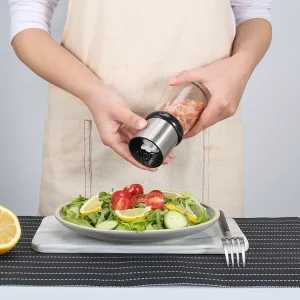
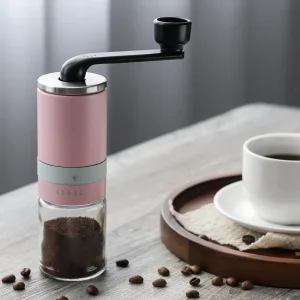
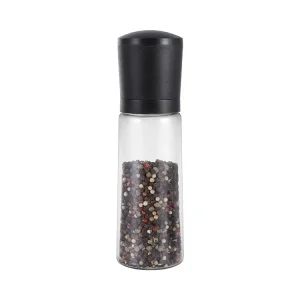
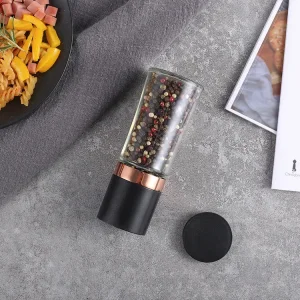
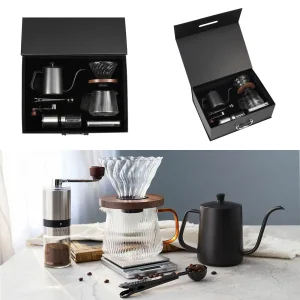
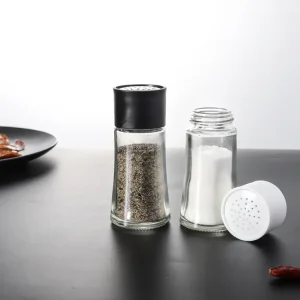
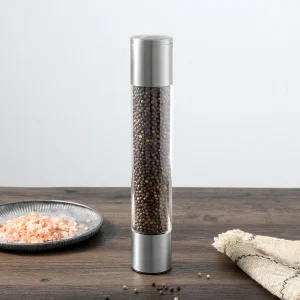
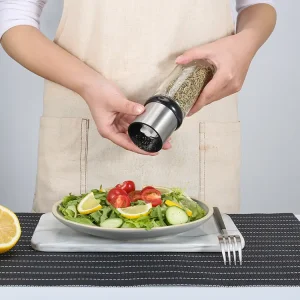
Executive Sourcing Brief: The Evolution of Food-Grade Oil Dispensation Systems
Within the high-end consumer kitchenware and professional culinary equipment segments, mechanical reliability, material integrity, and fluid ergonomics are critical factors. The market has shifted significantly from simple glass bottles with cork inserts to highly engineered, drip-free oil drizzlers and precision mist sprayers. This structural transformation is driven by shifting consumer preferences toward healthier, portion-controlled oil consumption, as well as strict regulatory requirements regarding food-contact materials.
Global procurement specialists, supply chain managers, and retail category leads face challenging decisions. Balancing consumer demand for aesthetic excellence with strict industrial requirements—such as chemical resistance against lipids, drop resilience, and mechanical repeatability—requires partnering with established manufacturers. These partners must possess deep R&D expertise, modern automated tooling, and verifiable compliance records.

Who We Are: Pioneers in Kitchenware Engineering
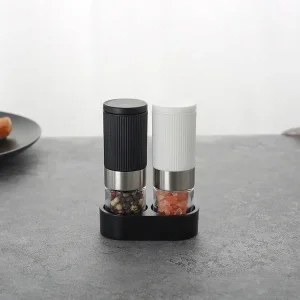
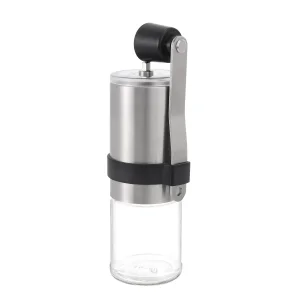
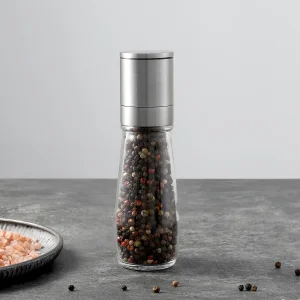
Established in 1997, Chinagama began as a dedicated trade operation. We anticipated early on the shifting demands of the international market, prompting our transition to direct production and R&D. Over the past three decades, we have evolved into a high-capacity, high-tech manufacturing hub specializing in salt and pepper mills, precision manual coffee grinders, oil and vinegar dispensers, and liquid management kitchen tools.
Our operation is anchored in technical innovation. Chinagama currently holds more than 400 utility, design, and structural patents. Our industrial designs are recognized globally, earning prestigious international honors such as the Red Dot Design Award and the iF Design Award. We operate integrated, food-grade manufacturing facilities that are audited to meet international standards, supporting global brands in expanding their private label programs and OEM/ODM portfolios.
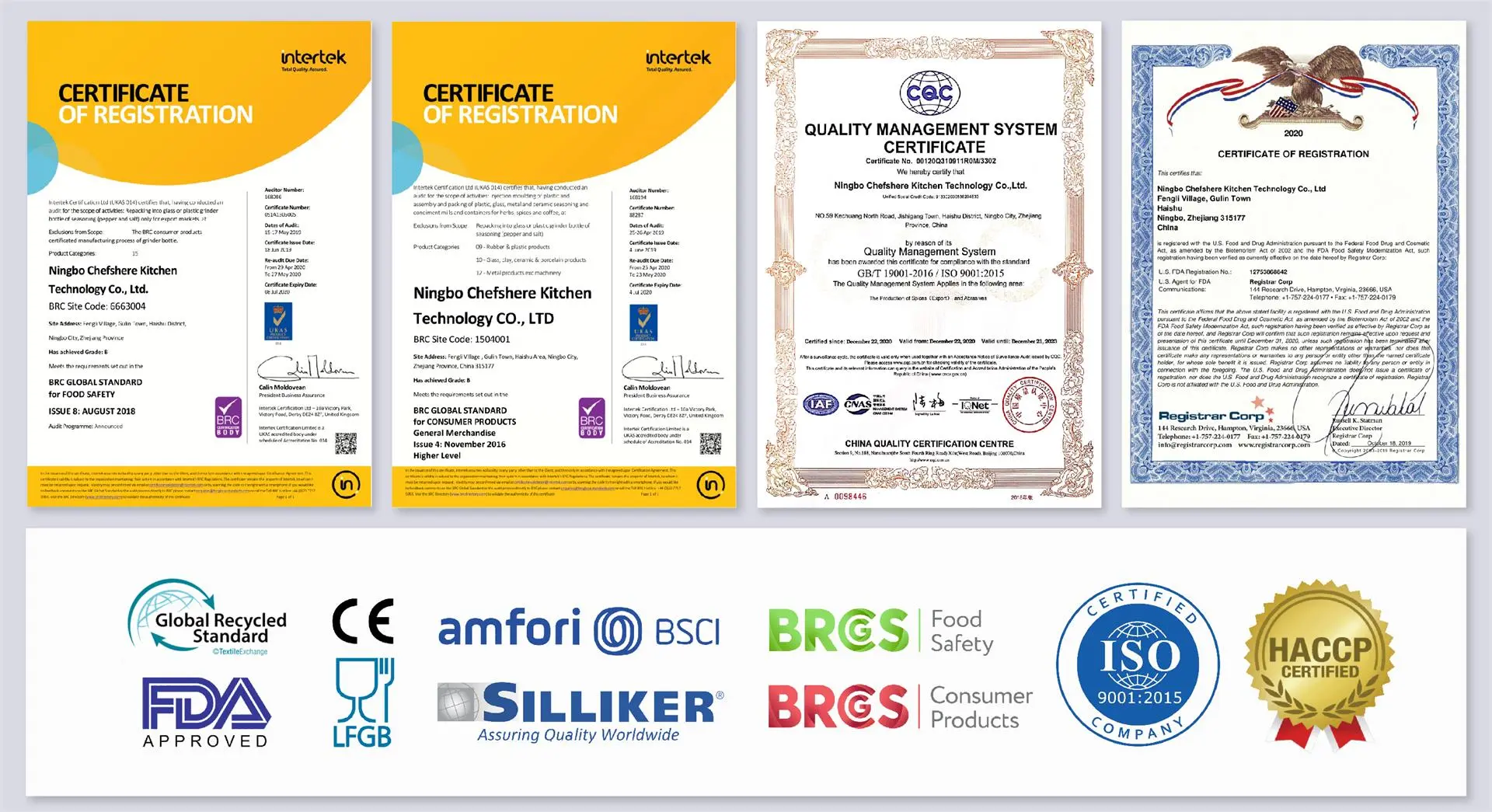
Working with top-tier international testing organizations like SGS, TÜV, and Intertek, our material selections comply with LFGB and FDA requirements. This ensures that every shipment meets the compliance needs of markets in North America, Western Europe, and East Asia.
B2B Sourcing Framework: Cost Matrix & Customization Variables
Understanding commercial pricing mechanics is critical for procurement operations. The unit cost of premium oil drizzlers and grinding instruments depends on three main variables: raw materials, manufacturing complexity, and regulatory compliance standards.
Material Selection Impact
High-borosilicate glass and 304 stainless steel offer superior structural and chemical performance compared to soda-lime glass or base polymers, impacting unit pricing accordingly. PP copolymers provide excellent chemical compatibility for sprayers, while ceramic cores are the standard for premium grinders.
Automated Customization
Unit pricing structures scale efficiently as production runs increase. Customizing injection molds, screen printing brand logos, and developing bespoke corrugated packaging options introduce upfront NRE (Non-Recurring Engineering) expenses that amortize over larger order volumes.
Regulatory Compliance
Ensuring compliance with LFGB and FDA food-grade regulations requires ongoing batch testing and tracing. Brands importing into highly regulated jurisdictions benefit from these protocols, which protect against customs holding and liability risks.
Technological Case Study 1: Red Dot Award-Winning Bird Spout Oil Dispenser
The Challenge: Historically, standard oil bottles suffer from chronic dripping, leading to sticky containers, messy tabletops, and accelerated oil oxidation due to poor sealing mechanisms. Consumers require a seamless, single-handed pouring experience that maintains cleanliness throughout extended use cycles.
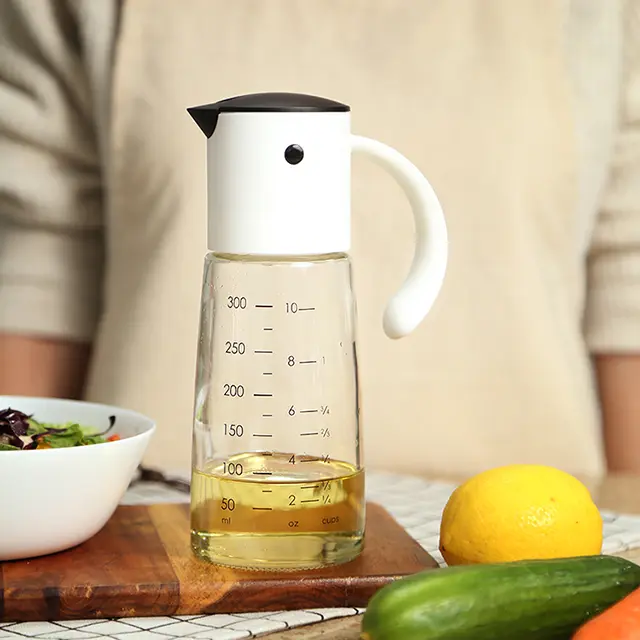
The Solution: Chinagama designed a gravity-fed pouring mechanism built into a sleek bird-spout profile. The lid automatically retracts when the container is tilted at a pouring angle, utilizing a carefully balanced counterweight. When returned to a vertical position, the lid reseals, preventing spills and reducing exposure to oxygen.
The Engineering Behind It: The structural assembly relies on food-safe polymers and high-grade stainless steel components. The design maintains consistent performance across various oil viscosities (from thin grapeseed oils to dense premium olive oils), preventing blockages and ensuring a clean pour.
Technological Case Study 2: Materials Engineering in Oil Mist Sprayers
The Challenge: While working with a prominent international kitchenware brand, our engineering team identified stress cracking in traditional oil spray heads made from PMMA and ABS polymers. Exposure to vegetable lipids caused rapid material degradation and mechanical failure in the pressurized spray assembly.
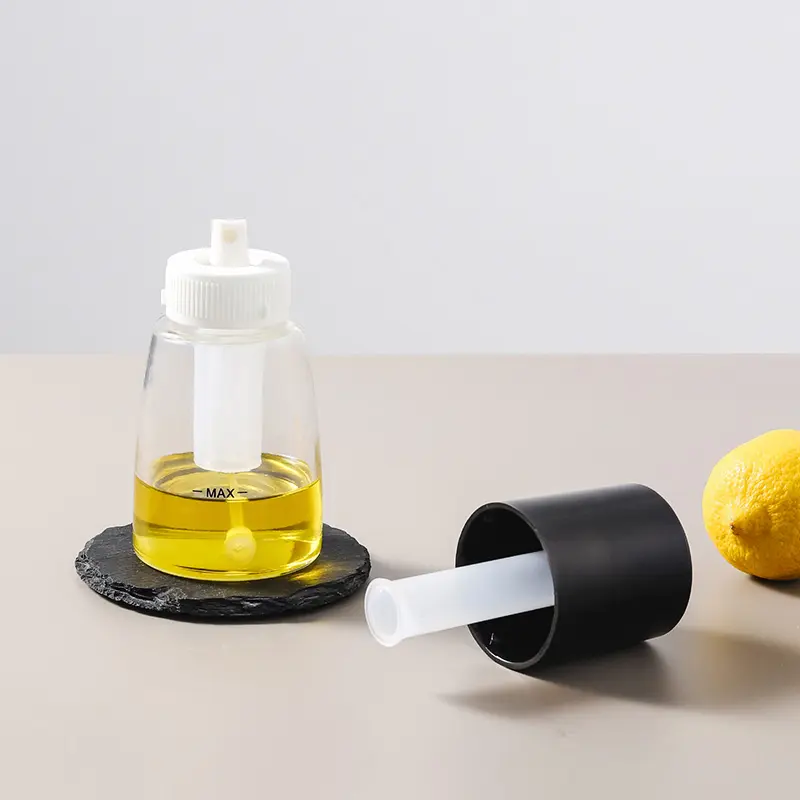
The Solution: Through laboratory stress-testing and chemical compatibility analysis, Chinagama replaced the problematic PMMA/ABS parts with high-grade, non-toxic, stress-resistant PP (Polypropylene) copolymer. This change preserved the mechanical integrity of the internal components and ensured long-term durability.
The Engineering Behind It: The interior pump mechanism utilizes a custom nozzle geometry that delivers a fine, consistent mist without chemical propellants. By switching to high-durability PP, we eliminated stress-fracturing and ensured structural reliability under pressure.
Our Journey: A Timeline of Industrial Innovation
Inception & Global Trade Foundations
Chinagama started its journey, focusing on international kitchenware trade and building relationships with global distributors and retail networks.
Strategic Pivot to Advanced Production
Driven by a focus on quality, we transitioned from trade to direct manufacturing. This allowed us to control material selection and integrate precision manufacturing processes.
Food-Grade Facility Expansion
We established a standardized, modern food-grade factory. The facility integrated dust-free assembly zones, robotic injection molding machines, and systematic quality inspection protocols.
National High-Tech Enterprise Recognition
Chinagama was certified as a National High-Tech Enterprise. This period marked a rapid increase in patent applications and design awards, including honors from Red Dot and iF.
Sustainable Design and Technical Innovation
We continue to develop eco-friendly designs, utilizing natural bamboo, glass, and recyclable polymers. We support over 150 leading kitchenware brands worldwide.
R&D Mission & Advanced Delivery Capabilities
Our design philosophy focuses on balancing aesthetics with long-term functionality. To succeed in diverse global markets, we study regional consumer preferences. For example, North American markets show a preference for modern, high-capacity brushed stainless steel finishes, while Northern European markets favor minimalist wood finishes and borosilicate glass.
In-House Tooling and Rapid Prototyping
By operating our own mold shop and using CNC machining, we can turn custom designs into physical prototypes within short development windows. This capability helps our partners reduce time-to-market, allowing them to capitalize on emerging market trends ahead of the competition.
Rigorous QA Protocols
Every batch undergoes testing protocols, including mechanical cycle tests, leak testing for liquid dispensers, drop tests, and chemical extraction tests for food-contact safety. This ensures our products perform reliably in both domestic and professional kitchens.

Global Sourcing Roadmap & Market Outlook
The culinary tools sector is moving toward sustainability, ergonomic design, and material safety. Understanding these shifts helps brands keep their product pipelines aligned with future demands.
Eco-Friendly Packaging & Materials
Consumers actively seek out alternatives to single-use plastics. Sourcing structures that incorporate natural wood, high-borosilicate glass, and biodegradable packaging helps brands build loyalty with eco-conscious demographics.
Multi-Use Culinary Tools
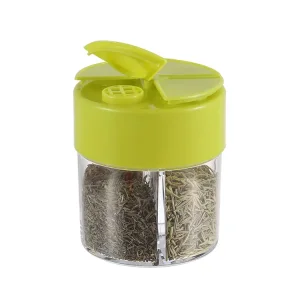
Modern kitchens benefit from versatile tools. Dual-chamber grinders, combination drizzler/sprayers, and portable, stackable spice sets maximize kitchen efficiency while minimizing storage requirements.
Regulatory Compliance Needs
Global regulatory bodies are tightening food-contact material safety standards. Working with a manufacturer that conducts regular raw material testing helps brands maintain smooth importing and retail compliance.
Sourcing FAQs: Industrial & Material Compliance
Detailed technical and commercial answers to help procurement managers optimize their sourcing pipelines.
Explore Our Complete Commercial Product Range