 Chinagama
Featured Smart Kitchenware & Dispenser Lineup
Explore our elite class of OEM/ODM products engineered with high food-grade integrity and precision mechanisms.

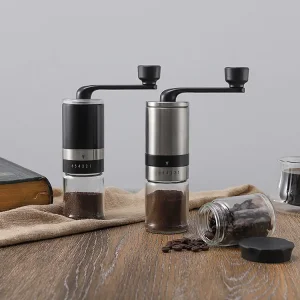
Custom Manual Wooden Salt and Pepper Grinder with Adjustable Burr
View Details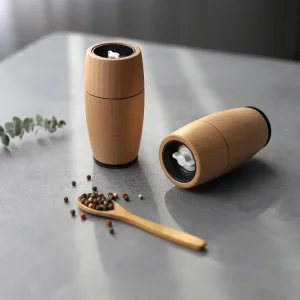
ODM Customized Wooden Spice Grinder
View Details
ODM Vintage Salt And Pepper Grinders
View Details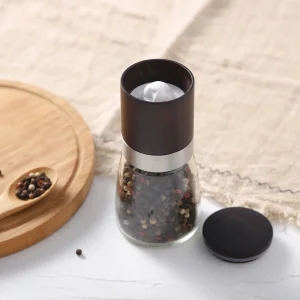
ODM Compact Wooden Spice Grinder
View Details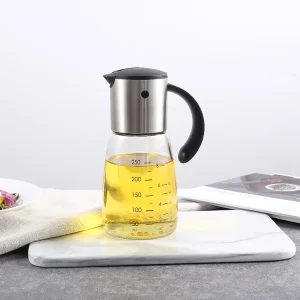
ODM Custom Auto Flip Olive Oil Dispenser Product, Exporter
View Details
Custom Wooden Electric Salt And Pepper Shakers
View Details
OEM Personalized Pepper Grinder Metal Set with Base Manufacturer
View Details
China ODM Customized Glass Oil Mist Sprayer Service, Exporter
View DetailsUnderstanding the Modern Gravity Oil Dispenser Landscape
The global culinary hardware sector is undergoing a massive transition. No longer are commercial kitchens and residential culinary hubs content with simple, static bottles. Instead, gravity oil dispensers with auto-flip mechanisms have emerged as the gold standard of oil preservation and pour control. A gravity oil dispenser uses counterweight physics to automatically open its spout when tilted and seal it instantly when returned to an upright position. For high-volume food businesses and high-end consumer brands, choosing the right custom gravity oil dispenser factories can define their brand value and competitive differentiation.
From a global procurement standpoint, sourcing culinary ware involves understanding the fine margins of hardware design, raw material engineering, and international food-contact compliance. This white paper serves to outline the micro-innovations, manufacturing pathways, and commercial dynamics driving today's top-tier gravity dispenser factories.
The Search for Information Gain: Why Factory Sourcing is Evolving
Experienced importers no longer ask simple pricing questions. True competitive advantage comes from identifying factories that possess in-house R&D engineering departments, clean-room assembly lines, and documented validation protocols for high-stress polymers and non-corrosive metals. This report uncovers the details behind material failure modes, stress-cracking mitigation, and mechanism design.
Chinagama: Pioneering Culinary Innovations
Leveraging decades of specialized research and state-of-the-art production pipelines.

The Pursuit of Premium Kitchenware Production
Established in 1997, Chinagama began its journey primarily focused on international kitchenware trade. Recognizing the critical need for proprietary technology and consistent manufacturing quality, the company shifted from trade to production in 2003. This pivotal change led to the development of a modern, food-grade manufacturing plant in 2012. Our relentless innovation earned us recognition as a certified High-Tech Enterprise in 2015.
Today, our product range spans customized spice grinders, electric shakers, coffee grinders, and gravity oil dispensers. Through decades of dedication, our catalog has earned prestigious global recognition, including the Red Dot Design Award and the iF Design Award, highlighting our capacity to harmonize function and aesthetic elegance.
Global B2B Procurement & Value Proposition
Why mid-to-high-end brands prioritize certified manufacturing ecosystems over basic assembly workshops.
IP Protection & Patent Support
Top-tier factories provide solid IP protection frameworks. With over 300 active patents, Chinagama protects its clients' market monopolies through structural exclusivity.
Compliance & Certifications
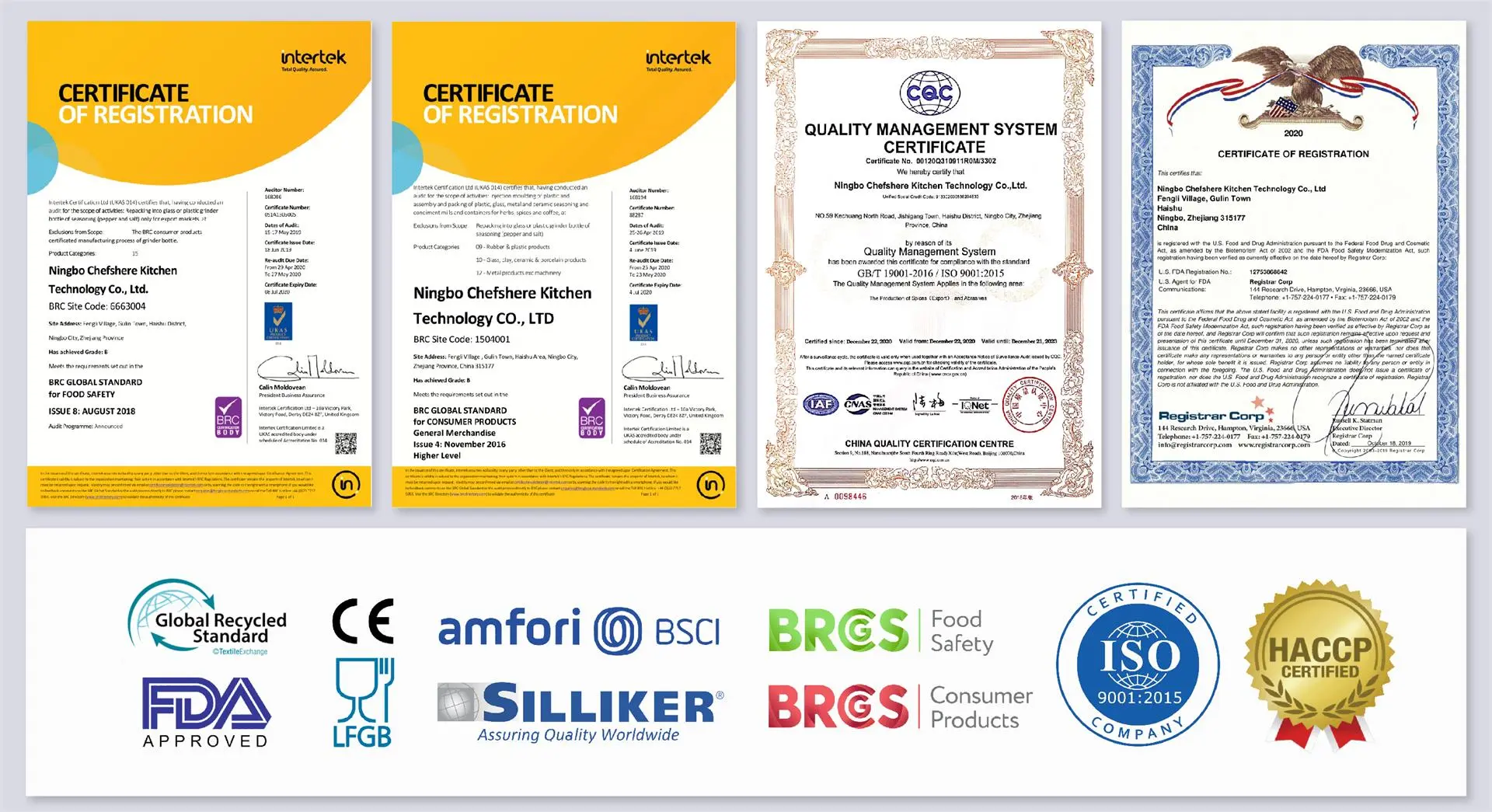
Access to international markets requires strict compliance. High-tier factories subject their outputs to testing from SGS, TUV, and Intertek to satisfy LFGB, FDA, and REACH criteria.
Continuous R&D Innovation
A dedicated design unit allows brands to introduce seasonal modifications, custom color palettes, and ergonomic shapes to counter changing consumer tastes.
Strict Quality Control Protocols
A superior kitchenware factory sets itself apart through its QA/QC infrastructure. Every stage of manufacturing, from polymer granulation to automated assembly, undergoes rigorous checks. Incoming raw glass material is scanned for tensile anomalies and micro-fissures. Metal components undergo salt-spray chambers to prove rust resistance, while silicone seals face thermal cycles to verify they maintain structure under temperature changes.
By conducting internal factory audits aligned with ISO 9001 and BSCI standards, Chinagama guarantees that every batch maintains high consistency. This minimizes returns and customer complaints for high-volume retail buyers worldwide.
Material Science: Overcoming ABS/PMMA Stress Cracking
A major quality challenge in gravity oil dispenser manufacturing involves polymer degradation from vegetable oils. Over-the-counter materials such as ABS (Acrylonitrile Butadiene Styrene) and PMMA (Polymethyl Methacrylate) are commonly used due to their transparency and ease of molding. However, when these polymers come into long-term contact with fatty acids (such as oleic and linoleic acids found in olive oil), they experience Environmental Stress Cracking (ESC).
ESC causes structural cracking and chemical leaching, creating functional failures and safety concerns. Through extensive testing, our engineering department addressed this by transitioning critical components to Polypropylene (PP) and Tritan copolyester. These materials provide high chemical inertness, maintaining elasticity and structural integrity even under high-stress conditions.
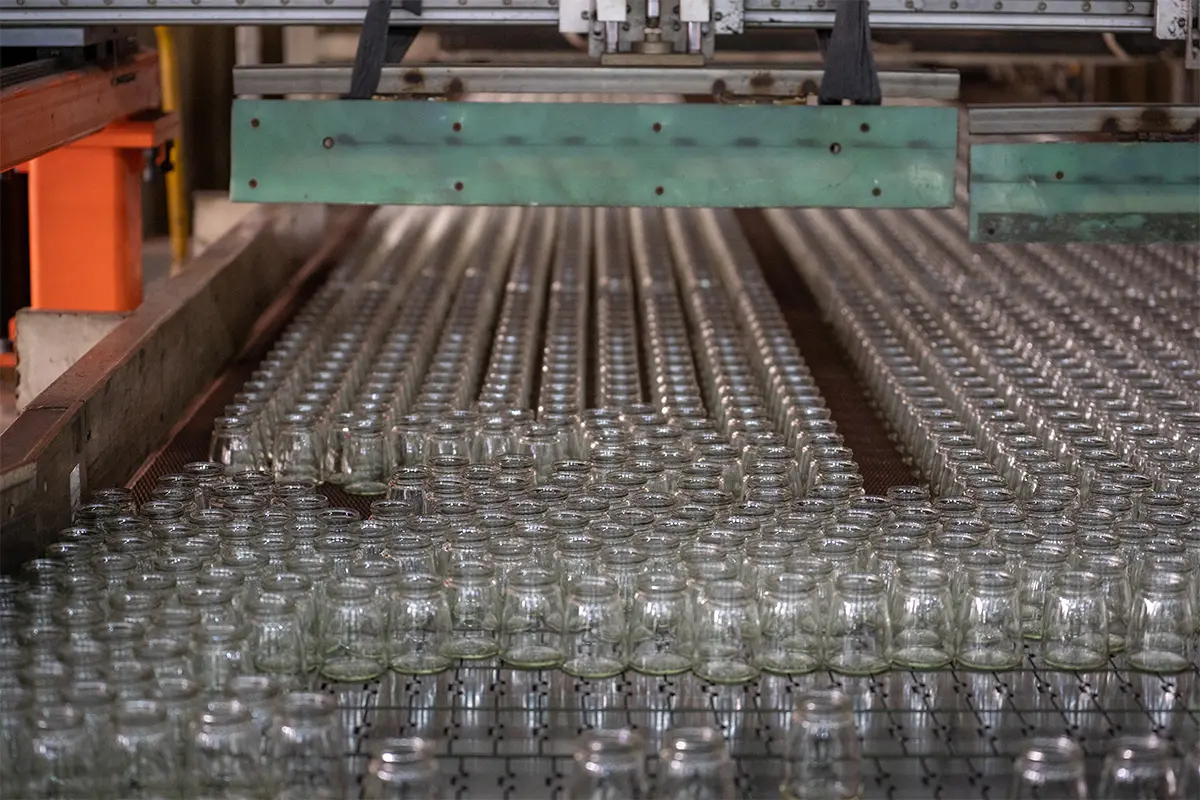
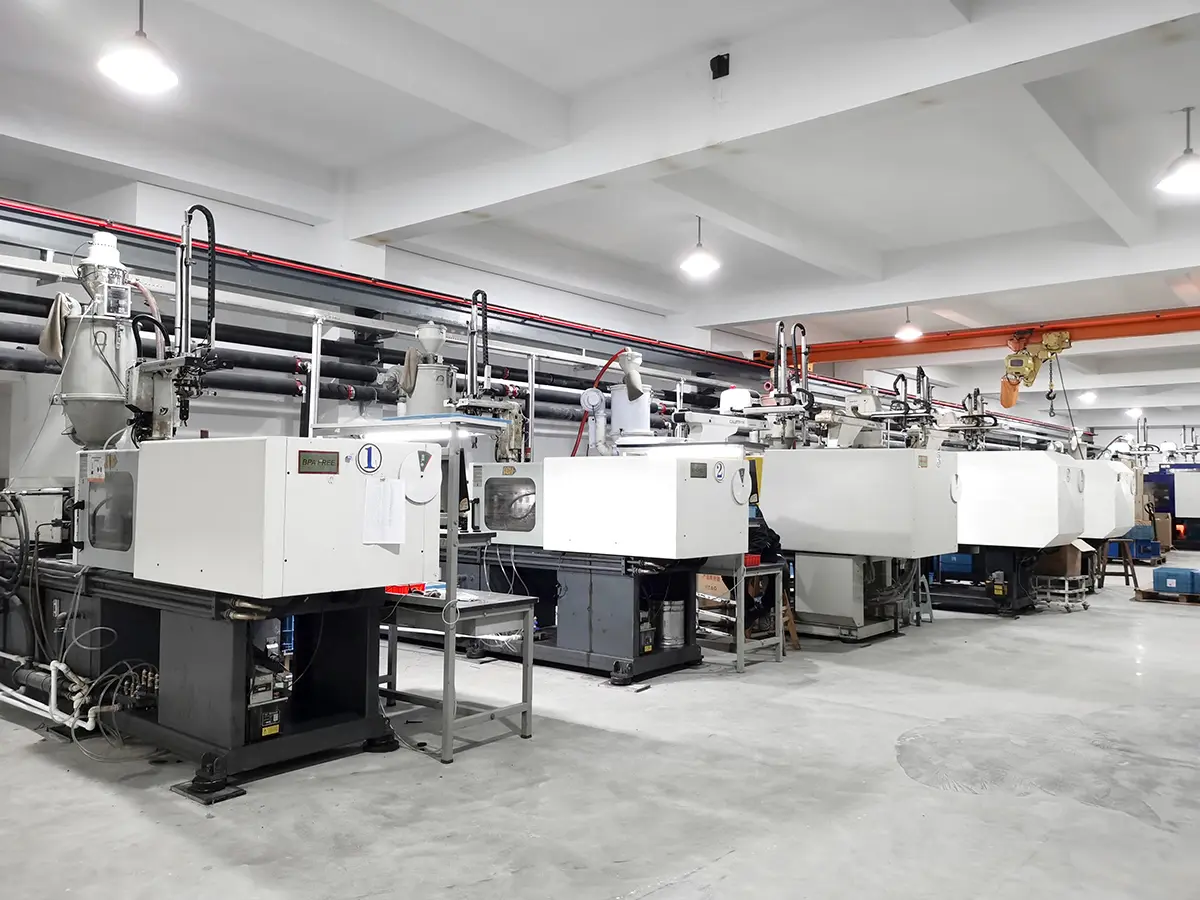
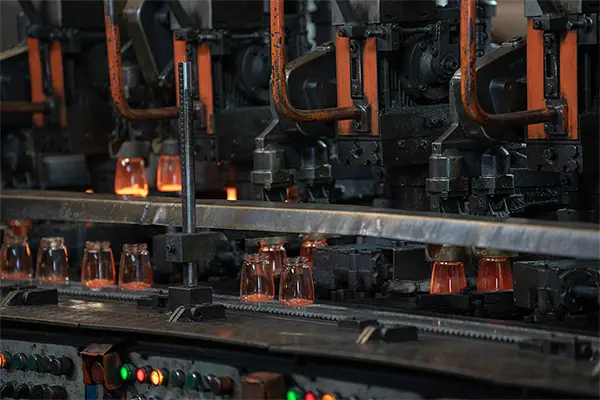
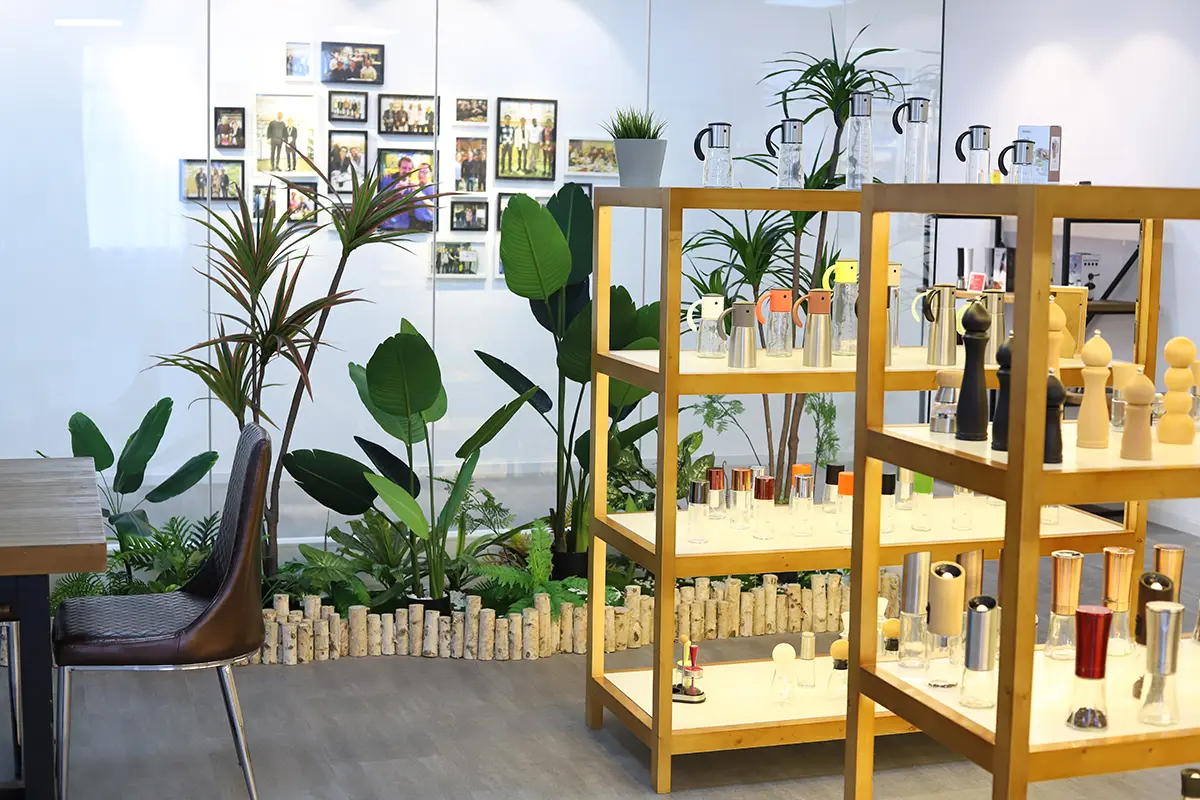
Our facility houses high-precision injection molding machinery and automated packing systems. In this clean space, our technicians oversee the manufacturing process using real-time quality diagnostics, ensuring the production of high-quality kitchenware.
Industrial Evolution Chronology
How a dedicated enterprise transitioned into an international industry leader.
Technical Success & Collaborative Projects
Detailed analysis of engineering challenges solved by our R&D teams.
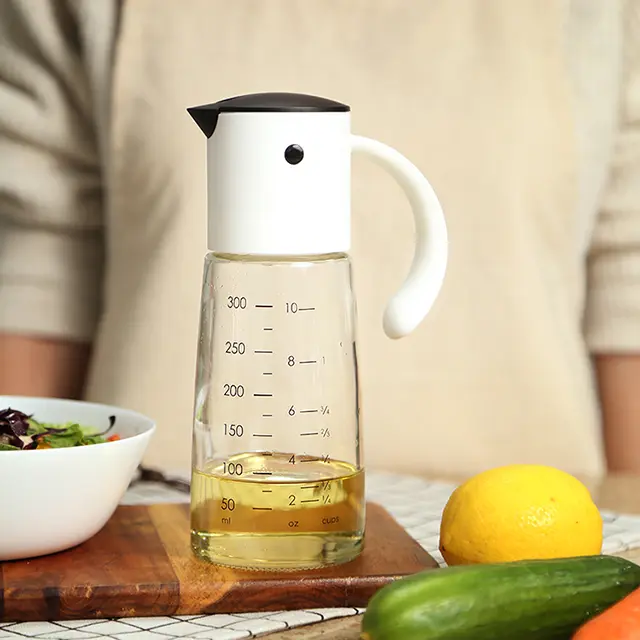
The Award-Winning Bird Spout Gravity Dispenser
Background: Market trends highlighted growing demand for single-handed kitchen tools. Traditional oil pourers required manually lifting caps or dealing with messy drips, which compromised user convenience and cleanliness.
Innovation: Chinagama developed the gravity-fed bird spout oil dispenser. Our engineers designed an internal balance mechanism that operates without external buttons. When tilted, the counterweighted cap swings open automatically; when placed flat on the table, it seals instantly. This design earned a Red Dot Design Award and remains a top-performing product in our oil dispenser collection.
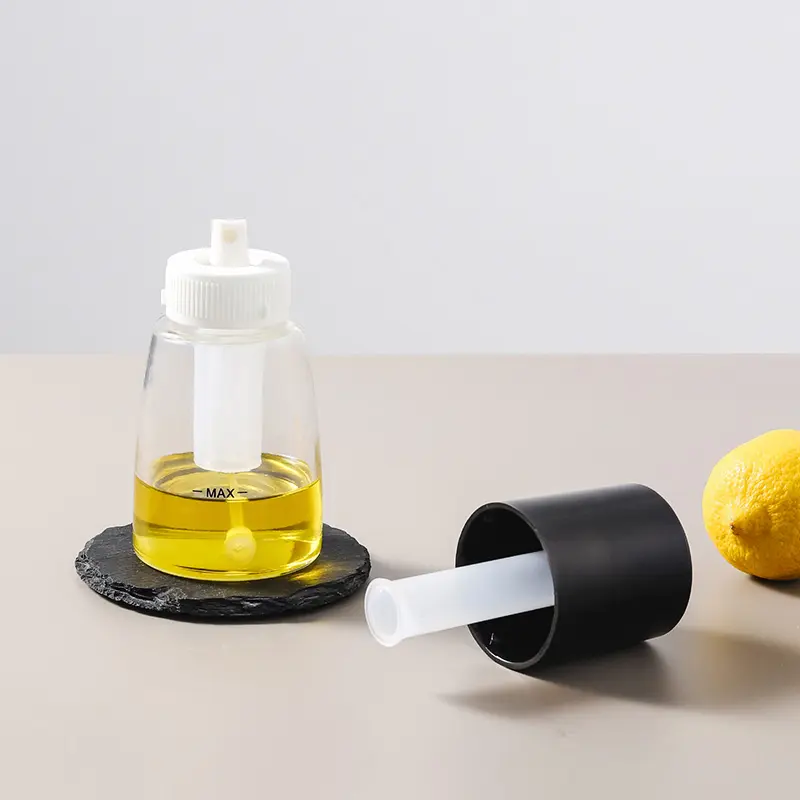
Collaborative Oil Mist Sprayer Project
Challenge: Partnering with a premium global brand, we designed a high-performance oil mist sprayer. Initial prototype iterations using PMMA and ABS resulted in stress-cracking when exposed to high-density vegetable oils under internal pressure.
Solution: Our team resolved the structural issues by transitioning the spray nozzle and reservoir connectors to specialized PP polymers. This material modification eliminated stress-cracking and maintained food safety compliance, securing a successful market launch and boosting the client's market share in the oil mist sprayer segment.
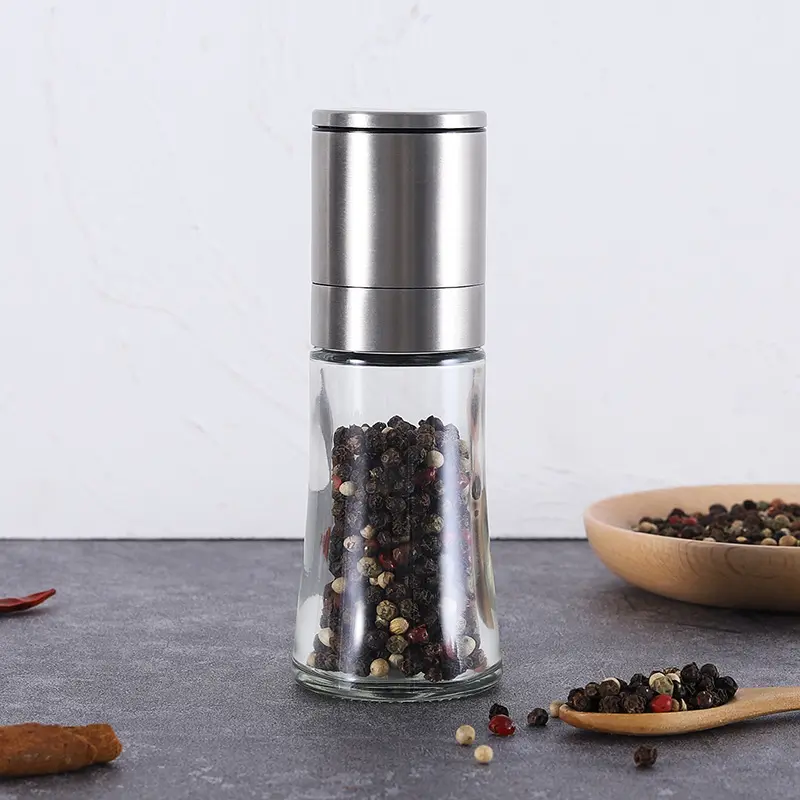
Ergonomic Salt & Pepper Grinder Optimization
Redefining Ergonomics: Traditional manual mills often utilized bulky, heavy shapes that prioritized styling over practical handling. Our engineering team designed a slim, straight silhouette to improve user grip.
Engineering: We integrated high-hardness ceramic burrs and a robust rotor mechanism, allowing users to select their grind size with ease. This combination of ergonomics and reliability made the grinder popular with premium retailers and consumers alike.
General Culinary Hardware Customization
Alongside specialized grinders and dispensers, our manufacturing ecosystem produces custom soap dispensers, modern kitchen organizers, and related tools. We help brands maintain design consistency across their product portfolios.
Global Delivery: Backed by structured supply chains and QC systems, we ensure timely container shipments to destination ports worldwide. Our team assists clients from initial 3D prototypes through to final product packaging.
Technical Roadmap: The Future of Culinary Dispensation
Culinary dispensing design is shifting toward smart controls, high eco-compatibility, and clean-pour technologies. Top-tier manufacturers must stay ahead of these trends to help brands protect their market positions. The upcoming generation of dispensers will incorporate three main innovations:
- Flow Control Mechanisms: Integrating flow adjustments directly into gravity caps, allowing users to choose precise pouring amounts for varying oil viscosities.
- Bio-Based & Biodegradable Polymers: Developing structures using bio-based materials that offer the durability of traditional plastics while reducing environmental impact.
- Smart Volume Tracking: Researching low-energy sensors to monitor product volume and usage patterns, helping commercial kitchens track oil consumption.


Frequently Asked Questions (FAQ)
Answers to common manufacturing, design, and regulatory compliance questions for B2B buyers.
Q: What is the typical Minimum Order Quantity (MOQ) for custom gravity dispensers?
A: The standard MOQ for custom color ways and branded prints starts at 3,000 units. For fully customized configurations requiring brand-new molds, the MOQ begins at 10,000 units, depending on the complexity of the design.
Q: How do you prevent oil leakage during high-temperature shipping container transit?
A: We use high-precision silicone gasket gaskets with heat-resistant properties up to 120°C. This ensures consistent sealing pressure and prevents leakage during changes in container temperatures.
Q: Are the materials used in your products LFGB and FDA approved?
A: Yes, all material grades used (high-borosilicate glass, food-grade PP, stainless steel, and ceramic grinding cores) undergo regular third-party inspections to meet LFGB and FDA food-safety criteria.
Q: Can you develop custom designs and prototypes from 3D models?
A: Yes, our in-house R&D department handles design processes from initial 3D conceptualization to functional 3D printing and tooling production.
Q: What testing procedures do gravity mechanisms undergo before packaging?
A: Every batch undergoes tilt tests to verify spout responsiveness, cycle fatigue testing for hinge durability, and pressure seal tests to ensure leak-free performance.
Q: What are your payment terms and typical factory lead times?
A: Our standard terms are 30% deposit with 70% balance due against the Bill of Lading (B/L). Factory lead times average 35 to 45 days after deposit validation and design approval.
Advanced Grinding & Dispensing Solutions
Explore additional precision-engineered designs for international retailers and kitchenware distributors.
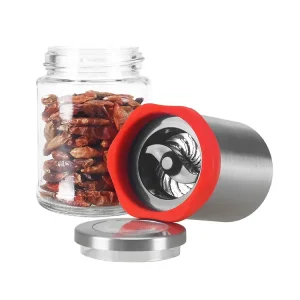
Wholesale Bulk Portable Stainless Steel Chili Grinder Service, Quotes
View Details
Custom 18/8 Stainless Steel Giant Salt And Pepper Mills
View Details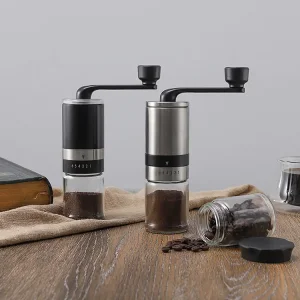
Custom Bulk Manual Coffee Grinder with Plastic Handle Products
View Details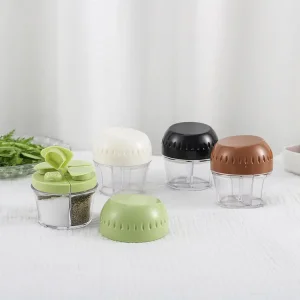
Custom 4-Compartment Spice Shaker with Independent Dispensing Lids
View Details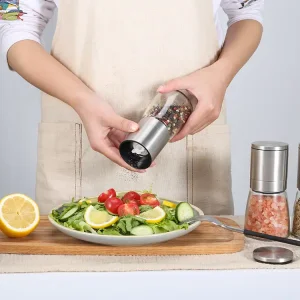
ODM Custom Metal Manual Salt and Pepper Grinder
View Details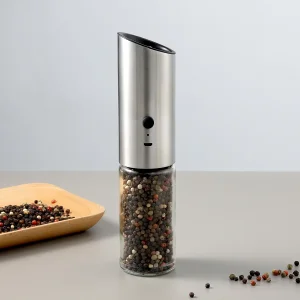
Wholesale Rechargeable USB Gravity Salt and Pepper Grinder
View Details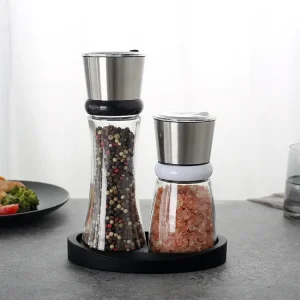
Best Supports Customized Ergonomic Herb Grinder Set Quotes
View Details