 Chinagama
Featured Precision Culinary Hardware
High-quality kitchenware built to exceed international standards, serving leading Global Brands and Importers.

Wholesale Breakfast Tools Honey Jam Glass Jars with Spoon
Explore Specs
ODM OEM&ODM Glass Olive Oil Dispenser Manufacturers, Manufacturer
Explore Specs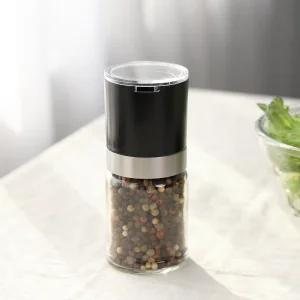
Wholesale Portable Dry Spice Grinder
Explore Specs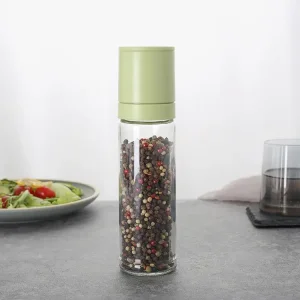
CE Certification Bulk Sale Big Spice Grinder Supplier, Factories
Explore Specs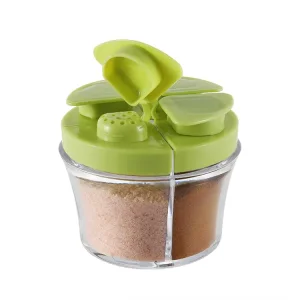
ODM Customized Sprinkler Bottle For Spices
Explore Specs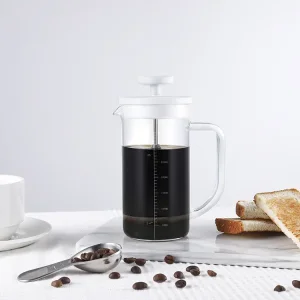
CE Certification Bulk Sale Stylish Glass French Press Product, Factories
Explore Specs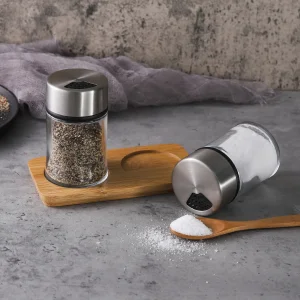
OEM Bulk Sale Salt And Pepper Shaker Set with Bamboo Base Manufacturer, Companies
Explore Specs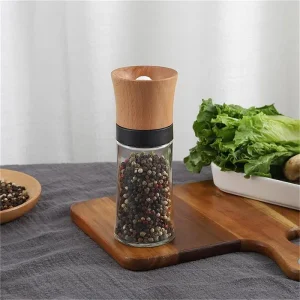
Wholesale Customized Wood Spice Grinder by Hand
Explore Specs1. Global Commercial Landscape: The Spice & Herb Mills Industry
The consumer preference for fresh culinary flavors has transformed the spice grinder from a luxury item to an essential retail product. Modern food science and gastronomy confirm that volatile essential oils within peppercorns, pink salt minerals, and exotic spices deteriorate rapidly once pre-ground. Consequently, premium household brands, luxury gourmet grocers, and B2B hospitality businesses require highly durable, cost-effective grinding mechanisms to unlock true flavor profiles on-demand.
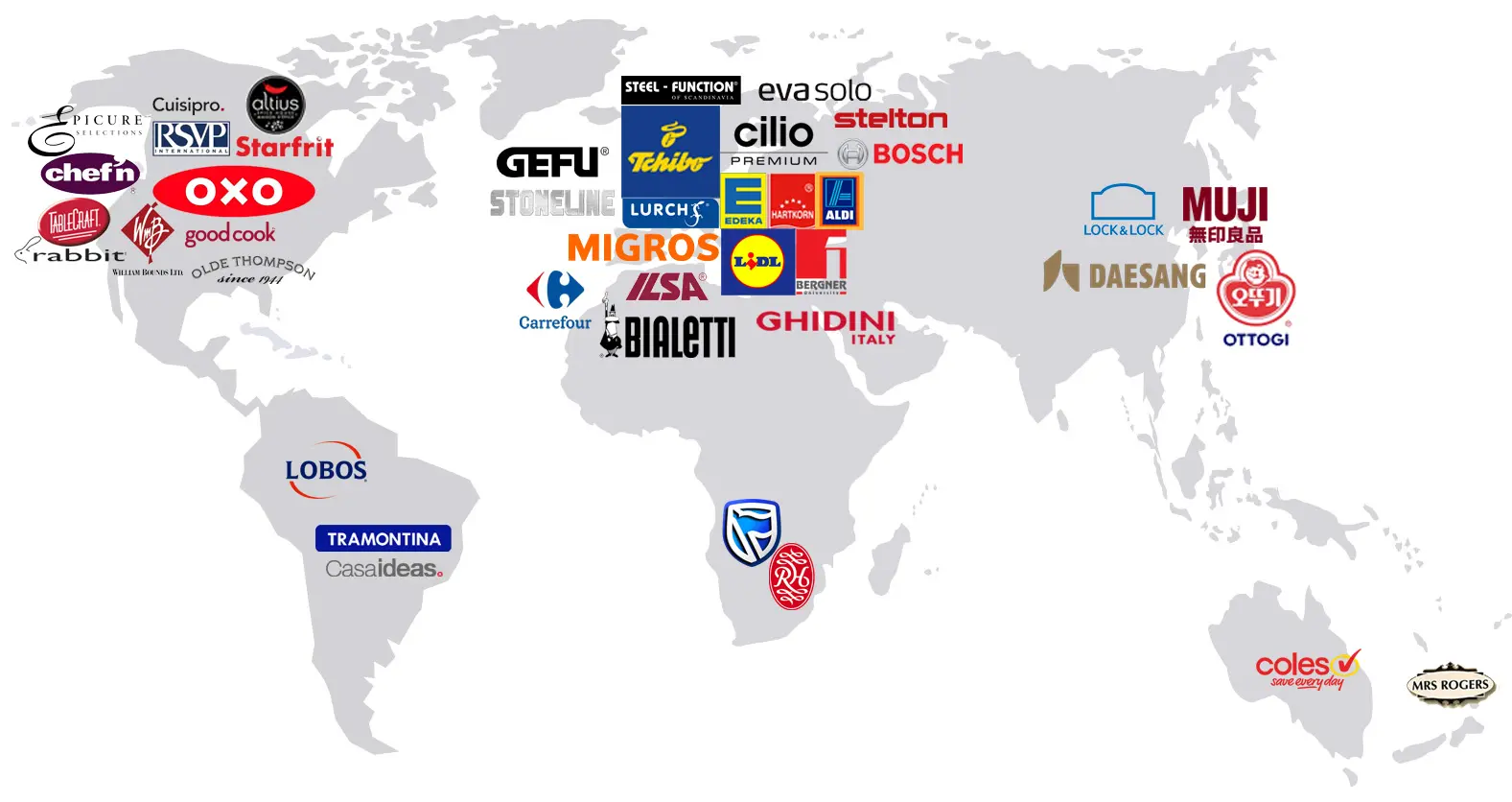
Global demand is driven by the convergence of home culinary enthusiasm and institutional requirements. Importers in North America, Western Europe, and Asia-Pacific require suppliers capable of scaling production while offering bespoke aesthetic design options. In this context, China-based manufacturers have evolved from simple packaging suppliers into full-service engineering hubs, providing design innovation, regulatory compliance, and scalable logistics. This whitepaper analyzes how high-performance grinding engineering, smart material selections, and advanced manufacturing processes combine to meet this global B2B procurement demand.

2. Material Science: Glass Integrity & Precision Grinding Elements
Exploring the structural design differences between basic plastic and professional ceramic/stainless steel grinders.
Soda-Lime vs. Borosilicate Glass
Industrial glass vessels require careful design calculations. While soda-lime glass is cost-effective, high-grade borosilicate glass offers superior resistance to thermal shock and chemical corrosion. In kitchen environments where temperatures and humidity swing rapidly, borosilicate glass prevents microscopic structural fissures, ensuring the grinder remains structurally stable and highly transparent over years of wash cycles.
Alumina Ceramic Burr Mechanisms
The burr core is the engine of the grinder. High-purity Alumina Ceramic (Al₂O₃) burrs are fired at extremely high temperatures to produce structural elements harder than carbon steel. Ceramic burrs are chemically inert, meaning they will never rust or corrode when grinding moisture-absorbing salt crystals, nor will they alter the natural, delicate flavor notes of black pepper.
Austenitic Stainless Steel & Alloys
For professional-grade electric and premium manual coffee mills, we utilize food-grade SUS304 and SUS316 stainless steels. These alloys provide exceptional tensile strength, impact resistance, and sharp, CNC-machined cutting surfaces, maintaining uniform particle output across thousands of cycles with minimal material wear.
3. Our Commitment to Uncompromising Quality
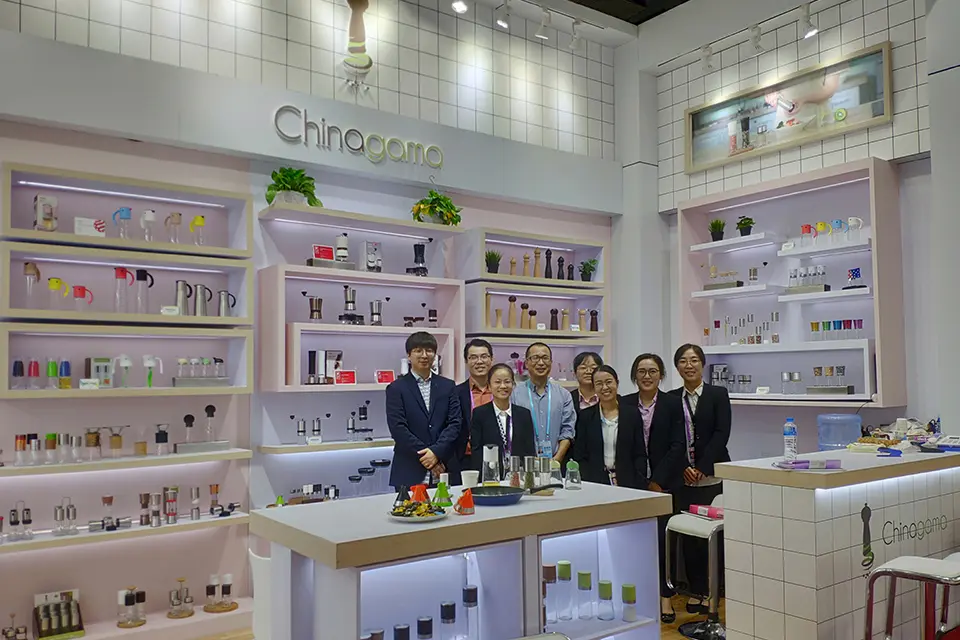
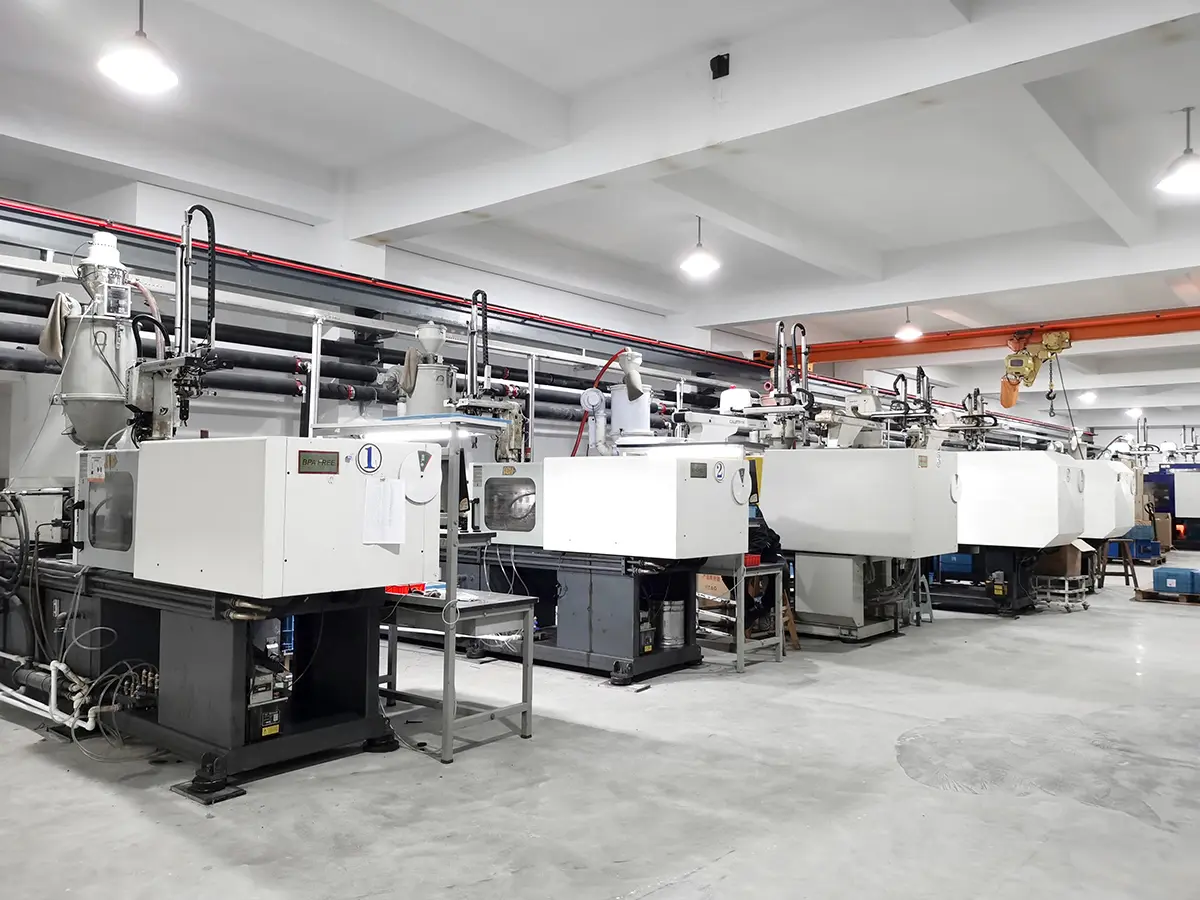
At Chinagama, we believe kitchen tools should balance functional precision and beautiful design. Since our founding in 1997, we have grown from a local operation into a global leader in kitchenware R&D. Our production facilities integrate advanced raw material verification, precision injection molding, and rigorous QA testing.
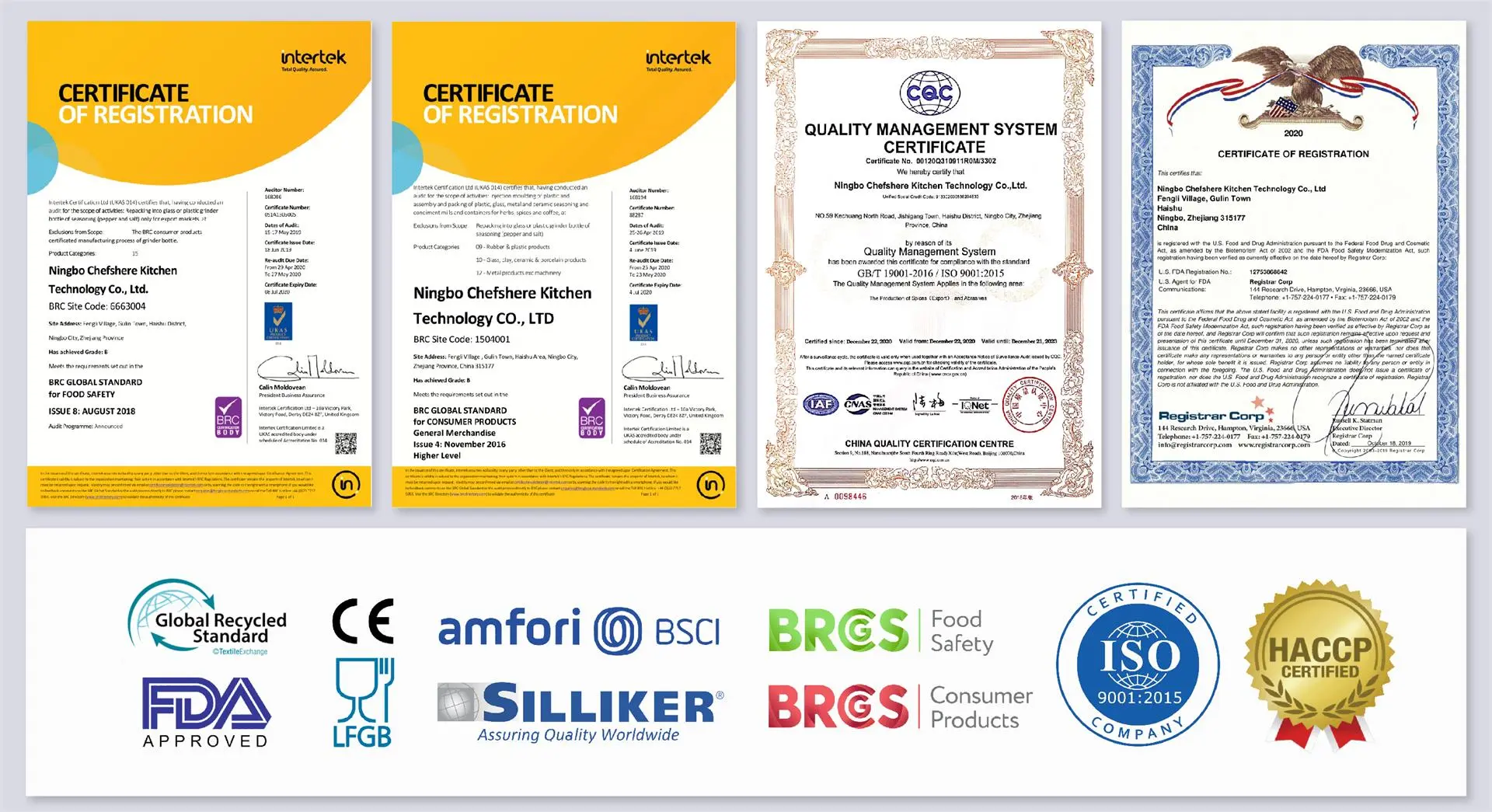
By conducting continuous stress testing, drop testing, and grinding cycle fatigue simulations, we verify the mechanical durability of every component. This focus on reliability has earned our factory recognized certifications, including FDA and LFGB approvals, ensuring complete food contact safety for all export markets.
4. Industrial Evolution & Development History
Our company’s growth mirrors the modernization of China’s advanced kitchenware manufacturing sector:
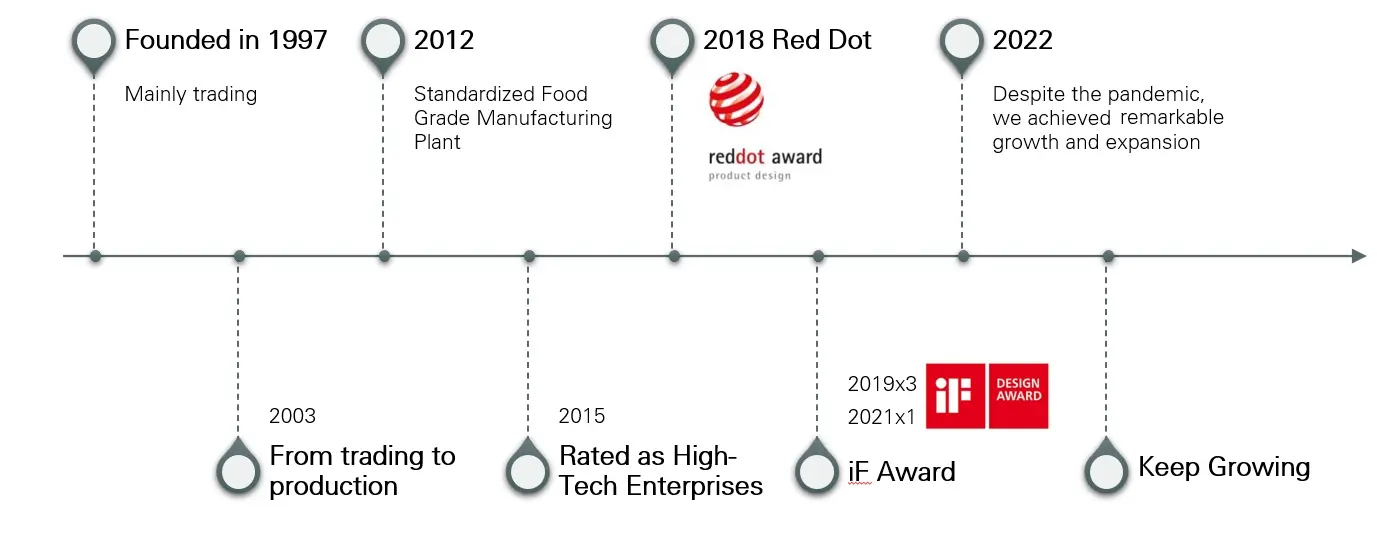
1997 - The Foundation: Chinagama began its journey by managing regional trade services, gaining deep insights into international commercial requirements.
2001 - E-Commerce Expansion: We adopted digital trade systems, opening our doors to direct partnerships with European and North American buyers.
2003 - Strategic Manufacturing Shift: We shifted from pure trade to direct factory production, taking full control of design, material sourcing, and mechanical tolerances.
2012 - Modern Food-Grade Facilities: We established a state-of-the-art, standardized food-grade production facility to ensure strict hygiene and product purity.
2015 - High-Tech Certification: Awarded High-Tech Enterprise status, our design projects have received prestigious honors like the Red Dot Design Award and iF Design Award.


5. Advanced R&D, Equipment & Engineering Systems
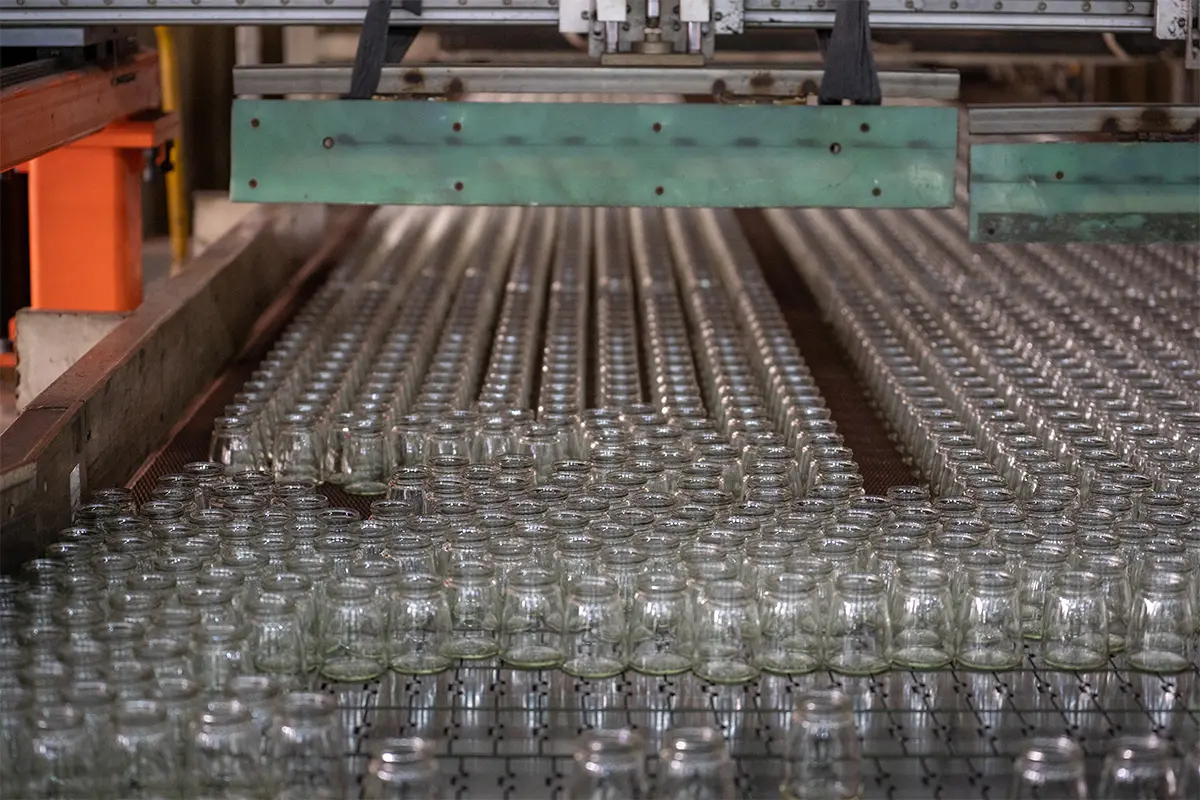
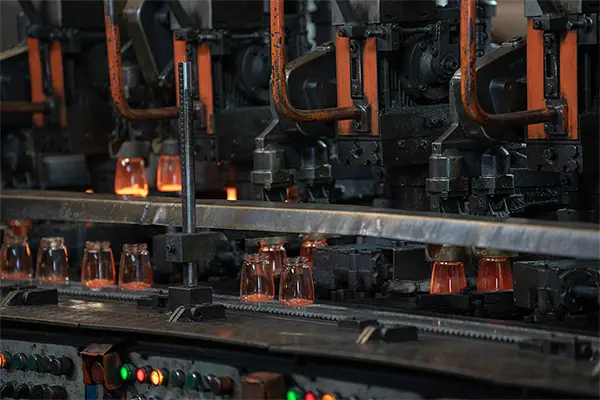
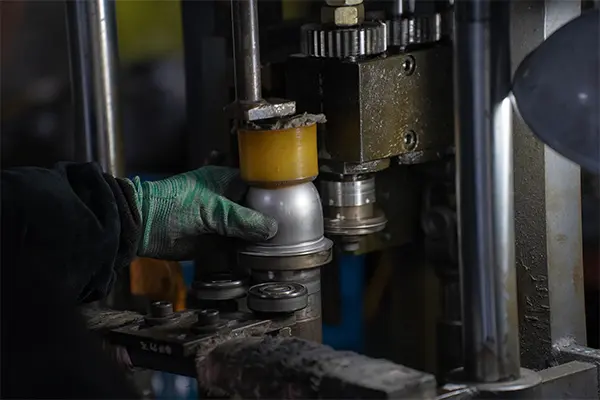
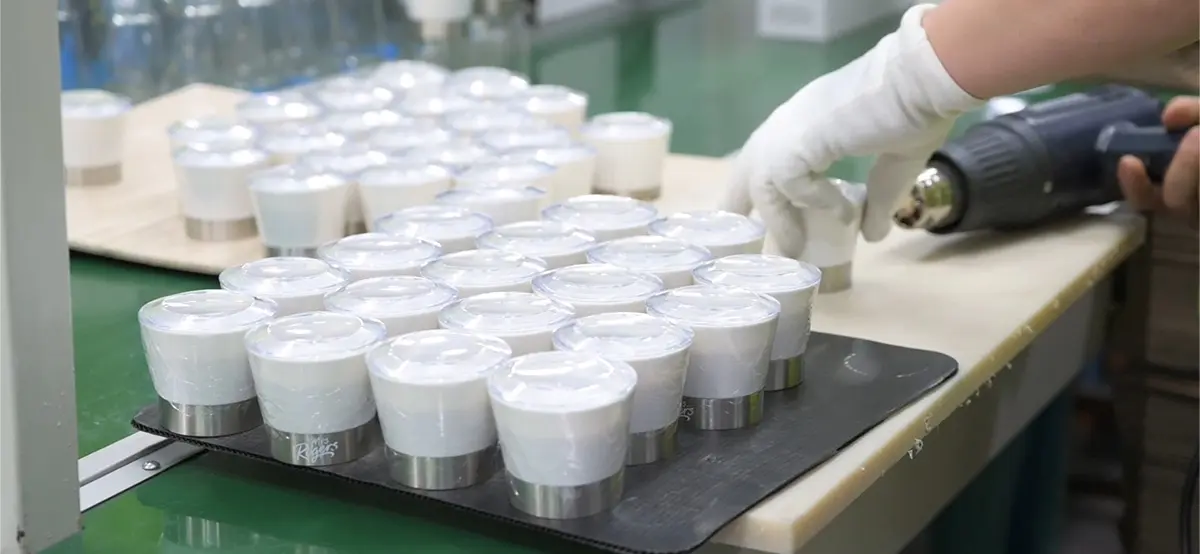
Precision manufacturing relies on high-quality equipment. Our factory houses high-precision tooling machinery, automated assembly systems, and testing equipment that keep us at the forefront of the kitchenware industry.
Our dedicated engineering team continuously tests new designs to improve grinding speed and consistency. Through strict quality gates at every production step, we guarantee that our spice mills and oil dispensers operate reliably from day one.
By blending state-of-the-art manufacturing tech with practical kitchen design, we create tools that look great and perform beautifully in daily home and professional use.

6. OEM & ODM Case Studies: Problem Solving by Design
Exploring three detailed engineering projects where market research, material science, and technical design converged to create award-winning products.
Gravity-Fed Bird Spout Oil Dispenser
Market research revealed that home cooks were frustrated by standard oil dispensers that dripped down the bottle or required manual lids. Chinagama engineered a unique gravitational trigger mechanism that opens smoothly when tilted and seals shut when upright.
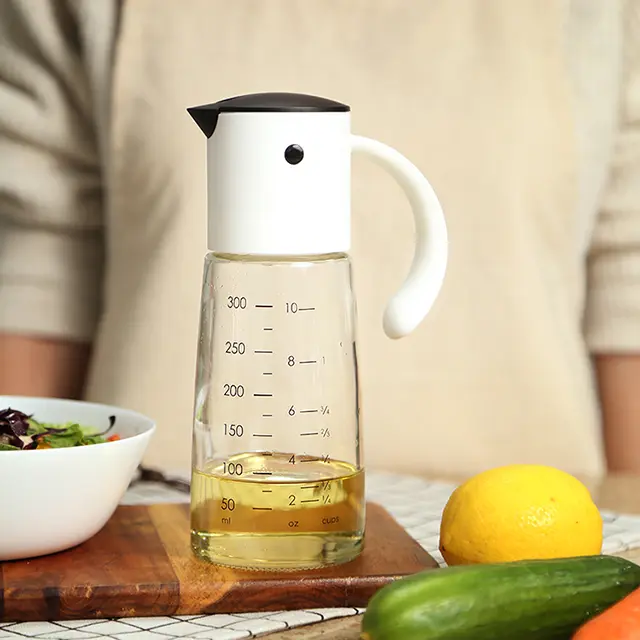
Engineering Solution: We developed an internal counterweight valve system. This gravity-driven mechanism operates smoothly using only one hand and keeps the spout completely drip-free, resulting in a cleaner, more hygienic kitchen experience. The design earned a Red Dot Design Award and remains a top-selling product.
Preventing Stress Cracking in Oil Mist Sprayers
During the design of a high-performance oil mist sprayer for a global kitchenware brand, we encountered a significant challenge: standard ABS and PMMA plastics began micro-cracking when exposed to high-pressure vegetable oils.
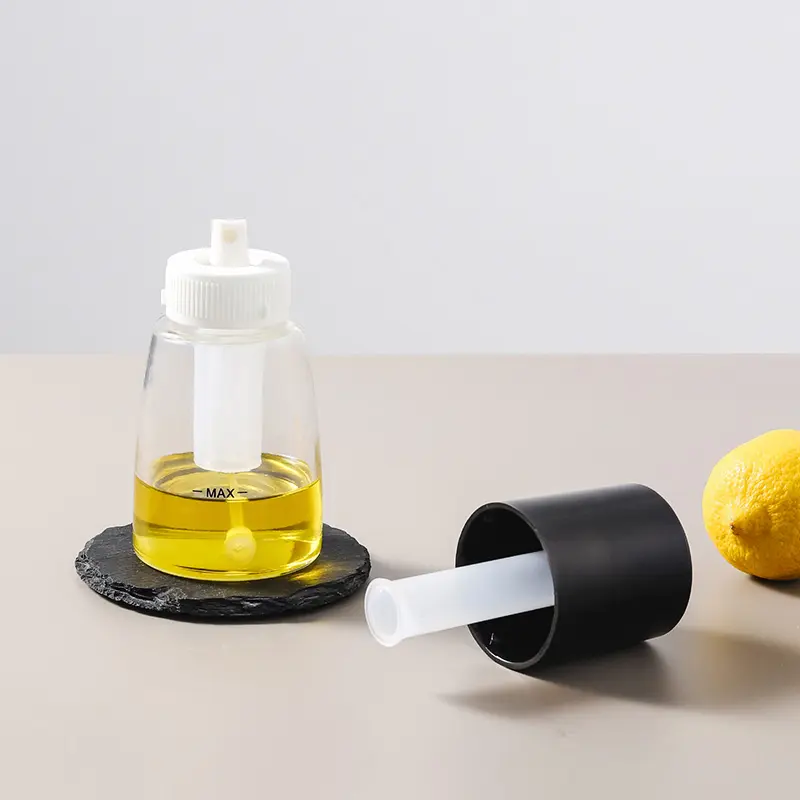
Engineering Solution: After chemical compatibility testing, our materials team replaced standard plastics with food-grade Polypropylene (PP) and Tritan. These materials resist oil-induced stress cracking and maintain clear visibility, creating a safe, durable, and reliable kitchen spray mechanism.
User-Focused Straight Salt & Pepper Grinders
Many traditional spice grinders prioritised styling over ergonomics, resulting in bulky, heavy designs that were difficult to use. Chinagama sought to create a slim, compact mill that was comfortable to hold while maintaining a large spice capacity.
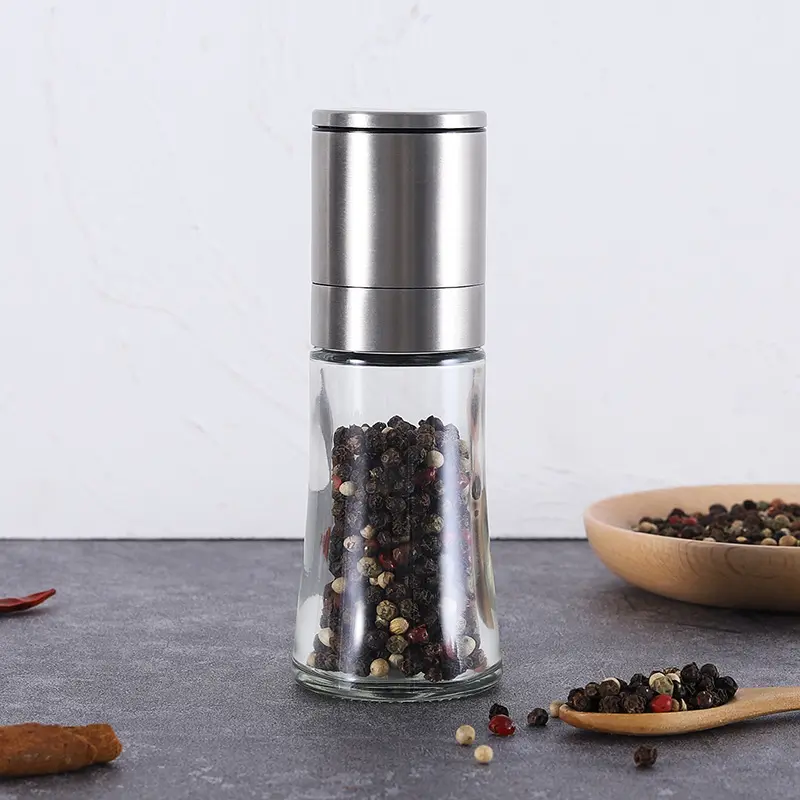
Engineering Solution: Our team developed a compact, integrated ceramic burr core. By optimizing the space inside the grinder body, we maintained a large spice volume in a slim, elegant silhouette. Feedback from global retail partners and home cooks confirms the design’s success.
Extended Kitchenware Collaboration Projects
Expanding beyond grinding mechanisms, we design and manufacture a range of essential culinary tools, including vegetable wash baskets, soap dispensers, and knife sharpeners, helping our global partners build cohesive product lines.
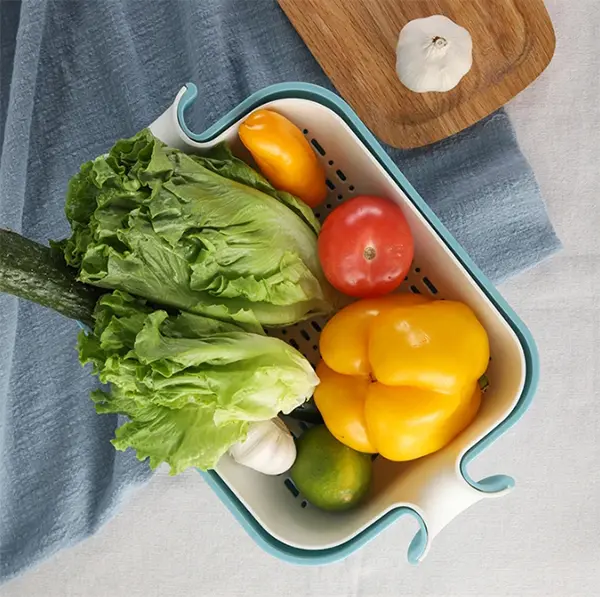
Manufacturing & Logistics: By analyzing market trends and regional aesthetic preferences, we deliver tailored product designs. Our integrated production facilities and logistics networks ensure consistent quality and on-time shipments worldwide.
7. R&D Testing & Technical Standards
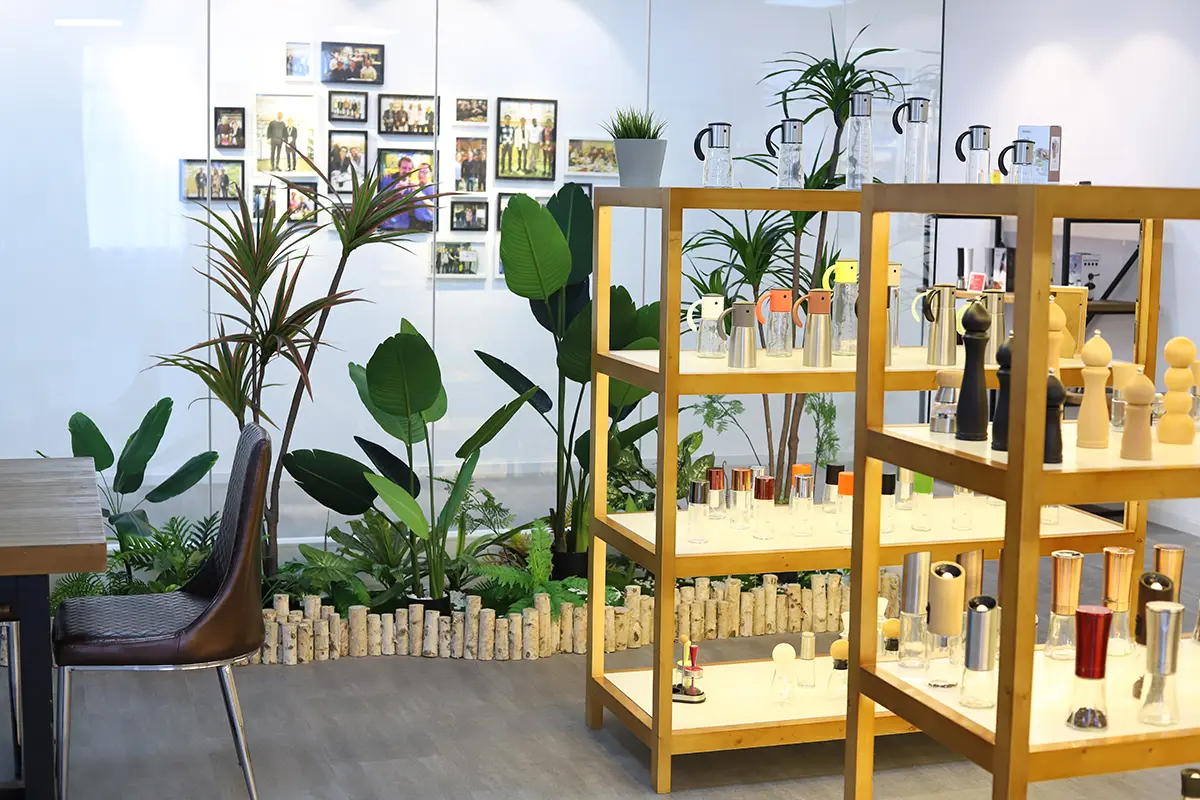
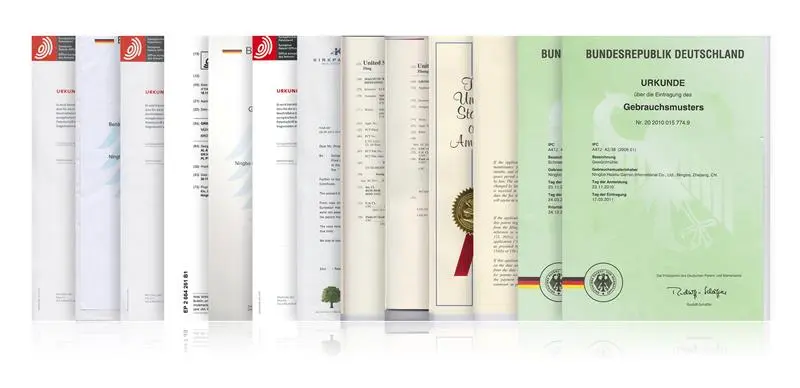
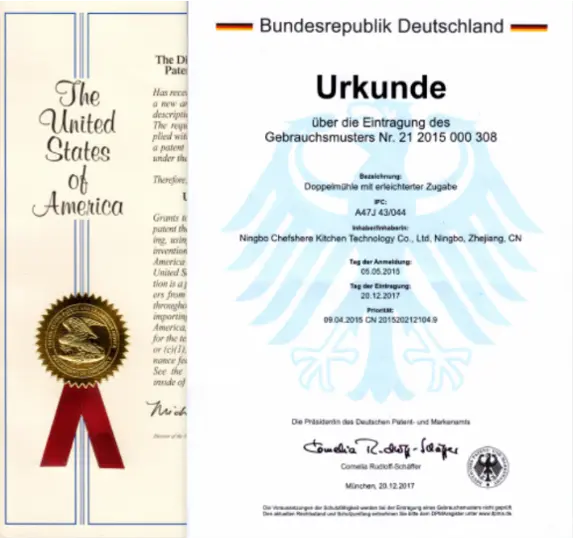
A look inside our development labs, showcasing the engineering blueprints and quality certificates behind our products.

8. OEM & ODM Coffee and Spice Grinder Manufacturer
Flexible design solutions tailored to mid-to-high-end culinary brands, ensuring uniform performance and elegant aesthetics.

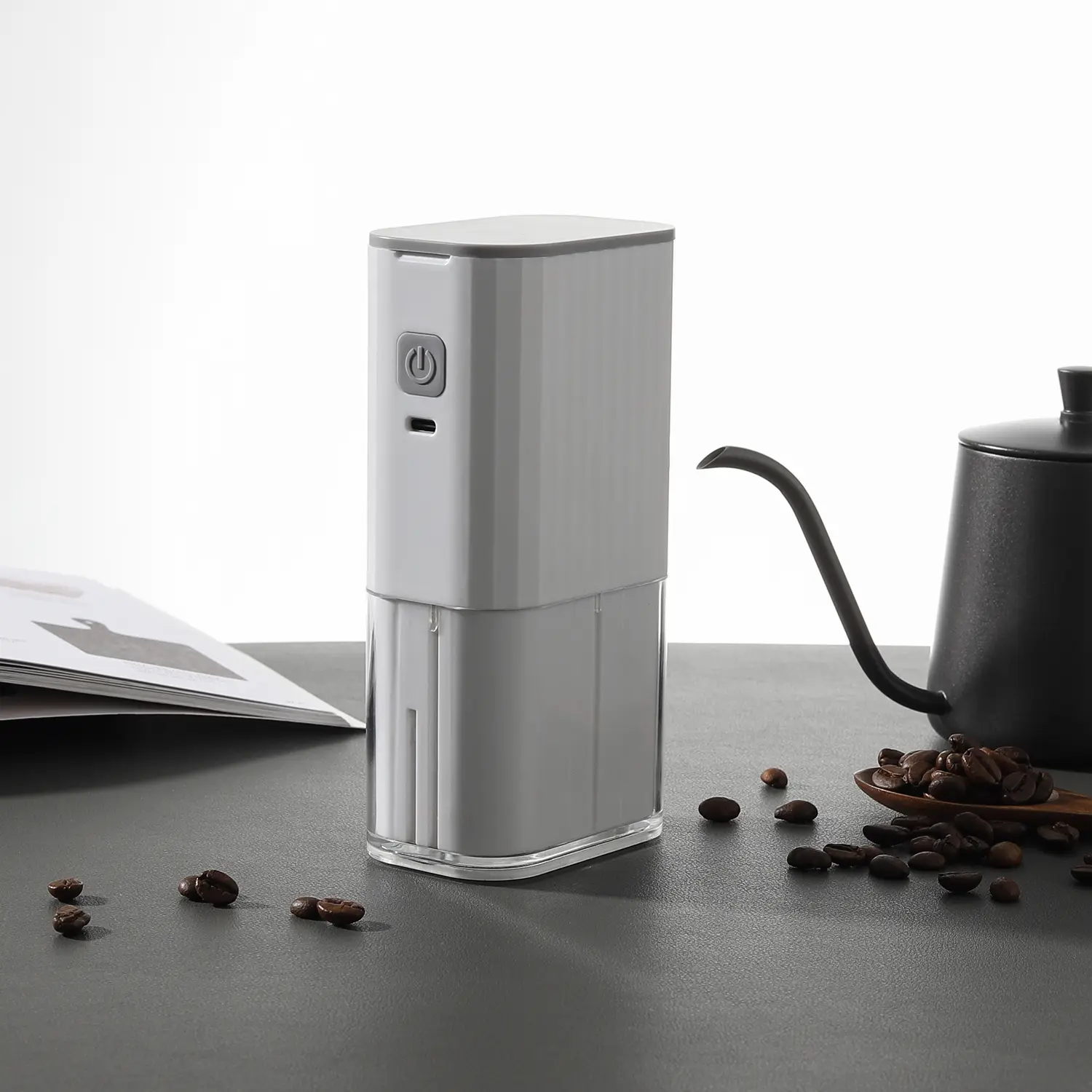
USB Electric Coffee Grinder
Portable size, smooth operation, and quiet, consistent grinding on the go.
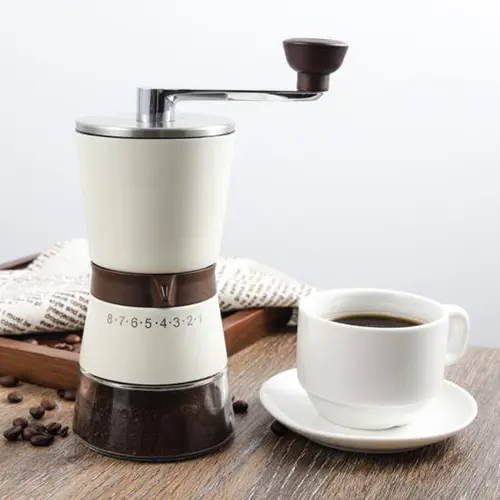
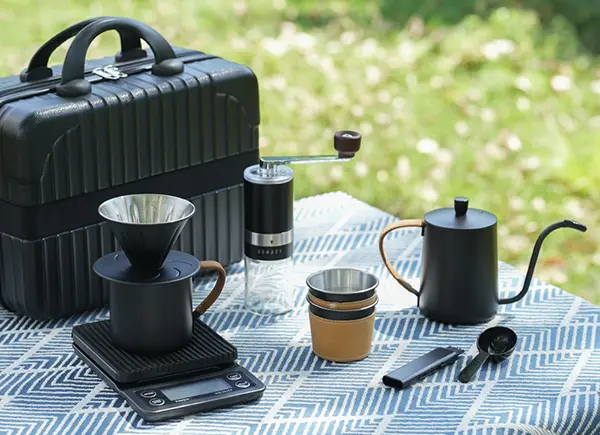
Manual Burr Coffee Grinder
External adjustment design with a comfortable grip for effortless, tactile grinding.
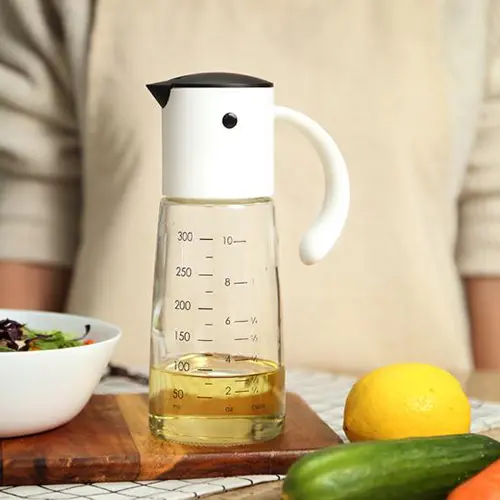
Oil & Vinegar Dispenser
Specially designed pourer for precise flow control without leakage or drips.
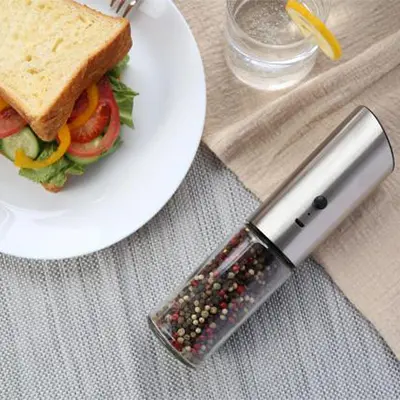
Gravity Salt & Pepper Grinder
Automatic gravity-activated grinding for easy, one-handed seasoning.
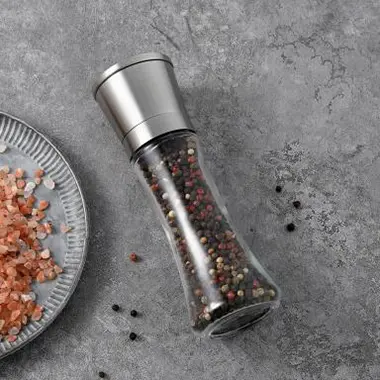
Stainless Steel Pepper Mill
Durable steel mills featuring adjustable grind sizes for long-lasting performance.
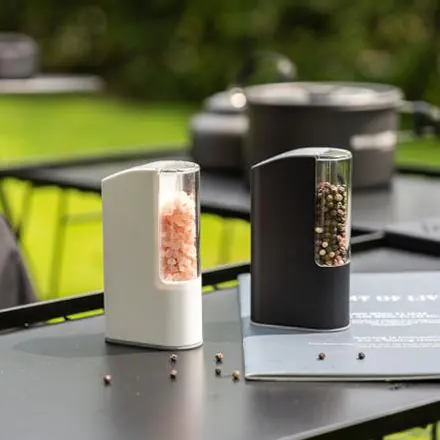
Rechargeable Mini Grinder Set
Compact, portable, USB-rechargeable set designed for modern dining tables.
9. B2B Sourcing Realities: Supply Chain Integrity & Procurement
A practical guide for procurement managers evaluating manufacturing partners in China.
Audit Compliance
International sourcing requires rigorous regulatory compliance. Procurement teams should verify that prospective manufacturers maintain up-to-date BSCI (Business Social Compliance Initiative) and ISO 9001 certifications. These frameworks guarantee fair labor practices, safe working conditions, and consistent production management systems.
Custom Tooling Capabilities
To differentiate in crowded markets, brands need unique designs. Professional OEM partners should offer in-house mold design and rapid prototyping services. This allows brands to customize plastic parts and glass volumes quickly, turning conceptual drawings into production-ready products with minimized tool-up costs.
Logistics & Packing Methods
Glassware requires careful packaging. B2B buyers must specify dropped-test packaging standards, ISTA certification levels, and custom inner boxes. Adequate transit protection prevents product breakages, securing the integrity of high-volume international ocean shipments.
10. Future Industry Trends: Sustainability & Smart Tech
The global spice mill market is shifting towards sustainable materials and smart technology. Consumers increasingly demand kitchenware that is environmentally responsible and easy to use. Key industry trends include:
- Bio-Based Plastics & Wood Elements: Replacing fossil-fuel plastics with biodegradable materials, recycled polymers, and FSC-certified woods (like beech and bamboo) to reduce the environmental footprint of daily-use products.
- USB-C Rechargeable Electric Cores: Replacing alkaline batteries with integrated, rechargeable lithium-ion cells, offering longer operational lifetimes and eco-friendly kitchen use.
- Smart Grind Size Settings: Micro-step adjustment mechanisms that let users select precise, repeatable particle sizes for specific culinary needs, from fine dust to coarse flakes.
11. FAQ & Industry Insights for Procurement Teams
Answering common technical, material, and regulatory questions from international distributors and buyers.
Complete Kitchenware Collection
Explore our full line of glass and wood grinders, oil dispensers, and accessories for retailers and importers.
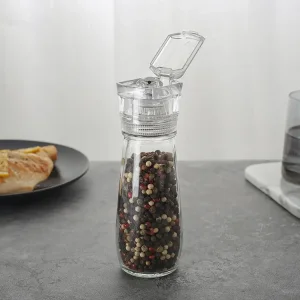
Wholesale Pepper Grinder with Plastic Burr
Explore Specs
Wholesale Stylish Wooden Spice Grinder
Explore Specs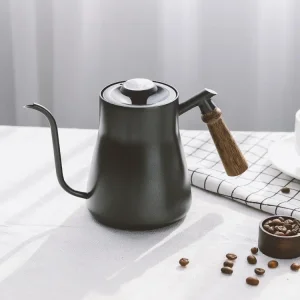
Buy Gooseneck Kettle with Thermometer Companies, Pricelist
Explore Specs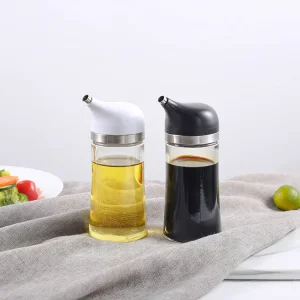
Wholesale Tritan Non-Drip Oil Dispenser
Explore Specs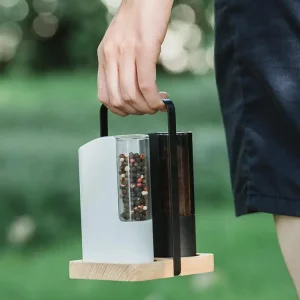
Wholesale Customized Electric Salt And Pepper Grinder Set
Explore Specs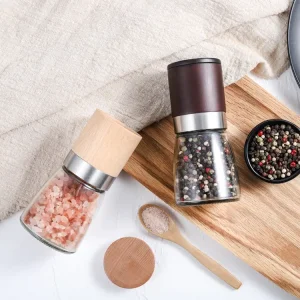
High-Quality Personalized Wood Dry Pepper Grinder with Beech Wood Cap Supplier, Product
Explore Specs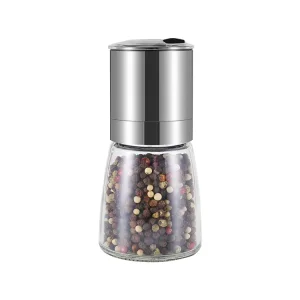
Wholesale Adjustable Metal Salt Grinder
Explore Specs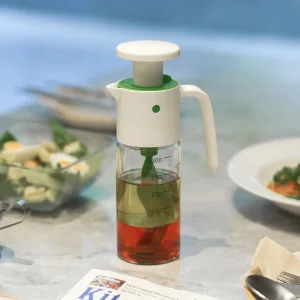
Famous Commercial Glass Salad Dressing Mixer Manufacturer, Exporters
Explore SpecsCollaborate with Chinagama Today
Get in touch with our engineering and procurement team for bespoke OEM/ODM design proposals, bulk pricing options, and material customization services.
Request a Custom Quote