 Chinagama
Premium Kitchenware & Spicing Solutions
Explore our flagship collections featuring advanced engineering, ergonomic styling, and durable, food-grade materials for global consumer brands.
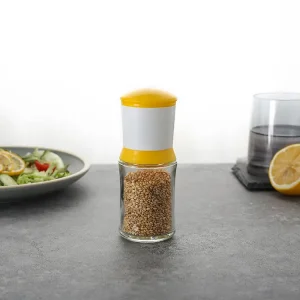
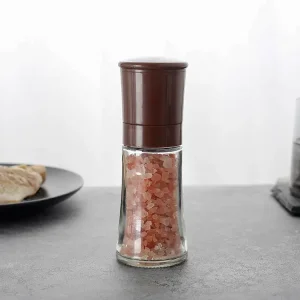
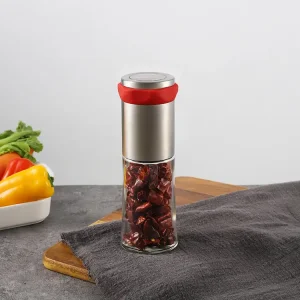
Pioneering Culinary Innovations: The Evolution of Chinagama
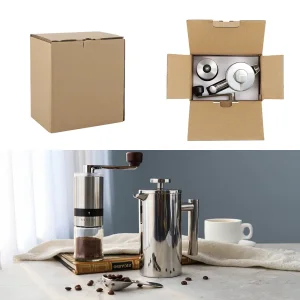
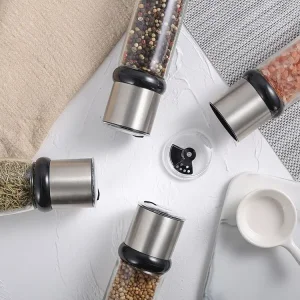
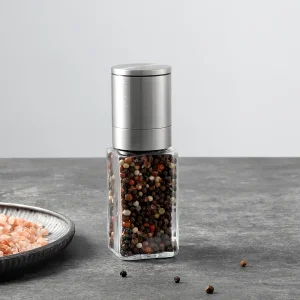
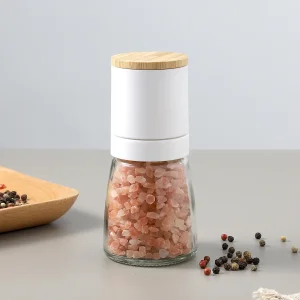
At Chinagama, we are passionate about crafting high-quality and stylish kitchenware, specializing in adjustable spice grinders, salt and pepper mills, and companion culinary dispensers. Our expertise extends beyond primary dry grinders; we continuously research and manufacture complementary high-demand products requested by international retail and commercial buyers, including premium manual coffee grinders, drip-free oil and vinegar dispensers, hygienic soap dispensers, and modular kitchen accessories.

Since our establishment in 1997, we have committed ourselves to raising the standard of kitchenware development and manufacturing. Over nearly three decades, our rigorous design process has earned us over 300 utility and design patents. Furthermore, our products have been recognized by international design juries, receiving the prestigious Red Dot Award and the iF Design Award. We continue to innovate, keeping pace with consumer lifestyle shifts, eco-friendly material developments, and modern technology integrations.
"A kitchen tool is not merely a utility; it is an extension of the culinary experience. By matching technological precision with aesthetic beauty, we help brands build lasting trust with their end-consumers."
Engineering Precision: Technology Roadmap of Adjustable Spice Grinder Mechanisms
At the center of every adjustable spice grinder is the grinding core. The design and material composition of this mechanism determine its performance, longevity, and grind consistency. Modern consumers expect custom particle sizes—from fine powders for delicate sauces to coarse cracks for grilled meats.
Ceramic Grinding Cores
Alumina ceramics provide hardness second only to diamonds. They are non-corrosive, making them ideal for processing wet sea salts, pink Himalayan salt, and dried herbs without risk of rust or taste contamination.
High-Carbon Steel Burrs
Engineered for maximum cutting efficiency. Steel burrs shave spices rather than crushing them, releasing aromatic oils within pepper and coffee seeds. Double-bearing stabilizing shafts prevent axial wobble.
Stepless Adjustment
By calibrating the distance between the inner rotor and outer stator burrs, users can adjust particles smoothly. The thread pitch is kept tight to prevent the settings from drifting during high-torque manual rotations.
Global Spice Grinding Industry Landscape & Commercial Realities
The global demand for kitchen tools has shifted from basic functionality toward premium aesthetics and performance. High-end retail markets, gourmet grocers, and commercial hotel suppliers rely on high-volume production lines that deliver uniform manufacturing quality. Consumer research shows that end-users value easy refills, dust-free sealing caps, and clear windows to monitor remaining fill levels.
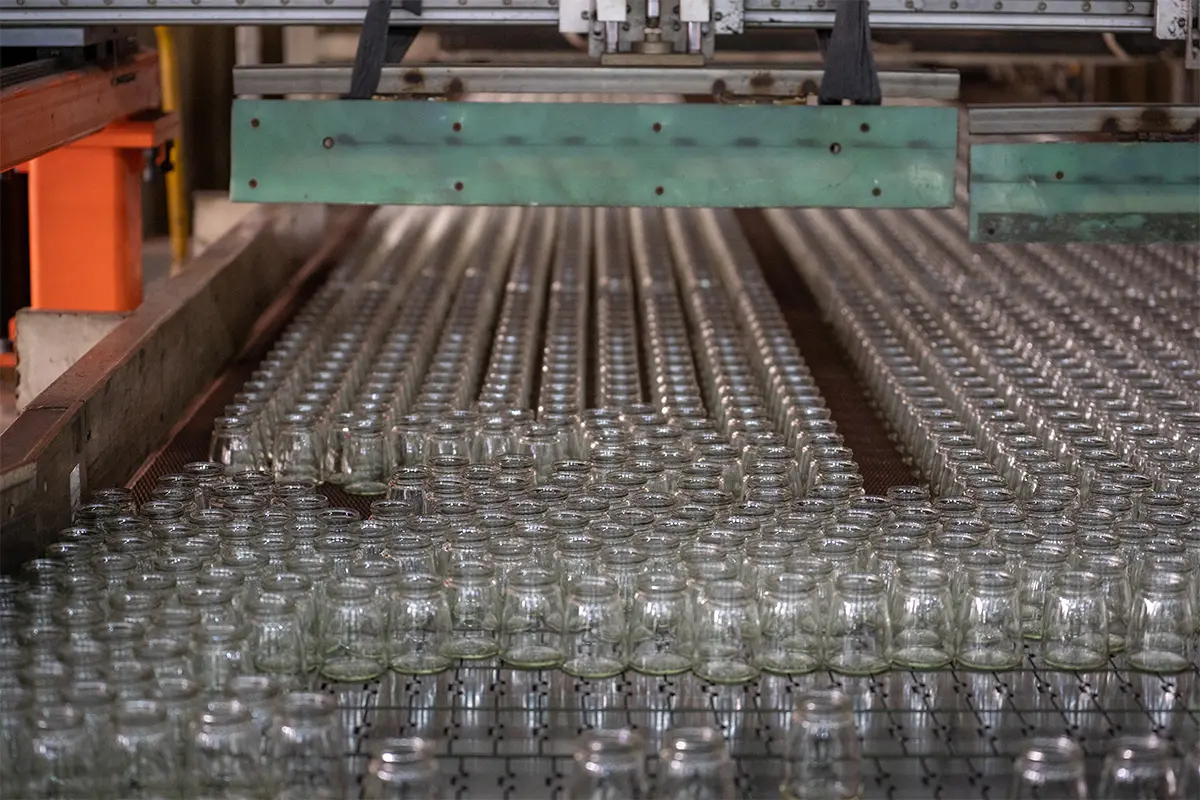
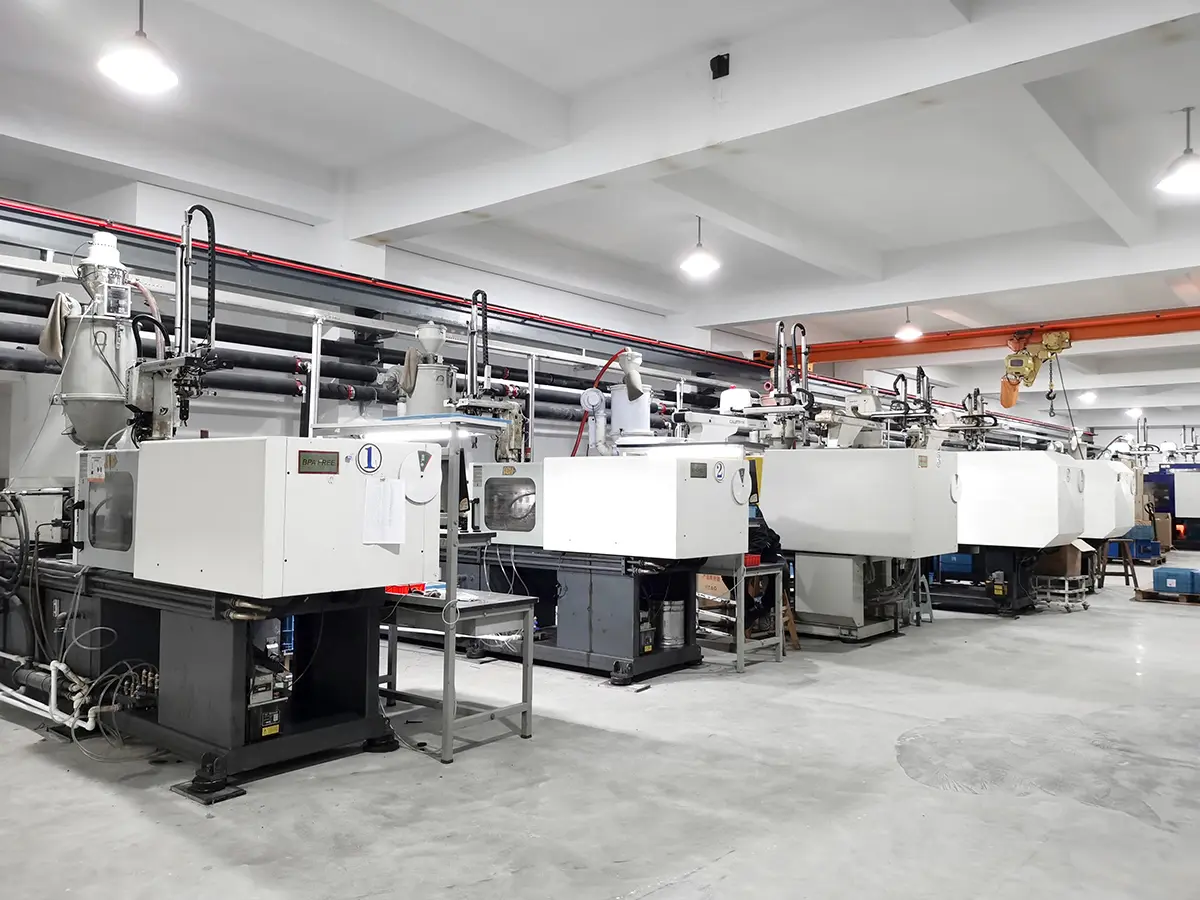
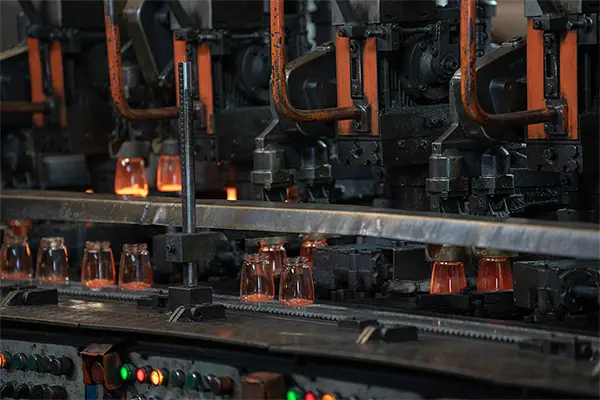
Chinagama addresses these global challenges through localized design and product development. Over 12 million pepper grinders are manufactured and shipped annually. In modern kitchens worldwide, a Chinagama product is chosen for food preparation every three seconds. Our factory operates with specialized injection molding, automated glass-blowing, and precision assembly lines, allowing us to maintain competitive pricing at scale.
The Resiliency and Efficiency of China's Spice Grinder Supply Chain
Sourcing from China offers significant advantages through vertical integration, logistics reach, and specialized industrial clusters. Located in Ningbo, Zhejiang province, Chinagama benefits from an ecosystem of material suppliers, surface finish specialists, and high-speed port connections.
- Material Integration: Direct relationships with high-borosilicate glass manufacturers, premium bamboo farms, and stainless steel refineries ensure stable material costs.
- Lead Time Control: Our in-house mold workshop allows us to shorten the tooling phase from the standard 60 days down to 30 days for new OEM projects.
- Logistics and Warehousing: Located near Ningbo Port, we manage container loading directly at our warehouse, minimizing transit times and local transportation risks.

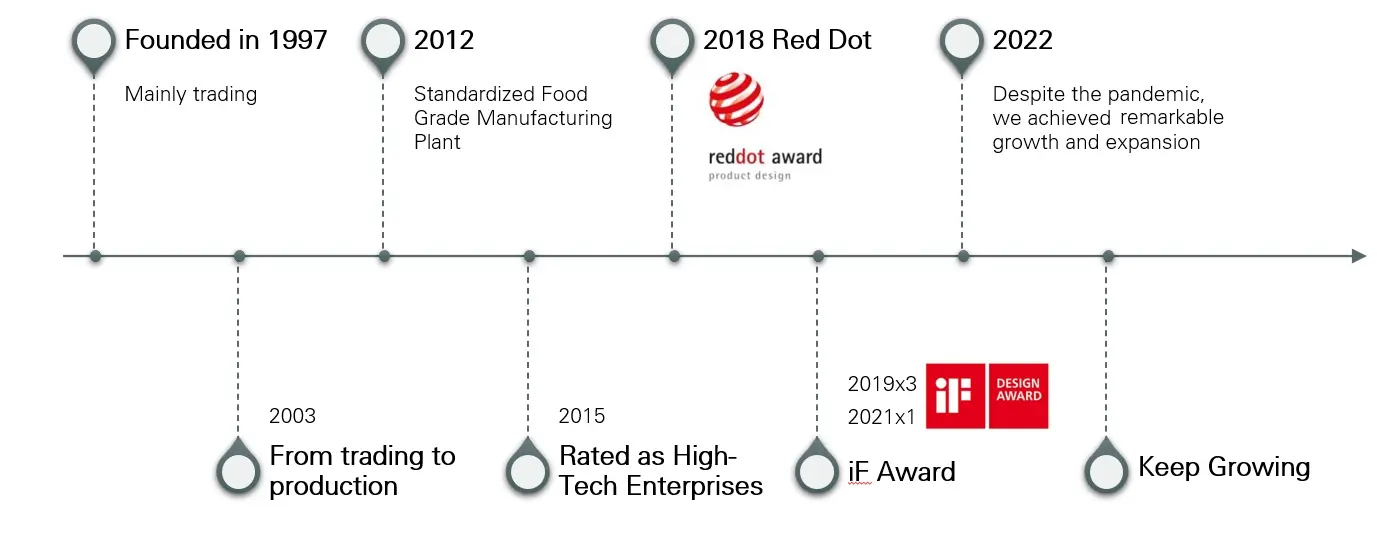
Our Journey of Innovation
Our growth from a regional exporter to an industry-leading OEM/ODM manufacturer is defined by key milestones in technology, facility upgrades, and international design recognition:
1997
Chinagama begins operations, establishing import-export trading networks for homeware and kitchen products.
2003
We transition from trading to direct manufacturing, investing in assembly equipment to control product quality.
2012
Establishment of a standardized, food-grade manufacturing plant featuring dust-free injection molding and assembly zones.
2015
Awarded High-Tech Enterprise status, marking a decade of design innovations, patent filings, and automated upgrades.
Compliance, Material Safety, & Quality Controls
Food-contact safety is our highest priority. Kitchen tools must withstand repeated exposure to salt, oils, and moisture without corroding or leaching chemicals into food. Every batch of raw material undergoes spectroscopic testing before entering production.
Regulatory Certification
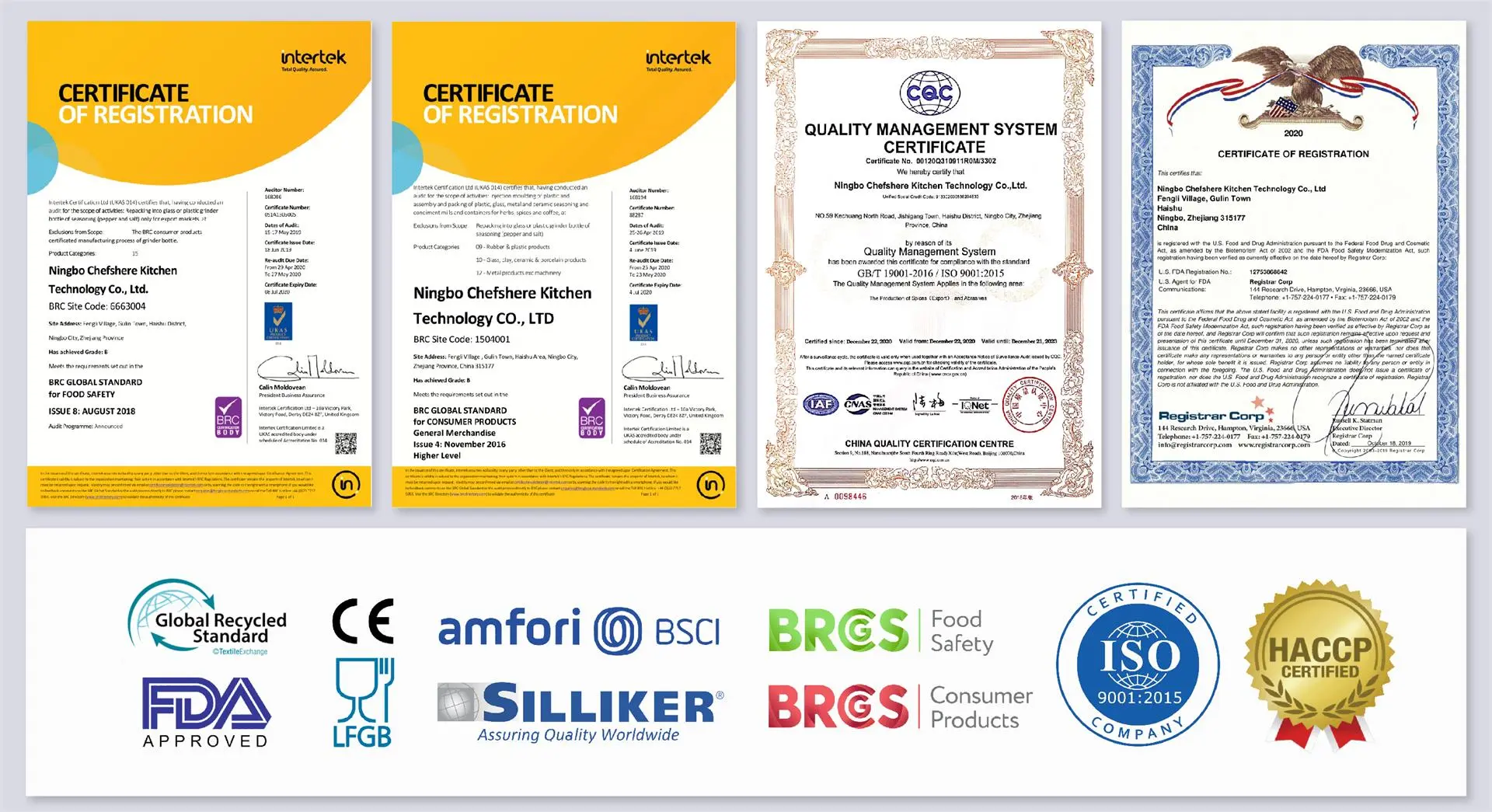
Our products and manufacturing processes are regularly audited and certified by leading international bodies, including FDA, LFGB, and BPA-Free compliance. We maintain ISO 9001 and BSCI certifications, meeting the compliance requirements of major Western retailers.
Material Optimization
We work with high-quality components, including borosilicate glass, food-grade 304/316 stainless steel, and impact-resistant, BPA-free plastics. This focus on materials ensures our spice mills are durable and safe for everyday use.

Case Studies: Overcoming Material Challenges & Designing Award-Winning Hardware
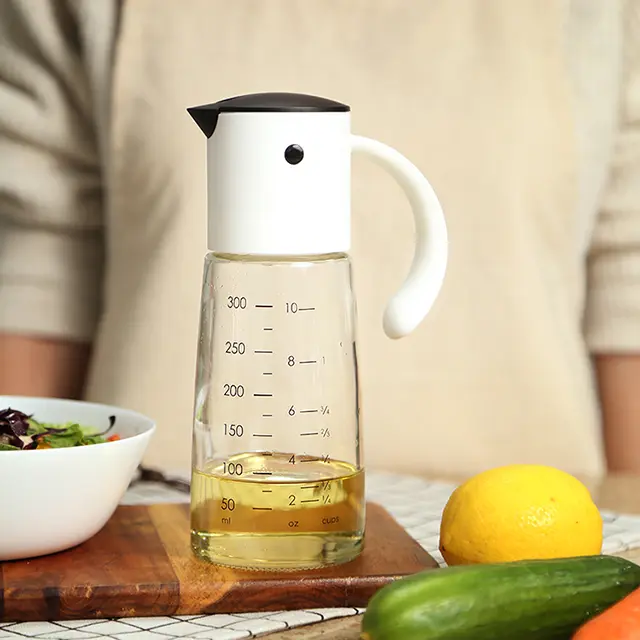
Red Dot Award-Winning Spout Dispenser
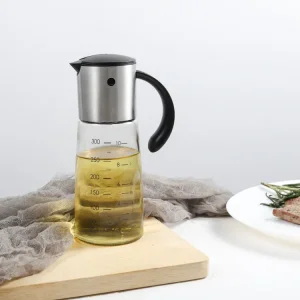
Responding to demand for drip-free pouring, we developed a gravity-activated bird spout lid. This single-hand design pours smoothly and reseals automatically when set down, eliminating oil drips.
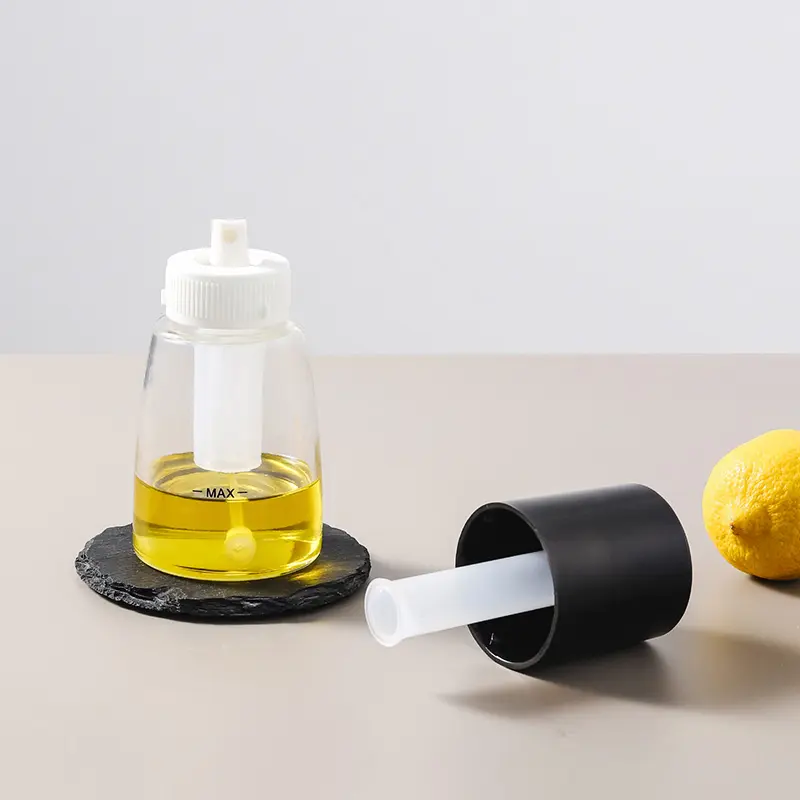
Material Engineering for Oil Sprayers
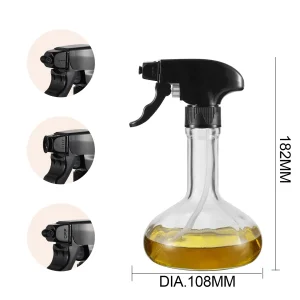
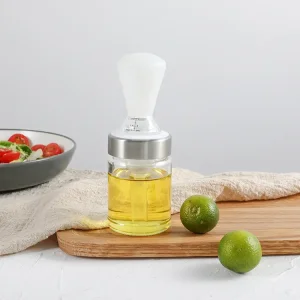
During development of our oil sprayer, ABS and PMMA plastics showed cracking when exposed to lipids. We resolved this by switching to food-grade, chemical-resistant PP and PCTG materials to ensure long-term durability.
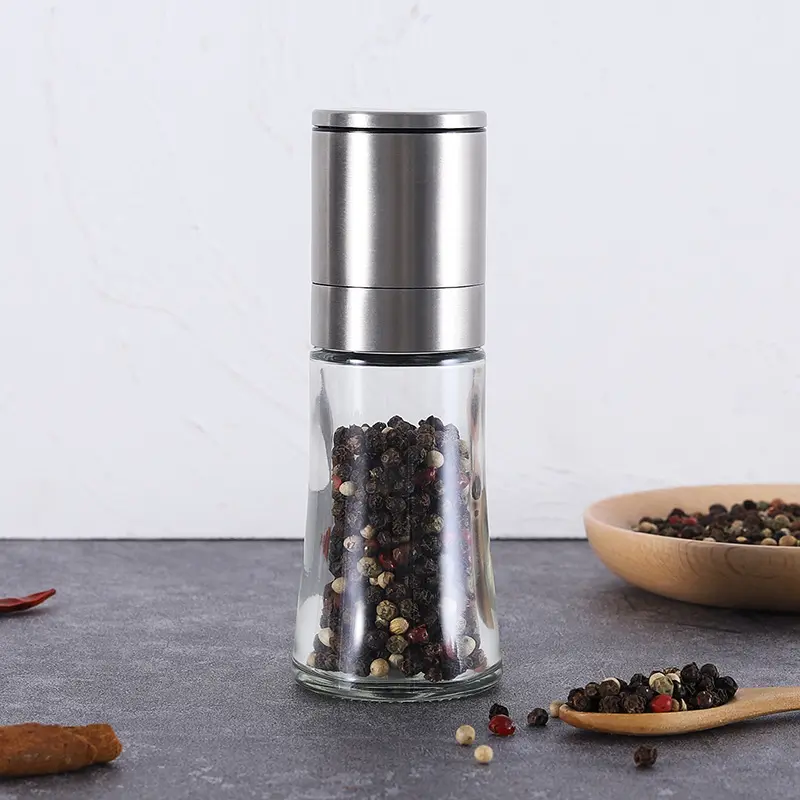
Compact Dual-Ended Spice Grinders
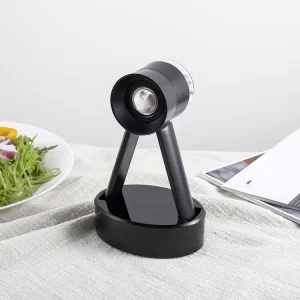
To address the bulky feel of traditional mills, our engineers developed a streamlined straight-profile grinder. This patent-protected design keeps the body slim while maintaining high output and durability.

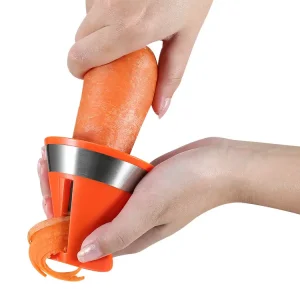
Beyond our primary grinder lines, we collaborate on custom household designs, including modern vegetable washing sets, hygienic soap dispensers, and ceramic knife sharpeners. By analyzing regional consumer trends and visual preferences, we help our partners introduce high-quality products that balance style with everyday utility.


Technology Roadmap and Future Outlook
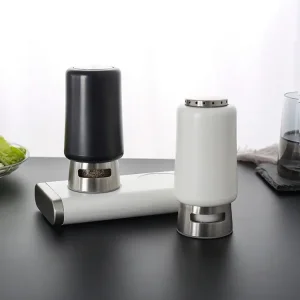
The future of spice grinding lies in smart kitchen integrations and sustainable materials. As brands move away from single-use plastics, our engineering team is developing biodegradable PLA housing materials and reusable glass models. We are also expanding our line of USB-rechargeable electric grinders and gravity-sensor mechanisms that activate automatically when tilted, making them accessible to users with limited hand mobility.
We are also upgrading our production facilities with automated, camera-controlled quality inspection lines. These systems verify the thread tolerances of every ceramic rotor in real-time, helping us maintain low defect rates as we scale production.
Sourcing Spice Grinders from China: Frequently Asked Questions
Key information regarding material options, custom branding (OEM/ODM), shipping logistics, and compliance standards.
Explore More Specialized Kitchenware
Choose from our extensive catalog of manual mills, oil sprayers, and kitchen tools built for high-performance retail distribution.