 Chinagama
Premium Kitchenware & Custom Dispensing Systems
Explore our award-winning OEM/ODM lineup, combining aesthetic sophistication with culinary performance engineering.
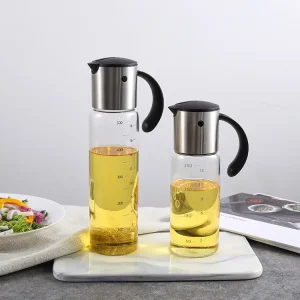
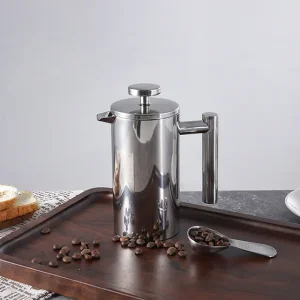
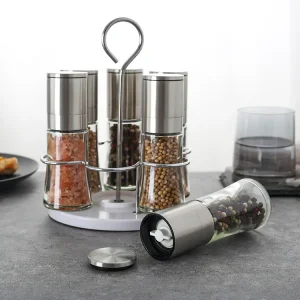
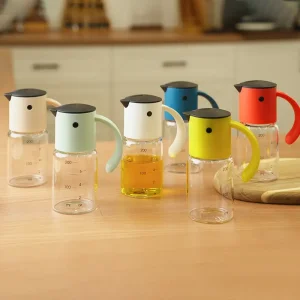
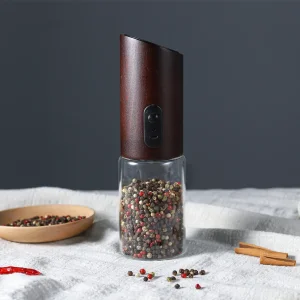
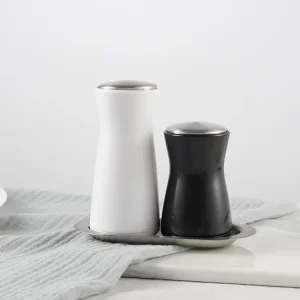
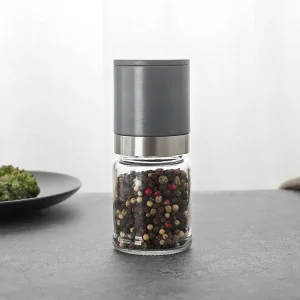
The Evolution of Precision Dispensation in Modern Foodservice
Within B2B kitchenware supply chains, the demand for high-performance tabletop items has shifted beyond simple containment. Today, global commercial buyers require food-safe, ergonomic, and anti-clogging technology for sugar, oils, and dry spices. Under the leadership of Chinagama, the industry is witnessing a structural transformation toward precision metering, food contact security, and elegant structural form factors.
Our commitment as a leading manufacturer involves integrating advanced engineering mechanics into daily utilities. Whether it is solving the hygroscopic clumping of fine granulated sugar in humid environments or designing gravity-assisted lids that eliminate surface cross-contamination, we innovate to add concrete utility value to high-volume commercial venues and mid-to-high-end global consumer brands.

Chinagama at a Glance
Decades of operational scale, rigorous certification frameworks, and persistent engineering breakthroughs.
Every three seconds, a Chinagama product finds its way into the hands of satisfied customers worldwide, reflecting our yearly output of over 12 million pepper grinders and specialized food dispensers.
Request a Technical OEM/ODM ConsultationMacro Trends in Culinary Dispenser Procurement
Commercial Portion Control
F&B operators face rising food costs. Integrating precise metering valves in sugar and condiment dispensers helps control standard portions per pour, ensuring taste consistency and reducing commercial overhead waste.
Hygienic Design & Anti-Humidity
Sugar is highly susceptible to humidity clumping. Advanced gasket engineering and silicone flap gravity lids ensure that moisture ingress is minimized. Non-contact pouring designs improve catering hygiene standards.
Material Safety Rigor
Stricter global food-contact material criteria (such as LFGB, REACH, and FDA updates) require manufacturers to pivot away from low-quality plastic composites toward surgical-grade stainless steel (304/316) and high-borosilicate glass.
Rigorous Material Testing & Global Compliance
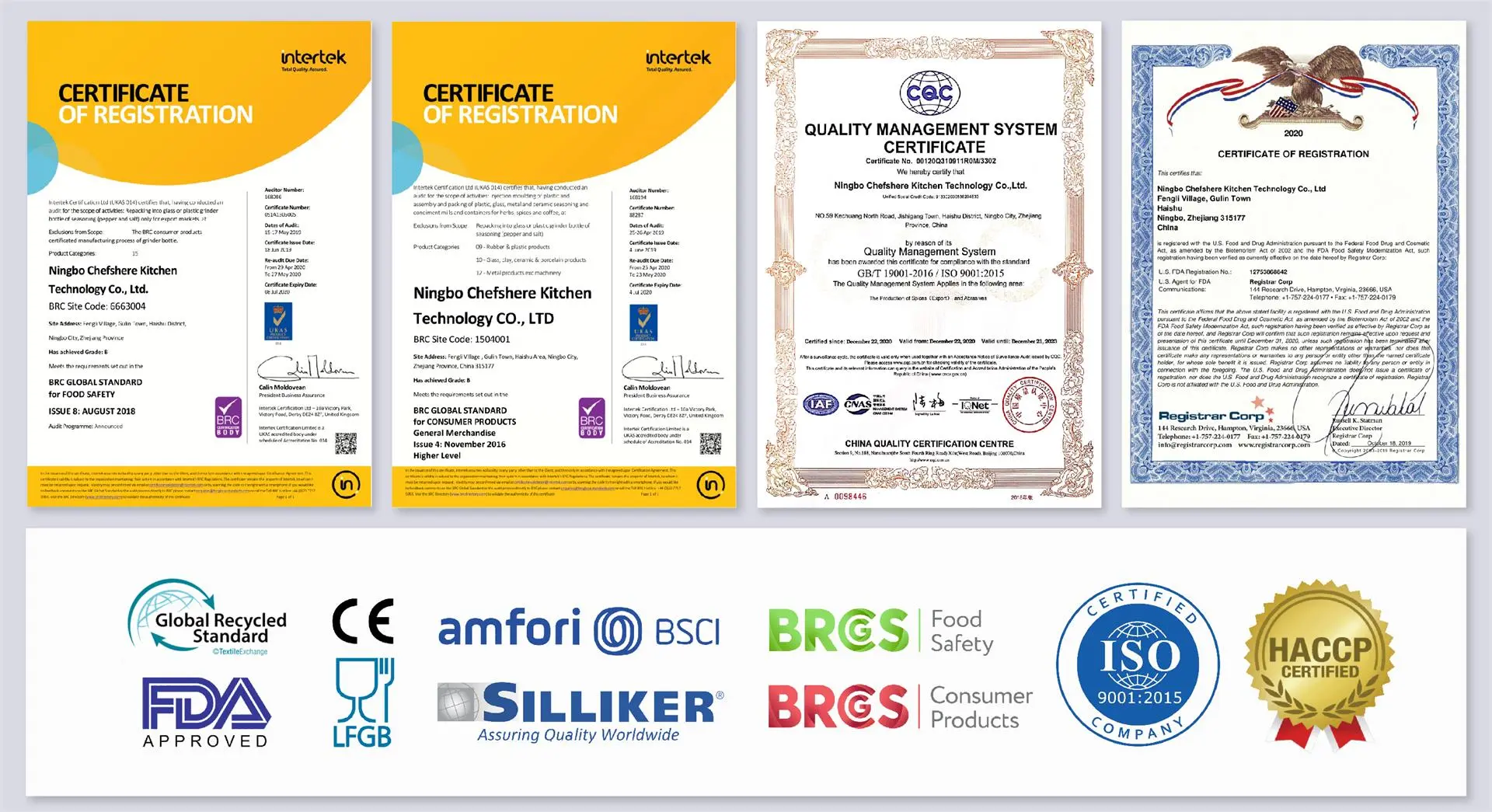
Quality at Chinagama is verified through strict testing standards. Our in-house research laboratory carries out structural load stress tests, fatigue cyclic life tests, and raw material chemical stability verifications. We have partnered with international testing institutions to acquire compliance certifications including FDA, LFGB, and BPA-Free certificates, allowing our B2B customers to expand confidently into North American and European markets.
We work closely with client engineering teams to address stress-cracking in polymers. For example, our research into food-grade materials helps prevent structural issues in high-grease kitchen settings, ensuring long-term product durability.
Our Journey of Innovation
From a regional trading partner to an award-winning global hardware manufacturer.
1997
Chinagama embarked on its remarkable journey, initially focusing on regional trade operations, learning the specific quality expectations of international kitchenware clients.
2001 - 2003
Embraced the digital economy with online trade platforms. Driven by a passion for culinary design, we transitioned from trading to industrial production, building our first dedicated manufacturing facility.
2012
Established a standardized food-grade production plant to support clean-room plastic injection and dust-free assembly lines, enabling high-volume food-contact safety compliance.
2015
Honored as a national High-Tech Enterprise. We expanded R&D investments, securing over 300 technical patents and winning multiple Red Dot and iF Design Awards for our ergonomic products.
Present
Providing custom, competitive kitchenware solutions for mid-to-high-end brands globally, maintaining high delivery reliability and sustainable production standards.
Strategic Framework & Culture
Our Vision
To become the preferred supplier of premium kitchen grinding and dispensing tools for mid-to-high-end brands around the globe, setting the standard for quality, design, and performance.
Our Mission
We are committed to helping our customers overcome challenges by providing more competitive grinding solutions and customized services. With a deep understanding of industry needs and continuous innovation, we strive to enhance brand value and become a trusted long-term partner.
Core Corporate Values
- Focus: Master the art and science of dispensing and grinding mechanics, pursuing excellence in every engineering detail.
- Innovation: Believing forward-thinking design is key to sustainable value generation.
- Sustainability: Prioritizing responsible manufacturing practices and eco-friendly raw materials to minimize ecological impact.
- Win Together: Fostering long-term strategic relationships with customers and supply chain stakeholders.
Modern Manufacturing Infrastructure
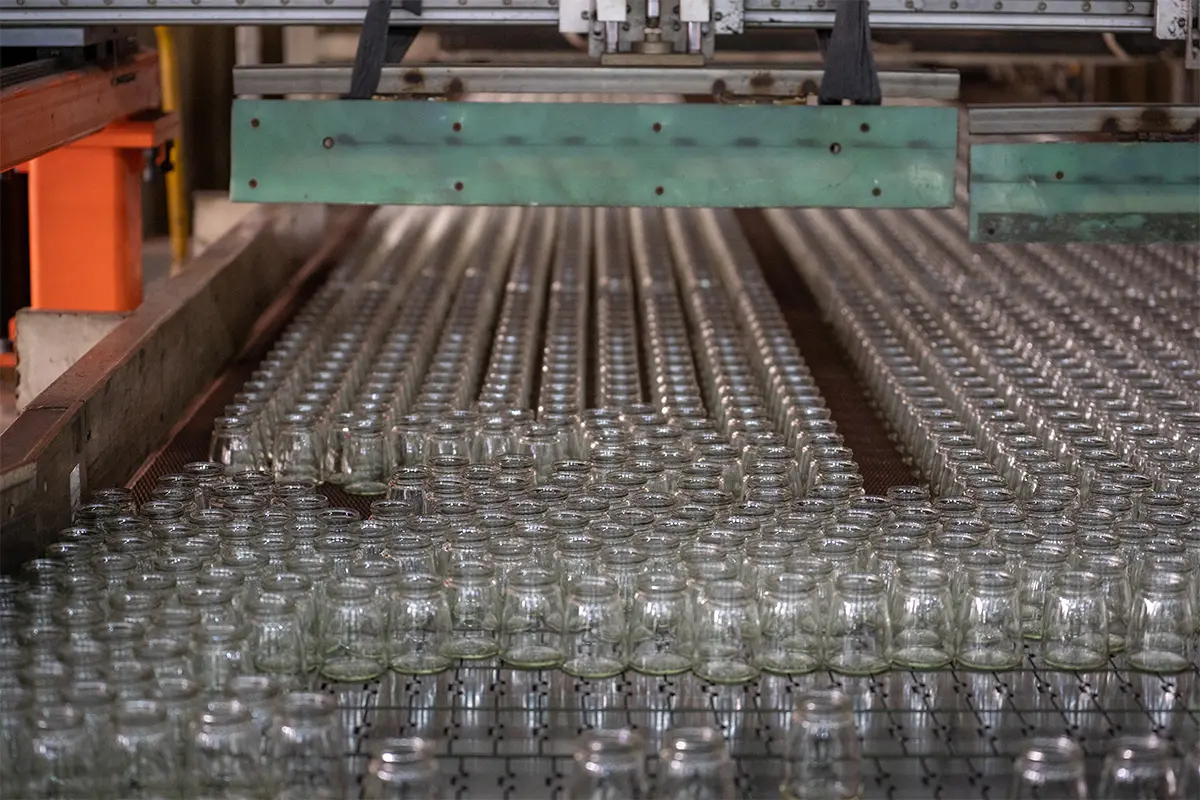
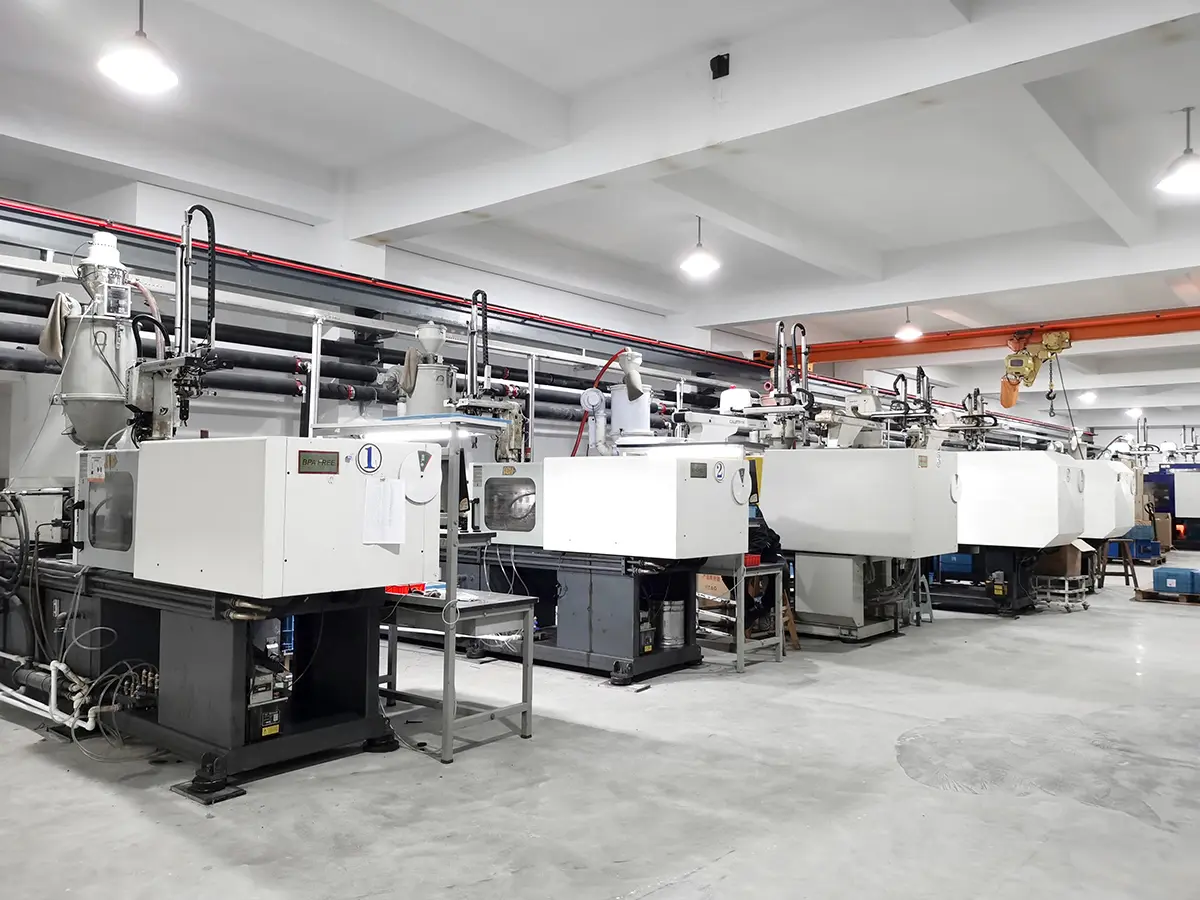
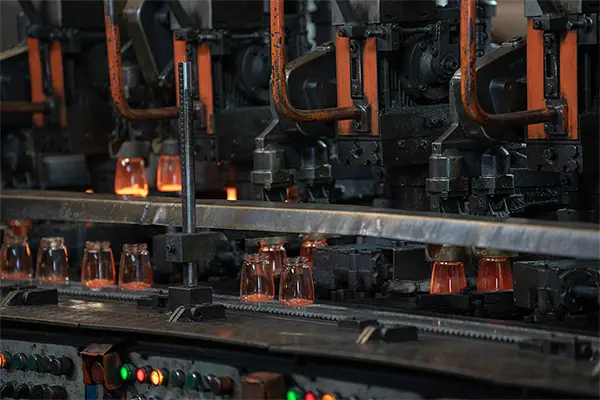
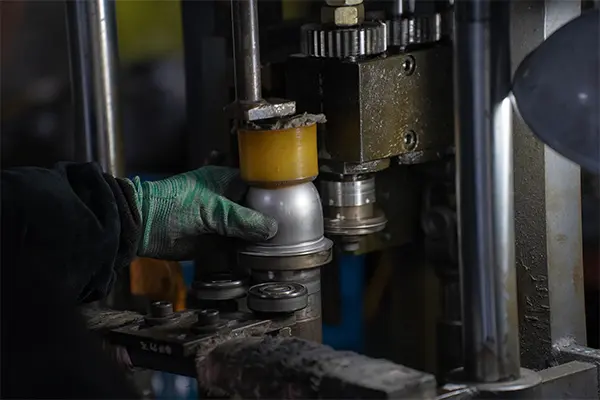
Our facility houses automated injection molding machines, ultrasonic welding bays, laser engraving centers, and clean assembly lines. By using automated robotic arms alongside skilled operators, we reduce production variations and keep scrap rates below 0.3%.
This automated infrastructure allows us to easily scale production to meet seasonal order spikes for large international importers. It also supports small-batch custom tooling changes for boutique brands that require specific visual styles.
Case Studies in Product Engineering
Real-world examples of how our design and materials research solved key issues for partners.
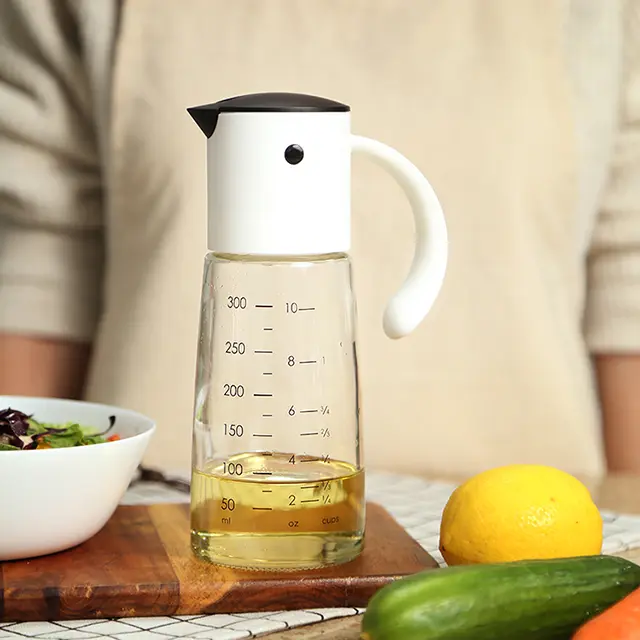
The Red Dot Award-Winning Bird Spout Gravity Mechanism
Context & Market Need: Consumers wanted a dispenser design that allowed clean, single-handed operation without oil dripping down the sides of the bottle.
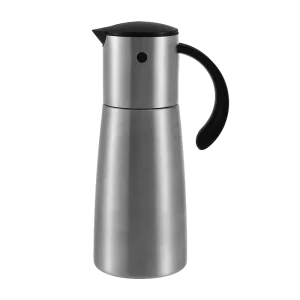
Engineering Innovations: Chinagama developed a gravity-activated valve system shaped like a bird's beak. The counterweight seal responds automatically when tilted to a 45-degree angle, opening the valve, and seals shut when returned to vertical.
Result: This drip-free design won the Red Dot Award and remains a top-selling liquid dispenser for our global retail partners.
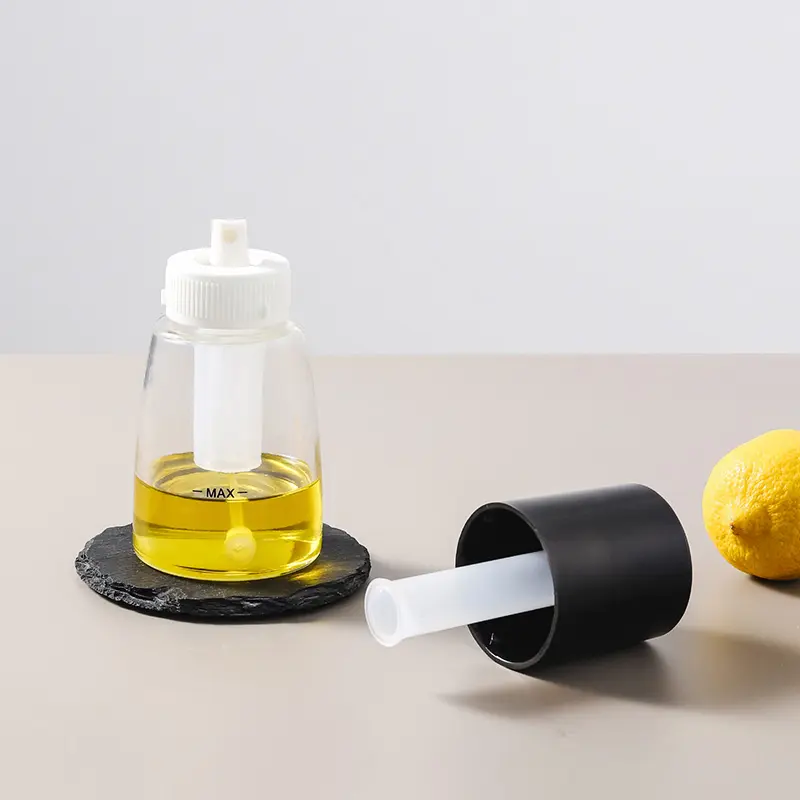
Collaborative Development & Material Optimization for Oil Mist Sprayer
The Challenge: During early validation of a high-performance oil sprayer, our engineering team identified stress cracking in traditional ABS and PMMA plastics when exposed to specific vegetable oils, raising product lifespan concerns.
Solution: We changed the component design to use high-density, non-toxic Polypropylene (PP) and borosilicate glass. This combination resisted chemical stress while maintaining clear transparency and food safety.
Outcome: This adjustment reduced return rates to nearly zero, helping our brand partner grow their market share in the premium sprayer segment.
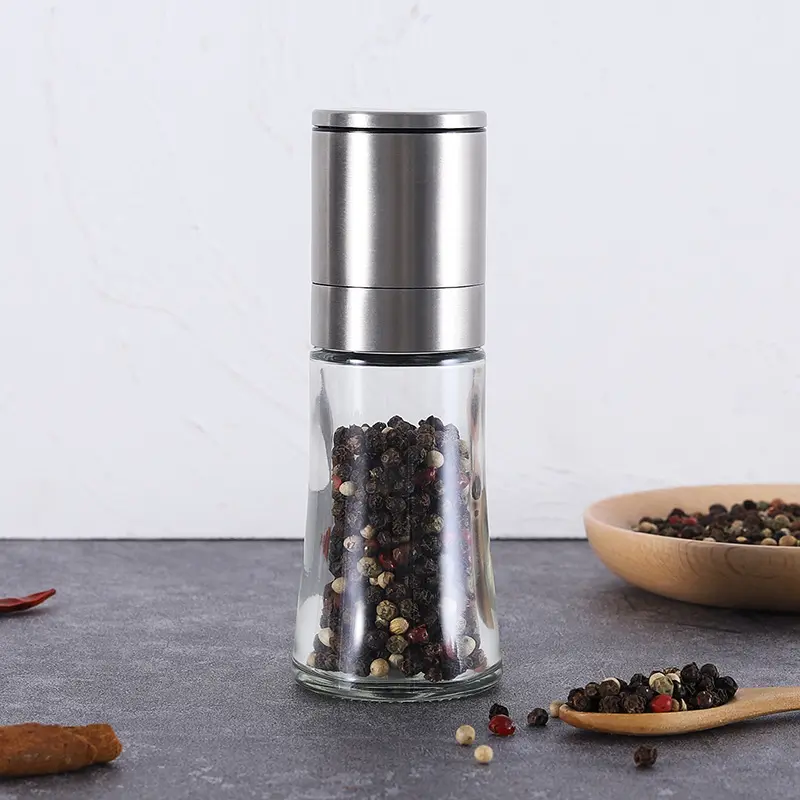
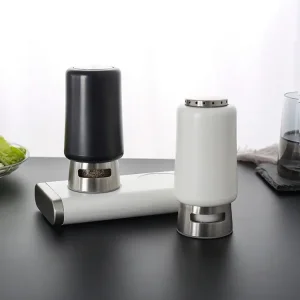
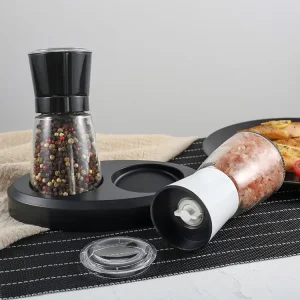
Design and Production of Salt, Sugar & Pepper Grinders
The Challenge: Traditional grinders were often bulky, heavy, or focused on appearance at the expense of ergonomic comfort and consistent output.
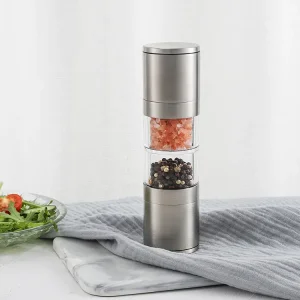
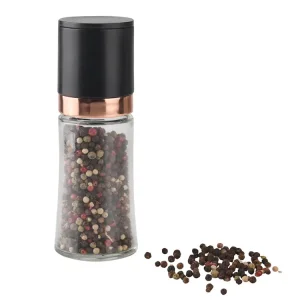
Solutions: We introduced a straight-line, lightweight silhouette with a ceramic grinding core. The ceramic rotor maintains sharp cutting surfaces over time, resists rust from salt exposure, and handles coarse sugar crystal processing without stalling.
Outcome: The clean design and consistent performance made this grinder series a popular standard model for commercial tabletop branding.
Technological Roadmap & Future Outlook
How we are planning for the next generation of smart kitchenware and sustainable materials.
2025-2026: Bio-based Materials Integration
Developing PLA and bio-sourced plastic composites to replace petroleum-based materials in non-structural kitchen dispenser parts, reducing the carbon footprint of production.
2027-2028: Smart Metering Systems
Designing digital portion dispensers with mechanical preset rings and sensor systems for commercial bakers who require precise, repeatable dry ingredient measurements.
2029-2030: Closed-Loop Recycling Programs
Launching a material reclamation framework to help corporate partners recycle post-use kitchenware components, supporting circular economy initiatives.
Frequently Asked Questions
Answers to common B2B procurement, design, and manufacturing questions.
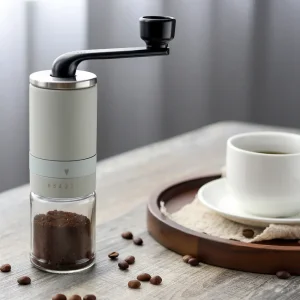
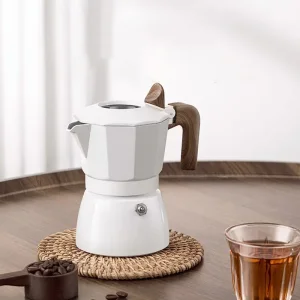
Featured Coarse Grinding & Beverage Ware
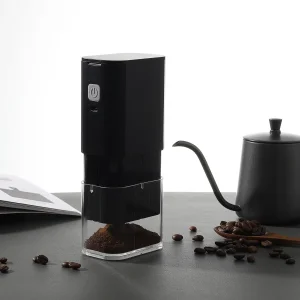
Engineered ceramic and stainless steel tools designed for commercial cafes and residential kitchens.