 Chinagama
Premium Kitchenware & Custom Dispenser Showcase
Explore our trending culinary tooling and global export catalog, designed for ergonomic utility and premium durability.
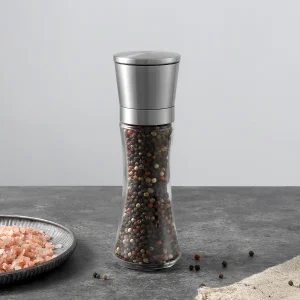
Custom Bulk Sale Elegant Pepper and Salt Grinder Company, Exporter
View Details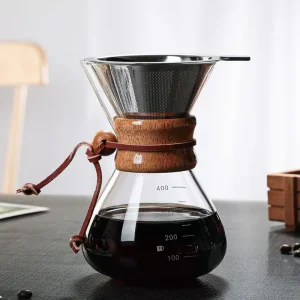
ODM Pour Over Coffee Maker with Stainless Steel Filter
View Details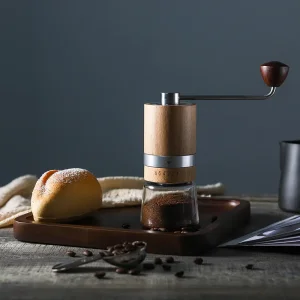
Wholesale Wooden Hand Coffee Grinder with Adjustable Grinding
View Details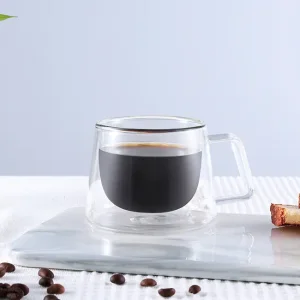
Wholesale Double Borosilicate Glass Coffee Mug
View Details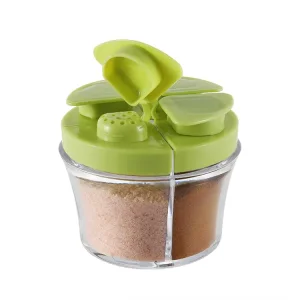
ODM Customized Sprinkler Bottle For Spices
View Details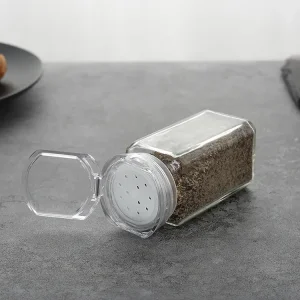
Wholesale Table Salt and Pepper Shaker
View Details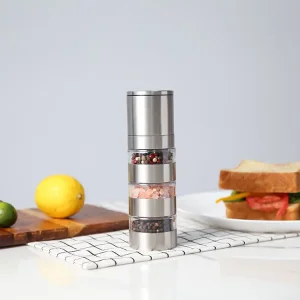
Wholesale Stackable Table Salt Grinder
View Details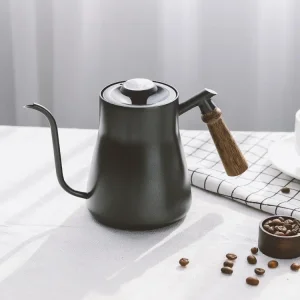
Buy Gooseneck Kettle with Thermometer Companies, Pricelist
View Details1. The Global Landscape of Famous Gravity Oil Dispenser Manufacturing
In modern culinary hardware engineering, the demand for precision, hygiene, and design sophistication has led to a paradigm shift in how liquid condiments are managed. The gravity oil dispenser—a device utilizing kinetic weight shifting to auto-open and auto-close spouts—represents the intersection of fluid mechanics and ergonomic product design. Leading manufacturing clusters worldwide are transforming from traditional hand-blown glass workshops into fully integrated high-tech hubs equipped with automated polymer molding, ultrasonic welding, and medical-grade silicone sealing assemblies.
Internationally, brand procurement pipelines rely on factories that can deliver high-level standardization. The complexity of handling diverse oil viscosities (ranging from light grapeseed oil to viscous artisanal balsamics) requires meticulous valve calibration. To qualify as one of the Famous Gravity Oil Dispenser Factories, a facility must demonstrate capabilities in micro-clearance mechanical engineering, food-contact chemical testing, and scalable supply chains that mitigate stress-cracking in high-stress component joints.
"Strategic intelligence in kitchenware sourcing requires understanding that gravity dispensing is not just about aesthetics—it is about sealing integrity, oil-viscosity management, and preventing rancidity through structural oxidation barriers."

2. The Efficiency & Supply Chain Advantage of Chinese Manufacturing Hubs
China's coastal manufacturing corridors, particularly within regions like Ningbo and Shenzhen, offer unprecedented cluster advantages for custom culinary hardware brands. The synchronization of glass blowers, plastic injection facilities, and metallurgical suppliers under unified regional logistics ecosystems drastically reduces lead times. For instance, Chinagama leverages a vertical production model: keeping internal R&D, tooling creation, assembly, and strict QC testing under one corporate structure.
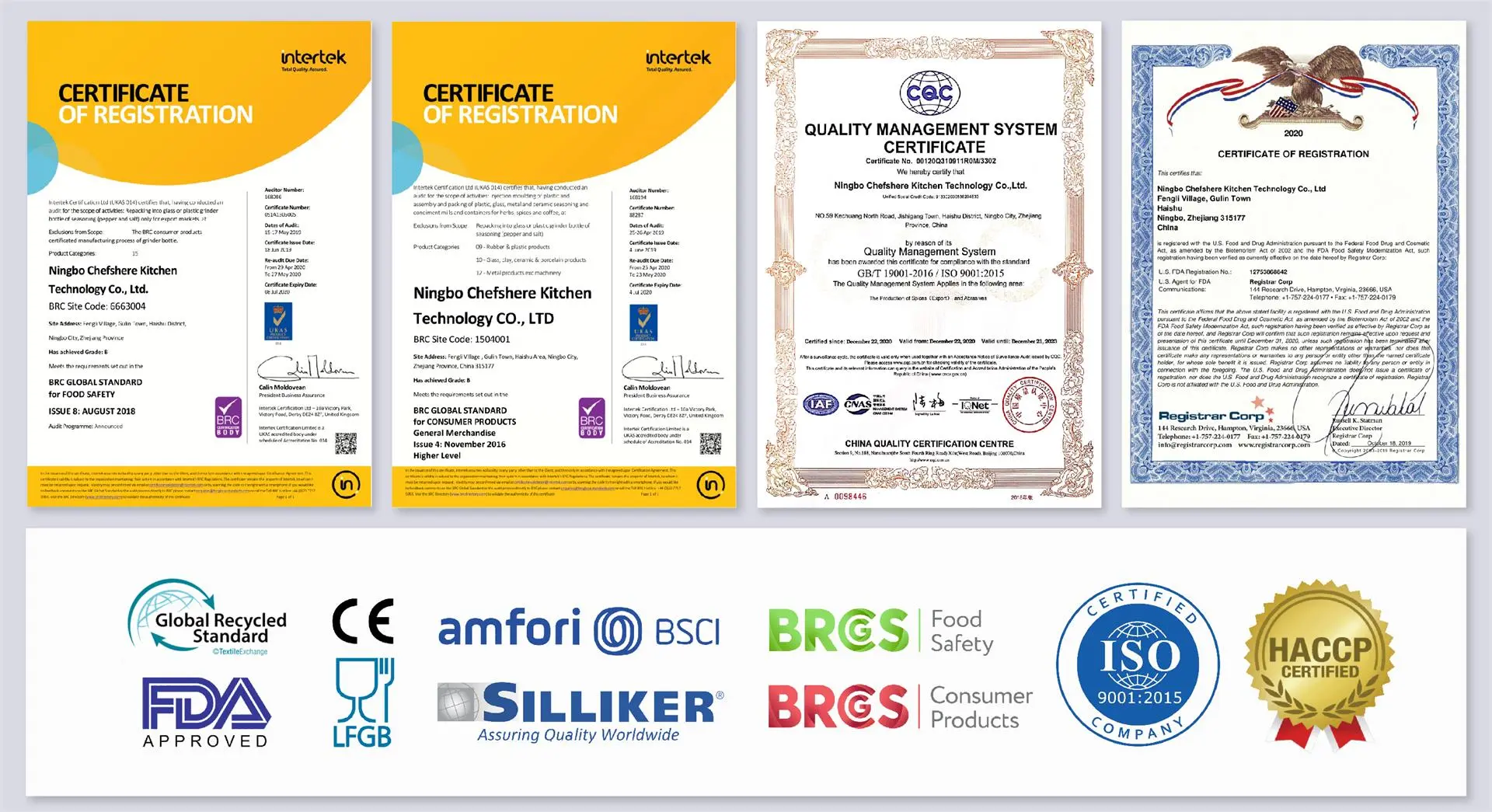
Furthermore, this supply chain synergy guarantees premium compliance. While Western importers face strict regulatory audits (such as the European LFGB and the US FDA certifications), Chinagama's integrated testing laboratories perform stress tests, chemical leach tests, and high-frequency valve cycle tests. This ensures that every container shipped complies with global non-toxic mandates. By managing raw materials from high-borosilicate glass tubes to specialized polypropylene resins directly, Chinese factories retain a pricing and speed advantage unmatched by Western fabricators.
Chinagama by the Numbers
Decades of engineering leadership, verified production milestones, and a global distribution footprint.
Advanced Case Studies in Dispenser Development
A granular look at how we solve complex structural challenges, design friction points, and material cracking.
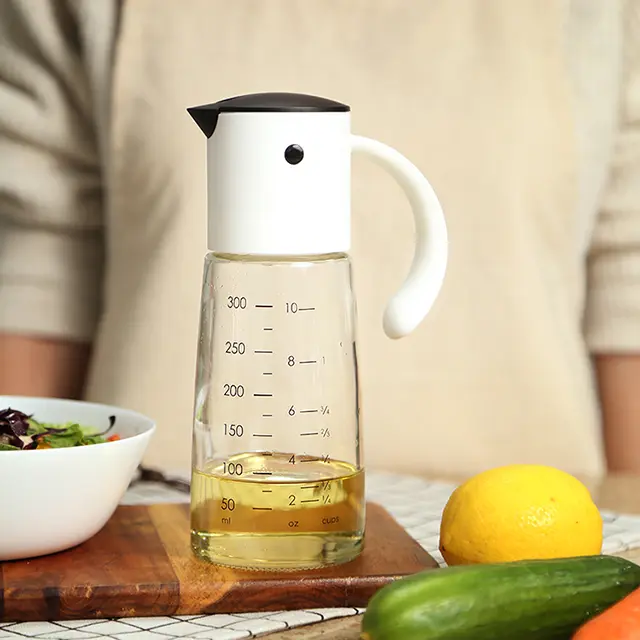
Case Study A: Red Dot Award-Winning Gravity Bird Spout Dispenser
The Opportunity: Market data indicated a sharp rise in high-end consumer demand for hygienic, drip-free oil and vinegar vessels. Most standard dispensers required manual lid flipping or suffered from oily drips rolling down the container's outer walls, leaving rings on kitchen countertops.
The Solution: Chinagama's mechanical design team engineered an independent bird-spout gravity mechanism. As the user tilts the container, a counterweight internally rotates the seal away from the nozzle, establishing a laminar flow. Returning the bottle upright immediately reseals the spout.
The Outcome: The project became one of our most successful lines, eventually winning the Red Dot Design Award for exceptional harmony of humanized ergonomics and aesthetic clean-lines.
Case Study B: The Oil Mist Sprayer Polymer Materials Pivot
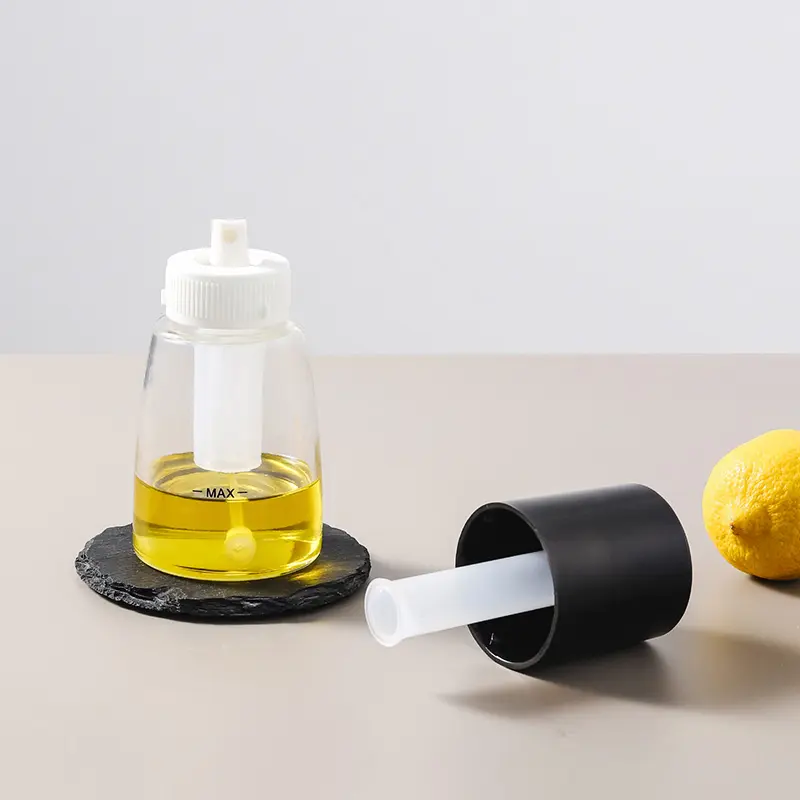
The Challenge: During custom development for a premier European brand, prototypes made of ABS and PMMA polymers exhibited stress-cracking after 3-4 weeks of exposure to vegetable oils. Vegetable fats can act as environmental stress cracking agents (ESCA) on certain acrylic-based plastics.
The Technological Pivot: Our chemical engineers rejected standard cosmetic-grade polymers in favor of customized high-density Polypropylene (PP) and Eastman Tritan copolyesters. These materials provide chemical resistance to fatty acids while retaining crystal-clear transparency.
The Outcome: We delivered a highly stable, non-toxic oil mist sprayer that preserved food safety, reduced structural failure rates to 0.01%, and significantly expanded the client's market share.
Case Study C: Re-engineering the Ergonomic Manual Grinder
The Human-centric Challenge: Traditional salt and pepper mills relied on bulky designs that were difficult for elderly hands to operate or suffered from ceramic burr slipping under high tension.
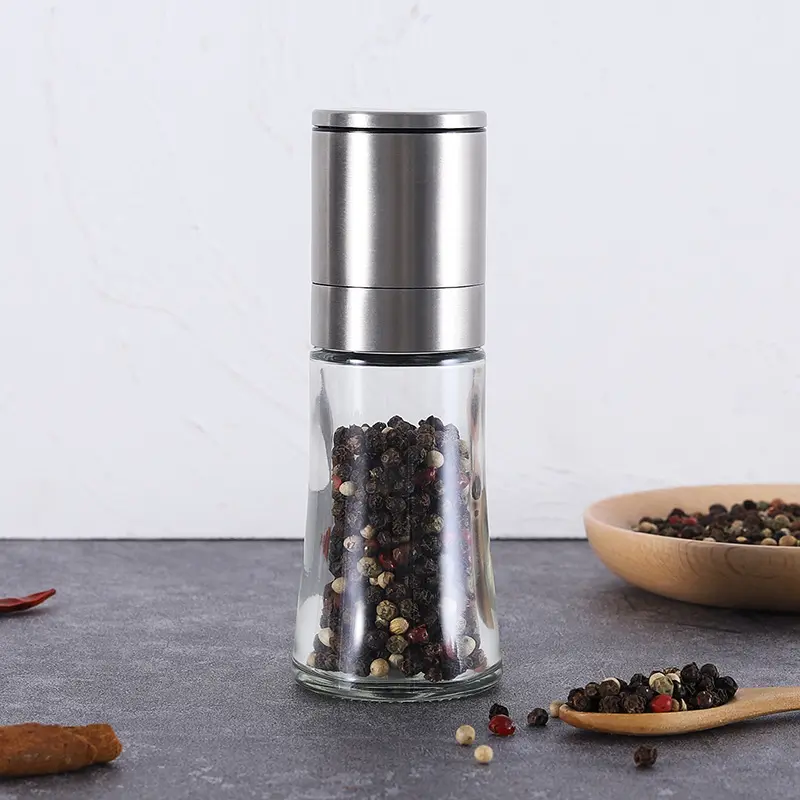
The Innovation: Chinagama designed a compact straight-body grinder featuring a proprietary top-mount adjustment collar. By integrating a multi-stage ceramic grinding core, the mechanical rotational force required was reduced by 35% without sacrificing output volume.
Success Profile: High user satisfaction ratings and repeated container re-orders from partner brands verified the commercial success of this ergonomic layout.
Innovative Culinary Design Portfolio
Browse our flagship categories featuring smart electric systems, manual hand mills, and precision glass decanters.
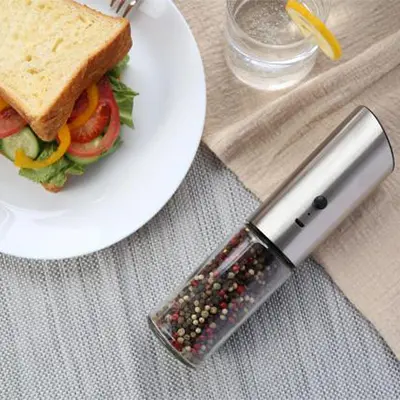
Smart Electric Grinding
USB and battery-powered mechanisms with integrated gravitational sensors. Simply tilt to activate the grinding burrs.
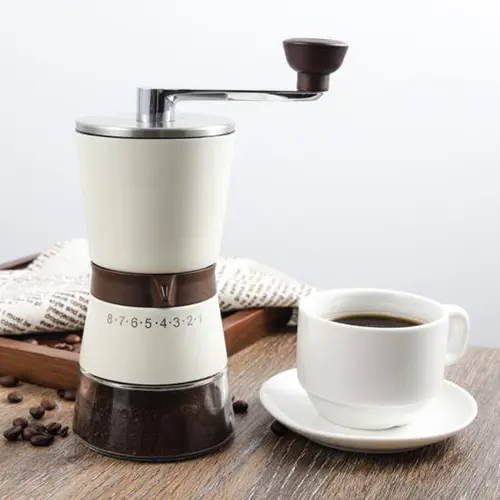
External Adjustment Designs
Easily dial from coarse crack to fine powder. Intuitively calibrated setting rings keep culinary spices consistent.
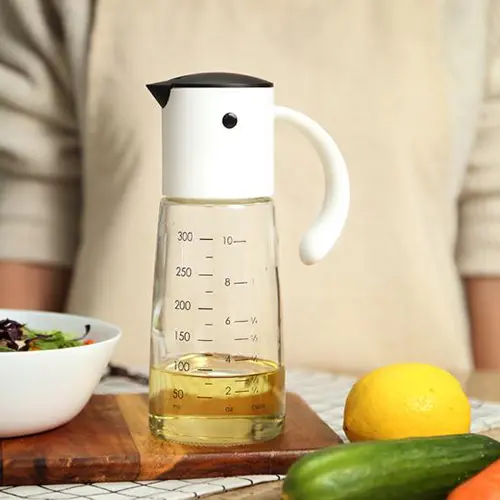
Zero-Drip Oil Pourers
Engineered auto-close gravity valves prevent oxidation, ensuring olive oils stay fresh, clean, and completely drip-free.
5. Localized Applications & Emerging Global Trends
The market requirements for gravity oil dispensers differ widely across geographic locations. In the European Union, where organic extra virgin olive oils are staples, buyers prioritize airtight glass structures to prevent photo-oxidation and preserve poly-phenols. Consequently, dark green glass bodies combined with high-grade food-safe gravity pourers are dominant.
In the North American Market, convenience and volume drive procurement. Large capacity dispensers (500ml+) featuring heavy-duty, dishwasher-safe borosilicate glass are highly preferred. In commercial settings like high-traffic restaurant dining rooms, hotel catering events, and industrial demonstration kitchens, managers look for scratch-resistant surfaces that can withstand continuous wash cycles without mechanical deterioration.
The future of this industry lies in sustainable design. Major retail chains are phasing out disposable plastic oil bottles. Reusable, refilled gravity containers are fast becoming kitchen standards. Chinagama continues to lead this shift by incorporating recyclable glass, natural woods, and food-grade silicone components into our customizable product lines.
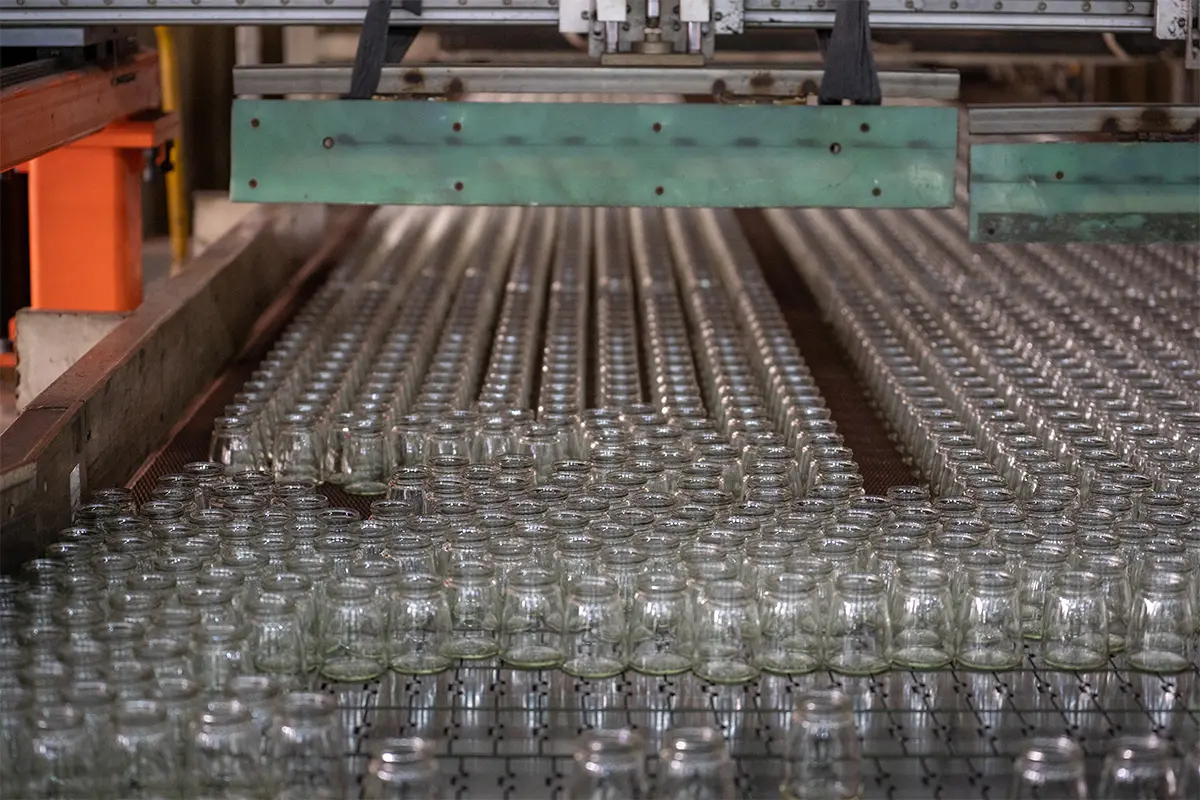
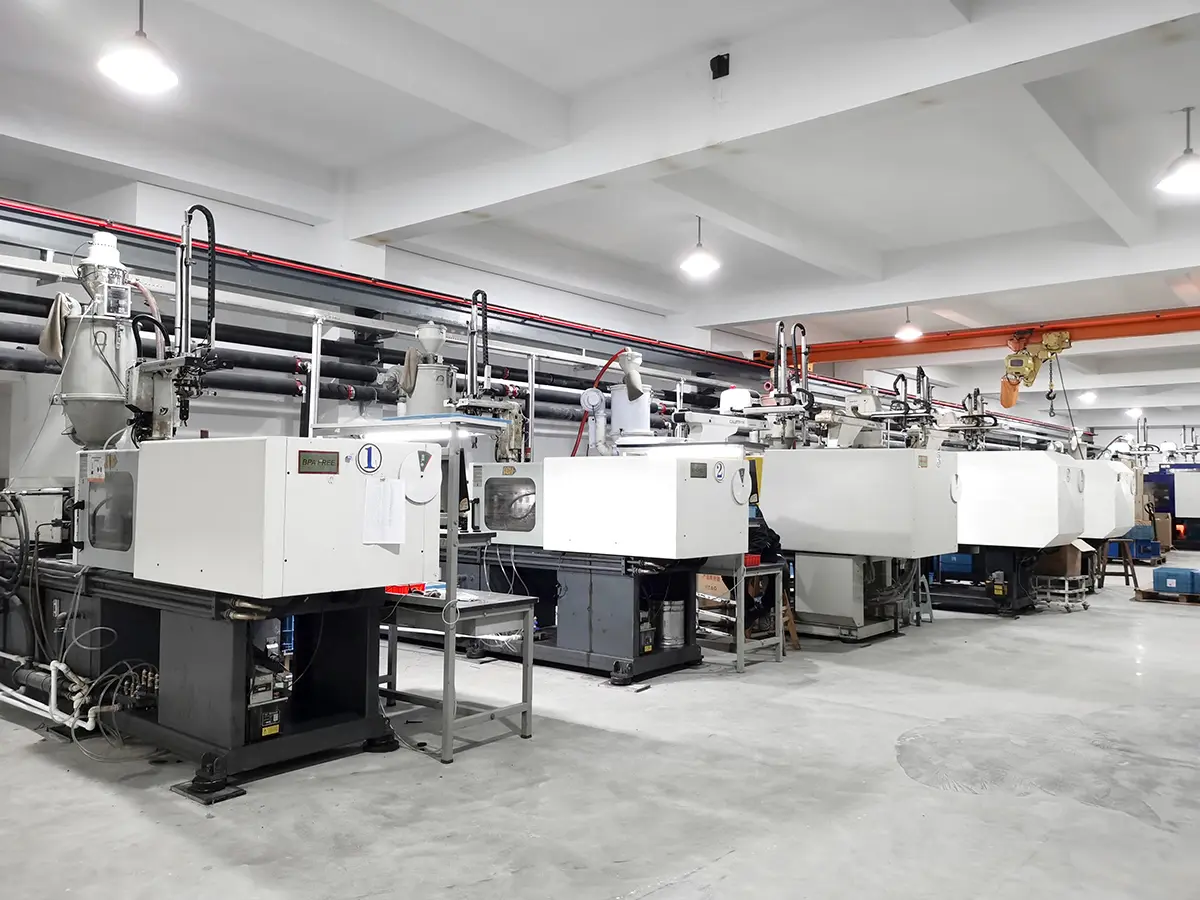
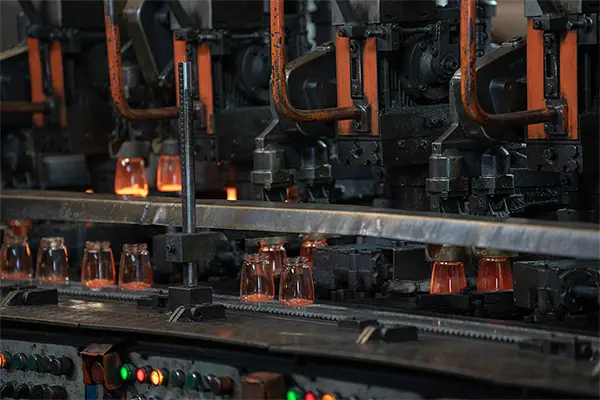
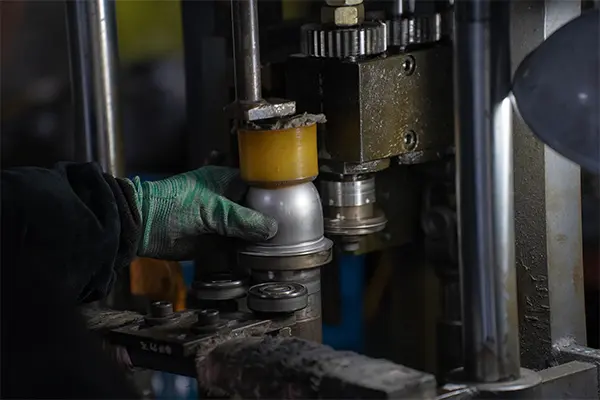
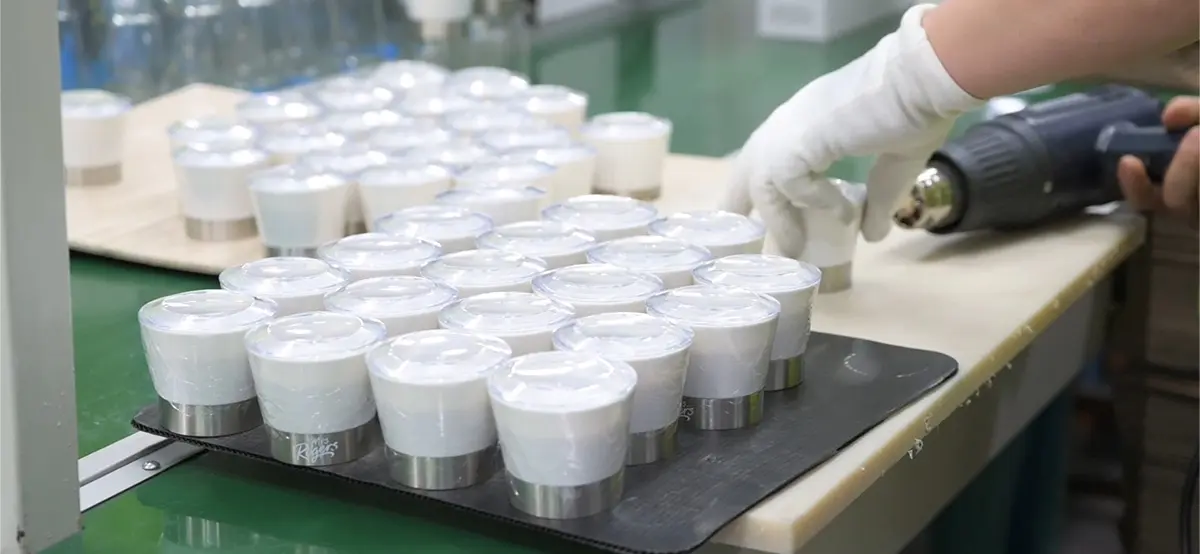
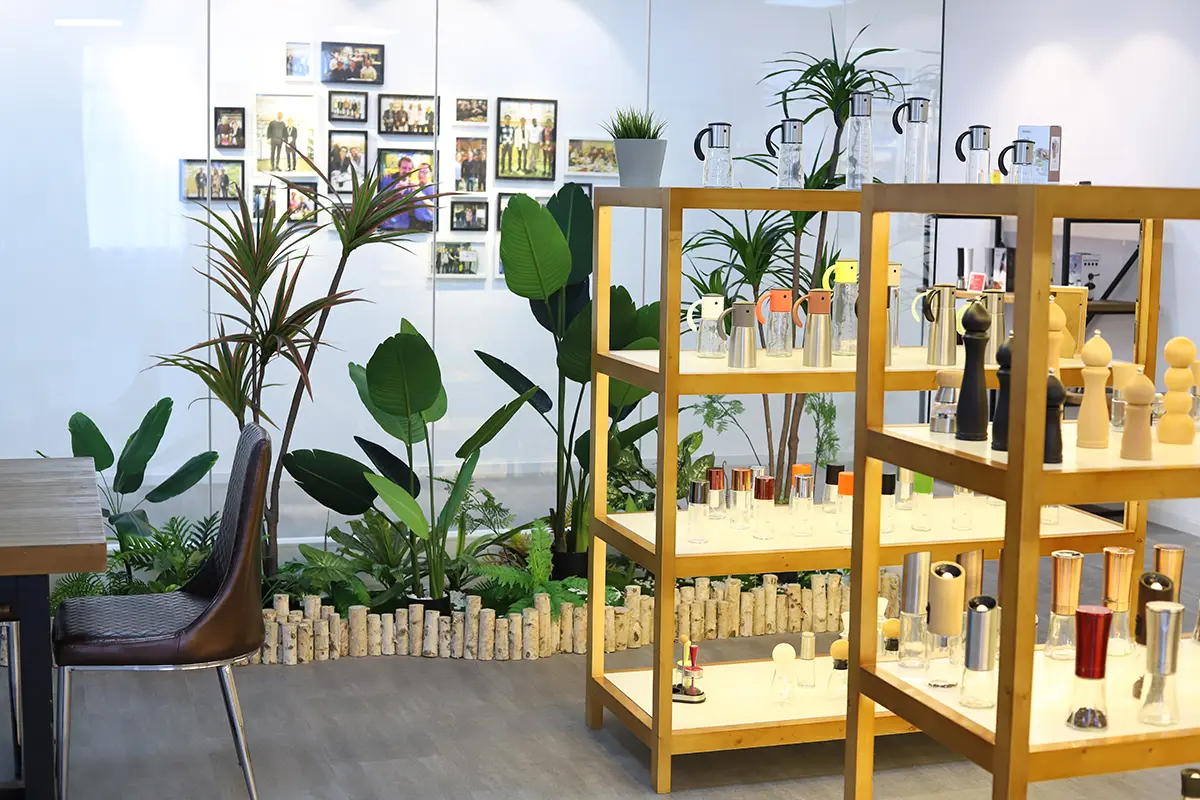
Advanced Production Facility & Engineering Equipment
Inside our standardized food-grade factory. High-precision tooling, skilled engineers, and automated quality testing.


6. Cutting-Edge R&D Capabilities & Patents
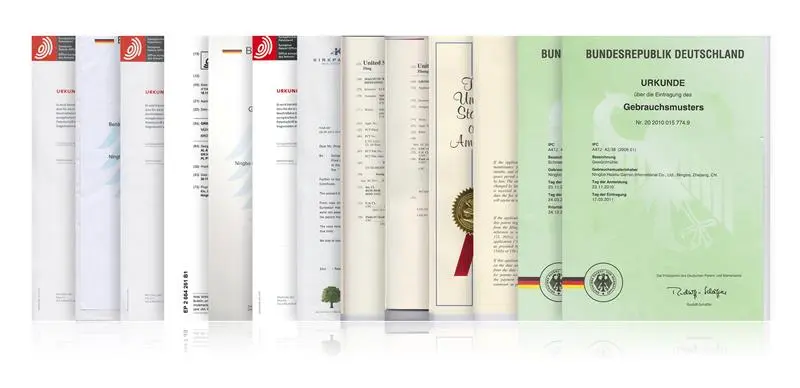
A manufacturer's market relevance hinges on its capacity to innovate. Chinagama's internal research unit comprises seasoned industrial engineers, material chemists, and ergonomic experts. Over our history, this focus has yielded more than 300 invention and utility patents.
When partnering with us for OEM or ODM services, clients enjoy access to our rich prototyping pipeline. From initial sketch and 3D mockups to pilot testing and production injection-molding, we guarantee speed, security, and IP protection. This structural agility allows our clients to introduce unique, patent-cleared products that stand out on retail shelves and Amazon storefronts alike.
Strategic Intelligence & FAQ
Addressing the critical sourcing, material, and logistics queries that procurement managers face when evaluating gravity oil dispenser factories.
Gravity-activated lids utilize calibrated internal counterweights. When tilted beyond a 45-degree threshold, the weight naturally shifts, sliding the stopper valve away from the stainless steel pouring pipe. When returned to an upright position, the counterweight forces the stopper back into place, sealing the opening. A specialized return channel catches any stray fluid and redirects it back into the bottle, eliminating external dripping.
High-borosilicate glass is the gold standard for long-term liquid containment. It is chemically inert, non-porous, and resistant to acidic and alkaline erosion. For the plastic lid assemblies, food-grade Polypropylene (PP) and Tritan copolyesters are the safest choices. They have zero BPA content and do not suffer from stress-cracking when exposed to lipids, unlike cheaper ABS or PMMA acrylics.
Ensure that your supplier has certified LFGB compliance for European orders and FDA clearances for American shipments. Additionally, check for ISO 9001 and BSCI compliance. This proves the factory follows ethical manufacturing practices and has a robust Quality Management System (QMS) in place to handle mass production runs consistently.
Yes. Chinagama offers complete OEM/ODM options. We can customize glass etching, outer silicone sleeve colors, lid finishes, and box packagings. For larger orders, our internal tooling team can design and cut custom injection molds to create brand-exclusive shapes.
Standard OEM/ODM orders typically have an MOQ starting at 1,000 to 3,000 units, depending on the complexity of customization. Once design specifications are finalized, standard production runs take approximately 30 to 45 days. This timeline includes strict batch inspections, sorting, and packaging setup.
Complete Wholesale & OEM Product Lineup
Enhance your sourcing portfolio with our award-winning manual mills, acrylic spice setups, and leak-proof kitchen sprayers.
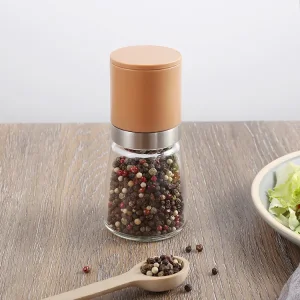
Wholesale Hand Spice Grinder Mill with Glass Jar
View Details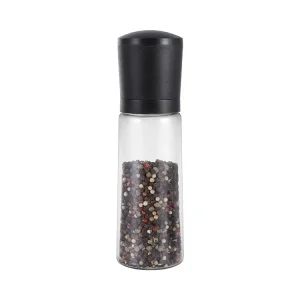
OEM Commercial Pepper Grinder Plastic Exporters, Quotes
View Details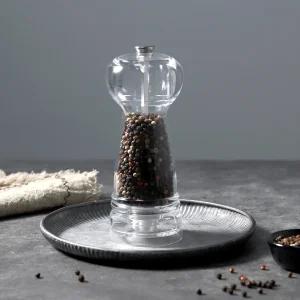
Custom Customized Classic Acrylic Salt and Pepper Grinder Products
View Details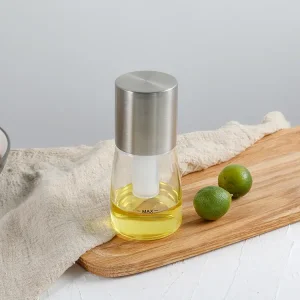
ODM Glass Oil Mist Sprayer for Culinary Creations
View Details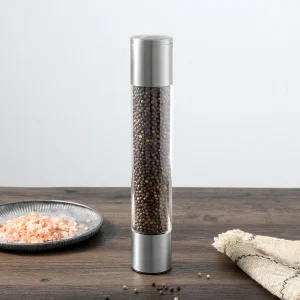
ODM 350ml Pepper Grinder with Adjustable Ceramic Burr
View Details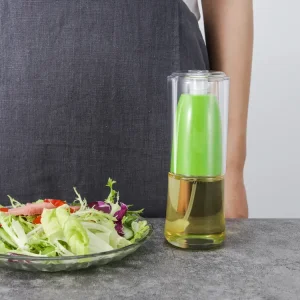
Wholesale Customized Glass Olive Oil Spritzer
View Details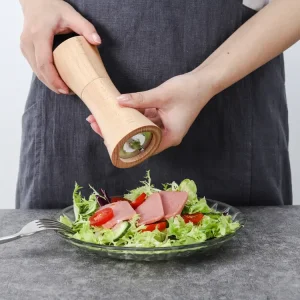
Wholesale Wooden Pepper Mill
View Details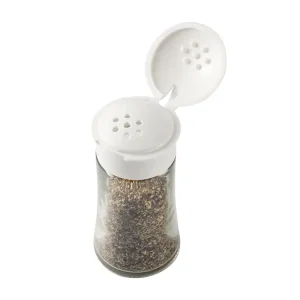
ODM Customized Portable Pepper Salt Shaker with Lid
View DetailsBecome Our Global Design and Sourcing Partner
Unlock premium styling, dynamic manufacturing capability, and competitive pricing for your mid-to-high-end culinary brand.
Request Custom Catalog & Quotes