 Chinagama
Featured Gravity & Manual Precision Mill Series
Engineered for high-volume distribution networks, global brands, and professional culinary supply chains.
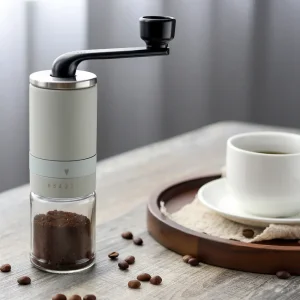
Customizable ODM Stainless Steel Coffee Grinder
Request Quotes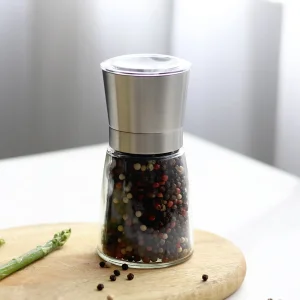
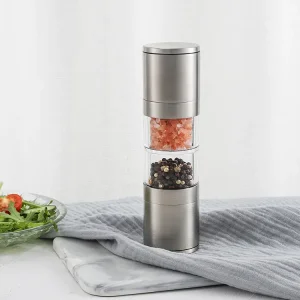
OEM Bulk Sale Contemporary Salt and Pepper Mills
Exporters Info
Wholesale Customized Electric Salt & Pepper Grinder Set
View Wholesale
ODM Customized Wooden Hand Coffee Grinder
Get Pricing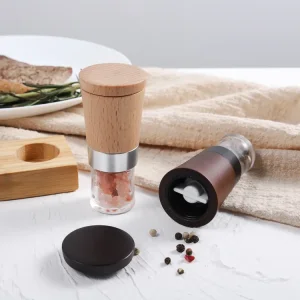
ODM Mini Wooden Spice Mill Set with Wooden Base
Specifications
CE Certification Bulk Mini Salt And Pepper Grinder Set
Quotes & Pricelist
ODM Custom Ergonomic French Press Coffee Maker
Enquire Now
OEM 18/8 Stainless Steel Adjustable Pepper Grinder
Exporter DetailsThe Paradigm Shift in Spice Grinding: Gravity-Activated Innovation
In the global culinary hardware industry, user convenience and mechanical reliability have become key competitive differentiators. Traditional manual mills are increasingly giving way to electric gravity-activated systems. These advanced devices utilize tilt-sensitive mechanisms to automate operation, allowing professional chefs and home cooks alike to dispense freshly ground spices with a single hand.
From a user-experience standpoint, this shift eliminates the physical strain of twisting mechanisms. For sourcing departments, investing in gravity mill technology unlocks higher-value product segments. By utilizing gravity micro-switches, these products align with modern ergonomic trends, resulting in increased consumer satisfaction and higher retail margins.
Critical Sourcing Specifications: Materials & Structural Safety
When evaluating global manufacturers of gravity spice grinders, technical teams must assess the quality of critical components:
1. Grinding Core Mechanisms: Sourcing options range from alumina ceramic cores to premium SUS304 stainless steel. Ceramic cores are preferred for salt and standard spices due to their resistance to moisture and chemical corrosion. High-carbon stainless steel burrs are ideal for grinding coffee beans and hard spices, where precision and durability are paramount.
2. Motor Specifications: Premium electric units feature low-noise, high-torque 3V to 6V DC motor systems. These motors provide consistent torque to grind tough peppercorns and sea salts without stalling, while maintaining operation below 60 decibels.

Chinagama: Strategic OEM/ODM Sourcing & Capacity
Integrating design, development, and high-volume output to streamline global kitchenware supply chains.
Since its founding in 1997, Chinagama has established itself as an industry leader in kitchenware manufacturing, specializing in salt and pepper grinders. In addition to precision mills, the company produces a wide range of essential kitchenware, including manual coffee grinders, oil and vinegar dispensers, and soap pumps.
Headquartered in Ningbo, China, Chinagama operates a modernized manufacturing facility that supports global consumer brands, private labels, and distribution companies. With a workforce of skilled engineers and production staff, the company ships millions of units annually, ensuring reliable delivery times even during peak shipping seasons.
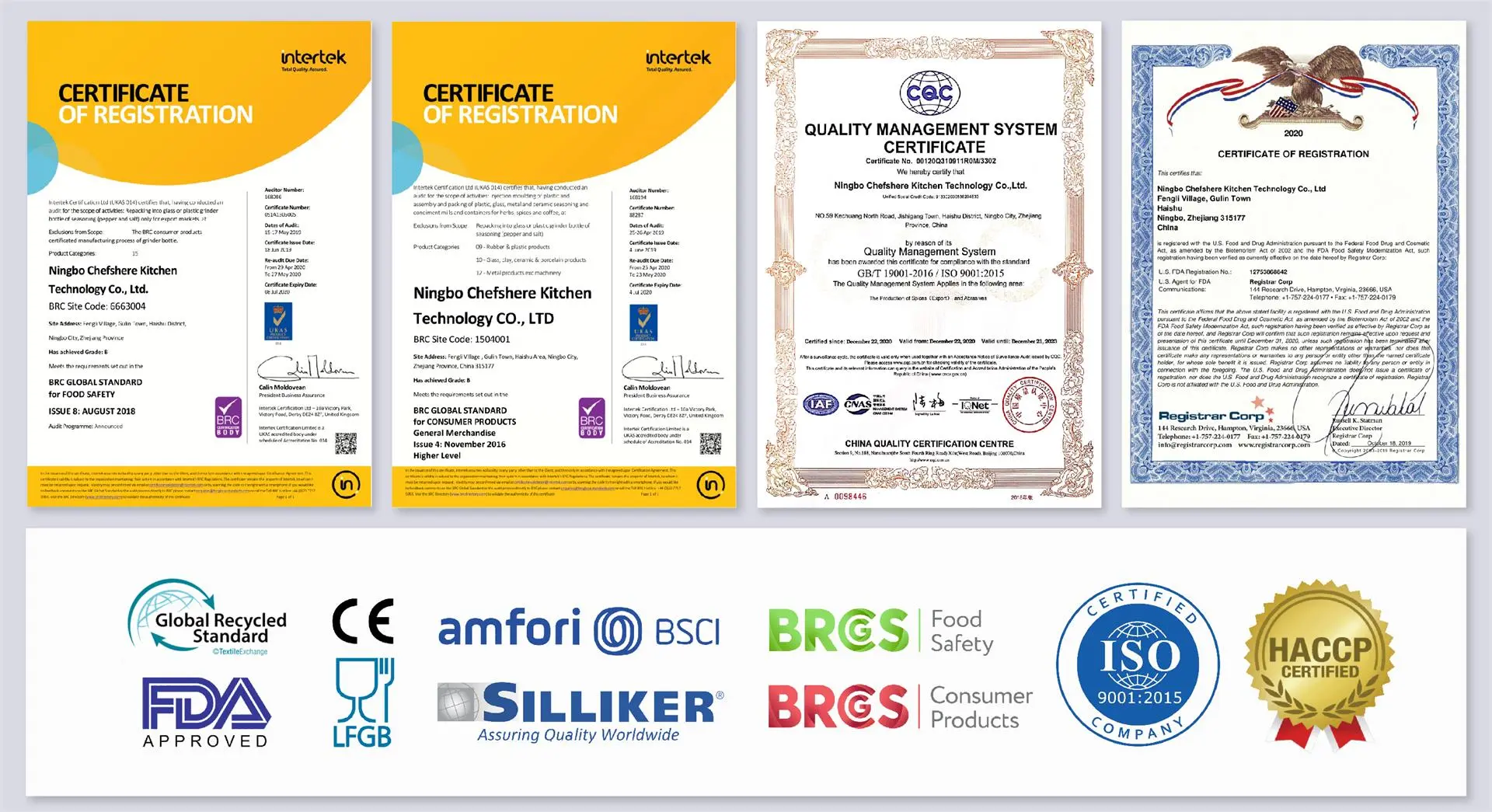
Chinagama's core competencies lie in its strong R&D capabilities and rigorous quality control protocols. The company's in-house laboratory conducts comprehensive material analysis, lifecycle simulations, and torque tests. As a result, products consistently earn international certifications, including FDA, LFGB, and CE, facilitating smooth customs clearance in European, American, and Asian markets.
Strategic Milestones & Industrial Evolution
Established operations with a focus on kitchenware trading, building key export channels.
Shifted focus from trading to manufacturing, establishing initial grinding tool assembly lines.
Built a modern food-grade factory to meet increasing international standards for cleanliness and safety.
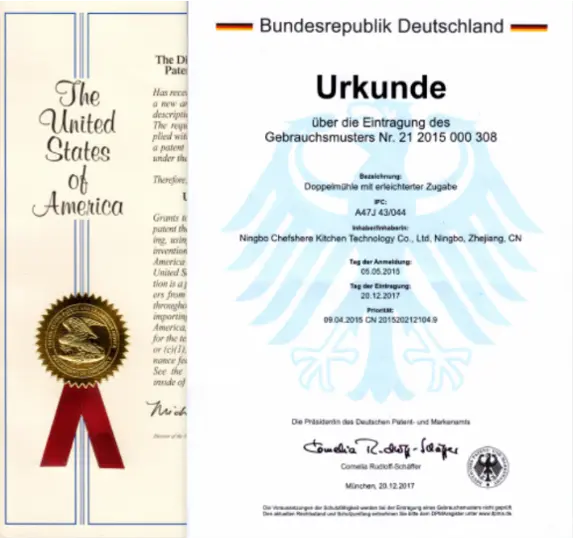
Recognized as a high-tech enterprise; earned Red Dot and iF Design Awards while securing over 300 patents.
Engineering Principles & Design Architecture
Our technical roadmaps prioritize long-term durability, chemical compatibility, and ergonomic efficiency.
Gravity Sensor Optimization
Uses non-mercury tilt switches to prevent environmental risks. The electric circuit activates automatically at a 45-degree angle, minimizing motor lag and preventing accidental starts when upright.
Material Compatibility
Replaces standard ABS with food-safe PP and copolyester (Tritan) in load-bearing chambers. This change prevents stress cracking caused by exposure to natural spice oils.
Power Management & Efficiency
Optimized gear ratios reduce battery drain, extending the lifespan of rechargeable Li-ion and AAA batteries. Built-in USB-C recharging circuits feature overcharge protection.
Solving Sourcing and Engineering Challenges
Examples of how custom engineering resolved performance, material, and design challenges for our partners.
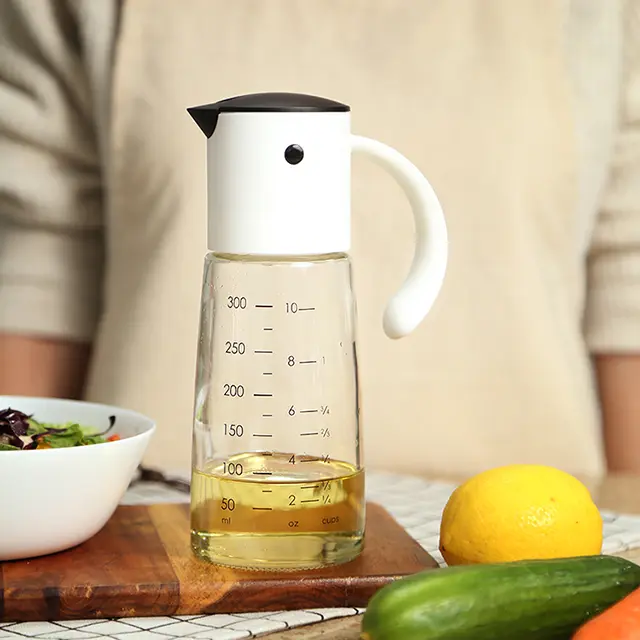
The Bird Spout Gravity-Fed Oil Dispenser Project
Challenge: Market research identified strong demand for an oil dispenser that could be operated with one hand without dripping or leaking down the sides.
Solution: Chinagama designed a gravity-activated bird spout dispenser. The lid opens and closes automatically based on the pour angle, keeping hands clean and preventing mess.
Result: This model earned a Red Dot Design Award and remains one of our top-selling kitchen items worldwide, demonstrating the value of user-focused engineering.
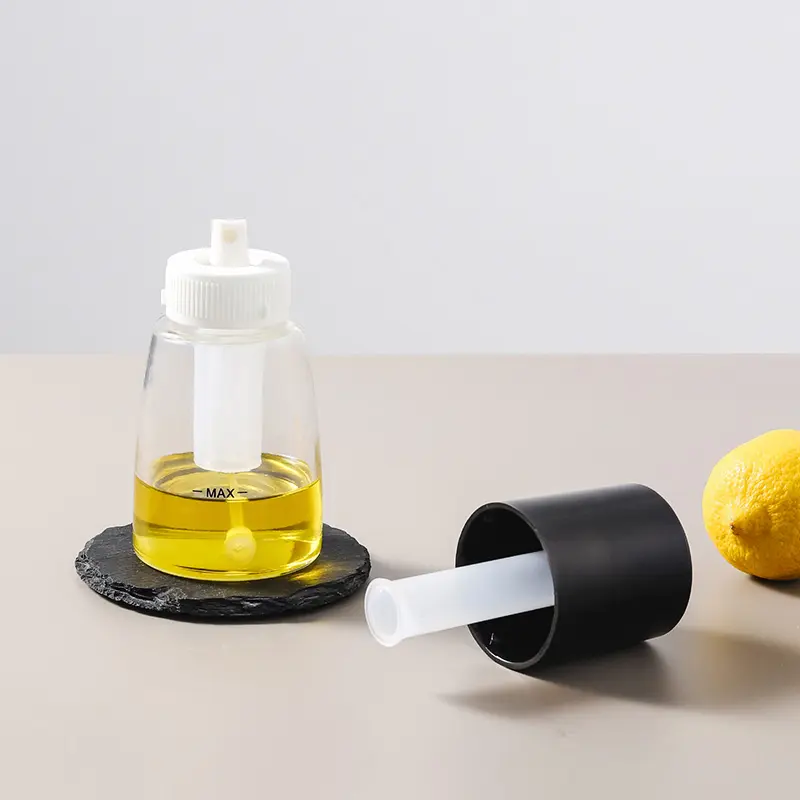
Preventing Material Stress Cracking in Oil Sprayers
Challenge: In a collaborative project with a global brand, initial product tests using ABS and PMMA plastics showed stress cracking when exposed to lipids under pressure.
Solution: Our materials engineers switched the pressurized components to a high-density, non-toxic PP formulation, which provides excellent chemical resistance to vegetable oils.
Result: This change eliminated cracking issues, met all safety standards, and helped the brand successfully launch the product to grow its market share.
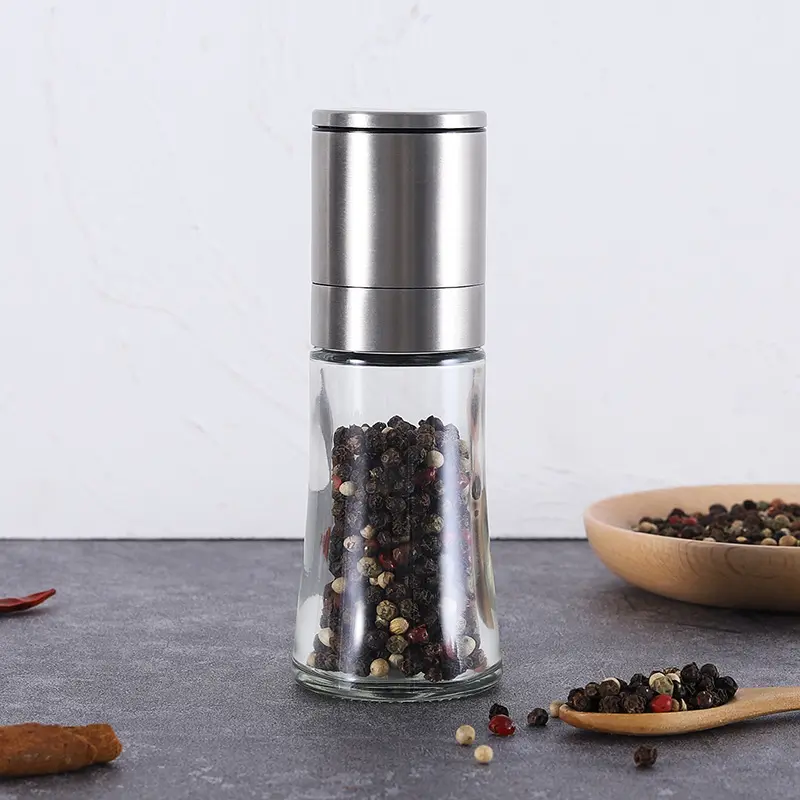
A Compact, Lightweight Manual Spice Mill
Challenge: Many manual mills on the market are heavy or bulky, prioritizing appearance over comfort and ease of use.
Solution: Chinagama designed a slim, straight-profile pepper and salt grinder featuring a patented easy-twist core and a lightweight, durable housing.
Result: The compact design received positive feedback from both retailers and consumers, proving that simple, functional updates can drive product success.
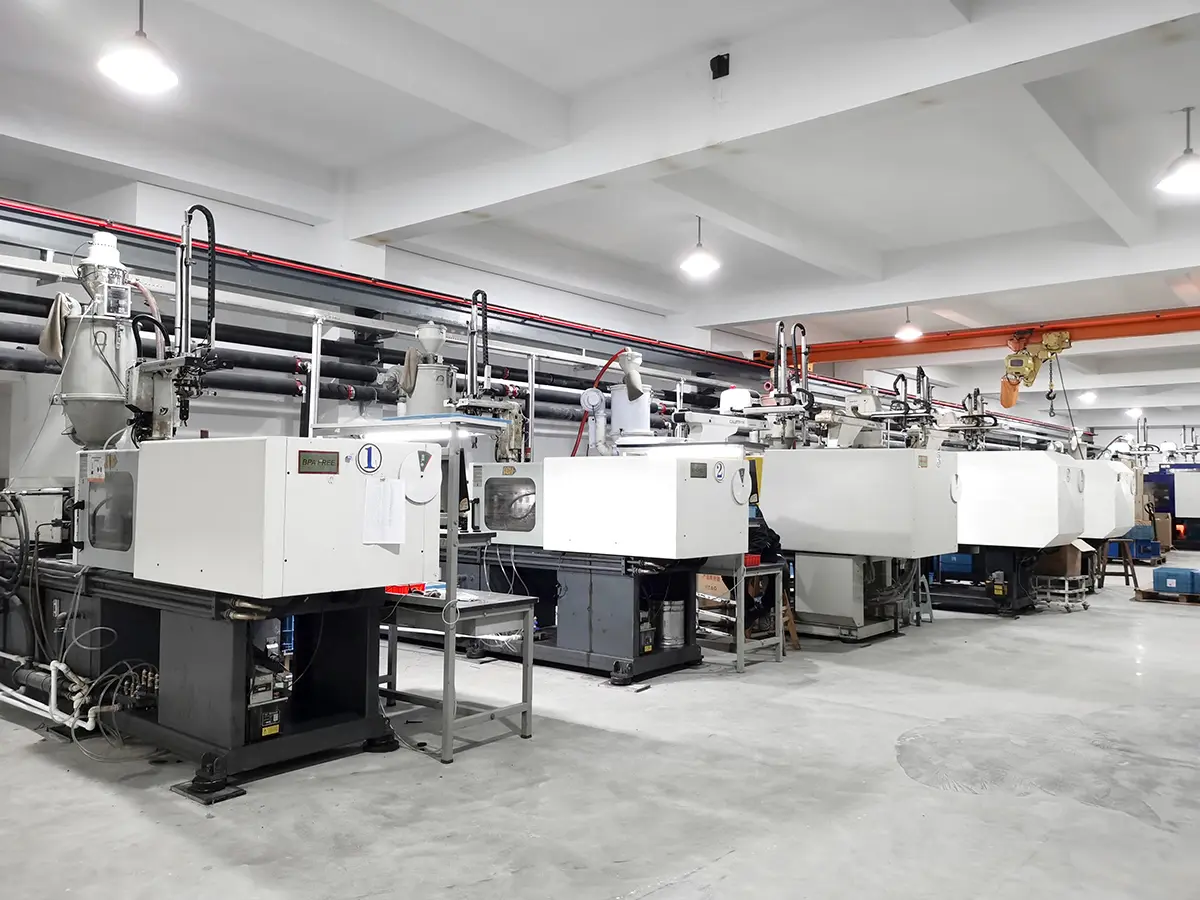
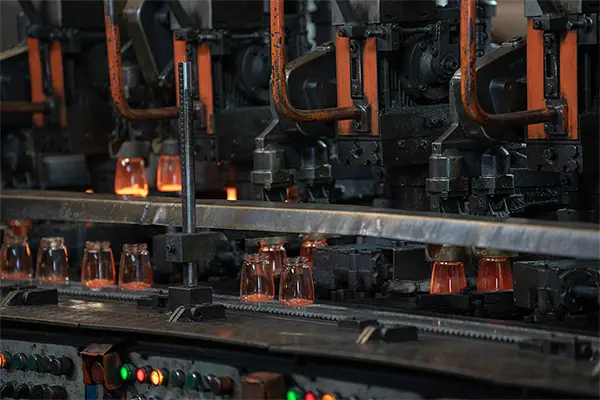
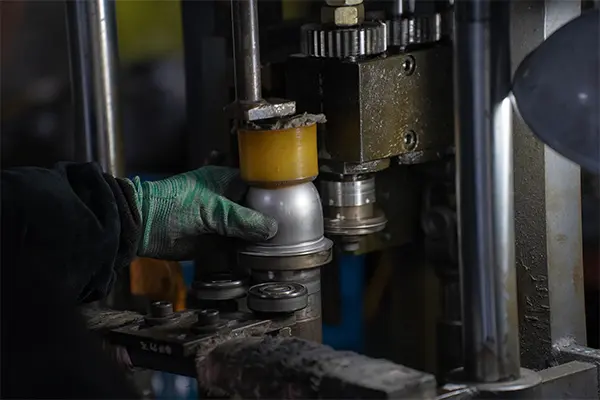
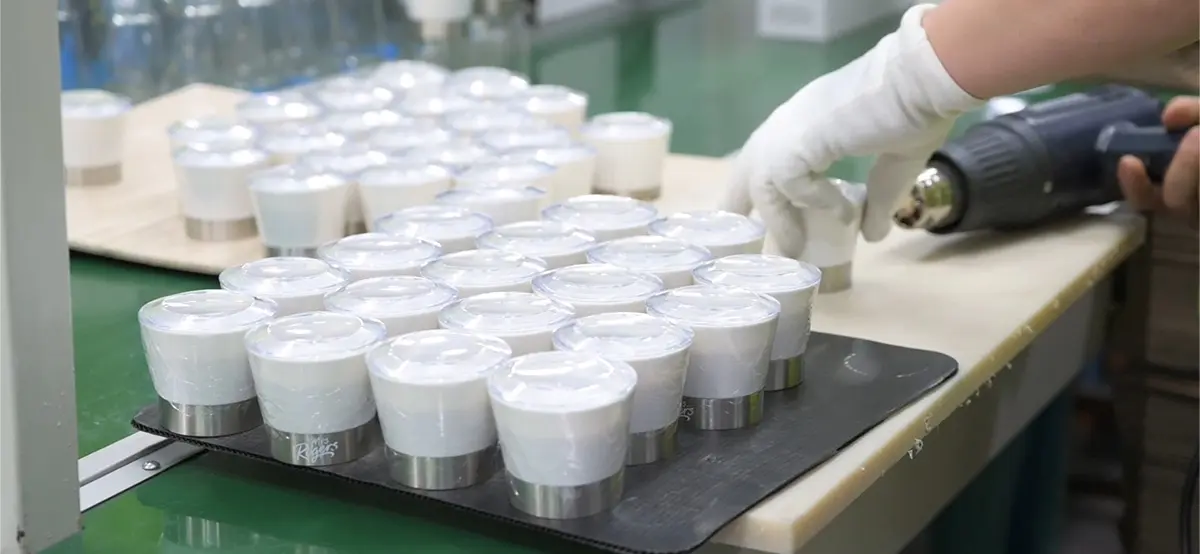
Advanced Equipment and Integrated Assembly
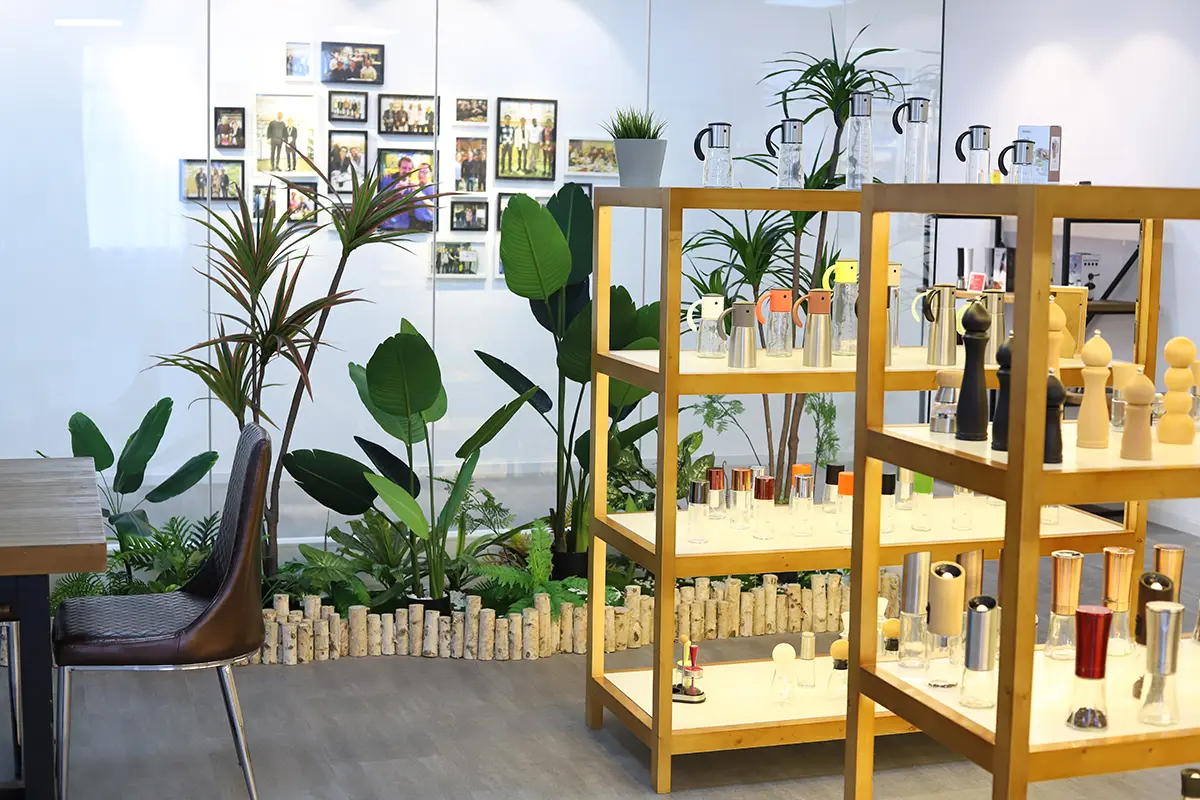
Take a look inside our manufacturing facility, where we combine modern technology with skilled assembly to ensure reliable output.
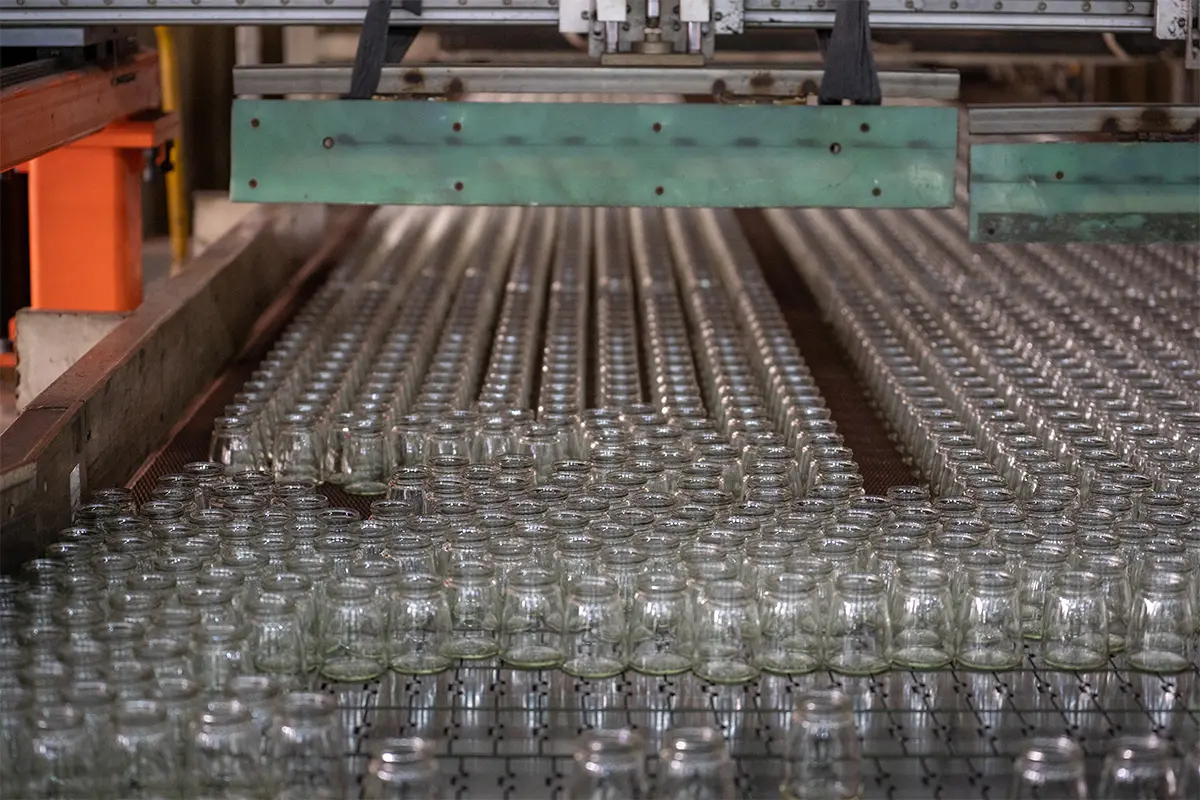


Technology Roadmap: The Future of Smart Kitchen Tools
As the kitchenware industry evolves, we are focused on incorporating advanced technologies and sustainable practices into our product lines:
1. Smart Portion Control: We are developing next-generation gravity grinders that measure and dispense precise weights of spices, helping users track portions and follow recipes accurately.
2. Sustainable Materials: We are testing bio-based resins, recycled ocean plastics, and wheat straw composites to replace standard petroleum-based plastics. Our goal is to reduce environmental impact while maintaining product durability.
3. High-Efficiency Motors: We are working on brushless DC motors to extend battery life, reduce noise, and ensure consistent grinding power for the toughest spices.
Frequently Asked Questions for Sourcing Managers
Answers to common technical, material, and logistical questions from global purchasing departments.
What is the typical lifespan of the ceramic grinding core?
Our high-density alumina ceramic cores are tested to last through more than 10,000 cycles, equivalent to roughly 5 to 7 years of typical household use. They resist wear from hard sea salt and peppercorns without losing grinding efficiency.
Are the materials certified for food contact?
Yes. All materials that come into contact with food—including acrylic, glass, stainless steel, and ceramic—receive regular certifications from SGS and TÜV to ensure compliance with FDA and LFGB food safety standards.
What is the minimum order quantity (MOQ) for custom OEM orders?
Our standard MOQ for OEM orders starts at 1,000 to 3,000 units per model, depending on the level of customization. We can accommodate custom Pantone colors, laser-engraved logos, and tailored packaging to support your branding.
How do you prevent motor damage if the grinder gets jammed?
Our electric gravity grinders feature built-in torque limiters and automatic shutoff sensors. If a hard object jams the grinding mechanism, the motor pauses automatically to protect the electrical components and prevent battery drain.
What is the typical lead time for production and delivery?
Standard production cycles run between 35 and 45 days after design approval and deposit receipt. We work closely with major logistics providers to manage shipping schedules and ensure on-time delivery.
Custom Herb Mills & Rechargeable Grinder Series
Explore our full line of customizable manual and electric grinders designed to meet diverse market demands.
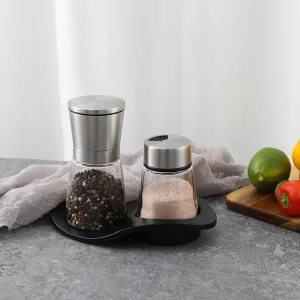
Customized Manual Herb Mill & Spice Shaker Set
Request Quotes
Wholesale Plastic Refillable Pepper Grinder
Bulk Sourcing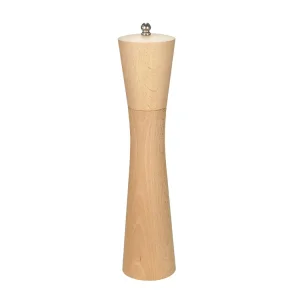
ODM Customized Vintage Wooden Spice Mill
Exporters Info
Wholesale Gooseneck Coffee & Tea Kettle
View Wholesale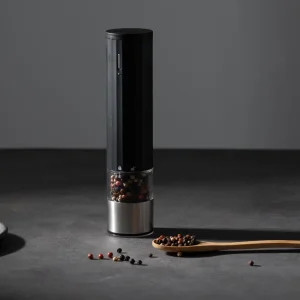
ODM Customized Gravity Salt & Pepper Grinder
Get Pricing
Custom Wooden Hand Coffee Grinder
Specifications
Wholesale Stainless Steel Pepper Mill (Adjustable Burr)
Quotes & Pricelist