 Chinagama
Featured Precision Grinding Systems & Culinary Tools

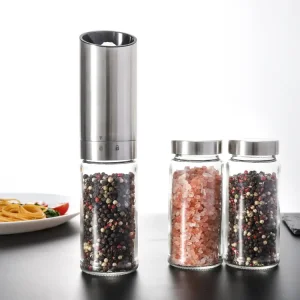
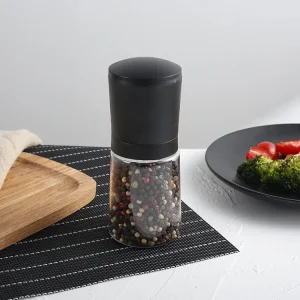



The Evolution of the Global Spice Mill Industry: Smarter Kitchenware
Modern culinary spaces are undergoing a structural shift towards ergonomics, electrical automation, and aesthetic precision. In the kitchenware sector, B2B buyers require products that do not simply perform manual tasks but integrate seamlessly into automated smart homes.
The Paradigm Shift: From Manual Mechanisms to Intelligent Electric Systems
The global spice mill market is experiencing a profound transition. Consumers are replacing traditional manual wood and acrylic grinders with sleek, high-torque electric spice mills. Powered by lithium-ion rechargeable battery packs and equipped with gravity tilt sensors, modern electric mills allow single-handed operation. This is particularly valuable in dynamic commercial kitchens and accessible residential environments.
As a pioneer in this sector, Chinagama has driven this paradigm shift since our establishment in 1997. We recognize that high-end brands require a robust partner capable of executing customized engineering solutions. Our design-forward approach has earned prestige across international design standard boards, including the German Red Dot Design Award and the iF Design Award.
- Intelligent Gravitational Sensing: Automatically initiates grinding at a 45-degree incline to ensure effortless operation.
- Rechargeable Power Interfaces: Transitioning from disposable alkaline batteries to Type-C USB lithium charging arrays, cutting lifetime operational costs and reducing hazardous battery waste.
- Alumina Ceramic Cores: Diamond-hard ceramic burrs provide rust-free, long-duration wear resistance that does not alter spice aromas.

E-E-A-T Sourcing: Our Uncompromised Commitment to Food-Grade Quality
For global brands, sourcing kitchenware products from overseas factories involves strict regulatory compliance. Materials that come into direct contact with food must meet rigorous chemical safety guidelines. Our dedicated R&D team and internal factory ensure that every product undergoes robust quality inspection stages before shipment.
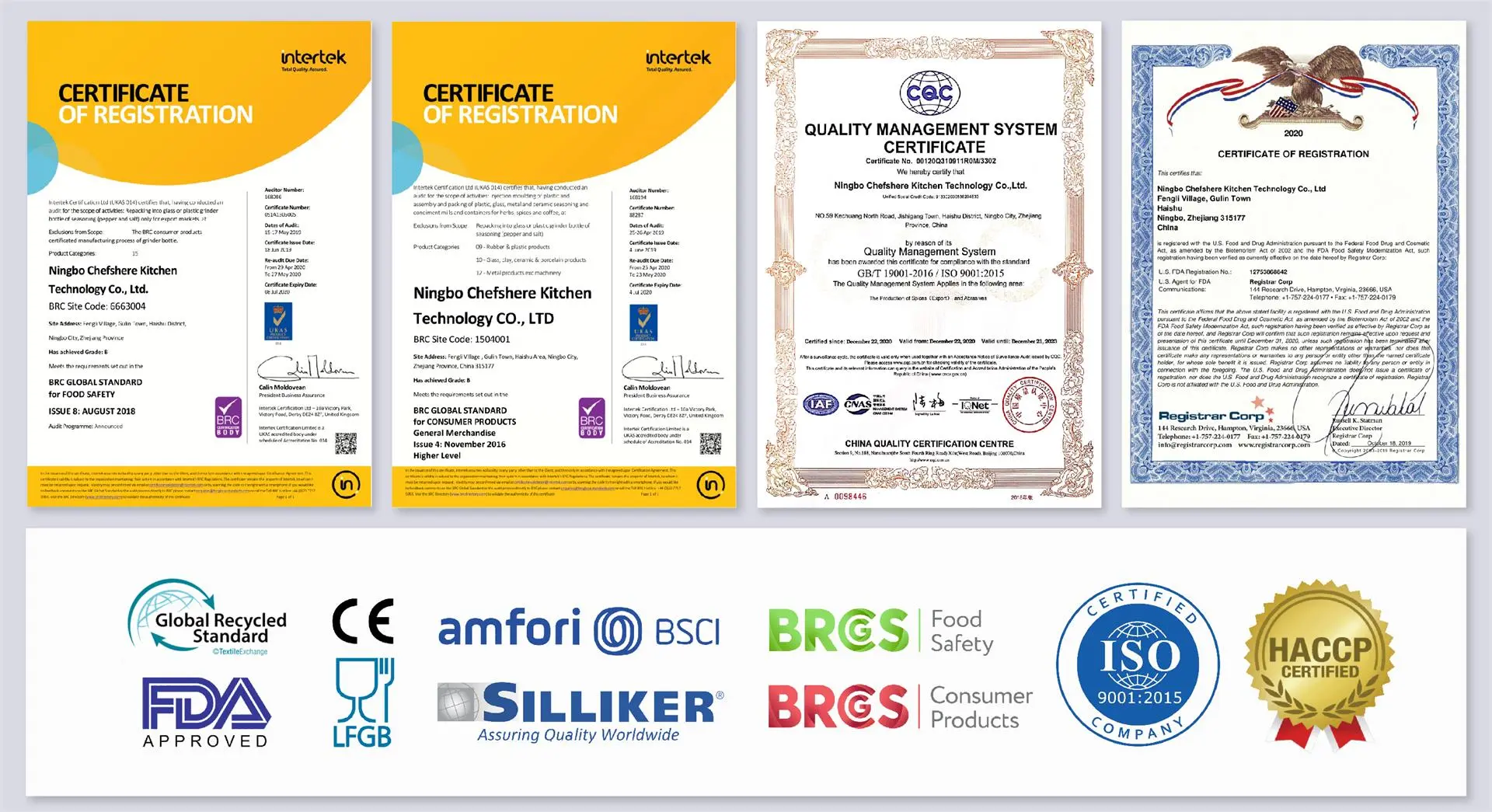
Chinagama’s production processes are verified by international third-party testing institutions. Our entire product line carries prestigious LFGB and FDA food-grade certifications, confirming the safety of all polymer plastics, ceramics, and stainless steel components.
We manage product life cycles through a rigorous multi-stage quality control system. Our factory runs environmental chamber testing, salt spray corrosion tests for metal components, and cyclic torque stress evaluation to guarantee that every electric spice mill operates reliably under kitchen conditions.
A Legacy of Global Success: The Chinagama Journey
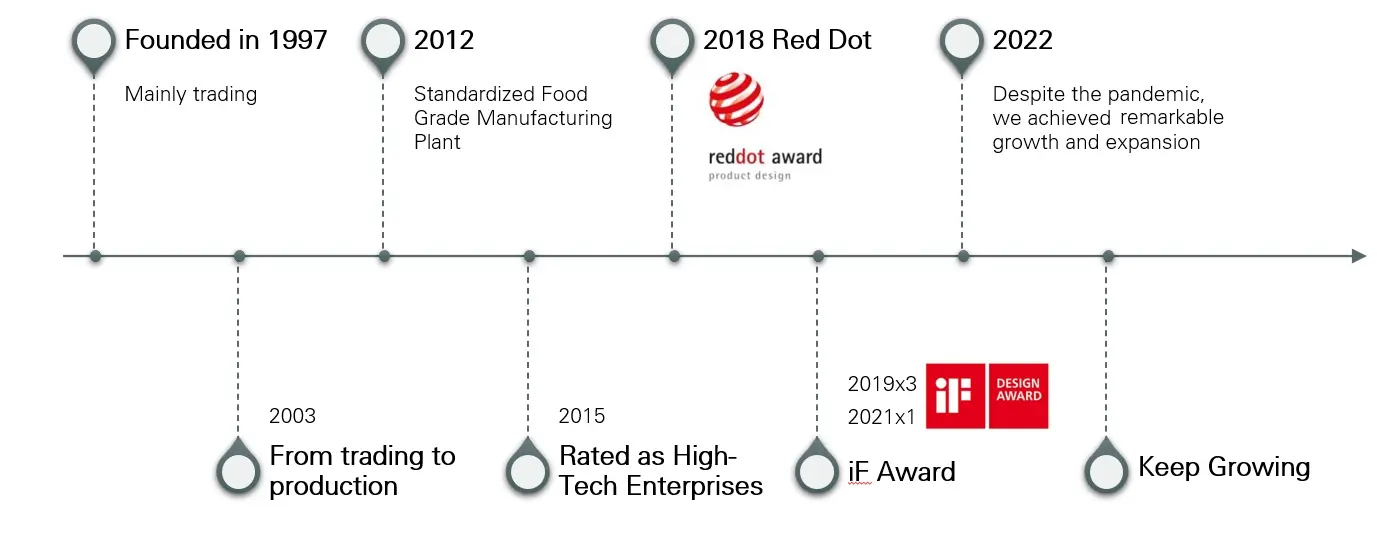
From a focused regional trading entity to a global manufacturing leader, our development path reflects a continuous commitment to precision and shared success.
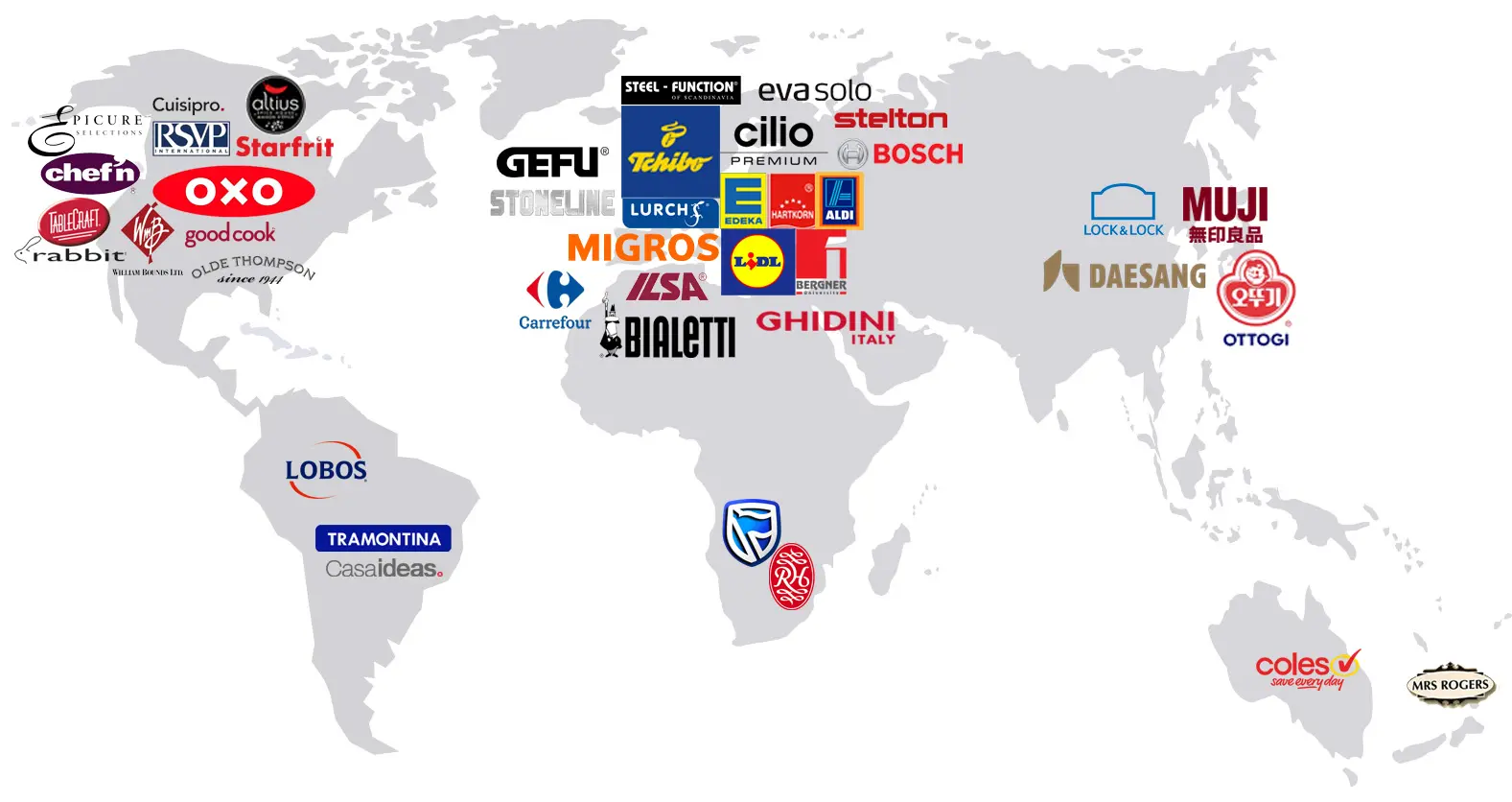
Chinagama sells over 12 million pepper grinders annually. Every three seconds, a kitchen tool engineered in our facility goes to work in a consumer's kitchen. This large-scale output is supported by structured steps of continuous improvement:
- 1997: Embarked on our journey, focusing on regional kitchenware trade.
- 2001: Adopted online trade platforms, expanding our partnerships internationally.
- 2003: Shifted from trade to direct production, acquiring manufacturing lines to control product quality.
- 2012: Established a modern, standardized, food-grade production plant to support international brand requirements.
- 2015: Awarded High-Tech Enterprise status, and recognized with Red Dot and iF Design awards.

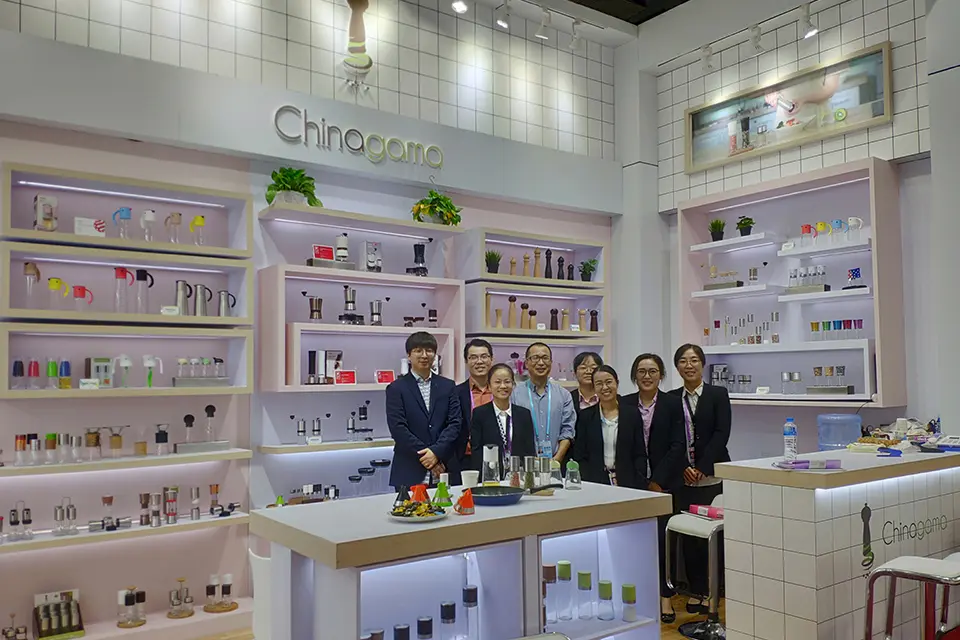
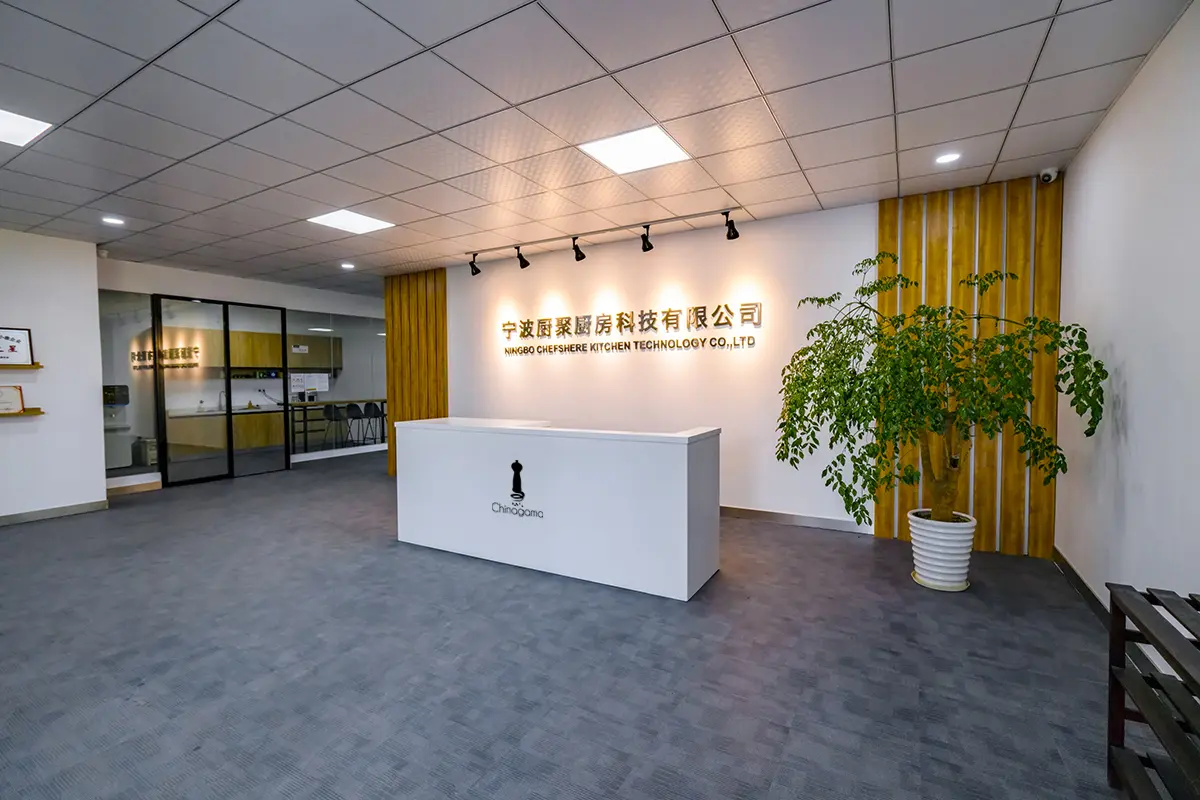
China Factory 4.0: Supply Chain Resilience & Operational Efficiency
Modern manufacturing requires high agility, complete traceability, and advanced material science.
Equipment & Workforce
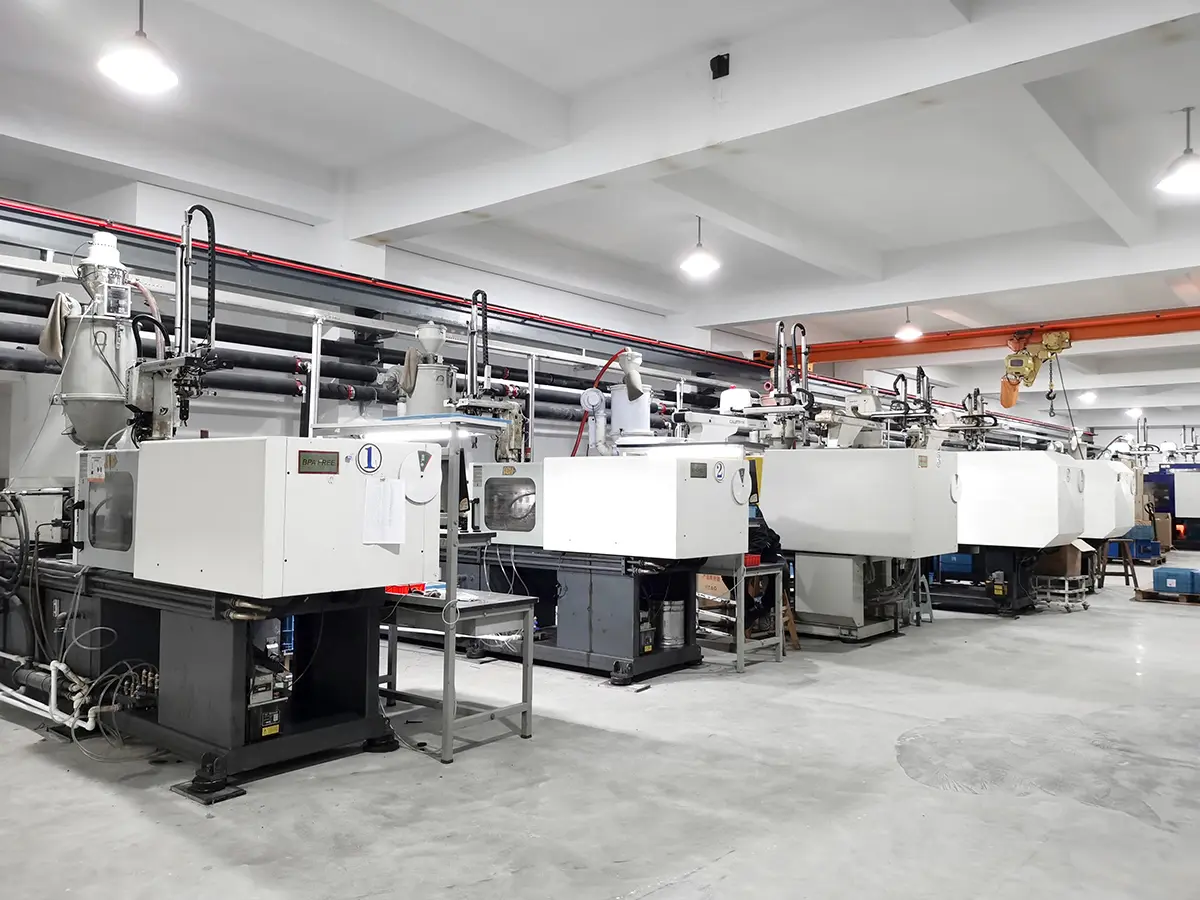
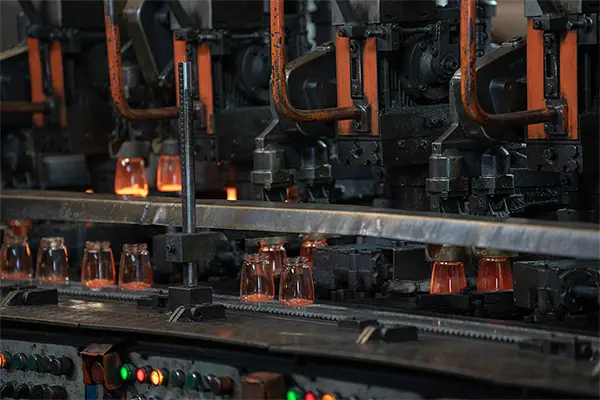
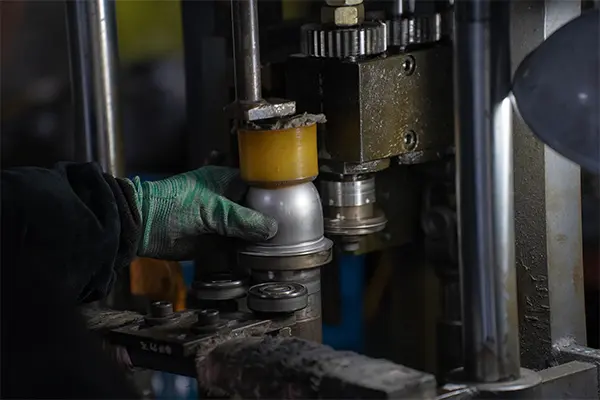
We operate automated injection molding stations, precise robotic assembly cells, and ultrasonic welding machines. This infrastructure allows our skilled technicians to maintain quality consistency across high-volume production runs.
R&D Integration
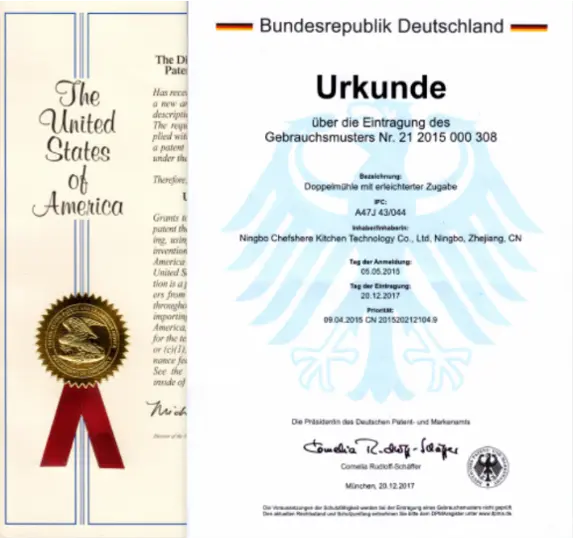
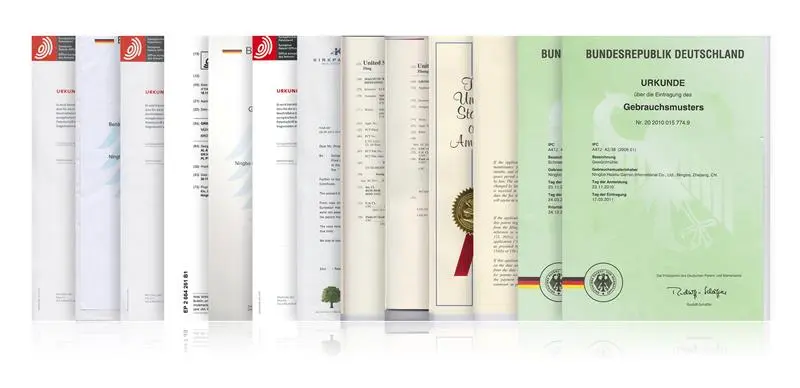
With over 300 patents, our R&D team designs custom aesthetics, finishes, and functional enhancements to match our partners' design directions.
Eco-friendly Practices
We design our products with sustainability in mind, prioritizing recyclable plastics, sustainable woods, and lead-free alloy finishes to minimize environmental impact.
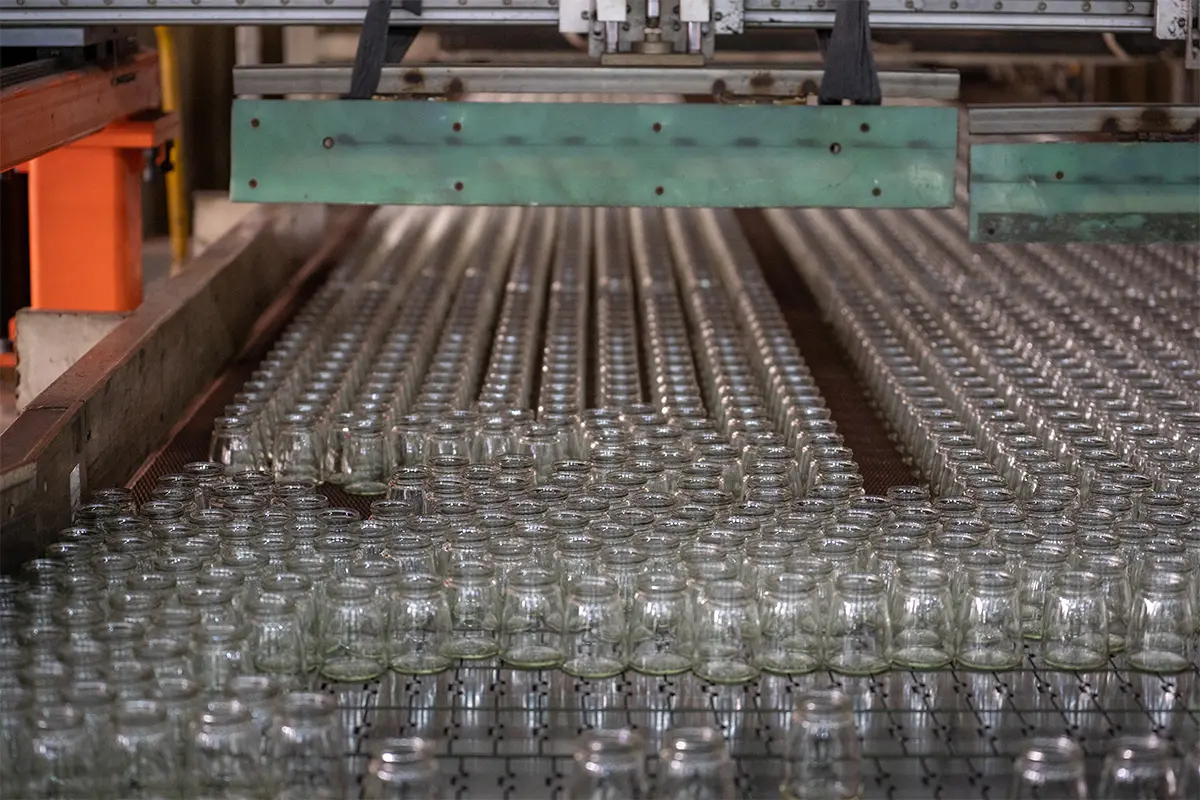
Engineering Principles & Material Analysis
Material performance and design details differentiate high-end consumer appliances from lower-quality alternatives.
Preventing Stress Cracking: Material Adjustments in Product Design
When developing kitchen products that dispense or store oils, select polymers can degrade under chemical stress. A relevant example of this occurred during the development of our Oil Mist Sprayer project.
Initially, structural designs utilized Acrylonitrile Butadiene Styrene (ABS) and Polymethyl Methacrylate (PMMA) for transparent outer sections due to their clarity and impact resistance. However, rigorous chemical stress testing revealed that exposure to common lipids (like olive and vegetable oils) led to stress cracking over time, compromising product life.
"To address this stress cracking issue, our engineering team switched the structural components to Polypropylene (PP). PP provides high chemical resistance to organic oils while maintaining structural integrity and meeting food contact safety standards."
This focus on material selection ensures that our custom kitchenware solutions operate reliably for consumers over long lifetimes.

Electric Spice Mill Technical Specifications
Below are the standard engineering parameters for our customized electric salt and pepper grinders.
| Specification Feature | Standard Configuration | Premium/Customization Options |
|---|---|---|
| Grinding Mechanism | High-density Ceramic Burrs (Alumina Al2O3) | Stainless Steel Burrs / Carbon Steel Burrs |
| Power Source | AAA/AA Alkaline Batteries (4 or 6 unit arrays) | Rechargeable Lithium Battery (1200mAh to 2000mAh) via Type-C USB |
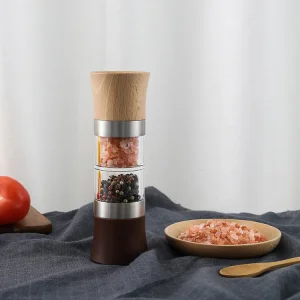
| Housing Materials | 304 Grade Stainless Steel / PP / Acrylic | Anodized Aluminum / Sustainable Bamboo / Solid Walnut |
| Operation Trigger | Manual Push-Button | Gravity-Activated Incline Sensor (Micro-switch & Gyroscope) |
| Coarseness Settings | 5-level Manual Adjustment Knob | Stepless Micro-adjustable Precision Thread System |
| Illumination | Bottom-mounted LED (Blue/White) | High-efficiency warm white LED array |
| Noise Signature | < 65 dB (at 30cm operational distance) | Quiet-drive motor damper system (< 55 dB) |
Product Design Case Studies
How we transform consumer insights and design concepts into functional kitchenware.
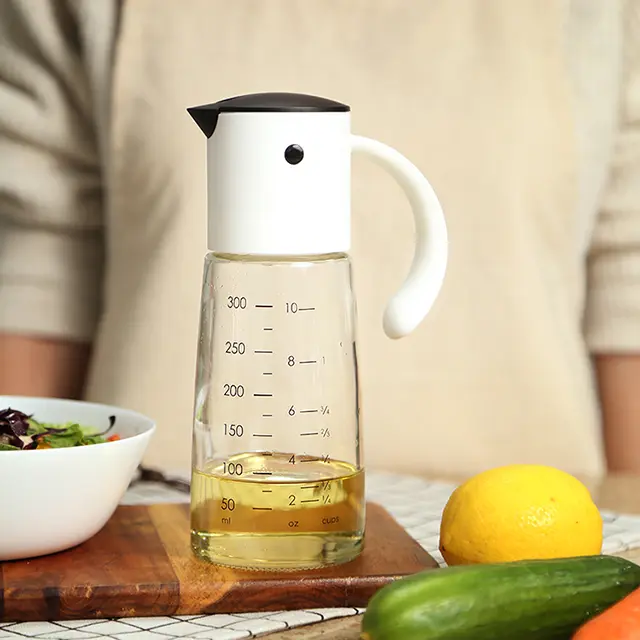
Gravity-Fed Bird Spout Oil Dispenser
Market research indicated a growing consumer demand for clean, single-handed oil dispensers. Conventional designs often suffered from messy drips and complex opening systems. Chinagama developed a gravity-actuated bird spout mechanism that automatically opens when tilted and seals when upright, preventing spills and drips. The product won a Red Dot Design Award for its styling and functional convenience.
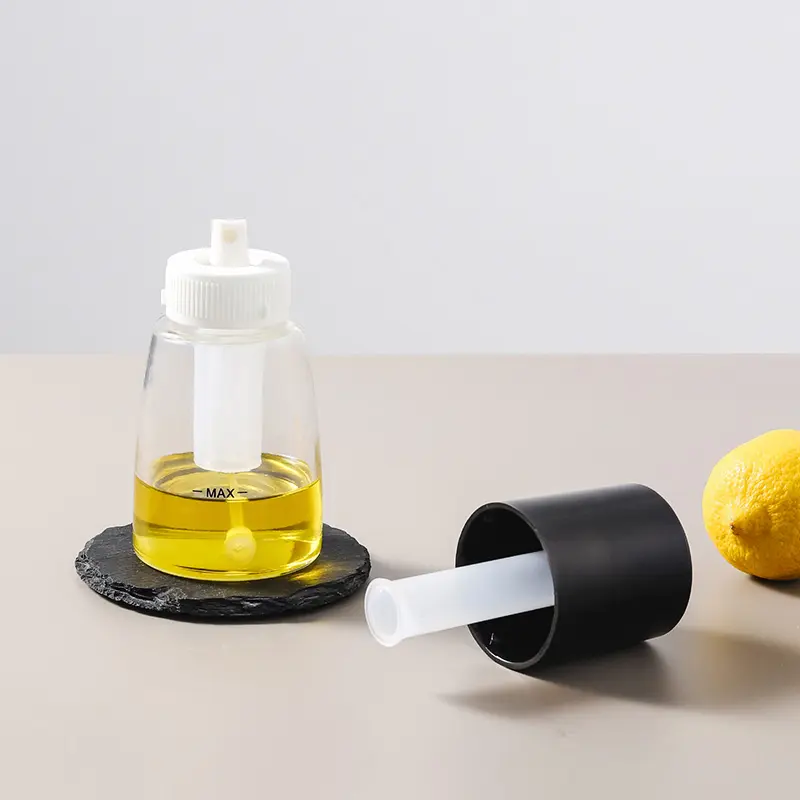
Precision Oil Mist Sprayer
Partnering with a leading international brand, we designed an oil mist sprayer that delivers a consistent, atomized mist without using aerosol propellants. Through iterations of mechanical pump testing and switching materials from ABS/PMMA to chemical-resistant PP, our engineers delivered a durable kitchen tool that met the partner's strict safety standards.
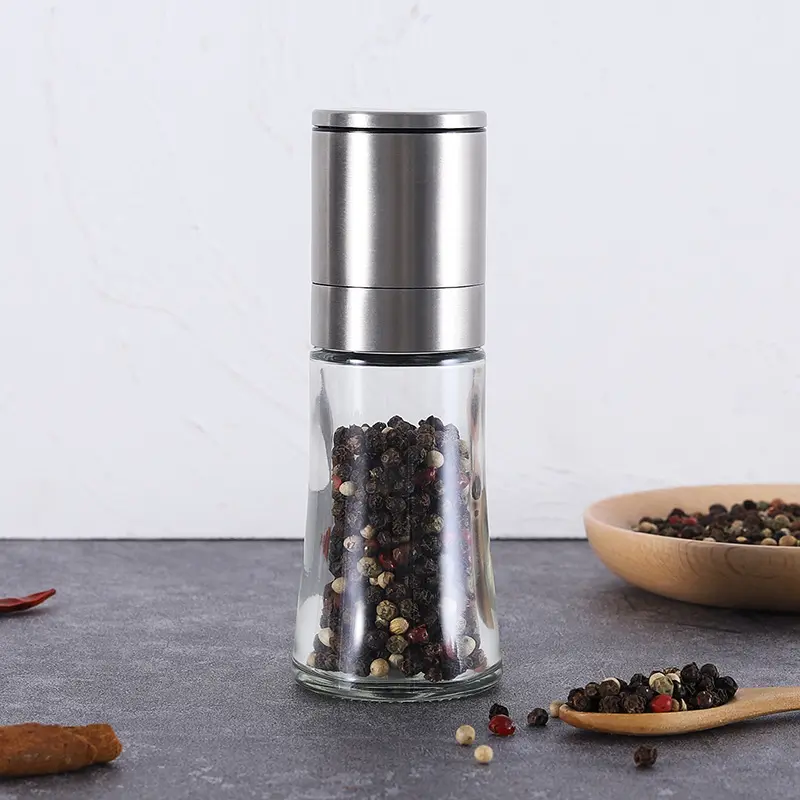
Straight Salt & Pepper Grinder Series
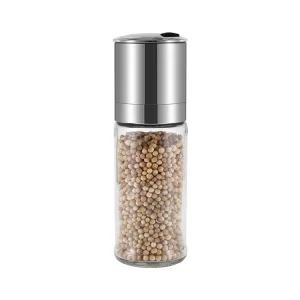
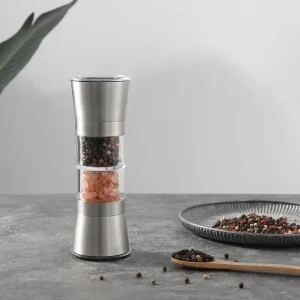
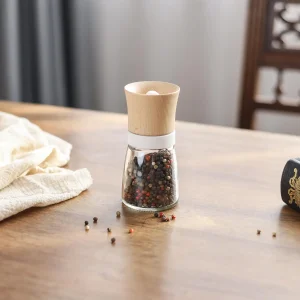
To address market demand for simpler, more functional manual spice mills, we designed a straight-profile salt and pepper grinder. By simplifying the grinding assembly, we reduced overall weight while maintaining mechanical torque. This design has become popular in both household and commercial dining settings.

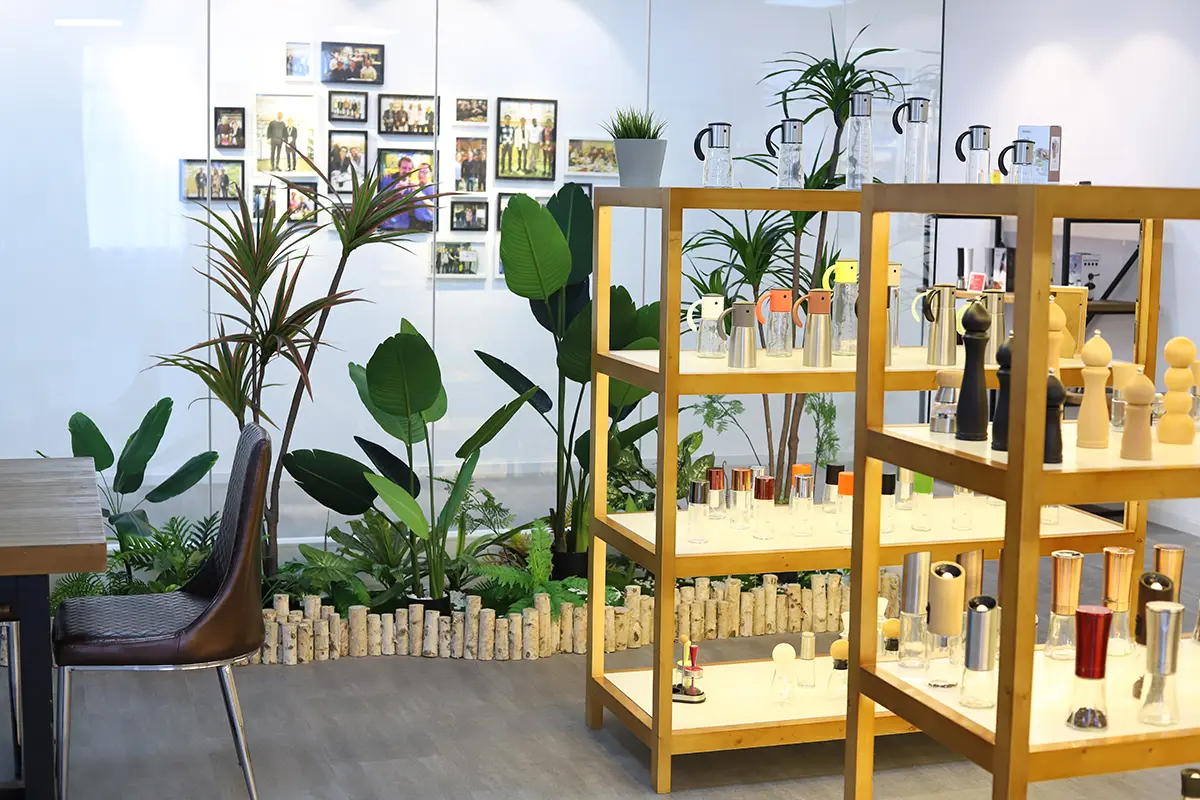
Global B2B Market Adaptability
Our grinding and dispensing products are designed for a variety of residential, commercial, and industrial settings.
Diverse Product Applications
As a global kitchenware supplier, we adapt our designs to fit different market segments and brand strategies.
- Commercial Hospitality & Foodservice: Our high-capacity grinders are built for fast-paced commercial kitchens and restaurant tables, prioritizing durability, hygiene, and quick operation.
- Premium Retail & Private Labels: We provide fully customizable housing styles (stainless steel, bamboo, or matte composite finishes) with custom packaging to help brands stand out on store shelves.
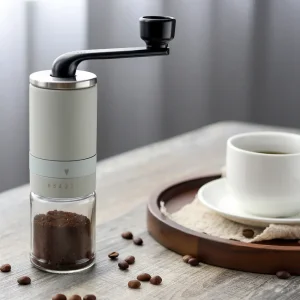
- Gourmet Gifting & Kitchenware Brands: We design coordinated sets, including customized electric salt and pepper mills and manual burr coffee grinders, that are popular choices for high-end gifting.
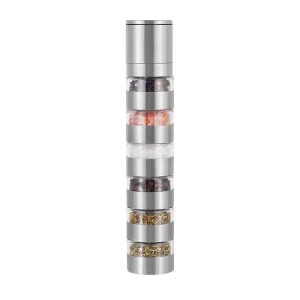
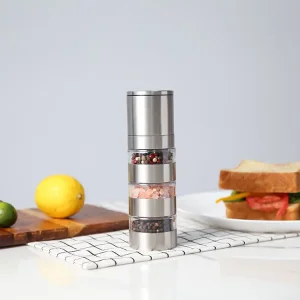
- Everyday Home Cooking: We focus on easy-to-use, space-saving designs, such as stackable grinders and gravity-fed dispensers, to simplify everyday meal preparation.
Frequently Asked Questions: Global Sourcing Guide
Answers to common questions regarding sourcing, customization, compliance, and logistics.
For standard OEM models, production takes 35 to 45 days after deposit confirmation and sample approval. For custom ODM products that require new tooling or injection molds, development takes 60 to 75 days.
Yes, our manufacturing facility uses food-grade materials. All products comply with FDA (United States) and LFGB (Germany/Europe) food contact regulations, and we provide testing documentation for custom orders.
Our standard MOQ for logo printing and customized packaging on existing models is 1,000 units. For fully customized colors, materials, or custom-shaped designs, the MOQ starts at 3,000 units per production run.
We run motorized grinders through continuous cycle tests (10,000+ operations under simulated load conditions) to verify battery efficiency, motor torque, and wear resistance of the ceramic grinding mechanism.
Yes, our in-house packaging designers develop custom folding cartons, corrugated display boxes, and protective internal packaging tailored to your brand's style guide.
Our factory is located in Ningbo, Zhejiang Province, China. We ship directly through the Port of Ningbo, which is one of the world's largest container shipping hubs, ensuring efficient logistics to Europe, North America, and other global destinations.