 Chinagama
Featured Grind Engineering Solutions
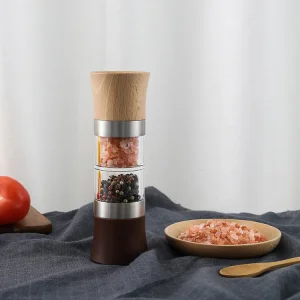
Wholesale 2 in 1 Wooden Salt and Pepper Grinder
View Details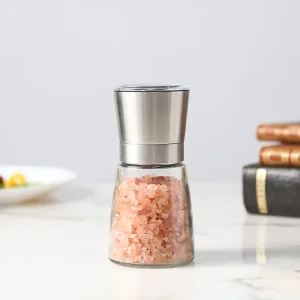
Custom Bulk Portable 170ml Pepper Grinder for Kitchen & Catering Supplier
View Details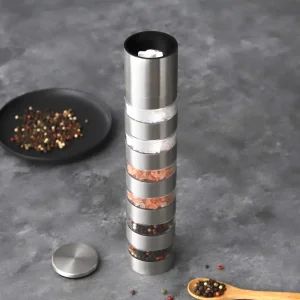
Best Stackable Black Pepper Grinder
View Details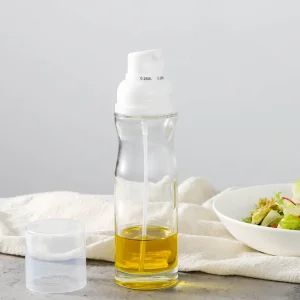
Wholesale Customized Olive Oil Spray Glass Bottle Manufacturer, Exporters
View Details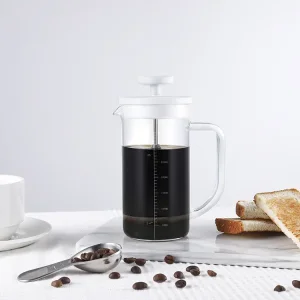
CE Certification Bulk Sale Stylish Glass French Press Product, Factories
View Details
Wholesale Ergonomic Oil Mist Sprayer
View Details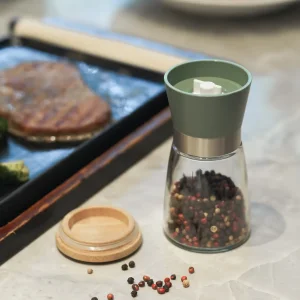
Wholesale Glass Pepper Grinder with Plastic Cap
View Details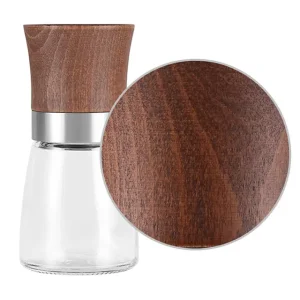
Custom Compact Manual Wood Pepper Grinder with Adjustable Burr
View DetailsThe Evolution of Global Coffee Grinding Technology
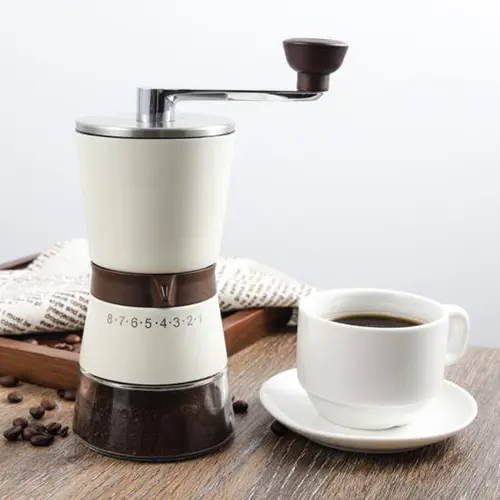
In the modern coffee ecosystem, the demand for precision grind metrics has transcended specialized cafés and established itself firmly in home brewing environments. Conical burr alignment and particle size consistency are the critical indicators of quality. A shift towards manual grinding instruments featuring high-hardness stainless steel or ceramic burrs offers consumers complete control over extraction profiles.
For global importers, appliance brands, and hospitality procurement divisions, sourcing premium coffee grinders requires balancing technical precision with scalable manufacturing capacities. As a preeminent center of manufacturing, China's industry has transformed from basic production to advanced R&D engineering, providing high-quality solutions for global mid-to-high-end brands.
Chinagama leading this transformation. Established in 1997, we have grown from a trade operator into an industry-leading manufacturing plant, managing the entire lifecycle of kitchenware innovation.
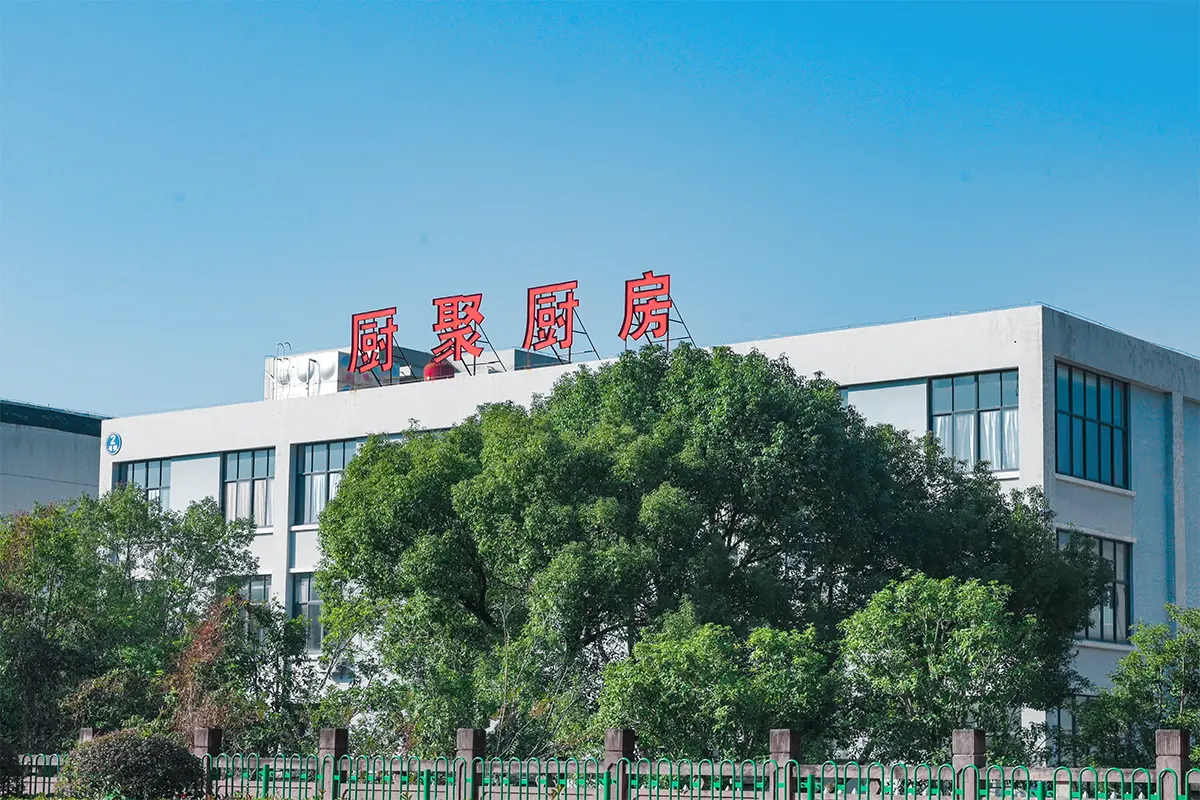
Chinagama at a Glance
China’s Factory Advantages & Burr Metallurgy
The fundamental value of China-based production lies in supply chain integration and precision engineering. Premium coffee grinders rely on the geometric calibration of the burrs. Even a minor misalignment of 0.05mm can lead to uneven extraction, resulting in astringency or bitterness in the final cup.
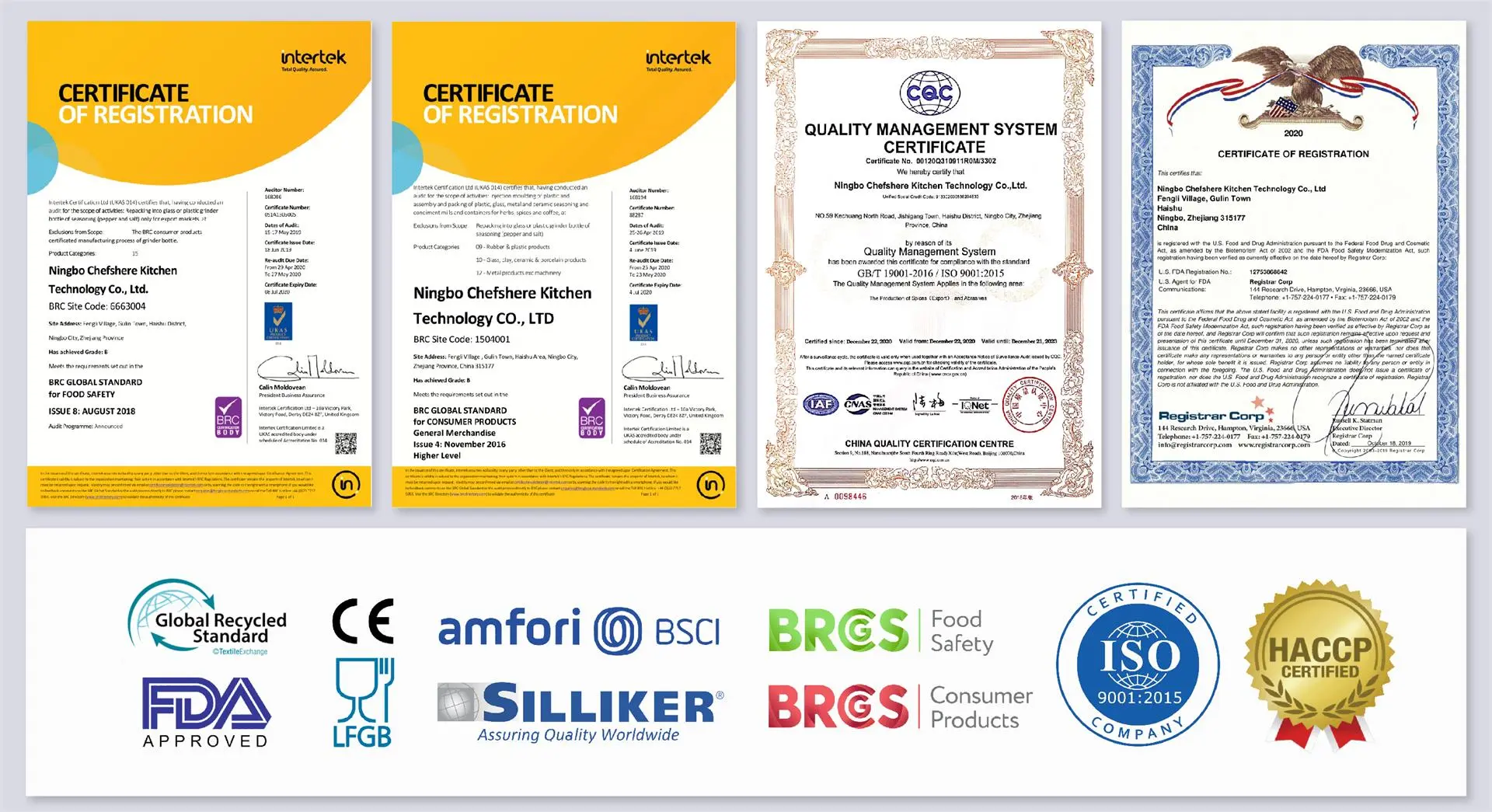
Chinagama utilizing advanced 5-axis CNC machining, allows us to shape high-nitrogen stainless steel and high-durability ceramics into optimized burr structures. These materials are certified under global LFGB and FDA food safety standards.
By grouping suppliers of die-casting alloys, polymer injection systems, and eco-friendly wood components together, we minimize material transport times and optimize production steps. This integrated production model guarantees consistency from prototype run to mass production.
B2B Application Scenarios & Demands
Brand Retailers & Importers
Retail brands require distinctive aesthetics, customized packaging, and reliable performance to maintain shelf value. Our ODM services offer custom logo branding, specialized surface textures, and color options matching your brand's aesthetic.
Specialty Coffee Roasters
Roasters require manual coffee grinders that preserve the volatile aromatics of single-origin coffee. By utilizing slow-grind heat mitigation and high-grade ceramic burrs, our grinders avoid thermal degradation during preparation.
HoReCa Enterprises
High-turnover hospitality environments require structural durability. Our stainless steel models and USB-C electric options deliver reliable performance for catering, buffet bars, and boutique hotel guest rooms.
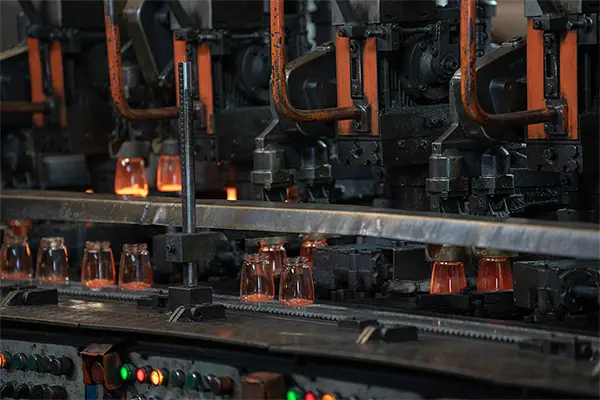
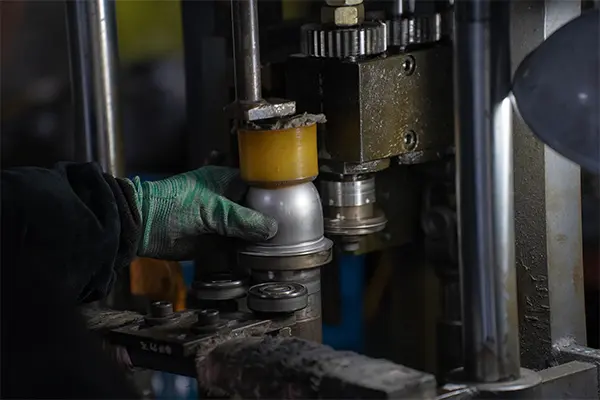
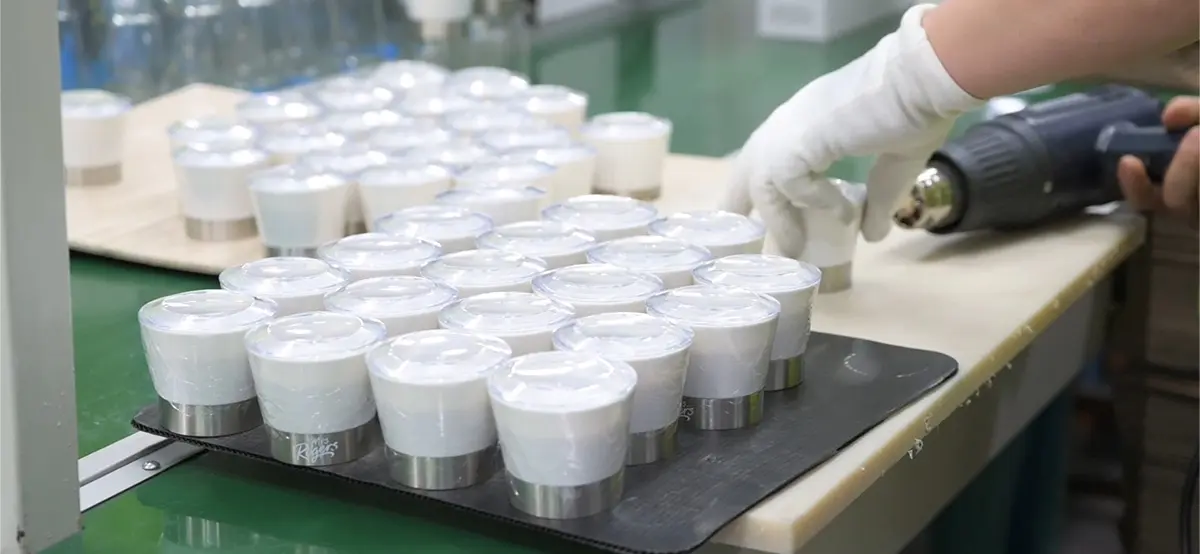
State-of-the-Art Production Facility
Our factory processes integrate high-precision assembly lines, automated component verification, and rigorous testing protocols to ensure every unit meets international kitchenware benchmarks.
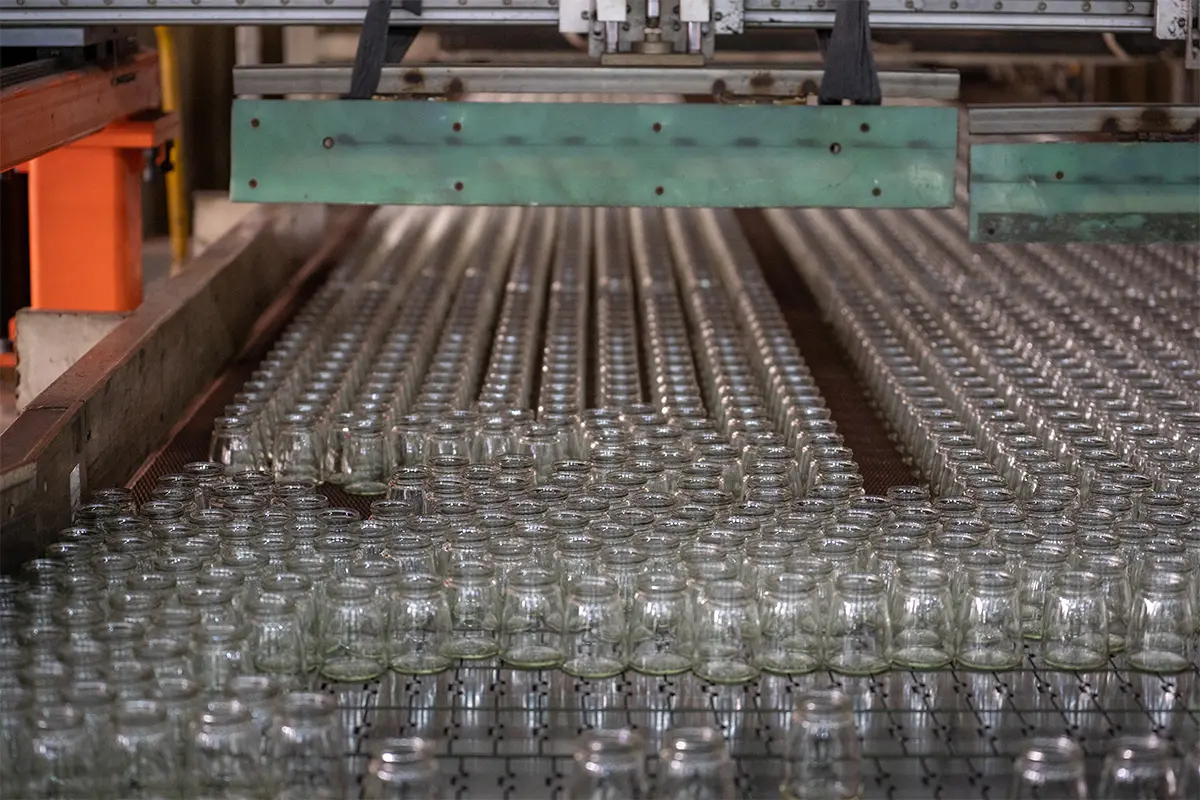
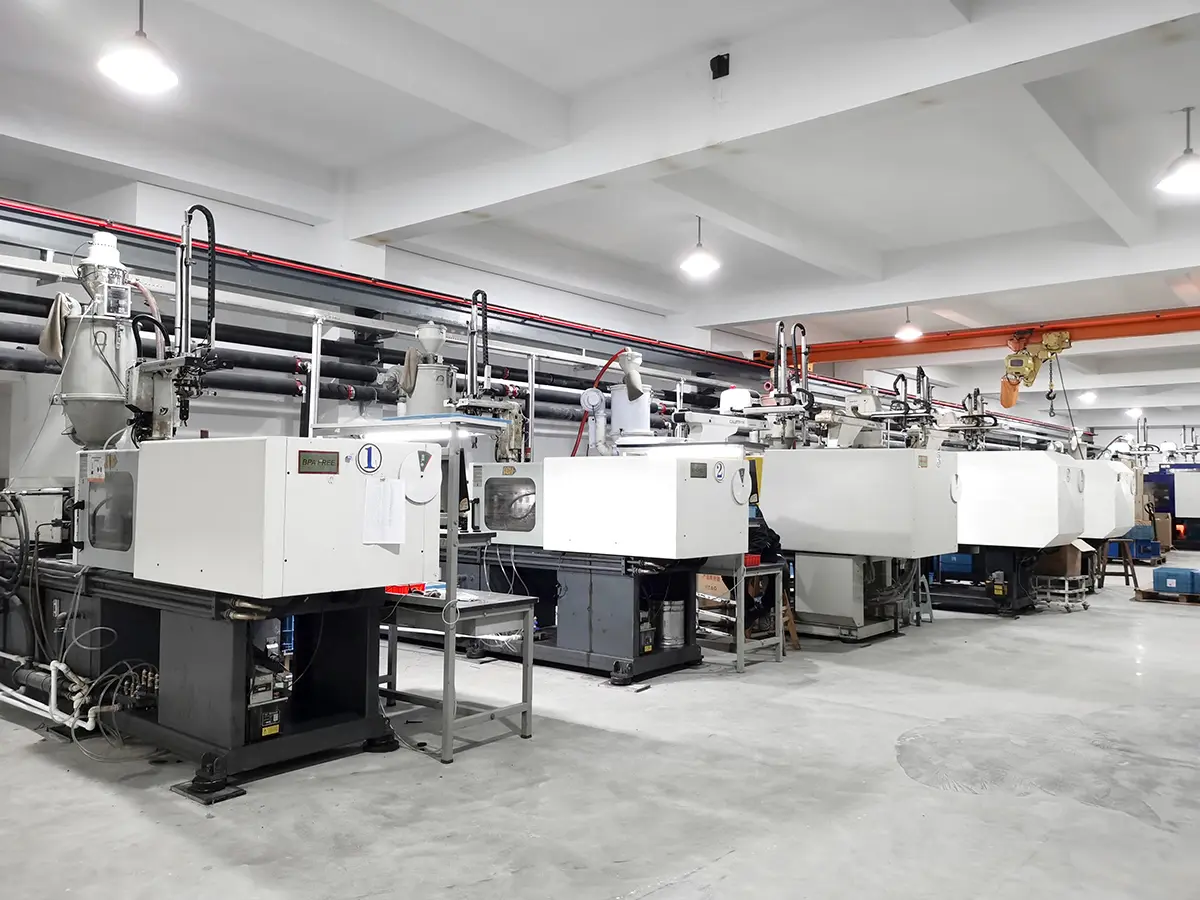
Innovative Development & Engineering Case Studies
Real-world engineering challenges solved by our specialized R&D department, demonstrating our technical capability and commitment to structural safety.
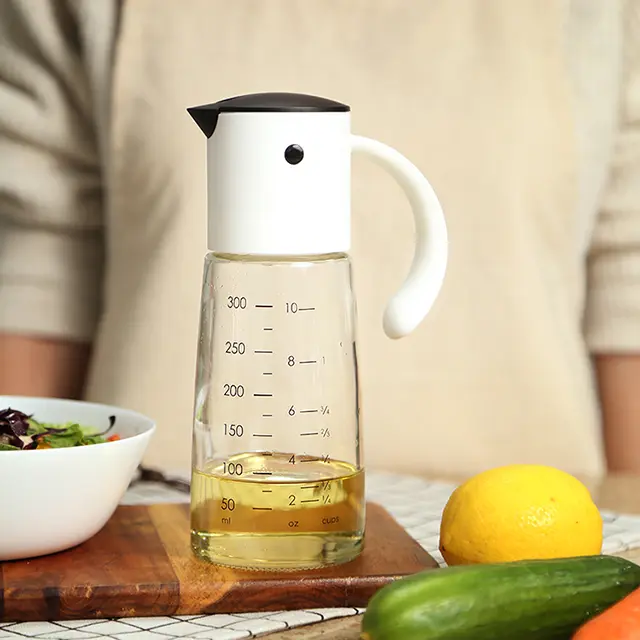
Bird Spout Oil Dispenser
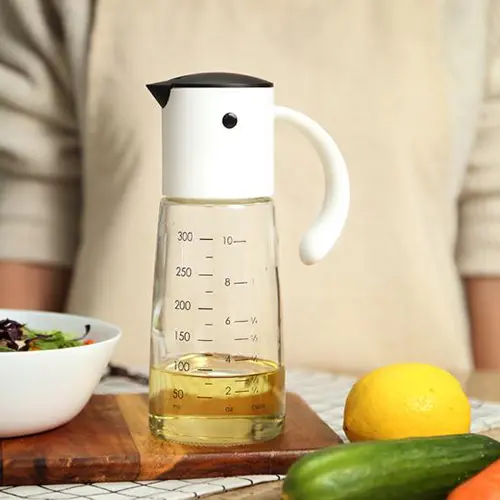
Developed to address growing consumer demand for drip-free kitchenware, this dispenser features a gravity-fed mechanism designed for one-handed operation. The bird-spout profile balances functional performance with clean product aesthetics.
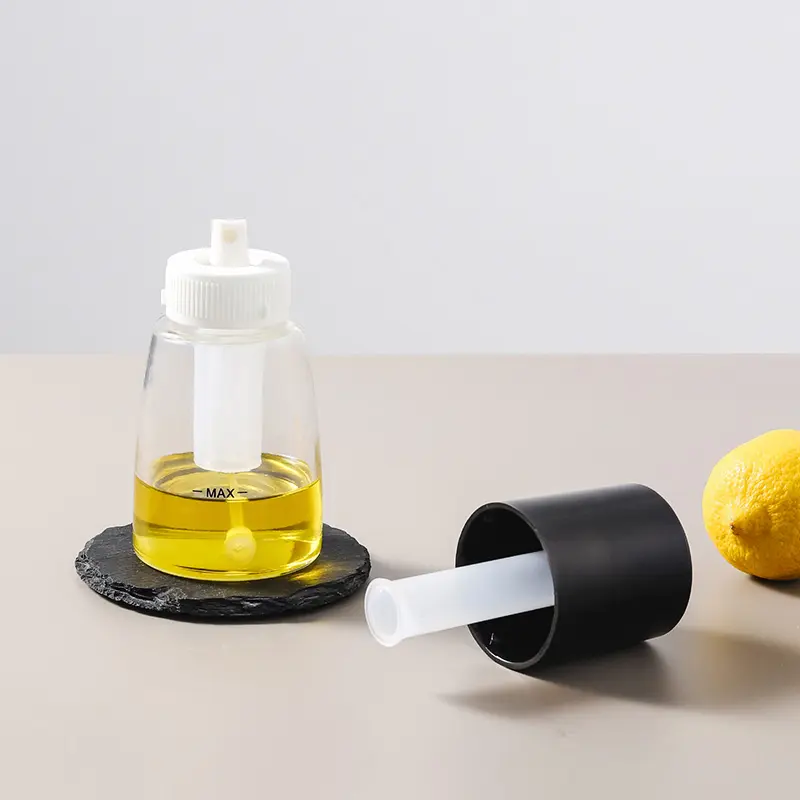
Oil Mist Sprayer Project
To resolve structural cracking issues typical in ABS and PMMA plastics exposed to vegetable oil, our engineers selected a non-toxic PP compound. This modification improved product life cycles and met strict safety certifications.
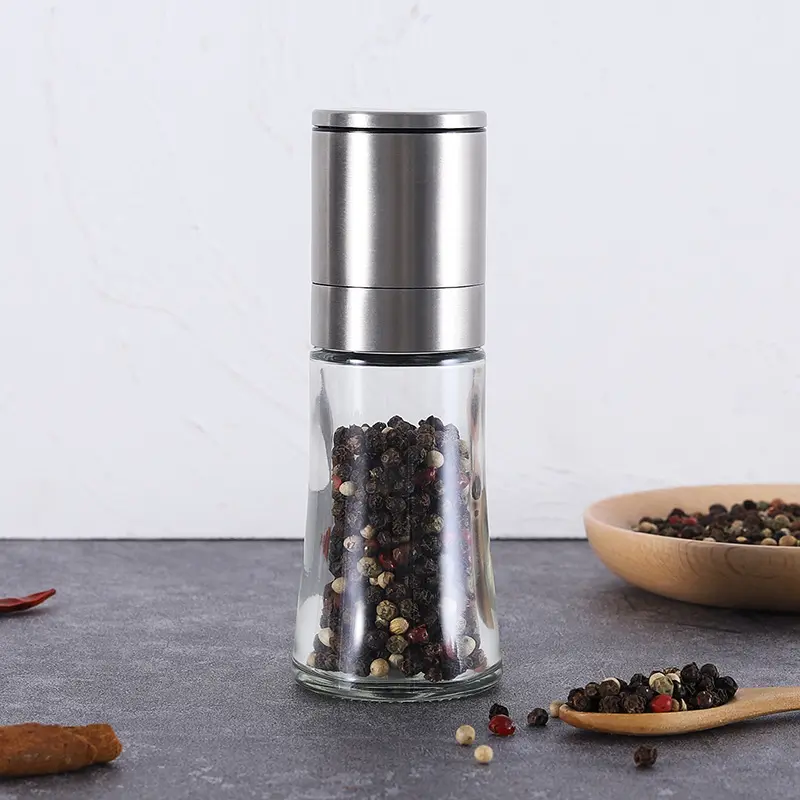
Manual Grinder Systems
Addressing the issues of high rotation torque and inconsistent outputs common in basic grinders, we integrated our patented internal burr stabilizing suspension system, resulting in consistent output particle sizes.
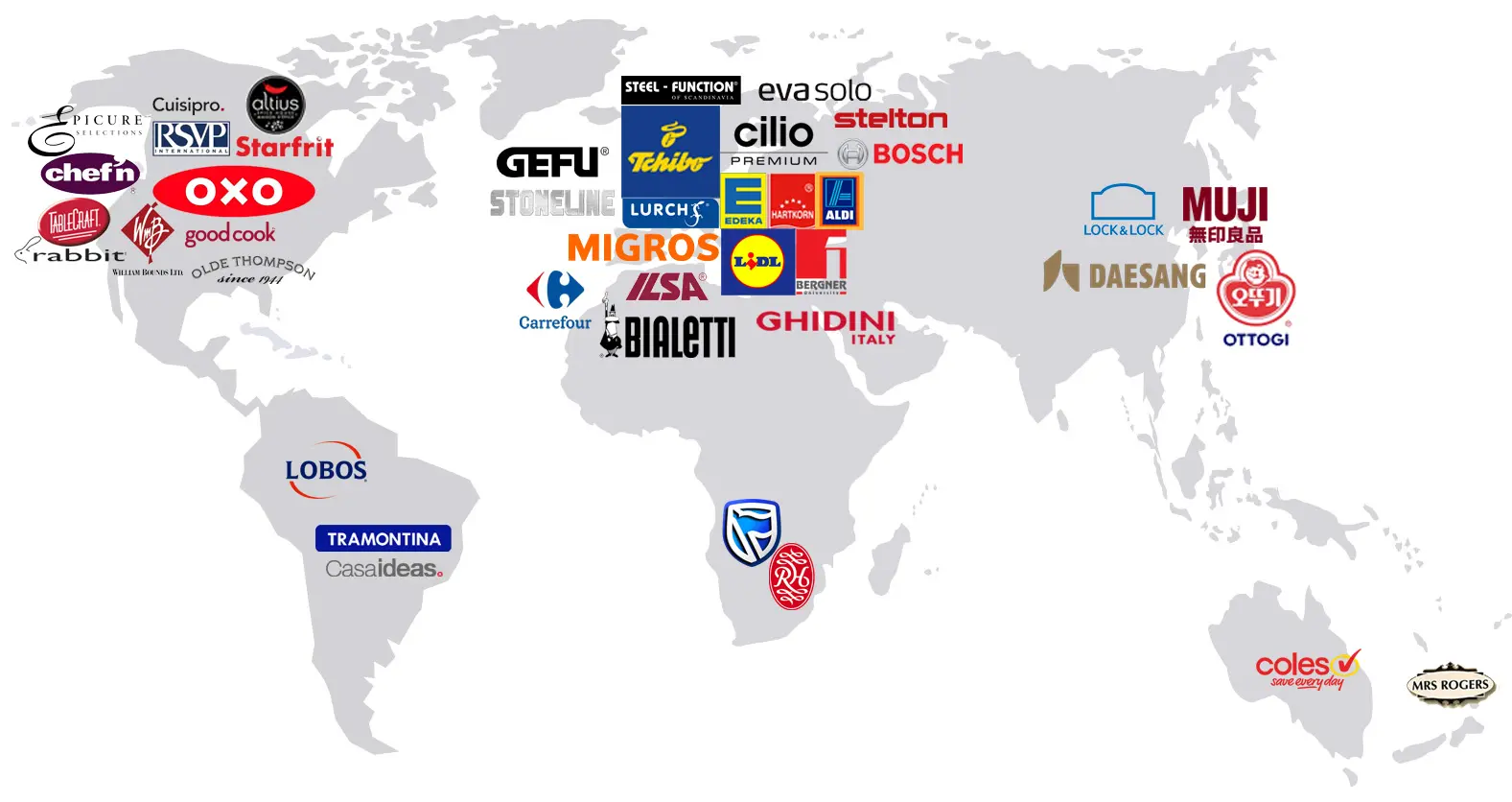
Research, Development, & Design Leadership
Product distinctiveness drives success in competitive commercial markets. At Chinagama, our R&D team creates functional tools designed to fit contemporary kitchen aesthetics.
Our design work has been recognized with the German Red Dot Design Award and the iF Design Award. These honors validate our focus on material quality, ergonomic design, and functional innovation.
With over 300 patents, our engineering team handles custom ODM requests. Whether modifying ceramic burr alignments for specialized grinds or styling wood and aluminum surfaces, we transform concepts into market-ready products.
Future Trends in Premium Grinder Manufacturing
Intelligent Motor Systems
USB-C rechargeable electric coffee grinders are shifting from basic DC motors to smart brushless motors. These systems adjust torque to bean hardness, preventing jams and maintaining consistent grind speeds.
Eco-Friendly Construction
Sustainability is key in global procurement. B2B buyers increasingly select biodegradable composites, FSC-certified hardwoods, and post-consumer recycled alloys to align with corporate environmental initiatives.
High-Nitrogen Stainless Steel Burrs
Importers are moving from basic cast iron towards high-nitrogen stainless steel burrs. This material delivers long-term sharpness and reduces fine particles, resulting in cleaner brew Extractions.
Global Product Lineup & Engineering Range
Explore our patented concepts and product designs, engineered to meet the requirements of culinary and coffee brands.
B2B Sourcing & Procurement FAQ
1. What materials are used in Chinagama's grinding mechanisms?
We offer both high-hardness Alumina ceramic burrs and precision-machined SUS420/SUS304 stainless steel burrs. Our ceramic systems provide high wear resistance without imparting metallic tastes, while our stainless steel options are engineered to reduce fine particles, making them suitable for manual drip coffee grinding.
2. How does the factory manage quality control and food contact certifications?
All raw material batches undergo testing before production. Our manufacturing processes conform to ISO 9001 quality management guidelines, and all product lines comply with FDA, LFGB, and CE regulatory standards, ensuring suitability for food contact.
3. What is the typical lead time for custom OEM/ODM grinder projects?
Standard OEM production runs average 30 to 45 days after deposit validation and design approval. For custom ODM products requiring injection mold engineering and prototyping, the initial cycle requires 60 to 75 days, which includes pilot runs and quality testing.
4. Can Chinagama support customized packaging and branding?
Yes, we provide packaging customization services, including custom color boxes, instruction manuals, drop-test certified mail packaging, and specialized labeling to meet global retail requirements.
5. What is the Minimum Order Quantity (MOQ) for B2B orders?
For standard catalog items with custom logo printing, the typical MOQ is 1,000 units. For custom molds, colors, or structural changes, the MOQ generally starts at 2,000 or 3,000 units, depending on the complexity of the design.
6. How does the factory maintain alignment in manual coffee grinders?
We use a dual-bearing support system and a machined center shaft to maintain concentricity. This prevents burr contact during fine adjustments and minimizes particle distribution drift during operation.
7. Are electronic charging systems compliant with local import laws?
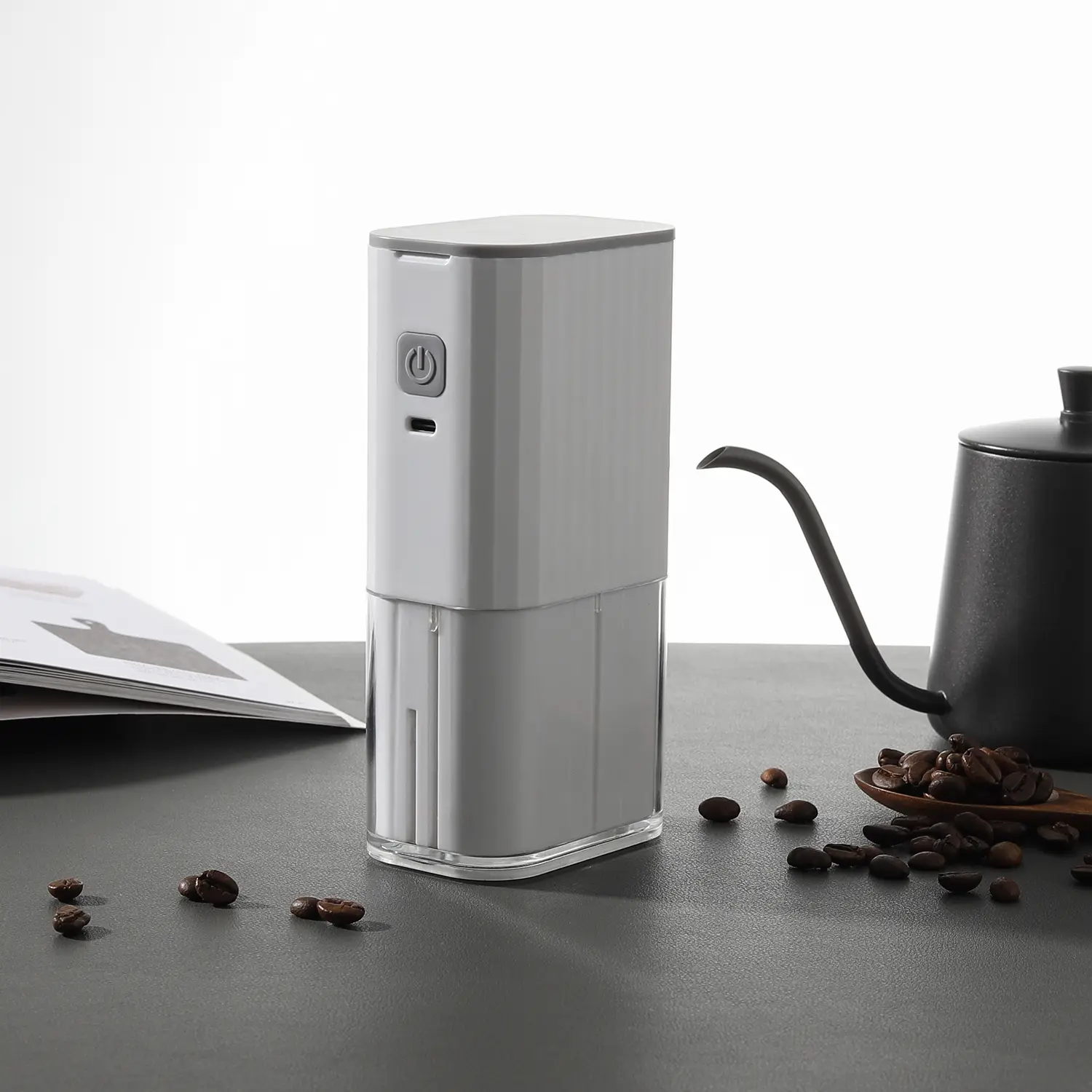
Yes, our electronic items (such as the USB Coffee Grinder) feature CE, FCC, and RoHS certifications. Lithium battery packs include MSDS, UN38.3, and drop safety documentation to facilitate customs clearance.
Partner with China's Premier Grinder Manufacturer
Contact our design and engineering team to request sample kits, review patent details, or receive a manufacturing quote.
Inquire B2B Pricing & OEM OptionsB2B Product Range
Custom Aluminum Alloy Salt and Pepper Grinder with S/S Grinding Burr
View Details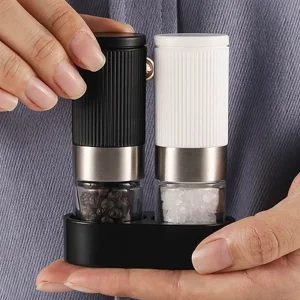
Wholesale Mini Hand Spice Grinder Set
View Details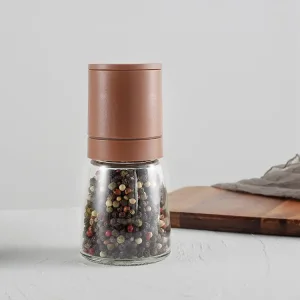
Custom Brown Portable Salt and Pepper Grinder with Adjustable Burr
View Details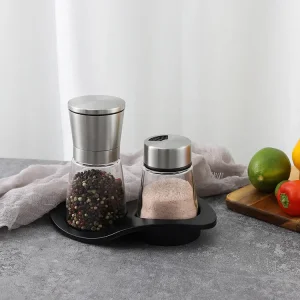
CE Certification Customized Salt Shaker And Pepper Mill Set Product, Factory
View Details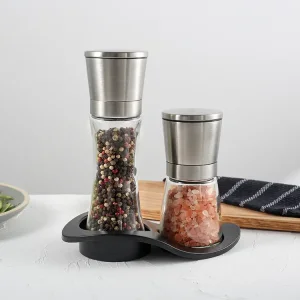
Wholesale Bulk Sale Best Pepper Mill Grinder Set Products, Company
View Details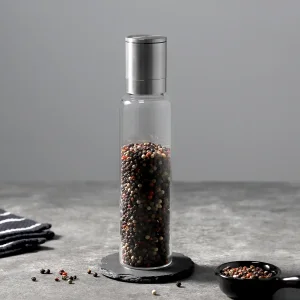
ODM Customized Stainless Steel Massive Pepper Grinder
View Details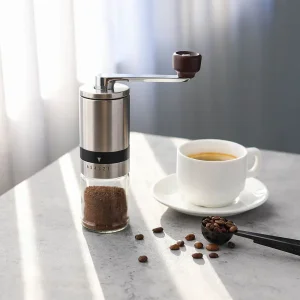
High-Quality Bulk Sale Premium Coffee Grinder Exporters, Factories
View Details