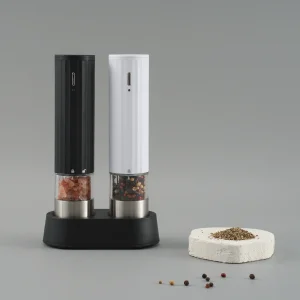
 Chinagama
Premium Electric & Manual Grinding Systems
Explore our signature range of precision manufacturing products engineered for durability, design elegance, and optimal flavor release.
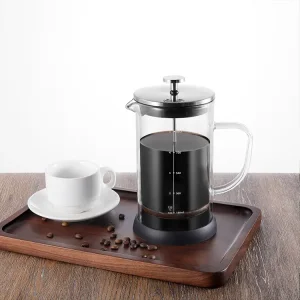
Wholesale Glass French Press Coffee Makers
View Details →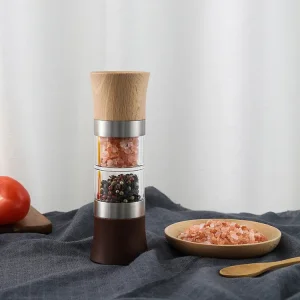
ODM Combined Salt and Pepper Mill
View Details →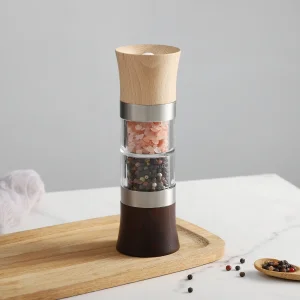
Famous Bulk Wood Combined Mill
View Details →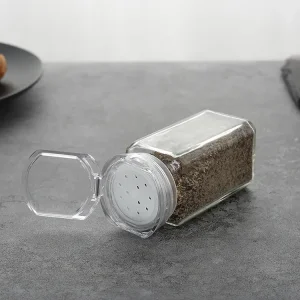
Wholesale Table Salt & Pepper Shaker
View Details →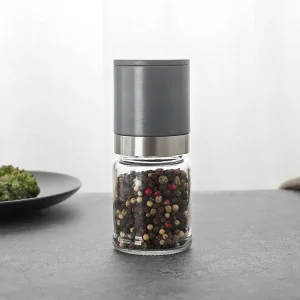
ODM Portable Manual Dry Spice Grinder
View Details →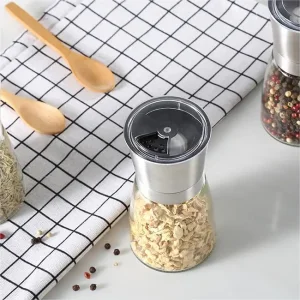
Wholesale Stainless Steel Pepper Grinder
View Details →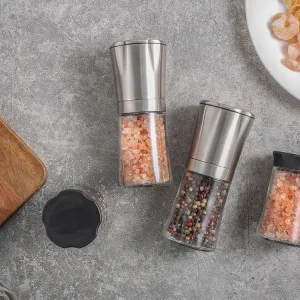
ODM Stainless Steel Handheld Grinder
View Details →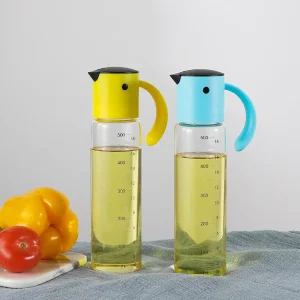
Automatic Olive Oil Dispenser
View Details →Global Commercial Landscape of Gravity Spice Mills
The culinary technology sector is witnessing a paradigm shift. Traditional manual grinding tools are rapidly transitioning to smart, automated kitchenware. Under this wave, Gravity Spice Mills have emerged as a dominant force in both high-end consumer retail and commercial hospitality operations (HoReCa).
By utilizing advanced tilt-sensor microswitches, gravity mills dispense freshly crushed spices immediately upon inversion, removing the need for physical twisting or dual-handed operation. This ergonomic advance is not just a consumer convenience; it is a critical hygiene and efficiency improvement for fast-paced commercial kitchens where cross-contamination must be minimized. Globally, the demand for automatic mills is driven by the rise of smart home integration, an aging population seeking accessible design, and gourmet cooking trends that demand precise, freshly ground seasonings.

Industry Leadership & Global Footprint
Backed by decades of proprietary research, manufacturing excellence, and internationally recognized quality certifications.
China's Manufacturing Efficiency & Supply Chain Dominance
Why global enterprise brands choose Chinese OEM partners for gravity spice mill production scaling.
Vertically Integrated Ecosystem
Our facility brings design, raw material injection molding, high-precision motor testing, ceramic core sintering, and automated assembly under a single roof. This minimizes transport time, reduces points of failure, and guarantees exceptional lead-time efficiency.
Advanced Rapid Prototyping
Leveraging high-precision CNC tooling and SLA 3D printing, our R&D department converts digital conceptual CAD designs into physical, functional engineering samples in less than 7 working days, speeding up your time-to-market.
Quality Standardization & Auditing
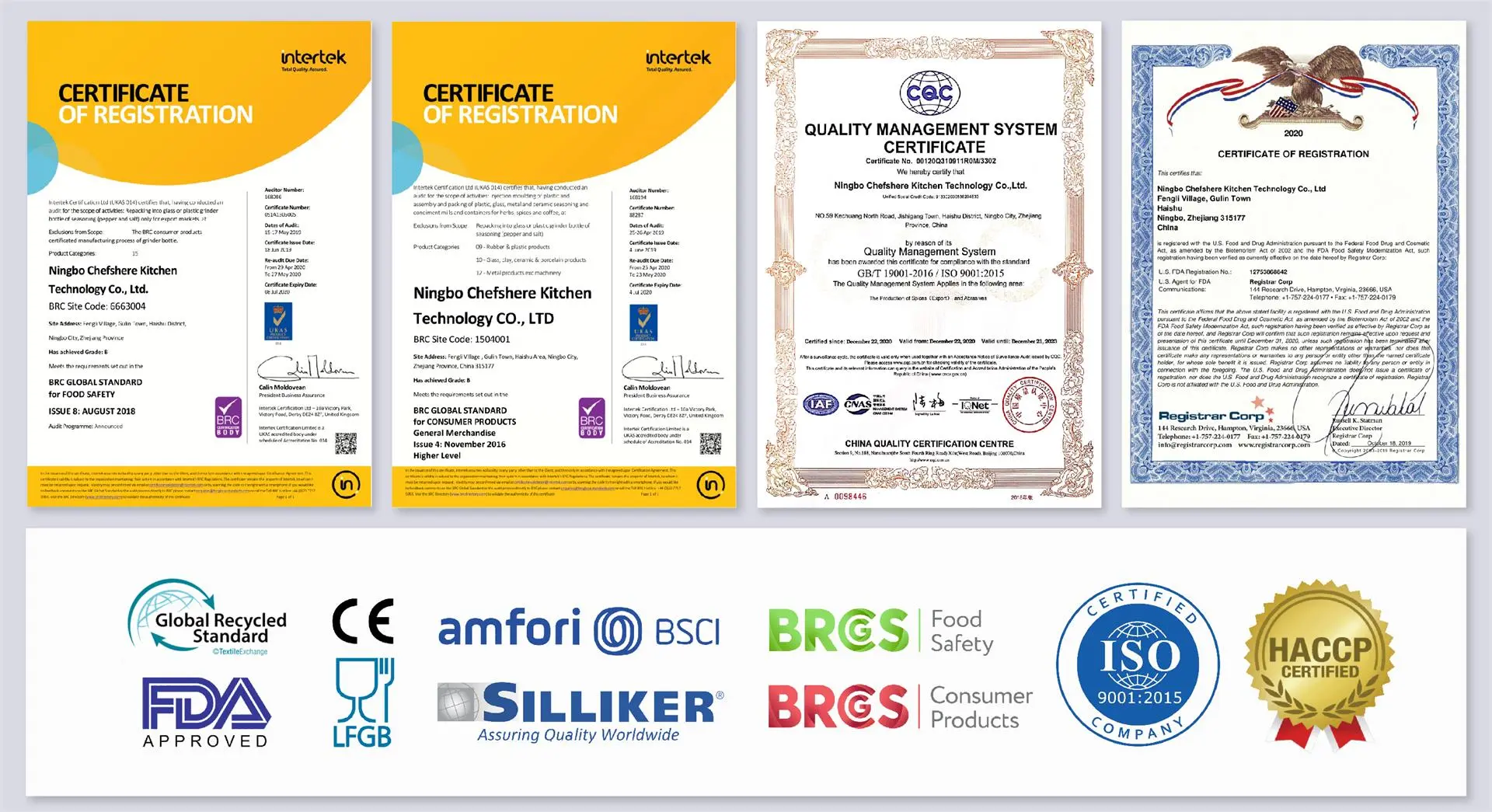
Our standardized food-grade facilities strictly observe international standards. With extensive internal labs for drop testing, component aging, and chemical analysis, we deliver consistent compliance with LFGB, FDA, and CE certifications.
The Chinagama Narrative: A Heritage of Innovation
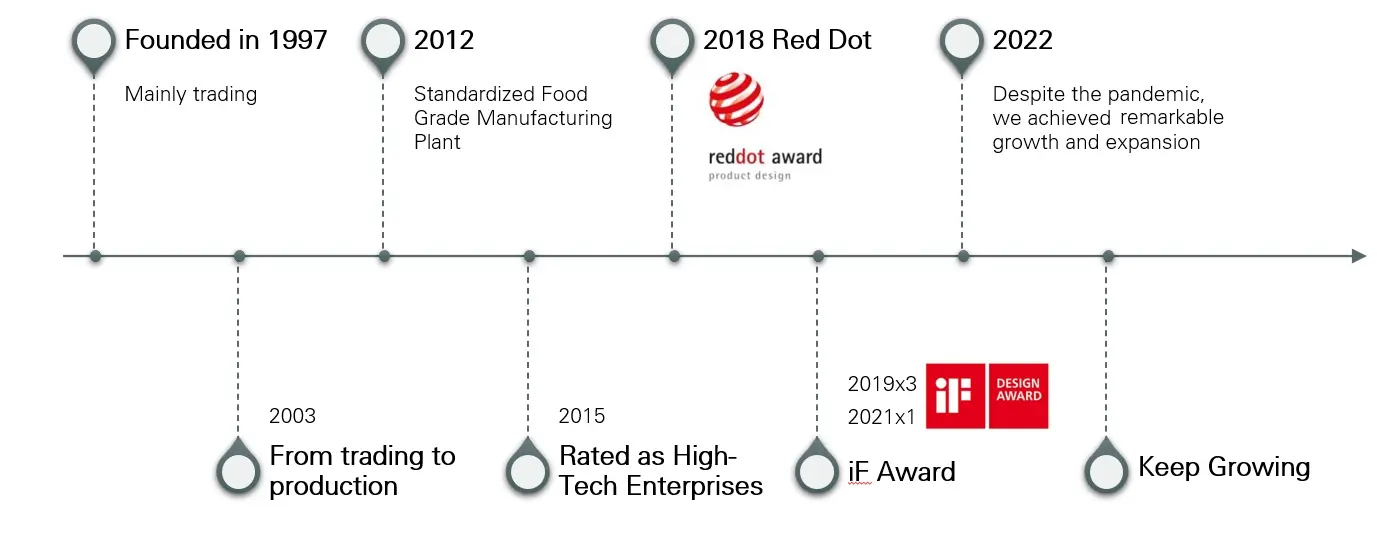
From a trading pioneer in 1997 to a multi-award winning global manufacturing powerhouse.
Founding & Vision
Chinagama started its journey by focusing on international trade, gaining a deep understanding of customer expectations in Europe, the Americas, and Asia-Pacific.
Production Shift
2003Guided by our passion for culinary tools, we transitioned from trade to direct production, establishing dedicated manufacturing workshops to control product quality.
Food-Grade Factory
2012Constructed our standardized food-grade production facility, laying the groundwork for high-volume automated manufacturing and advanced QA certifications.
High-Tech Enterprise
2015Recognized as an official High-Tech Enterprise. Our designs began winning the internationally coveted German Red Dot and iF Design Awards.
Unwavering Commitment to Product Quality
Our dedicated R&D and QA teams monitor all product developments from the initial concept to the packaging line. By utilizing advanced laboratory testing, we verify that structural polymers, ceramic burrs, and electric motors function reliably under heavy daily use.
Our partnerships with global testing authorities ensure that our manufacturing practices align with LFGB and FDA food-safety protocols, providing our B2B partners with market-ready products.
R&D Engineering & Collaborative Case Studies
How we solve design challenges and refine structural mechanics to deliver award-winning products.
Red Dot Award-Winning Bird Spout Oil Dispenser
The Opportunity: Market research showed growing consumer demand for more unique, humanized oil dispenser designs. Against this backdrop, Chinagama independently developed and launched a gravity-fed bird spout oil dispenser.
The Breakthrough: Most oil dispensers on the market employed simple designs with few products offering drip-free, gravity-fed spouts. Chinagama set out to create an oil dispenser that could be easily single-hand operated without any drips. After multiple rounds of testing, the bird spout shape was finalized, not only meeting functional requirements but also being more aesthetically appealing.
Collaborative Development of Oil Mist Sprayer
The Challenge: A renowned kitchenware partner required an oil sprayer with strict requirements, which presented engineering and material challenges. During initial testing, ABS and PMMA materials developed stress cracks when exposed to vegetable oils.
The Solution: Chinagama's engineering team made the decisive switch to a food-grade, non-toxic PP material. This eliminated structural degradation, ensuring long-term product safety and durability in real-world kitchen environments.
Design & Production of Salt and Pepper Grinder
The Challenge: The existing market was dominated by bulky, overly complex designs that prioritized style over ergonomics, creating a suboptimal experience for end consumers.
The Breakthrough: Our engineers designed a compact, straight-profile grinder that integrated a patented torque-reduction drive system. This configuration maximized grinding output while reducing the manual force needed to operate the mill, delivering an elegant and user-friendly product.
Localized Applications & Evolving Industry Trends
Understanding how spice grinding technology integrates into global commercial and residential sectors.
B2B Target Markets & Scenarios
HoReCa Sector: In busy commercial dining, gravity spice mills allow chefs and servers to season dishes single-handedly while managing hot pans or carrying trays. This one-handed design improves kitchen efficiency and helps maintain food prep hygiene.
Consumer Retail Brands: E-commerce brands and kitchenware retailers utilize our OEM/ODM custom colors (such as Pantone matches, matte black, and metallics) and customized retail packaging to align with modern home aesthetics.
Eco-Conscious Markets: The industry is moving toward sustainable materials. Our engineers combine our standard ceramic and stainless steel grinding mechanisms with sustainable wood bodies (FSC-certified) and bio-based plastics to meet global sustainability standards.
Technical Trends in Grinding Mechanisms
The engineering details that distinguish premium grinding systems from standard entry-level products.
USB-C Rechargeable Lithium Systems
Modern consumers are moving away from disposable batteries. Our newest designs feature built-in lithium-ion battery packs that recharge via USB-C, providing weeks of consistent grinding power on a single charge.
Alumina Ceramic Cores
Unlike steel burrs, which can rust or react with salt, our high-density alumina ceramic grinding burrs are wear-resistant, completely corrosion-proof, and prevent heat transfer, helping preserve the natural oils and aromas of spices.
Step-less Grinding Coarseness Adjustment
Our micro-adjustment dial allows users to transition smoothly from an ultra-fine powder for sauces to a coarse grind for meats, maintaining consistent output at every setting.
Global B2B Procurement & Sourcing Playbook
A guide for sourcing directors on managing lead times, compliance, and custom developments.

Ensuring Supply Chain Quality & Compliance
Navigating international import regulations requires compliance with food-safety standards. Sourcing from experienced partners ensures that materials like stainless steel (typically Grade 304 or 430) and food-grade polymers are fully certified.
When sourcing from Chinagama, clients benefit from established compliance structures:
• Raw Material Traceability: Every batch of plastic resin and ceramic powder is traceable to its source.
• In-House Tooling: We maintain and repair production molds in-house to protect client IP and ensure consistent product dimensions.
• Social Audit Compliance: Our facilities undergo regular third-party audits, aligning with the standards required by international retail brands.
B2B Procurement FAQ (Frequently Asked Questions)
Technical, logistical, and commercial inquiries answered by our engineering and sales teams.
Q1: What is the advantage of ceramic grinding cores over carbon steel cores?
Ceramic cores are highly resistant to wear and rust, making them suitable for grinding damp sea salt and acidic peppercorns. Steel cores can rust over time when exposed to moisture and salt, which can affect the flavor profile of the spices.
Q2: How does the gravity sensor switch operate, and is it battery-intensive?
The mill features an integrated electronic tilt sensor that completes the circuit when inverted beyond a 45-degree angle. The micro-sensor consumes minimal standby power, and our circuit boards are optimized to extend battery life by up to 30% compared to standard designs.
Q3: Can you customize the body materials to match our brand's sustainability initiatives?
Yes. We can construct the outer casing using sustainable materials such as FSC-certified bamboo, acacia, rubberwood, or recycled food-grade plastics, while maintaining our standard interior grinding mechanisms.
Q4: What is your typical OEM/ODM production lead time?
Standard OEM orders (custom color/packaging) typically ship in 35-45 days from design approval. Custom ODM developments requiring new injection molds require 60-75 days, which includes 3D design, rapid prototyping, tooling fabrication, and initial sample runs.
Q5: How does your factory handle quality control during mass production?
We perform QC checks at multiple stages: IQC (Incoming Quality Control) on raw materials, IPQC (In-Process Quality Control) during assembly, and OQC (Outgoing Quality Control) before shipping, including drop testing, noise tests, and torque testing.
Q6: Do your spice mills comply with LFGB and FDA food-grade regulations?
Yes. All components that come into contact with food, including the ceramic burr, acrylic window, and internal channels, are tested and certified to comply with LFGB and FDA standards.
Innovative Culinary Grinding Products
Complete your sourcing portfolio with our award-winning custom models, designed to meet the demands of global importers.

Wholesale Vintage Salt & Pepper Grinder
View Details →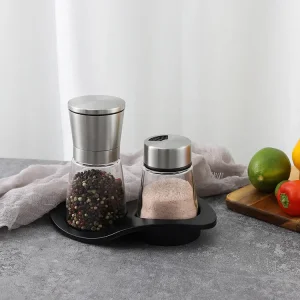
CE Certified Salt Shaker & Mill Set
View Details →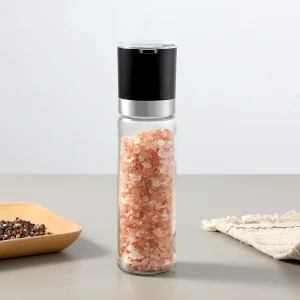
Bulk Pepper Grinder with Glass Bottle
View Details →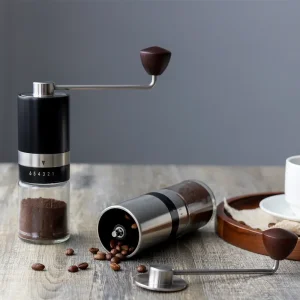
Custom Hand Coffee Grinder Steel Core
View Details →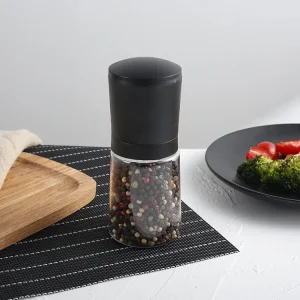
OEM Customized Black Pepper Salt Grinder
View Details →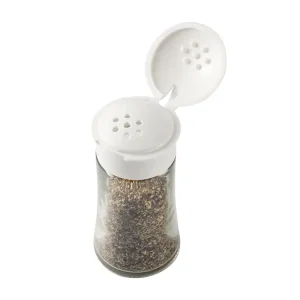
ODM Portable Pepper Salt Shaker with Lid
View Details →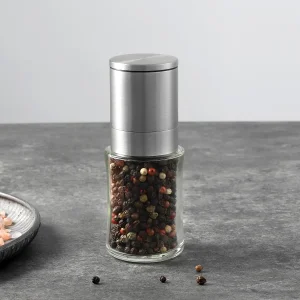
ODM Stainless Steel Glass Pepper Grinder
View Details →