 Chinagama
Featured Kitchen & Spice Grinding Innovations
Explore our premium product portfolio designed for global brands, hospitality businesses, and professional kitchens.
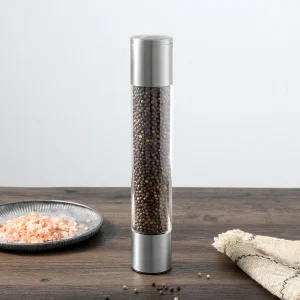
ODM Compact Stainless Steel Salt and Pepper Grinder
View Details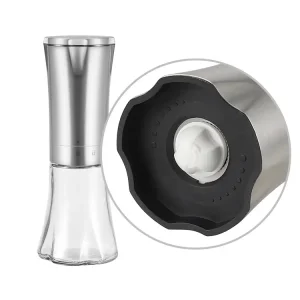
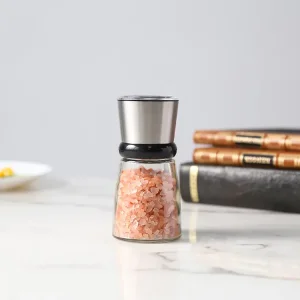
Wholesale Battery-Powered Lotus Flower Spice Grinder
View Details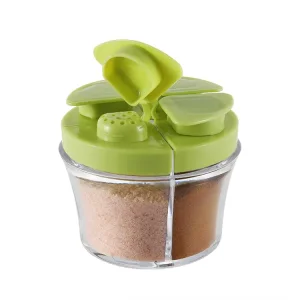
ODM Customized Sprinkler Bottle For Spices
View Details
OEM Bulk Stainless Steel Pour Over Coffee Dripper Service
View Details
ODM Customized Handheld Pepper Grinder with Floral Pattern
View Details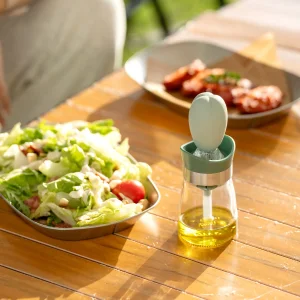
Custom 2-in-1 Silicone Oil Brush and Dispenser
View Details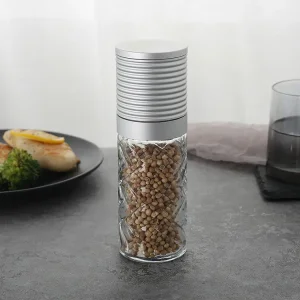
CE Certification ODM Manual Salt Pepper Mill Grinder Exporter
View Details
Wholesale Vintage Copper Hand Spice Grinder
View DetailsGlobal Commercial & Industrial Landscape of Wooden Pepper Mills
Analyzing the shift towards organic luxury, premium eco-materials, and commercial dining dynamics.
The Shift Towards Eco-Luxury and Sustainable Kitchenware
In the contemporary B2B market, the demand for wooden pepper mills has evolved far beyond basic utility. Today, global hospitality chains, retail brands, and food service companies view these tools as key indicators of brand aesthetic and eco-consciousness. The natural grain of rubberwood, beechwood, acacia, and walnut offers a tactile elegance that plastic or acrylic alternatives simply cannot replicate. Wood possesses inherent thermal insulation, exceptional durability, and carbon-capturing properties, making it the preferred raw material for luxury dining establishments looking to project sustainable and organic values.
From an industrial perspective, wooden pepper grinders act as functional statement pieces. The global culinary sector has witnessed a surge in consumer preference for organic spices ground fresh at tableside. This behavioral shift drives commercial demand for larger, high-performance wooden pepper mills that can handle the rigors of intense hospitality usage while remaining visually striking.
Global Procurement Demands & Standard Certifications
Procuring wholesale wooden salt and pepper grinders requires a strict vetting process to comply with international health and safety regulations. High-end procurement pipelines in North America and Western Europe enforce rigid standards on surface coatings, glue compositions, and moisture content in the timber. Premium suppliers must guarantee compliance with the Food and Drug Administration (FDA) regulations in the United States and the LFGB (Lebensmittel- und Futtermittelgesetzbuch) standards in Germany.
Furthermore, global enterprises look for certifications like FSC (Forest Stewardship Council) to confirm that the wood is sourced through responsible forest management practices. As a primary kitchenware manufacturer, meeting these standards with independent third-party validation (e.g., SGS, TUV) is critical to maintaining smooth supply chain integration and protecting consumer health.
Chinagama: Pioneering Kitchenware Engineering
Our journey of innovation, strict quality compliance, and world-class manufacturing metrics.
Our Journey of Growth
Chinagama started its journey with a strong focus on kitchenware trading, gaining extensive insights into customer requirements and international quality expectations.
Driven by a passion for culinary design, we shifted from trading to direct manufacturing, securing better quality control and design flexibility.
Established our standardized, state-of-the-art production plant, optimizing assembly line sanitization and wood-drying technologies.
Recognized as a leading national high-tech manufacturing firm, winning multiple Red Dot and iF Design Awards for our ergonomic kitchenware solutions.
Quality Management & In-House Capabilities
Our dedicated R&D department works hand-in-hand with our production facility. By managing the entire cycle in-house, we run deep audits at every production stage. Whether checking incoming logs for optimal humidity levels (typically 8%-12% to prevent cracking or warping) or checking grinding core tolerances, we ensure each unit performs reliably.
Our grinders feature advanced engineering, utilizing highly durable materials like alumina ceramics and high-carbon steel. We supply leading brands globally, meaning our materials must pass tough food safety tests. Our LFGB and FDA clearances prove that Chinagama tools remain safe even under continuous friction and spice acidity.

China Wooden Pepper Mill Manufacturing Advantages
Why sourcing from specialized factories in China offers unparalleled quality-to-cost ratios.
CNC Wood Precision Turning
Modern Chinese factories use advanced multi-axis CNC wood lathes. Unlike old hand-turning methods, CNC systems carve out the wood bodies with sub-millimeter precision. This ensures that every cap, body, and base fits perfectly, minimizing loose fits and uneven rotations in the assembled grinder.
Comprehensive Supply Chain Integration
From local wood seasoning yards to raw metal extrusion and ceramic burr manufacturing, the supply chain in China is highly concentrated. This close proximity helps reduce raw material transport costs and speeds up prototyping, giving B2B buyers a faster time-to-market.
Strict Post-Treatment Methods
Moisture control is a primary challenge with wood. Our facilities use automated kiln drying and multi-stage sealants to shield the wood from changing atmospheric conditions. This treatment prevents the wood from swelling in tropical environments or splitting in dry, cold climates.
How Chinagama Optimizes B2B Sourcing Value
By blending cost-effective automated wood turning with hand-finished sanding and quality checks, we offer the best of both worlds: mass production speed alongside custom, artisanal detail. This allows us to supply global distributors with high-performing wooden pepper mills at highly competitive price points, supported by reliable logistics networks.
Engineering Case Studies & Product Innovations
Real-world examples of how we solve engineering, aesthetic, and material challenges for global clients.

The Red Dot Bird Spout Oil Dispenser
The Opportunity: Market research showed growing consumer demand for clean, easy-to-use oil dispensers. Traditional options often suffered from messy oil drips and clumsy two-handed operation.
The Solution: Chinagama developed a gravity-activated, single-handed bird spout mechanism. When tipped, the lid opens smoothly and seals immediately when upright. This sleek design earned a Red Dot Design Award and remains a favorite among our global culinary clients.

Oil Mist Sprayer Material Breakthrough
The Challenge: During joint development with a key retail brand, we noticed standard ABS and PMMA polymers developed small stress cracks when exposed to certain kitchen oils over time, raising long-term product safety concerns.
The Solution: After chemical compatibility testing, our engineering team switched to a high-grade, non-toxic PP material. This update eliminated cracking issues and ensured long-term safety, helping our client grow their market share.
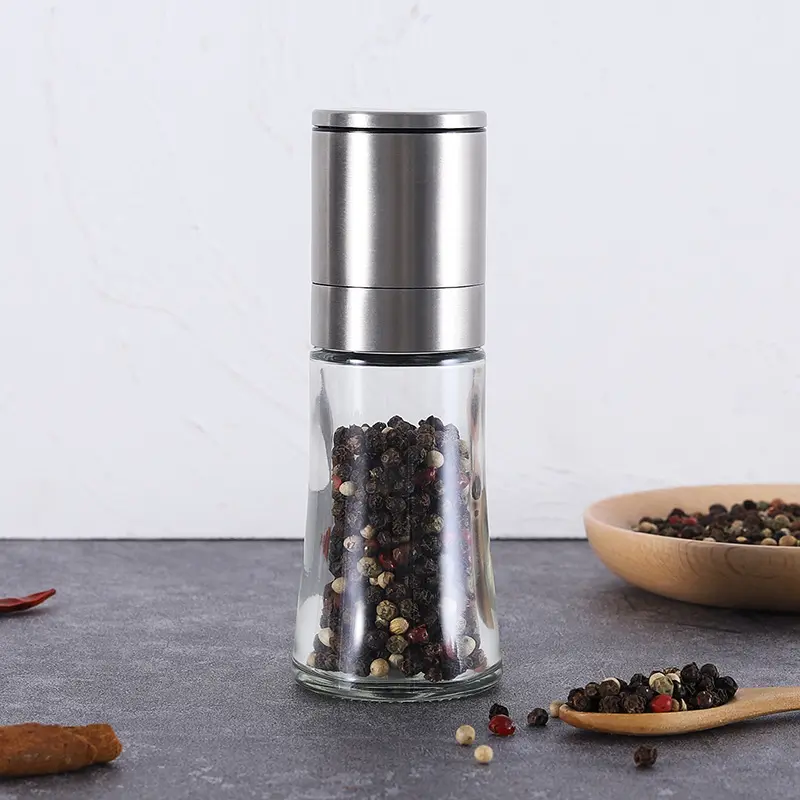
Redefining Salt & Pepper Mills
The Challenge: Many manual grinders on the market were overly bulky, heavy, or prioritized fashion over function, leading to a frustrating user experience.
The Solution: Chinagama designed a slim, straight grinder featuring patented adjustment mechanics. This balance of clean aesthetics and reliable performance received excellent feedback from customers and retailers alike.
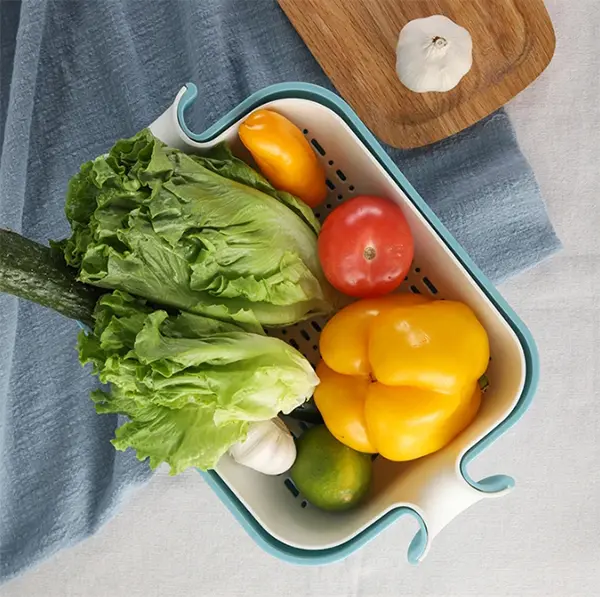
Diverse Kitchen Tool Customization
Expanding Possibilities: Beyond wooden spice mills, we design and manufacture vegetable washing baskets, soap dispensers, and manual knife sharpeners.
Our Goal: We closely monitor global regional designs and user habits. This helps us ensure that whatever kitchenware product we develop balances visual appeal with daily kitchen practicality.
Localized Application Scenarios & Industry Trends (2024-2030)
Adapting wooden mills to distinct regional markets and keeping pace with technological shifts.
Regional Design & Market Preferences
North America: Buyers in this market generally prefer large, statement-making rubberwood or acacia mills (10-18 inches tall) with clean, dark espresso or matte black finishes. They look for durability to handle heavy, daily family kitchen use.
Western Europe: European markets lean toward minimalist Nordic styles, utilizing natural beech wood and light oak (6-8 inches tall) with satin-smooth clear coatings. FSC certification is often a key requirement for retail placement.
Asia-Pacific: Many Asian markets prefer compact, multi-functional mills. High-grade wooden bodies paired with fine ceramic grinding mechanisms are popular for grinding sea salt, Sichuan peppercorns, and delicate dried spices.
Industry Innovation Trends (2024-2030)
1. Hybrid Material Designs: Mixing wooden bodies with elements of copper, brass, or stainless steel creates a striking contrast between rustic warmth and modern industrial tech. This style is gaining strong traction in premium retail lines.
2. High-Capacity Ceramic Burrs: Advances in ceramic burr tech now allow for faster grinding with less effort. They are rust-proof and do not absorb food odors, making them highly versatile for grinding different spices.
3. Gravity-Electric Integration: Adding USB-rechargeable electric motors into lightweight wooden housings allows brands to offer the classic look of a wooden mill with the convenience of one-touch electric grinding.
B2B Procurement & Sourcing Best Practices
Key checkpoints for importing wooden kitchenware safely and efficiently.
1. Moisture Testing
Always verify your supplier's wood drying process. Wood with high moisture levels can warp or crack when shipped across different climate zones. Safe levels are typically below 12%.
2. Core Mechanisms
Specify the burr material according to the spice: Ceramic works well for salt and general spices as it won't rust. Hardened carbon steel is ideal for cutting pepper corns to release aromatic oils.
3. Packaging Compliance
B2B retail orders require transit-safe packaging. Opt for double-wall corrugated cardboard and moisture-absorbing silica packets to protect the wooden products from dampness during sea freight.
Frequently Asked Questions (FAQ)
Clear answers to technical, manufacturing, and sourcing inquiries.
Q: What is the best wood choice for wholesale pepper mills?
A: Rubberwood and beech are highly popular choices for their strength, uniform grain, and excellent ability to take stains and colors. For premium product lines, acacia and walnut offer striking, natural patterns that add high-end appeal.
Q: How do you prevent wooden pepper mills from warping over time?
A: We control warping by seasoning and kiln-drying the wood raw materials down to 8%-12% moisture content. We then seal the wood inside and out with food-grade protective coatings to prevent moisture absorption.
Q: What is the difference between ceramic and carbon steel grinding burrs?
A: Ceramic burrs are highly versatile because they resist corrosion from salt, making them perfect for multi-purpose spice mills. Carbon steel burrs are harder and cut peppercorns instead of crushing them, which releases a richer aroma. However, carbon steel is prone to rust if used with wet salts.
Q: Do your wooden grinders comply with FDA and LFGB food safety guidelines?
A: Yes. All our materials, including the raw wood, glues, and varnishes, undergo regular testing. We hold FDA, LFGB, and CE certifications, allowing our products to pass customs and food safety checks worldwide.
Q: What are the lead times for custom OEM/ODM wooden mills?
A: General OEM orders for existing designs take 35 to 45 days. For custom ODM products requiring unique 3D prints, mold tooling, and custom samples, the process typically takes 60 to 75 days, depending on the complexity.
Q: Do you offer customization options for logo and packaging?
A: Absolutely. We provide several branding options, including laser engraving, pad printing, and heat stamping. We also offer custom packaging designs, from eco-friendly craft boxes to premium printed gift boxes.
Explore More Premium Grinding & Dispensing Products
Complete your sourcing list with our wider range of kitchenware tools and coffee accessories.

Wholesale Customized Contemporary Salt and Pepper Mills
View Details
CE Certification ODM Gravity Wooden Pepper Mill
View Details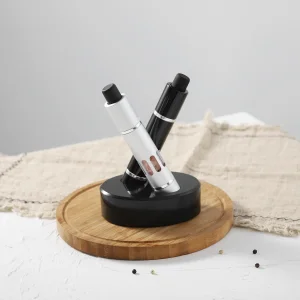
ODM Customized Fancy Salt and Pepper Grinder Set
View Details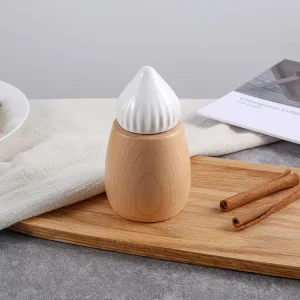
Wholesale OEMODM Wooden Salt And Pepper Grinder Products
View Details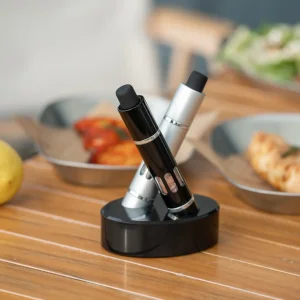
ODM Thumb Press Portable Pepper Mill
View Details
ODM Customized Manual Coffee Mill Grinder Set
View Details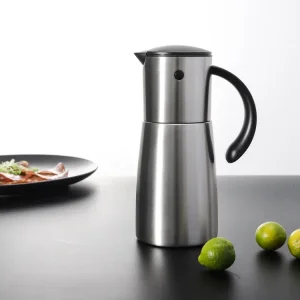
ODM Customized Auto Flip Oil Dispenser
View Details