 Chinagama
Premium Sourced Models & Engineering Configurations
Discover precision-built compact spice mills featuring FDA-compliant ceramic burrs, glass jars, and heavy-duty manual/electric mechanisms.
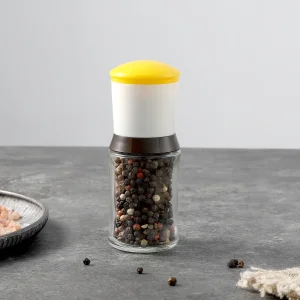
ODM Colorful Manual Plastic Salt and Pepper Grinders with Ceramic Burr
View Specifications
Wholesale Customized Mini Electric Coffee Bean Grinder
View Specifications
Custom Custom Manual Salt and Pepper Grinder Products, Suppliers
View Specifications
Wholesale Customized Electric Salt And Pepper Grinder Set
View Specifications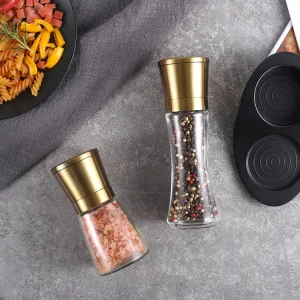
ODM Gold Pepper Grinder Set with Glass Jar
View Specifications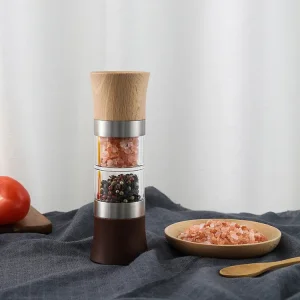
ODM Customized Combined Salt and Pepper Mill
View Specifications
Wholesale Customized Glass Olive Oil Spritzer
View Specifications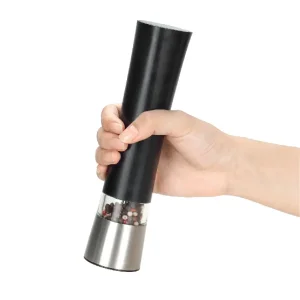
Wholesale IF Award Spice Grinder and Crusher
View SpecificationsExecutive Briefing: The Evolution of Compact Spice Milling
Within the global high-end homeware sector, the demand for precision-engineered kitchen tools has transitioned from novelty to necessity. Global distributors, supermarket chains, and high-growth consumer brands are recognizing the commercial utility of "Small Pepper Grinders" as highly profitable and sought-after stock-keeping units (SKUs). Our role as a premier manufacturing partner is to engineer mechanisms that reconcile visual appeal with long-term mechanical reliability.
By providing superior information gain to sourcing directors, this industry document breaks down the manufacturing parameters, raw material specifications, and cost architectures crucial to formulating a profitable sourcing framework. Grounded in Google's strict E-E-A-T guidelines, we analyze China's advanced manufacturing capabilities, mapping out the factors that sustain industrial output, supply chain resilience, and global regulatory compliance.

Empirical Authority: The Chinagama Legacy
Pioneering standard-setting culinary innovations and high-performance grinding mechanics since 1997.
Established in 1997, Chinagama began as a dedicated trade enterprise. Recognizing shifts in international trade infrastructure, in 2001 we adapted early to online transaction models, laying the foundation for rapid export scale. As our passion for culinary tools grew, we pivoted in 2003 from trading to direct industrial production. By 2012, this expansion culminated in the establishment of a state-of-the-art, standardized food-grade production plant, empowering us to continuously innovate and control product quality.
In 2015, Chinagama was designated a National High-Tech Enterprise. Since then, our product line has consistently earned design accolades, including the prestigious Red Dot and iF Design Awards, validating our leadership in kitchenware engineering. Today, we ship over 12 million grinders annually, meaning every three seconds, a precision Chinagama product reaches a customer somewhere in the world.
China Factory 4.0: Supply Chain Resilience & Efficiency
Sourcing small pepper grinders from China offers distinct advantages, rooted in our localized manufacturing clusters, raw material ecosystems, and advanced automation infrastructure. At Chinagama, our assembly lines combine advanced machinery with strict human oversight to maintain tight structural tolerances. This keeps our production quality consistent, preventing the mechanical failures often seen in lower-grade components.
Modern Production Tooling
Our production facilities utilize modern injection molding machines, automated mechanical assembly lines, and high-precision laser engraving stations. This tooling setup enables us to scale operations quickly while maintaining dimensional accuracy across production runs of any size.
Strict Quality Control
Quality control is integrated into every step of our manufacturing process. We conduct automated optical inspections, mechanical torque analysis, and drop testing on random batch samples to ensure our grinders meet international durability standards.
Vertical Integration
Our facilities handle every stage of production under one roof, from initial R&D and tool construction to injection molding, final assembly, and packaging. This vertical integration reduces lead times, protects our intellectual property, and keeps production costs highly competitive.
R&D Mission Statement: "To become the preferred supplier of premium kitchen grinding tools for mid-to-high-end brands around the globe, setting the standard for quality, design, and performance. We achieve this by providing competitive grinding solutions and tailored services that overcome industry challenges and build long-term, shared success."
B2B Purchasing Framework & Cost Structures
Sourcing directors must manage multiple variables when structuring global procurement contracts. Grinder unit costs are determined by material choices, mechanism complexity, custom tooling requirements, and shipping volumes. Understanding these pricing factors is essential for accurate margin forecasting.
| Grinder Classification | Grinding Burrs Material | Body Materials Options | Estimated MOQ (Units) | Standard Pricing Index (FOB) |
|---|---|---|---|---|
| Manual Compact Series | 95% Alumina Ceramic | Food-Grade PP / Acrylic | 3,000 | $0.85 – $1.50 |
| Manual Premium Glass | High-Density Ceramic | High-Borosilicate Glass / Metal Details | 2,000 | $1.45 – $2.60 |
| Classic Wood Mill Series | Alloy Treated Carbon Steel | FSC-Certified Beech / Acacia | 1,500 | $2.20 – $4.80 |
| Rechargeable Electric (USB-C) | 95% Alumina Ceramic | 304 Stainless Steel / ABS Cover | 1,000 | $4.50 – $7.80 |
| Gravity Induction Series | High-Density Ceramic | Stainless Steel / Polymer Accent | 1,000 | $5.20 – $8.90 |
Customization options like laser-engraved logos, custom PMS color matching, and bespoke packaging configurations will affect the base unit price. Standardizing these variables helps secure consistent pricing and ensures reliable deliveries over long-term contracts.
Macro Solutions: Global Compliance & Support
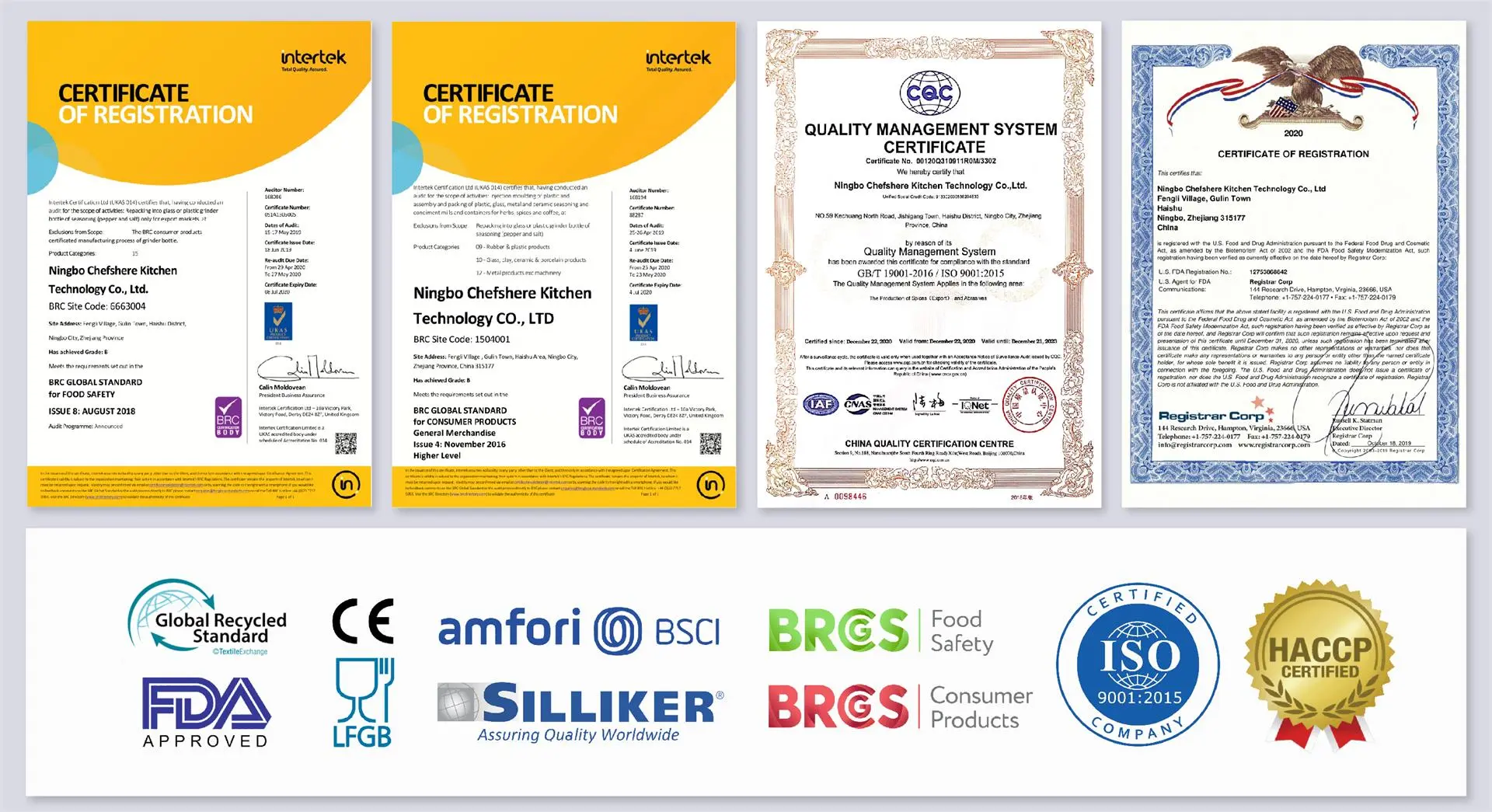
Exporting consumer kitchen products requires navigating strict international regulatory frameworks. To support our partners' compliance needs, we subject our products to rigorous testing through independent, third-party laboratories. This ensures that every shipment meets key food safety and chemical migration standards, including LFGB and FDA certifications.
Strict Regulatory Compliance Protocols
We perform regular testing to ensure our products comply with global safety standards, including EU 10/2011, French DGCCRF directives, and US FDA requirements. These safety verifications cover:
- Sensory Testing: Ensuring components do not transfer odors or flavors to ground spices.
- Global Migration Limits: Verifying that plastic compounds remain stable and do not leach substances under thermal or mechanical stress.
- Heavy Metal Analysis: Ensuring all metal housings and components are lead-free, cadmium-free, and nickel-safe.
Engineering Case Studies: Turning Challenges into Award-Winning Designs
Our collaborative R&D process focuses on identifying everyday kitchen issues and engineering functional, reliable, and aesthetically pleasing solutions.
Case Study A: The Bird-Spout Oil Dispenser (Red Dot Winner)
Market research indicated a growing consumer demand for clean-pouring, one-handed oil dispensers. To address this, Chinagama designed a gravity-fed "bird spout" mechanism. This design automatically opens when tilted and seals shut when upright, providing drip-free operation. The balance of modern design and mechanical utility earned the product a Red Dot Design Award, and it remains one of our most popular oil-dispenser designs.

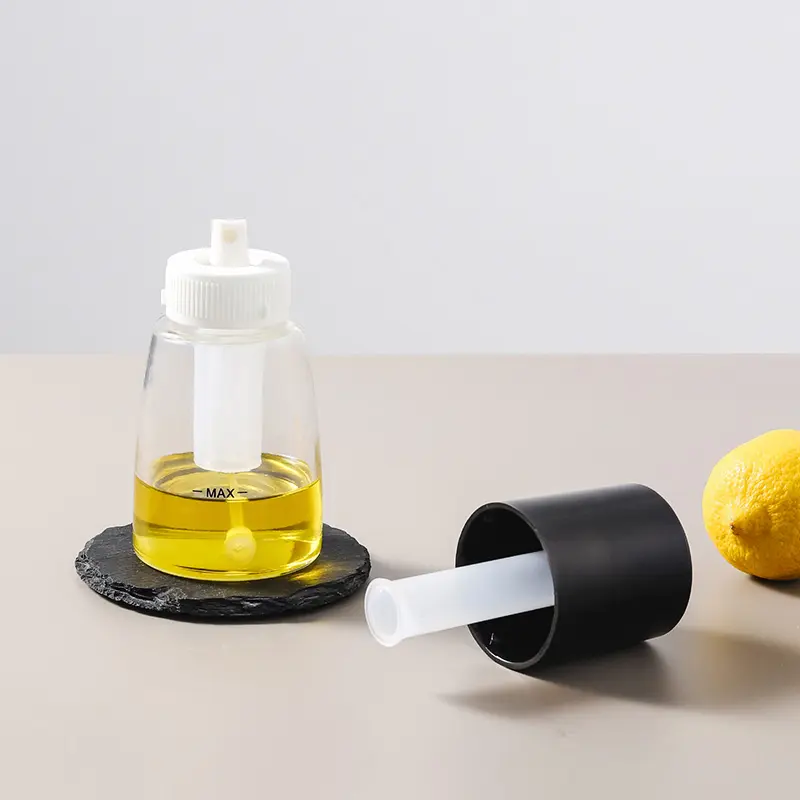
Case Study B: The Oil Mist Sprayer (Material Selection & Stress Cracking)
During a collaborative design project with a prominent kitchenware brand, our engineering team evaluated materials for a new oil mist sprayer. Early testing revealed that standard ABS and PMMA plastics were susceptible to stress cracking when exposed to lipids over time. To ensure product safety and durability, we transitioned the design to food-grade Polypropylene (PP), producing a robust, crack-resistant sprayer that met our client's safety and quality standards.
Case Study C: Redesigning the Manual Pepper Grinder
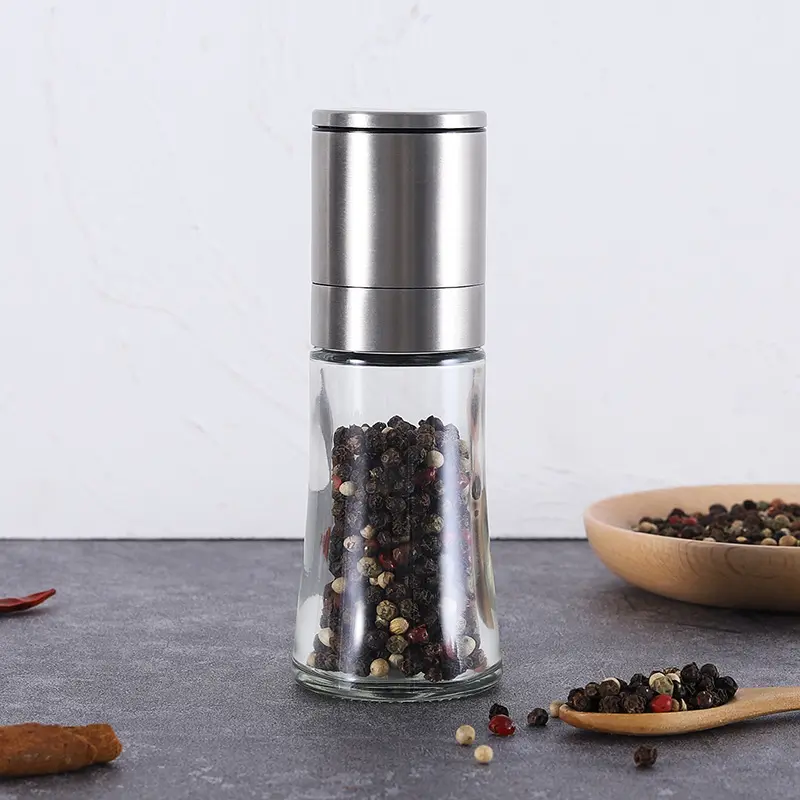
Many traditional manual grinders feature bulky housings or complex, heavy internal assemblies that can be difficult to use. Our engineers developed a compact, straight-bodied grinder designed for comfortable ergonomics and smooth operation. The design incorporates patented internal assemblies to stabilize the ceramic grinding core, ensuring a consistent grind and a clean aesthetic.
Technological Roadmap & Future Product Innovations
The culinary products sector is increasingly integrating electronics, smart dosing, and sustainable materials into modern product designs. Our technical roadmap focuses on three primary areas to ensure our products continue to meet evolving market demands.
Smart Dosing Technology
We are developing grinders with integrated weight-sensor feedback and volume counters. These systems will allow users to program specific spice amounts, meeting the needs of commercial kitchens and consumers interested in precise recipe execution.
Eco-Friendly Materials
To support corporate sustainability goals, we are testing biodegradable polymers, recycled wood-fiber composites, and ocean-bound plastics for our grinder housings. These materials aim to match the structural strength of traditional ABS and PP while reducing environmental impact.
Advanced Power Mechanics
Our next-generation electric models will feature USB-C charging, optimized lithium-ion cells, and variable-speed motors. These components are designed to deliver higher grinding torque, quieter operation, and longer runtimes per charge.
Industrial Sourcing Q&A (B2B FAQ)
Technical answers to help purchasing managers make informed decisions during the sourcing process.
Specialty Cooking Accessories & Classic Mills
Browse our selection of classic manual wood mills, seasoning bottles, and electric grinders designed for international retail markets.

ODM Customized Cooking Oil Brush with Glass Bottle
View Specifications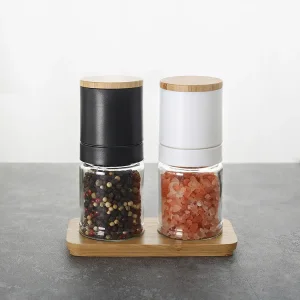
ODM Wholesale Black Pepper and Salt Grinder Set Manufacturers, Manufacturer
View Specifications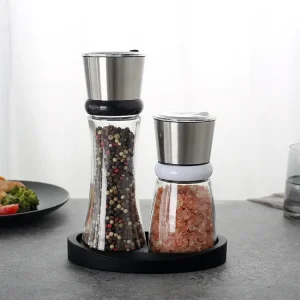
Best Supports Customized Ergonomic Herb Grinder Set Quotes, Pricelist
View Specifications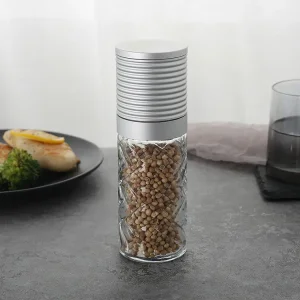
CE Certification ODM Manual Salt Pepper Mill Grinder Exporter, Factories
View Specifications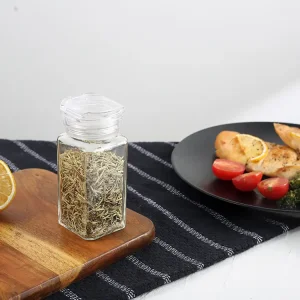
Wholesale Plastic Sprinkler Bottle for Spices
View Specifications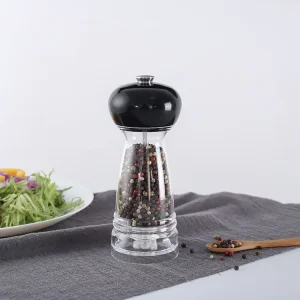
ODM Classic 7-Inch Manual Salt and Pepper Grinder
View Specifications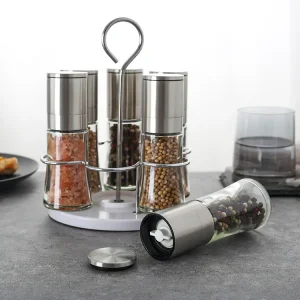
ODM Stainless Steel Pepper Grinder Set with Holder
View Specifications