 Chinagama
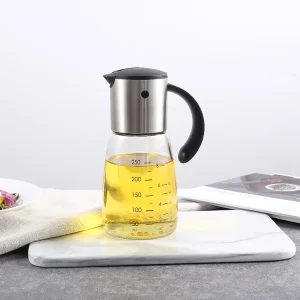
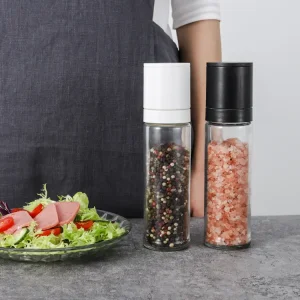
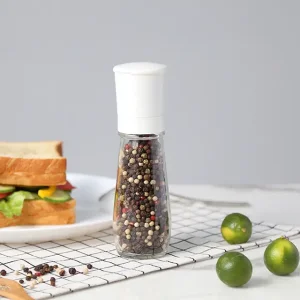
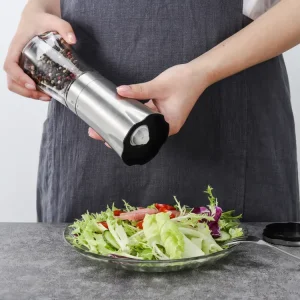
Featured Premium Kitchenware & Dispensing Solutions
Explore our globally trusted, certified kitchenware line. Engineered with precision engineering, food-grade materials, and international design acclaim.
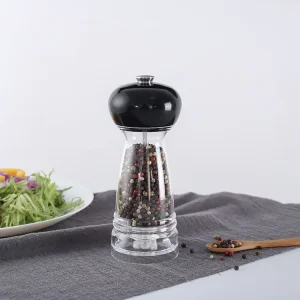
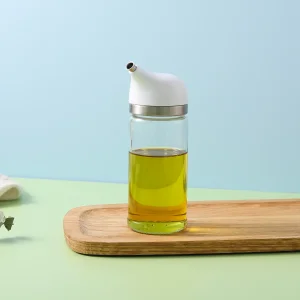
Executive Sourcing Guide: The Evolution of Cooking Oil & Dispenser Manufacturing
In the contemporary global kitchenware industry, the demand for precision-engineered liquid dispensing systems has shifted from mere container design to sophisticated user experience engineering. As leading China Cooking Oil Dispenser Exporters, industry frontrunners are redefining how culinary liquids are stored, portioned, and preserved. Modern manufacturing combines material science, ergonomic flow mechanics, and strict international compliance standards to deliver products that meet both aesthetic and health-conscious consumer preferences.
Semantic Market Shift
Modern buyers look beyond simple glass jars. They demand drip-free mechanisms, automatic gravity-opening spouts, precise measurement markings, and environmental resilience that aligns with low-waste lifestyles.
Material Integrity
With safety regulations tightening worldwide, the usage of certified lead-free borosilicate glass, food-safe silicone, and non-cracking BPA-free polymers is critical to pass strict LFGB and FDA screenings.
Smart Kitchen Integration
Integration of ergonomic gravity lids, smart volumetric metering, and spray-to-drizzle dual action mechanisms are setting the trajectory for the future kitchenware landscape.
Chinagama: Pioneering Culinary Innovation & Trust Since 1997
Since its inception in 1997, Chinagama has established a reputation for manufacturing top-tier kitchenware, with a specialized focus on salt and pepper grinders, coffee grinders, and high-performance oil and vinegar dispensers. Our transition in 2003 from a commercial trade agent to a dedicated manufacturer allowed us to implement vertical quality control and drive global kitchenware innovation.
Our Core Vision
To serve as the preferred strategic manufacturer of premium kitchen grinding and dispensing systems for mid-to-high-end brands globally. We establish benchmarks in industrial performance, design elegance, and material security.
Commitment to Global Compliance
All Chinagama processes operate under rigorous manufacturing audits. Our raw materials and final assemblies hold certified clearances from elite testing laboratories, meeting FDA and LFGB requirements for food contact safety.
R&D Breakthroughs & Engineering Case Studies
True information gain lies in how engineering challenges are solved. Below are real-world design cases demonstrating how we execute technological breakthroughs to deliver market-winning products.
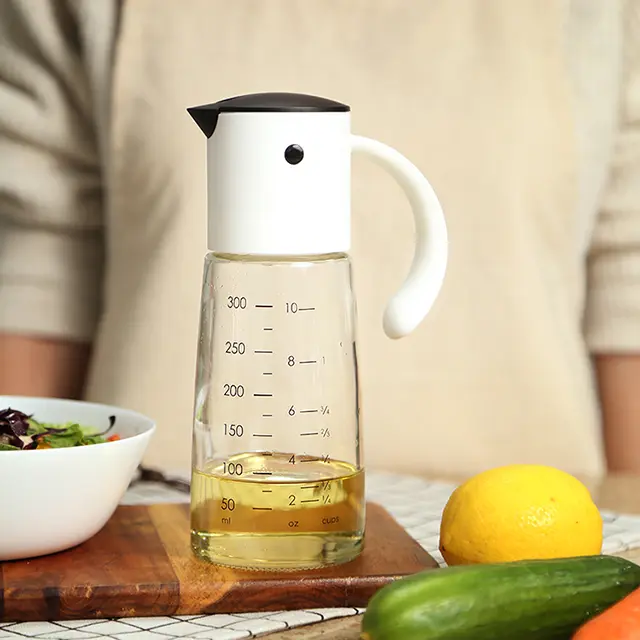
Red Dot Award Winning Gravity Bird Spout Dispenser
Market Research Insight: Consumers consistently demanded a hygienic, single-hand operated oil dispenser that would prevent oil run-back on the outer bottle. Most products on the market relied on manual caps that accumulated oil residues, creating rancid odors and sticky surfaces.
Engineering Solution: Chinagama designed a balanced gravity-fed hinge system built inside a bird-shaped spout structure. When the bottle tilts, the shutter opens naturally; when set upright, it closes tightly. After extensive prototyping to balance the counterweight, we eliminated the need for manual capping while ensuring a completely drip-free seal. This design achieved immediate commercial success and won the prestigious Red Dot Design Award.
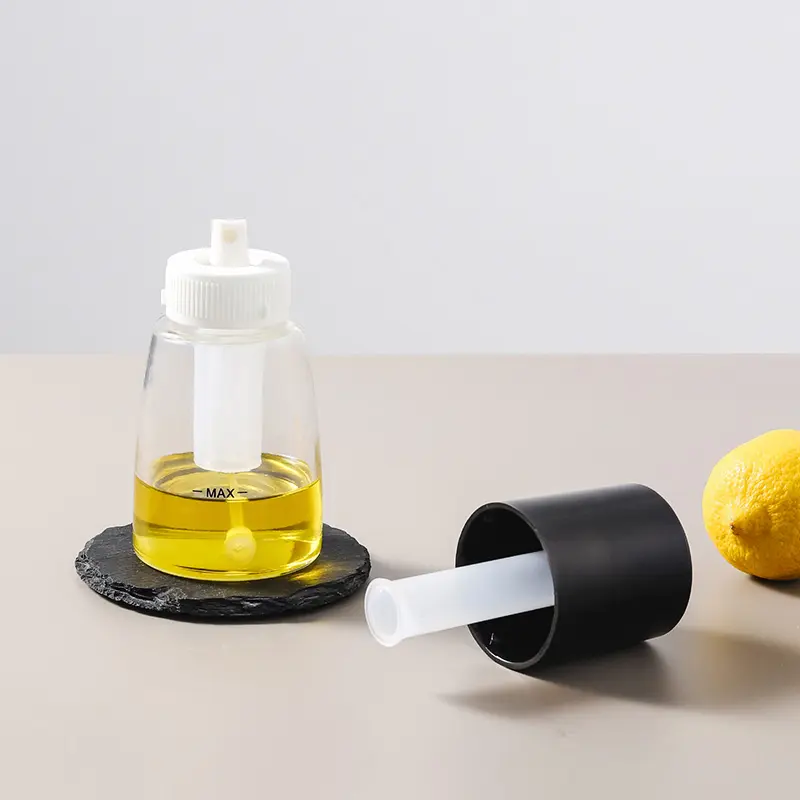
Collaborative Development: The Oil Mist Sprayer Project
The Material Challenge: In partnership with a leading global brand, we designed a high-pressure aerosol-free oil sprayer. During initial prototyping, ABS and PMMA polymers were used for the internal pump parts. However, under high stress and continuous exposure to lipid fatty acids, these polymers suffered stress-corrosion cracking, resulting in pressure drop and fluid leaks.
Resolution: Our materials division conducted accelerated stress testing with various cooking oils. We switched the structural elements to a premium, non-toxic, stress-resistant Polypropylene (PP) copolymer. This material change corrected the mechanical failure, maintained pressure control, and successfully brought a durable, safe sprayer to market.
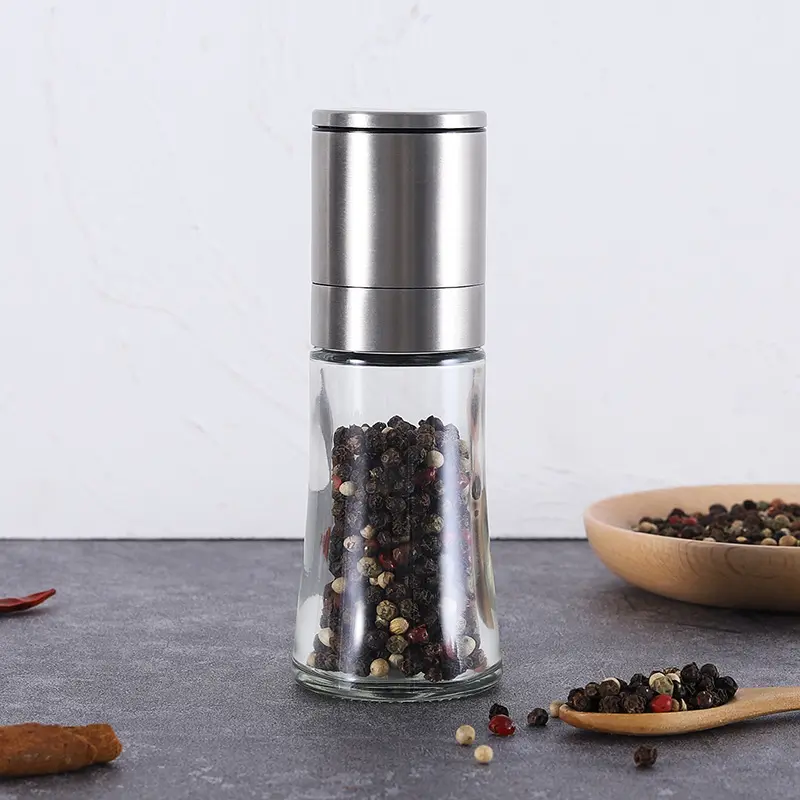
Ergonomic Salt & Pepper Grinder Optimizations
The Ergonomic Dilemma: Traditional manual grinders were either too heavy, had poor grip traction, or prioritized styling over basic mechanics. This reduced grind efficiency and caused wrist fatigue.
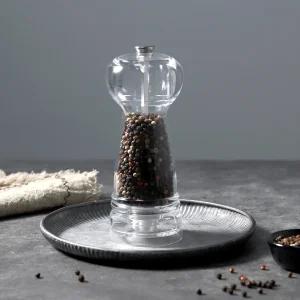
The Solution: Chinagama's development team designed a straight profile grinder incorporating a high-durability ceramic burr core. By optimizing the internal gear ratio and reshaping the container's grip points, we engineered a grinder that requires less torque to operate. This provides a smoother grinding action while maintaining a clean, modern aesthetic.
Global Sourcing Dynamics: The Demand for Smart Dispensing Systems
Analyzing consumer search patterns and import-export data reveals key shifts in user requirements for oil dispensing products. Commercial buyers must align their portfolios with these high-intent market trends:
1. Non-Aerosol Oil Misters
Driven by air fryer adoption and health trends, consumers want precise oil portioning. Traditional aerosol cans with chemical propellants are being replaced by reusable pump mist sprayers that atomize pure oil safely.
2. Light-Shielding Storage
Olive and avocado oils degrade when exposed to UV light. High-end buyers now request amber, emerald green, or opaque ceramic/stainless steel finishes to shield delicate oils from photo-oxidation.
3. Dual-Purpose Utility
Space-saving, multi-functional kitchen tools are increasingly popular. Dispensing bottles that feature both spray and pour functions within a single cap mechanism represent a major innovation point in the market.
China Factory 4.0: Supply Chain Resilience & Manufacturing Efficiency
Operating a modern facility requires more than just scaling up output. Chinagama has adopted Factory 4.0 principles, blending automated manufacturing with rigorous quality inspection systems to ensure stable, reliable production.
Automated Precision Assembly
Our assembly lines utilize automated machinery to insert components and secure seals. This automation minimizes human error, standardizes torque for thread fittings, and increases production speed to support high-volume export orders.
Material Traceability & QA Protocols
Every batch of raw material is registered and traced from arrival through molding to packing. Random stress and impact tests help identify potential structural weaknesses early, protecting buyers from downstream return and warranty risks.
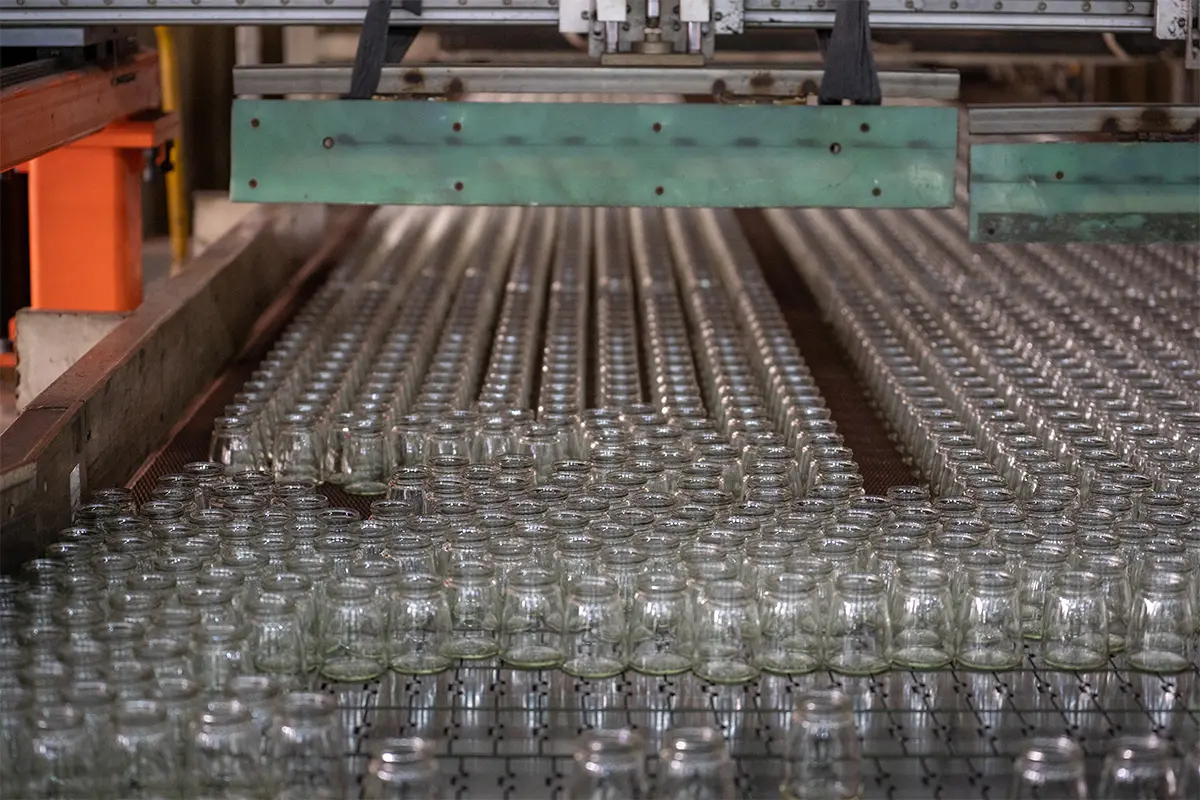
Precision Molding Station
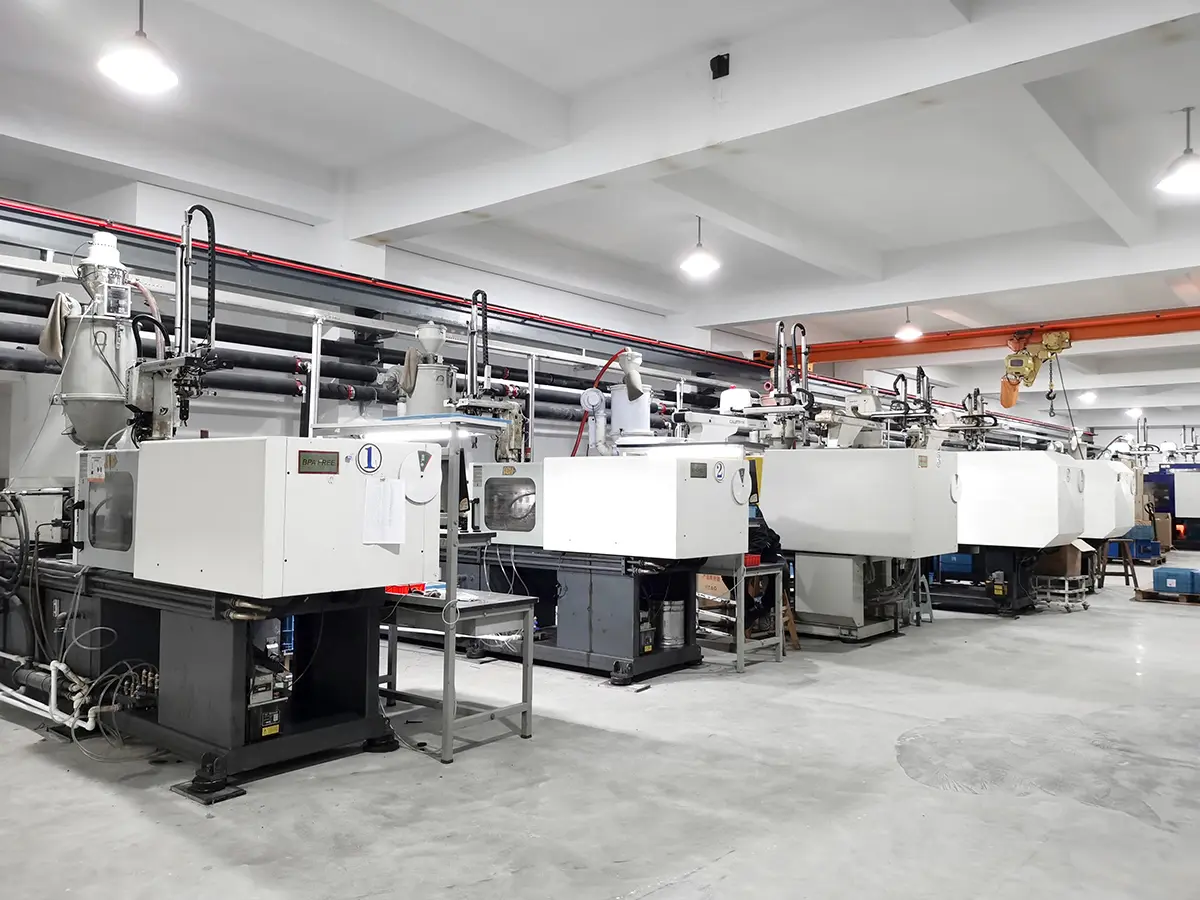
Robotic Core Integration
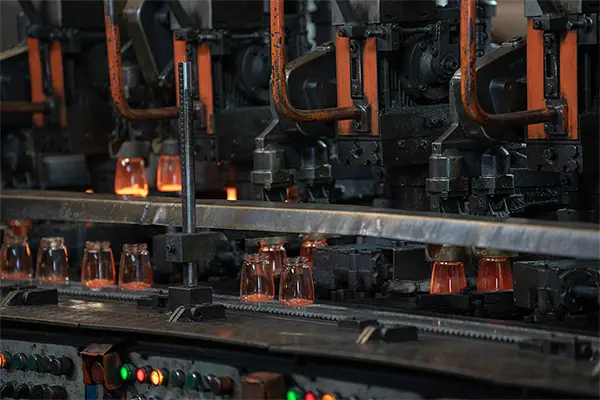
Strict Quality Testing Line
Target Use Cases: Designed for Modern Culinary Environments
Chinagama dispenser and grinder designs are engineered to perform reliably across a variety of kitchen environments:
High-Output Commercial Kitchens
Professional kitchens require fast, reliable tools. Our quick-pour gravity systems allow chefs to dispense oil and vinegar efficiently, withstanding the demands of fast-paced food service operations.
Smart Household Kitchens
For home cooks, clean countertops and easy maintenance are key. Our drip-free spouts prevent oil rings, while elegant glass and stainless steel finishes complement modern home decor.
Outdoor Dining & Food Prep
Our portable spray systems and sealed dispensers feature secure locking mechanisms, making them easy to pack and transport for outdoor grilling, picnics, and mobile catering.
B2B Sourcing Strategy: Choosing a Kitchenware Exporter
When evaluating a potential supply partner in China, global buyers should assess key operational parameters to minimize supply chain risks:
- R&D and Patent Ownership: Working with a manufacturer that holds its own patents (such as Chinagama's 400+ patents) helps protect your brand from IP infringement and legal complications in international markets.
- Material Certification: Ensure the exporter provides traceable material test reports (like LFGB and FDA clearances) to prevent import delays and customs hold-ups.
- Tooling and Customization (OEM/ODM): Choose partners that own their molding and tooling facilities. This allows for faster prototyping, easier modifications, and more reliable quality control.
- Logistics Infrastructure: Check the exporter's proximity to major ports (e.g., Ningbo/Shanghai) to help reduce transit times and lower domestic shipping costs.
Sourcing Q&A: Key Information for Purchasing Managers
Find answers to common questions about sourcing cooking oil dispensers and spice grinders from China.
Explore Additional Sourcing Categories
Find the right products to expand your catalog. Discover our selection of spice grinders, coffee drippers, and automated oil dispensers.