 Chinagama
Featured Commercial Kitchen Tools & Mills
Engineered with high-hardness culinary ceramic components and premium steel components for superior performance.
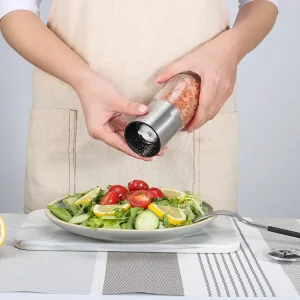
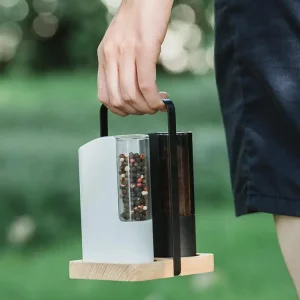
ODM Stainless Steel Salt and Pepper Grinder with Switchable Shaker Lid
View Details →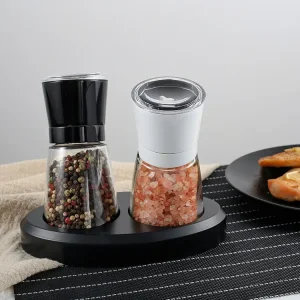
ODM Premium Manual Salt and Pepper Grinder Set
View Details →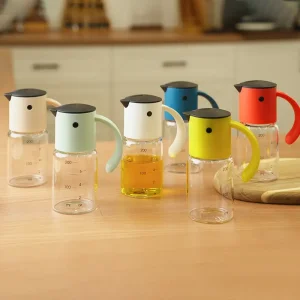
High-Quality OEM&ODM Portable Colorful Gravity Kitchen Oil Dispenser Exporters
View Details →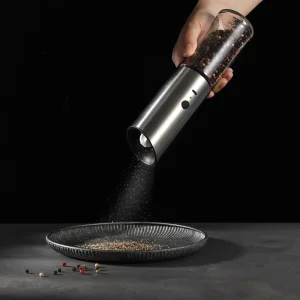
Wholesale Rechargeable Automatic Pepper Grinder
View Details →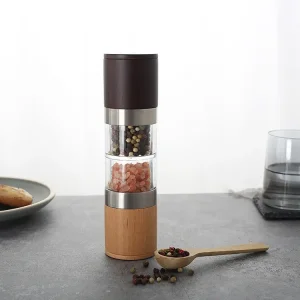
OEM Wholesale Combined Salt and Pepper Mill Exporters
View Details →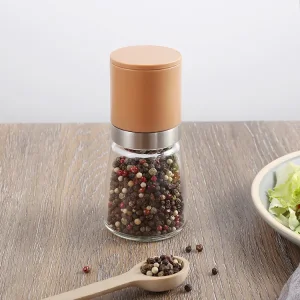
Wholesale Hand Spice Grinder Mill with Glass Jar
View Details →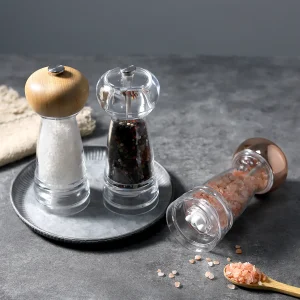
Custom Classical Handheld Pepper Grinder with Acrylic Bottle
View Details →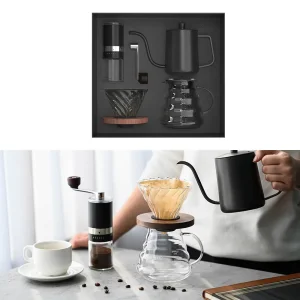
ODM Customized Pour Over Coffee Making Set
View Details →Industrial Capacity & Research Milestones
From initial trade execution to multi-award-winning smart production lines, we support global mid-to-high-end brands.
1. The Strategic Advantage of China Ceramic Conical Burr Coffee Grinder Manufacturers
As specialty coffee markets experience double-digit growth globally, the demand for precision grinding instruments has escalated. In this macro environment, China has emerged as the premier manufacturing hub for ceramic conical burr coffee grinders. This industrial transition is not merely driven by cost efficiencies but by a convergence of advanced materials science, micro-precision engineering, and massive vertical integration.
At Chinagama, established in 1997, our journey from a localized trading entity to a high-tech manufacturing leader in Ningbo, China, encapsulates these national advantages. The Zhejiang industrial cluster provides instant access to raw high-purity alumina ceramics, high-torque electric motor designers, and advanced food-grade polymer extrusion facilities. By maintaining an in-house factory, Chinagama oversees every phase of the value chain—from structural engineering, rapid prototyping, and injection molding to final ISO9001-certified assembly. This integrated ecosystem ensures that we deliver mechanical products that satisfy the strict quality requirements of global brands.
Precision Micro-Molding
Utilizing high-pressure powder injection molding (PIM) for ceramic burrs, ensuring consistent blade geometry within a 0.02mm tolerance range.
Food-Grade Compliance
100% compliance with FDA, LFGB, and EU 1935/2004 regulations. All ceramic, glass, and polymer surfaces are certified non-toxic.
Global IP Protection
With over 300 patents, our engineering team ensures that your ODM customized products remain completely proprietary and legally protected.
2. Material Science: Ceramic vs. Steel Conical Burrs
A critical consideration for global B2B buyers is the choice of burr material. In professional coffee circles, ceramic conical burrs are favored for their unique thermal properties and longevity. Unlike stainless steel burrs, which conduct heat rapidly during high-RPM grinding, ceramics possess a negligible thermal conductivity rate. This ensures that the delicate oils and volatile aromatic compounds in specialty coffee beans are not prematurely heated (or "baked") during the grinding process.
Furthermore, alumina (Al₂O₃) ceramics are impervious to moisture and oxidation, meaning they will never rust. This makes them highly versatile, capable of transitioning from grinding oily, dark-roast coffee beans to crushing dense rock salts or damp spices without transferring metallic tastes. Through careful optimization of the burr tooth pitch and angle, our R&D team has mitigated the traditional limitations of ceramic burrs, delivering a highly uniform grind size distribution curve that rivals professional-tier metal burrs while maintaining a significantly longer service life.
By engineering multi-stage cutting profiles within our ceramic burrs, we ensure that the coffee beans are first cracked in the upper region of the cone and then shaved in the lower channels. This multi-level mechanical shear minimizes the production of "fines" (extremely micro-particles that cause over-extraction and bitterness) and controls the grinding speed to optimize the brewing extraction profile.
3. Global B2B Procurement: Customization & Engineering Case Studies
For mid-to-high-end brands, bringing a new product to market involves navigating complex engineering constraints. Under the leadership of our dedicated R&D department, Chinagama has established a reputation for solving complex design challenges, earning multiple Red Dot and iF Design awards. Below are three real-world case studies demonstrating our custom B2B engineering capabilities:
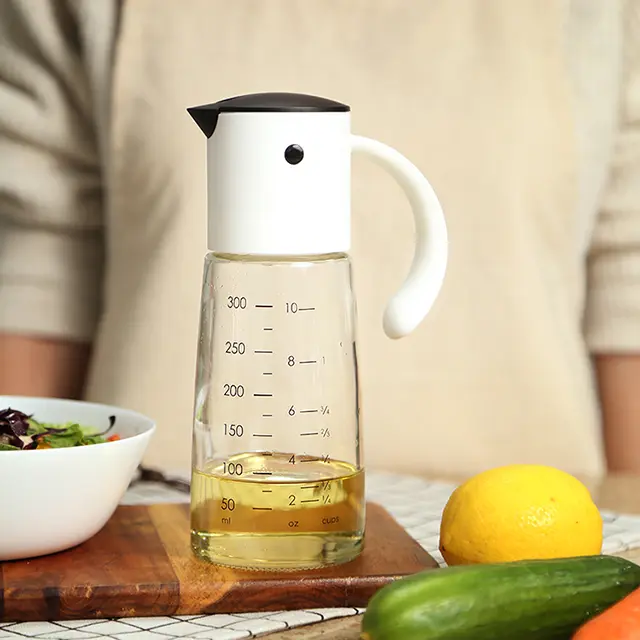
The Gravity-Fed Bird Spout Oil Dispenser (Red Dot Winner)
The Opportunity: Market research identified growing consumer frustration with messy, dripping oil dispensers and two-handed lids. Buyers sought a seamless, clean-pouring solution for modern kitchens.
The Solution: Chinagama designed a weighted mechanical gravity-fed mechanism built into a bird-spout design. The lid automatically opens when tilted and seals shut when placed upright, preventing dust ingress. The spout structure includes a micro-rebound channel that catches escaping drops and diverts them back into the reservoir, keeping the exterior clean.
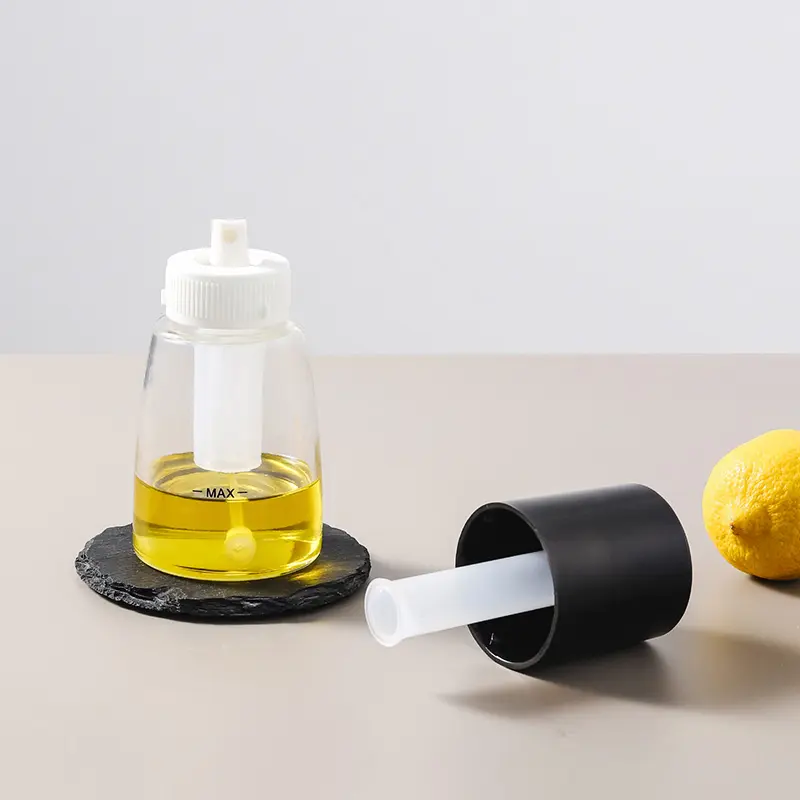
Oil Mist Sprayer Material Science & Stress Cracking Mitigation
The Challenge: A prominent global partner approached us to manufacture an oil sprayer. Early prototypes built with PMMA and ABS met aesthetic requirements but failed mechanical stress-testing. When exposed to lipids, these polymers suffered stress-induced micro-fractures, posing safety hazards.
The Solution: Our engineering team shifted the design parameters, executing a transition to a high-grade, non-toxic, chemical-resistant Polypropylene (PP) material. We modified the wall-thickness ratio and internal tooling geometries to account for the shrinkage rate of PP, delivering a durable, pressurized oil sprayer that easily passed rigorous stress-testing.
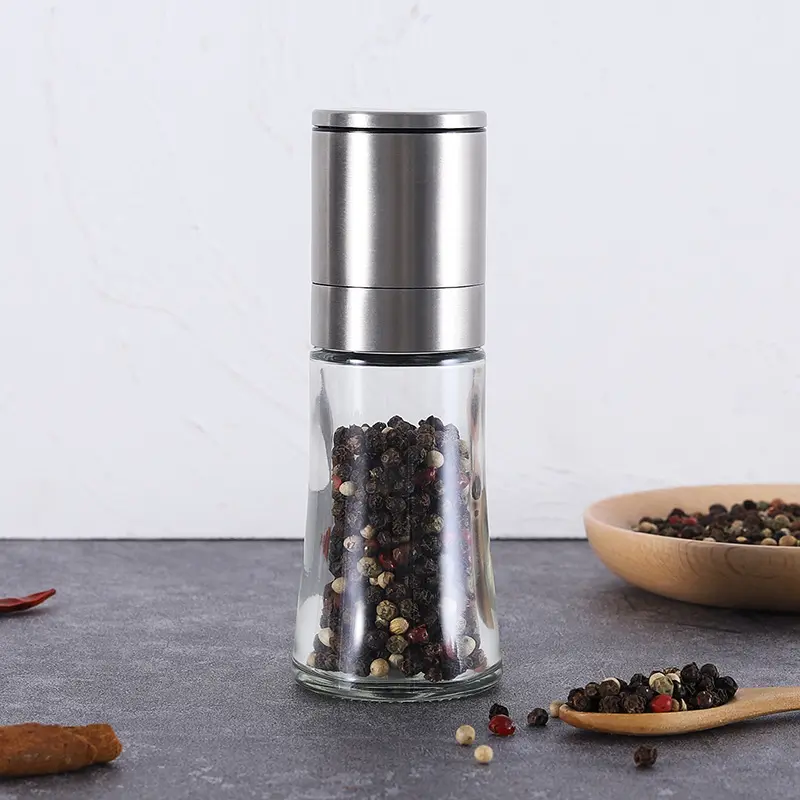
Ergonomic Simplification of Classic Salt & Pepper Grinders
The Opportunity: Many manual salt and pepper mills on the market were overly heavy, complex, and prioritised traditional styling at the expense of ergonomic comfort. Users reported wrist fatigue during extended use.
The Solution: We created a slim, straight profile mill using high-transparency glass and tactile polymers. By repositioning the ceramic grinding core to the top (upside-down mill configuration), we eliminated spice residue on kitchen counters. The grinding mechanism's structural load was optimized using a proprietary gear linkage, reducing the physical torque required by 35%.
4. Macro Industry Trends: The Future of Culinary Grinding Devices
The global household and commercial coffee grinder market is evolving rapidly. We identify three macro trends shaping future product development:
- Cordless Portability & Smart Charging: Home brewers and outdoor enthusiasts are shifting toward rechargeable USB-C battery-operated grinders. Integrating high-capacity lithium-ion batteries with high-torque, low-RPM motors provides the speed control of a countertop electric unit with the portability of a manual grinder.
- Multi-Functionality & Clean Counters: Consumers demand kitchen tools that perform multiple functions with minimal footprints. Hybrid spice-coffee grinding systems with interchangeable jars are gaining market traction.
- Eco-conscious Materials & Circular Economy: B2B buyers in Western markets prioritize post-consumer recycled (PCR) plastics, FSC-certified woods, and lead-free borosilicate glass. Our manufacturing plant is actively expanding its eco-friendly options to help brands meet their corporate social responsibility (CSR) targets.
Our Manufacturing Journey & Facilities
A timeline of innovation, growth, and commitment to precision kitchen tools since 1997.
1997 - The Foundation
Initiated trade operations focusing on housewares and general kitchen utensils. Transitioned actively in 2001 to online global B2B trade networks, laying the groundwork for international distribution.
2003 - Transition to Production
Driven by a passion for culinary engineering, we pivoted from trade to manufacturing. In 2012, we built a standardized food-grade production plant to ensure complete material safety and trace-level QA.
2015 - High-Tech Evolution
Earned official High-Tech Enterprise certification in China. This era marked our rapid accumulation of over 300 patents, along with iF and Red Dot awards for design and engineering excellence.
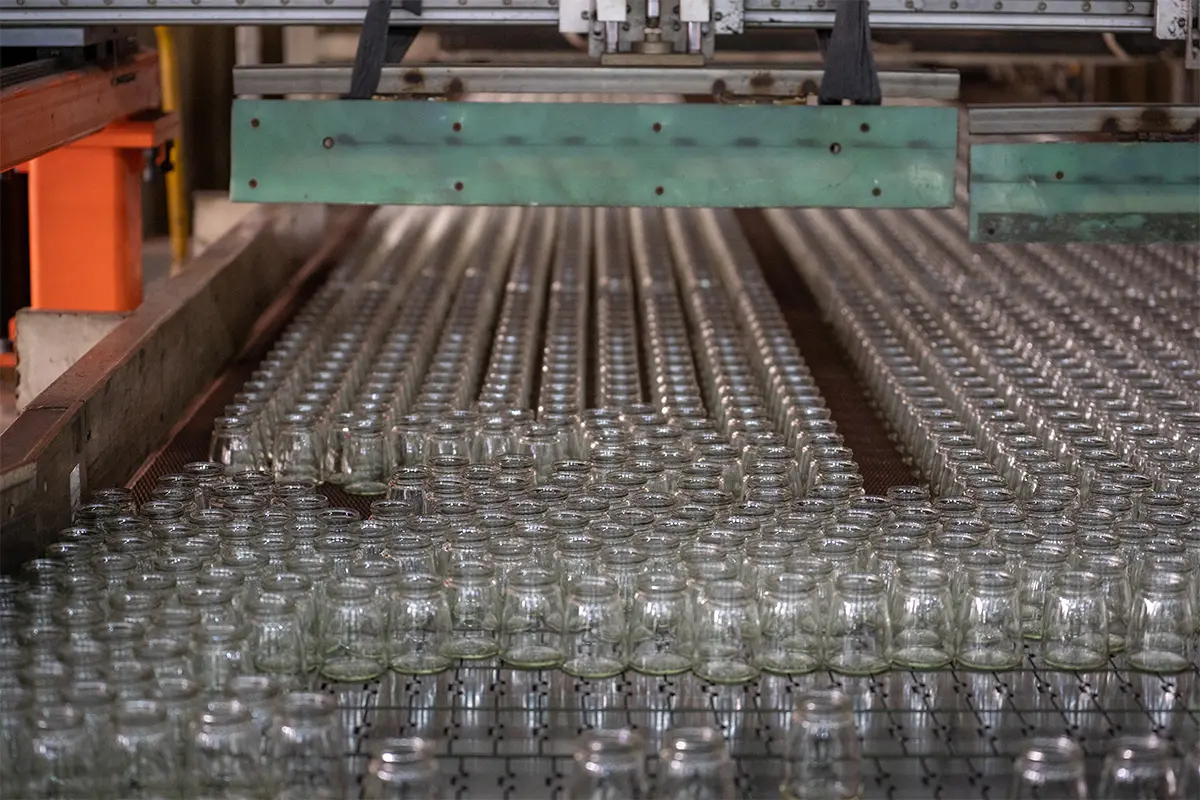
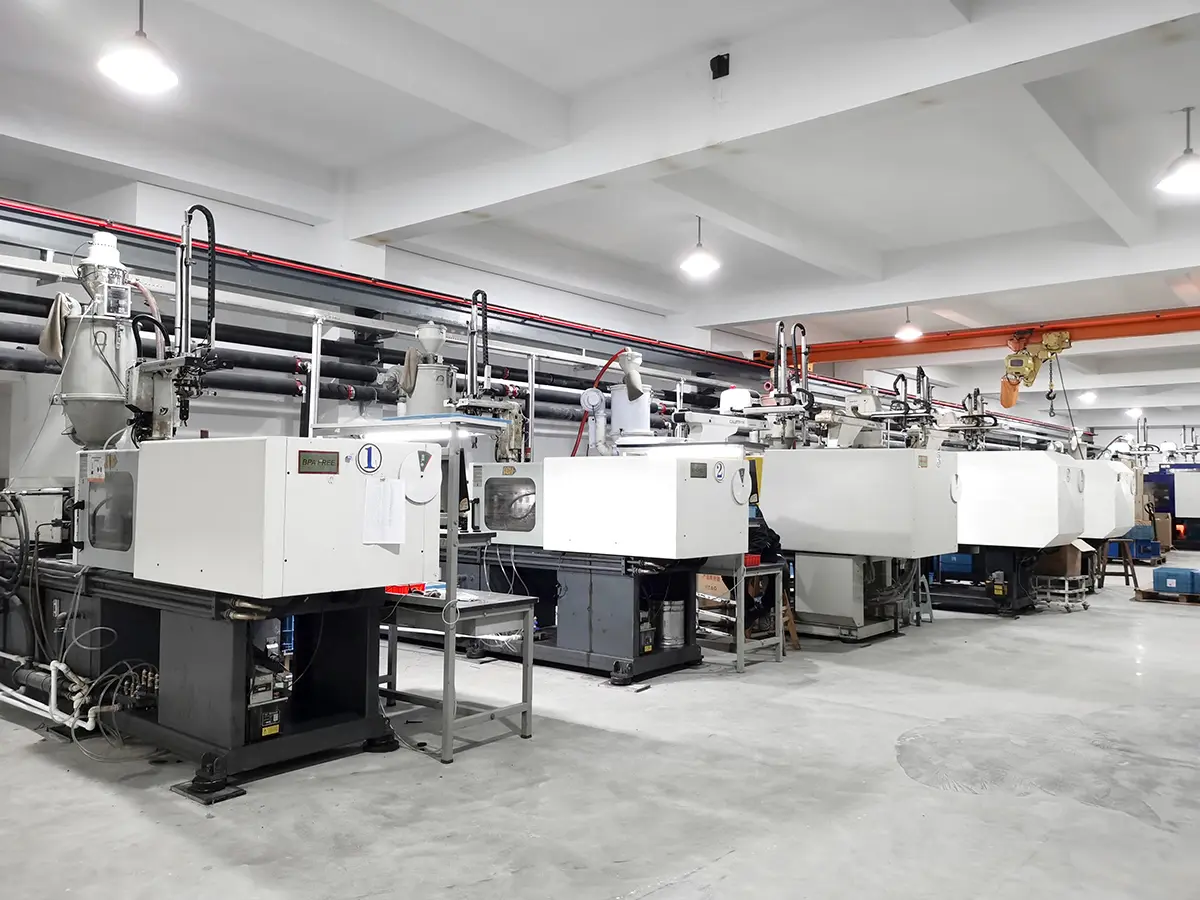
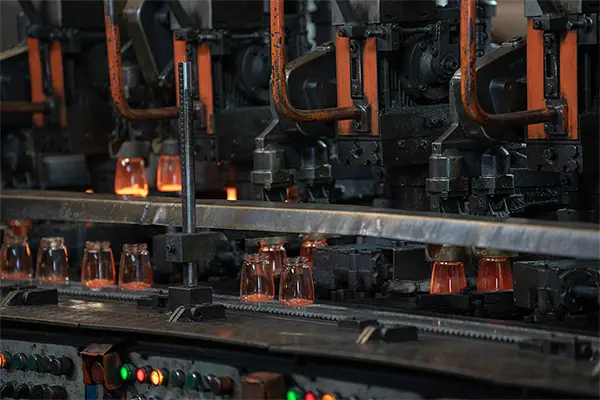
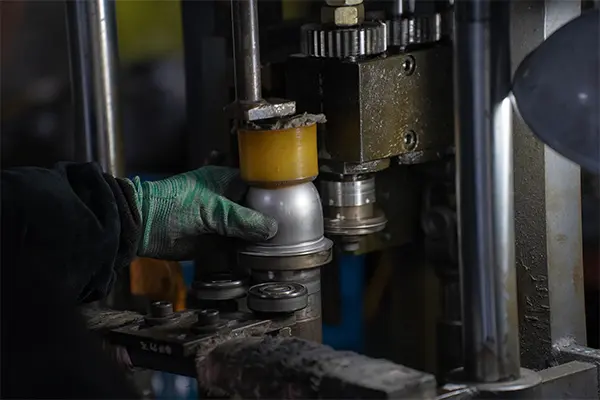
Our state-of-the-art facilities are equipped with automated assembly lines, high-precision injection molding machines, and ISO-compliant clean rooms to support large-scale production runs.
B2B Procurement FAQ - Conical Burr Coffee Grinders
Answering key technical, logistical, and compliance questions from brand owners and sourcing managers.
More Kitchenware & Spice Dispensing Innovations
Broadening your brand portfolio with high-performance mills, oil carafes, and pour-over sets.
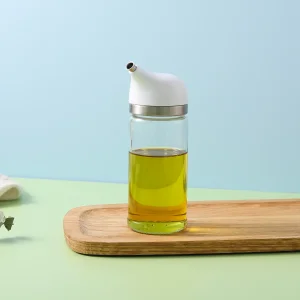
ODM OEM&ODM Glass Olive Oil Dispenser Manufacturers
View Details →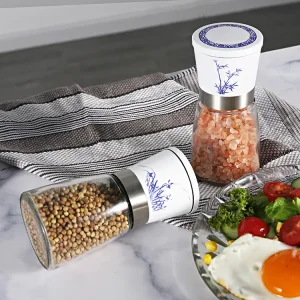
Famous Commercial Pepper Grinder with Pattern Factories, Factory
View Details →
Wholesale Customized Contemporary Salt and Pepper Mills
View Details →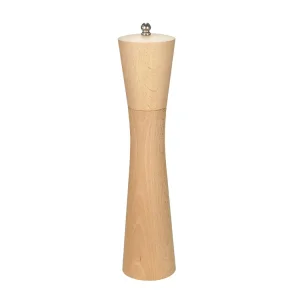
ODM Customized Vintage Wooden Spice Mill
View Details →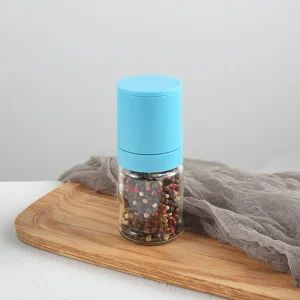
ODM Plastic Handheld Pepper Grinder
View Details →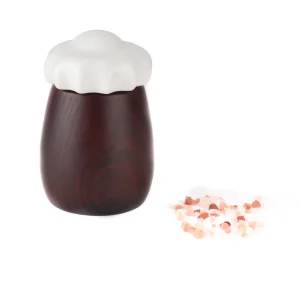
Wholesale Stylish Wooden Spice Grinder
View Details →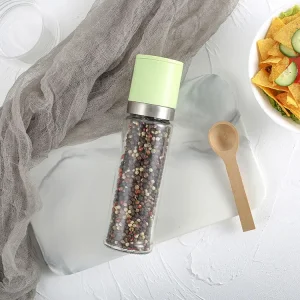
Wholesale Plastic Massive Pepper Grinder
View Details →