 Chinagama
Premium Kitchenware & Custom Grinder Selections
Explore our highly certified, precision-built manual coffee systems, spice dispensers, and bespoke culinary tools designed for global commercial distribution.

The B2B Landscape of Gravity Oil Dispenser Manufacturing
In the modern hospitality, commercial dining, and residential premium kitchenware sectors, the demand for high-performance fluid storage solutions has evolved. Commercial buyers seek more than basic bottles. Today's market calls for precision fluid dynamics, automated closure designs, and strict food-safety certifications. Global FamousGravityOilDispenserExporter companies operate at the intersection of aesthetic design and materials engineering.
CE Certification stands as the foundational regulatory requirement for accessing the European Economic Area (EEA). It serves as proof that kitchenware devices meet strict chemical, physical, and operational safety standards. For global procurement directors, choosing a partner that manufactures to CE-compliant standards is essential for reducing import risks, avoiding customs delays, and ensuring end-user safety.
- CE Compliance: Ensures compliance with EU directives for plastics, glass, and metals in contact with food.
- Auto-Gravity Mechanics: Eliminates manual opening, maintaining sanitation in commercial environments.
- Anti-Drip Spout Engineering: Reduces waste, prevents cross-contamination, and minimizes cleaning requirements.

Welcome to Chinagama: Pioneering Culinary Innovations
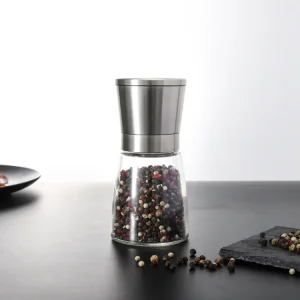
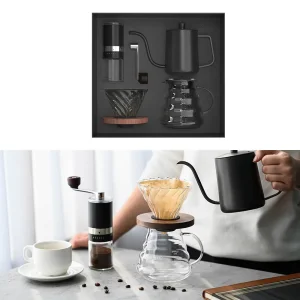
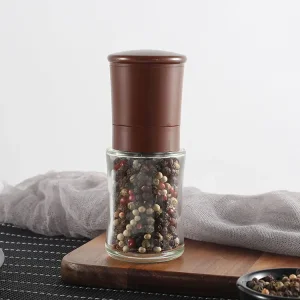
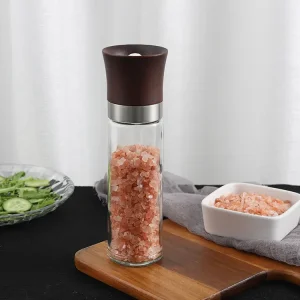
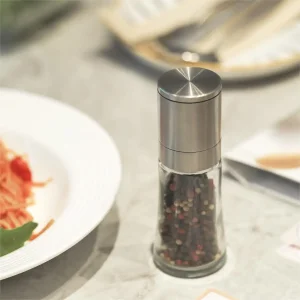
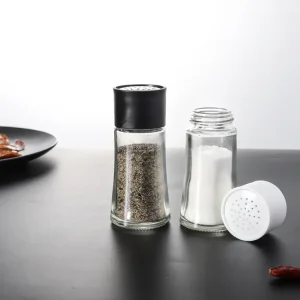
Since our founding in 1997, Chinagama has developed and manufactured premium, stylish kitchenware. We specialize in precision salt and pepper grinders, and have expanded our expertise to manufacture other high-demand kitchenware. This includes manual and electric coffee grinders, gravity-actuated oil dispensers, vinegar bottles, and luxury soap dispensers.
Our manufacturing operations are built on continuous innovation. Over the past two decades, Chinagama has secured over 300 patents. Our research and development efforts have earned recognition, including the prestigious Red Dot Design Award and the iF Design Award. We continually refine our designs and materials to meet the evolving demands of our B2B partners worldwide.
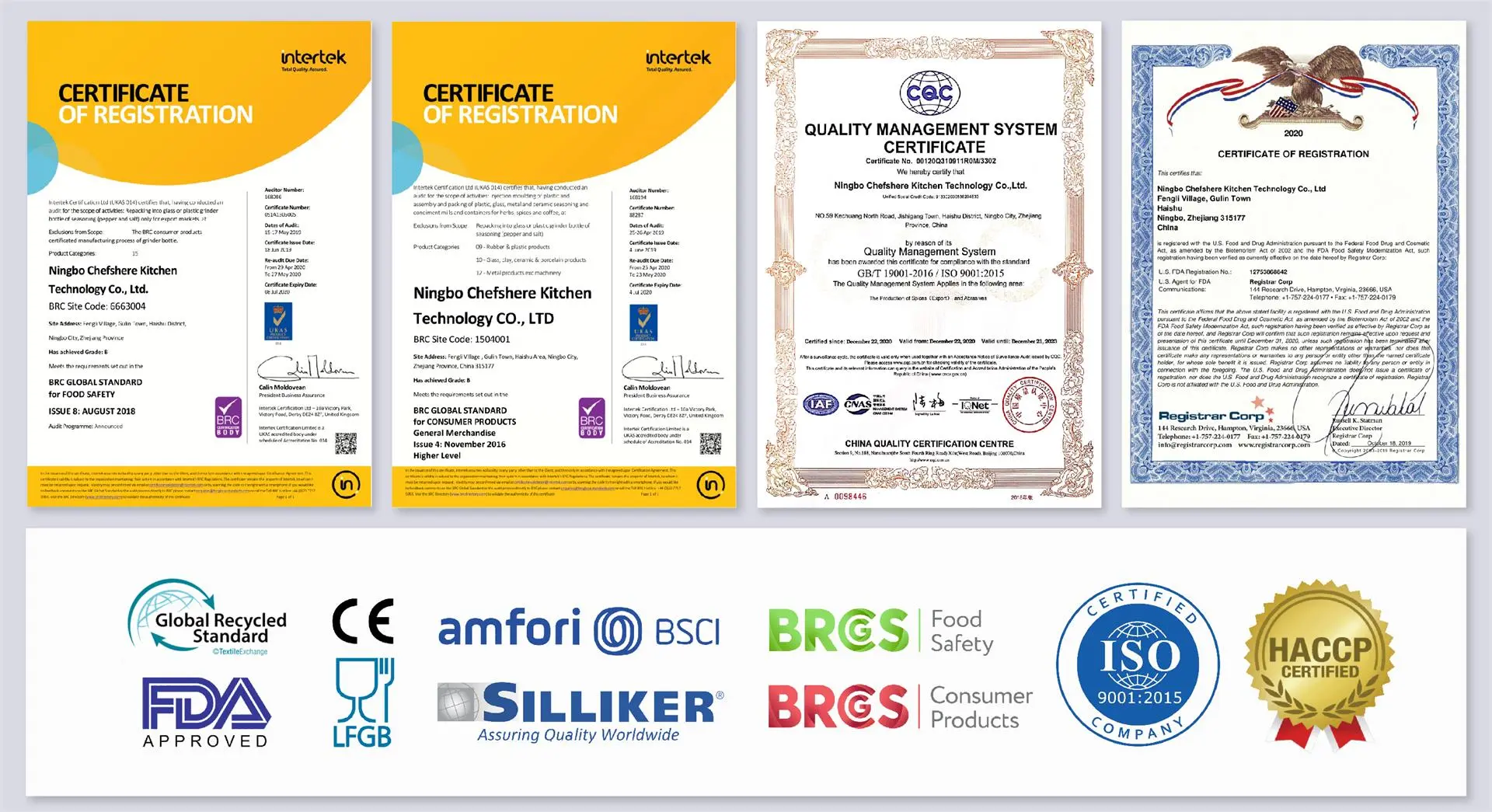
As a leading B2B exporter, we understand the complexities of global supply chains. We support import compliance by securing international certifications like LFGB, FDA, and CE, providing a reliable partnership for brand owners and distributors.
Our Global Manufacturing & Engineering footprint
Measurable performance and manufacturing capabilities built over decades of commercial partnership.
Engineering Specifications of Gravity Oil Dispensers
A detailed breakdown of the fluid dynamics and material selection that make our gravity-fed spouts clean, reliable, and compliant with EU regulatory frameworks.
Gravity-Actuated Closure
Utilizes a calibrated physical counterweight mechanism that opens the lid when tilted past 45 degrees, and reseals immediately upon returning to an upright position. This design eliminates manual contact, maintaining sanitation in commercial kitchens.
Material Degradation Resistance
We use high-borosilicate glass and chemical-grade Polypropylene (PP). Through testing, we eliminated stress cracking risks associated with PMMA and ABS polymers when exposed to lipids over long periods, ensuring safety and durability.
Anti-Drip Return Channels
The spout assembly features a return capillary channel that draws residual fluid back into the main reservoir, preventing external pooling on the bottle collar and minimizing cleanup needs.
Our Journey & Development Milestones
From our origin as a trading partner to our current position as an advanced manufacturer, Chinagama has maintained a strong focus on kitchenware quality. Our growth reflects our commitment to continuous product improvement.
Case Studies in Custom Engineering & Problem Solving
Review the design details and technical challenges resolved by Chinagama's R&D engineering team.
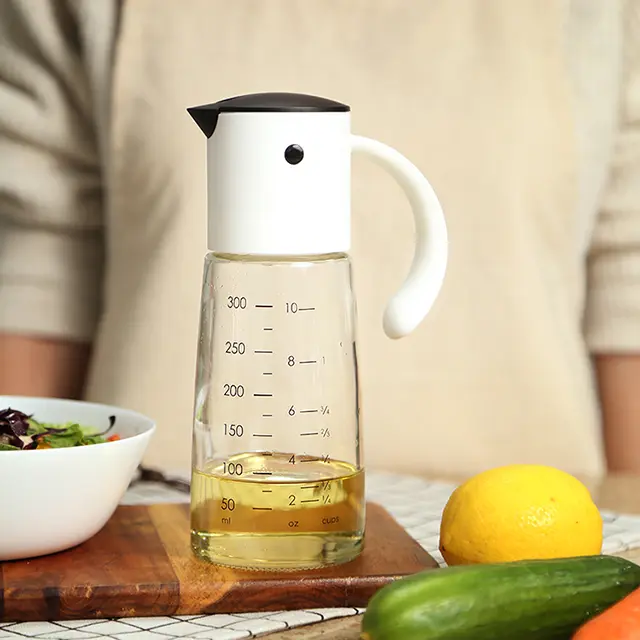
The Bird-Spout Gravity Oil Dispenser
Market research identified a consumer demand for a gravity-fed oil dispenser that could be operated with one hand without spilling. In response, Chinagama designed and developed the bird-spout gravity oil dispenser.
The Engineering Challenge: Many traditional dispensers on the market required two hands to operate or suffered from slow, dripping pours. Our design team focused on creating a responsive lid mechanism that opens smoothly at typical pouring angles and seals tightly when returned upright.
The Result: The design received strong market interest and was honored with a Red Dot Design Award. It remains one of our most popular oil dispenser styles for global private-label distribution.
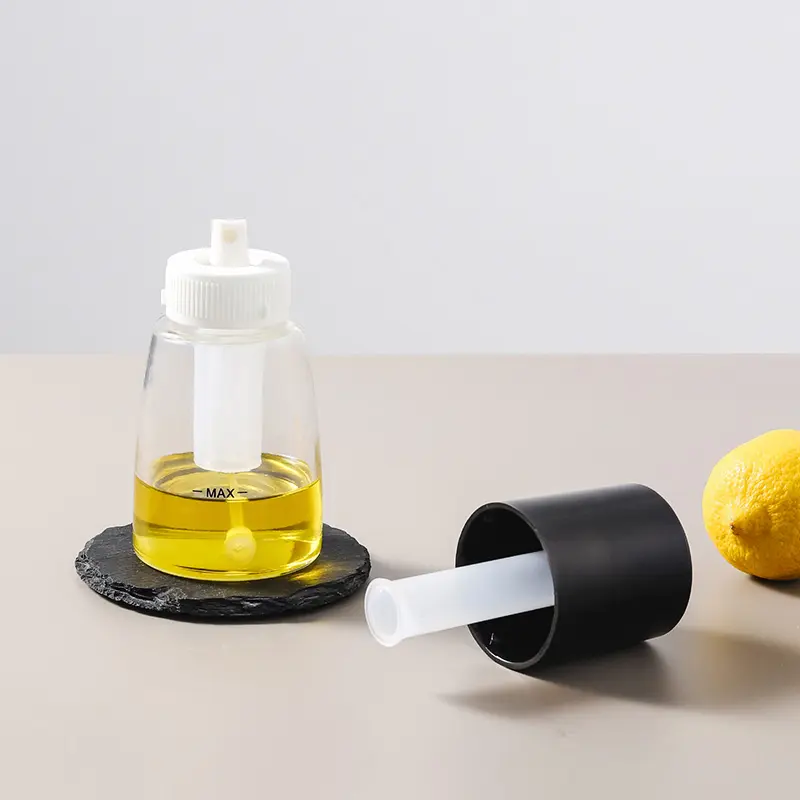
Preventing Chemical Stress Cracking in Oil Mist Sprayers
A premium kitchenware client partnered with Chinagama to develop an adjustable oil mist sprayer. The project required high pressure-containment and chemical stability.
The Engineering Challenge: Initial testing revealed that ABS and PMMA plastics cracked under pressure when exposed to lipids. Edible oils can trigger environmental stress cracking in certain polymers, compromising product safety.
The Solution: Our materials team transitioned the spray head assembly to specialized Polypropylene (PP). This material provides the necessary chemical resistance and impact durability, passing all stress-cracking and regulatory tests.
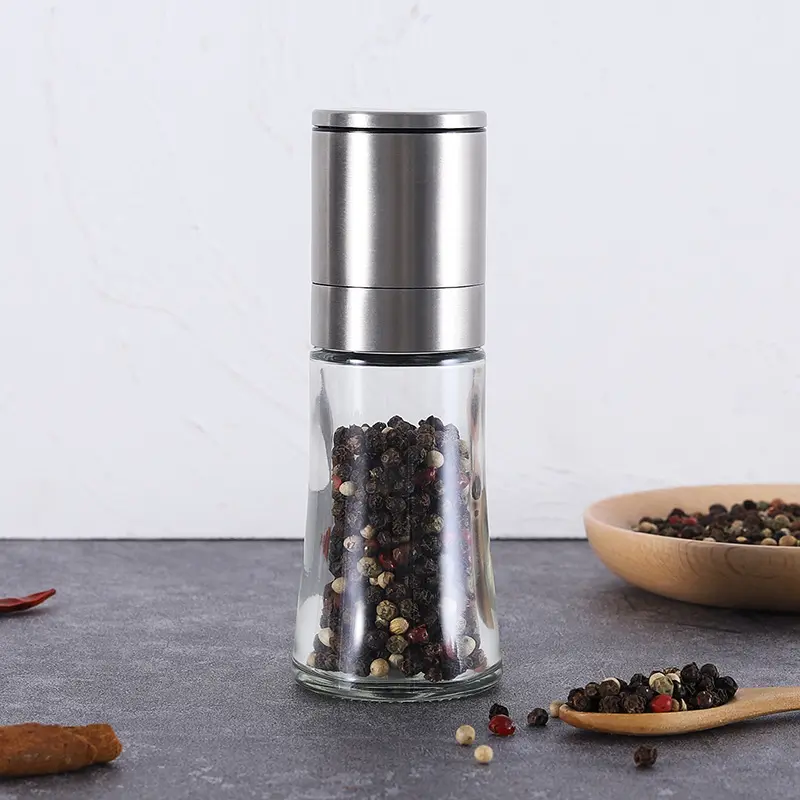
Redesigning Classic Salt and Pepper Mills
Traditional manual grinders are often heavy, difficult to adjust, or utilize mechanisms that wear down quickly under daily use.
The Engineering Challenge: Our goal was to create a lightweight, durable grinder with an adjustable grind size, without sacrificing the durability of the grinding mechanism.
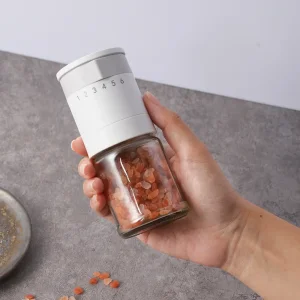
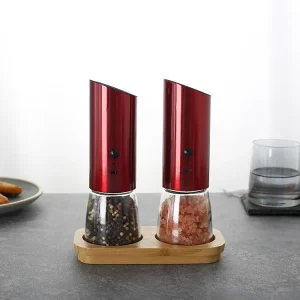
The Solution: We developed a compact, straight-profile mill utilizing a high-density ceramic grinding burr. This material is highly resistant to wear and rust, ensuring long-term performance and high customer satisfaction.
Diverse Kitchenware OEM/ODM Capabilities
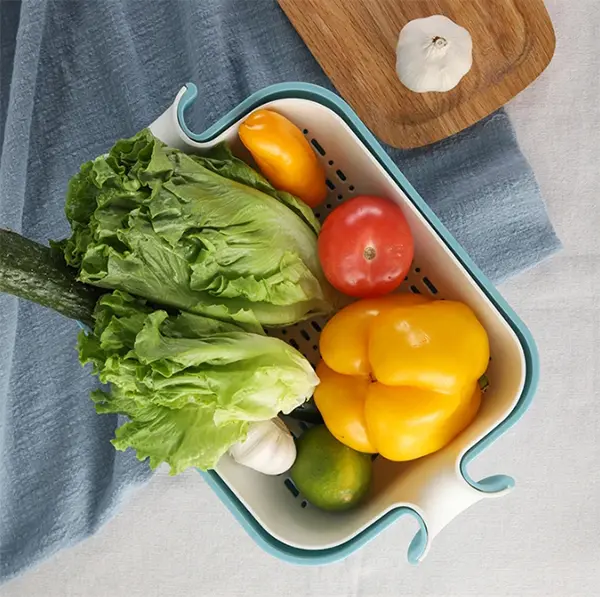
In addition to grinders and dispensers, Chinagama manufactures a variety of kitchen tools, including vegetable washing baskets, soap dispensers, and knife sharpeners.
Our Approach: We analyze regional trends and aesthetic preferences to support our clients' product development goals. By combining design input with strict quality control, we help our partners bring competitive products to market.
Regulatory Compliance Framework for Gravity Dispensers
Understanding the strict food-grade compliance and certification requirements for import into Europe and North America.
Importing kitchenware into highly regulated markets requires strict adherence to food safety standards. For B2B importers, distributors, and brands, regulatory compliance is a key requirement for market entry.
1. CE Certification (European Union)
CE certification indicates that our dispensers meet the necessary health, safety, and environmental standards for the European Economic Area (EEA). For liquid storage containers like oil dispensers, testing includes compliance with EU Regulation No. 10/2011 for plastic materials in contact with food, and Directive 84/500/EEC for ceramic and glass materials, ensuring zero hazardous chemical migration.
2. FDA Compliance (United States)
All materials used in our dispensers are FDA-compliant, conforming to FDA 21 CFR Part 177 for polymers and Part 175/176 for coatings. This ensures that our products are safe for contact with edible oils and acidic vinegars, preventing chemical leaching under varying temperature conditions.
3. LFGB Certification (Germany & Central Europe)
LFGB compliance is required for kitchenware sold in Germany and neighboring European markets. Testing evaluates sensory properties to confirm that our dispensers do not alter the taste, color, or aroma of stored oils, vinegars, or spices.
Technology & Material Roadmap
Our ongoing development focus points for the next generation of food-grade dispensing products.
Eco-Friendly Materials
We are testing biodegradable polymers and recycled plastics for non-food-contact components, supporting our commitment to sustainability and reducing environmental impact.
Ultra-Light Borosilicate
We are developing lightweight borosilicate glass formulas that offer high thermal shock resistance and durability while reducing product weight and shipping costs.
Precision Flow Control
Our team is designing new internal valves to allow users to adjust flow rates, making it easier to handle liquids of varying viscosities, from thin vinegars to dense olive oils.
Frequently Asked Questions
Critical answers for sourcing directors, quality control managers, and procurement professionals.
Premium Grinding Tools & Beverage Equipments
Ensure reliability in your supply chain with our range of certified pepper mills, spice bottles, and coffee preparation tools.