 Chinagama
Our Signature Kitchenware Solutions
Pioneering design and food-grade engineering tailored for global brands.





B2B Industry Whitepaper: The Evolution of Gravity Spice Mills
Establishing Quality Benchmarks in Automatic Food Grinding Systems
In the modern culinary equipment landscape, gravity spice mills have emerged as a peak intersection of electronics, ergonomics, and material sciences. By eliminating the manual rotational force or physical push-button mechanisms of traditional grinders, these innovative tools leverage tilt-activated sensors (gravity switches) to deliver precise spice output. This technical whitepaper addresses critical manufacturing standards, safety compliances like the CE Certification, global market flows, and structural solutions for enterprise buyers searching for elite Gravity Spice Mill Manufacturers.

Global Market Dynamics of Electric & Gravity Mills
The consumer demand for smart, single-handed kitchen appliances has driven exponential growth in the global spice mill sector. Valued significantly in North American and European smart-home kitchen segments, gravity spice mills are no longer luxury items; they are essential tools for accessibility, ergonomic efficiency, and sanitation.
B2B procurement channels focus heavily on manufacturing stability. As premium brands transition their product lines toward high-end aesthetics, partnering with a factory capable of producing durable gravity mills is paramount. Chinagama’s supply chain delivers over 12 million units annually, signifying that approximately every three seconds, our premium tools find their way to consumers globally.
Engineering & Technical Roadmap of Gravity Spice Mills
Behind the Mechanics: Sensors, Rotors, and Power Systems
Precision Gravity Sensors
Integrating reliable micro-gravity tilt switches allows activation at a precise 45-degree angle. This prevents accidental triggering during standard placement and optimizes power conservation.
Ceramic vs. Carbon Steel Burrs
For salt and moisture-rich spices, alumina ceramic grinding mechanisms are non-corrosive and yield uniform grinds. Carbon steel structures are designated for dry peppercorns needing high torque shear.
Lithium-Ion & USB-C Optimization
Moving away from traditional AAA batteries, Chinagama's advanced gravity mills implement rechargeable lithium batteries, decreasing environmental footprints and offering consistent motor torque.
The Imperative of CE Certification & Food Grade Approvals
Mitigating Risks in B2B Importation and Consumer Use
Importing electronic kitchen appliances into the European Union and global markets demands absolute adherence to safety and electromagnetic standards. The CE Certification is not a mere label; it is the manufacturer’s declaration that the product complies with all necessary directives:
- Electromagnetic Compatibility (EMC) Directive 2014/30/EU: Ensures the internal electric motor of the gravity spice mill does not emit excessive radio frequency interference that could disrupt household electronics.
- Low Voltage Directive (LVD) 2014/35/EU: Mandates electrical safety checks, especially for rechargeable units using external charging ports.
- RoHS Directive 2011/65/EU: Restricts hazardous materials in electrical and electronic assembly parts.
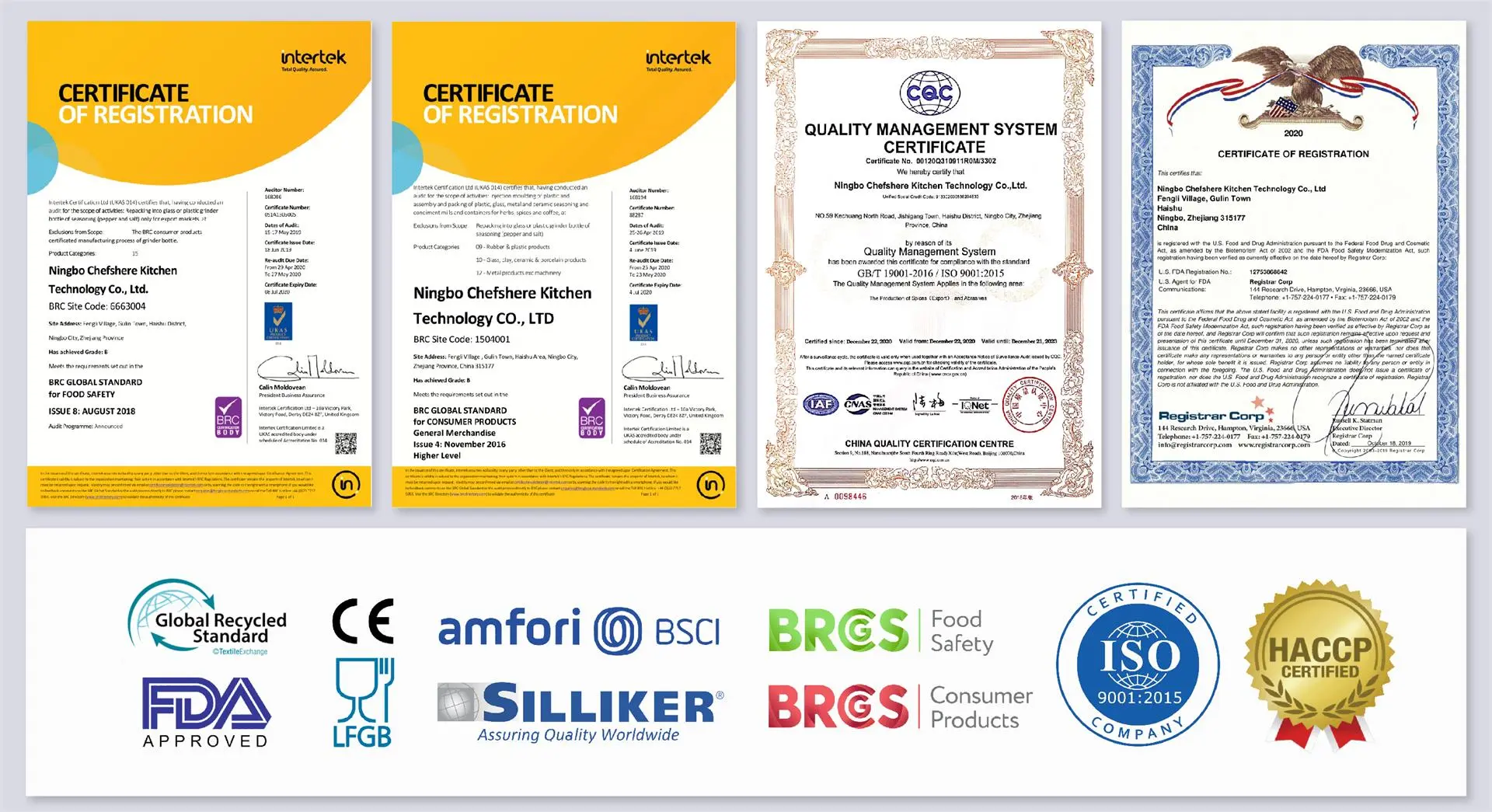
Furthermore, kitchenware requires direct food contact safety. Chinagama aligns all designs with LFGB (German food law) and FDA standardizations. Our raw plastic resins, ceramic rotors, and stainless steel hardware go through third-party chemical testing to guarantee zero chemical migration.
Chinagama Engineering Case Studies: Solving Complex Production Challenges
How our R&D team overcomes material limitations and design bottlenecks
1. The Bird Spout Oil Dispenser (Red Dot Winner)
Market research revealed consumer frustration with traditional oil pourers that suffered from messy drips and required manual cap removal. Chinagama created a gravity-fed "bird spout" mechanism. Utilizing a balanced gravity-controlled lid, the spout automatically hinges open when tilted and snaps shut upon upright positioning. This ergonomic engineering was recognized with the prestigious Red Dot Design Award.
2. Material Selection & Stress Cracking Mitigation
During the collaborative development of a high-performance oil mist sprayer, initial prototypes constructed using ABS and PMMA plastics showed minor stress cracking when exposed to lipids (vegetable oils). This presented a long-term durability issue. Chinagama's chemical engineers conducted tests and transitioned the internal housing to non-toxic, chemically resistant polypropylene (PP). This shift eliminated structural degradation and ensured compliance with health regulations.

3. Streamlining the Manual & Automatic Hybrid System
Older iterations of salt and pepper grinders were heavy, over-engineered, and prone to gear wear. To solve this, our product engineers stripped away non-essential gearings to design a minimalist, straight mill mechanism. By using custom-molded interior guides, the physical stress on the ceramic rotor is reduced by 30%, which extends the product life of the grinder.
Our Factory Infrastructure & Production Capability
Equipped with state-of-the-art injection molding and assembly lines
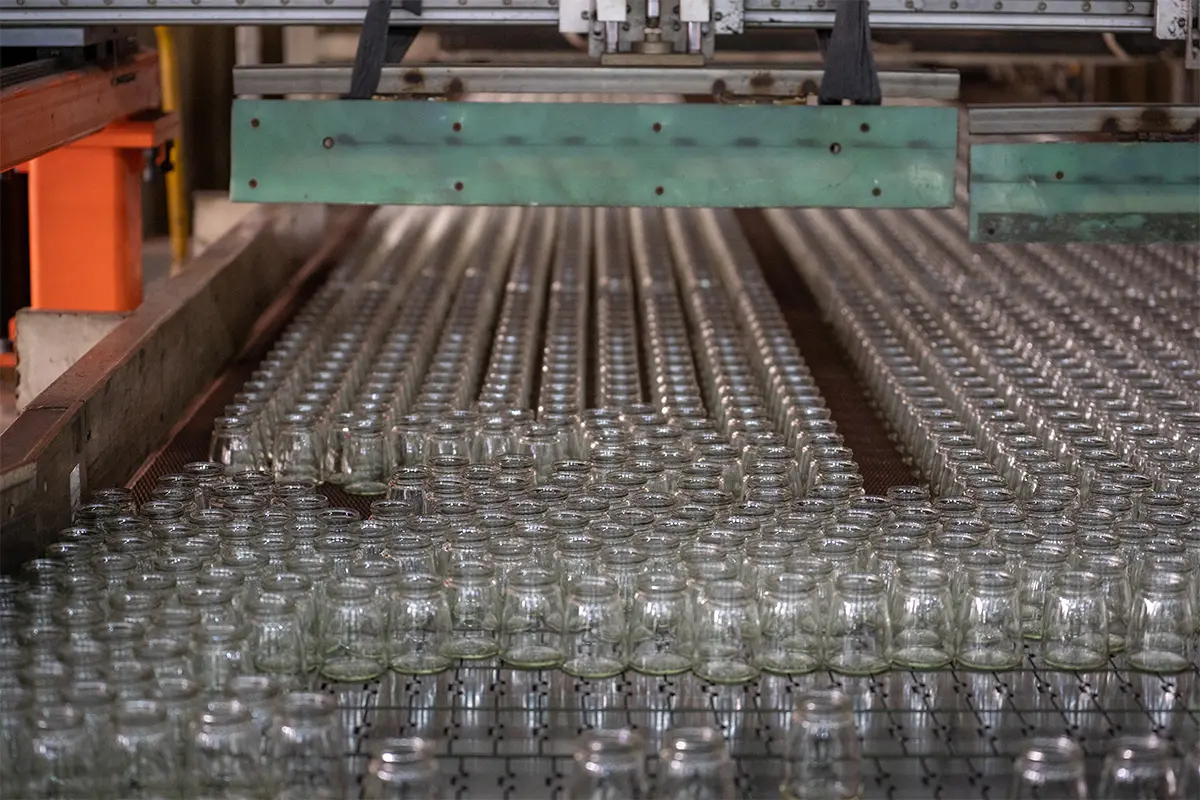
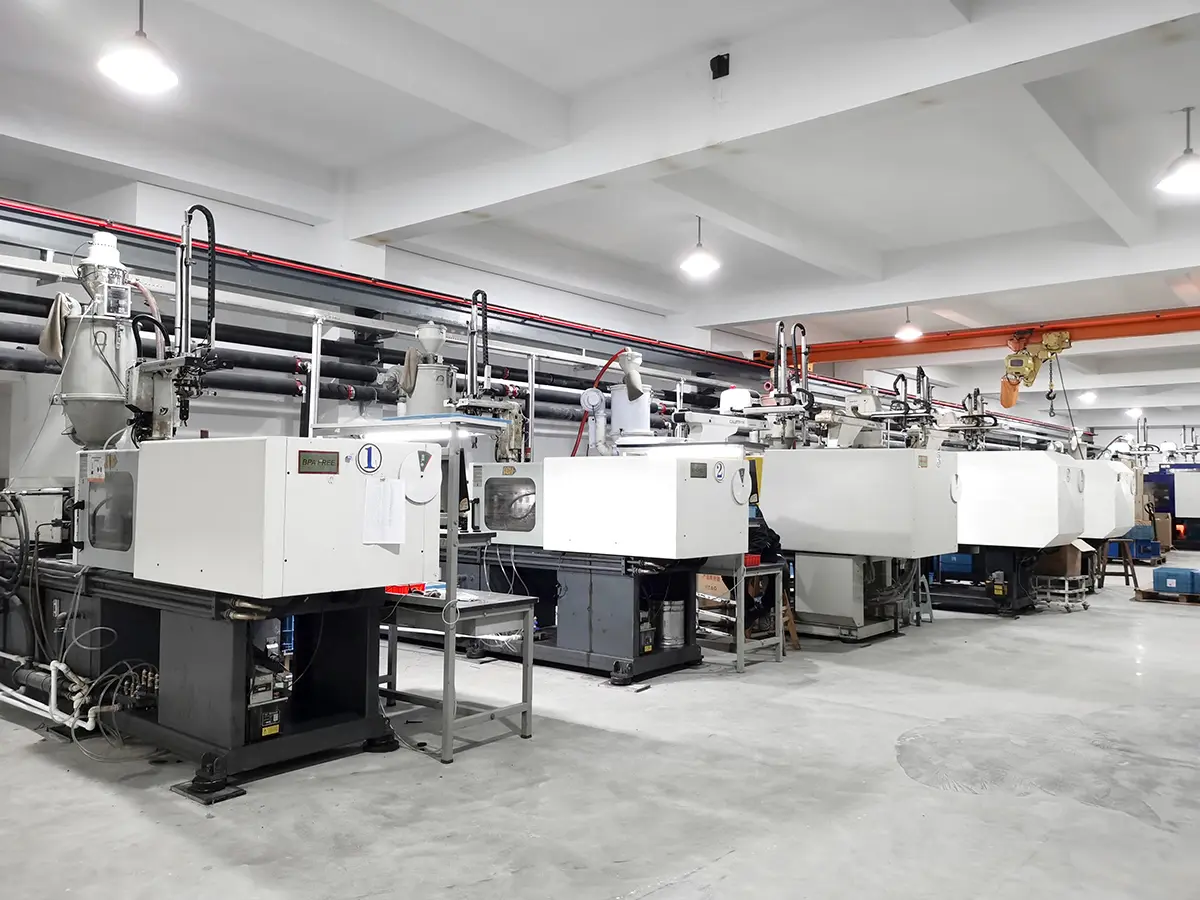
Automated Injection Molding
We deploy high-precision robotic injection machinery to guarantee consistency in dimensions and structural integrity for all plastic housings.
Dust-Free Assembly
All medical-grade and food-contact kitchen components are assembled under climate-controlled and sterile environments.
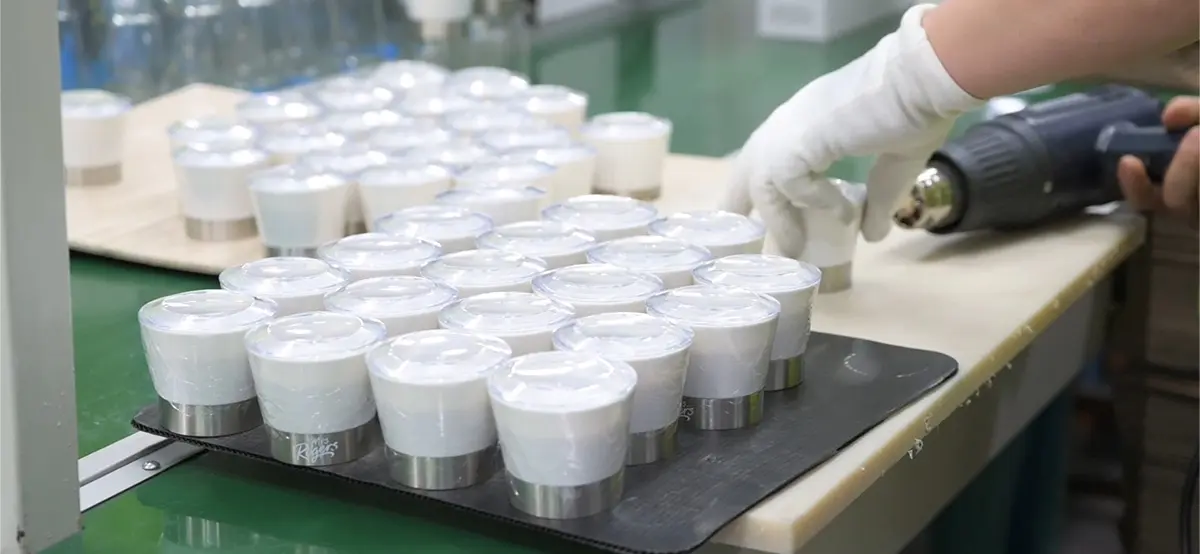
Product Quality Testing
We test motor longevity and drop protection to verify that each gravity mill can withstand years of active home kitchen use.

Advanced R&D Studio
Our dedicated team of product designers and mechanical engineers conceptualize next-generation cooking utensils.

Precision Tooling Workshop
Developing in-house metal molds enables us to slash prototype turnaround times and significantly drop initial tooling costs.
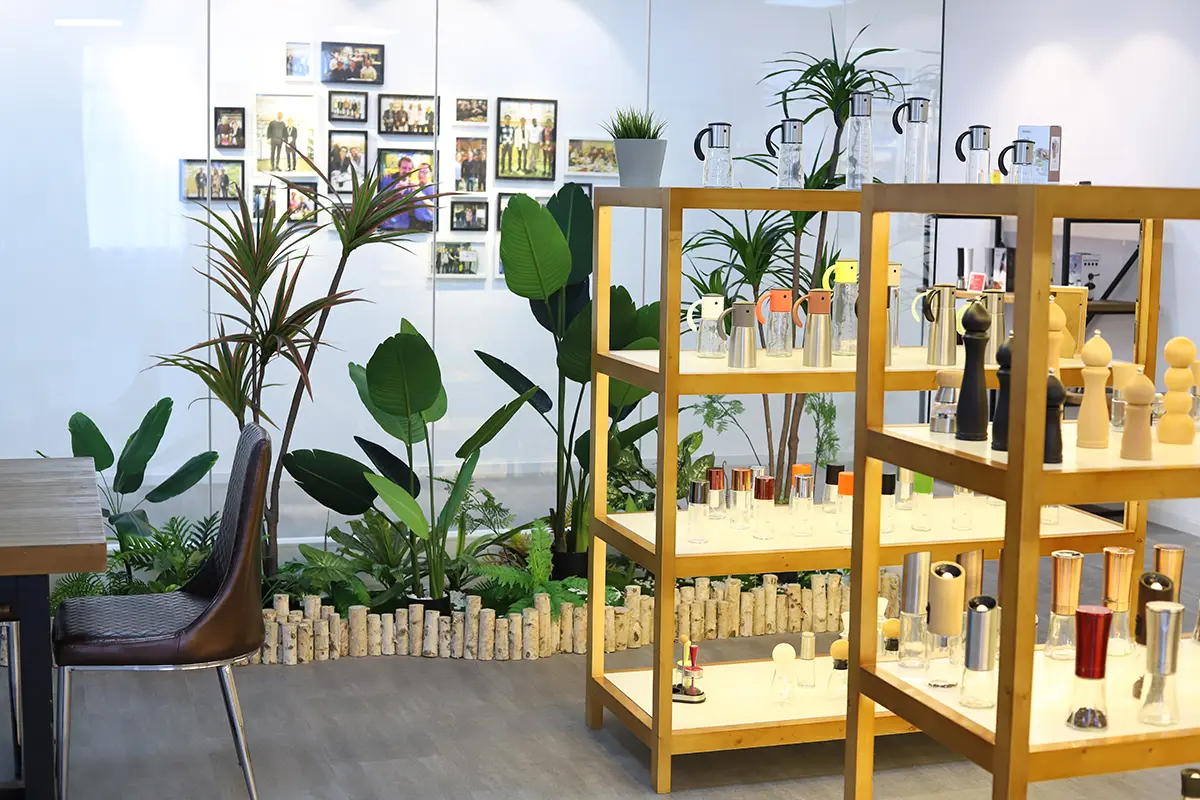
Strict Final Inspection
Prior to packaging and export shipment, every single unit is manually inspected for blemishes and electrical continuity.
Macro B2B Solutions & OEM/ODM Sourcing Quotations
Streamlined customization roadmaps designed for international importers
At Chinagama, we understand that mid-to-high-end brands require customized solutions. Sourcing gravity mills requires careful assessment of product configuration and cost variables. The primary factors that influence wholesale gravity spice mill pricing include:
- Material Specifications: Selecting food-contact safe polymers (PP, Tritan), premium glass blends, or brushed SUS304 stainless steel housings.
- Motor and Gearbox Selection: Adjusting torque levels to matches tough materials like rock salt or dry spices without stalling.
- Custom Branding: Options include laser engraving, silk-screen printing, and bespoke premium structural gift packaging.
- Certification Audits: Complete access to CE, RoHS, EMC, FDA, and LFGB testing documentation.
Our logistics team manages shipping documentation, ensuring smooth customs processing at major global container ports.

Frequently Asked Questions: Gravity Spice Mills Sourcing
Addressing Common Inquiries from B2B Procurement Officers and Quality Control Managers
CE Certification guarantees that the electric motors, battery systems, and electronic components of the gravity mill comply with the strict electromagnetic radiation (EMC) and low voltage safety (LVD) directives within the EEA. Without a genuine CE declaration, shipments risk confiscation at customs, and retailers face liability issues.
Ceramic burrs do not rust or corrode when exposed to wet climates or salt. Salt is naturally corrosive to metals, meaning stainless steel burrs can degrade over time. Ceramic keeps the grind pure and maintains sharpness longer.
MOQ requirements vary based on the level of customization. Typically, custom packaging and color modifications start at 1,000 to 2,000 units. For completely custom tooling developments, the baseline MOQ can adjust depending on molding complexities.
We source food-grade resins and test all production batches using certified testing labs. All products comply with LFGB and FDA requirements, assuring they are free of BPA, phthalates, and heavy metals.
Explore More Innovation Kitchenware
Select products from our premium catalog with guaranteed quality certificates



Ready to Elevate Your Kitchenware Brand?
Collaborate with Chinagama for CE Certified Gravity Spice Mills, Custom Mold Development, and High-Volume Manufacturing Solutions.
Request a Custom Factory Quote