 Chinagama
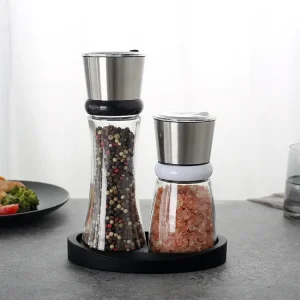
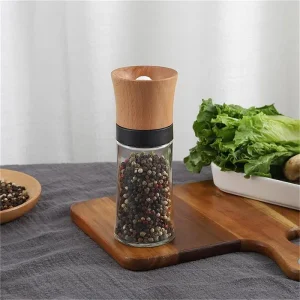
Featured Premium Culinary Grinding & Beverage Ware
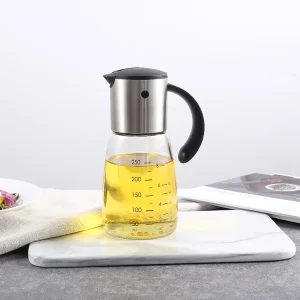
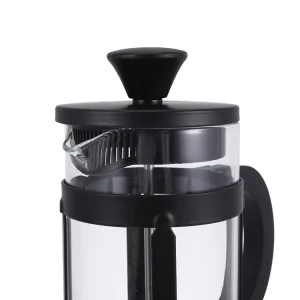
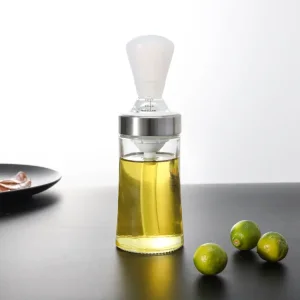

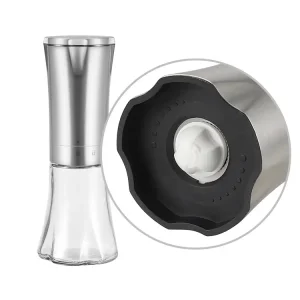
The Global Landscape of Coffee Mill Manufacturing
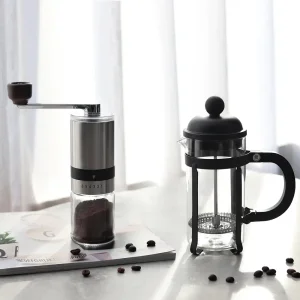
In the contemporary B2B market, the demand for precision-engineered, manual, and electric coffee grinders is accelerating exponentially. The shift from commodity coffee consumption to specialty coffee appreciation has driven brands to seek premium coffee mill suppliers capable of providing technical innovation, robust quality control, and scalable production.
Burr Mechanism Engineering
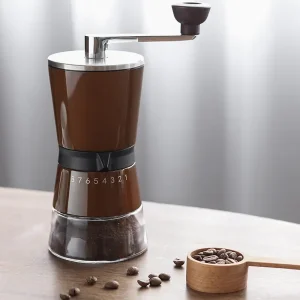
Modern consumers demand absolute uniformity in grind size. Modern premium coffee mill suppliers focus heavily on manufacturing adjustable conical and flat burr assemblies using advanced materials such as high-nitrogen martensitic stainless steel and alumina ceramic to reduce fines and prevent heat transfer during grinding.
Ergonomic & Structural Design
Manual mills require high torque translation. Utilizing dual-bearing stabilization shafts minimizes axle wobble, ensuring axial alignment even under high friction. Premium designs emphasize lightweight aluminum alloys, borosilicate glass, and sustainably sourced woods.
Safety & Material Compliance
Global regulatory bodies require strict conformance to food-contact safety parameters. All critical structural components must meet LFGB and FDA food-grade certifications, ensuring that polymers are BPA-free and metallic alloys do not leach heavy metals into raw coffee beans.
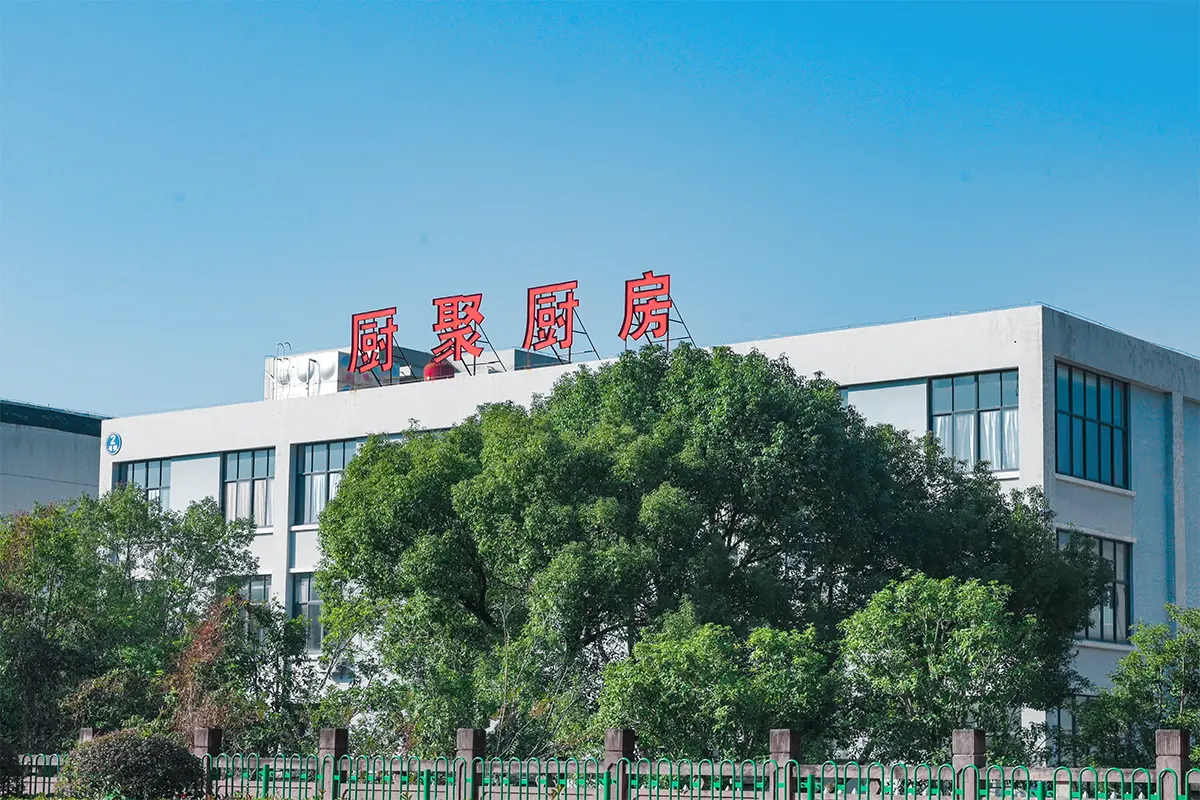 ESTABLISHED 1997
Chinagama's Legacy of Culinary Innovation & Engineering
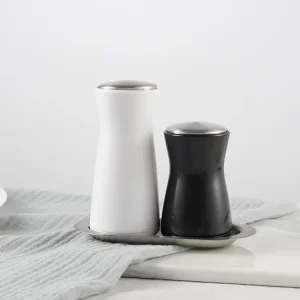
At Chinagama, we are passionate about crafting high-quality and stylish kitchenware, specializing in salt and pepper grinders, coffee mills, oil dispensers, soap dispensers, and more. Our operational strategy relies on advanced technology combined with seasoned engineering expertise to deliver unique kitchen tools to buyers worldwide.
Since our establishment in 1997, our dedication to developing competitive grinding solutions has allowed us to serve over 150 cooperating brands. Our modern industrial complex manages the entire lifecycle of kitchen tools, from initial aesthetic sketches to raw material selection, precision injection molding, and rigorous quality inspection.
China Factory Efficiency & Industrial Supply Chain Advantages
Why do leading global brands partner with Chinese factories to manufacture their flagship coffee mills? The answers lie in geographic clusters, vertical integration, and cost-effective manufacturing methods.
| Manufacturing Dimension | Typical Western Sourcing | Chinese Factory Cluster (e.g., Chinagama) | Key Strategic Advantage |
|---|---|---|---|
| Supply Chain Integration | Fragmented component sourcing across multiple countries | End-to-end local ecosystems (metals, plastics, glass within 50km) | Shortened production cycles & lower transit costs |
| Tooling & Prototyping | High tooling expenses and 2-3 months lead time | Rapid tooling, 3D printing validation in 10-15 days | Faster time-to-market for innovative designs |
| Scalability & Flex Capacity | Limited throughput adjustments and rigid labor constraints | Automated lines, scalable capacity exceeding 1M units/month | Ability to absorb seasonal Q4 retail spikes without delay |
| Quality Control Systems | High overhead, outsourced random inspections | In-house laboratories, ISO9001 certified inline testing, automated tolerances | Near-zero defect rates (under 0.05%) at scale |
Technological Breakthroughs in Material Dynamics
Chinagama's success is rooted in scientific material application. Developing functional kitchen tools requires deep understanding of structural stresses and organic chemistry. Our engineering teams perform comprehensive fatigue and environmental testing on all prospective materials before mass production begins.
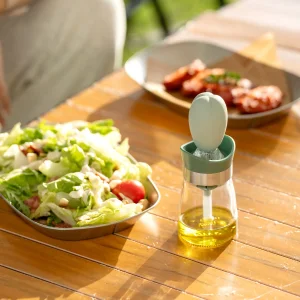
For instance, during the collaborative development of our high-performance oil mist sprayer, initial assessments showed stress cracking risks when using ABS and PMMA under exposure to certain vegetable oils. Our technical team switched to a high-grade PP material. This choice ensured safety and structural integrity under constant pressure, proving our expertise in engineering safety.
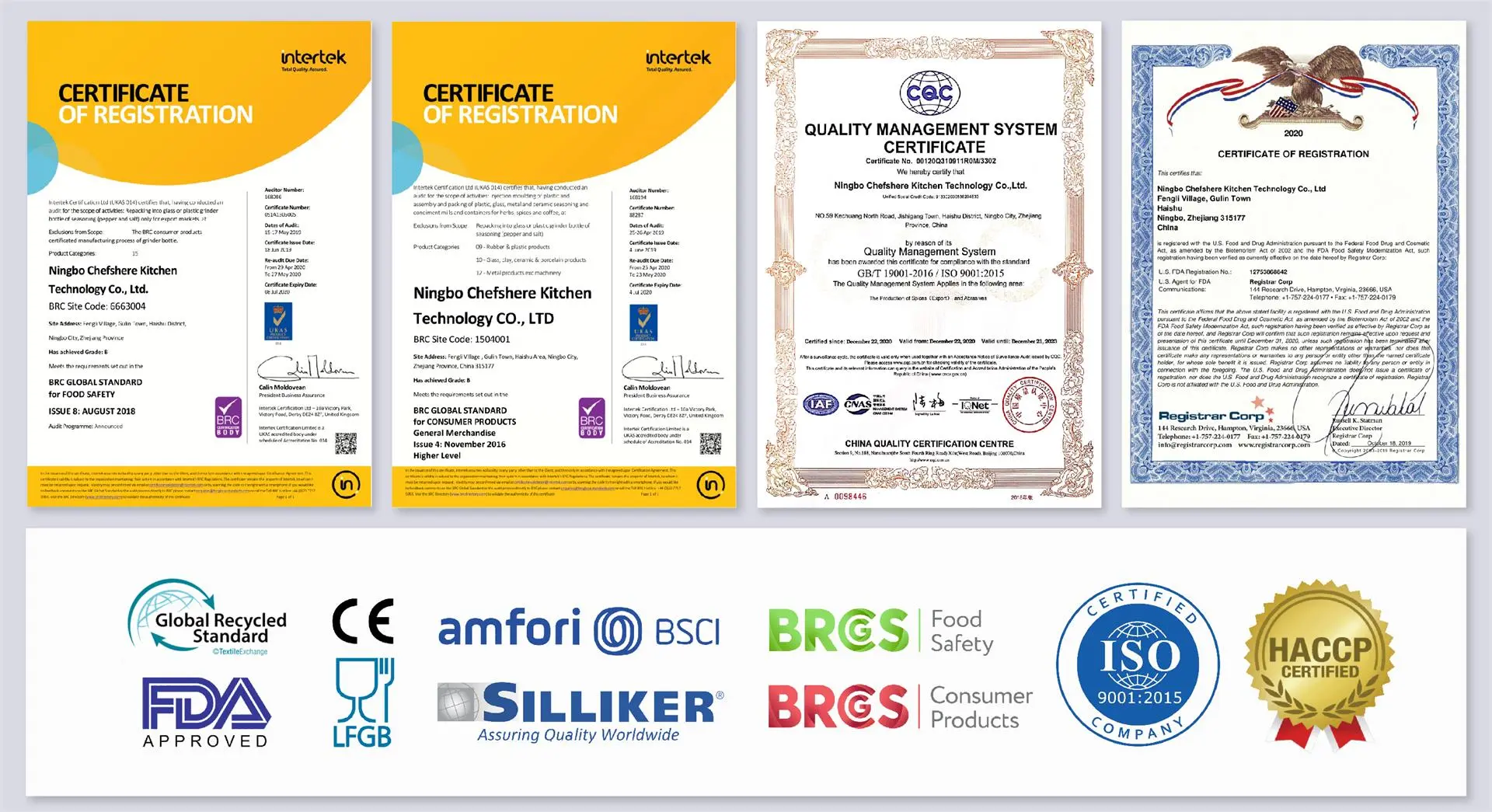 LFGB & FDA COMPLIANT
Chinagama's Historic Milestone Journey
Our long-term growth from a trade-focused enterprise to a global manufacturing innovator reflects our core values: Focus, Innovation, Sustainability, and Win Together.
Founding & Commercial Base
Chinagama initiates operations in Ningbo, focusing on international kitchenware trade. Our early experience built deep knowledge of international food-contact safety standards and product design expectations.
Transition to Manufacturing
Responding to growing global demand, we transitioned from trade to direct production. We invested in machinery to control quality directly and offer customized OEM options.
Food-Grade Smart Facility
We built a modern, food-grade factory with clean assembly lines, dust-free packaging bays, and advanced testing setups to meet LFGB and FDA requirements.
High-Tech Enterprise Designation
Recognized as a national High-Tech Enterprise, our R&D focus expanded. This era yielded our Red Dot and iF Design Award wins, particularly for our gravity-fed bird spout oil dispenser.
Global Scaling & Green Production
Producing over 12 million grinders annually, Chinagama continues to support global brands with eco-friendly materials, sustainable manufacturing, and responsive logistics.
 DESIGN AWARDS WINNER
Human-Centric Engineering & Case Studies
Our products balance form and function, prioritizing the user experience. Many coffee and spice grinders on the market feature overly complex designs that add weight and reduce practical usability.
Chinagama's engineering teams focus on solving these issues through practical design. By introducing patented internal alignment systems and comfortable grips, we ensure consistent grind output and ease of use.
This design focus extends across all our products, including our award-winning oil dispensers and kitchen tools, ensuring long-term utility for the end user.
- Simplified disassembly: Allows quick cleaning of mechanical parts without losing settings.
- Optimal leverage: Minimizes required hand force through engineered gear ratios.
- Modern aesthetics: Fits clean, minimalist home and commercial kitchen designs.
Localized Application Scenarios for Coffee Mills
Premium coffee mills serve diverse markets worldwide. Our product portfolio is engineered to meet specific localized demands and brewing habits.
Specialty Coffee Cafes & Roasters
Local coffee shops package manual grinders as premium retail merchandise. Enthusiasts buying high-grade single-origin beans require a grinder that preserves aromatic oils without static charge buildup.
Office & Workplace Coffee Stations
Quiet operation is key in office environments. USB-rechargeable electric coffee mills offer low-noise, automated grinding, fitting seamlessly into office kitchenettes.
Outdoor Brewing & Travel
Campers and travelers require compact, rugged equipment. Lightweight manual grinders with steel burrs, collapsible handles, and durable carrying bags are popular for travel brewing.
Global B2B Procurement: The Supplier Evaluation Checklist
Sourcing from China requires evaluating more than just the unit price. High-value brands use the following technical criteria to assess partners before finalizing a supply agreement.
1. Tooling & Injection Mold Quality
Ensure the supplier owns high-speed CNC machinery and EDM equipment. Precision molds are essential to prevent misalignment in components like the grinder's central axis, which can lead to uneven grinding.
2. Regulatory & Compliance Dossiers
Verify the factory provides complete certification testing paperwork. This includes food contact safety (FDA, LFGB), mechanical safety (CE), and electronic safety (RoHS, FCC) for electric devices.
3. Factory Social & Quality Audits
Verify certifications like ISO9001, BSCI, or Sedex. These confirm compliance with global standards for ethical labor practices, safe working conditions, and consistent quality management.
Industrial Insights & FAQ (User Intent Mining)
Common questions from B2B buyers, product managers, and supply chain directors regarding coffee mill manufacturing in China.
What parameters define a premium manual coffee grinder compared to low-end mills?
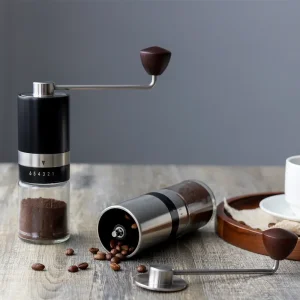
Premium grinders are defined by their grind consistency, structural alignment, and durability. Key technical elements include dual ball-bearing stabilization for the central shaft to reduce wobble, CNC-machined stainless steel burrs (SUS420) for sharp cutting edges, and step or stepless adjustment mechanisms with clear, click-based feedback for precise adjustment.
Why use stainless steel burrs instead of ceramic burrs for specialty coffee?
Ceramic burrs crush beans under compression, which produces more micro-fines that can lead to over-extracted, bitter brews. CNC-cut stainless steel burrs slice beans cleanly, resulting in a narrow particle size distribution. This is essential for unlocking the delicate flavors in specialty coffees.
How does Chinagama factory manage Quality Control (QC) during mass production?
We apply QC processes at multiple stages: Incoming Quality Control (IQC) for raw material safety, In-Process Quality Control (IPQC) to check mold dimensions, and Outgoing Quality Assurance (OQA) for functional testing. All motor systems undergo automated endurance testing before final assembly.
What are the average Lead Times and Minimum Order Quantities (MOQs) for custom OEM projects?
Our standard MOQ for customized colors and branding is 1,000 to 2,000 units, depending on the model. For new OEM projects requiring custom injection molds, tooling takes 30 to 45 days, followed by mass production which typically runs 35 to 45 days.
Are all components manufactured under food contact safety regulations?
Yes, all food-contact parts are manufactured using safe materials like Eastman Tritan, borosilicate glass, and food-grade silicones. Our finished products undergo periodic testing by third-party testing houses (SGS, TUV) to maintain FDA, LFGB, and EU compliance.
Explore Our Full Range of Precision Kitchenware